After Events
Everything after 12:23 PM MDT on September 10, 2025 — surrender, crime-scene changes, legal secrecy, media fights, leadership exits, and political aftermath. Start with the investigation index. Every item on this list is downstream of one fact: Charlie Kirk was assassinated in the UVU courtyard that afternoon, and the question of how he was actually killed still shapes each of the aftermath threads below.
:::tip The aftermath item that never got followed up Everything on this page is downstream of the night of September 10 — and that night has a 209-mile hole in it. Staff at Cowboy's Smokehouse in Panguitch, Utah, more than three hours south of Orem, say they served Tyler Robinson dinner from 8:55 to 9:47 PM that evening, tipped the FBI the next morning, and handed over the last four digits of the card. What belongs in the aftermath record is what happened next: by the server's own on-camera account, the FBI never came back, the card was never checked with him, and neither party in the case has asked him to testify — even though he says he personally ran the transaction. If the sighting is real, the post-11 PM Orem texts and sightings above cannot be his. The identification is claimed by restaurant staff and contested; Robinson is charged, not convicted. Panguitch — The Town That Breaks the Timeline → :::
The first 24 hours set the pattern: false UVU "suspect in custody" alerts, the Sept 11 surrender chain with 6:25 PM Miranda vs 8:02 PM Brooksby call disputes, and Discord messages timestamped ~7:57 PM. July 2026 prelim notes (Officer Davis / SBI multi-agency room; formal detain Sept 12 4:00 AM) keep the custody chain live. Tyler Robinson is charged, not convicted — custody timing is evidence-process questions, not guilt findings.
Days to months brought courtyard paving within days — with Lead Investigator Hull reportedly testifying he was not consulted on paving — Judge Tony Graf's Dec 16, 2025 gag order, a Dec 29, 2025 redacted-transcript release, and July 2026 media exhibit sanctions during a five-day prelim. Brooksby and UVU President Tuminez resigned in 2026 (institutional exits; Guardian confirmed Tuminez's May step-down). Citizen investigators parallel mainstream coverage with censorship threads — Ryne Simmons' 4K video, platform suspensions, sealed discovery, and ballistics culture-war posts.
Political aftermath runs through memorial and TPUSA succession (Erika Kirk, Candace Owens Aspen/FlightRadar succession challenges, donor threads, national honors) and visa enforcement against celebration posts — policy debates that must stay separate from ballistics and rooftop evidence.
Read Investigation Index → Sept 11 Surrender → Legal Process. For trial depth see court. For site paving see UVU. For motive/suppression before the shot see Before.
The W 925 S Block — and a Google Search from Israel
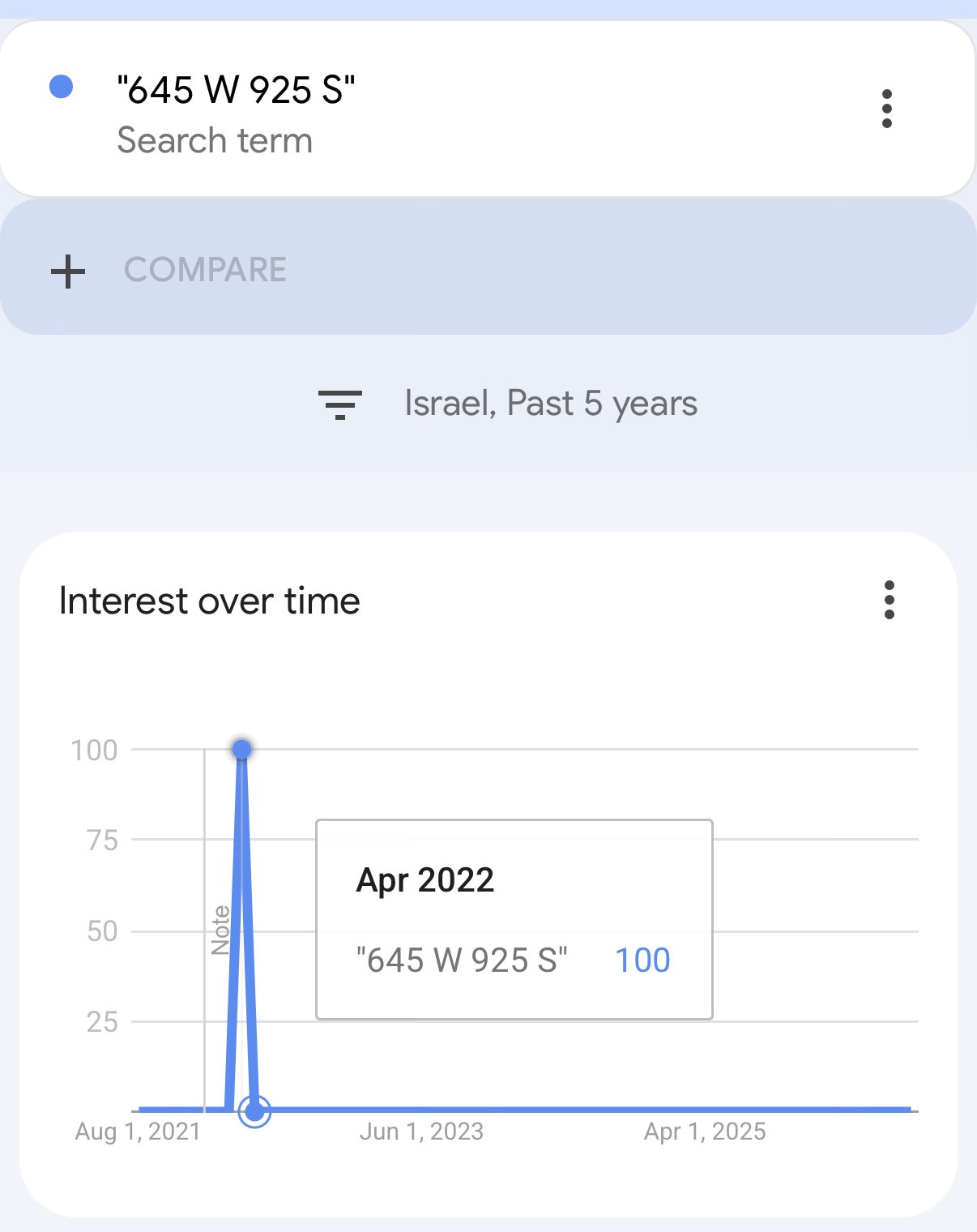
Google Trends, term "645 W 925 S" filtered to region Israel, past 5 years — one spike to 100 in April 2022. Source: @NihiloX on X, Aug 7, 2026. Pinned to IPFS.
The residential block north of campus has become its own after-the-shot thread. This section's house pages document 691 W 925 S — the home UVU bought in 2019 for $900,000 — and the citizen allegation, unproven and denied by no official document because none names it, that the block was used to plan or stage the attack. Real court media from the Robinson prelim does place a grey Dodge Challenger on Ring video at 680 W 925 S around 00:30 on September 11 (W 925 S block).
On August 7, 2026, @NihiloX added a foreign angle: a Google Trends chart for the term "645 W 925 S" filtered to the region Israel, flat across five years except for a single spike in April 2022. Two limits apply immediately — 645 is a different house from 691, a neighbor on the same block, and Google Trends plots normalized relative interest, not counts, so the "100" may rest on a handful of searches and names no searcher. It is logged as a lead, not a finding, on Israel Search: 645 W 925 S.
Laws (Charlie Kirk)
Who authorized paving over the crime scene, the sealed discovery video and forensic reports, and the gag order's secret hearing transcripts are things the Charlie Kirk Investigation Laws may result in powerful truths coming out that aren't out yet.
Interesting In This Area
- Miranda at 6:25 PM sits before Discord messages timestamped 7:57 that same night.
- Paving crews worked a Sunday, and gag orders later closed the hearings.
- Utah Valley University bought the alleged staging house in 2019 for $900,000.
- A sheriff, a university president and an FBI field boss all left their posts.
Interesting In Other Areas
- Panguitch staff say the accused ate dinner 209 miles south at 8:55 PM.
- The ATF fragment report came back inconclusive, and prosecutors moved to seal it.
- Dan Merrell says coordinators told him the Sunday paving order came from the top.
- Citizen investigators favour an explosive device over the government's rifle account.
Other Pages In This Section
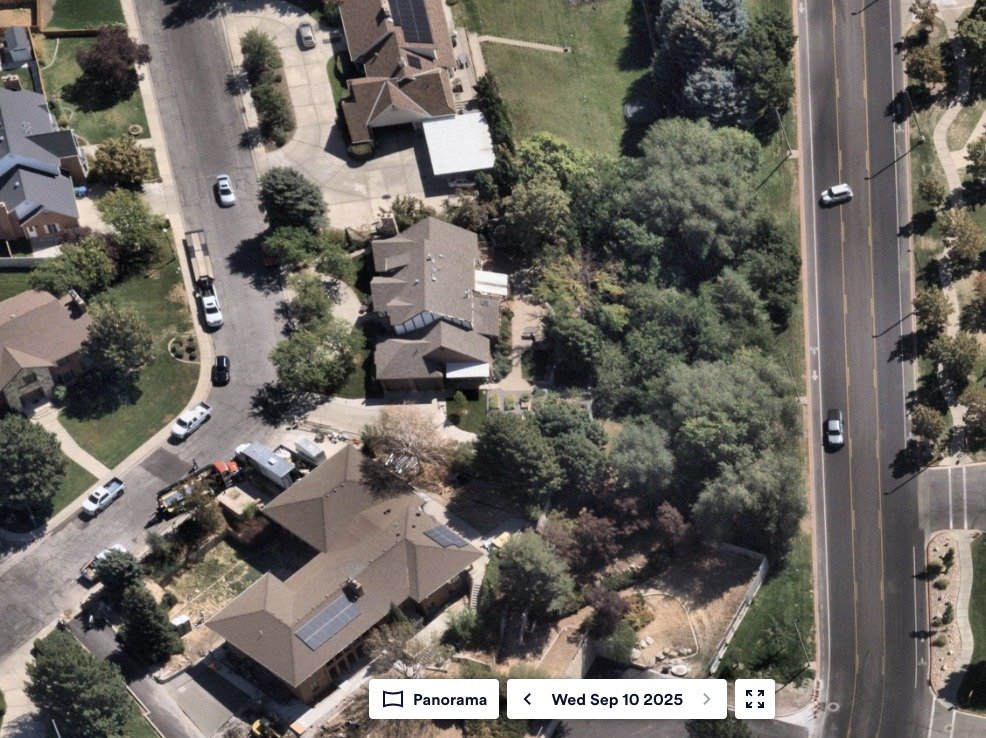
The House at 691 W 925 S, Orem (Alleged Staging Site)
An unverified citizen allegation says the attack was staged from a house a quarter-mile north of campus. The strangest documented fact is that Utah Valley University itself bought the property in 2019 — which makes its use records public.
Read this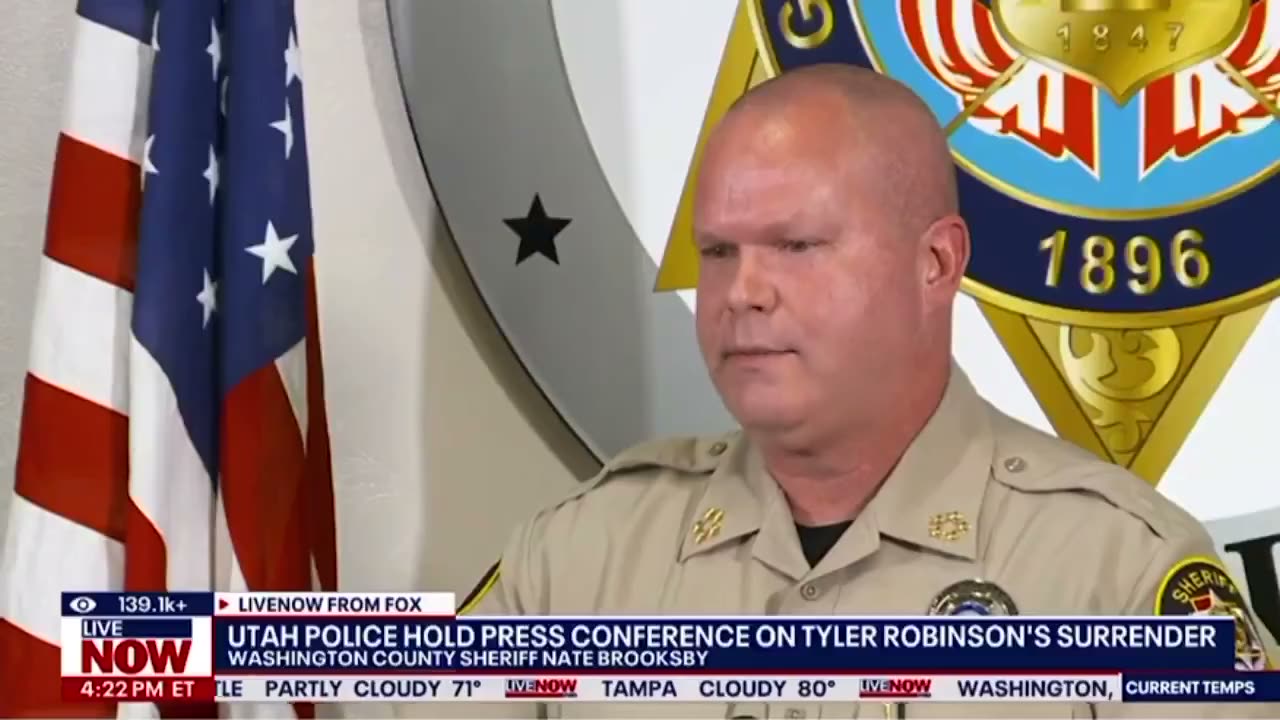
Sept 11 Surrender and Custody Timeline
Miranda at 6:25 PM, a sheriff's first identification call at 8:02 PM, Discord messages at 7:57 PM. The order of those three timestamps is the entire dispute, and no public record has reconciled them.
Read this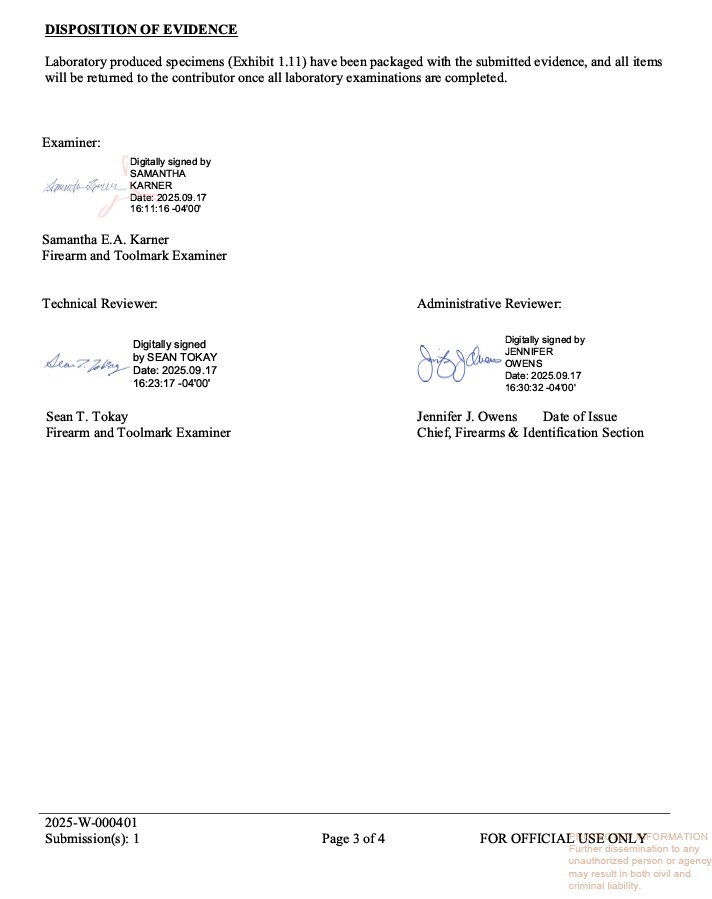
Site Changes and Crime‑Scene Handling After the UVU Event (Claims)
The ground where Charlie Kirk was killed was torn up and paved within days, on a finish-by-Monday schedule that included a Sunday. The lead investigator reportedly learned of it from the news.
Read thisLegal Process, Gag Orders, and Hearing Secrecy (As Reported and Claims)
A gag order issued on the court's own motion, closed hearings, a move to seal an ATF report that came back inconclusive, and a day-five order stopping media from capturing exhibits. Routine capital-case management, or a lid? Both readings are laid out.
Read thisElsewhere In The Investigation
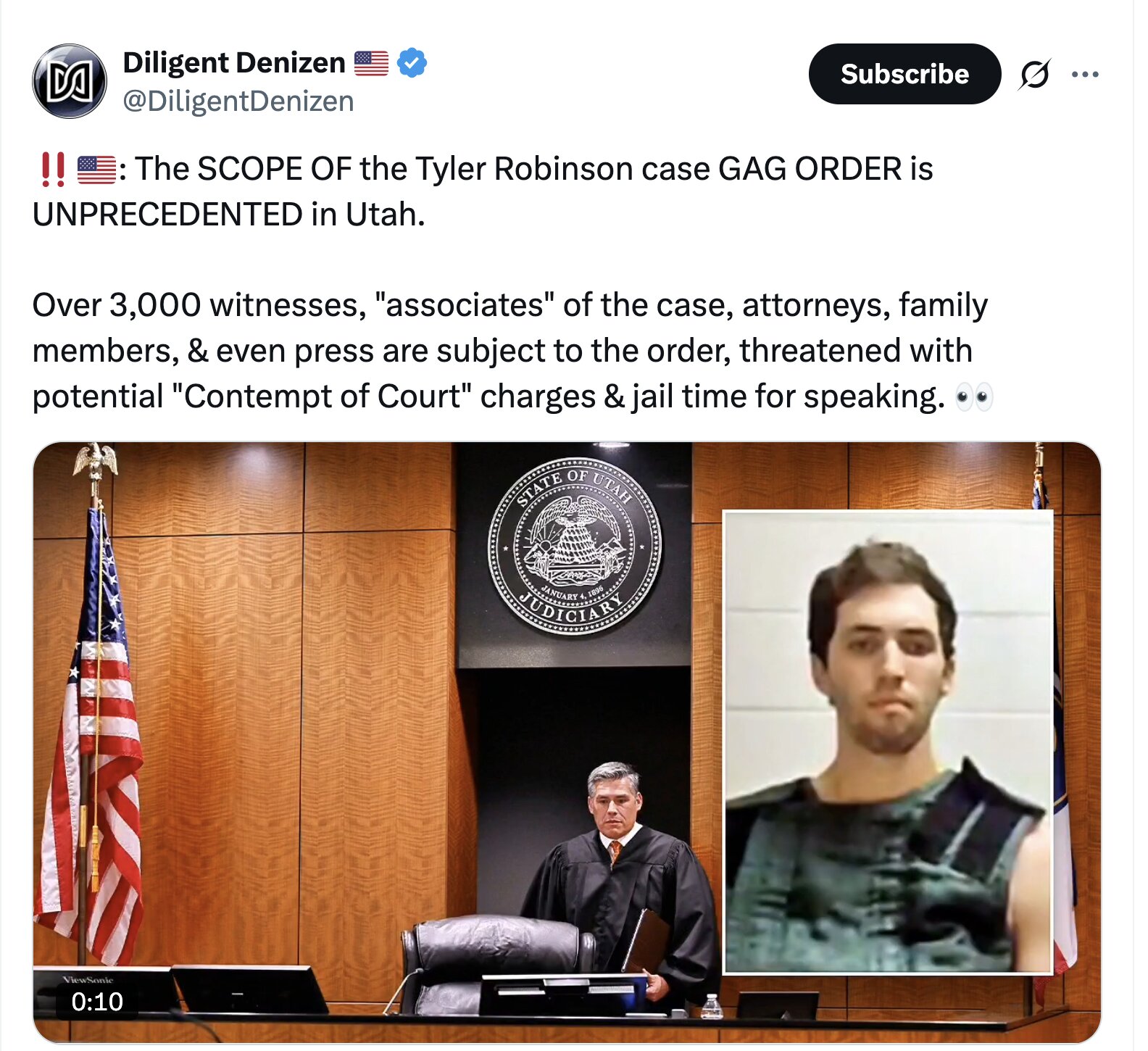
A December 2025 gag order, closed hearings, and a March 2026 motion to seal the inconclusive ATF report — opposed by a media coalition. The public record narrows in stages.
Read this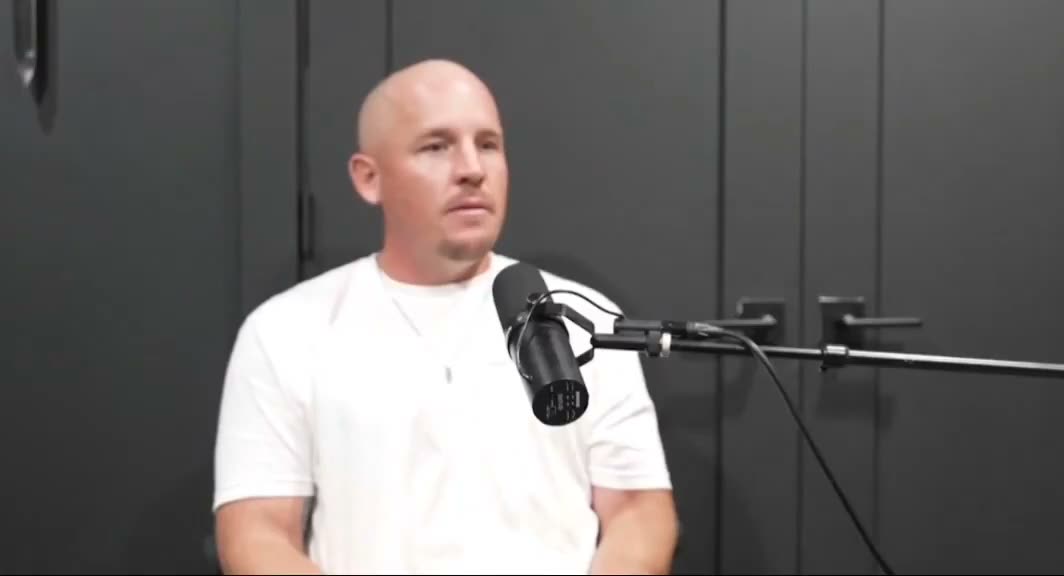
Pavers — Dan Merrell's Account
The contractor describes on camera being called on a Sunday to pave the courtyard where Charlie Kirk was killed, and says the coordinators told him the order came from the top. His interview is the origin of the whole paving story.
Read this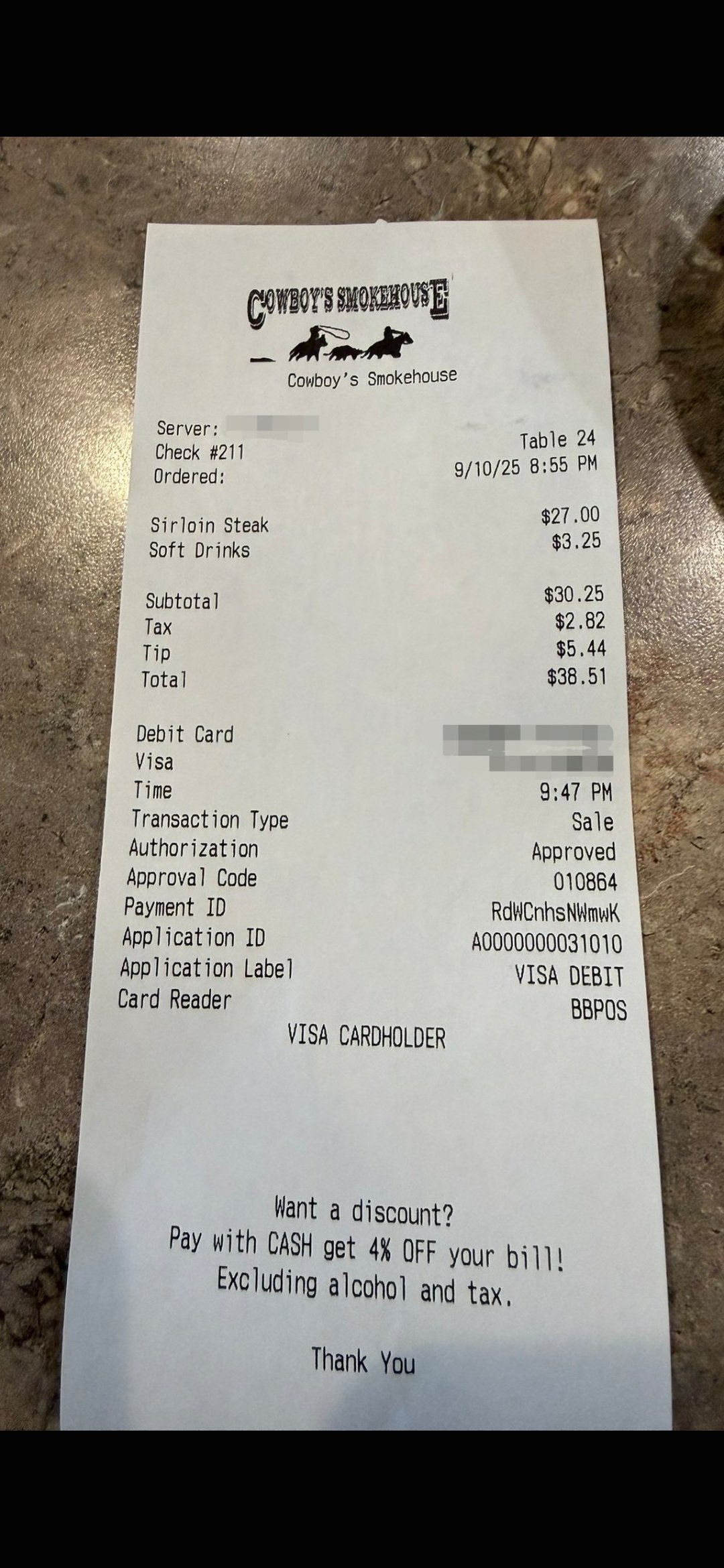
Panguitch — The Town That Breaks the Timeline
Restaurant staff 209 miles south of Orem say they served the accused dinner from 8:55 to 9:47 PM that night, and gave the FBI the last four digits of the card. The server says nobody ever came back.
Read this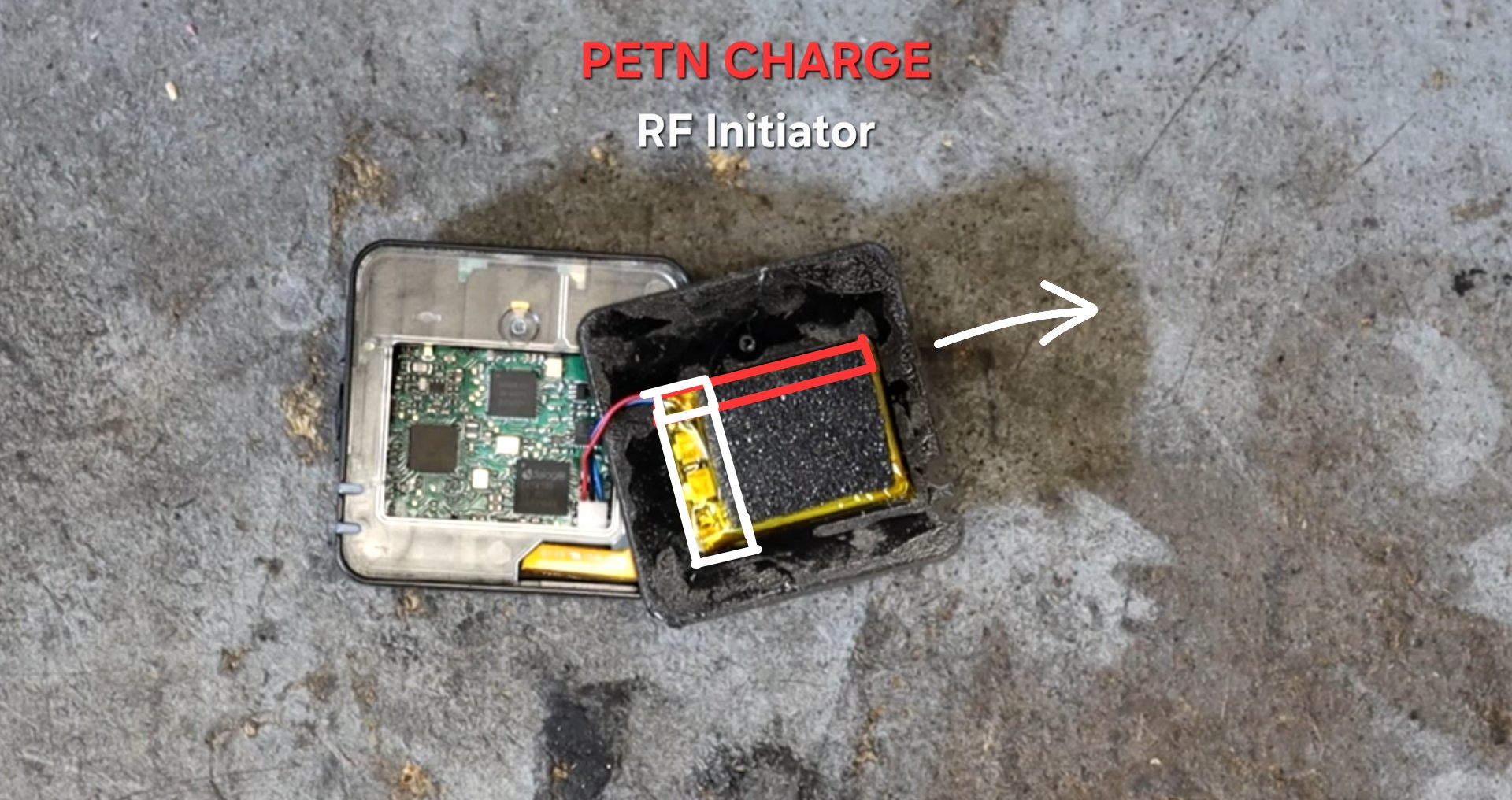
Microphone — The Exploding Mic Theory
The lavalier clipped to his shirt may have concealed a small explosive — the leading conclusion among citizen investigators, and the thread that runs through video, audio, procurement, and post-event debris.
Read thisThis website's author is @HolonCitizen on X and YouTube/@HolonCitizen. Follow me there.
Interesting
- A witness says he was asked to delete his 4K footage and refused.
- Prosecutors reportedly hedged on producing full forensic extractions they later leaned on.
- ATF came back inconclusive, so the fragment moved to FBI microscopy.