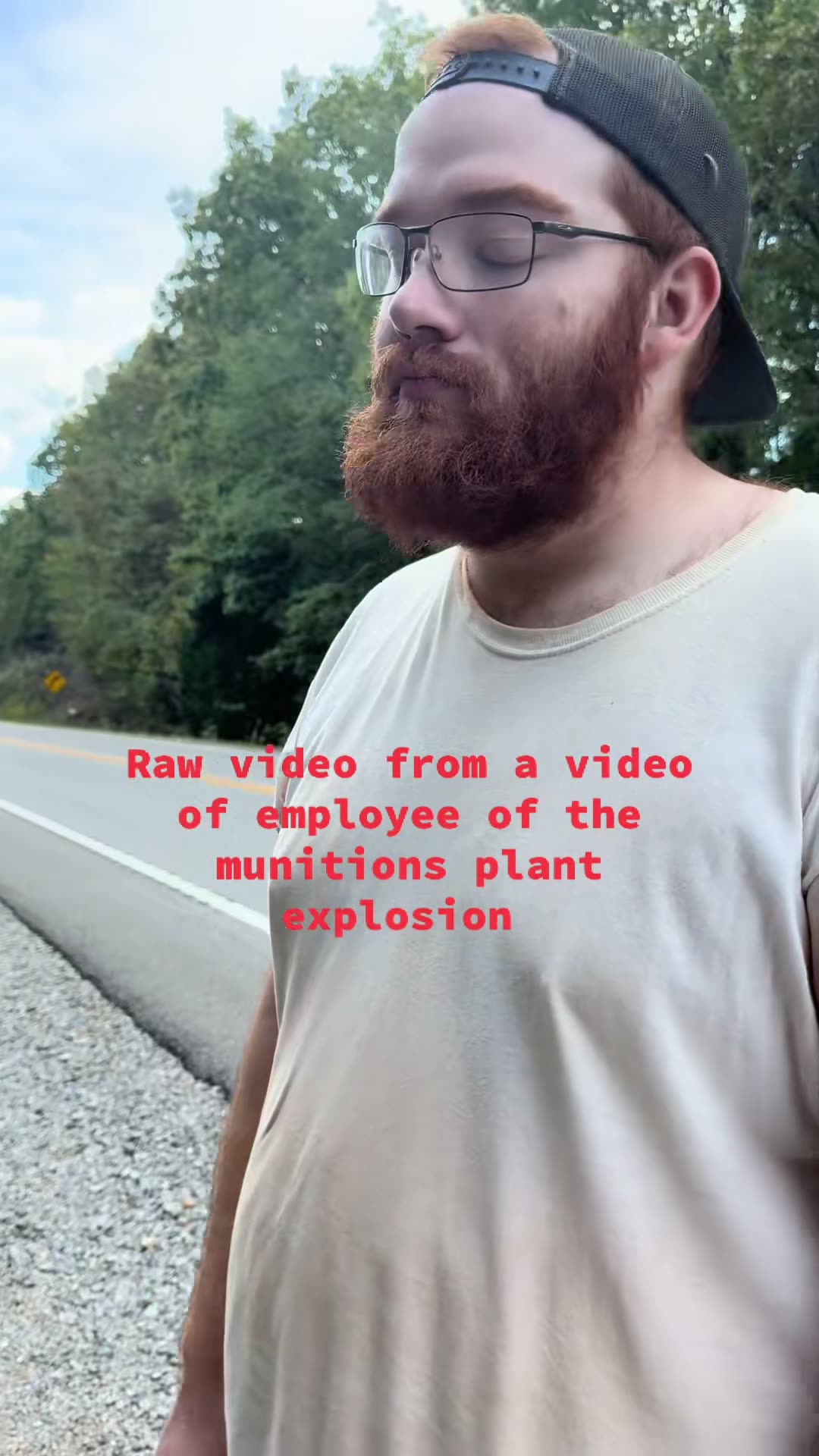
AES Tennessee Explosives Factory Explosion (Claims)
Satirical LEGO-animated music video referencing Charlie Kirk's RØDE mic, via @RickyTheGuido, July 24, 2026. IPFS CID Qmd6zPTaBkhDSqCA9nEVrx1e7JsgAEUV7qSDu1pGELiPZJ.
:::caution Legal Disclaimer Nothing on this page is a claim of fact that any living person or organization knew of, planned, participated in, or covered up any crime, or acted illegally, immorally, or unethically. We make no claim that anyone named here knew anything beforehand or did anything wrong. This page documents questions and allegations raised in public commentary — not findings of fact. All persons and organizations named are presumed innocent; the allegations referenced are unproven and have not been established in any court. :::
On October 10, 2025, a building at the Accurate Energetic Systems (AES) explosives plant in rural Humphreys County, Tennessee was destroyed in a massive blast that killed 16 workers. The facility sits on a roughly 1,300‑acre site at 5891 TN‑230 near McEwen and the Bucksnort area, west of Nashville. The blast leveled the structure so completely that first responders described little recognizable remaining, and secondary explosions kept rescue crews back from the rubble for hours.
This page covers a claim circulating among online investigators: that the explosion came suspiciously soon — roughly one month after the September 10, 2025 assassination of Charlie Kirk, and only days after several researchers publicly linked AES to the case. The page does not assert that the explosion was deliberate. It lays out what is reported, what is unknown, the technical theory the claim rests on, and the strong counterargument that an explosives factory exploding is, tragically, not unusual. Every claim below is presented as a reported allegation, question, or interpretation raised by commentators — not as a finding by any court or official body.
What happened
According to news reporting and statements from local officials, Building 602 at the AES site detonated on the morning of October 10, 2025. Reporting cited by investigators describes the building as a cast‑booster production area handling solid PETN cores and a melt‑pour process involving TNT, RDX, and Pentolite. AES is a long‑established defense contractor that manufactures and handles high explosives and demolition charges.
The figures repeated across coverage and online discussion include:
- 16 people killed — reportedly everyone inside the building at the time; no survivors in that structure. 7 others injured.
- An estimated 23,000–28,000 pounds of explosive material said to have detonated.
- A blast registered as roughly a 1.6‑magnitude seismic event, felt for miles, with a smoke plume large enough to appear on weather radar.
- Secondary explosions that delayed responders.
- Federal and state response including ATF, FBI, DHS, and TBI, with a U.S. Chemical Safety Board (CSB) investigation opened.
Later, reporting shared online described the state occupational‑safety agency (TOSHA) issuing roughly 100 safety citations (about 32 classified "serious") and penalties exceeding $3.1 million — described in those posts as the largest such penalty in state history — with families filing suit seeking $150 million or more. As captured in this investigation's notes, the official posture treated the event as an industrial accident pending forensic review, and no public finding had declared a cause. Explosives manufacturing is inherently hazardous work, and the same site had reportedly suffered a fatal explosion years earlier.
The blast also carried unusual superlatives in the coverage repeated online. It was described in posts as the deadliest above‑ground industrial accident in the United States in 34 years — the last more deadly one cited as 1991 — and, in some framings, the deadliest munitions blast in more than a century. Those superlatives are part of why the event drew investigators' attention rather than passing as a routine industrial fire.
The AES facility: what it is and what it makes
Understanding the claim requires knowing what kind of plant this was. According to capability statements quoted by online researchers from the company's own (later archived) website, Accurate Energetic Systems, LLC is a small but specialized explosives manufacturer, not a generic chemical plant.
The facts repeated about AES include:
- Founded in 1980, putting it at roughly 43 years in operation as of the 2025 contract — a long‑established defense contractor rather than a startup.
- A 1,300‑acre site at 5891 TN‑230 near McEwen, a rural Humphreys County town of about 1,700 people, with the Bucksnort area nearby, roughly an hour west of Nashville.
- Held ISO 9001:2015 quality certification and was described as ATF, DoD, and DHS compliant for explosive storage and handling.
- Said to hold the federal licenses needed to work with Class 1.1 (mass‑detonating) explosives and to maintain security clearances for classified defense work.
Researchers stress what AES advertised it could do, because that is the hinge of the claim. According to those quoted capability statements, AES possessed shaped‑charge expertise (described as a core technology), anti‑personnel device experience (such as claymore‑type munitions), precision explosive pressing for consistent PETN, and in‑house testing infrastructure. Proponents argue this is the exact technical stack a miniaturized explosively formed penetrator (EFP) would require, and that AES's advertised specialties align closely with the device the "exploding mic" theory describes. The counterpoint stands throughout: many defense contractors hold these same capabilities, and matching a skill set is not evidence that a specific device was built for a specific crime.
The blast itself was reported to have leveled Building 602, described in coverage cited by investigators as a cast‑booster production area handling solid PETN cores and a melt‑pour process involving TNT, RDX, and Pentolite. Investigators note that the same building number is the one they say received the contested $440,000 Defense Department order — a point examined in the next sections. AES was also said to hold a far larger, routine ~$119.6 million Army IDIQ for TNT demolition blocks running toward 2030, which proponents and skeptics alike cite — proponents as evidence of capability, skeptics as evidence AES was simply a normal, busy munitions plant.
One nuance worth flagging: the sources disagree on AES's safety history. Some posts claim 43 years without a major incident, framing the October blast as shockingly anomalous; other notes in this investigation reference a fatal explosion at the same site years earlier. The contradiction matters — if the plant had a prior deadly accident, the "first incident in decades" framing that makes the timing look sinister is itself unreliable.
Timeline of the claim
Online discussions repeat a compressed timeline that ties the blast to the case. It is reproduced here as the sequence claimed by commentators, not as an established causal chain:
- September 10, 2025 — Charlie Kirk is assassinated at Utah Valley University. The government's narrative is a single rifle shot from a rooftop; citizen investigations on X — by far the majority opinion among those seriously investigating — conclude a miniaturized explosive device in his lavalier microphone.
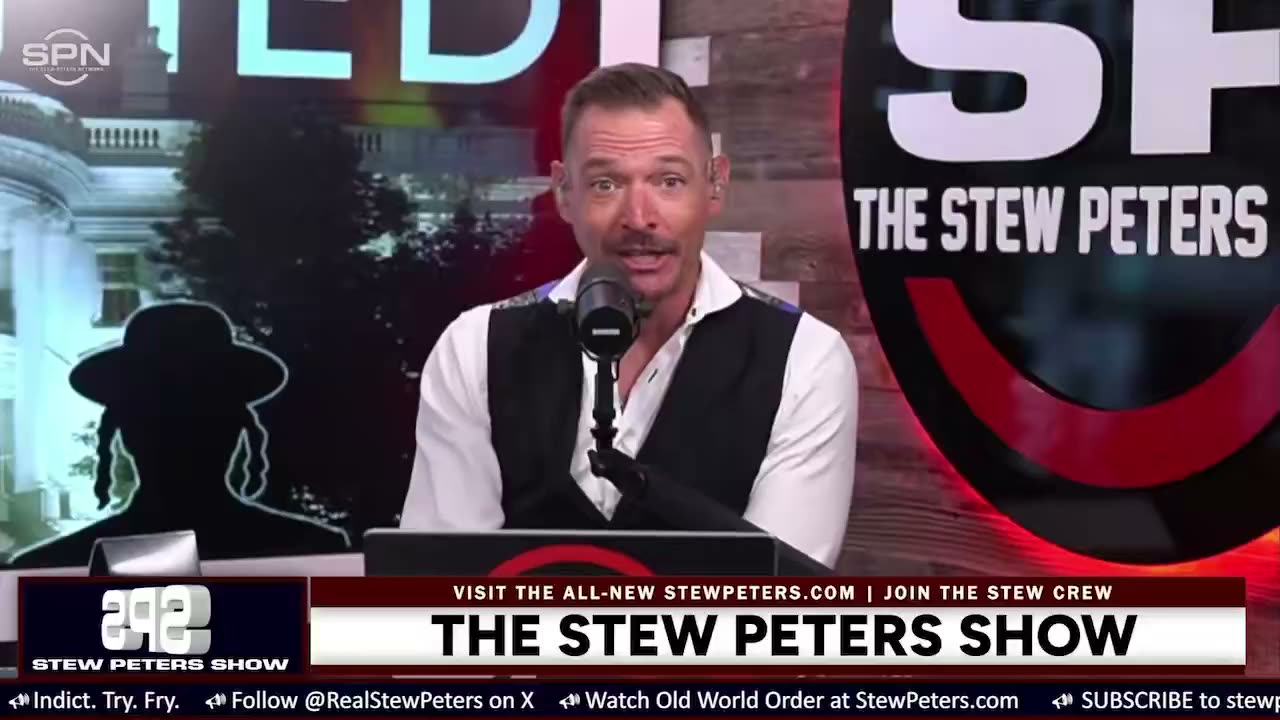
- ~September 24, 2025 — Commentator Stew Peters publishes a widely shared video pushing the "exploding mic" theory and tying it to a roughly $440,000 Defense Department order from AES.
- Early October 2025 (dates cited range from Oct. 3–8) — Citizen investigator Jon Bray publicly presents a detailed version of the shaped‑charge‑in‑microphone hypothesis, with graphics and slow‑motion analysis.
- October 10, 2025 — the AES Building 602 explosion, roughly 30 days after the assassination and, by these accounts, days after Bray's presentations.
Proponents treat the short interval between public attention and the blast as suspicious. The specific framing that anchors this overview's cover‑up index — that the factory exploded roughly five days after a citizen investigator presented an alleged connection — corresponds to a Bray presentation around October 5, 2025 followed by the October 10 blast. Other accounts in the same threads compress it further: a widely shared version says the explosion came two days after detailed public discussion of miniaturized explosive devices hidden in communication equipment, while Stew Peters' own framing puts it at about two weeks after he tied the mic theory to the AES contract.
Skeptics seize on exactly this. The interval cited varies widely by source — "two days," "five days," "a matter of days," "two weeks" — and that variance is itself treated as a red flag: a precisely measured timeline does not normally drift across a range that wide. To critics, the spread is a sign the dates are being fitted to the conclusion after the fact rather than measured against a fixed event.
The alleged connection to the case
The asserted tie rests on a Department of Defense procurement record. Online researchers point to a Navy / NSWC Crane award (cited as Award ID N0016425PJ538, NAICS 325920 "Explosives Manufacturing," PSC 1375 "Demolition Materials") to AES. They quote the requirement language as:
"REQUIREMENT IS FOR MINIATURIZED‑XS DEMOLITION CHARGES AND DEMOLITION CHARGES, ANTI PERSONNEL‑XS TO SUPPORT SPM."
The details emphasized in those posts include:
- A value of roughly $440,000, with a performance period of May 1 – August 25, 2025 (delivery deadline August 25).
- Contract language said to permit additive manufacturing / 3D printing as an alternative due to a tight timeline and possible dimensional deviations.
- A high‑hazard 1.1D classification.
- A claim that this is the only "MINIATURIZED‑XS" / "ANTI PERSONNEL‑XS" award on the public usaspending.gov database since tracking began in 2008.
- A separate, larger ~$119.6 million Army IDIQ for TNT demolition blocks, said to run into 2030.
- Procurement anomalies flagged by a poster who says she has personally done DoD procurements: the award was reportedly signed April 22, 2025, was a single‑bidder ("one biter") simplified acquisition completed unusually quickly, and — unlike AES's other multimillion‑dollar contracts — was not placed under any of the indefinite‑delivery vehicles (IDVs) AES normally uses. She adds that none of AES's other procurements ran shorter than a year, which is why the roughly three‑month window struck her as odd. (This is the poster's own reading of public records, not a verified finding.)
Researchers argue AES had exactly the relevant capabilities — shaped‑charge and anti‑personnel device work, precision PETN pressing — to produce a miniaturized device. The meaning of the acronym "SPM" in the contract language is one of the open questions raised. It is important to stress: a contract existing does not establish that any device from it was used in any crime, and no public record ties this award to the Kirk case.
The "exploding mic" theory the claim depends on
The AES connection only matters if the underlying "exploding mic" theory is taken seriously, so discussions lean heavily on the technical work attributed to citizen investigator Jon Bray, who is repeatedly credited as the original detailed source. According to those posts, Bray produced explosion‑mapping graphics, optical‑flow analysis of the shirt's movement, and a feasibility argument for a miniature explosively formed penetrator (EFP) concealed in a wireless lavalier microphone.
The technical argument, as summarized in the discussions, runs roughly as follows. These are reported claims and interpretations, not established forensic findings:
- A shallow, credit‑card‑thin copper dish backed by a small PETN charge could collapse into a coherent slug rather than a jet, producing rifle‑like chest trauma at contact range.
- A device on the order of under 10 grams total is claimed to be small enough to fit a Rode‑style wireless receiver housing while still matching some terminal effects. One version of the claim is more specific still, asserting that a ~0.5‑gram charge of PETN in a micro shaped charge would fit inside a functional RØDE transmitter.
- Proponents argue the outward pressure wave would explain visible shirt "ballooning," a magnetic clasp lifting, and possible secondary fragmentation toward the neck, framed as inconsistent with a clean rifle entry.
- Other points raised include the microphone's angle relative to a mapped "epicenter," claims of fragments on clothing and in the transport vehicle, and audio‑frequency arguments from higher‑quality stage recordings.
One representative post states: "A shaped charge would make a very small hole at the point of contact because the jet stream from the explosion is directed into a focused stream. The majority of the bleeding would be internal." Discussions note Bray's background in government contract work (described as recertifying military body armor) as the reason his analysis is taken seriously in those circles. Commentator Stew Peters is said to have interviewed Bray, and figures such as Candace Owens are described as referencing the work.
This is the speculative core of the AES claim, and it is contested. The mic theory itself is examined separately on the exploding microphone page; it is summarized here only to explain why an explosives‑plant fire would be read as connected to the case at all.
The alleged timing-and-evidence-destruction theory
:::warning Unproven allegation The interpretation summarized in this section is contested speculation advanced by independent commentators. No court, investigator, or official body has found that the explosion was deliberate, that it was caused to silence anyone, or that AES, its owners, or its employees did anything wrong. Officials are investigating the blast as an industrial accident. The deaths of the plant workers should not be read as evidence of any intentional act. :::
The central inference proponents draw is that the plant exploded because researchers had publicly drawn attention to it. Stew Peters posted that he "broke the exploding mic theory and attached it to the ~$440k DoD order from Accurate Energetic Systems, which blew up" roughly two weeks later. A post attributed to Jon Bray on October 16, 2025 framed the idea bluntly: "when you absolutely need all the evidence cleaned up... blowing up the entire building is the best option," drawing comparisons to other events some commentators cite as "evidence cleaning."
To proponents, eliminating a site allegedly tied to a sensitive device — along with the workers who would know how it was made — reads as a cover‑up. It is essential to be clear that this is an inference about motive and timing, not proof of either. No public evidence has shown that anyone connected to the Kirk case had anything to do with the blast, and framing the deaths of plant workers as deliberate is an extraordinarily serious allegation that no court or investigation cited here supports.
What proponents specifically argue was lost in the plant — and why they say the AES factory angle is distinct from the mic theory — is the physical and documentary trail of manufacture. If a "MINIATURIZED‑XS" device had been built at AES, they reason, then the building destroyed on October 10 would have held the people and records that prove it: engineers who designed it, technicians who assembled it, quality‑control staff who tested it, plus blueprints in the system, production records, test data, and photographs of the finished devices. One viral thread put it as "blueprints, prototypes, records — gone." In this telling, the value of the site to any cover‑up was not the explosives themselves but the institutional memory and paper trail; leveling Building 602 allegedly erased both at once. Again, this is presented strictly as the proponents' reasoning about why a factory would be targeted, not as established fact — there is no public showing that any such device existed, that any records were destroyed for that reason, or that the blast was anything other than the industrial accident officials are investigating.
Other threads cited in the discussions
Several additional threads appear in the online conversation. Each is unverified speculation by independent commentators and is included only to document what is being claimed:
- A government VIP flight overhead. Some posts assert a flight associated with Secretary of Defense Pete Hegseth (cited by tail number 99‑0404, callsign SAM702) passed over the AES facility, allegedly at reduced altitude. Mr. Hegseth has not been shown to have any connection to the blast; this is presented as an unverified observation.
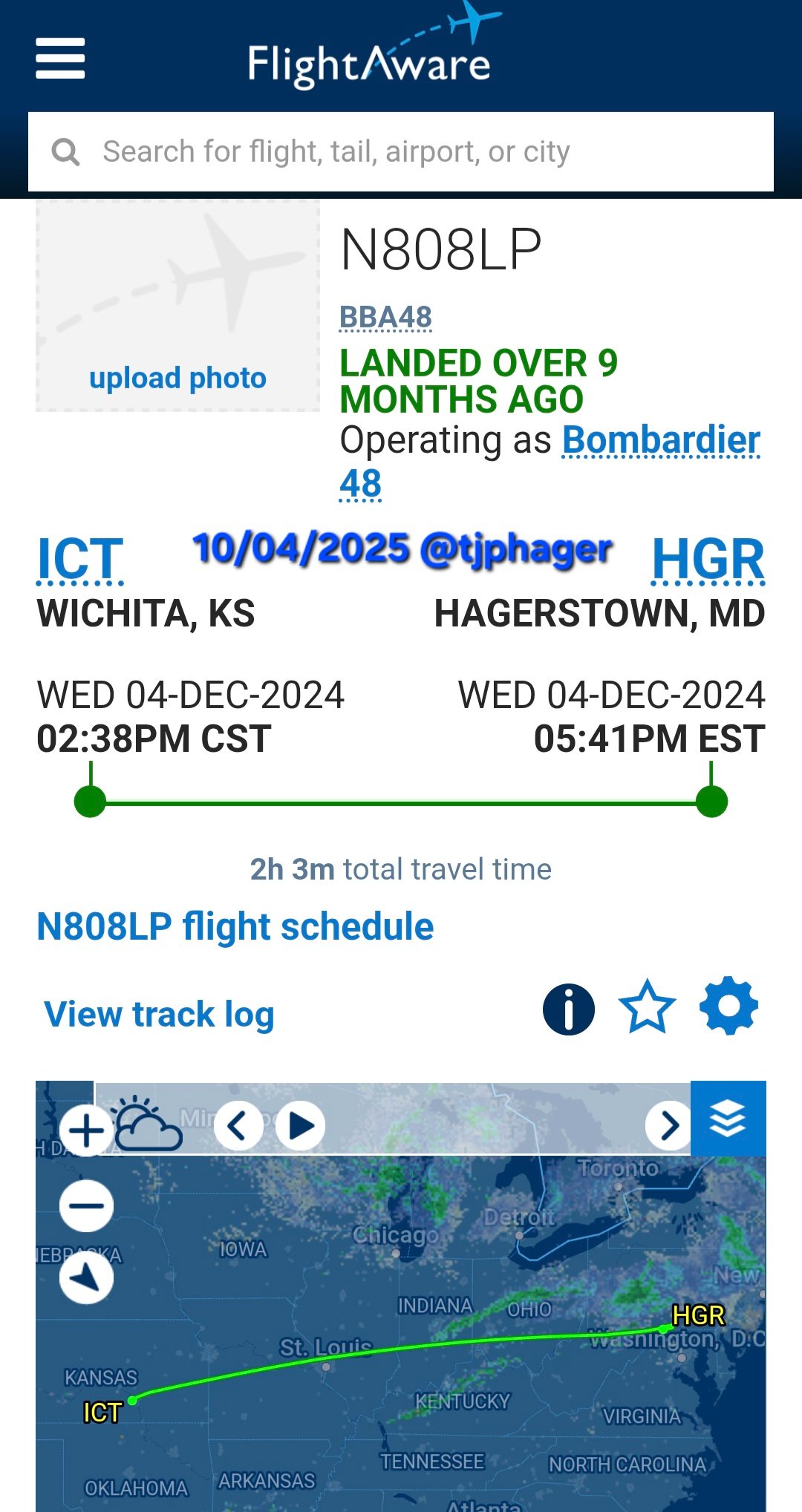
- A delivery‑day private flight. Some posts note a rare private flight on August 25, 2025 — the contract's stated delivery day — from Heber City, Utah to John Tune Airport near Nashville (described as the closest airport to AES, under about 60 km from the McEwen facility), reportedly with no return flight logged. Proponents ask whether anyone aboard could have been collecting a delivered device, and note that flying without explosives on the return would be consistent with a pickup. This is an unverified observation, not evidence of any connection.
- Flight‑tracking notes. Radio host Baron Coleman and others are cited for flight‑activity claims around the assassination and other sites. These are reported recollections, not confirmed records, and a related FOIA request was said to have been denied.
- A "pocket" question. A more speculative thread raises questions about an individual photographed near the event's audio crew. This site does not name that individual in an accusatory way, does not assert he carried or planted anything, and notes he has not been charged with any crime and has no proven connection to the case. It is included only to note that such speculation exists and remains entirely unproven.
- Elbit Systems. Some threads attempt to extend the discussion to the U.S. arm of an Israeli defense firm. No proven link between that company and the Kirk case has been established; this is flagged as a line of online speculation, nothing more.
Who amplified the claims
The claims spread through a recognizable set of online voices and audiences, including Stew Peters, Jon Bray, Baron Coleman, Candace Owens, and Ian Carroll, with broader reach after the topic was discussed in larger podcast settings associated with Joe Rogan. Higher‑engagement posts came from accounts such as @ProjectConstitu, @richtidwell, and @dwarfstarmom2. The volume of amplification is itself part of the story — it explains how a procurement record and an industrial accident became linked in public discussion — but reach is not the same as evidence.
Counterarguments
The strongest counterargument is simple: explosives factories explode. AES handles tons of volatile high‑explosive material as its core business, and catastrophic industrial accidents at such facilities are a known hazard. The same site had reportedly suffered a fatal explosion years earlier, underscoring that deadly blasts at explosives plants occur without any conspiracy. A facility built to make and store explosives is, by definition, one of the places where an accidental detonation is most likely.
Timing alone is weak evidence. Many people were posting about AES online; when researchers constantly surface new "connections," some will inevitably precede unrelated events by coincidence. The wide variance in the interval cited (two weeks vs. days) suggests the timeline is being fitted to the conclusion. The official posture treated the blast as an accident, and the later issuance of 100+ safety citations and multimillion‑dollar penalties points toward documented safety failures — an explanation consistent with an industrial accident, not a demolition.
The procurement record, while unusual, is a routine government contract on its face. "Miniaturized demolition charges" are an ordinary category of military hardware, and the existence of such a contract does not establish that any device from it was used in any crime. Skeptical replies in the same threads — including from automated fact‑checking accounts — note there is no forensic confirmation of explosive residue on Charlie Kirk or his microphone, that the official record attributes his death to a rifle shot, and that the shaped‑charge reading of the video is disputed by others as a misinterpretation of normal movement.
Finally, 16 real people died in this explosion. Whatever the cause, the victims were working‑class employees at a Tennessee plant, and their deaths deserve to be treated with respect and care rather than reduced to a talking point.
Sources
- Charlie_Kirk.txt — "Accurate Energetic Systems (AES) factory" section (plant address, DoD contract details, timeline, flight notes, technical summaries).
- X / Stew Peters (@realstewpeters) — posts recounting the September 24, 2025 "exploding mic" claim and the ~$440k AES contract.
- X / Jon Bray (@jonaaronbray) — posts and graphics presenting the shaped‑charge / EFP "exploding mic" analysis (early–late October 2025).
- X amplifications — @ProjectConstitu, @richtidwell, @dwarfstarmom2 and others recapping contracts, timeline, and graphics.
- usaspending.gov — referenced DoD award record (cited as N0016425PJ538) quoted by online researchers.
- Local and national news reporting and the U.S. Chemical Safety Board on the October 10, 2025 Humphreys County, Tennessee explosives‑plant explosion (cause under investigation as captured here); TOSHA citation and penalty figures as reported.
Citizen Investigator Claims on X (2026 research)
:::note Attribution The claims below come from public X/Twitter posts, hearing notes, and citizen-investigator commentary captured in mid-2026 research. They are not court findings. Living persons are presumed innocent. The site does not assert that any living person planned or carried out Charlie Kirk's death. :::
Focus of this page
An explosives plant in Humphreys County, Tennessee exploded on October 10, 2025, weeks after online investigators tied a Defense Department munitions contract there to the Charlie Kirk case.
Claims and discussions circulating (do not treat as proven)
AES Humphreys County TN explosion Oct 10 2025 claims re explosives supply chain.
Cross-cutting X signals that touch this topic
- Pre-event donor pressure (as reported): Candace Owens publicized private messages (authenticity discussed with TPUSA spokesman Andrew Kolvet in mainstream commentary) in which Charlie reportedly wrote ~48 hours before Sept 10 that donor pressure was "leaving me no choice but to leave the pro-Israel cause," and that he had lost a major donor after refusing to cancel Tucker Carlson. These are private-text claims, not a formal public policy renunciation, and they do not establish who fired any shot.
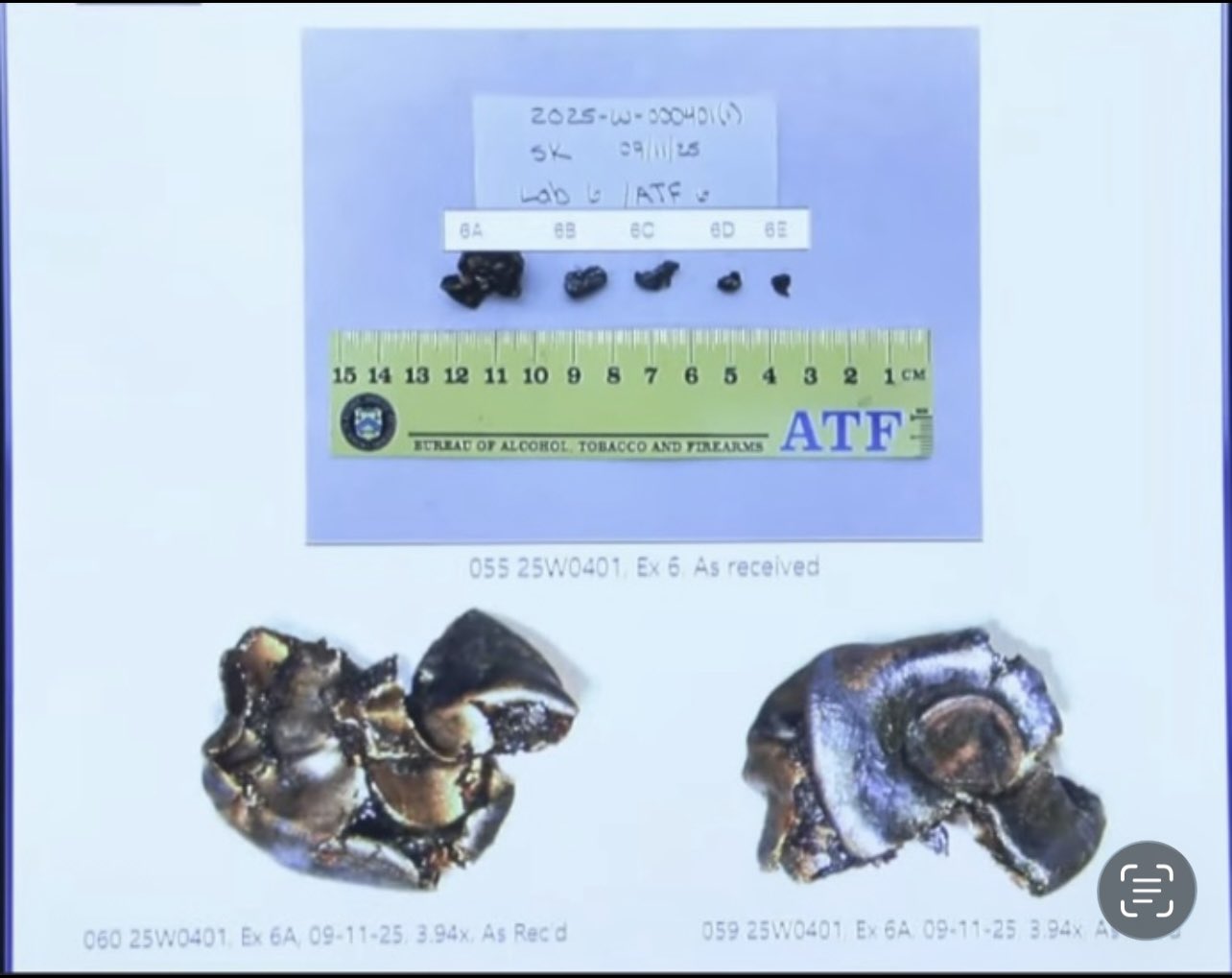
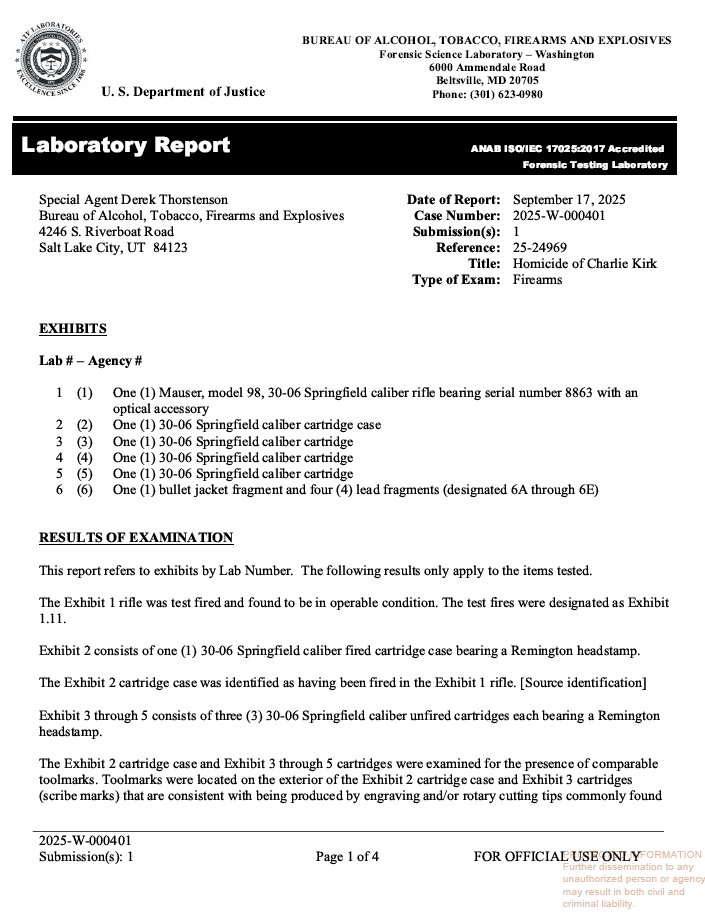
- July 2026 preliminary hearing: Citizen live-notes and press describe defense challenges to FBI DNA methods and ATF ballistics (including inconclusive comparisons widely discussed online), plus multi-agency testimony on the Sept 11 surrender chain.
- Information control: Threads continue on gag orders, Ryne Simmons video, platform deboosting, and rapid crime-scene paving (Lead Investigator Hull reportedly learned of paving via news, per circulating hearing notes).
- Counter-claims: Other accounts insist surveillance, DNA, texts, and admissions support a lone-actor charging narrative and treat foreign-intel theories as unsubstantiated. Present both sides; Tyler Robinson is charged, not convicted.
Open questions raised by investigators
- What primary documents (GRAMA, work orders, unredacted orders, bodycam) would resolve disputes on this page's core claims?
- Which circulating posts have independent corroboration vs single-source amplification?
- How do July 2026 hearing exhibits (when unsealed or accurately transcribed) change the weight of earlier X threads?
Deeper related reading: After overview · CoverUp overview · FBI overview · Fix Laws.
This website's author is @HolonCitizen on X and YouTube/@HolonCitizen. Follow me there.
Interesting
- An Army spy jet's low passes over the UVU corridor still have no released tasking records.
- Court-admitted Ring video of a grey Challenger timestamps 00:30:08 on the staging-house block.
- The whole staging-house allegation rests on one unsourced line — a quarter-mile from the killing.
Related Areas
Images
Videos
Footage related to this page. Each card opens that clip's own page, with the video, the full write-up, and its source.