Officer's Body Camera Died on the Roof (Claims)
:::caution Legal Disclaimer Nothing on this page is a claim of fact that any living person or organization knew of, planned, participated in, or covered up any crime, or acted illegally, immorally, or unethically. This page documents questions and allegations raised in public commentary — not findings of fact. All persons and organizations named are presumed innocent; the allegations referenced are unproven and have not been established in any court. Tyler Robinson is charged, not convicted. :::
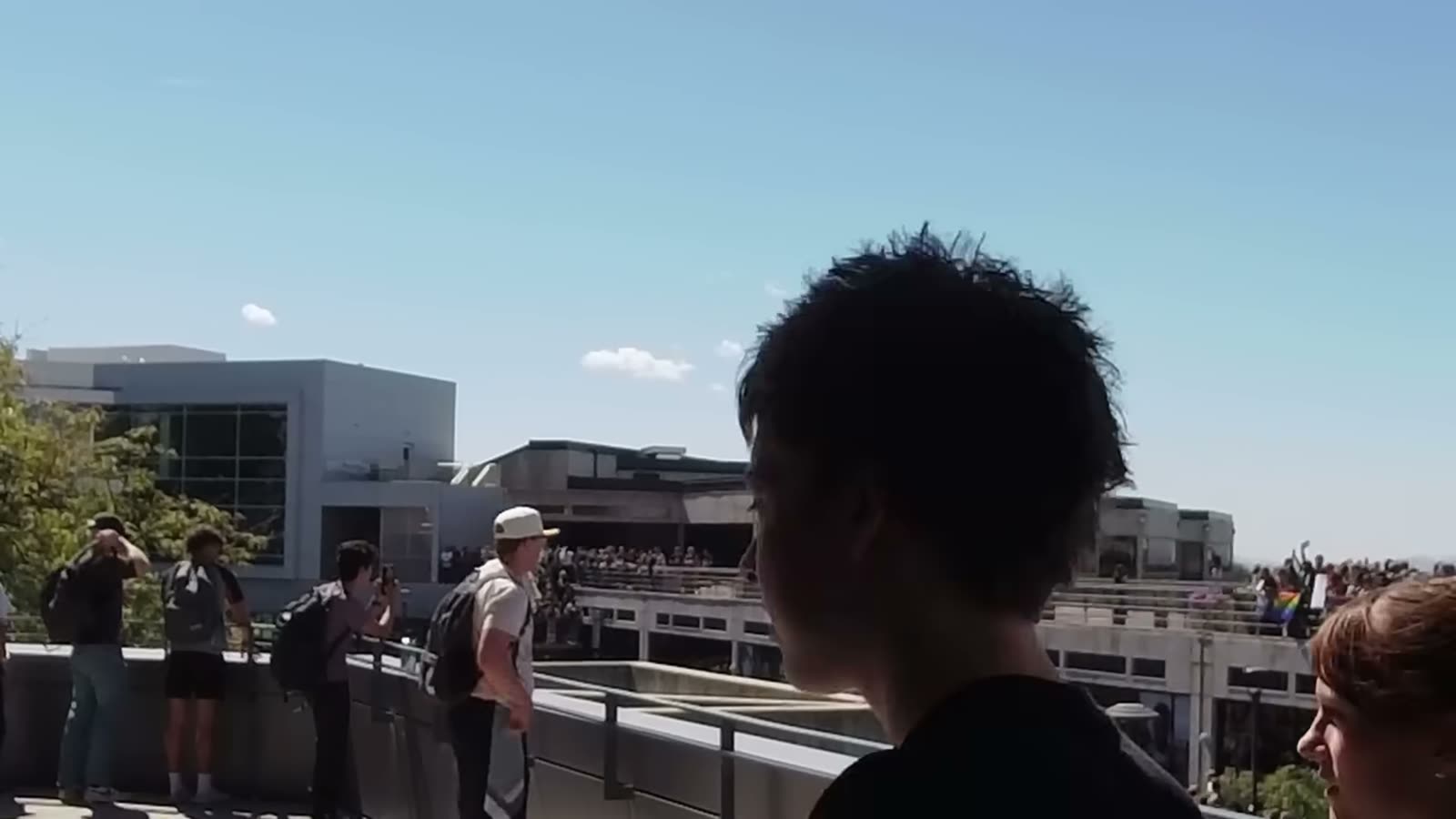
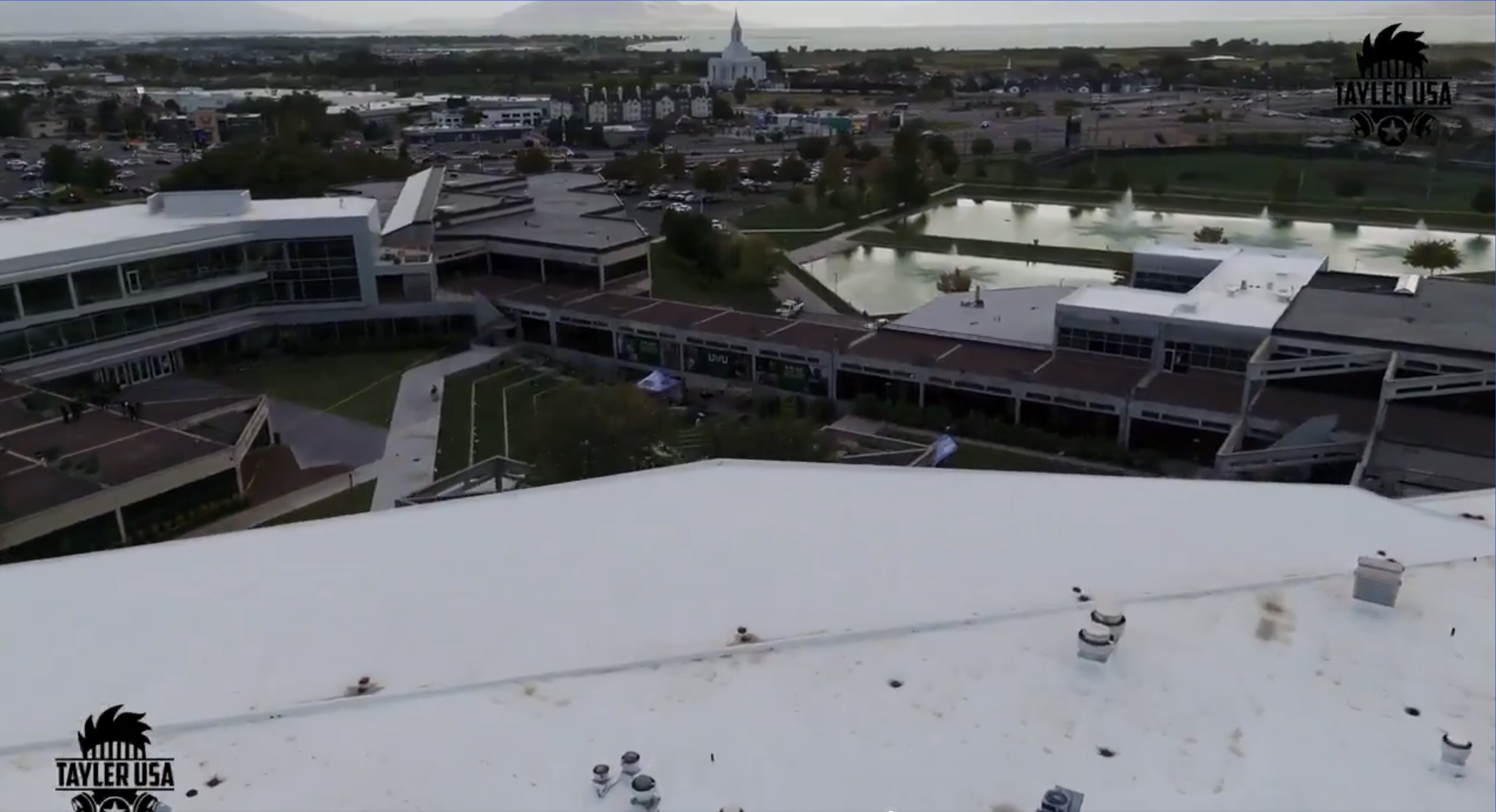
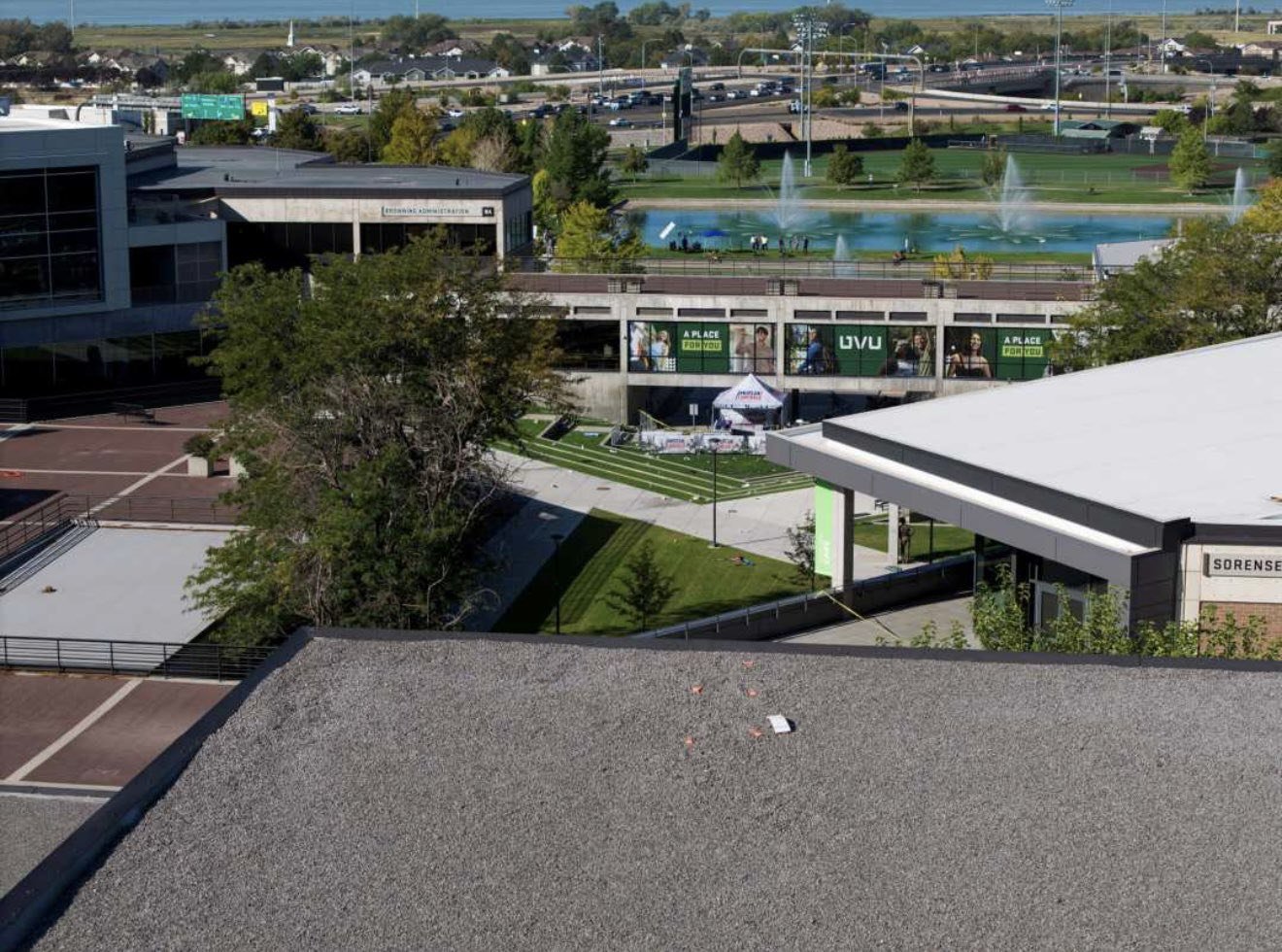
Skeptics have seized on the account that UVU Officer Chris Bagley's only body-worn-camera recording on September 10, 2025 — reportedly 27 minutes and 35 seconds long — ended just as he reached the roof of the Losee Center, the alleged sniper position in the killing of Charlie Kirk. By that account, the camera captured no footage of the claimed sniper's nest, the disturbed gravel, or the red-and-black screwdriver later said to carry the DNA of Tyler Robinson. The claims here are attributed and unproven; body cameras genuinely do fail, and Robinson is charged, not convicted.
Status: Chris Bagley — Alive. Presumed innocent.
The claim
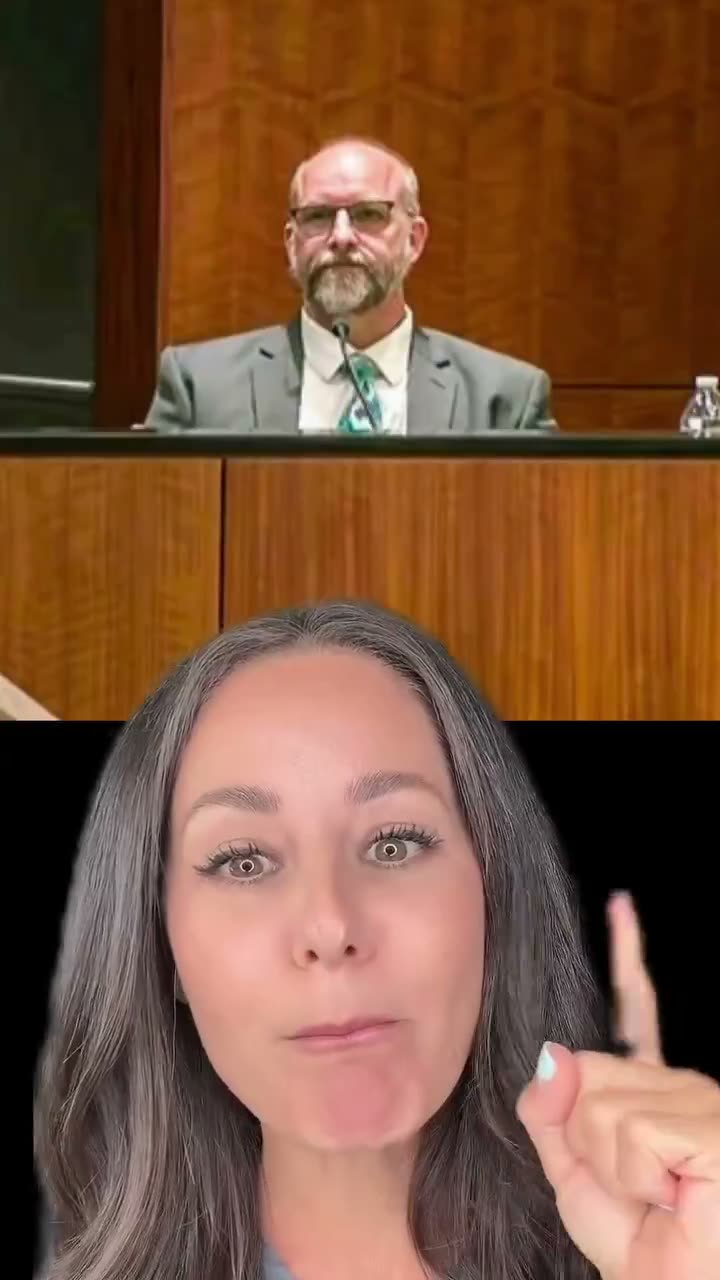
Per courtroom-testimony narration circulated by @JOKAQARMY1 and @realtoriabrooke (July 6, 2026), Bagley was asked about footage that "appears to end while you're still on the roof." He reportedly explained there is no footage of him on the roof "because his battery must have died" — right "at that moment." He reportedly said he did not go back to turn it on, recharge it, or swap the battery because it was "too chaotic." The single recording, described as 27:35 long, reportedly started at the flag-holding area and ended on the roof before crime-scene tape was up — the only body-cam footage he had that day. See the peer page on the Bagley body camera for the fuller testimony record.
Police officers reportedly call the blackout implausible (claim)
On her podcast, Candace Owens stated that other police officers contacted her program about Bagley's testimony and said his account of the sudden body-cam blackout is highly implausible. The officers are unnamed, the claim is not sworn, and it has not been tested in court — it is an attributed opinion from anonymous sources, not a finding that anyone disabled a camera. Officers reading a transcript from other departments are not equivalent to a forensic examination of this device. The body-cam device logs would resolve the battery question with records instead of argument. See the full profile at Chris Bagley and the sworn-record context at Testimony.
The "charging stand" question
Commentator Ryan Matta raised the timing as an open question rather than an accusation: the standard routine is that an officer docks the camera on a charging stand overnight and starts the next day fully charged. If the camera had charged all night and the shooting happened around noon, he asks, why would the battery drain so soon into the shift? This is a question being pressed, not a proven claim — a camera used earlier, taken off the charger, or with a degraded battery could still die mid-shift.
The unidentified second person on the roof
- Bagley reportedly reached the Losee Center roof around 12:44 pm — roughly 21 minutes after the shot.
- He was reportedly accompanied by another person carrying a badge, whose name he reportedly never obtained.
- Investigators ask who that person was and where their body-cam footage is.
The shifting screwdriver story
The gap matters, critics argue, because the red-and-black screwdriver is the item said to physically tie Robinson to the roof — and its described location shifted over days:
- CNN, September 11, 2025 — reported the screwdriver near the rifle.
- Kash Patel, September 15, 2025 — stated on Fox News it was found on the roof and carried Robinson's DNA.
- September 16, 2025 indictment / probable-cause affidavit — reportedly omitted the screwdriver entirely; it was later presented via FBI reports at the 2026 preliminary hearing.
For the parallel evidentiary dispute over when the weapon surfaced, see Gun Discovery Sequence.
The statute and the resignation
Posters cite Utah Code 77-7a-104, which they say requires body-camera activation and a written report when a camera is not activated. Bagley reportedly resigned from UVU in January 2026. Neither point establishes wrongdoing: statutory-compliance questions are for the court, and an officer's later departure has many ordinary explanations. See the broader perimeter and rooftop failures page for context.
Why it matters
If the only camera on the first officer to reach the alleged sniper's nest went dark at exactly the moment it would have documented the nest, the gravel, and the screwdriver, that leaves the most important physical scene undocumented on video — and forces reliance on later testimony. That is why the episode sits under Cover Up (Possible): as an unresolved question about the record, not as proof anyone disabled a camera.
Counterarguments, skepticism, and innocent explanations
- Batteries do fail. Body-worn cameras running out of charge mid-shift is a common, documented occurrence; nothing here establishes intent.
- Single-officer gaps are routine. One officer's camera dying does not erase the scene, which was also documented by other responders, photos, and forensics.
- Evidence descriptions get refined. A screwdriver first described "near the rifle" and later "on the roof" can reflect ordinary clarification as the scene was processed, not a fabricated story.
- The statute question is for the court. Whether Utah Code 77-7a-104 was triggered, and what a written report required, is a legal matter to be resolved in the proceeding.
- Presumption of innocence. Chris Bagley is a living person and has not been shown to have done anything wrong; Robinson is charged, not convicted.
Interesting In This Area
- Only trimmed rooftop video covers the same minutes, and it starts at 12:23:34.
- The rifle itself reportedly appeared only after federal agents redirected the search.
- No GSR test and restricted bomb dogs belong to the same missing-record complaint.
- UVU's HD surveillance and SD cards pulled by AV staff round out the gap.
Interesting In Other Areas
- Officer Bagley's own page sets out the statute and the reported January 2026 resignation.
- The screwdriver and the crime-scene tape is the object those missing minutes would have shown.
- Perimeter and rooftop failures explain why nobody was on that roof beforehand.
- UVU campus surveillance is the other record of the same roof and minutes.
Other Pages In This Section
Inconclusive Ballistics, Sealed Report, and a Banned Test Revived (Claims)
The ATF reportedly could neither identify nor exclude the recovered jacket fragment as fired from the seized Mauser, so the fragment moved to an FBI lab and the report went under seal. Critics fear the answer arrives through CBLA, a lead-comparison test the FBI abandoned in 2005.
Read this
Ten inches of dirt reportedly taken out of the courtyard, and pavers laid over the ground where he fell. Whatever residue that soil held is gone.
Read this
Standard Forensic Tests Reportedly Skipped (Claims)
Standard forensic tests that were reportedly never run. In a case where residue and trace evidence would decide the argument, what was skipped shapes the record as much as what was found.
Read this
The Exploding Microphone Theory (Claims)
The exploding-microphone theory as a cover-up item: what is alleged, who alleges it, and what would have to be suppressed for it to be true. The majority citizen reading of the case runs through this page.
Read thisElsewhere In The Investigation
Officer Bagley — Body Cam Died on Roof
The body camera on the officer who reached the roof reportedly died there. The minutes it would have covered are the exact minutes everyone is arguing about.
Read this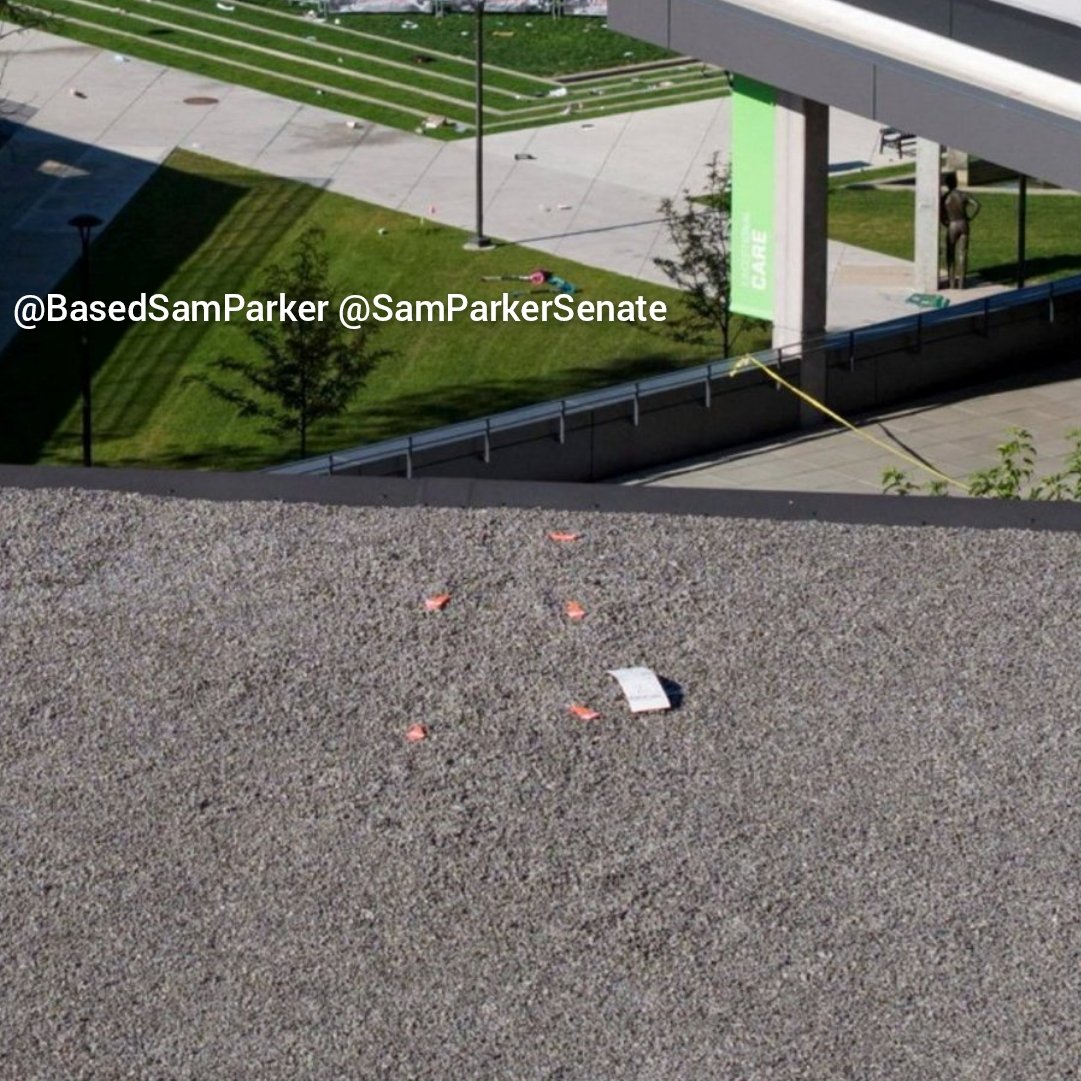
The Screwdriver and the Crime-Scene Tape
An officer reportedly testified he found a screwdriver 15 to 20 feet past the roof railing, protected by crime-scene tape. Helicopter footage circulated afterwards is said to show neither. Two records of the same few square feet.
Read this
Six campus officers, no thorough rooftop inspection, and a prone all-black figure reportedly on the same roof an hour before the shot. The clearest physical security failure under any theory of the killing.
Read thisThe campus system is the backbone of the probable-cause affidavit — a first capture near 11:50 AM, a pause at the tunnel stairs, the Losee doors at 12:02. What it never captured is anything settling how Charlie Kirk was killed.
Read thisSources
- Courtroom-testimony narration on Bagley's 27:35 body-cam ending on the roof, circulated by @JOKAQARMY1 and @realtoriabrooke (July 6, 2026).
- Ryan Matta — the "charging stand" argument (videos ryan_1.mp4, ryan_2.mp4).
- Master investigation file, Charlie_Kirk.txt — "Officer Bagley Body Cam Died on Roof" and "screwdriver / DNA" sections, including the CNN (Sept 11) / Patel (Sept 15) / indictment (Sept 16) location shift, the ~12:44 pm roof arrival, the unidentified badge-carrier, Utah Code 77-7a-104, and the reported January 2026 resignation.
This website's author is @HolonCitizen on X and YouTube/@HolonCitizen. Follow me there.
Interesting
- The state reportedly disclaimed forensic-extraction evidence in writing then described exactly that in testimony.
- A 2018 study moved a decision between three brains at about 81% accuracy.
- One search surfaced records that UVU quietly bought the alleged staging house for $900,000.
Related Areas
Images
Videos
Footage related to this page. Each card opens that clip's own page, with the video, the full write-up, and its source.