Prosecutor's Daughter Was a Rally Witness (Claims)
:::caution Legal Disclaimer Nothing on this page is a claim of fact that any living person or organization knew of, planned, participated in, or covered up any crime, or acted illegally, immorally, or unethically. This page documents questions and allegations raised in public commentary — not findings of fact. All persons and organizations named are presumed innocent; the allegations referenced are unproven and have not been established in any court. Tyler Robinson is charged, not convicted. :::
This page catalogs a defense motion and the surrounding public discussion raising conflict-of-interest and impartiality questions in the prosecution of Tyler Robinson, who is charged — not convicted — in the September 10, 2025 killing of Charlie Kirk at Utah Valley University. According to the reported motion, a senior Utah County prosecutor's teenage daughter was a witness at the rally, and the County Attorney declined to bring in an outside screener to assess whether that creates a conflict. Everything below is attributed and unproven; nothing here alleges a crime, and all named officials are presumed innocent.
The claim
According to a defense motion described in the investigation record, the office's Chief Deputy County Attorney — identified as the current division chief for criminal cases in the Utah County Attorney's Office — had a family member present at the rally where Kirk was shot. The defense argues that this personal connection to a traumatic event creates an inherent bias that could bear on Robinson's right to due process, and it asked the court to bring in an independent, outside prosecutor to evaluate the question. This page presents the motion's assertions as reported, not as established fact.
What the motion reportedly alleges
Per the reported motion, the Chief Deputy County Attorney's teenage daughter:
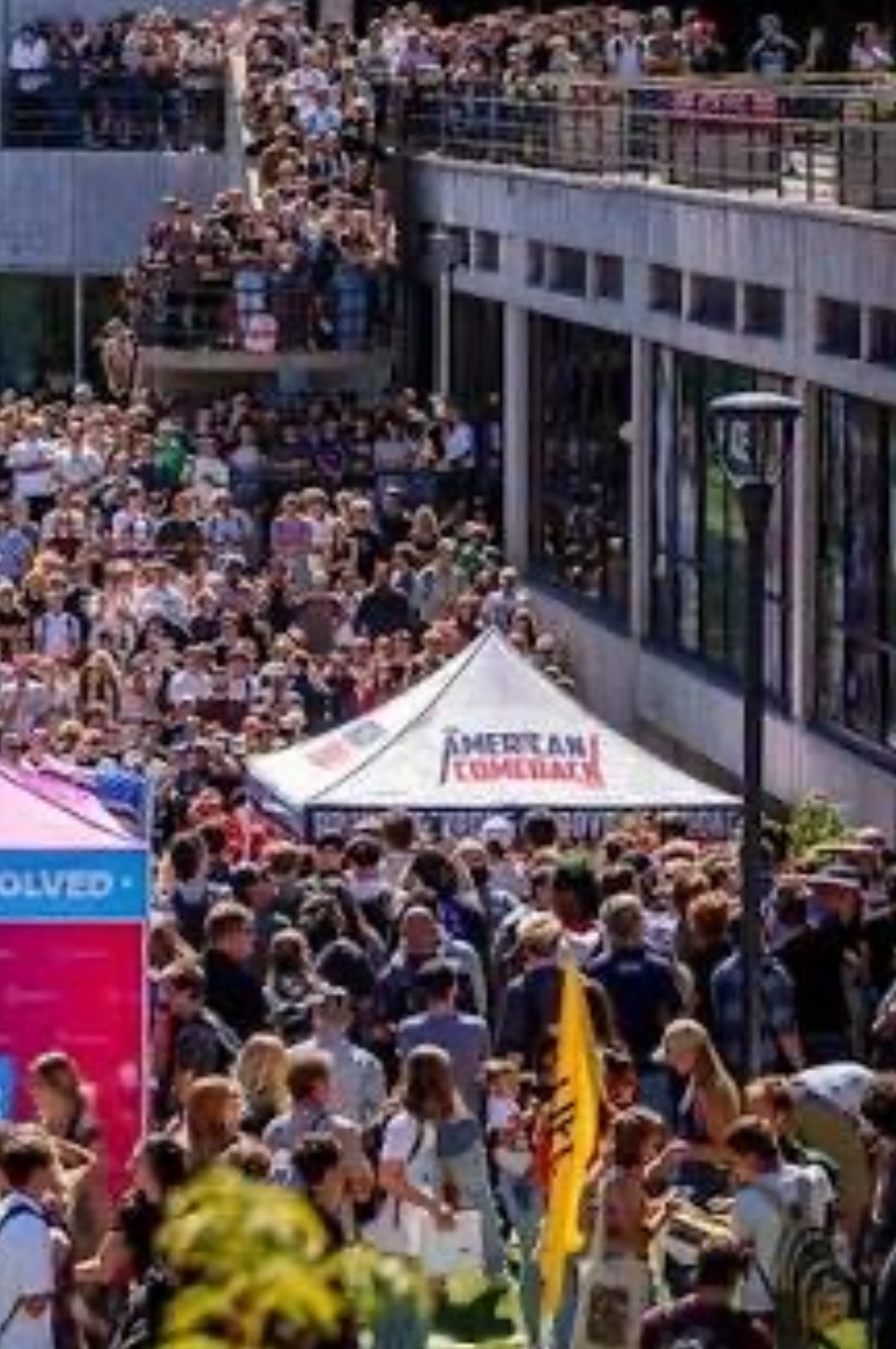
- Was approximately 85 feet from Kirk when the gunfire erupted.
- Heard the shot and texted her father real-time details amid the chaos.
- Received brief law-enforcement protection in the immediate aftermath.
The defense frames this as a direct, personal stake by a member of the prosecution team's family in the event at the center of a capital case. These are the motion's characterizations of the underlying facts.
The conflict-screening dispute
The record describes the defense drawing an analogy: in an ordinary bank robbery or drive-by shooting, if a prosecutor's child were a witness or victim, recusal would commonly be considered standard. The defense urged the judge to appoint a special prosecutor from outside Utah County to independently evaluate the conflict.
According to the record, County Attorney Jeff Gray, representing his office, "dismissed the need for a formal screening, stating that no conflict exists." The defense pushed back, arguing that Gray — as part of the prosecution team — lacks the authority to self-assess whether his own office has a disqualifying conflict. Whether a conflict exists, and who may decide it, is a contested legal question, not a settled one. For related legal-secrecy questions in this prosecution, see DOJ Prosecution and Secrecy.
The misstated location
The record adds one further detail cited by skeptics. During the hearing, Gray reportedly testified that he was with the deputy attorney at a budget meeting in Layton, Davis County — and that this was "not Ogden, as he initially misstated in an official press conference." The correction of his own earlier public statement about his whereabouts is noted here as a reported fact from the hearing. It can be read as an innocent slip or, by critics, as a reason for closer scrutiny; the page takes no position.
Why it matters
Public confidence in a high-profile capital prosecution depends on the appearance as well as the reality of impartiality. If a member of the prosecuting office's family was a close witness to the crime, the questions of whether that should be independently screened — and who gets to decide — are legitimate and unresolved, which is why the episode is catalogued here under Cover Up (Possible). None of this establishes that the prosecution acted improperly. It documents an open question about conflict screening in a case where court rulings will carry enormous weight.
Counterarguments, skepticism, and innocent explanations
There are ordinary, lawful readings of the same facts:
- A bystander relative does not automatically require recusal. Many jurisdictions distinguish between a prosecutor personally involved in a case and a prosecutor with a relative who happened to be a bystander. A family member witnessing an event does not, by itself, disqualify an office.
- Self-screening is a normal first step. A County Attorney reviewing whether a conflict exists before deciding whether to seek outside help is a routine part of how conflict questions are handled, not evidence of concealment.
- Misstating a location can be an innocent error. Correcting the record from "Ogden" to "Layton" during testimony is consistent with an ordinary mistake later fixed under oath.
- Trauma to a family member cuts toward the victim's side, and courts have tools. Even where bias is a concern, judges have established mechanisms — screening, recusal, or a special prosecutor — to address it without any wrongdoing being present.
Status: County Attorney Jeff Gray — Alive. The Chief Deputy County Attorney referenced in the motion — Alive. Both are living public officials, presumed innocent; nothing here alleges either committed a crime, and Robinson is presumed innocent unless and until proven guilty.
Interesting In This Area
- Volunteer defence counsel were reportedly refused while an unrelated inmate was moved nearby.
- Three institutions changed leadership in the weeks before September 10.
- Roughly 600,000 files were produced while raw ballistics and DNA data reportedly stayed back.
- The ATF report was sealed after news organisations moved to unseal it.
Interesting In Other Areas
- Gag orders and sealing show how much of this case runs off the record.
- The defence team page sets out who is actually representing the accused.
- Closed hearings with no transcripts is the same secrecy from the public side.
- Law 3 names evidence planting as a required line of inquiry.
Other Pages In This Section
600+ Americans Punished for Kirk Comments (Claims)
Reported claims that more than six hundred Americans were fired or suspended over social-media comments about Kirk's death. Critics read the wave as a chilling effect that shaped what anyone was willing to say next.
Read thisTyler Robinson Surrender Video Not Publicly Released (Claims)
The Washington County Sheriff's Office reportedly returned "no records" for video of the surrender and booking. A 33-hour manhunt ended, and the ending was apparently not recorded.
Read this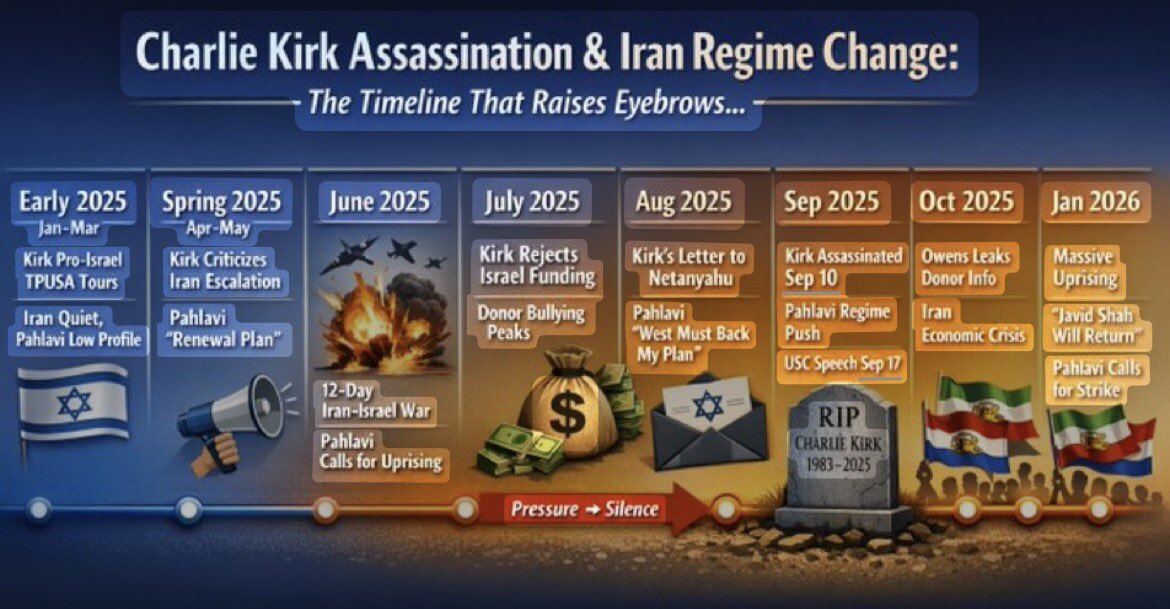
White House Escalation Halts Intelligence Leads (Claims)
Claims that follow-up on foreign leads was blocked, escalated to a tense White House meeting, and then stopped. If accurate, the investigation narrowed for reasons never made public.
Read this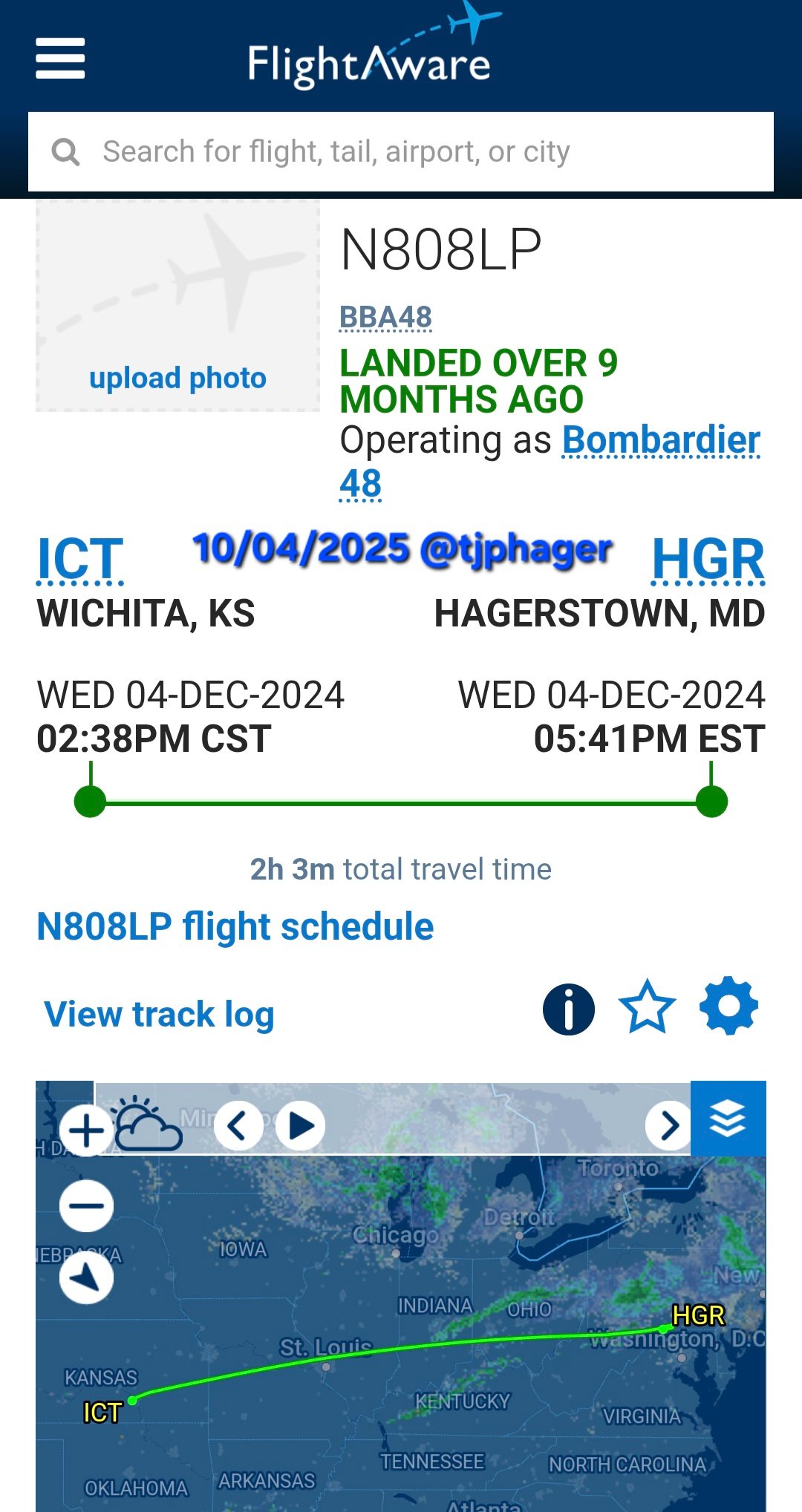
AES Tennessee Explosives Factory Explosion (Claims)
An explosives plant in Humphreys County, Tennessee blew up on October 10, 2025 — weeks after online investigators tied a Defense Department munitions contract there to this case. The page reviews how strong that link actually is.
Read thisElsewhere In The Investigation
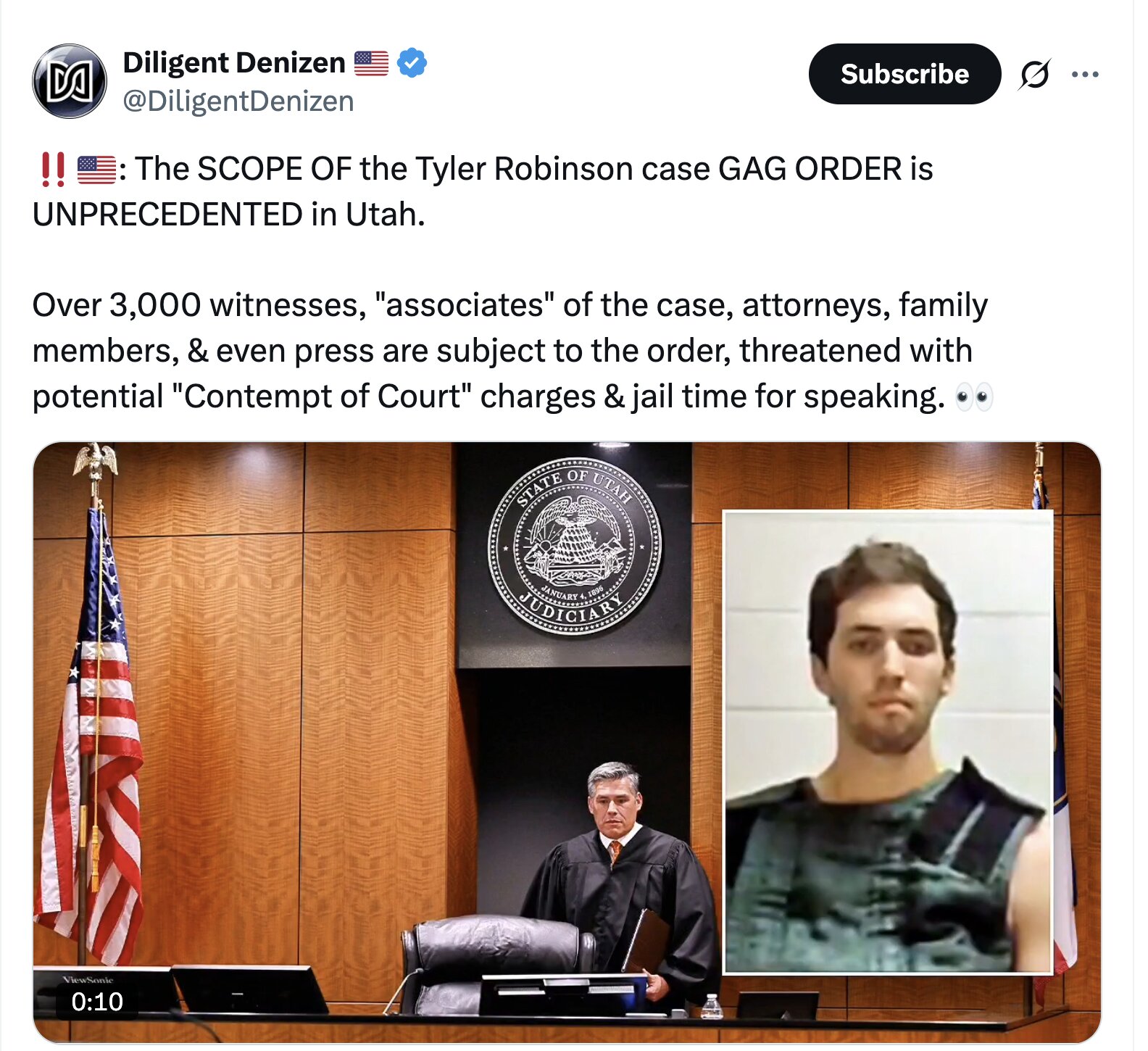
A December 2025 gag order, closed hearings, and a March 2026 motion to seal the inconclusive ATF report — opposed by a media coalition. The public record narrows in stages.
Read this
Hearings Closed, No Transcripts Released (Claims)
Media barred, no transcripts issued, later sessions ordered closed as well. The page rates the claim EMERGING and says outright that closing a session is lawful and is not sealing a record forever.
Read this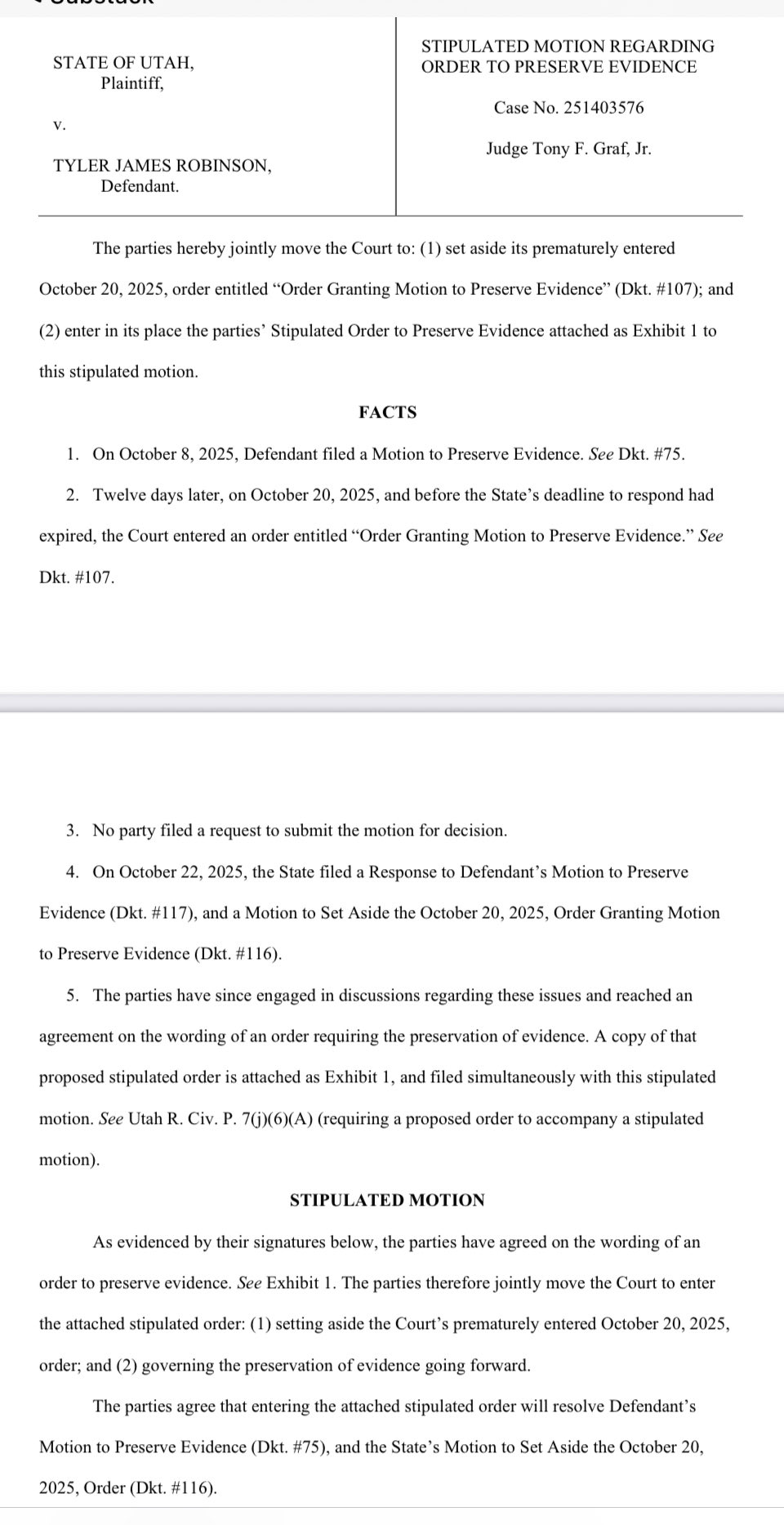
Law 3: Charlie Kirk Investigation - Mandatory Investigation Act
Full text of the mandatory investigation act — the statute that pairs release of the files with a duty to actually investigate them.
Read thisSources
- Defense motion described in the Charlie Kirk investigation master file ("Chief Deputy County Attorney's 18 year old Daughter" section), stating the daughter was about 85 feet from Kirk, heard the shot, texted her father real-time details, and received brief law-enforcement protection.
- Same record: County Attorney Jeff Gray "dismissed the need for a formal screening, stating that no conflict exists," and the defense's argument that Gray lacks authority to self-assess and its request for an outside special prosecutor.
- Same record: Gray's hearing testimony placing him at a budget meeting in Layton, Davis County, "not Ogden, as he initially misstated in an official press conference."
This website's author is @HolonCitizen on X and YouTube/@HolonCitizen. Follow me there.
Interesting
- An Army ISR jet made low passes over the corridor, per the withheld airborne records.
- One mandatory-investigation draft names evidence planting as a required line of inquiry.
- The supporting legal notes argue Church Committee oversight never forced the truth out.
Related Areas
Images