← Defamation
Brian Harpole v. Candace Owens
Disclaimer: This page reports a pending civil lawsuit between two living people. Nothing here is a finding by any court. Allegations described are unproven, and every claim is attributed to the person or source who made it. Both Brian Harpole and Candace Owens dispute the other's characterization of events; their positions are presented side by side.
Brian Harpole — Charlie Kirk's security chief on September 10, 2025 — has filed a defamation lawsuit against commentator Candace Owens in the U.S. District Court for the Middle District of Tennessee. The suit places two central figures from the Charlie Kirk story on opposite sides of a courtroom: the man who was in the SUV when Kirk was shot, and the most prominent independent voice covering the assassination.
Journalist Grace Ashford reports the mass judicial recusal, and includes a clip of Candace Owens describing the public-figure argument. Source: @IGraceAshford on X, July 10, 2026.
The Reported Mass Recusal
According to journalist Grace Ashford (@IGraceAshford), in a post dated July 10, 2026, "every single district and magistrate judge in the Middle District of Tennessee has just recused themselves from Brian Harpole's defamation case against Candace Owens."
Ashford characterizes this as extraordinary, writing that normally a conflicted judge simply hands a case "to a colleague down the hall," whereas here "the entire district is totally locked out" and "the Sixth Circuit Court of Appeals is now being forced to bus in an outside judge from an entirely different jurisdiction."
These procedural claims are reported by Ashford and had not, as of this writing, been independently confirmed on this site through the court docket. Readers should treat the specifics — how many judges, and the Sixth Circuit's role — as her account pending verification against the official record.
Candace Owens on the Public-Figure Argument
The video attached to Ashford's post includes Candace Owens discussing the case in her own words. The central legal question in any U.S. defamation suit is whether the plaintiff is a public figure (who must prove "actual malice") or a private person (a lower standard). According to Owens, Harpole's filing argues he is not a public figure.
In her attributed account, Owens states:
"You have to establish in defamation: Are you a public figure or are you a private person? ... obviously, he made himself a public figure by going on this podcast and interjecting himself into this Charlie narrative. So they were trying to argue that he's not a public figure, and he basically said he was forced to become a public figure because of me."
Owens further states, in the same clip, that she never covered Harpole before his podcast appearance: "I never covered him on my show once. Never spoke his name on my show before he went on your show ... my mind just wasn't there at all until he did your interview." She characterizes his interview as "disastrous" in her view and that of commenters who watched it.
These are Owens' own characterizations, presented as her side of the dispute. They are not established facts, and Harpole's filing — by Owens' own description — takes the opposite position on the public-figure question.
Brian Harpole's Position
By the account above, Harpole's lawsuit contends that he is a private person who was compelled into public life to defend his reputation, and that he went on the Shawn Ryan Show "to clear his name." Harpole, a former police officer who headed the contracted private security detail (Rockhouse Integrity Group / Integrity Security Solutions), has publicly criticized UVU rooftop security failures and has publicly refuted conspiracy theories about the shooting. His defamation claim asserts that statements made about him crossed from commentary into actionable falsehood. The full contents of his complaint are a matter for the court record.
Ashford's Speculation on "Why the Retreat"
Ashford offers her own interpretation of why the district's judges would step aside. She ties it to reporting she attributes to "Mitch Snow" about an alleged "meeting at Fort Huachuca with high-ranking military officials," writing that "if this goes to a courtroom, subpoenaing those military officials exposes exactly what they are desperate to hide."
This is speculation, not evidence. The Fort Huachuca claim is an unverified, intelligence-adjacent allegation that also appears in george_webb-type threads referenced on Harpole's profile and remains uncorroborated by any official record cited on this site. There are ordinary, non-conspiratorial reasons an entire district can recuse — a local party or witness with courthouse ties, for example. Ashford's framing is presented here as her opinion about motive, offered so readers can weigh it against the plainer explanations.
Why This Case Matters to the Investigation
Regardless of who prevails, a defamation case that reaches discovery can compel documents and sworn testimony that no reporter can obtain voluntarily. If Harpole's suit survives dismissal, both sides gain subpoena power — the same disclosure mechanism the Fix Laws propose to point at federal agencies. That is the through-line for the investigation: a private lawsuit between two public figures could, as a byproduct, put Charlie Kirk's security arrangements and the events of September 10 under oath.
Brian Harpole — Status: Alive Candace Owens — Status: Alive
X.com posts:
Citizen Investigator Claims on X (2026 research)
:::note Attribution The claims below come from public X/Twitter posts, hearing notes, and citizen-investigator commentary captured in mid-2026 research. They are not court findings. Living persons are presumed innocent. The site does not assert that any living person planned or carried out Charlie Kirk's death. :::
Focus of this page
Reports Brian Harpole's defamation lawsuit against Candace Owens in the Middle District of Tennessee, the mass judicial recusal reported by Grace Ashford, the public-figure legal dispute in Owens' own
Claims and discussions circulating (do not treat as proven)
Brian Harpole v Candace Owens MD/TN litigation reports.
Cross-cutting X signals that touch this topic
- Pre-event donor pressure (as reported): Candace Owens publicized private messages (authenticity discussed with TPUSA spokesman Andrew Kolvet in mainstream commentary) in which Charlie reportedly wrote ~48 hours before Sept 10 that donor pressure was "leaving me no choice but to leave the pro-Israel cause," and that he had lost a major donor after refusing to cancel Tucker Carlson. These are private-text claims, not a formal public policy renunciation, and they do not establish who fired any shot.
- July 2026 preliminary hearing: Citizen live-notes and press describe defense challenges to FBI DNA methods and ATF ballistics (including inconclusive comparisons widely discussed online), plus multi-agency testimony on the Sept 11 surrender chain.
- Information control: Threads continue on gag orders, Ryne Simmons video, platform deboosting, and rapid crime-scene paving (Lead Investigator Hull reportedly learned of paving via news, per circulating hearing notes).
- Counter-claims: Other accounts insist surveillance, DNA, texts, and admissions support a lone-actor charging narrative and treat foreign-intel theories as unsubstantiated. Present both sides; Tyler Robinson is charged, not convicted.
Open questions raised by investigators
- What primary documents (GRAMA, work orders, unredacted orders, bodycam) would resolve disputes on this page's core claims?
- Which circulating posts have independent corroboration vs single-source amplification?
- How do July 2026 hearing exhibits (when unsealed or accurately transcribed) change the weight of earlier X threads?
Deeper related reading: After overview · CoverUp overview · FBI overview · Fix Laws.
Interesting In This Area
- The Defamation section explains why the public-figure threshold is itself a record.
- Discovery in a private suit can reach documents no journalist can obtain.
- This section is expected to grow as more suits surface around the case.
- The section index links each case back to the September 10 dispute.
Interesting In Other Areas
- Brian Harpole's security role and Dan Flood's put both men beside the SUV.
- Candace Owens released the donor texts and the reported kill warnings.
- Court gag orders restrict the criminal case while this civil case stays open.
- Candace Owens Israel controversies is the coverage backdrop the filing sits against.
Elsewhere In The Investigation
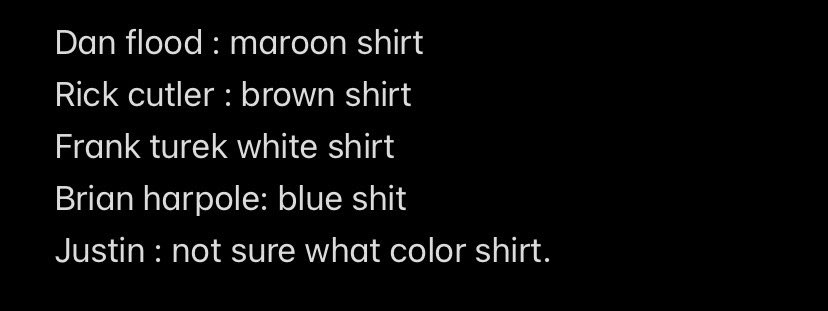
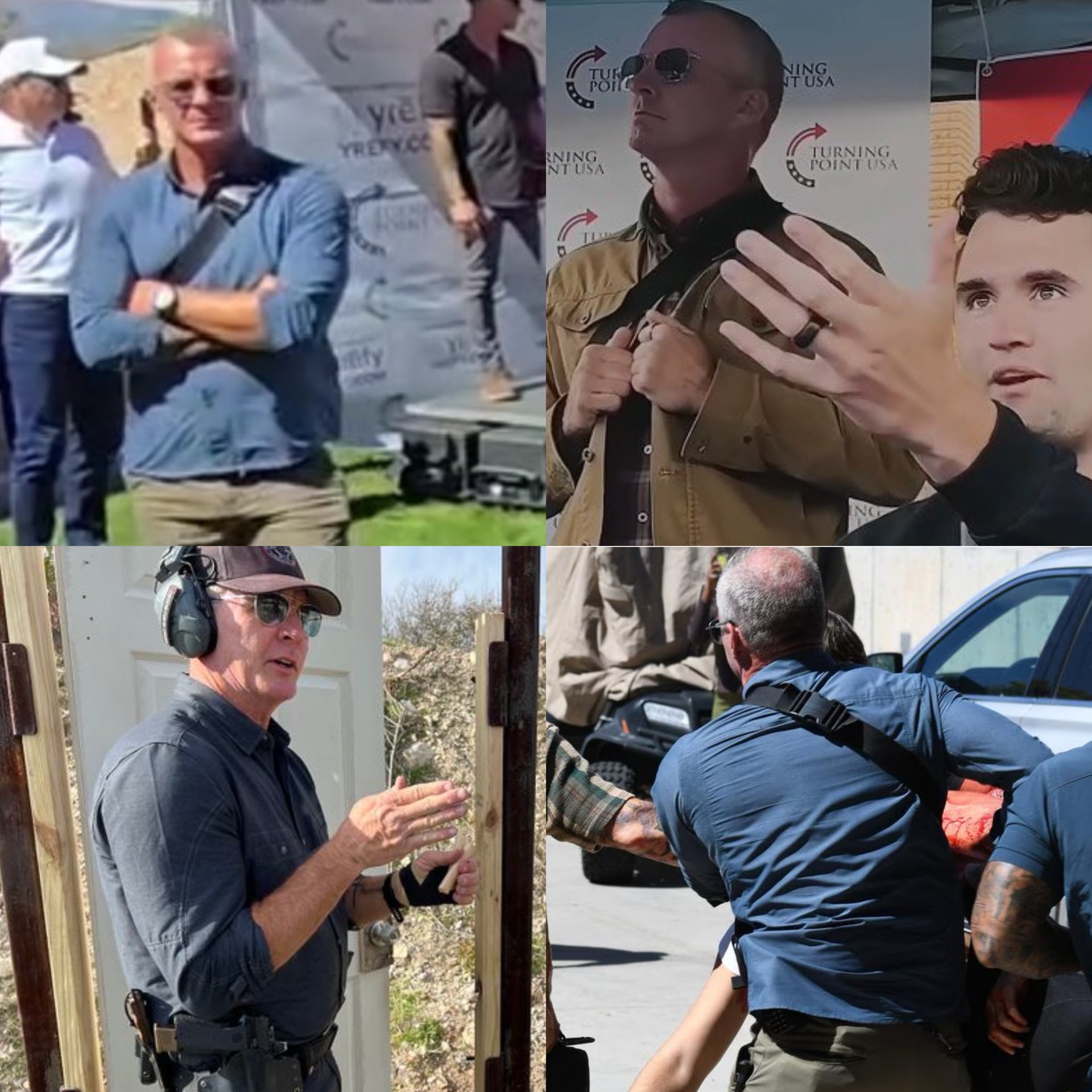
The founder of the firm reportedly guarding Charlie Kirk at UVU, and a living private citizen who denies the speculation about him and has sued over related claims. His is the name the image-search claim keeps returning to.
Read this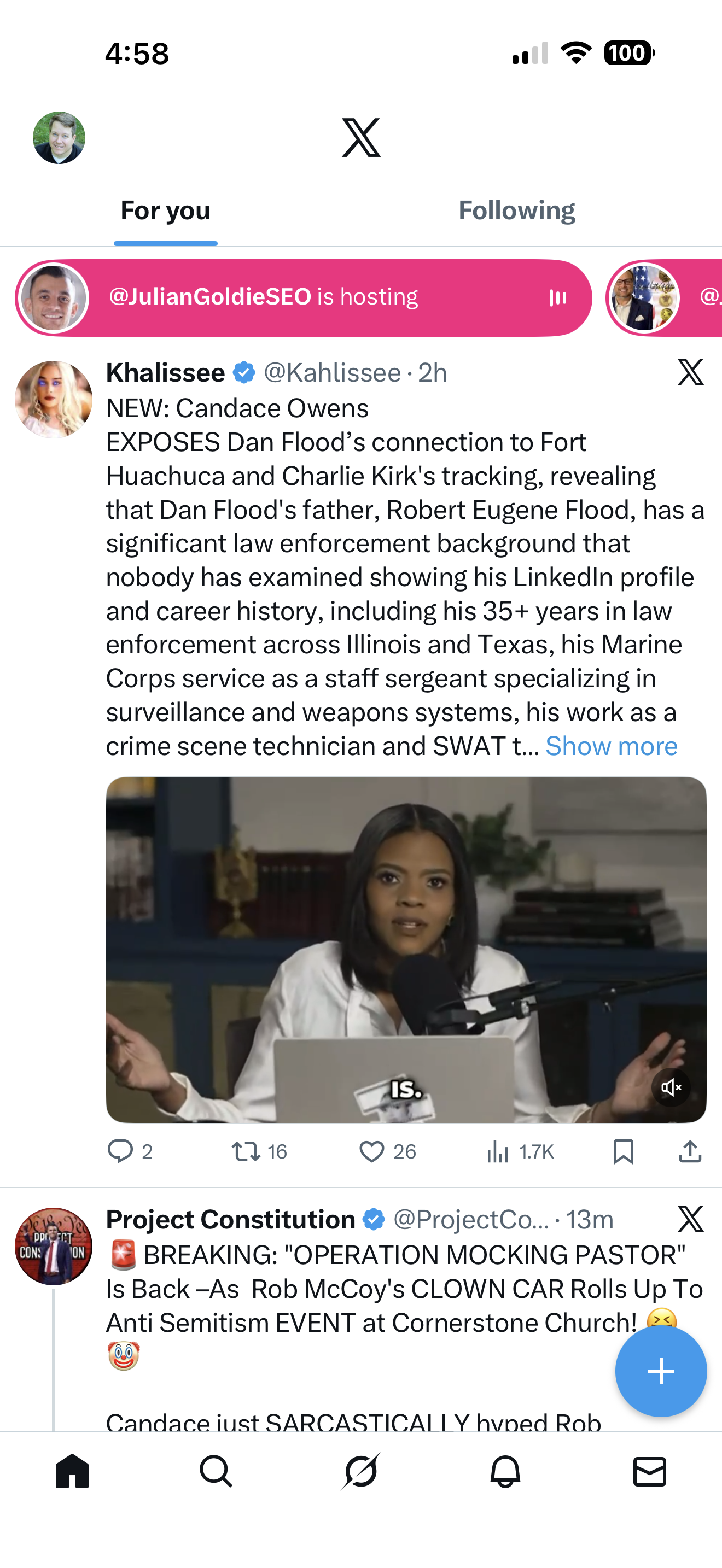
She called Charlie her best friend and brother, then ran the largest independent probe of his death. She also published the texts, the tipline and the SUV photographs the rest of the case now argues over.
Read thisA gag order issued on the court's own motion, requested by neither side, restricting what parties and counsel may say. Lawful censorship, and a shaping force on everything published since.
Read this
Candace Owens Israel Controversies (Media)
Owens released material from a nine-person WhatsApp chat dated September 8, 2025, including a line about losing a $2 million donor over not cancelling Tucker Carlson. Outlets split between aggregating her claims and fact-checking them.
Read thisThis website's author is @HolonCitizen on X and YouTube/@HolonCitizen. Follow me there.
Interesting
- A private defamation suit can reach subpoenas before any federal disclosure law does.
- Outside security teams were reportedly on the day-of call chain, yet carrier records stay unproduced.
- The case's most-quoted line, "THEY ARE GOING TO KILL ME", has never been authenticated.
Related Areas
Images