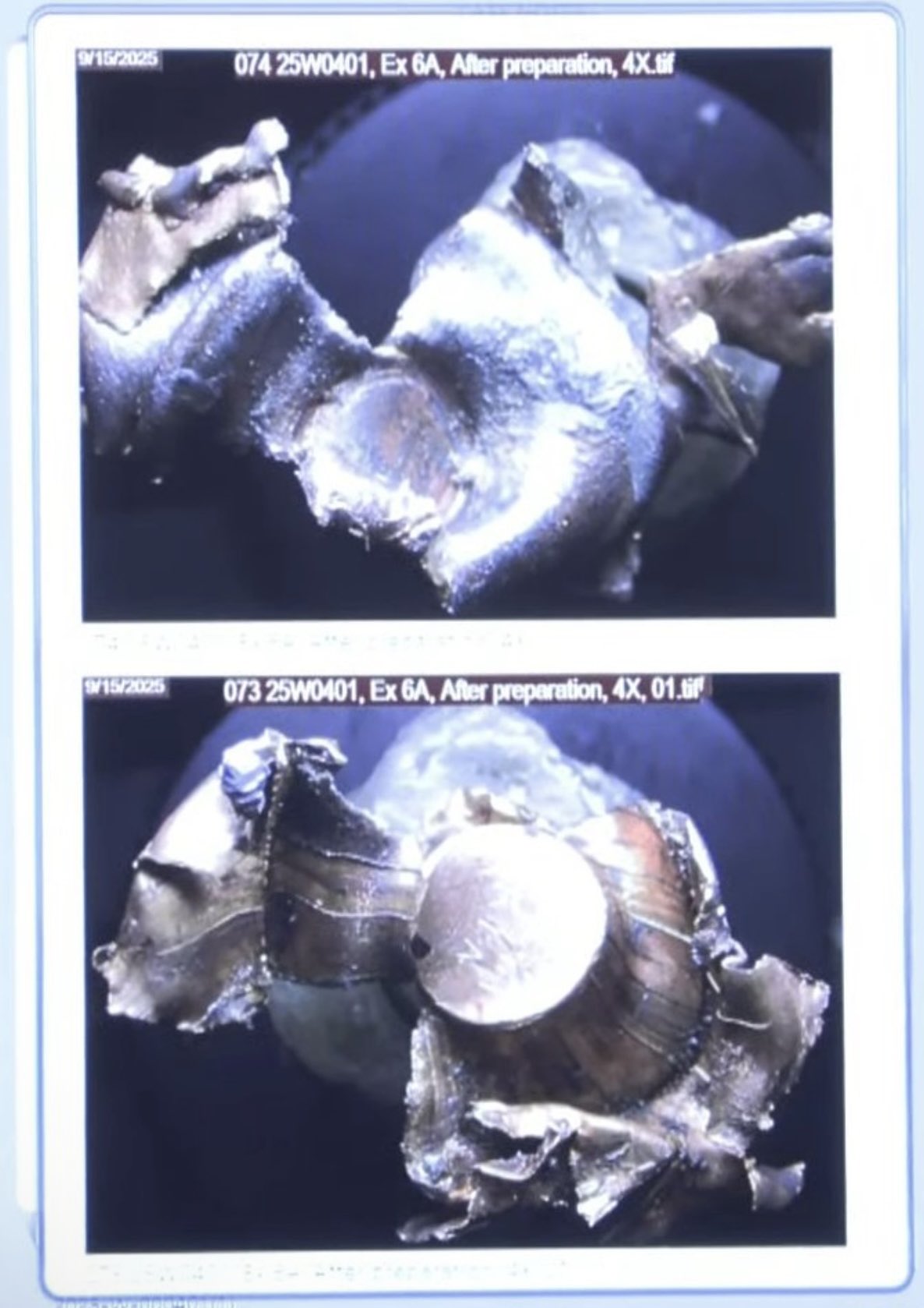
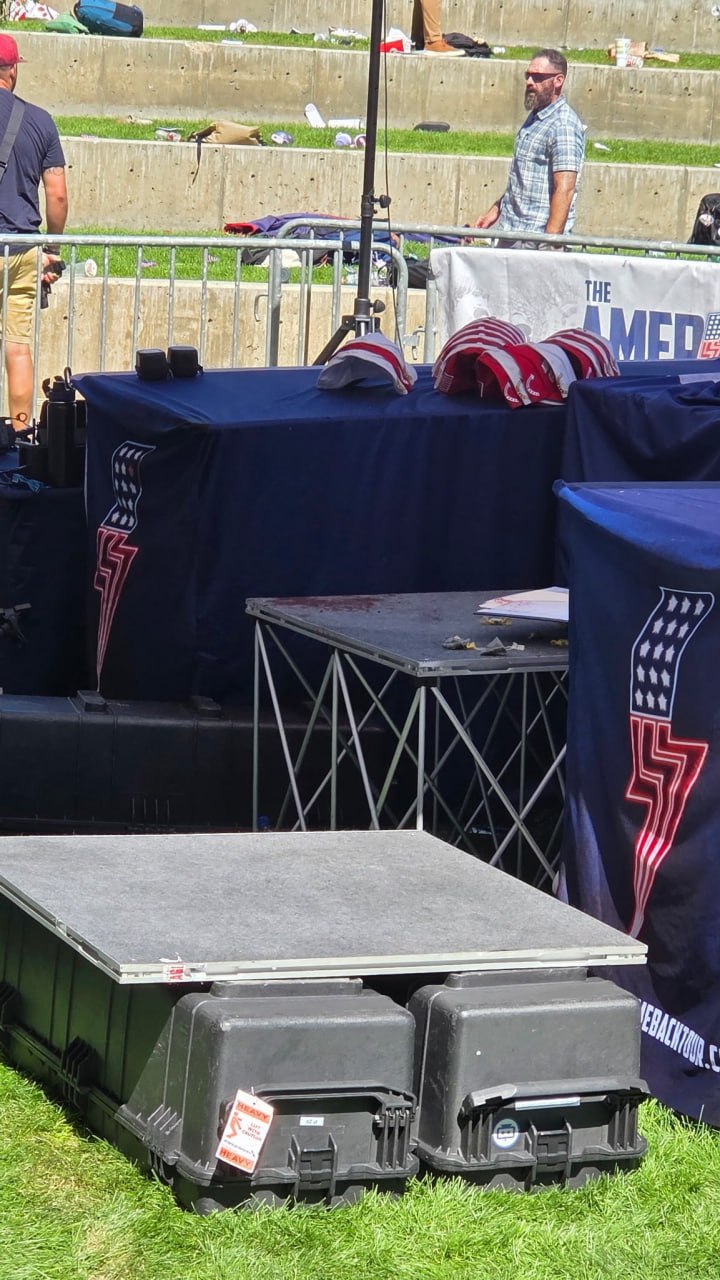
Resonant Site Preparation
The B-Field Resonant Cascade hypothesis posted by @wtshesaid72 on July 15, 2026 does not claim a weapon was carried into the UVU courtyard. It claims the courtyard itself was the weapon — prepared in advance, fired once, then altered afterward to destroy the evidence. This page separates what the post asserts from what the investigation has actually documented.
The four claimed preparations
According to @wtshesaid72, the venue had four features that made the cascade possible:
- Bowl-shaped courtyard — the surrounding geometry allegedly concentrated the effect on the speaker's position rather than dispersing it.
- Raised platform with a deliberate air gap — the post treats the gap under the stage as intentional electrical isolation rather than ordinary staging construction.
- Underground high-voltage cavity, tapped from existing infrastructure — the poster's diagrams annotate an "underground tap" at a service panel below grade, claiming the operation drew power from utilities already on site rather than importing a visible generator.
- A pulsed EM field generator, connected and ready — asserted, but not located, photographed, or specified anywhere in the post.
The two claimed cover-up steps
The hypothesis also reads two documented post-event facts as consequences of the mechanism:
- Dirt removed from under the tent — the post claims two companies did the removal for "plausible deniability," and that the soil had to go because of "magnetic compaction and microorganism changes." The removal of ground material at the site is a real and much-discussed thread in this investigation; see The Tent and construction and site changes for what is actually on the record about who did the work and when.
- Concrete pavers — the post claims pavers "permanently altered site acoustics, preventing forensic rifle-shot comparisons." The site was in fact resurfaced. Whether that foreclosed acoustic reconstruction is a separate question from whether it was done in order to.
Claimed versus documented
This is where the hypothesis is weakest, and readers should be direct about why. Every one of the four "preparations" is a reinterpretation of an ordinary feature, not a discovery of an anomalous one. Outdoor venues have service vaults and buried conduit because they need power. Stages are raised and hollow underneath because that is how modular staging is built. Courtyards on a campus are enclosed because buildings surround them. The post offers no measurement, no utility drawing, no work order, and no photograph showing any of these features in a configuration that differs from a normal campus event.
The generator is the crux. The entire mechanism requires a pulsed electromagnetic field generator to have been present, connected, and fired. That device is asserted in one sentence and never evidenced — no image, no serial number, no delivery record, no witness. A theory whose central instrument is undocumented is not supported by the observation that the venue had electricity.
The two cover-up claims are more interesting, because the underlying events are real: material under the tent was removed and the site was resurfaced. Those facts are genuinely unexplained to many citizen investigators' satisfaction, which is why they recur across this site. But an unexplained fact is compatible with many explanations. The soil removal and the pavers are equally consistent with the exploding-mic theory, which reads them as destroying explosive residue rather than magnetic signatures — and the BFRC post gives no reason to prefer its reading over that one.
What would actually test this
The hypothesis would become checkable if any of the following surfaced: utility or facilities records showing an unscheduled tap on the courtyard's electrical service; a work order or invoice for equipment matching a pulsed field generator; soil analysis from the removed material showing the magnetic compaction the post predicts; or an autopsy showing internal injuries inconsistent with a projectile. The last of these is the decisive one, and it is currently sealed — see the autopsy report is not public.
Interesting In This Area
- The full post asserts a generator in one sentence and never evidences it.
- The institutional claim is capability, which is not involvement.
- The overview treats this as one unverified hypothesis among several.
- The third posted image is uncaptioned handwriting, per the full text.
Interesting In Other Areas
- Grass was ripped out and pavers laid within days of September 10.
- Contractor interviews describe the work; no finding of intent exists.
- Forensic reconstruction gets harder once ground material leaves the scene.
- The exploding-mic reading explains the same removal as residue destruction.
Other Pages In This Section
The BFRC Hypothesis (Full Text)
The July 2026 post is preserved unedited so it can be read without paraphrase, then assessed line by line. Real physics terms, author-drawn diagrams, and not one field strength, current estimate, or record.
Read this
One sentence names an Army proving ground as the source of the expertise — with no person, unit, date, or document behind it. The page treats capability and involvement as the different things they are.
Read this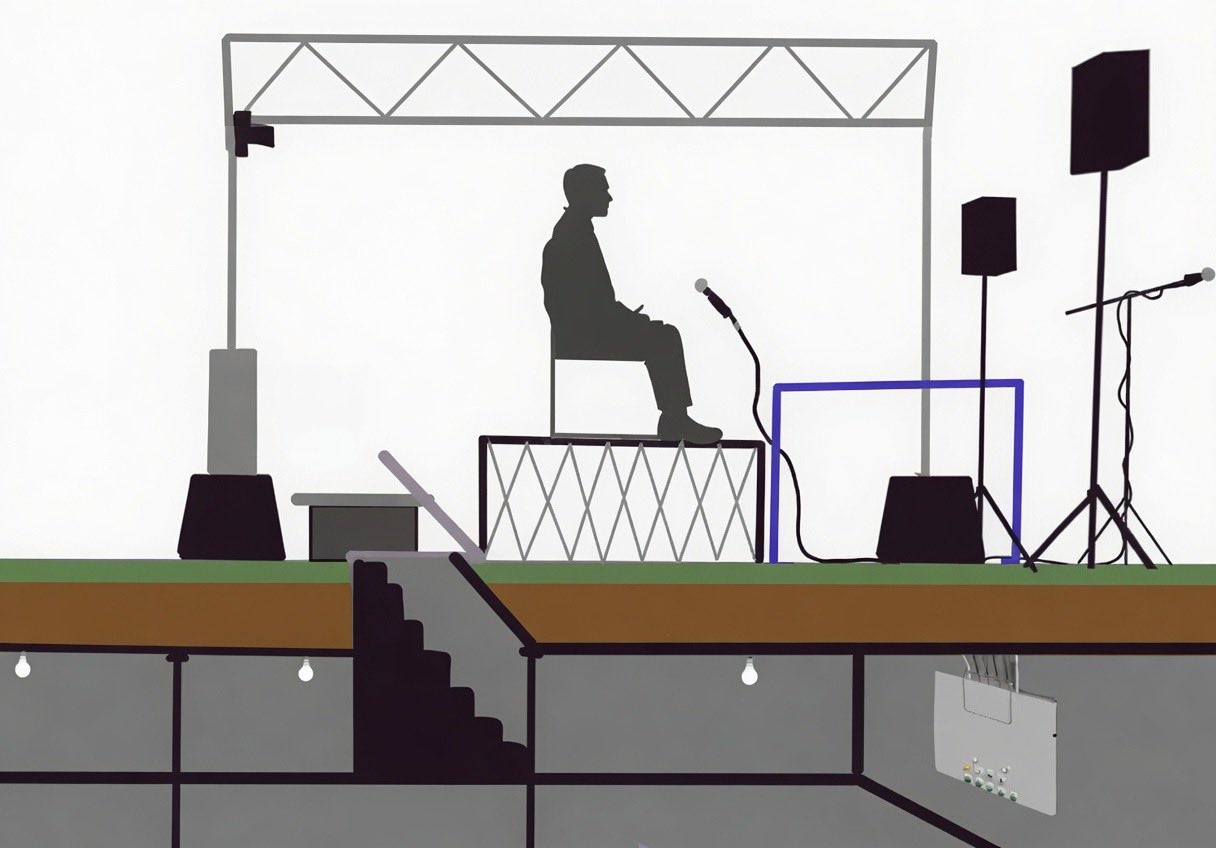
Electrocution — The B-Field Resonant Cascade Hypothesis
A single X account argues the corded microphone completed a circuit and the venue itself did the rest. It is documented here for completeness and weighed against the exploding-mic finding most citizen investigators hold.
Read thisElsewhere In The Investigation
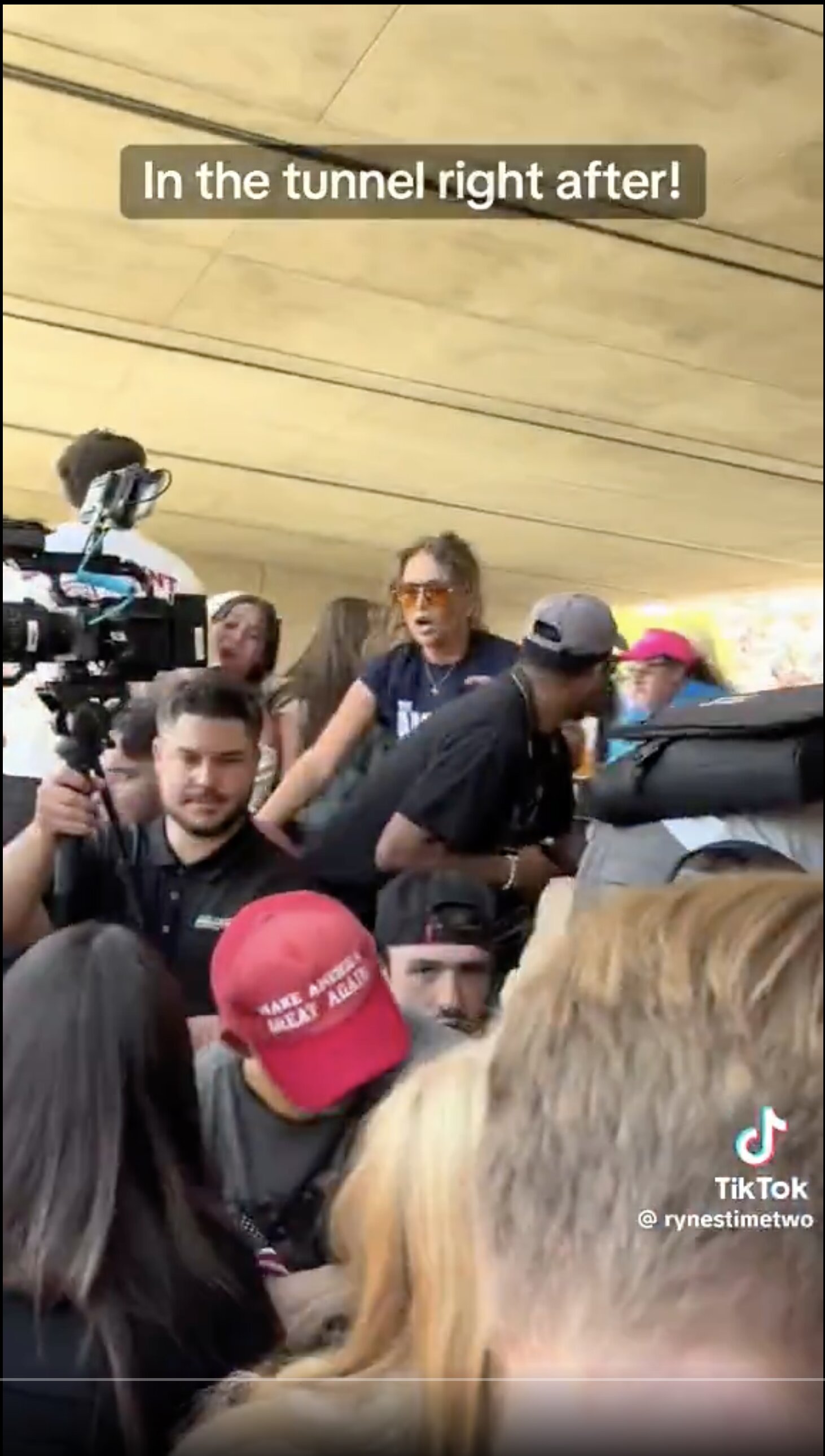
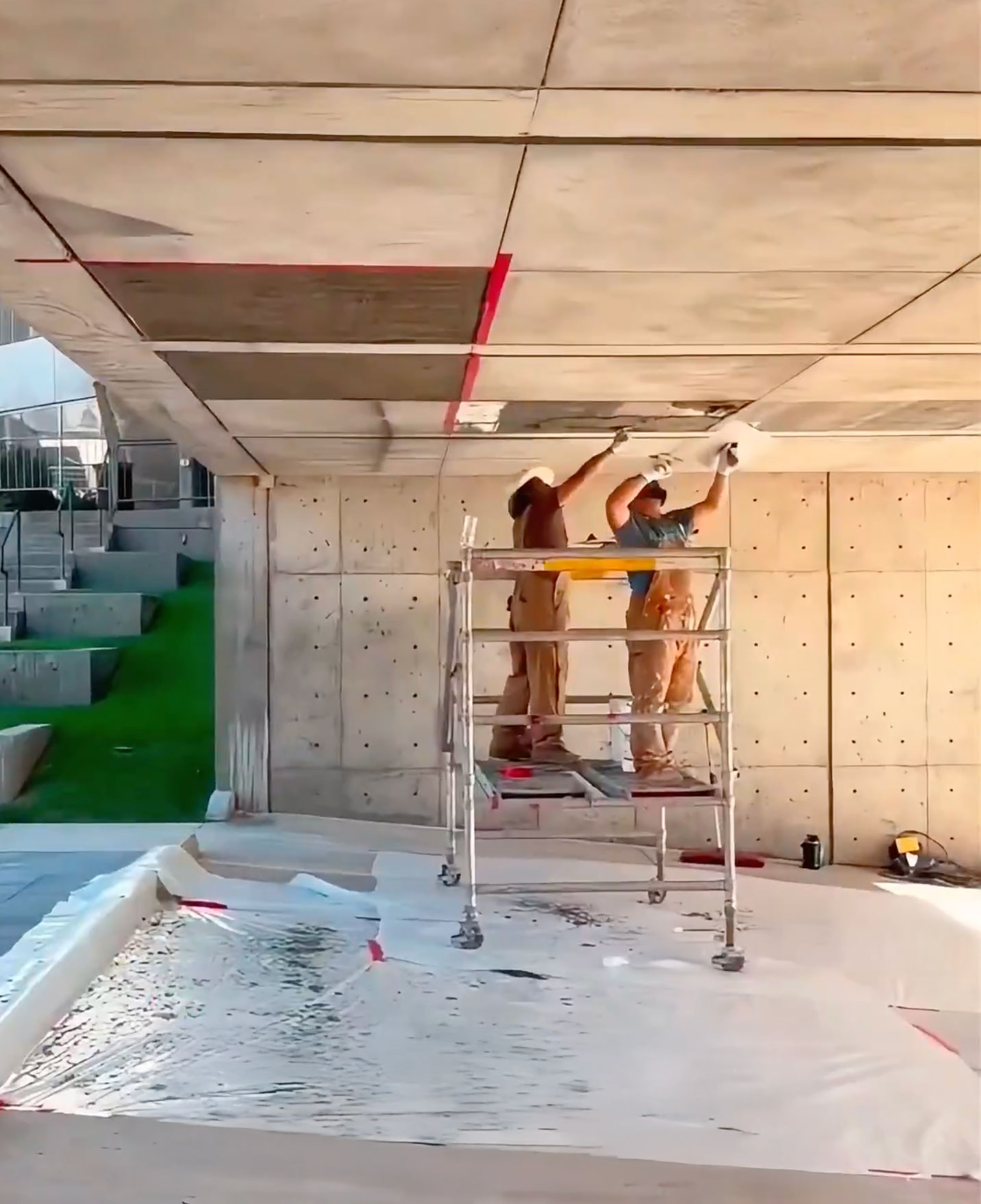
Forensics does not stop at the body. The tent ground was reportedly paved or hardscaped within days, which is a problem for wound-origin reconstruction and trace recovery either way.
Read this
Site Changes and Crime‑Scene Handling After the UVU Event (Claims)
Landscaping removed and ground paved within days of the shooting. Whether that erased ballistic and trace evidence is the question; whether it was done in order to is a separate one.
Read this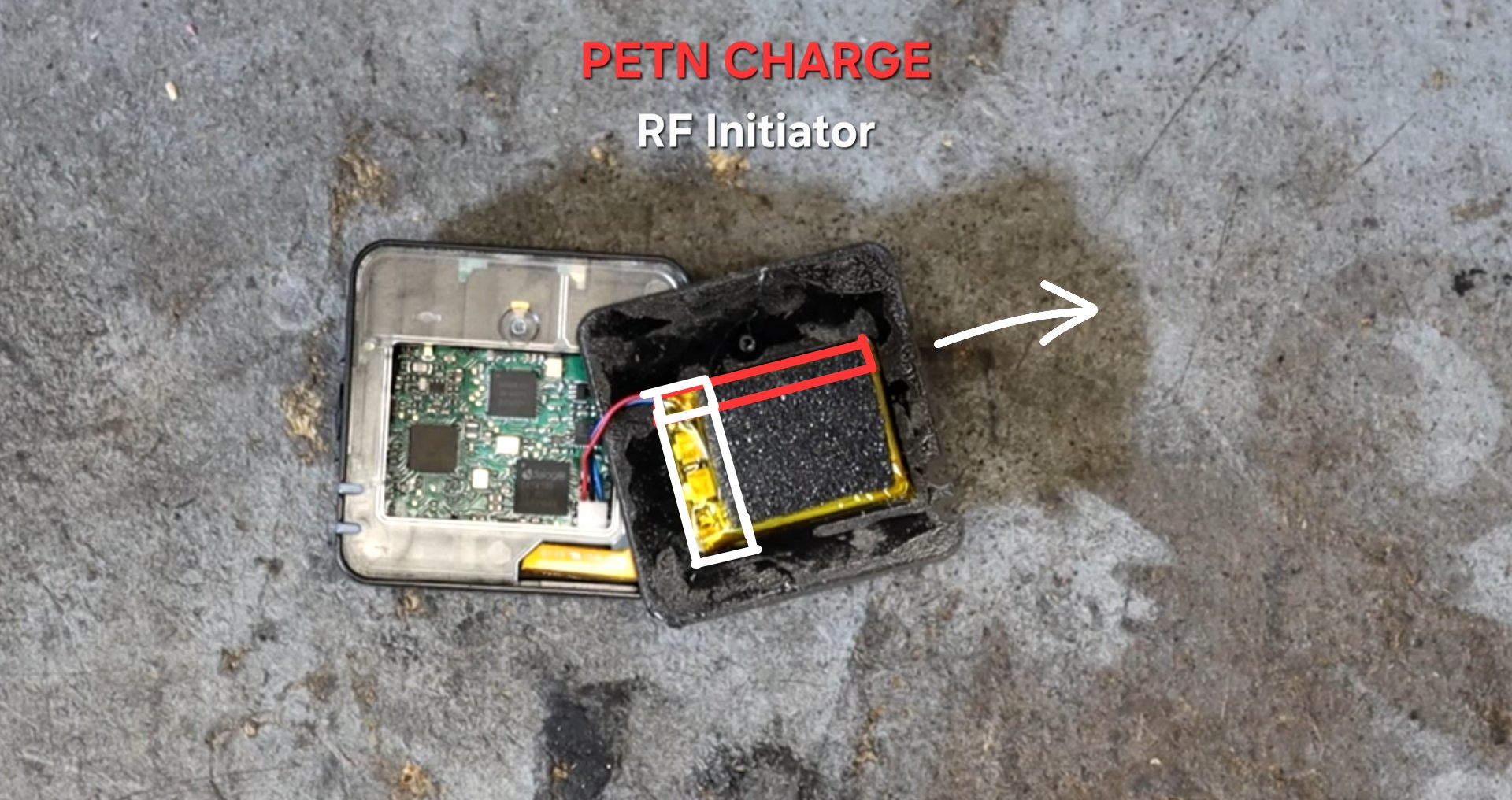
Microphone — The Exploding Mic Theory
The lavalier clipped to his shirt may have concealed a small explosive — the leading conclusion among citizen investigators, and the thread that runs through video, audio, procurement, and post-event debris.
Read thisThis website's author is @HolonCitizen on X and YouTube/@HolonCitizen. Follow me there.
Interesting
- An IR camera behind Kirk's head anchors the BFRC hypothesis in full.
- A thread on alleged handler networks reportedly drew a Utah legislator's comment weeks earlier.
- Joe Kent says the foreign-ties review was halted once Robinson was in custody.
Related Areas
Images