Ballistics & Forensics
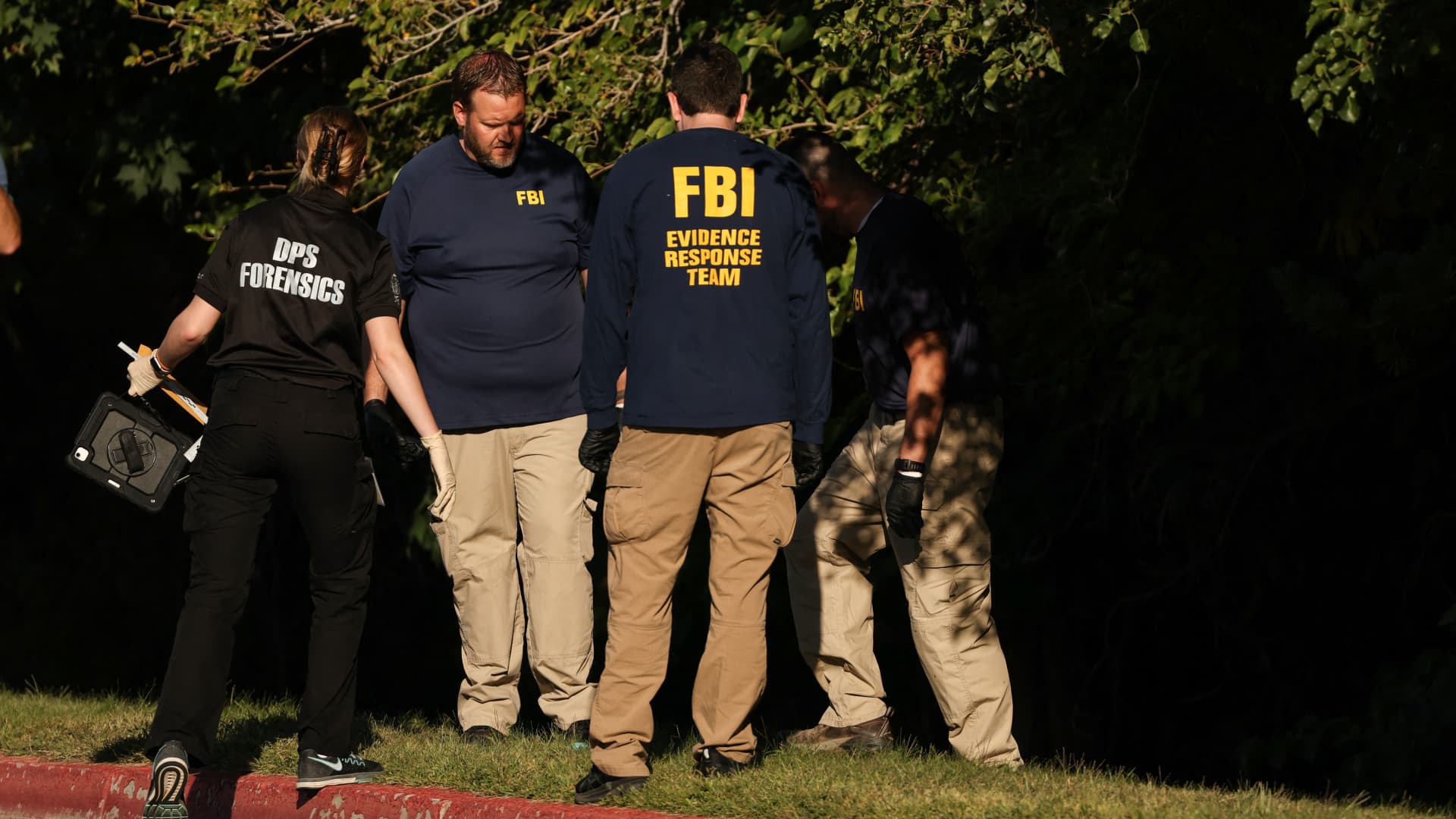
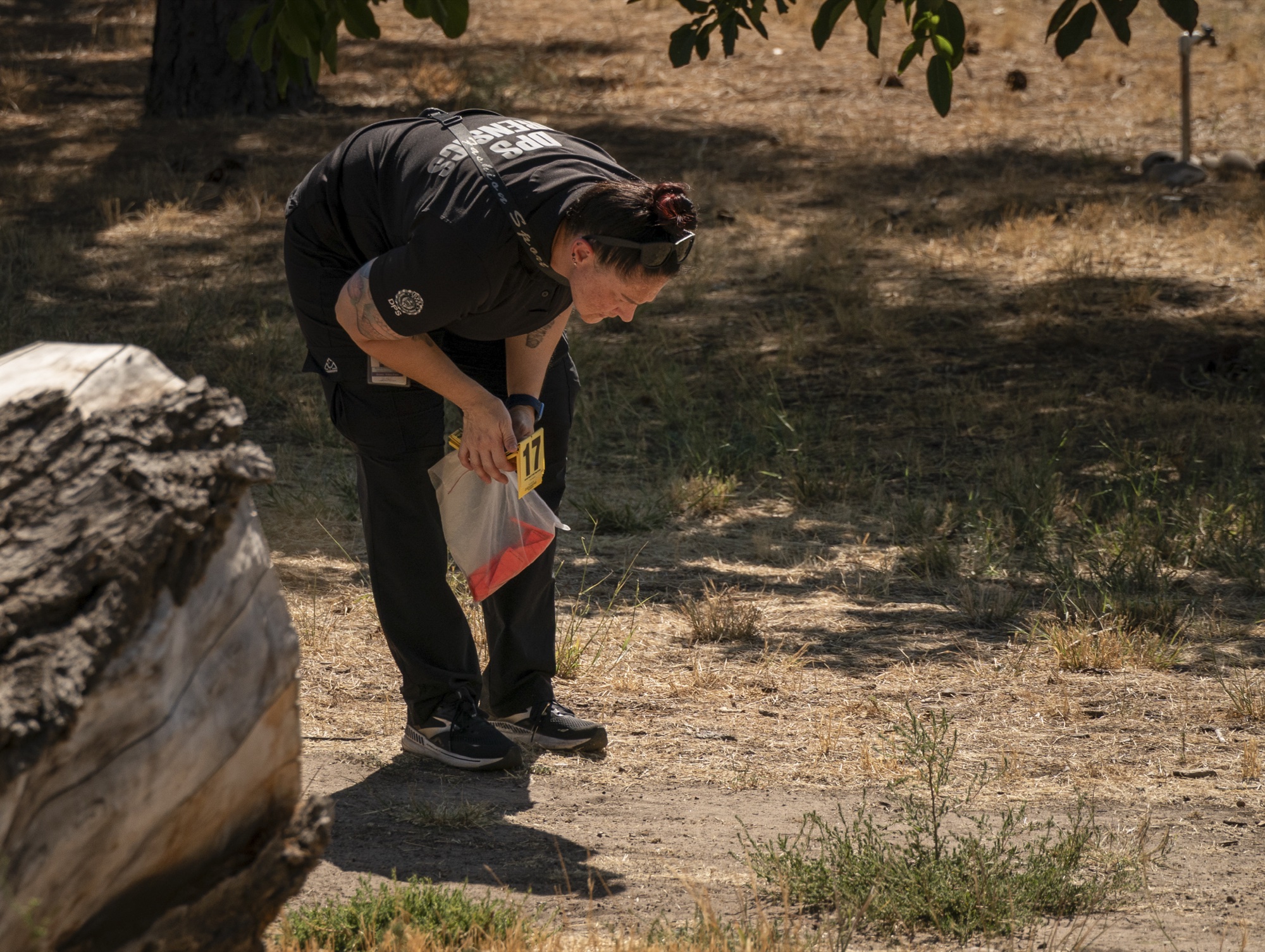
The federal ballistics and forensic record is one of the highest-stakes threads in the Charlie Kirk case. If the official claim — that a .30-06 Mauser 98 fired by Tyler Robinson killed Kirk — does not hold up under independent review, the entire FBI narrative collapses. This page tracks what is reported about FBI and ATF testing, the methods used, and the transparency fights around them. We do not assert that any examiner falsified results; we document reported allegations and open questions.
Summary: What the ATF Report Reportedly Shows
According to commentary on a released ATF summary report (see Andrea Burkhart Substack document):
- One bullet jacket fragment and four lead fragments were recovered during Kirk's autopsy.
- The jacket is identified as from a .30 caliber class bullet.
- The fragment shared class characteristics with Robinson's Mauser 98 — the rifle could not be excluded — but lacked individual characteristics permitting identification of one rifle to the exclusion of all others.
- The recovered piece is catalogued as Exhibit 6A. Commentary quotes the ATF as writing that "firearms that produce general rifling characteristics similar to those observed on the Exhibit 6A bullet jacket fragment include numerous makes and models" — i.e., a ".30-caliber class" description that critics call generic rather than identifying.
- Engravings on cartridge casings were reportedly consistent with a rotary tool like a Dremel.
The record also notes an integrity concern: an FBI analyst who received Exhibit 6A from the ATF reportedly observed that part of the jacket fragment had already become detached in the packaging — a chain-of-custody detail that matters before any further destructive testing (see VCM below).
The defense reportedly filed a January 2026 motion after being denied permission to photograph the jacket casing and attend future testing. See Discovery & Access Delays.
CBLA Allegations (Banned Technique)
Citizen investigators and X posts have alleged the FBI may resurrect Compositional Bullet Lead Analysis (CBLA) — a technique the FBI abandoned in 2005 after conceding flawed scientific validity. The claim is that after the ATF could not make an individual match, the case was handed to the FBI for lead-composition comparison.
Historical context cited in the research record: in 1991, Jimmy Yates was convicted partly on CBLA evidence — the FBI matched a bullet in his car to the crime scene — and he later walked free when the FBI conceded in 2005 that "neither scientists nor bullet manufacturers could definitively attest to the accuracy" of the method. The research record's framing is blunt: the ATF (the actual firearms experts) "threw their hands up" and could not match the fragment, so the case was handed to the FBI for lead-composition comparison. Commentators also allege the defense is being "drowned" in a reported 600,000 document files while the disputed technique is quietly reintroduced. If CBLA is being used here, that is a major transparency and admissibility question — but it must be confirmed from the court filings, not from commentary alone.
Virtual Comparison Microscopy (VCM)
The State reportedly sought Virtual Comparison Microscopy on the jacket fragment — 3D scanning compared to a test fire. Court commentary notes the FBI analyst reported the fragment is fragile and that unfolding deformed portions might require tools (including pliers) that could leave marks or detach additional pieces.
The defense reportedly asked to have its own expert present or to videotape the examination. The FBI's reported response was that policy does not allow defense presence or videotaping. That denial is central to Discovery & Access Delays and to the broader Proof Not Tyler argument.
DNA Mixture Reports
Public commentary has noted that FBI and ATF DNA reports reportedly indicate multiple DNA profiles (a mixture) on evidence including the rifle — suggesting the weapon was handled by more than one person and that the crime scene may have been contaminated. The defense has reportedly sought a continuance to bring independent forensic biologists and statisticians to verify whether correct scientific procedures were applied.
Connection to Shaped-Charge Theory
Independent investigators argue the autopsy fragments and ballistics record are incompatible with a clean single rifle shot and compatible with an explosive or shaped-charge mechanism. Federal forensic choices — which tests were run, which were not, and what was destroyed or altered during testing — are therefore not a side issue; they are the evidentiary gate for the entire prosecution.
Open Questions
- Has CBLA been requested or performed? If so, on what authority?
- What is the complete ATF and FBI chain of custody for every fragment?
- Why was defense observation of VCM testing denied?
- What DNA mixture profiles were found, and were they compared against all persons with documented access to the rifle?
Laws (Charlie Kirk)
- The complete ATF and FBI ballistics files, every VCM scan, the CBLA request if any exists, and the full DNA mixture reports are things that the Charlie Kirk Investigation Laws may result in powerful truths coming out that aren't out yet.
Citizen Investigator Claims on X (2026 research)
:::note Attribution The claims below come from public X/Twitter posts, hearing notes, and citizen-investigator commentary captured in mid-2026 research. They are not court findings. Living persons are presumed innocent. The site does not assert that any living person planned or carried out Charlie Kirk's death. :::
Focus of this page
FBI and ATF ballistics in the Tyler Robinson case: ATF report summary, CBLA allegations, Virtual Comparison Microscopy, DNA mixtures, and defense access fights, framed as transparency questions not co
Claims and discussions circulating (do not treat as proven)
ATF inconclusive; CBLA banned-method claims; July 2026 prelim defense challenges.
Cross-cutting X signals that touch this topic
- Pre-event donor pressure (as reported): Candace Owens publicized private messages (authenticity discussed with TPUSA spokesman Andrew Kolvet in mainstream commentary) in which Charlie reportedly wrote ~48 hours before Sept 10 that donor pressure was "leaving me no choice but to leave the pro-Israel cause," and that he had lost a major donor after refusing to cancel Tucker Carlson. These are private-text claims, not a formal public policy renunciation, and they do not establish who fired any shot.
- July 2026 preliminary hearing: Citizen live-notes and press describe defense challenges to FBI DNA methods and ATF ballistics (including inconclusive comparisons widely discussed online), plus multi-agency testimony on the Sept 11 surrender chain.
- Information control: Threads continue on gag orders, Ryne Simmons video, platform deboosting, and rapid crime-scene paving (Lead Investigator Hull reportedly learned of paving via news, per circulating hearing notes).
- Counter-claims: Other accounts insist surveillance, DNA, texts, and admissions support a lone-actor charging narrative and treat foreign-intel theories as unsubstantiated. Present both sides; Tyler Robinson is charged, not convicted.
Open questions raised by investigators
- What primary documents (GRAMA, work orders, unredacted orders, bodycam) would resolve disputes on this page's core claims?
- Which circulating posts have independent corroboration vs single-source amplification?
- How do July 2026 hearing exhibits (when unsealed or accurately transcribed) change the weight of earlier X threads?
Deeper related reading: After overview · CoverUp overview · FBI overview · Fix Laws.
Interesting In This Area
- Bomb dogs were reportedly kept away, and the courtyard was paved four days later.
- Court documents reportedly put Miranda at 6:25 PM, before the enhanced photos went out.
- Joe Kent says his inquiry was halted; CIA staff were reportedly turned back.
- The Salt Lake SAC changed a month earlier; a judge arrived the same week.
Interesting In Other Areas
- A .30-06 carries roughly 3,950 joules, which analysts say the wound does not match.
- Standard GSR testing was reportedly never run, and rifle DNA reads as a mixture.
- Roughly 600,000 files went out while raw scans stayed contested.
- Independent analysts argue a device at the microphone, not a rifle, killed Charlie.
Other Pages In This Section
Black Clothing Photo Discrepancy
Sheriffs reportedly showed a construction crew one suspect photo on Wednesday; the image the FBI released Thursday reportedly did not look like it. An electrician described a man in a black trench coat, mask and long greasy hair.
Read thisStairwell photos went out at a 7:58 PM press conference; court documents reportedly put the Miranda warning at 6:25 PM the same evening. The Director described the images as "enhanced" and nobody has said on the record what that meant.
Read this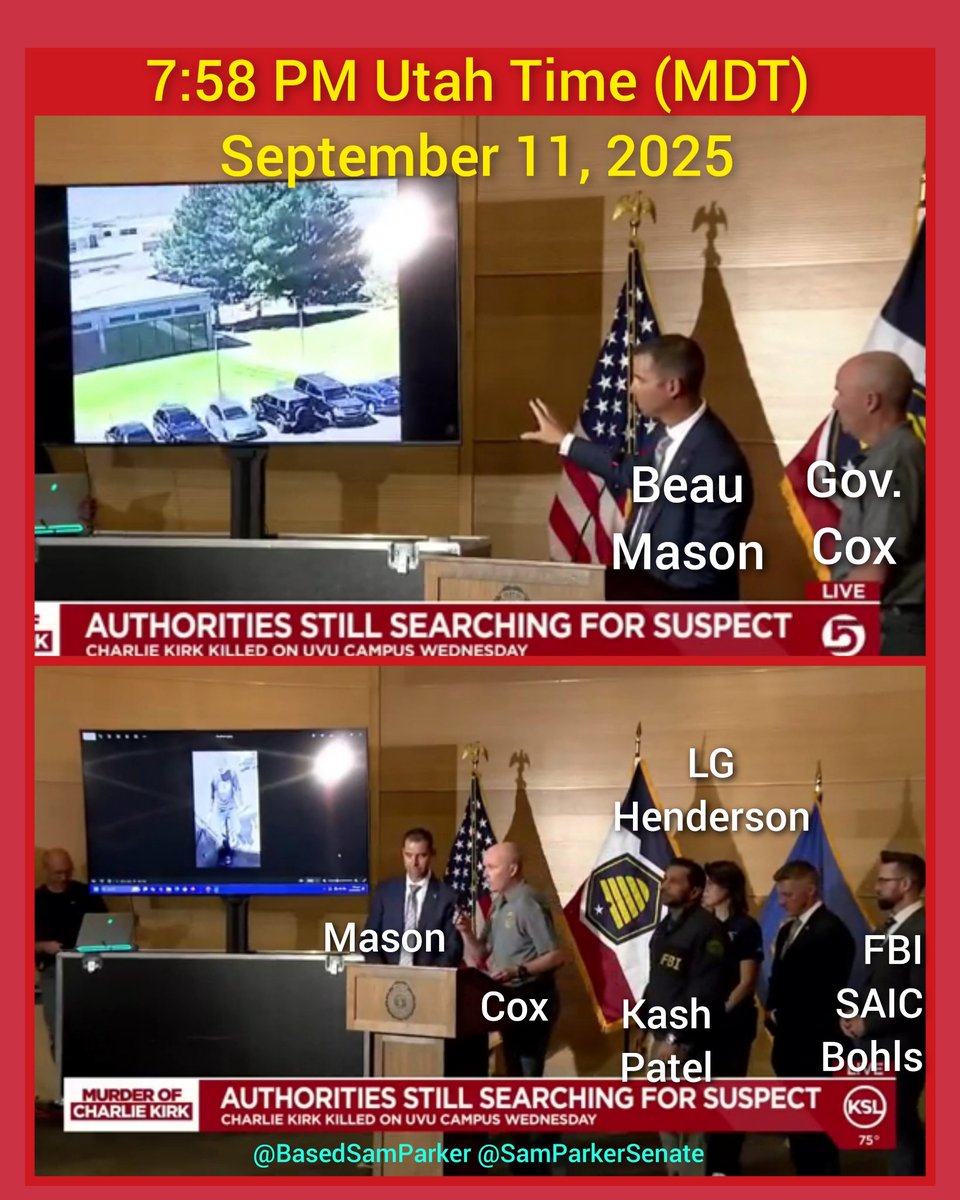
The "Valhalla" remark, the repeated "33 hours," and a roof clip one commentator compared to 1973 VHS. Counted from the shot, 33 hours lands hours after the reported 6:25 PM Miranda time.
Read this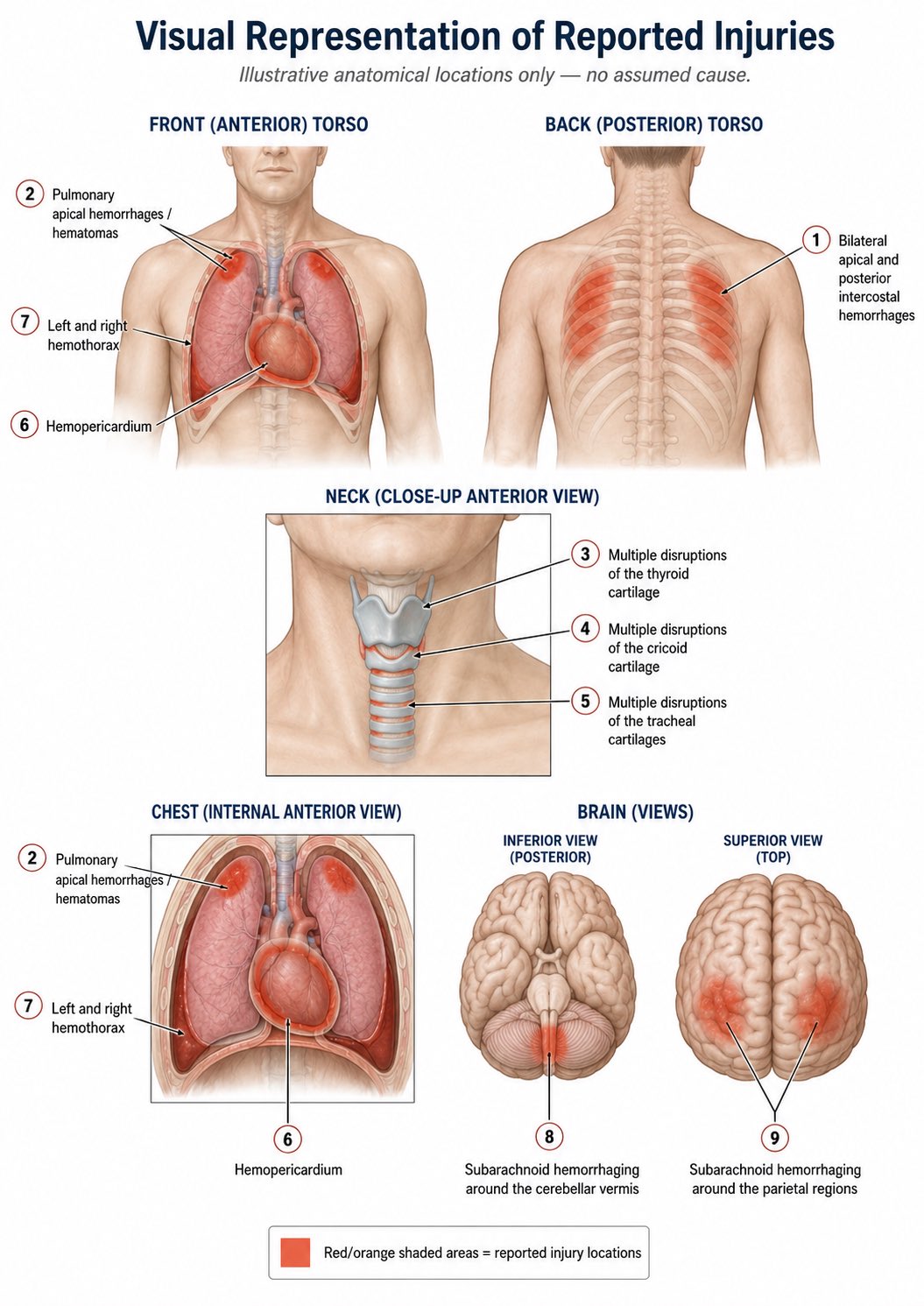
Elsewhere In The Investigation
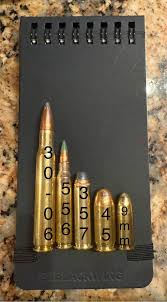
A .30-06 carries roughly 3,950 joules, about eight times a 9mm. The arithmetic is not in dispute; what commentators dispute is whether the wound described publicly can be squared with it.
Read this
No GSR & Missing Physical Tests
A rooftop rifle shooter should leave gunshot residue. Citizen compilations allege the standard GSR test was never run, while DNA on the recovered rifle is described as a complex mixture rather than one profile.
Read this
600,000-File Document Dump and Withheld Raw Data (Claims)
Roughly 600,000 files were reportedly produced while the raw DNA data, ballistics scans and chain-of-custody logs stayed contested. Critics frame it as volume used to obscure rather than to disclose.
Read this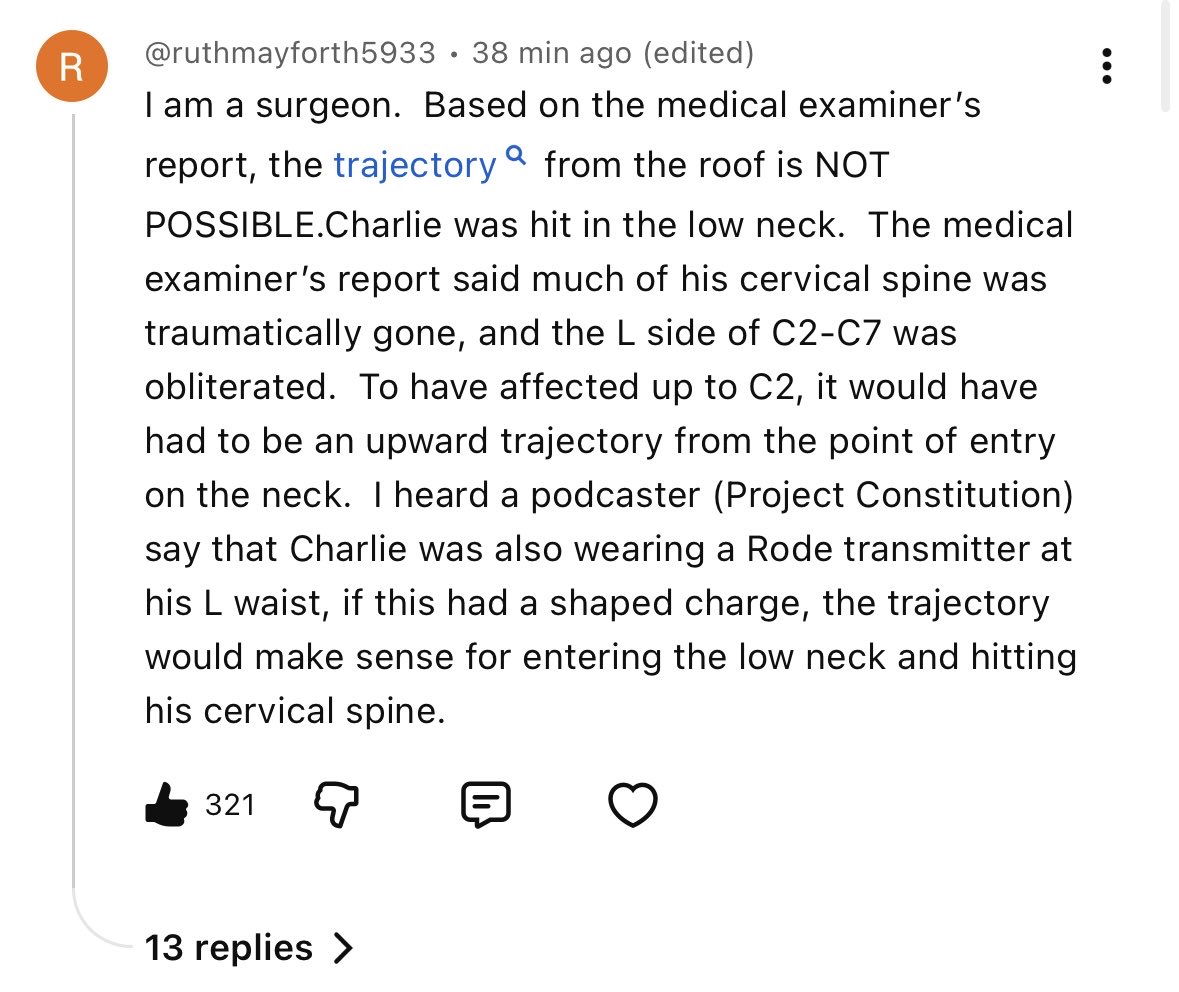
Doctors Question the Medical Examiner's Report
Two commenters identifying themselves as a surgeon and a retired cardiologist read the Medical Examiner findings and said the same thing from different specialties — the injury list does not fit one downward rifle round. Their credentials are unverified.
Read thisThis website's author is @HolonCitizen on X and YouTube/@HolonCitizen. Follow me there.
Interesting
- A Utah homicide reportedly drew an FBI office sharing the ADL's floor.
- Candace Owens reportedly recounts a colleague's words: "it was supposed to be you".
- Officials reportedly say no bodycam of the surrender exists, and lobby CCTV was purged.
Related Areas
Images