FBI Investigation
This is the working investigative memo on the FBI's role in the Charlie Kirk assassination. It synthesizes points from the broader research record and organizes them into lines of inquiry that can be evaluated, corroborated, or refuted. Every claim and hypothesis here should be treated as an investigatory lead, not a conclusion, and reconciled with primary evidence as it is released. Nothing on this page asserts as fact that any FBI agent committed a crime; these are reported allegations and open questions drawn from public commentary.
Official Investigation Scope (As Reported)
According to public reporting on the federal response:
- Domestic focus on Tyler Robinson as the charged suspect
- Digital forensics from devices, with some material reportedly sealed until March 2026
- Ballistics analysis — charging documents describe a rifle match to recovered fragments
- Witness interviews across campus and law-enforcement agencies
Evidence Access Questions (Public Commentary — Unverified)
Commentators have raised transparency questions that remain unresolved:
- Sealed warrants limiting public access to digital forensics
- Classification — allegations that some relevant information is over-classified
- Witness contact — claims about how federal agents coordinated with witnesses (see Witness Coordination)
- International leads — whether foreign-aircraft and foreign-national threads received full investigation
These are open questions, not findings of FBI misconduct.
Federal Posture and Awareness
Multiple strands point to federal-level involvement or awareness shaping both the pre-incident environment and the immediate post-incident response. These strands include reported directives that local law enforcement limit engagement with witnesses, a rapid federal posture in public briefings, and a named personnel transition within the Salt Lake City FBI field office one month before the incident: SAC Mehtab Syed (appointed February 2025) was reportedly forced out and Robert Bohls installed in August 2025, and it was Bohls who fronted the September 11 press conference. The timing and optics warrant methodical review — not because timing alone proves intent, but because institutional transitions can affect investigative priorities, coordination, and information flow. See Salt Lake City Field Office for the leadership-change timeline.
There are also claims of parallel federal awareness tied to national-security equities that may intersect with this case: reported cross-agency briefings, assertions that foreign intelligence channels provided assistance, and the possibility that sensitive collection (signals or aviation telemetry) could bear on understanding movements in the air and on the ground. On the record, NCTC director Joe Kent says the FBI shut down his foreign-nexus inquiry, and podcaster Benny Johnson — who says he is close to Kirk's team — states there is "considerable evidence" of "state actors" before declining to elaborate. These are attributed accounts, weighted differently than anonymous speculation but still pending documentary corroboration. Where such claims exist, we distinguish rigorously between what has been publicly attested by named officials, what has been reported by journalists or secondary sources, and what is currently unverified. The aim is to compel transparency without overstating the evidentiary weight of any single claim.
Arrests, Detentions, and Persons of Interest
There are specific assertions about arrests and detentions adjacent to the event, including the reported Zachariah Qureshi arrest and rapid release after Kash Patel named him in custody, and broader questions about original "person of interest" narratives. See also Black Clothing Photo for the eyewitness photo mismatch thread. These should be treated as case studies in information lifecycle: what was said, by whom, on what basis, and how the story evolved as more facts emerged. A structured timeline that aligns announcements, detentions, and evidence releases (or non-releases) is essential for diagnosing whether inconsistencies are benign artifacts of a fast-moving investigation or signals of narrative management.
Aviation and Drone Dimension
Separate topic areas in this investigation detail a specific aircraft and flight profile analyses before and after the incident, including low-altitude, low-speed maneuvers in proximity to the venue. That material should be triangulated with official statements, NOTAMs, air-traffic data, and local eyewitness or video records. Public calls for federal seizure or forensic inspection of the aircraft, and for interviews with relevant pilots and owners, have been made; any confirmation or denial by federal investigators should be cataloged. From an FBI lens, the two key questions are whether all potentially exculpatory or inculpatory aviation data has been preserved under chain of custody, and whether discrepancies between public claims and underlying data are sufficient to warrant compulsory process. See N1098L Spy Plane for aircraft specifics.
Finance and Coordination Questions
Finance and coordination questions — wire transfers and organizational linkages that appear in the broader research record — must be handled with extraordinary care: provenance, banking metadata, corroboration from multiple institutions, and strict separation between rumor and verified records. Where the FBI is referenced in connection with these claims, either as a source of purported internal documents or as a recipient of tips, the appropriate treatment is to log what is alleged, identify what documentary artifacts would validate it (subpoenas, Suspicious Activity Reports, or case numbers), and avoid prematurely attributing motive or complicity.
Working Questions to Structure Review
Leadership transition and tasking. What was the exact date the Salt Lake City FBI Special Agent in Charge changed, and what directives or priorities were issued to the field office relevant to this incident? Did the change alter liaison relationships with state and local partners?
Evidence preservation and footage. What formal requests or legal instruments (subpoenas, letters, preservation orders) were issued regarding event footage, production archives, and nearby surveillance systems? Have all camera angles from the venue and ingress/egress routes been preserved and indexed? See Evidence & Footage Preservation.
Aviation and drone data. What FAA, ADS-B, radar, or military telemetry relevant to the time window has been preserved? Has an independent expert reviewed it under chain of custody? Are there discrepancies between public flight narratives and raw telemetry that require escalation?
Arrests, detentions, and persons of interest. For each detention or arrest tied to the venue, what was the predicate, disposition, and post-fact communication? Is the narrative consistent when aligned to timestamps?
Financial traces and organizational links. Which financial institutions, if any, provided records to investigators, and what is the status of authentication? What is the current evidentiary grade of any organizational-link claims?
Witness management and local coordination. Did any federal directive ask locals not to engage witnesses? If yes, who issued it, to whom, and why? See Witnesses & Local Coordination.
Notes on Scope and Rigor
Treat this page as a living investigation memo. Every claim should be traceable to a source in the research corpus or to a primary document — prefer a document ID, date, and terse citation over narrative repetition. When conflicting accounts exist, list them side by side with timestamps, authorship, and the specific claim language used; do not merge them into a single blended account without noting the variance. Prioritize falsifiability: for each strong claim, specify what evidence would disprove it. Maintain a clear separation between hypothesis, inference, and verified fact, and label sections explicitly as Claim, Evidence, Open Question, or Disposition.
Laws (Charlie Kirk)
- The FBI Form 302 interview reports and records of agents who asked witnesses to delete their videos and who ordered local police to stand down from witnesses are things that the Charlie Kirk Investigation Laws may result in powerful truths coming out that aren't out yet.
Citizen Investigator Claims on X (Attributed)
The following claims circulate among citizen investigators on X. They are not court findings.
According to @ProjectConstitu (January 2026, high engagement), an alleged FBI whistleblower said senior leadership including Kash Patel and Dan Bongino focused first on messaging strategy on X after the UVU shooting rather than fully running every alternative-killer hypothesis. Unverified; no public whistleblower filing is linked here.
@JustTheTweets17 (June 2026) listed a widely shared anomaly set: weekend crime-scene excavation and paving reportedly demanded by state and federal leadership; removal/destruction of personal effects; absence of bomb dogs and roof protection; K9 non-alerts during gun search. Each item is a public allegation requiring primary documents.
@FurkanGozukara amplified Joe Kent remarks that multiple people had pre-knowledge and that the FBI shut down a foreign-nexus inquiry—see Foreign Leads Blocked.
July 2026 preliminary-hearing posts (@TPostMillennial, @SarahisCensored, @CrimeTalkNet) reported Judge Tony Graf limited broadcast of rooftop video shown to the family and delayed bind-over for written briefs, with counsel for Erika Kirk seeking a firm ruling timeline.
Counter-claims restate the prosecution frame: digital evidence, roommate accounts, surveillance, and forensics pointing to charged suspect Tyler Robinson. Hold both lists open until full discovery.
Interesting In This Area
- Kash Patel set the frame: Valhalla, 33 hours, low-quality video.
- Ballistics produced a class match, contested testing, and a mixed DNA profile.
- Foreign-nexus work was reportedly halted while CIA staff were turned back.
- The crime scene was paved within four days of the killing.
Interesting In Other Areas
- Every reported cover-up allegation is grouped by mechanism rather than merged together.
- The docket and charges are separated from what has actually been proven.
- One timeline follows the Bureau alone, from August 2025 onward.
- Domestic agencies are examined for what they declined to pursue.
Other Pages In This Section
Joe Kent, then NCTC director, says the FBI shut his inquiry down before he could run out his leads. The Bureau publicly said foreign intelligence was assisting — assistance and shutdown, at the same time, on the same threads.
Read this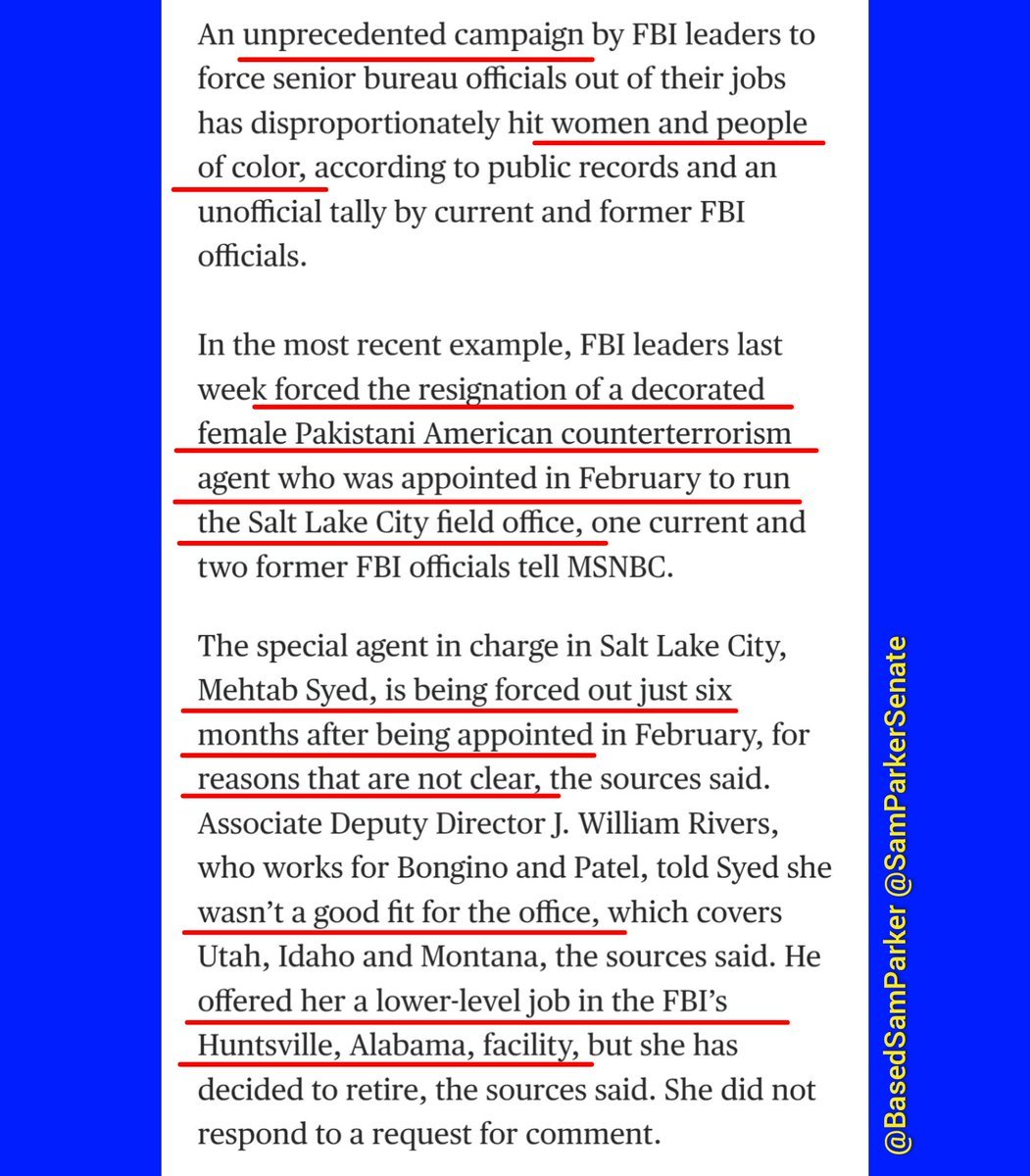
The field office with jurisdiction over UVU changed hands about a month before September 10, and the incoming SAC fronted the first press conference. A judge on the case was sworn in the same week.
Read this
Evidence & Footage Preservation
Low-resolution roof video was released while higher-fidelity campus archives reportedly stayed in. The same page tracks the reported requests that witnesses delete their own phone video and the disposal of the transport SUV.
Read thisElsewhere In The Investigation
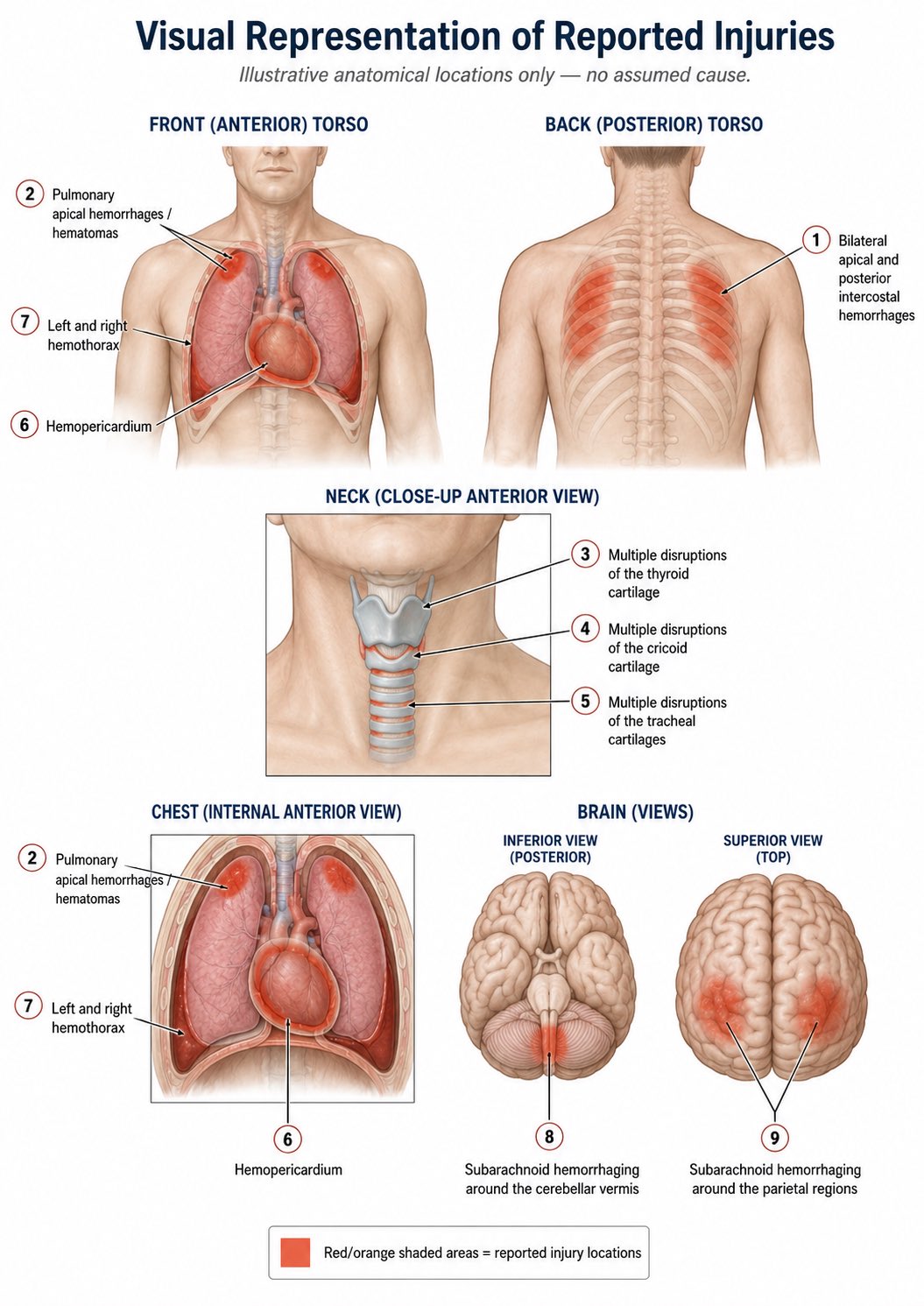
Every reported cover-up allegation, grouped by the kind of cover-up alleged — scene alteration, kill mechanism, foreign leads, witnesses, records. Reported allegations the site tracks, not findings it asserts.
Read thisCase Overview — State v. Robinson
The caption, the docket, the charges, and what the state actually alleges — separated from what has been proven. The defense disputes the forensic links, starting with the inconclusive ATF comparison.
Read this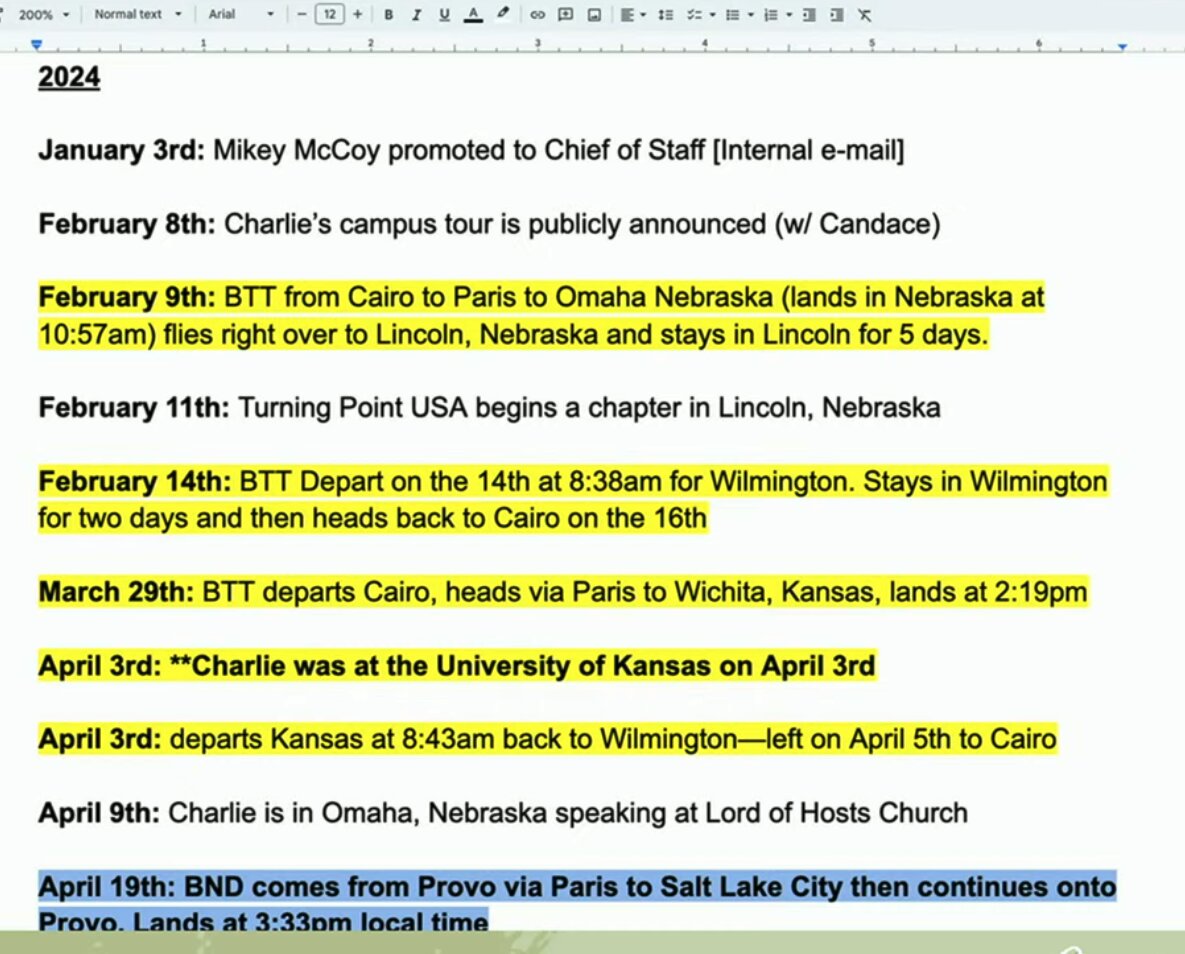
FBI Involvement & Announcements Timeline
One actor followed from the August 2025 field-office change through the September announcements, the halted parallel inquiries, and the records fights that followed. Timestamps and public statements, not conclusions.
Read this
The domestic agencies — CIA, NSA, ODNI and NCTC, and defense intelligence — examined for what they collected and what they declined to pursue. The counterpart hub for non-U.S. services sits elsewhere on the site.
Read thisThis website's author is @HolonCitizen on X and YouTube/@HolonCitizen. Follow me there.
Interesting
- An electrician's account of a black-clad man clashes with the released photo.
- If the phone was seized at Mirandizing, the record settling who wrote the confession is unreleased.
- One records set logs a Miranda encounter and a 4:00 AM arrest ten hours apart.