Salt Lake City Field Office
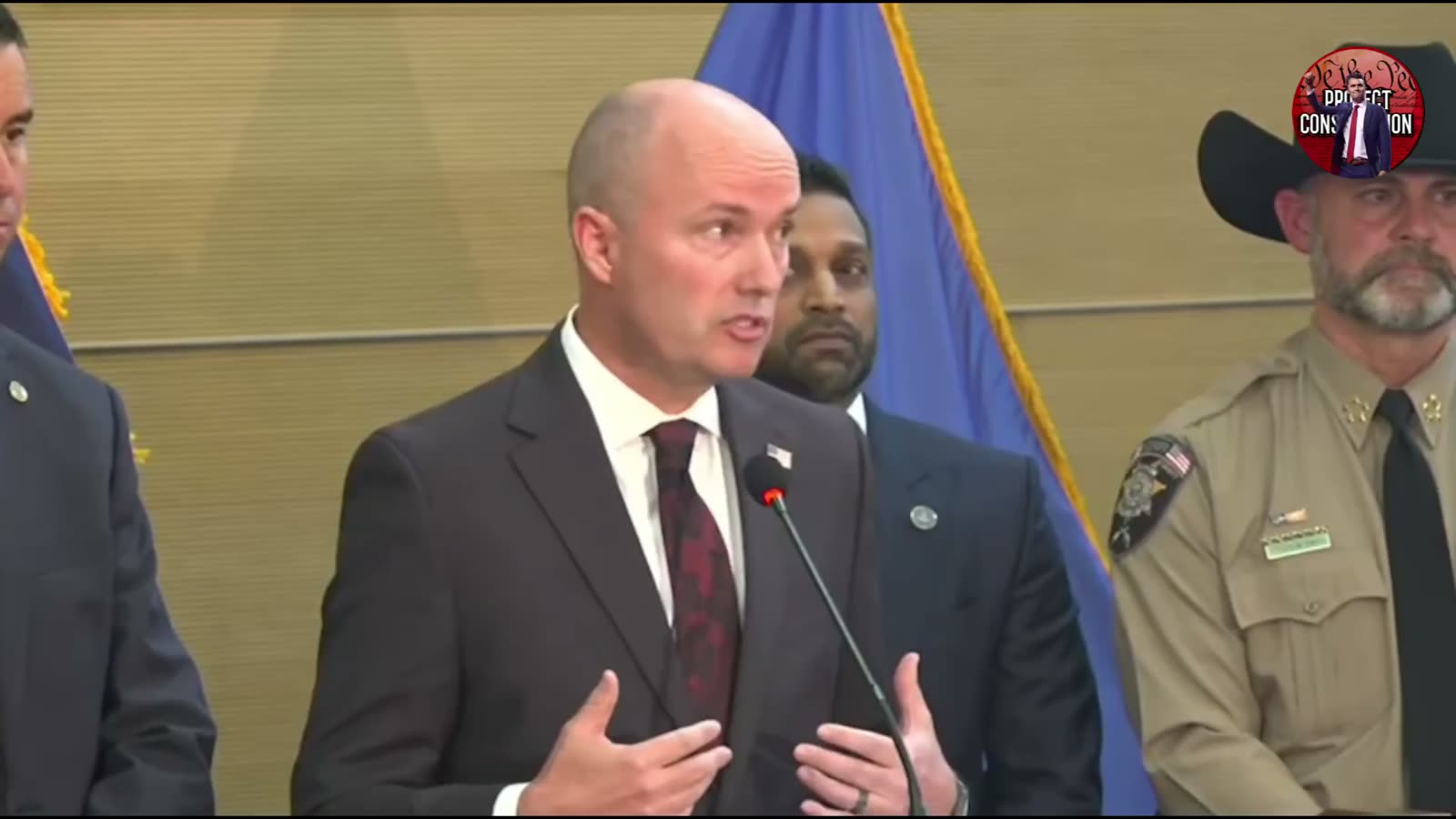
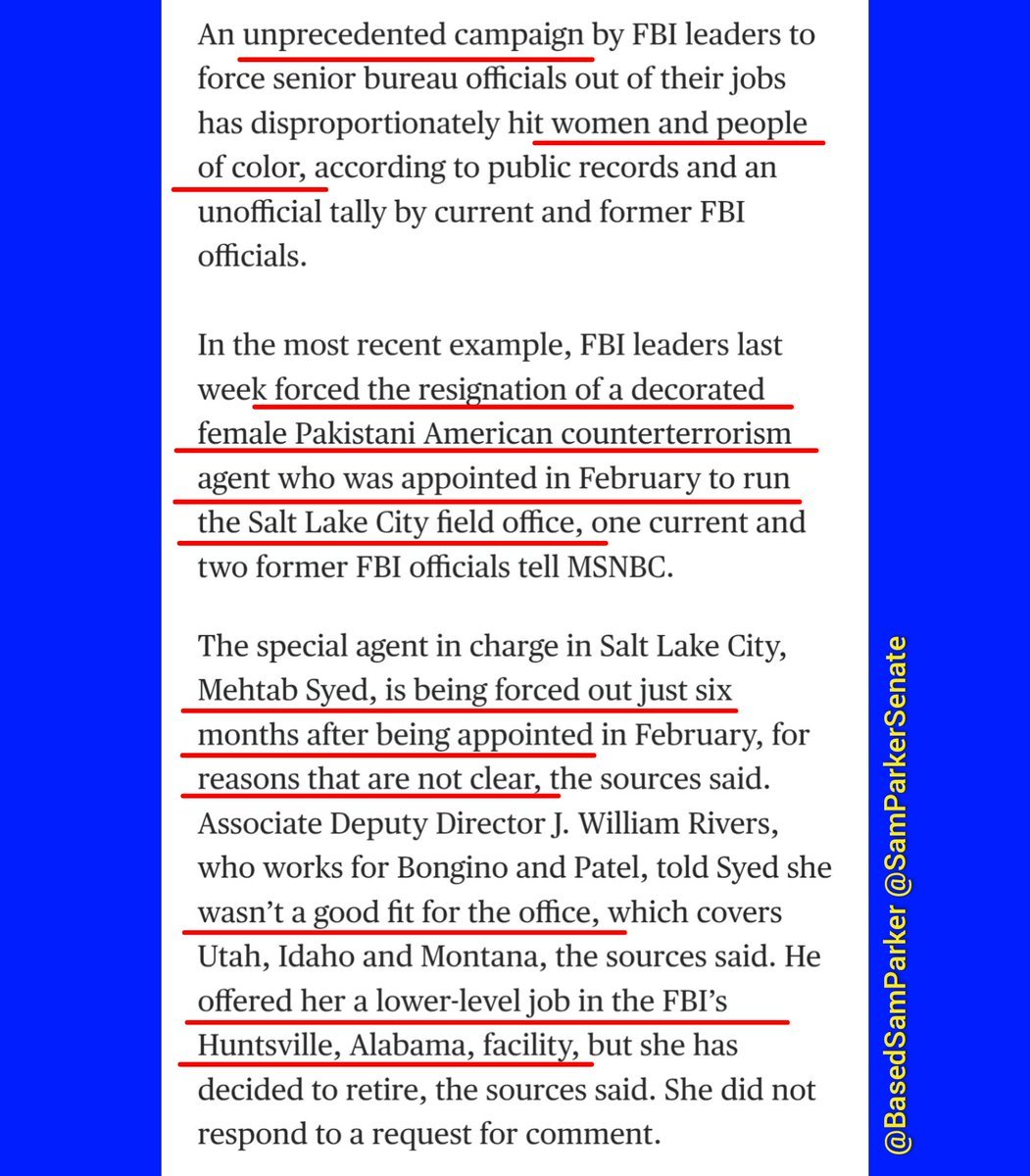
The Salt Lake City FBI field office — the office with jurisdiction over Utah Valley University — changed leadership roughly one month before the September 10, 2025 assassination, and its new Special Agent in Charge led the first major press conference on the case. That transition is one of the most cited timing questions in the federal-posture inquiry. Nothing here asserts the change was improper; the point is that institutional transitions can affect investigative priorities, coordination, and information flow, so the timeline deserves to be charted precisely against the incident.
This website does not assert as fact that any living person named here committed a crime, did anything wrong or illegal, or had any knowledge of or involvement in the assassination. Names appear here only in the context of public discussion. Nothing here is a finding by this website. Status of all named individuals: Alive.
Why the Timing Matters
Leadership changes can alter tasking structures, liaison responsibilities, and the channels through which facts are collected and disseminated. When a field office with jurisdiction over an incident undergoes a transition shortly before that incident, the responsible analytic step is to document the change and test whether it plausibly influenced the handling of the case — not to assume it did.
The Reported Transition: Syed → Bohls
According to public reporting, the SAC transition has two named figures and a tight timeline:
| Field | Reported detail |
|---|---|
| Outgoing SAC | Mehtab Syed — appointed February 2025; reportedly forced out in August 2025 amid internal FBI changes under Director Kash Patel |
| Incoming SAC | Robert Bohls — took over the Salt Lake City field office in August 2025 |
| Who installed Bohls | Reportedly appointed by FBI Director Kash Patel a few weeks before the incident |
| Public role | Bohls led / attended the September 11, 2025 press conference on the shooting, alongside Governor Cox, Kash Patel, and Deputy Director Dan Bongino |
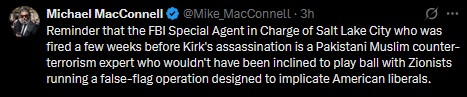
The record frames this as a "switcheroo" that some commentators say was known about in advance. As reported, sources note Syed's supporters blamed the Trump administration and Patel for "firing" him. These are attributed characterizations, not established findings of misconduct.
Same-Week Judicial Change
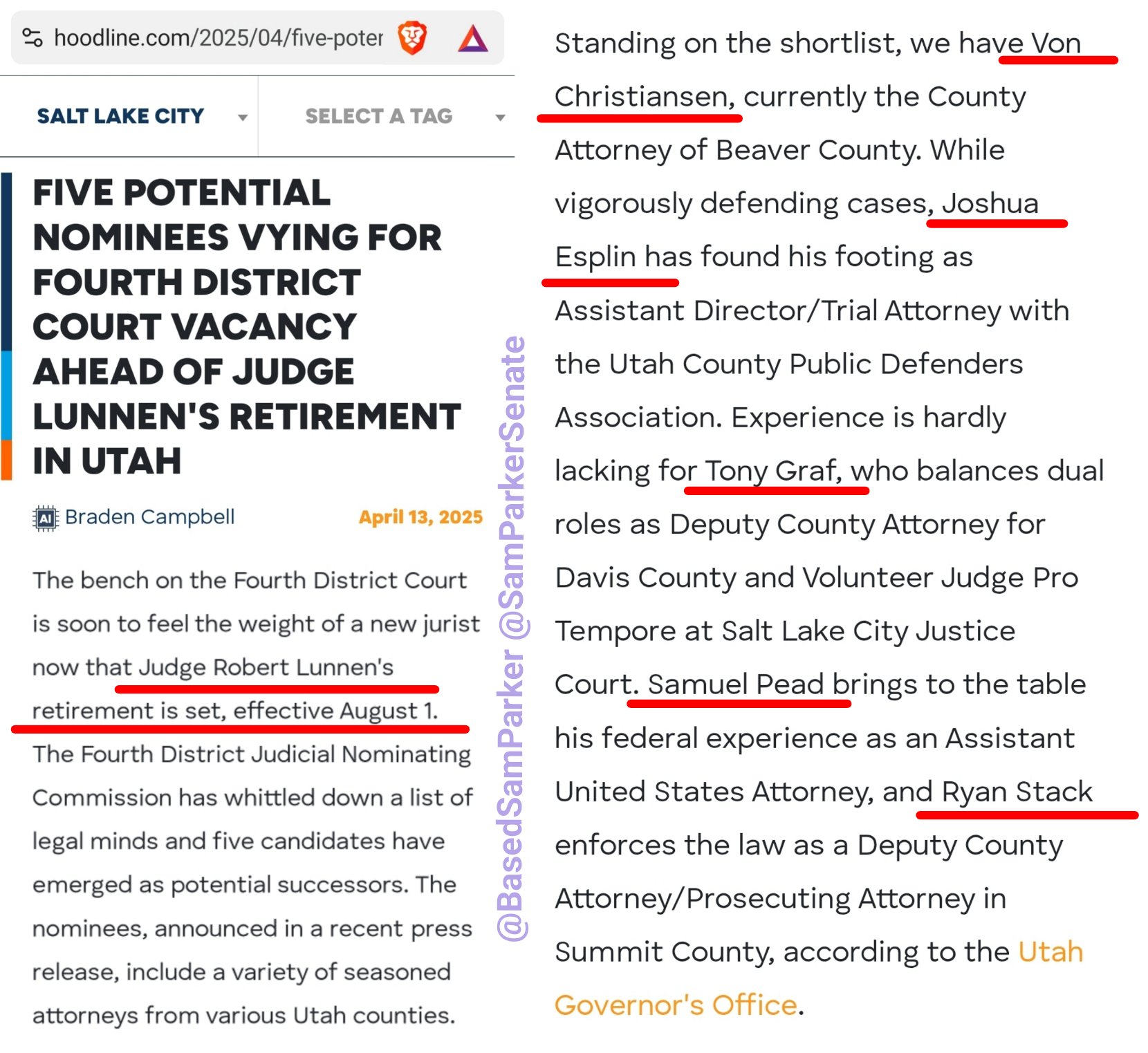
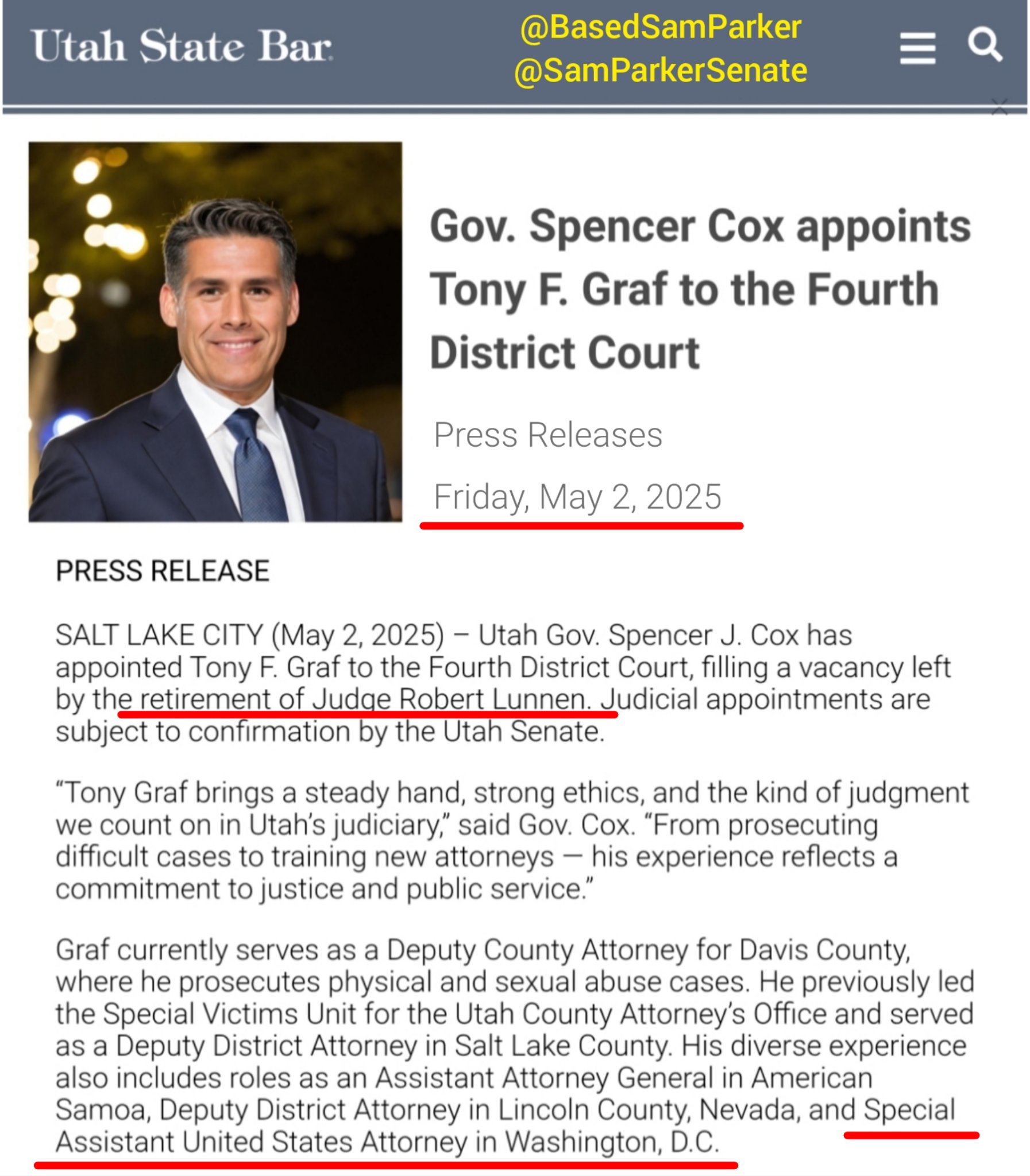
Commentators tie the SAC transition to a parallel change on the bench. Judge Tony Graf was sworn in as a new Utah 4th District Court judge on August 4, 2025 — public commentary notes this was "on or about the same day" Syed was dismissed and replaced by Bohls. Graf now presides over the Tyler Robinson case. Timing alone is not proof of coordination, but the near-simultaneous turnover of both the lead FBI SAC and the presiding judge is why investigators want the exact dates on the record. See Gag Orders.
Reported Israeli-IP Search Timing
A separate thread in public commentary claims that unusual Google searches from Israeli IP addresses hit the names in this case before events unfolded — with the note: "Old boss Mehtab Syed? Israel hits July 9. New guy Robert Bohls? Sept 1." The same pattern is alleged for the judges (see Gag Orders and Israel). This is an unverified open-source claim that needs search-log and IP-attribution corroboration before it can be treated as anything more than a lead.
Open Questions
- What was the exact documented date Syed left and Bohls started, and what was the stated reason for Syed's removal?
- What immediate directives or priorities were issued to the field office under Bohls relevant to this incident?
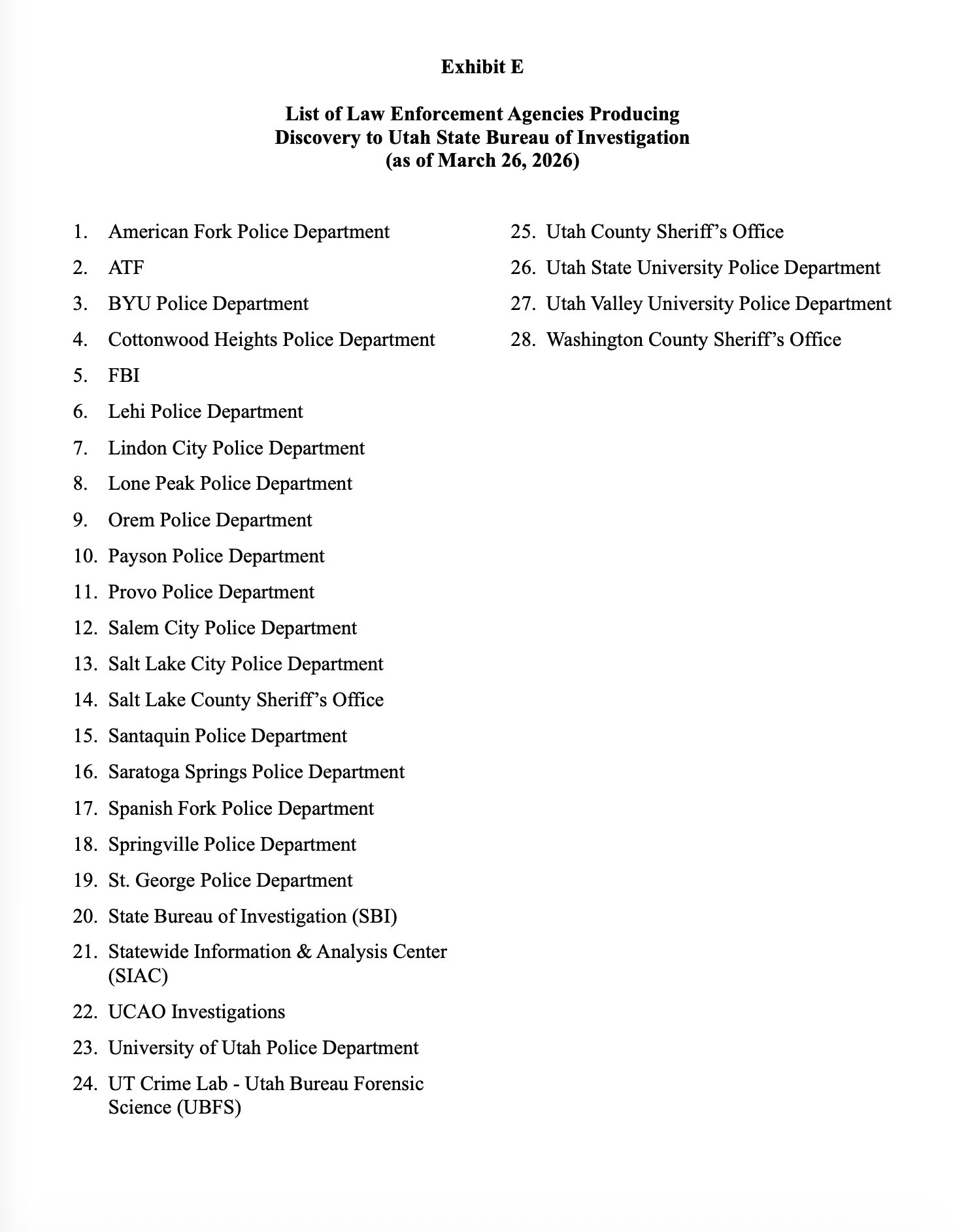
- Did the leadership change alter liaison relationships with state and local partners, including the agencies coordinating at Utah Valley University?
- Were tasking or evidence-handling responsibilities reassigned in the weeks surrounding the transition?
- Can the reported Israeli-IP search dates on Syed and Bohls be corroborated from actual search or server logs?
How to Verify
The clearest picture comes from primary documents — official press releases announcing the personnel change, field-office org charts, and dated public statements — set against the incident timeline, rather than from secondary characterization. Where only reporting exists, it is treated here as reported rather than confirmed.
Laws (Charlie Kirk)
- The exact SAC transition date and directives issued to the field office on this case and any reassigned evidence-handling tasking records are things that the Charlie Kirk Investigation Laws may result in powerful truths coming out that aren't out yet.
Citizen Investigator Claims on X (Attributed)
X discussion of the Salt Lake City SAC transition is often bundled into personnel-timing lists: Syed out, Bohls in, Bohls on the September 11 stage with Patel, Cox, and Bongino. The August 2025 leadership change is best read as a timing lead — the same window as the judicial and hospital leadership changes covered on related pages — not as proof of conspiracy.
No high-engagement post reviewed here produced appointment paperwork or tasking memos. The documents that would settle these questions include appointment letters, transfer orders, and UVU/TPUSA event-security liaison tasking records.
Interesting In This Area
- The gag order judge was sworn in the same week as the transition.
- The incoming SAC fronted the September 11 press conference alongside the Director.
- An eastern Connecticut office also appears in the same jurisdictional question.
- The investigation memo treats the transition as tasking, not as intent.
Interesting In Other Areas
- Court, field office and hospital each changed leadership before September 10.
- The case is described in commentary as the judge's first on the bench.
- Trends data identifies nobody, which the page says up front.
- The new hospital chief executive is an administrator, not a surgeon.
Other Pages In This Section
Candace Owens reports being told the FBI took the security detail's clothing down to their underwear — which would explain the hospital scrubs. Bagging boxer briefs is textbook evidence collection; releasing the transport vehicle is not.
Read this
Mike Glover says a senior CIA contact told him agency personnel were turned around at the airport and blocked from the case. He says the interference was reported up the chain and nothing was done.
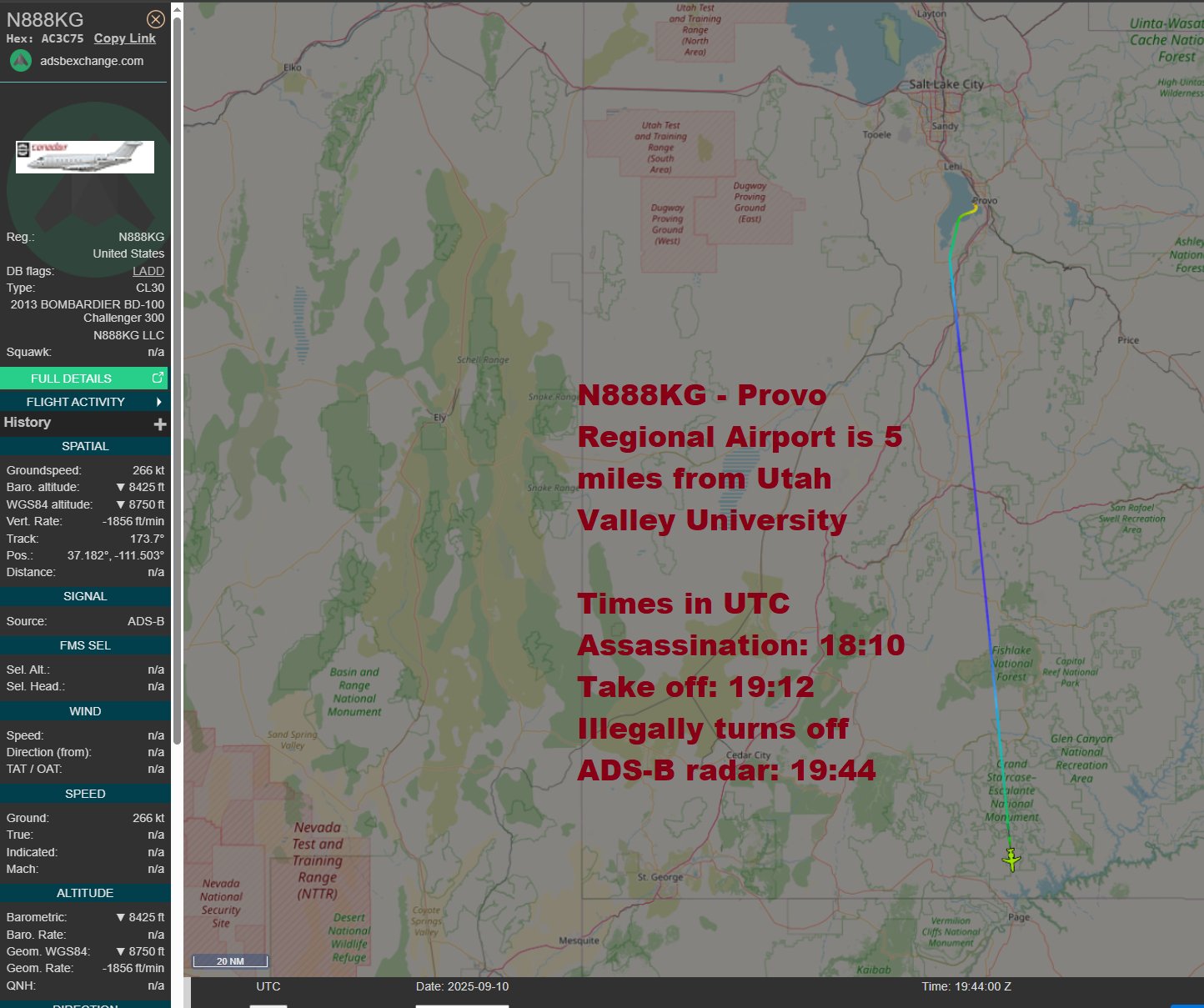
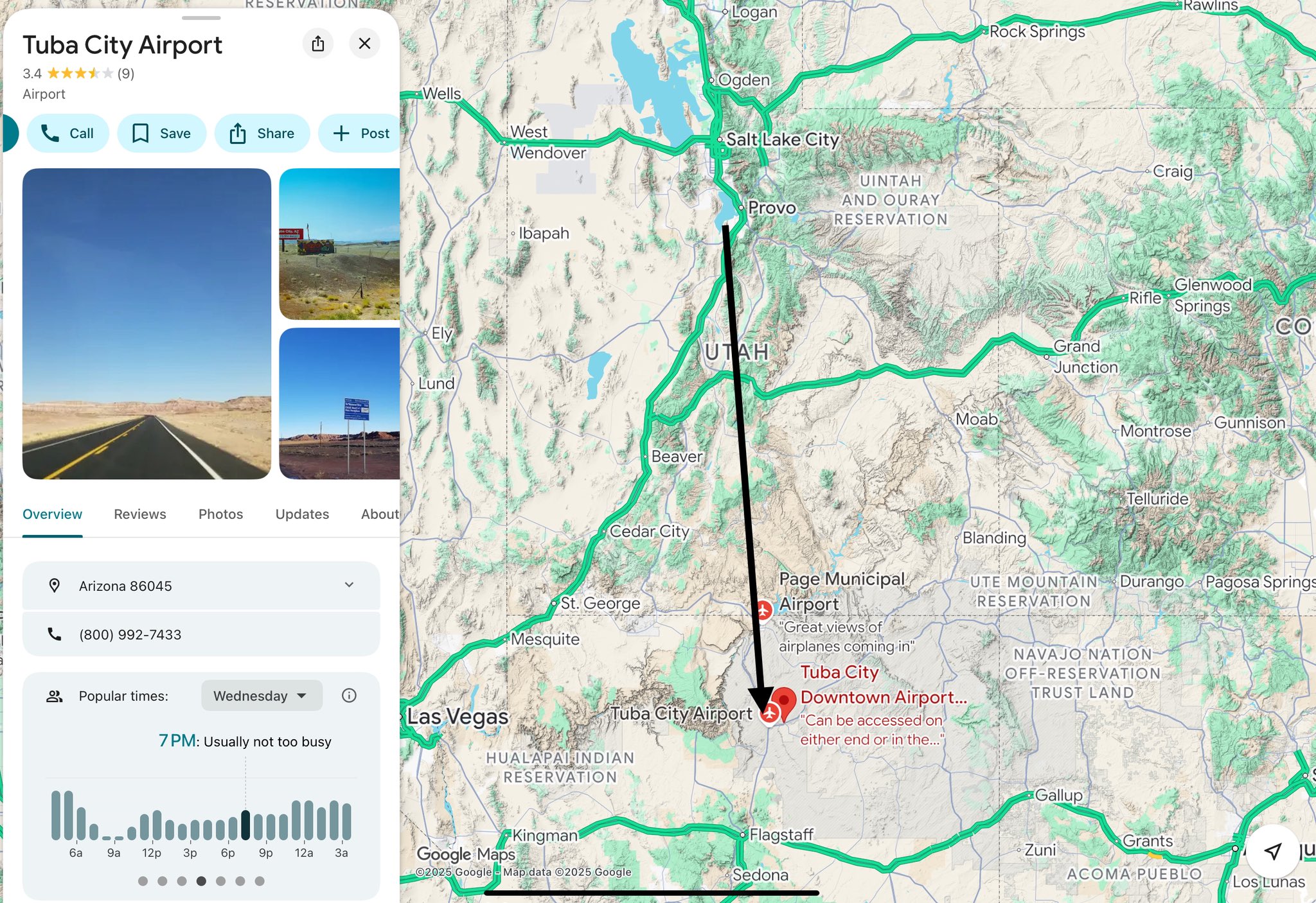
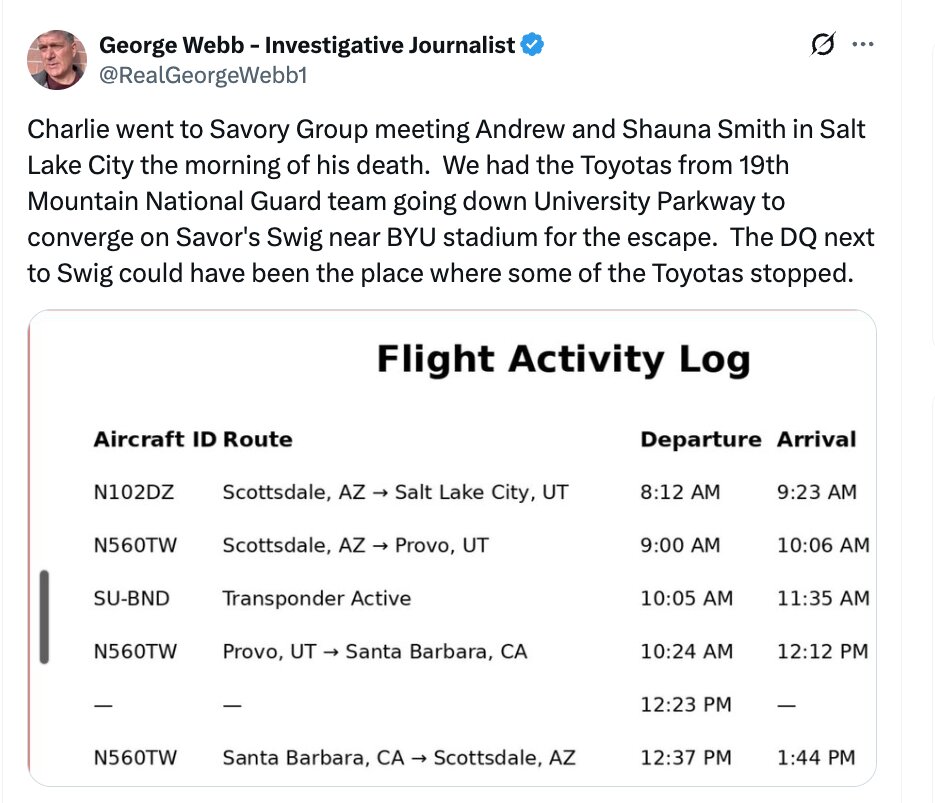
Read thisThe working memo on federal posture — sealed forensics, the field-office leadership change, aviation telemetry, finance questions, and witness coordination, each written as a lead to corroborate or refute. Start here before drilling into any single FBI thread.
Read this
Would a Rigged Mic Explain the Anomalies? (Claims)
One hypothesis, six anomalies: the dogs, the paving, the necklace, the absent footage, the skipped GSR test. The page gives the innocent reading of every item equal space and says outright that convergence is not proof.
Read thisElsewhere In The Investigation
Key Officials Swapped in the Weeks Before the Event (Claims)
In the weeks before September 10 the court, the Salt Lake FBI field office and the treating hospital each changed leadership. Timing alone proves nothing, which is why the page is a timeline and an open question.
Read thisThe judge presiding over the case, sworn in on August 4, 2025 — reportedly the same period the Salt Lake field office changed hands. The case is described in commentary as his first on the bench.
Read this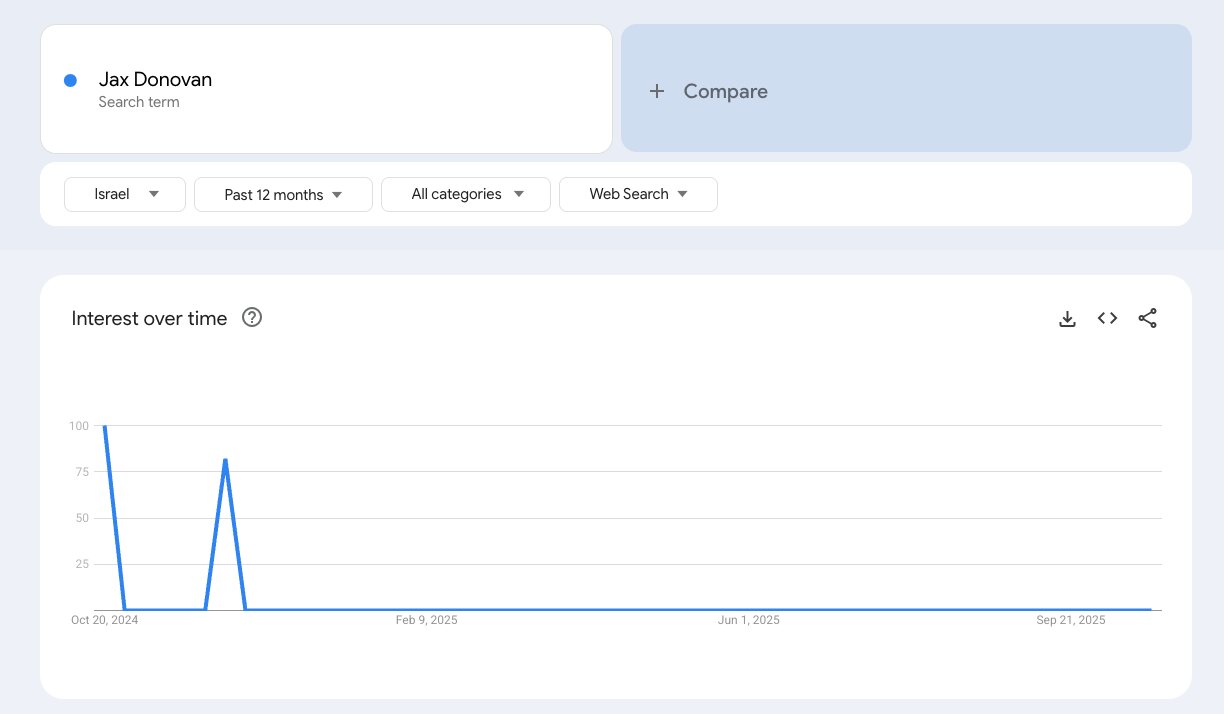
Reported Israeli Search‑Pattern and IP Activity (Claims)
Google Trends shows aggregate, anonymized interest and identifies nobody. The page says so up front, then records the spikes citizen researchers keep pointing at anyway.
Read this
A new hospital chief executive started roughly two weeks before September 10 — on its face routine. The page also kills a viral claim outright: he is an administrator, not a surgeon, and did not treat anyone.
Read thisThis website's author is @HolonCitizen on X and YouTube/@HolonCitizen. Follow me there.
Interesting
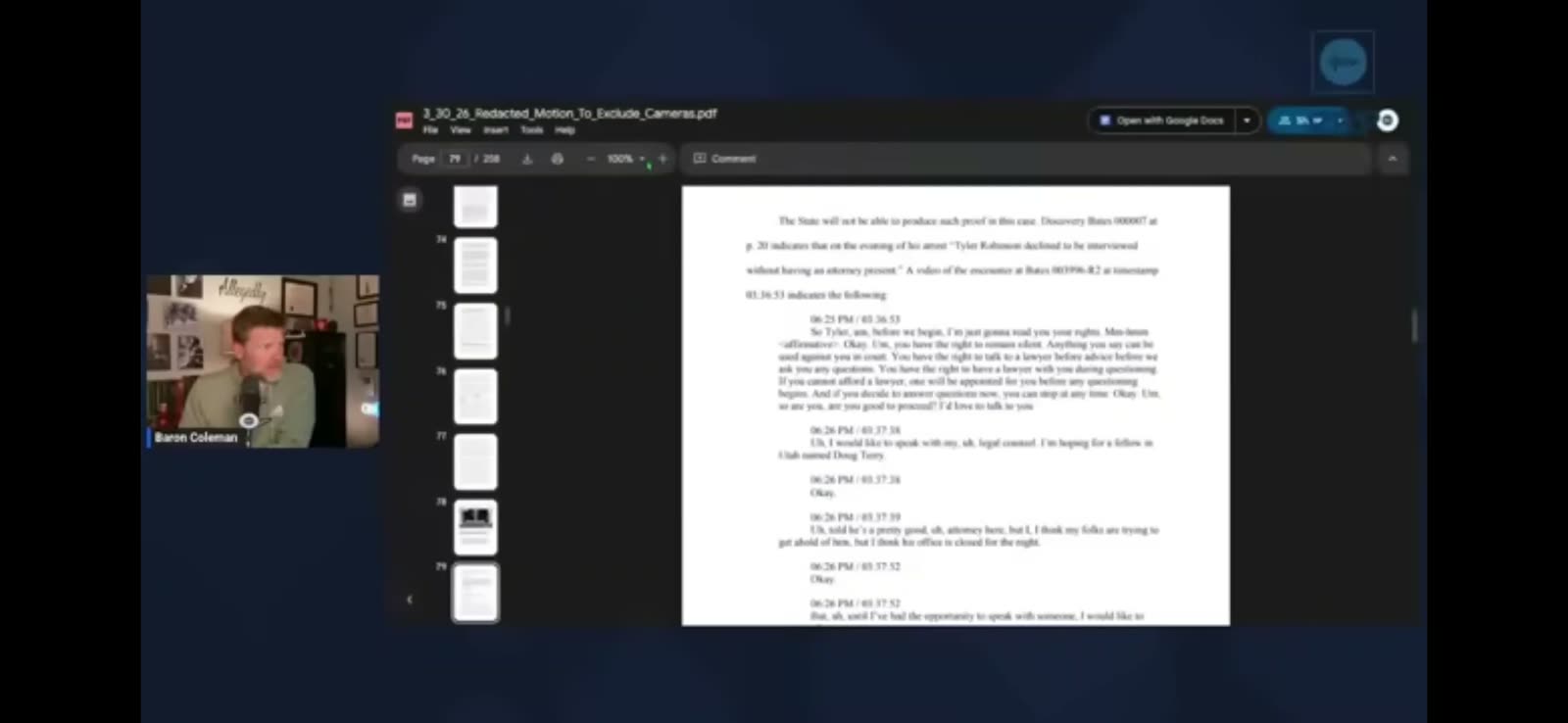
- Defense lawyers reportedly could not photograph the jacket fragment or watch the comparison testing.
- A digitally altered donor voice reportedly warned Kirk he "won't make it to Christmas".
- Mislabeling which app a message came from quietly destroys its authentication path.
Related Areas
Images
Videos
Footage related to this page. Each card opens that clip's own page, with the video, the full write-up, and its source.