Foreign Influence Transparency
Overview
This page sketches a policy concept that recurs throughout the research corpus: strengthening the existing framework for foreign-influence transparency so that connections between foreign entities and U.S. domestic actors are more visible to the public. It is not legal advice, and it does not assume that any specific person, organization, or foreign government has engaged in improper conduct in the Charlie Kirk case. It summarizes ideas from commentators who believe that strong transparency around foreign influence would both deter improper conduct and prevent unfair speculation about individuals whose relationships are entirely legitimate.
The basic goal is to explore how reforms might:
- Modernize registration and disclosure under the Foreign Agents Registration Act (FARA) and related statutes.
- Bring clarity to the obligations of organizations that receive foreign funding or engage in public advocacy on foreign-policy topics.
- Create proportionate enforcement that distinguishes between inadvertent non-compliance and willful concealment.
Problems this proposal is trying to address (as described)
Commentators in the research corpus argue that the existing framework has both over-reach and under-reach:
- Under-reach — Some activity that observers believe warrants disclosure is not currently captured by FARA or related statutes, particularly where the foreign connection is indirect or works through domestic intermediaries.
- Over-reach — FARA, as currently written, can apply to activity whose connection to foreign principals is attenuated, creating compliance uncertainty for small organizations and individual commentators.
- Uneven enforcement — Enforcement has historically been sporadic and has drawn criticism for appearing selective, which erodes public confidence.
- Opaque charitable structures — Non-profit structures can receive foreign funding and advocate on public-policy topics with varying levels of transparency about their funders.
- Political-advertising ambiguity — Digital political advertising and online influence activity can involve foreign actors in ways that existing disclosure regimes were not originally designed to capture.
- Limited public searchability — FARA filings are public but are not always presented in formats that allow effective public research.
These themes are presented here as concerns about the transparency framework, not as adjudicated findings about any specific person or organization.
Core ideas for a foreign-influence transparency law
Commentators sketch various possible reforms, which can be grouped into themes:
1. Clearer definitions
A statutory update could clarify key definitions in ways that are both narrower and more precise:
- A more focused definition of foreign principal that limits the statute to genuinely foreign-directed activity.
- A clearer definition of political activity that excludes incidental or minor communications.
- A bright-line threshold below which registration is not required, reducing burden on small organizations and individual commentators.
2. Modernized disclosure
Disclosure could be modernized for digital-era activity:
- Standardized electronic filing with structured data.
- A searchable public database with well-designed query tools.
- Disclosure of beneficial ownership for intermediary entities.
- Disclosure of digital-advertising spend on foreign-directed activity.
3. Proportional enforcement
Enforcement could be tiered to the scale and nature of non-compliance:
- Administrative remedies for minor or inadvertent failures, with a path to corrected filings.
- Civil penalties for more substantial failures.
- Criminal penalties reserved for willful concealment of material facts, with defined mens rea requirements.
4. Independent oversight
A statutory oversight office — structured to be insulated from political pressure in any administration — could provide:
- Guidance on compliance questions.
- Review of enforcement decisions.
- Annual reporting to Congress on patterns and trends.
- Coordination with other federal agencies with related authorities (for example, Treasury OFAC, FEC).
5. Foreign funding of U.S. non-profits
Without restricting speech, the framework could require clear disclosure of foreign funding received by U.S. non-profits engaged in public advocacy on foreign-policy topics, with meaningful detail about source and amount. The requirement would focus on transparency about relationships, not on restrictions on viewpoints.
6. Political-advertising coordination
Digital political advertising could be subject to coordinated disclosure with the Federal Election Commission, including standardized ad archives showing funder, targeting, and spend, with identification of any foreign source of funds.
7. Research access and academic study
Qualified researchers could be granted structured access to disclosure data for academic study of foreign-influence patterns, subject to privacy protections, to build a public evidence base about how foreign influence actually operates.
8. Coordination with intelligence community
The framework could coordinate with the Intelligence Community in a way that preserves source protection while supporting public disclosure where possible. Where intelligence information supports an enforcement action, declassified summaries could be provided to the public to the extent compatible with source protection.
9. Protections for lawful speech and association
The framework should expressly protect lawful speech and association:
- Domestic advocacy on foreign-policy topics that does not involve direction by a foreign principal is not a covered activity.
- Receiving funds from a foreign source does not, by itself, make speech foreign-directed; covered activity requires foreign principal direction.
- Communication with foreign governments on matters of lawful business or diplomatic exchange is not covered.
10. Review and sunset provisions
The framework could include regular review and sunset provisions to ensure it remains calibrated to current conditions, with Congress required to reauthorize specific enforcement authorities on a defined cycle.
Safeguards and limits
Several safeguards are central to any foreign-influence transparency approach:
- First Amendment protection — The framework is about transparency, not suppression of viewpoints; lawful speech remains protected regardless of the speaker's funding sources.
- Avoidance of selective enforcement — Enforcement should be structured and documented so that it cannot be deployed as a tool against disfavored speech.
- Proportional compliance burdens — Smaller organizations and individual commentators should not bear costs designed for major lobbying firms.
- Due process — Any enforcement action should provide full due-process protections, including notice, hearing, and judicial review.
- Privacy and association — Disclosure should focus on relationships with foreign principals, not on the identities of ordinary donors, members, or supporters.
These safeguards are at least as important as the transparency the framework would create.
How this connects to other pages
This plan ties into other reform-oriented topics:
- Law 1 and Law 2 — disclosure statutes that would produce records useful for evaluating foreign-influence questions.
- Law 3 — mandatory investigation of leads that touch on foreign-influence questions.
- Politicians — evaluation of public officials' handling of foreign-influence questions.
- Fix Overview — broader summaries of reform themes.
As with all pages in this section, the purpose here is to organize ideas and claims that have been raised — not to assert that any named individual, organization, or foreign government has engaged in unlawful conduct.
Why Citizen Investigators Say This Reform Matters (X Context)
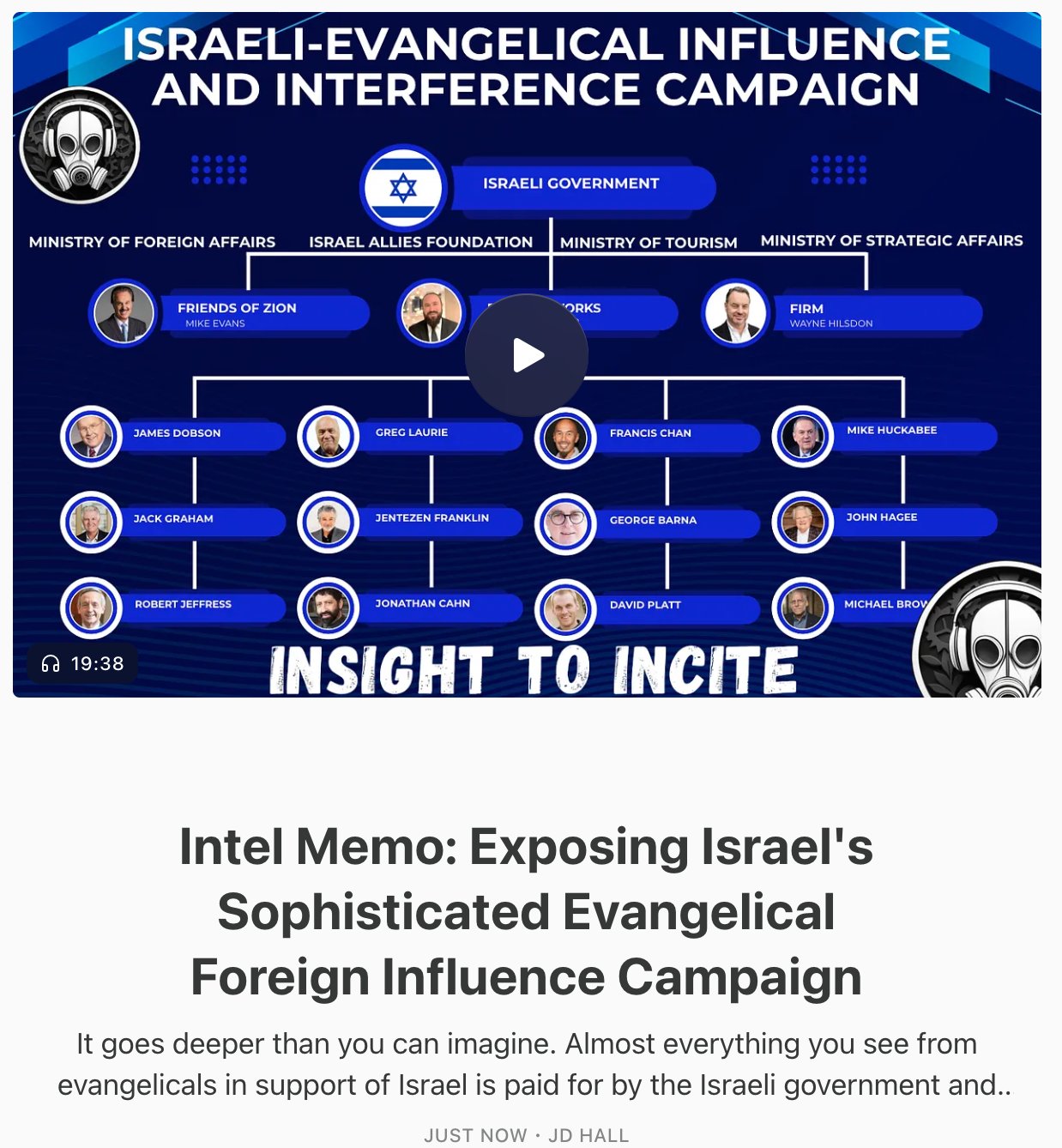
X and independent coverage of the Kirk case repeatedly surface gaps this page's policy concept would address:
- Joe Kent: FBI shut down foreign-nexus leads before exhaustion (@FurkanGozukara amplification).
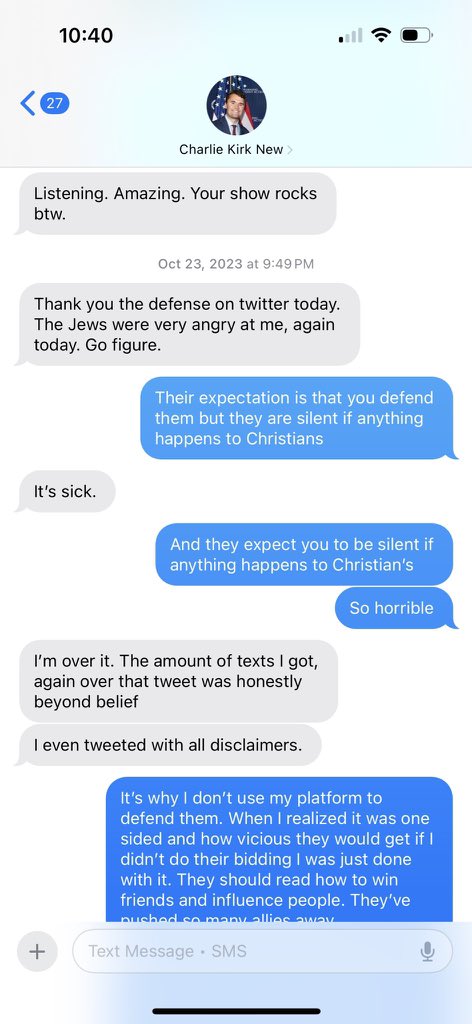
- Israel IP / Google Trends debates and Israeli-phone-at-scene claims—contested, high noise, still driving public distrust.
- Benny Johnson 'state actors' remark then hard stop—illustrates speech chilled around foreign-nexus discussion.
These are policy responses to documented transparency gaps, not findings that any living person committed a crime.
Interesting In This Area
- Law 2 covers the intelligence side of foreign questions; Law 3 forces the inquiry.
- Foreign funding of non-profits is also a TSUSA governance and transparency question.
- Proportionate enforcement separates lapses from concealment, a threshold question voters also face.
- Review and sunset clauses protect lawful speech, a concern shared with media reform and whistleblower drafts.
Images

Other Pages In This Section

Media and Journalism Transparency
Most of the work on this case was done by citizen investigators with no shield law behind them. The proposal gives them standing, adds anti-SLAPP protection, and forces platforms to disclose how reach is throttled.
Read thisLaw 1: Force Information Disclosure
The earlier working draft of the disclosure law: categories of covered information, hard timelines, and a duty to log evidence that is missing or destroyed. The current text lives at Law 1.
Read thisConclusion Logic: Evidence Thresholds
Roughly forty named standards of proof, ranked from beyond a reasonable doubt down to a hunch. Use it to weigh any claim on this site — including the sealed forensic record — against the confidence the evidence actually supports.
Read thisThe forensic record that would settle how Charlie Kirk died has never been opened to independent review. This reform would require a thorough examination, a structured public summary, and a named route for outside experts to see the work.
Read thisThis website's author is @HolonCitizen on X and YouTube/@HolonCitizen. Follow me there.
Interesting
- Preliminary-hearing video was shown to the family but never broadcast to anyone else.
- A June 2026 contempt over prosecutor comments to TMZ and Fox anchors the media record.
- "Rooftop shooter" was locked in before any forensics existed.
Related Areas
- Israel
- Intelligence Services
- U.S. Intelligence
- Motive
- TPUSA
- Planes