Medical Examiner Transparency
Overview
This page expands on ideas loosely described in the research corpus as autopsy and medical-examiner transparency reform. It is a conceptual policy discussion, not a claim that any specific doctor, medical-examiner office, or hospital has acted improperly in the Charlie Kirk case or any other matter.
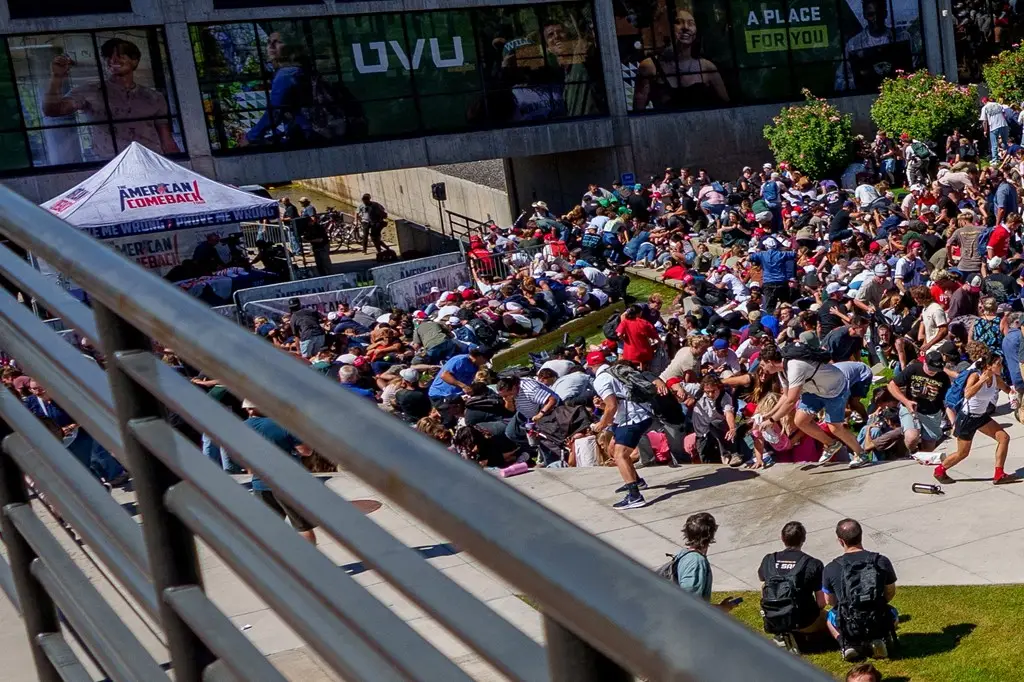
The reform matters here because Charlie Kirk was assassinated in front of thousands of witnesses on September 10, 2025, and the forensic record that would settle how he died — the subject of the site's cause-of-death analysis — has never been opened to independent review.
The central concern raised in the research corpus is that, in high-profile violent deaths, rules governing autopsies and medical-examiner records can unintentionally:
- Limit independent review of key forensic questions (for example, bullet trajectory, entry vs. exit wounds), and
- Fuel public distrust when details are withheld for long periods, particularly if other aspects of the case are contested.
This page summarizes how some commentators think laws might better balance privacy, investigative integrity, and transparency.
Current landscape (as described)
Compiled research notes — based on public sources such as commentary by Candace Owens, investigative threads by accounts like Project Constitution (@ProjectConstitu), and reporting from outlets including The Grayzone and the Daily Mail — highlight several points about how autopsy information is typically handled in the United States and in Utah in particular:
- Many states, including Utah, use a centralized medical-examiner system rather than county coroners. Autopsy reports and related records are often treated as confidential while a criminal case is active.
- Death certificates and certified records may be restricted to family and certain authorized parties for decades, with public access delayed by statute.
- A 2025 Utah law (SB0082, the "Autopsy Photo Amendments," as described in the notes) is cited as an example of legislation that criminalizes the sharing of autopsy photographs outside narrow exceptions, even when public interest in a case is high.
Commentators disagree about whether such rules are appropriate; some emphasize privacy and dignity for victims and families, while others argue they can make it harder for the public to verify official narratives in contested cases.
Concerns raised in the Charlie Kirk discussion (claims)
Within the project materials, several claims and questions recur:
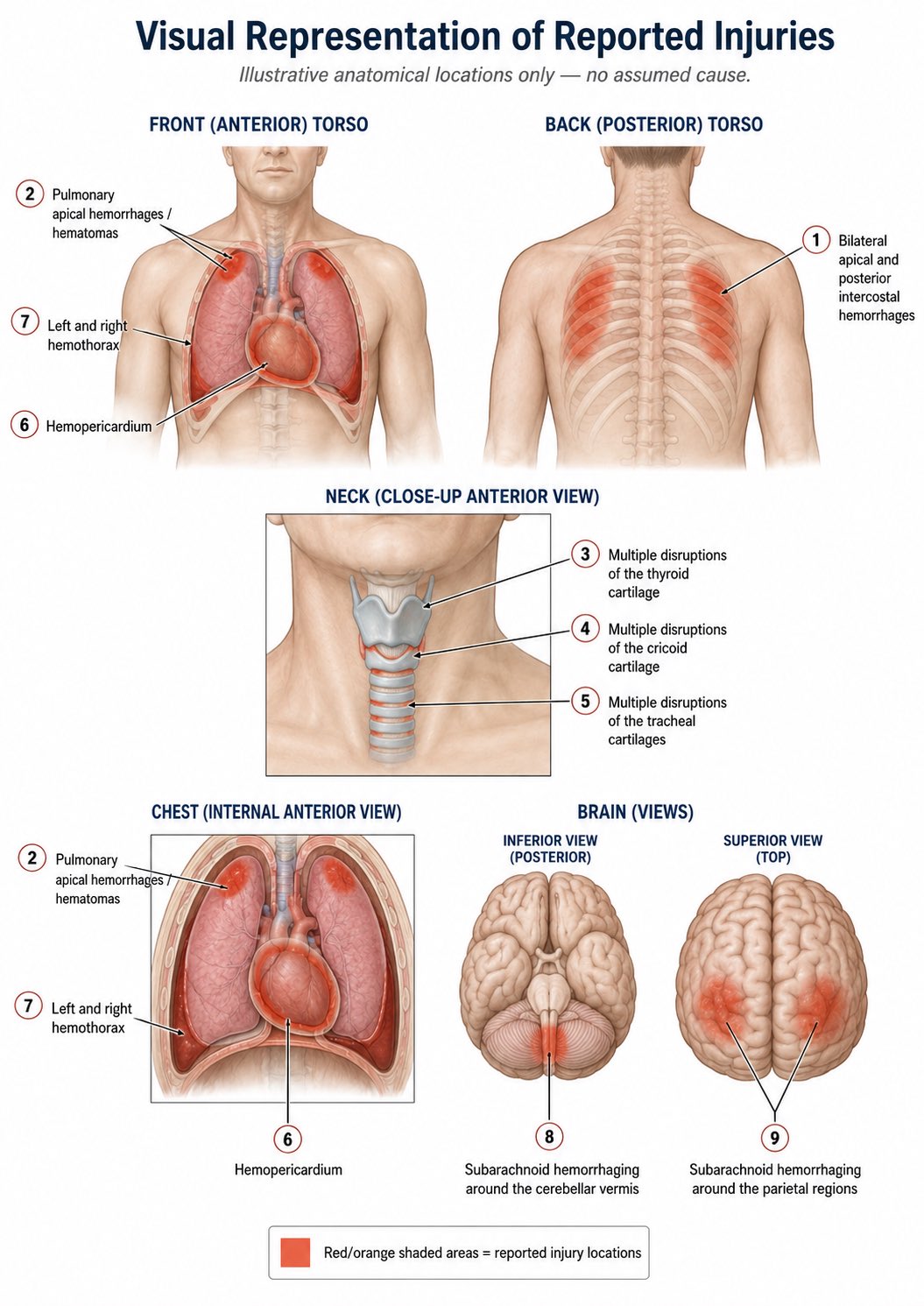
- Whether an autopsy was performed, what it concluded about bullet path and caliber, and how the findings align with public statements about the incident.
- Whether restrictions on autopsy photographs make it harder for independent medical experts to assess or explain high-profile cases to the public.
- Whether families, through their counsel, should have more options to authorize limited, expert, or public access to some information when they believe it would aid transparency or accountability.
These are questions being asked by commentators; this page does not take a position on what actually occurred in any real-world case.
Core ideas for a medical-examiner transparency law
Commentators sketch various possible reforms, which can be grouped into themes:
1. Baseline requirement for thorough forensic review
For certain categories of deaths — such as homicides, suspected assassinations, or deaths of public figures on public property — lawmakers could require:
- A full forensic examination by a qualified medical examiner or pathologist, unless extraordinary circumstances make this impossible.
- Preservation of key physical and photographic records for a minimum period, so that courts or commissions can review them later if needed.
- A standardized chain-of-custody log that tracks every access to, transfer of, or modification to autopsy materials.
The concept is about ensuring that, where questions are likely to arise, the underlying forensic record is complete and auditable.
2. Structured public summaries
Rather than releasing full reports or graphic images to the general public, a law could mandate non-graphic public summaries after specified milestones (for example, after charging, after a preliminary hearing, or after trial), such as:
- Cause and manner of death, as determined by the medical examiner.
- A high-level description of entry/exit determinations and general trajectory (for example, "projectile entered from right, exited left side of neck"), without sensational detail.
- Clarification of whether findings are consistent or inconsistent with specific publicly stated scenarios, phrased carefully to avoid prejudicing any jury.
Families could be given a voice in how much detail is appropriate to share, with courts empowered to balance transparency and dignity.
3. Expert-access provisions
To enable independent scientific review without turning forensic materials into public spectacle, laws could allow:
- Court-authorized access to redacted autopsy materials (including some images) for vetted independent experts under protective orders, especially when there are credible disputes about trajectory or weapon type.
- Procedures for experts to provide public reports or testimony that summarize their conclusions without publishing sensitive images.
- A defined set of credentials and conflict-of-interest rules for qualifying independent experts.
This approach aims to let science be heard while minimizing harm to the family and avoiding misuse of graphic material.
4. Narrowly tailored criminal penalties
Commentators who are concerned about potential suppression of relevant forensic information often argue that statutes criminalizing the sharing of autopsy images should:
- Distinguish between exploitative or sensational distribution and good-faith expert or journalistic use subject to clear rules.
- Include whistleblower and public-interest exceptions, supervised by courts, for cases where evidence of serious procedural failure might otherwise be suppressed.
- Provide a clear definition of covered materials so that professionals do not face ambiguous criminal exposure for routine work.
Any such exceptions would need careful drafting so they are not abused and do not encourage casual sharing of sensitive material.
5. Family participation and consent
Families should have structured opportunities to:
- Receive private briefings on autopsy findings before any public summary is released.
- Authorize additional disclosures they believe would aid the pursuit of truth.
- Request independent review by a pathologist of their choosing, at their expense or through a public-interest program when resources are constrained.
Safeguards and ethical considerations
A medical-examiner transparency reform should also explicitly protect:
- Family wishes and religious beliefs — The preferences of next-of-kin are a critical part of any decision about what can be shared.
- Dignity of the deceased — Transparency should never become an excuse to circulate graphic images unnecessarily.
- Integrity of ongoing cases — Courts and legislatures must ensure that disclosure rules do not undermine fair trials or create undue pressure on juries or witnesses.
- Professional independence — Medical examiners and pathologists should be shielded from political pressure in forming their professional conclusions.
These safeguards are at least as important as transparency itself.
How this connects to other pages
This conceptual plan connects directly to:
- Law 1 — broader information-disclosure and records-transparency ideas.
- Law 2 — intelligence-community disclosure reform.
- Autopsy — forensic questions raised about the Charlie Kirk case.
- Fix Overview — situates autopsy and medical-examiner reform among other legal and institutional proposals.
As with all pages in this section, the purpose here is to organize ideas and claims that have been raised — not to assert that any named individual, agency, or country is guilty of a crime or a cover-up.
Why Citizen Investigators Say This Reform Matters (X Context)
X and independent coverage of the Kirk case repeatedly surface gaps this page's policy concept would address:
- Hospital footage seizure opacity and NDA claims at Timpanogos-class facilities.
- Autopsy / ME public-summary gaps fueling .30-06 energy and trajectory disputes.
- SUV transport and care-quality commentary on X that cannot be resolved without non-graphic official summaries.
These are policy responses to documented transparency gaps, not findings that any living person committed a crime.
Interesting In This Area
- Conclusion Logic is the tool for weighing a wound claim nobody outside has reviewed.
- Victim families would receive timely forensic briefings; Law 3 would force the underlying work.
- Expert-access provisions and Law 4 attack one problem: outsiders cannot see the work.
- Event security medical-response standards and digital evidence rules both bear on hospital records.
Interesting In Other Areas
- The March 2026 hearing fought over sealing the inconclusive ATF report.
Other Pages In This Section
A set of questions to put to any officeholder about oversight and disclosure — not a list of names. It is built so a voter can judge a record without first assuming a conspiracy.
Read thisLaw 3: Mandate the Investigation
Disclosure without investigation just releases what someone already chose to write down. This draft forces multi-agency teams with protected budgets, an independent monitor, mandatory database queries and a minimum duration.
Read this
Federal agencies sit outside the state prosecutor's Brady duty, so evidence they hold can stay unreachable. The fix names them custodial parties and puts clocks on it: 30 days to respond, 60 to review classification, 90 for judicial review.
Read thisTSUSA: Ethically Aligned with Charlie Kirk
If an organisation wanted to honour Charlie Kirk's stated values, what would it change? Governance and financial transparency, a real after-action review, and whistleblower protection that works inside the building.
Read thisElsewhere In The Investigation
Where the citizen investigation has actually landed: not the .30-06 round of the official account, but an explosive in the microphone. Documented as of July 2026.
Read this03/10/2026 — Seal Motion / ATF Fight
The March 2026 hearing where the fight was over sealing the inconclusive ATF ballistics report. A media coalition opposed it; the public record was the stake.
Read thisThis website's author is @HolonCitizen on X and YouTube/@HolonCitizen. Follow me there.
Interesting
- A witness reportedly says the FBI pressed him to delete his 4K event video.
- Commentators cite spikes in searches for the defense attorney from Israel nine months early.
- Who owns the parcel beside the rifle-recovery site? No deed has been produced.
Related Areas
- Medical
- Gun & Bullet Analysis
- (Possible) Cover‑up
- Government Evidence
- Mic — Exploding Mic Theory
- Legal Investigation