Law 4: Trusted Investigators
Overview
This page sketches a policy concept referred to in the research corpus as "Law 4 — Trusted Investigators." It is not legal advice, and it does not assume that the existing investigation into the Charlie Kirk case has been mishandled by any specific person. It summarizes ideas from commentators who believe that when a case touches on possible agency or foreign-intelligence involvement, the public's confidence in the findings depends on the investigators being trusted by an audience beyond the agency itself.
The basic goal is to explore how a statute might:
- Establish independent investigation teams led by civilians whom a broad slice of the public already considers credible.
- Give those teams embedded access to agency files, systems, and personnel so they can verify work product rather than merely receive summaries.
- Protect the teams from political interference, budget pressure, and early termination.
This idea is sometimes described as adding a civilian-oversight layer on top of Law 3's mandatory internal investigations.
Problems this proposal is trying to address (as described)
Commentators in the corpus argue that even a well-structured internal investigation can fail to convince the public if:
- The investigators are seen as institutionally invested in protecting the agency's reputation.
- The findings are filtered through the same chain of command that oversees the agency's ordinary press strategy.
- Individuals with direct knowledge have no protected channel to share concerns outside the chain of command.
- The public cannot verify what was asked and what was refused, only what was ultimately released.
These concerns are raised about both high-profile and routine cases; they are not unique to any one investigation.
Core ideas for a "trusted investigators" law
Commentators sketch various possible reforms, which can be grouped into themes:
1. Designated Trusted Investigators
The statute can name a set of private citizens — chosen from across the political spectrum for their track record of independent journalism and investigation — as Designated Trusted Investigators. Each such citizen would lead a dedicated oversight team. Names that have been discussed in the research corpus include public commentators and investigative journalists associated with independent media; names are held for legislative refinement rather than endorsement on this page.
Key design questions include: how many investigators to designate, how to balance ideological perspectives, how to replace an investigator who declines to serve, and how to avoid accidentally concentrating authority in a small group.
2. Embedded team structure
Each Designated Trusted Investigator could receive:
- One law-enforcement oversight team embedded with the FBI investigation under Law 3.
- One intelligence-community oversight team embedded across the agencies covered by Law 2.
- Full authority to select team members from qualified applicants, subject only to basic security screening.
The embedded structure allows these teams to observe the internal investigation in real time rather than reviewing it only after the fact.
3. Full access to files and personnel
To make oversight meaningful, embedded teams could have:
- Access to all files and systems relevant to the investigation, subject to appropriate security protocols.
- Authority to interview personnel, including at-will access to employees who volunteer to speak with them.
- Authority to request the preservation of specific records, with non-compliance treated as obstruction.
- Forensic audit authority, including the ability to commission independent technical review of digital evidence.
4. Confidential volunteer channel
A statutory design could allow any government employee or contractor to volunteer to speak with a trusted-investigator team confidentially, bypassing their normal chain of command. Retaliation for such volunteer participation would be prohibited and reviewable. Commentators argue that this channel matters most for employees who are not senior enough to feel secure as formal whistleblowers but who nonetheless hold relevant information.
5. Public release authority
The defining feature of this concept is that the trusted investigators — not the agencies or the executive branch — hold final authority to publish findings. Specifically:
- No official outside the team may block, delay, or edit a public report.
- Teams may redact to protect genuine sources and methods, but those redactions are subject to review by the same external oversight board that supervises Law 3.
- Final reports are published directly to the public, not routed through agency communications offices.
6. Protected duration
To prevent a covered administration from waiting out the teams, the statute could guarantee a minimum operational period (for example, 24 months) during which:
- Teams cannot be terminated by any government official.
- Budgets cannot be reduced below a statutory floor.
- Team leadership cannot be removed except by the external oversight board for defined causes (incapacity, misconduct, or loss of eligibility).
7. Regular public reporting
Teams could be required to publish reports on a set cadence (for example, every 90 days) that address:
- Progress on each item in the investigation's scope.
- Every request that has been denied, and by whom.
- Any attempt at interference, with enough specificity for the external oversight board to review.
8. Non-interference penalties
Interference with a trusted-investigator team could be defined as a specific offense with a substantial maximum penalty. Commentators argue that this is necessary to provide practical protection, not as an invitation to prosecute ordinary disagreements, but to define a hard line against retaliation, obstruction, and evidence destruction.
9. Funding and independence
Team funding could flow from a dedicated appropriation, with independent accounts and procurement authority similar to the structure proposed in Law 3. Commentators sometimes suggest a further safeguard: that the funding structure should not depend on year-by-year reauthorization during the minimum operational period, to prevent the appearance of financial leverage over the team's conclusions.
Safeguards and limits
Several safeguards are central to any "trusted investigators" approach:
- Political balance — Designating investigators from only one political perspective would undermine the credibility the design is meant to create. The statute should require demonstrated perspective-balance in the full slate of designations.
- Security and classification — Embedded teams will handle classified material; their clearance processes, handling procedures, and secure facilities must meet the same standards as those of the host agencies.
- Protection of active operations — Just as with Law 3, the teams must coordinate to avoid compromising genuinely active human sources and currently used technical methods.
- Avoidance of vigilantism — The teams investigate and report; they do not prosecute. Any findings suggesting criminal conduct should be referred for formal legal process with due-process protections intact.
- Protection against defamation risk — Public reports should be drafted to distinguish between documented findings, specific allegations, and open questions, with attribution where findings depend on individual witnesses.
These safeguards are at least as important as the independence the design is meant to provide.
How this connects to other pages
This conceptual law ties into other reform-oriented topics:
- Law 1 — law-enforcement records disclosure that feeds the oversight teams with material to review.
- Law 2 — intelligence-community records disclosure.
- Law 3 — the internal investigations that the trusted-investigator teams would observe in real time.
- Whistleblower Protections — complementary protections for employees and contractors who volunteer information.
- Fix Overview — broader summaries of reform themes from the research corpus.
As with all pages in this section, the purpose here is to organize ideas and claims that have been raised — not to assert that any named individual, agency, or country is guilty of a crime or a cover-up.
Interesting In This Area
- Public release authority is the clause Law 1 and Law 2 leave with the agency.
- A confidential volunteer channel is the outside-in twin of whistleblower protected channels.
- Media reform defines citizen-investigator standing; this draft gives named civilians file access.
- Funding independence and protected duration echo Law 3 and event security review clauses.
Interesting In Other Areas
- Kathryn Nester leads the capital defense with three co-counsel; no wrongdoing is alleged.
- The live text names civilian-led teams inside the agencies with their own release authority.
- Your actions is where a reader becomes one of the people this names.
Other Pages In This Section
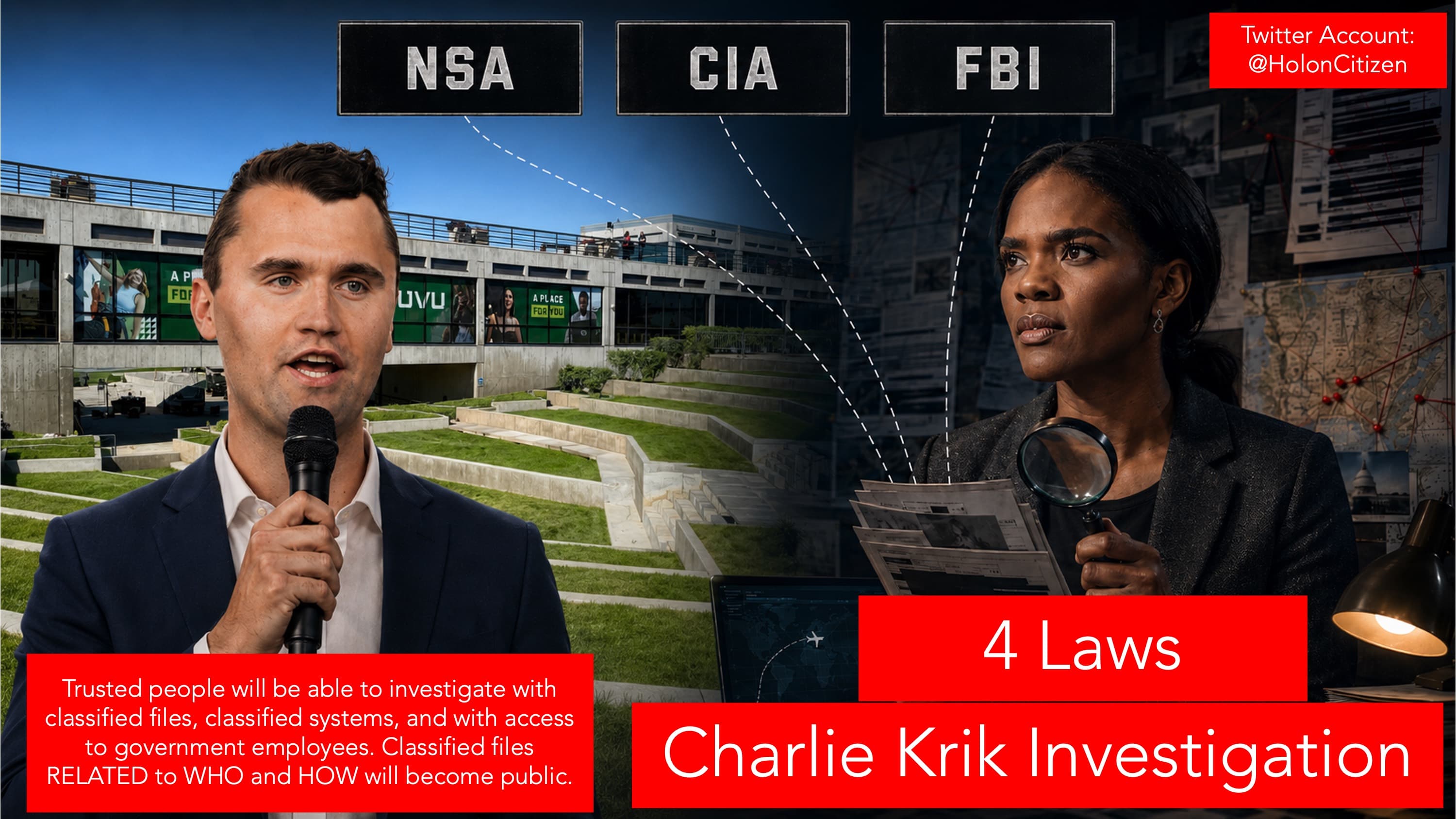
Four proposed federal laws plus twelve companion reforms — disclosure, mandatory investigation, trusted civilian investigators, and the practical fixes underneath them. Start here to see how the pieces fit together.
Read this
Foreign Influence Transparency
FARA was written for a slower century. Modernised registration and proportionate enforcement would make foreign money visible — which protects the innocent as much as it exposes the concealed.
Read thisDisclosure reform fails if the people closest to the evidence cannot speak. Protected channels, a rebuttable presumption of retaliation, mandatory reinstatement and treble damages — extended to intelligence contractors, who are usually left out.
Read this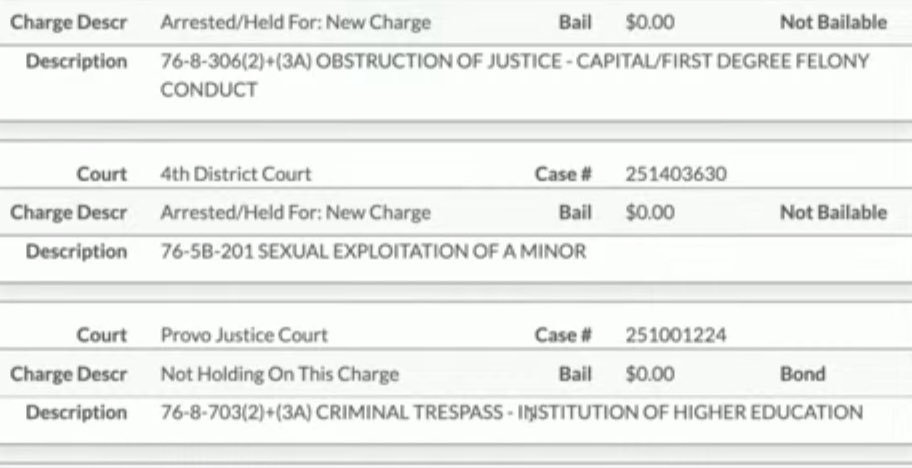
Ask Churches to Ensure Justice Happens
What a congregation can actually do when a public killing goes unanswered — grieve, ask hard questions, and refuse both cynicism and reckless speculation. It names roles for faith communities without naming any church as complicit.
Read thisElsewhere In The Investigation
Law 4: Charlie Kirk Investigation - Trusted Investigators Act
Full text of the trusted investigators act — civilian-led teams embedded inside the FBI and intelligence agencies with full access and their own release authority.
Read thisKathryn Nester leading, with Michael Burt, Richard Novak and Staci Visser — appointments, motions and the estimated cost of the capital defense.
Read this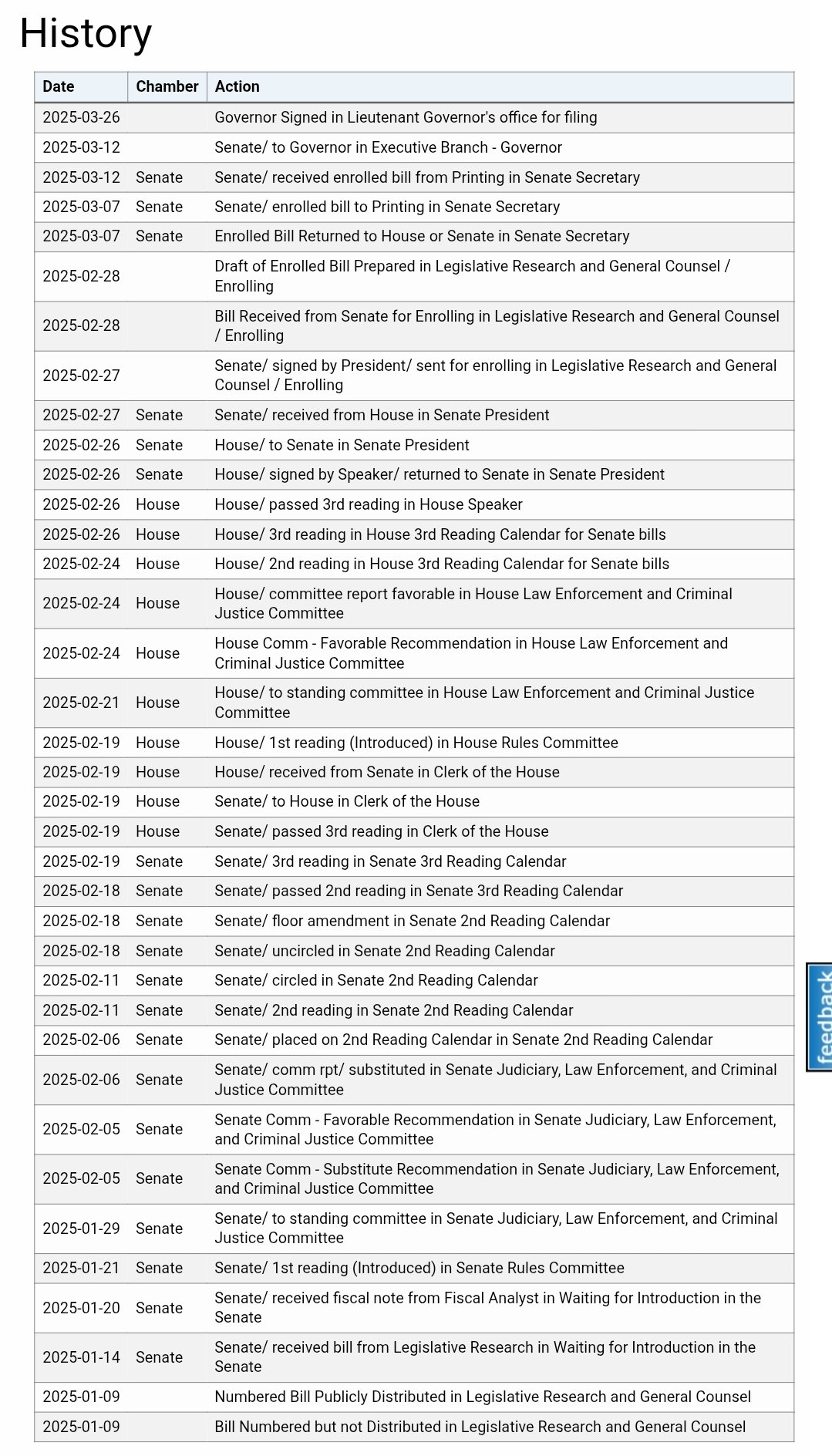
Concrete things one person can do: records requests, contacting representatives, preserving and sharing evidence. It is the shortest route from reading this site to changing anything on it.
Read thisThis website's author is @HolonCitizen on X and YouTube/@HolonCitizen. Follow me there.
Interesting
- A witness reportedly faced pressure to erase his own 4K footage.
- One draft demands all autopsy photos, FD-302s, and records of destroyed evidence.
- Another names specific tail numbers Congress would have to explain, including HADES plane N1098L.
Related Areas
- Charlie Kirk Assassination — Forced Disclosure
- Podcast Coverage
- Proof Intel Services
- U.S. Intelligence
- FBI
- Your Actions Fix It