Legal
This section covers the legal dimension of the Charlie Kirk case — court proceedings against the accused, how evidence is sealed and released, gag orders constraining public speech, and the multi-agency investigation into the September 10, 2025 shooting at Utah Valley University. The whole legal apparatus is built on the premise that Charlie Kirk was killed by a rifle shot; the independent cause-of-death analysis reaches a different conclusion, and that gap runs underneath every page in this section.
- Assassination Investigation — Criminal probe timeline, charges, and evidence categories
- The 24 Search Warrants — Every public warrant affidavit by number, and what each one sought
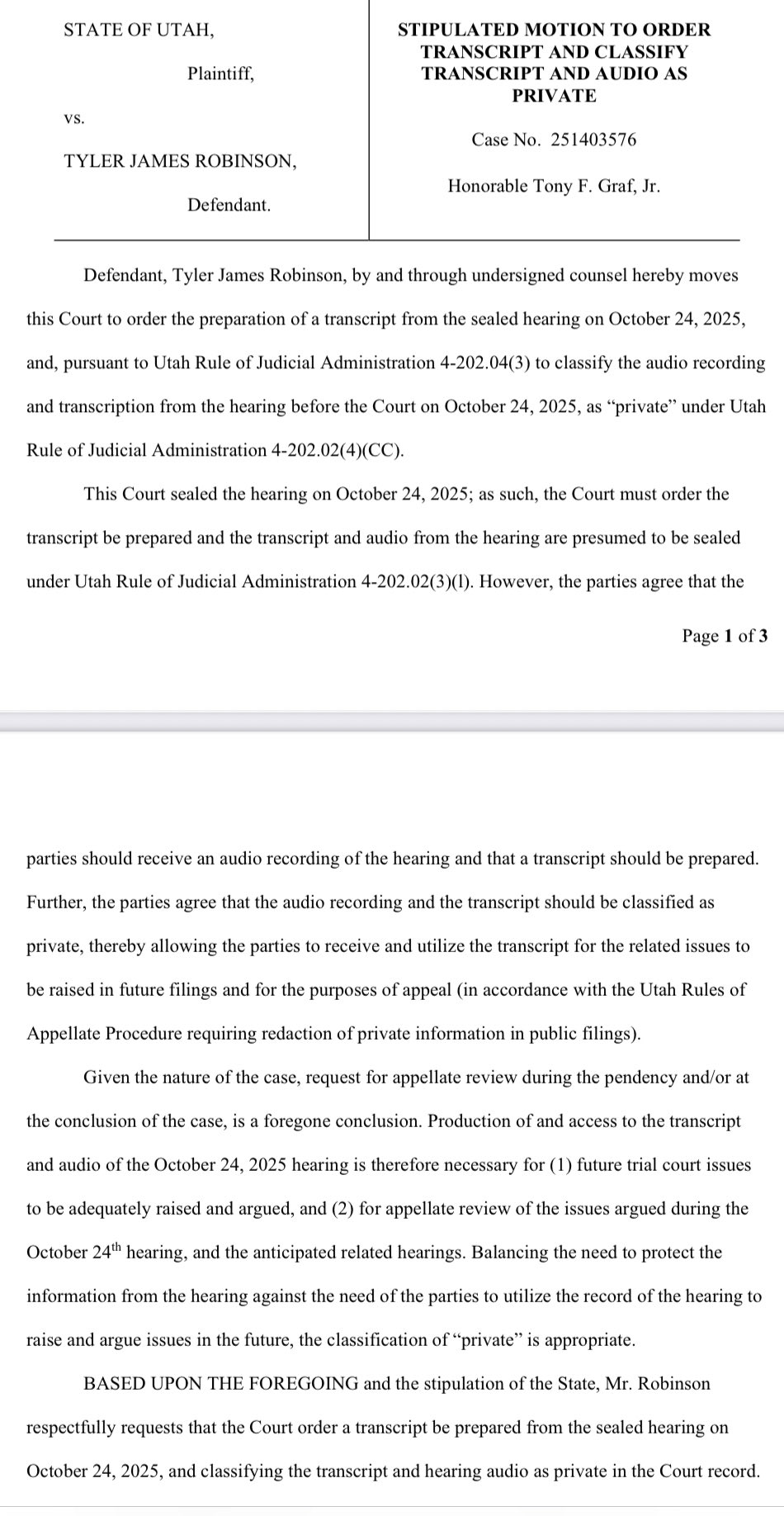
- Evidence Sealing 2026 — Gag orders, sealed warrants, and 2026 release disputes
- FBI–Local Coordination — Federal and Utah agency roles on scene
- DOJ Prosecution & Secrecy — Prosecutorial approach and questions on sealed evidence and classification
- Robinson's Phone & Devices — Seized electronics, extractions, and the discovery questions
- FBI Witness Intimidation — Reported delete-video and counseling-session claims
- Official Statements — Government releases, corrections, and court rebukes
- Parent and Attorney Selection — Capital-defense appointments and search-pattern claims
- Israeli Tech in the Case — Cellebrite, BriefCam, and the conflict-of-interest argument
- Testimony ↗ — What witnesses said under oath, and where the record has gaps
- Who Testified ↗ — The sworn-witness roster and what each addressed
- The Judges ↗ — Graf, Lunnen, and the rulings controlling what stays sealed
The most interesting legal question in this whole section may be a procedural one. Staff at Cowboy's Smokehouse in Panguitch, Utah — 209 road miles south of Orem — say they served Tyler Robinson dinner from 8:55 to 9:47 PM on September 10, 2025, and a debit receipt (Check #211) exists with a cardholder of record behind the last four digits. On camera, the server who says he ran that card states that the FBI never followed up and that neither the prosecution nor the defense has contacted him about testifying. In a capital case, an unresolved alibi claim that could be confirmed or destroyed by one subpoena to a merchant processor — and apparently was not, through a five-day preliminary hearing — is itself a fact about how this prosecution has been run. The identification is claimed by restaurant staff and contested; Robinson is charged, not convicted, and presumed innocent. Panguitch — The Town That Breaks the Timeline →
The criminal case against Tyler Robinson — who is charged but not convicted and is presumed innocent — sits at the center of this section. Utah prosecutors are pursuing capital charges while a large discovery file, including video, forensics, and digital data, moves under protective orders and gag restrictions. Parallel federal involvement from the FBI Salt Lake City field office shaped the first-day response, public person-of-interest releases, and the corrected custody announcements that still feature in timeline disputes.
Substantively, the legal record turns on what has and has not been made public: an inconclusive ATF comparison on the autopsy bullet jacket fragment, reported sealing of digital forensics into 2026, thousands of eyewitnesses still being identified under a broad gag order, and June 2026 contempt findings over prosecutor media comments. Allegations that witnesses were asked to delete footage or were pressured through post-event counseling are documented as claims, not findings, alongside standard capital-case appointment of experienced defense counsel.
Start with Assassination Investigation for the September 10–11 timeline and charge posture, then read The 24 Search Warrants for what investigators actually asked a judge for — every public warrant affidavit indexed by number — and Evidence Sealing 2026 for why so much of the file remains restricted. Official Statements maps what authorities said on the record — including statements later revised — while FBI–Local Coordination and FBI Witness Intimidation cover agency coordination and witness-handling allegations. For post-event gag-order detail outside this section, see Legal Process, Gag Orders, and Hearing Secrecy.
Laws (Charlie Kirk)
- Sealed court filings and evidence indexes, who authorized the case gag orders, and the full chain of custody for collected evidence are not public yet; the Charlie Kirk Investigation Laws could bring these powerful truths out.
What Citizen Investigators Are Watching (Attributed)
In 2026, Legal-section attention on X concentrates on: inconclusive ATF fragment language vs DNA/casing narrative; gag orders vs camera-access wins (March 2026 rulings celebrated by @DerrickEvans4WV, @GuntherEagleman); selective video production claims; and multi-agency discovery fights naming FBI/ATF files. Use the Level 3 pages for depth — especially Evidence Sealing 2026, FBI Witness Intimidation (Claims), and Assassination Investigation.
Interesting In This Area
- Restaurant staff say they served Robinson 209 miles south; neither side tested it.
- Warrants sealed into 2026 sit under the same order that gagged the parties.
- A witness says agents asked him to delete volunteered footage; device warrants stayed sealed.
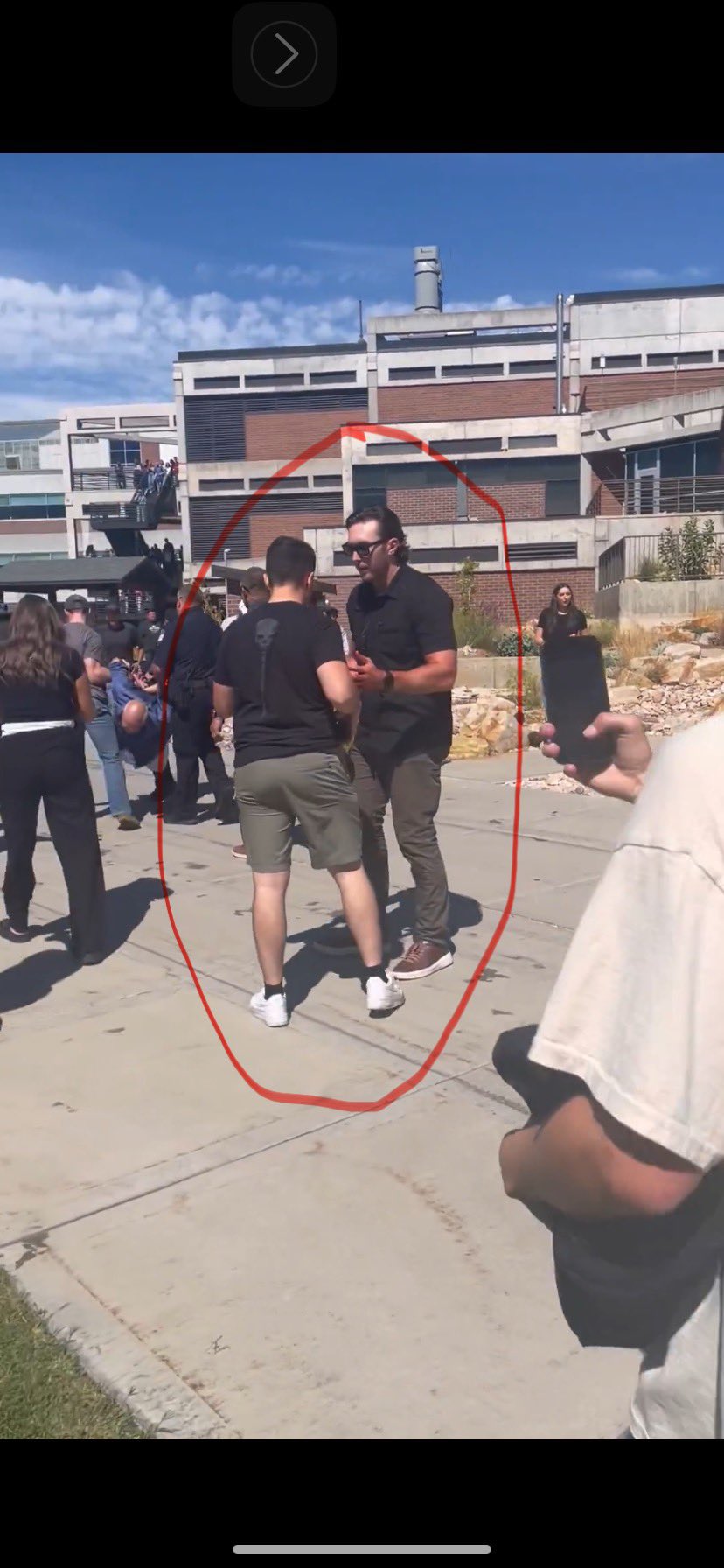
- Federal agents held the scene thirteen minutes in, before the first official statement.
Images
Other Pages In This Section
The state's own account of its investigation, laid out so it can be checked: the minute-by-minute of September 10, the agencies, the evidence categories and the corrections. The ATF comparison on the recovered fragment came back inconclusive.
Read thisSealed warrants, gag orders and restricted discovery, and what is scheduled to become public in 2026. A map of the closed doors, which is the precondition for most of the unanswered questions in this section.
Read thisDOJ Prosecution and Evidence Secrecy
The public record on the charges and evidence handling, plus the sealing questions commentators raise. Digital-forensics warrants were reportedly sealed well into 2026, limiting outside review.
Read thisA ledger of what officials said and when, including the custody announcement made at 4:21 PM and corrected at 5:59. Reading them side by side is how you separate ordinary first-day error from something else.
Read thisElsewhere In The Investigation
Tyler Robinson's Phone & Devices
What is and is not established about the accused's own devices — reported extractions, location and tower metadata, and the discovery the defence says it has not received.
Read this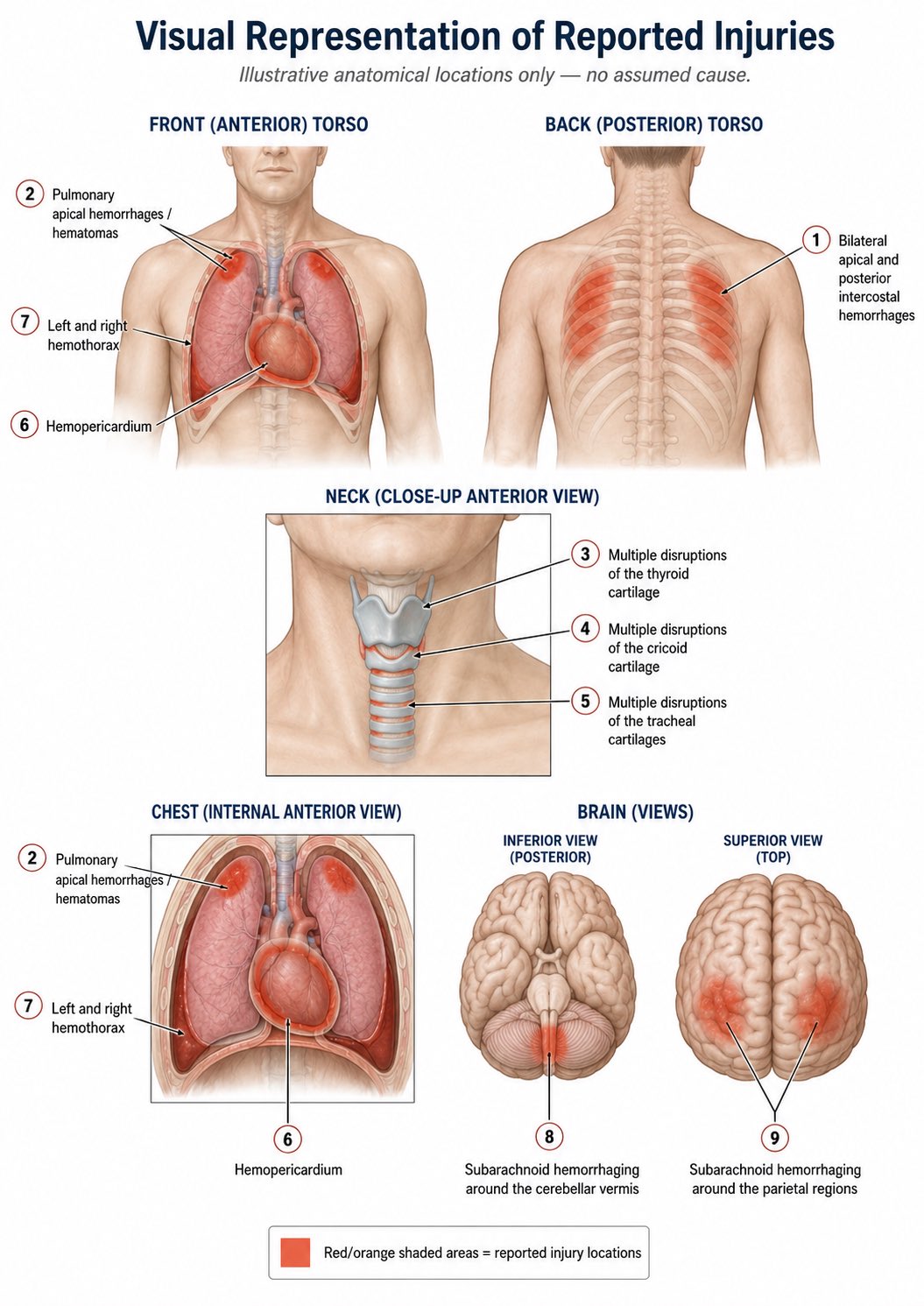
One page stating what most independent investigators had concluded by July 2026 about what killed Charlie Kirk and what did not. The official account is a single .30-06 round; this is where the reasons for rejecting it are gathered.
Read thisThis website's author is @HolonCitizen on X and YouTube/@HolonCitizen. Follow me there.
Interesting
- The public has never been allowed to examine several categories of evidence.
- Joe Kent says a foreign-ties review was ordered stopped before its leads ran out.
- The live parcel record names Utah Valley University as owner of 691 W 925 S.
X.com posts:
Related Areas
- Tyler Robinson Trial
- Trial and Autopsy Report
- FBI Investigation
- After Events
- Government Evidence
- (Possible) Cover‑up