Central Figures in the Charlie Kirk Case (Context Only)
Overview
This Level_3 page provides a neutral, contextual summary of the two central figures most often mentioned in connection with the case:
- Charlie Kirk (victim), and
- Tyler Robinson (accused).
It does not assign guilt or resolve contested facts. Instead, it points to the main topic areas where each figure is discussed in detail and notes the kinds of public sources (news coverage, court documents, interviews, and commentary) that shape how they are understood in this project. For a full roster, see People Investigation Index.
This website does not assert as fact that any living person named here committed a crime or had any knowledge of or involvement in the assassination. Names appear here only in the context of public discussion. Nothing here is a finding by this website.
Charlie Kirk – Victim and central subject (as described)
Public reporting and commentary describe Charlie Kirk as:
- The founder and leading figure of Turning Point USA (TPUSA), a prominent conservative youth‑oriented organization.
- A nationally visible commentator and organizer whose campus events, media appearances, and donor relationships made him influential in U.S. conservative politics.
- For many years a strong pro‑Israel voice, with later materials suggesting he may have been reassessing aspects of his position on Israel and related foreign‑policy questions in 2025.
Within this project:
- His biographical and political significance is outlined in Charlie.
- Alleged shifts in his views on Israel, donors, and foreign policy are discussed—cautiously—in Motive, Donor Pressure, Israel, and Foreign‑Policy Motive Theories, and Israel.
- Medical and forensic questions related to his death are covered in Charlie Kirk Autopsy and the Medical section.
These sections draw on a mix of mainstream news, interviews, and online commentary; readers should always distinguish between well‑documented facts and more speculative claims.
Tyler Robinson – Accused suspect (as reported)
According to official documents and mainstream coverage, Tyler Robinson is:
- The individual charged with aggravated murder and related offenses in connection with the UVU shooting, alleged to have fired from a rooftop position.
- A young man from Utah whose background, online activity, and personal relationships (including with a transgender partner) have been extensively discussed in news articles and online commentary.
- A defendant in an ongoing legal process that includes pre‑trial hearings, gag orders, and protective orders governing evidence.
Within this project:
- Tyler’s publicly described background and legal situation are covered in Tyler Robinson and its subpages (for example, Travel, Girlfriend, and Trial).
- Alleged personal and ideological motives are summarized in Tyler Robinson’s Alleged Personal and Ideological Motives (As Reported).
- Alternative theories that suggest he may not have been the sole or actual shooter are explored, as claims, in Real Killer and related pages.
Mentioning Tyler in this project reflects his central role in official narratives and public debate. It does not prejudge the outcome of his case, which must be determined through the courts.
Laws (Charlie Kirk)
- The sealed search-warrant evidence against Robinson and Kirk's reassessment-on-Israel correspondence and ballistics linking the rifle to the rooftop shot are things that the Charlie Kirk Investigation Laws may result in powerful truths coming out that aren't out yet.
Citizen Investigator Claims on X (Central Figures Map)
X discourse clusters “who matters” into recurring buckets:
- Victim / family — Charlie Kirk; Erika Kirk (widow; highest sensitivity — no guilt framing).
- Accused — Tyler Robinson (charged; not convicted here).
- Org leadership / comms — TPUSA executives and show producers.
- Amplifiers — Candace Owens, Stew Peters, independent OSINT accounts.
- State / medical — prosecutors, FBI, ME office, hospital leadership.
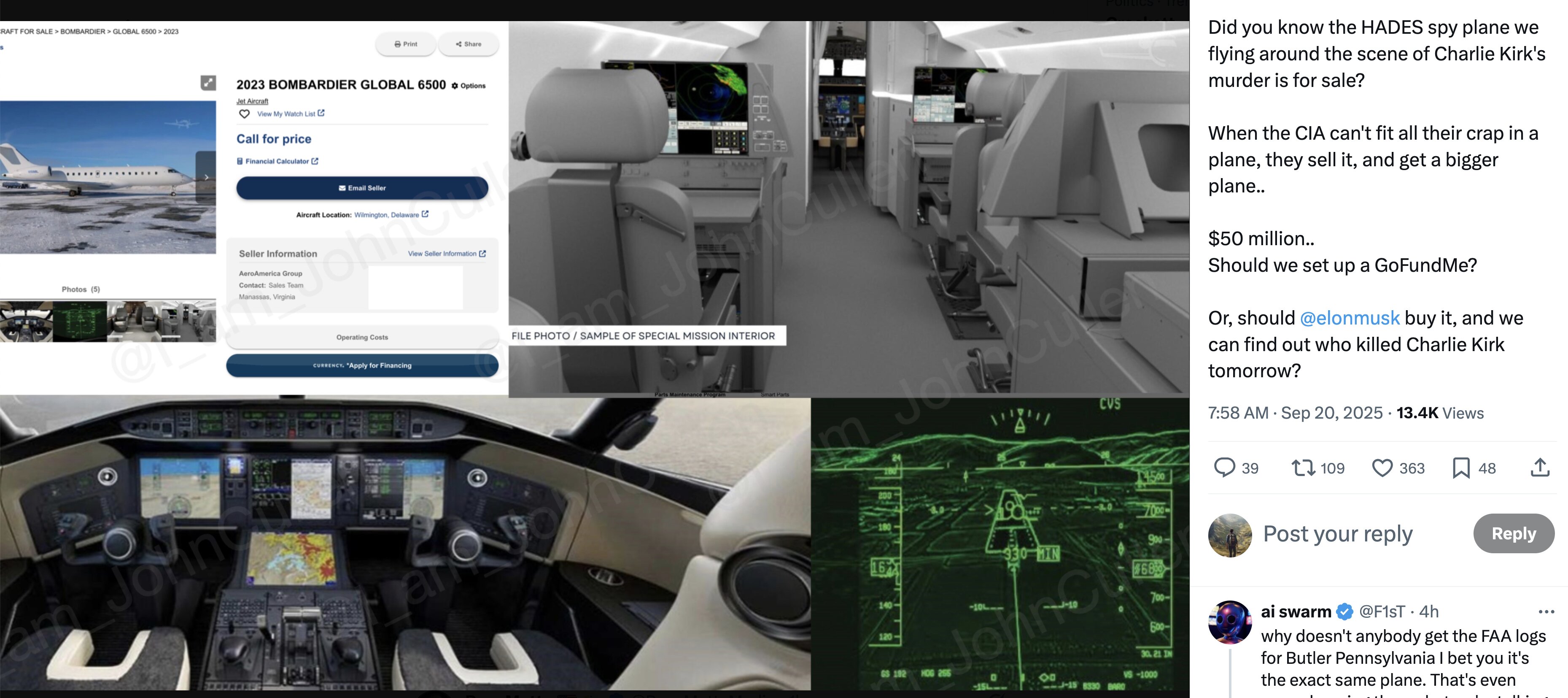
- Donor / geopolitical names — Bill Ackman narrative; Netanyahu-related commentary; flight/intel figures such as Bradley Hansell in Huachuca threads.
Individual person pages hold the detailed context for each name above. Proximity to the case, or mention in public commentary, is not evidence of guilt.
Interesting In This Area
- Tyler Robinson is charged, not convicted; Lance Twiggs is charged with nothing.
- The full roster groups every name by how it entered the record.
- Andrew Wilson put Robinson at 75-85 percent; Candace Owens put him at zero.
- Three men carried Charlie with blood visible on their clothing.
Interesting In Other Areas
- Citizen investigators converged on a device at the microphone, not a rooftop round.
- Canon XA55 audio reportedly separates a distant blast from a louder stage event.
- 12:23 or 12:27 — four minutes changes every timeline here.
- Cause of death is the open question every other thread runs back to.
Images
Other Pages In This Section
The man this entire investigation is about: founder of TPUSA, shot at roughly 12:23 p.m. on September 10, 2025. Every other thread — motive, timeline, forensics, cover-up — runs back through this page.
Read this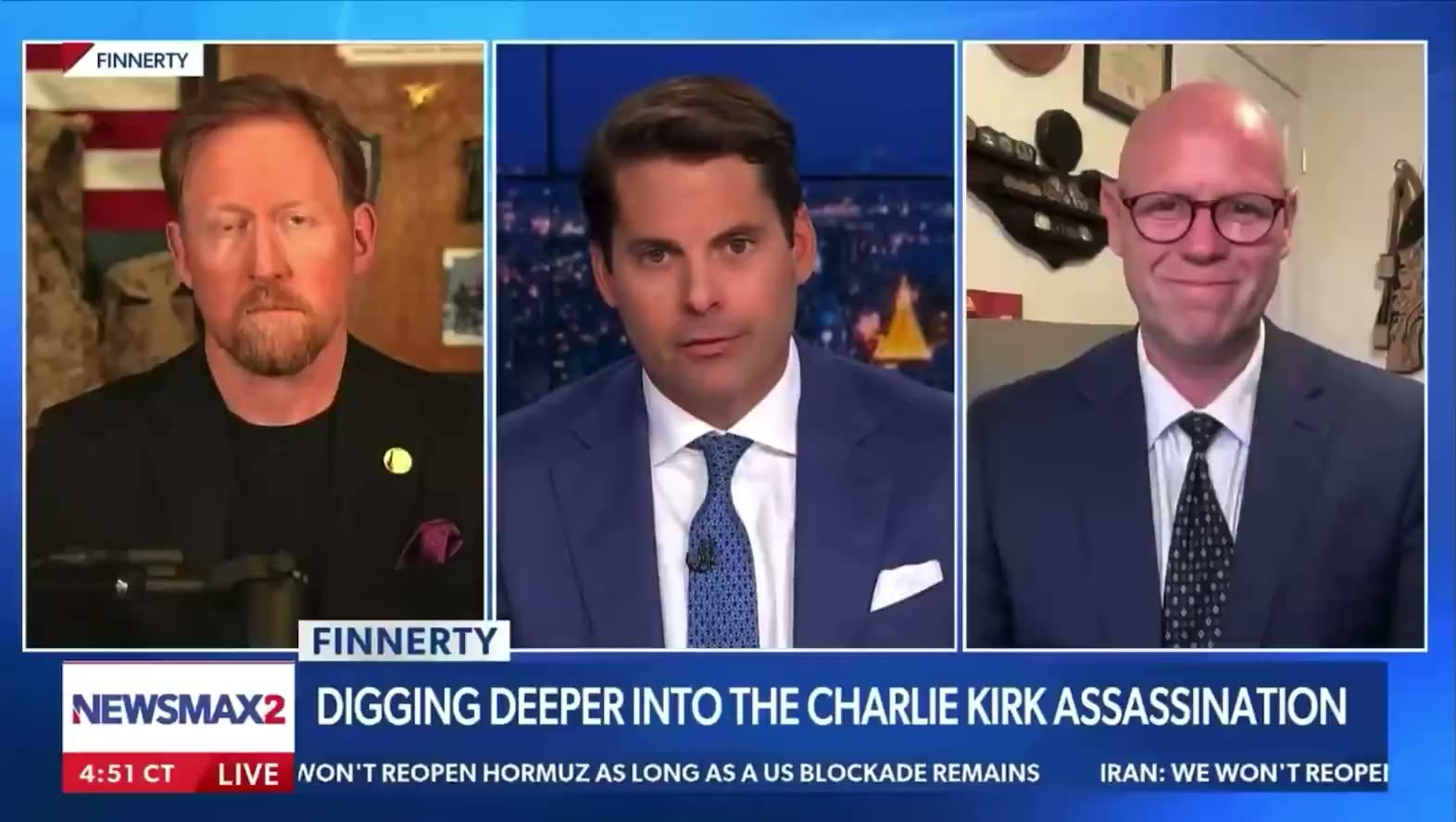
The state charged him; this site examines whether the released evidence supports it. Start with the weapon: the .30-06 account is the government's narrative, and the ATF report came back inconclusive.
Read this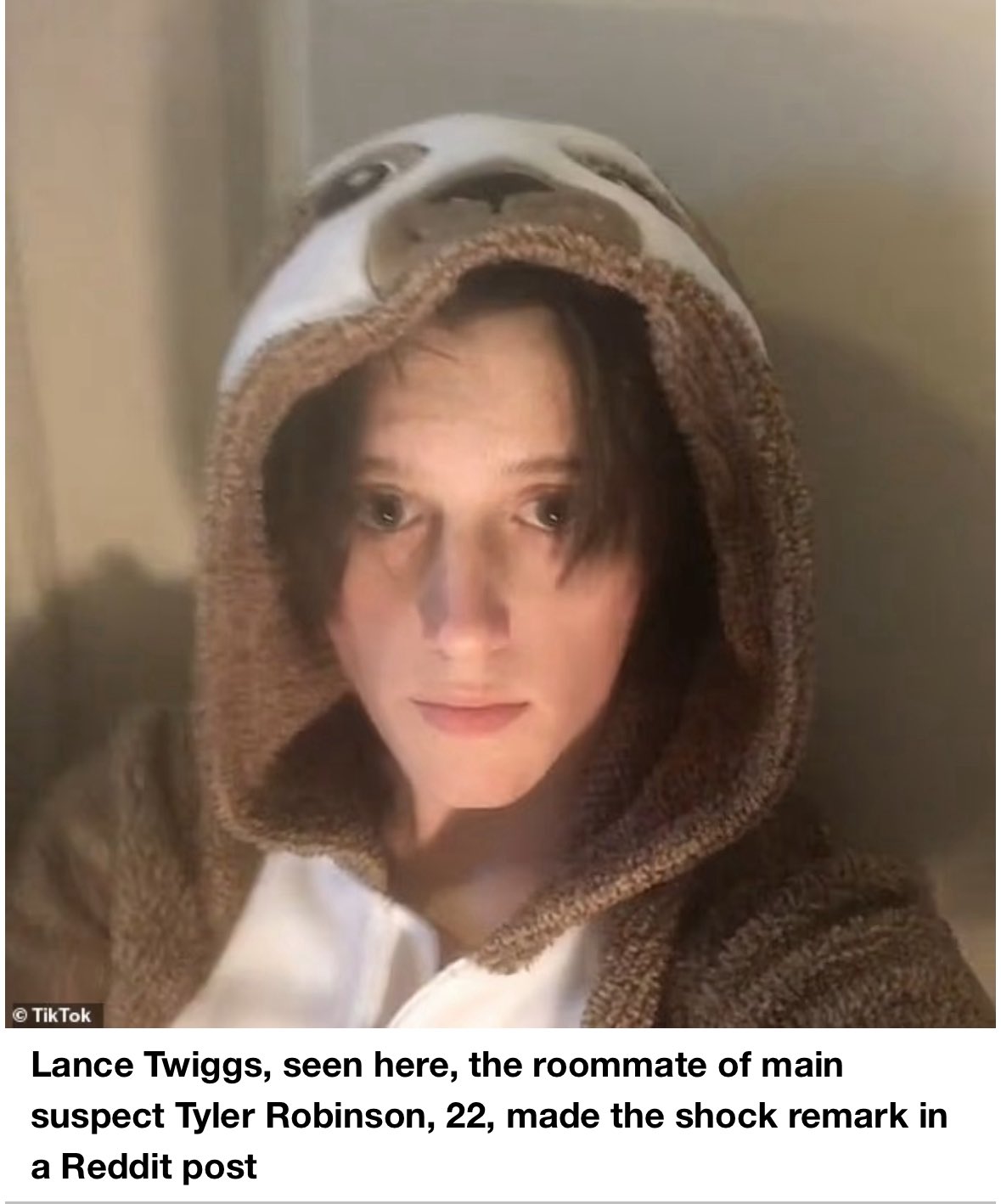
Tyler Robinson's partner and roommate, charged with nothing, pulled into the record by the state's own investigation. Her messages and her phone became evidence in a case where she is not a defendant.
Read thisThe full roster: every person profile on the site, grouped by how they entered the record — security, TPUSA staff, witnesses, donors, officials, citizen investigators. Start here when you have a name and no idea where it fits.
Read thisElsewhere In The Investigation
Explosive in Mic Likely Killed Charlie
The finding citizen investigators on X have converged on: a device at the microphone, not a round from a roof. It is the single largest divergence between the public record and the government's account.
Read this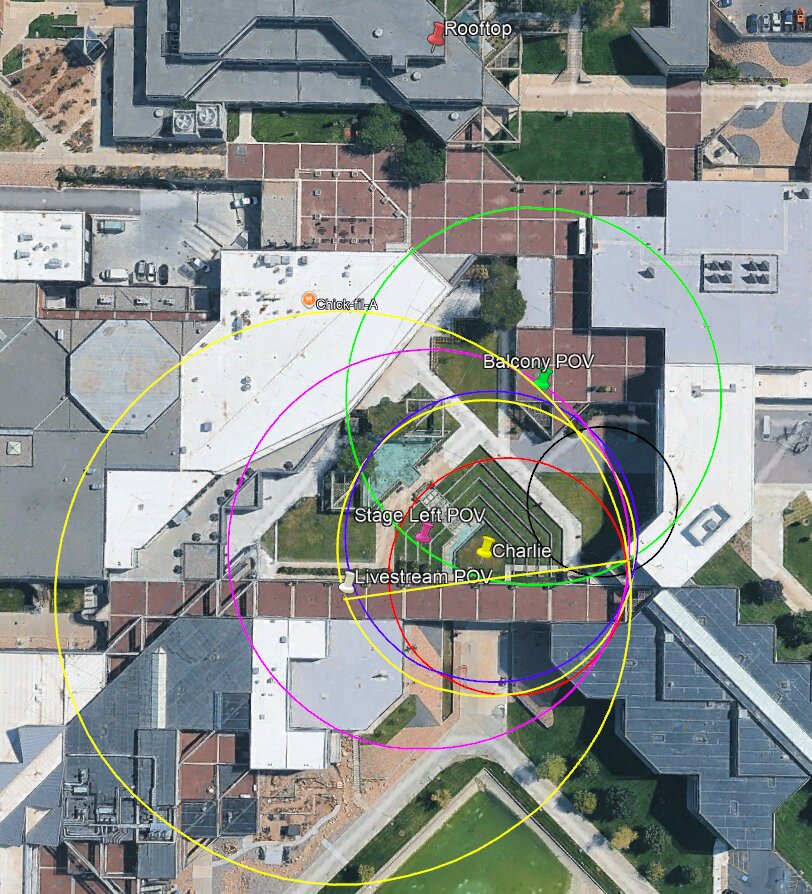
Canon XA55 Audio — Three Booms and Stage Detonation
Professional four-channel audio recorded about forty-six meters from the tent. Researchers say it separates a distant blast from a much louder event at the stage — two sounds, two places.
Read this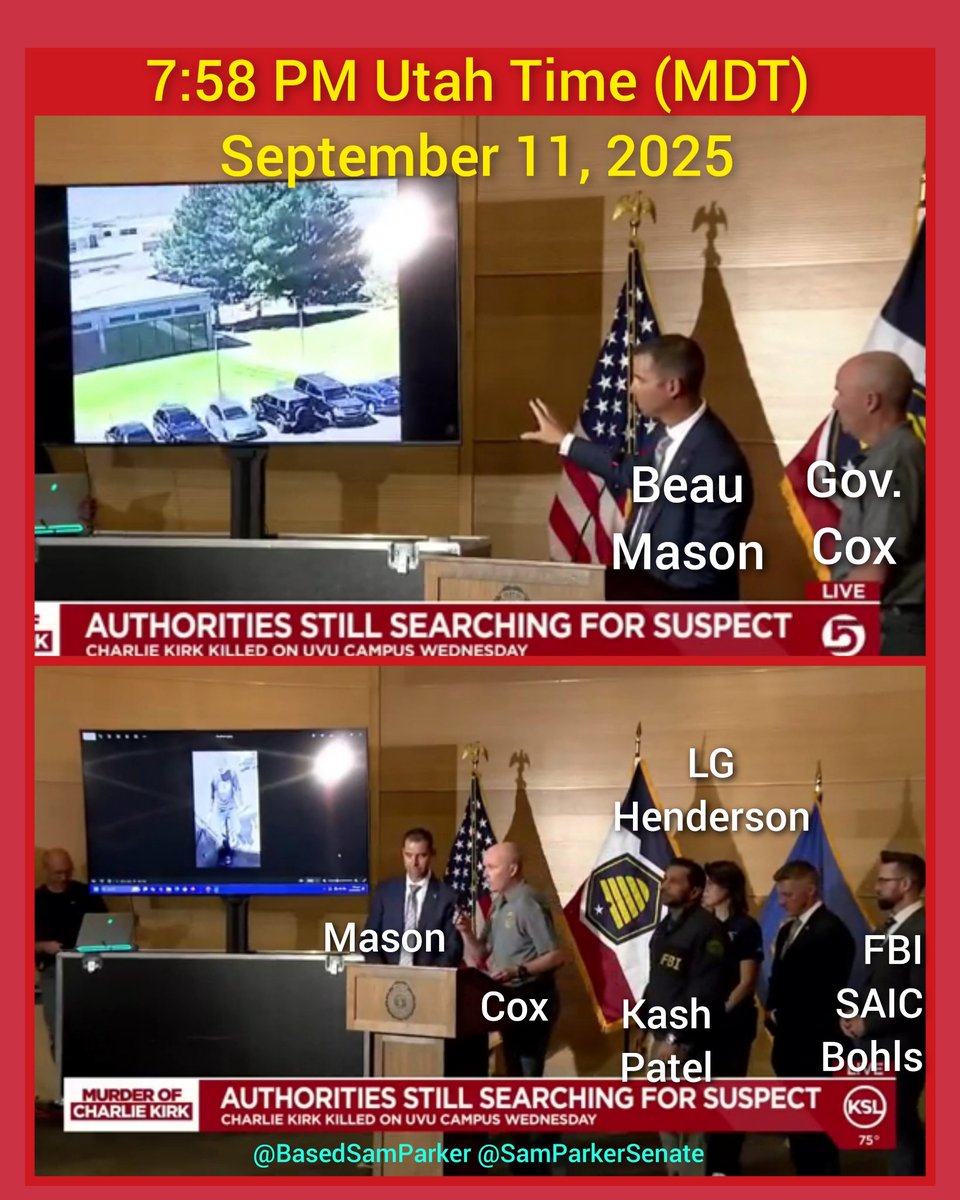
Shooting Time Disputes (12:23 vs 12:27 MDT)
12:23 or 12:27 — the two times circulate as if interchangeable. They are not: four minutes changes who was where, and every timeline on the site depends on which is right.
Read this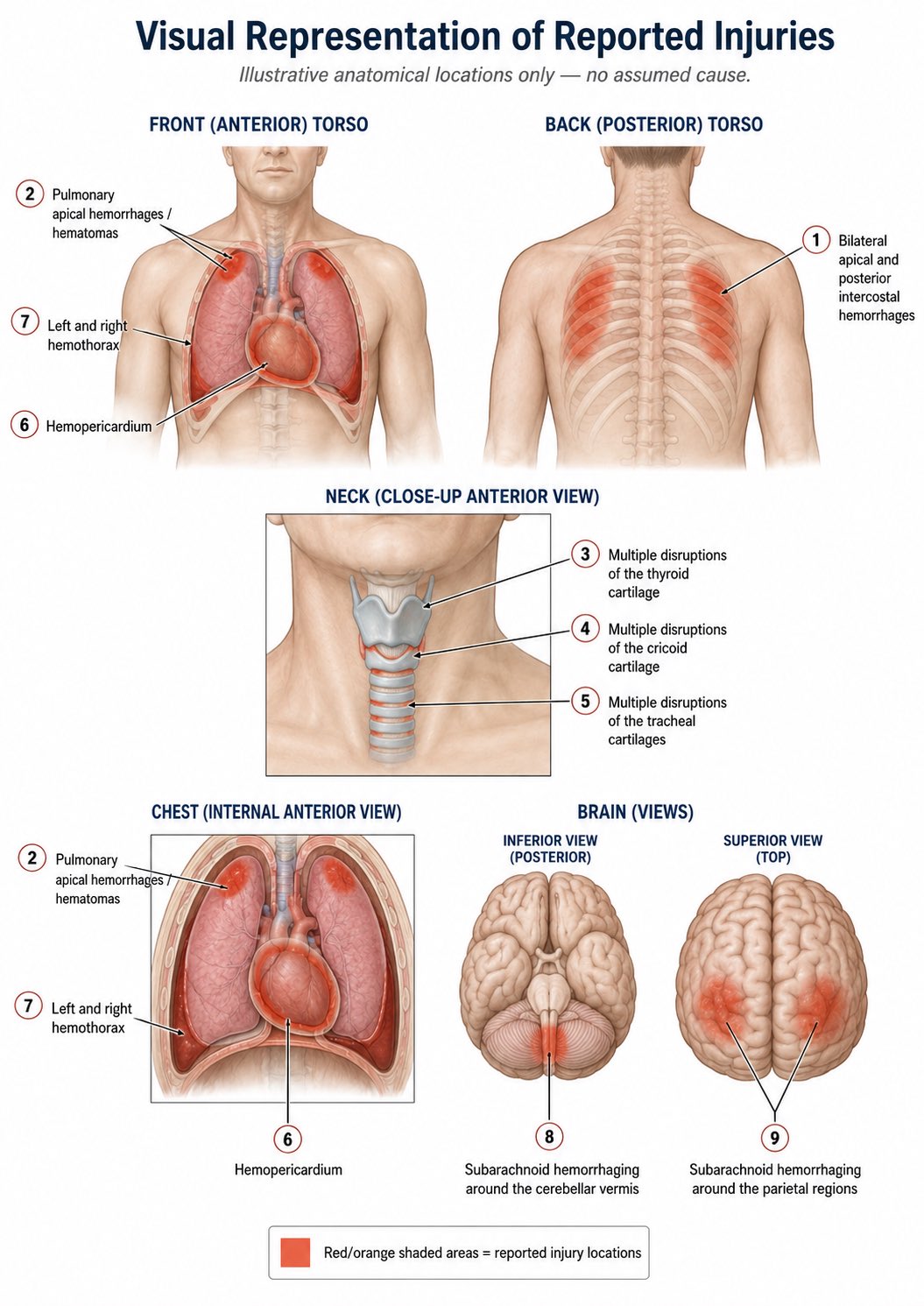
The central open question of the whole investigation, held open deliberately. Every piece of evidence on this site is ultimately argued against this page.
Read thisThis website's author is @HolonCitizen on X and YouTube/@HolonCitizen. Follow me there.
Interesting
- A former CIA man's reading of the shot puts its origin inside the tent, not the rooftop.
- An Egypt-registered Gulfstream parked at Provo carries an unexplained ownership classification.
- Reporting says the foreign-connection inquiry at NCTC was shut down mid-feud.