Suspicious by Defense Attorneys
:::caution Questions raised, not accusations Every attorney named on these pages is a living, practicing professional against whom no misconduct has been alleged in any forum. The items below are questions raised by commentators about a defense strategy they cannot see, in a case where the record is sealed and counsel are bound by a court publicity order. Nothing here is a finding, and much of it is answered by ordinary capital-defense practice. :::
Things citizen investigators find suspicious about Tyler Robinson's legal defense — how counsel was chosen, what the defense has and has not challenged publicly, and what its own filings appear to reveal.
The numbered list
- Parents reportedly declined high-end attorneys — and the claim the prosecutor blocked volunteers
- The Miranda timing came from a defense filing — a Bates-stamped exhibit quoted in a camera-exclusion motion
- Defense acquiescence to the sua sponte gag order — a judge's own-motion order nobody fought
- Kathryn Nester and the Google Trends spike — a December 2024 search graph read as foreign pre-selection
- The jailhouse informant transport order — Jaxson Thomas Fox and a closed hearing
- Missing surrender video and discovery volume — 28 agencies producing, one deleted tape
- Not-guilty plea versus the confession narrative — no sworn written confession exists
- Kent's halted probe as defense ammunition — a federal inquiry reportedly stopped over what it might hand counsel
- Baron Coleman says Robinson is in grave danger — "not supposed to survive to turn himself in"
Read this section skeptically — it argues against the rest of the site
This is the section most likely to change your mind in the direction you did not expect, because two of its loudest items collapse on inspection. The claim that Nester was "handpicked by the PROSECUTION" describes something that cannot happen: Utah capital counsel is appointed through the court and the indigent defense system, and a prosecutor has no authority to select, approve, or veto a defendant's lawyer. The companion claim that volunteer attorneys were "told no by the Prosecutor" fails for the same reason, and it also contradicts the first claim — one says the family declined counsel, the other says the state blocked counsel. Both cannot be true, and neither is supported.
The "cheap defense" theory is rebutted by the case file itself. Robinson is represented by a three-attorney team of nationally recognized capital specialists: Kathryn Nester, a former Utah Federal Defender with 33-plus years and nine capital cases; Michael Burt, 47-plus years and an editor of California's Death Penalty Defense Manual; and Richard Novak, with 25-plus death-eligible cases. Utah is reportedly spending upwards of $750,000 on it, which buys investigators and mitigation specialists no publicity-seeking volunteer could match. Declining free celebrity counsel in a death-penalty case is not a red flag — it is the advice a competent lawyer gives.
What survives is thinner but more interesting: the defense's own filing is where the 6:25 PM Miranda exhibit came from, which means counsel obtained it and put it in the record. Item 8 has a named federal source behind it: former NCTC director Joe Kent has said on the record that his center's foreign-nexus review was ordered to stop once Robinson was in custody — the halted inquiry commentators argue counsel should be demanding. The rest of the section mostly measures the defense's public silence — and public silence is exactly what a standing publicity order, sealed discovery, and the Sixth Amendment all require. Item 4's Google Trends evidence carries a defect worth internalizing before you read the other sections: Trends reports normalized relative interest and does not expose IP addresses, so "the searches came from Israel" is not something the tool can tell you, and for a low-volume name a handful of queries registers as "100." The same flaw generates the Trends claims about the judges and the informant, so it is one error producing four apparent data points, not four independent findings.
Interesting In This Area
- The 6:25 PM Miranda exhibit reached the public through the defense's own camera-exclusion motion.
- Utah reportedly spends $750,000-plus on three capital specialists, which no volunteer could match.
- One Google Trends error generates four apparent findings, including about the judges.
- Joe Kent's halted probe is the one item with a named federal source.
Interesting In Other Areas
- Nester, Burt and Novak were appointed through the court, never chosen by a prosecutor.
- Baron Coleman's claims in date order show which arguments he built on which.
- Volunteer attorneys were reportedly turned away while an unrelated inmate was moved.
- The indigency affidavit and appointment orders would settle who picked counsel.
Other Pages In This Section
Parents Reportedly Declined High-End Attorneys (Claims)
One unsourced list item says Robinson's parents declined high-end attorneys; a second says the prosecutor blocked volunteers. The two claims contradict each other, and a prosecutor cannot choose a defendant's counsel.
Read this
The Miranda Timing Came From a Defense Filing (Claims)
The 6:25 PM Miranda timestamp everyone quotes came out of a defense motion quoting a Bates-stamped exhibit — evidence the defense is working, not failing. Critics still ask why it has not become a public suppression fight.
Read this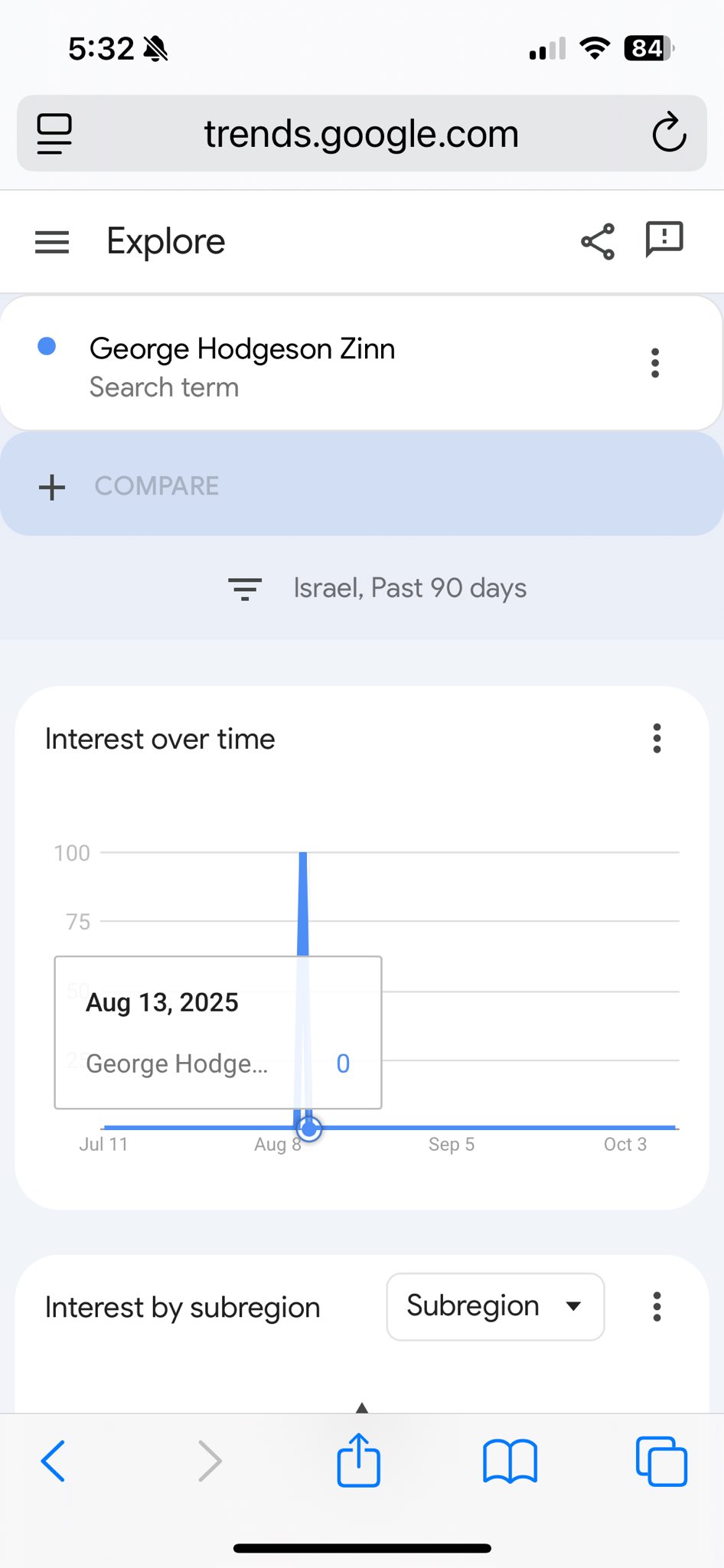
Kathryn Nester and the Google Trends Spike (Claims)
An anonymous post reads a December 2024 Google Trends graph as proof lead counsel was pre-selected from abroad. Trends cannot report IP addresses, and Utah law makes the claim's premise impossible — published here to be examined, not credited.
Read this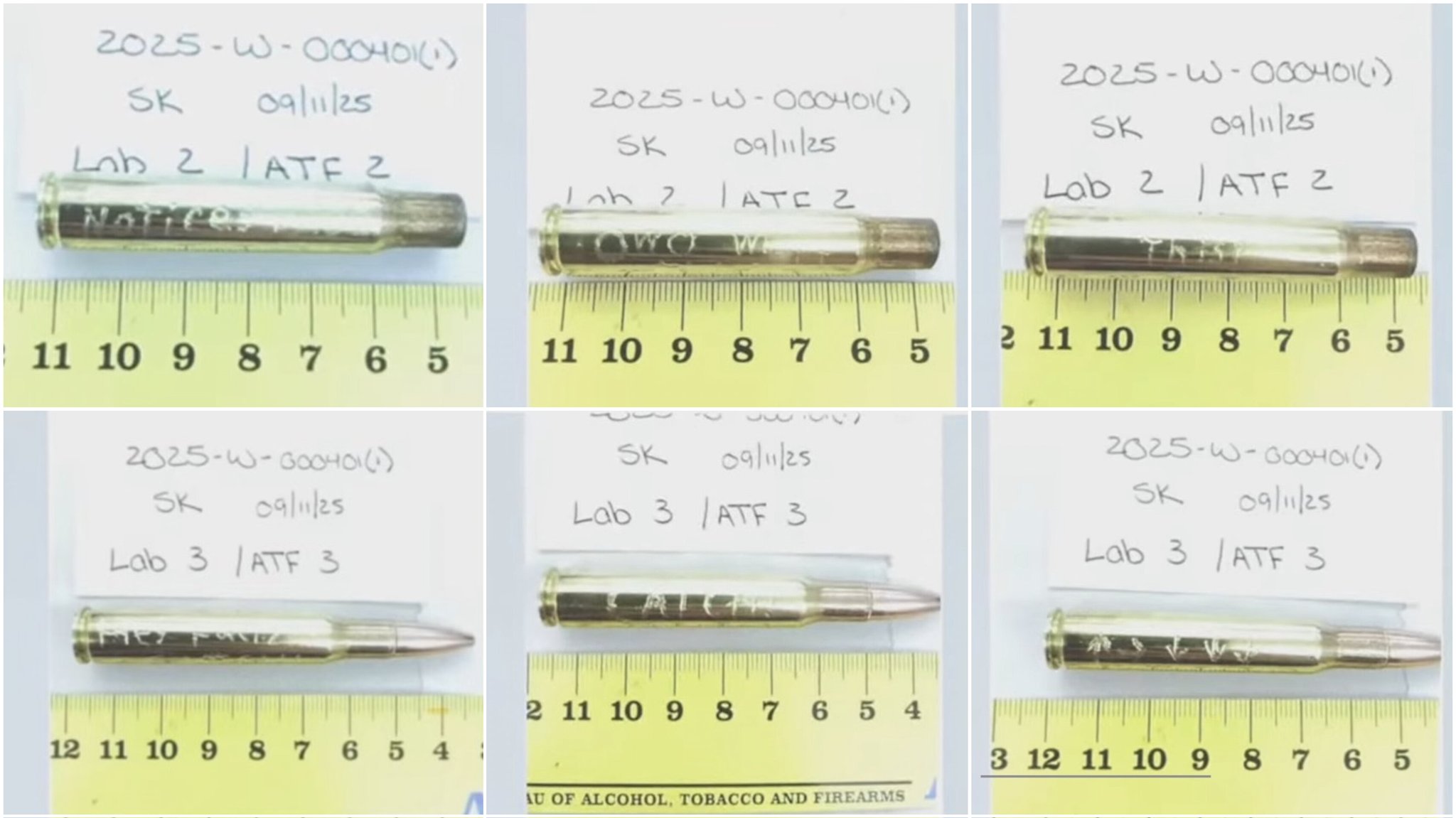
Kent's Halted Probe as Defense Ammunition (Claims)
Daily Mail reporting says officials worried Joe Kent's foreign-interference inquiry could hand Robinson's lawyers a multi-suspect argument. That single quoted sentence is why critics ask what counsel has done to demand the material.
Read thisElsewhere In The Investigation
Kathryn Nester leading, with Michael Burt, Richard Novak and Staci Visser — appointments, motions and the estimated cost of the capital defense.
Read this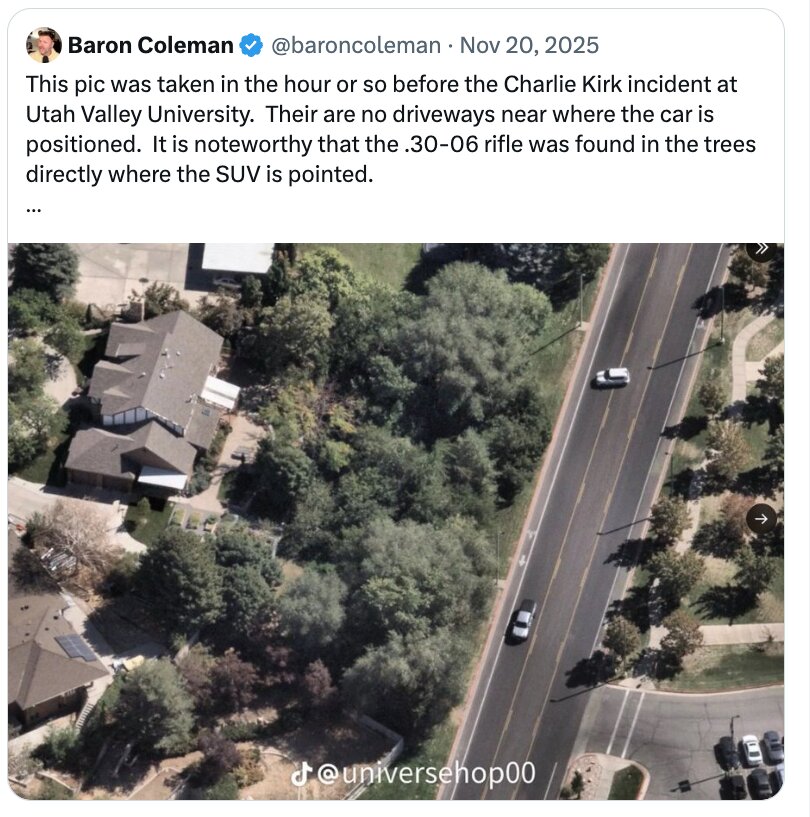
Baron Coleman Allegations & Timeline
Every Coleman claim in date order — the custody-versus-Discord argument, the Bates 003996-R2 Miranda reading, the grave-danger clip. Laid out chronologically you can see which claims he built on which.
Read this
Volunteer Defenders Reportedly Blocked, Jailhouse Informant Positioned (Claims)
Reported claims that volunteer attorneys were turned away while an unrelated inmate was positioned as a possible jailhouse informant. Two separate claims critics read together; each is weak on its own.
Read this
How Robinson's capital defense team was appointed, and what public commentary has claimed about the timing of it. Appointing specialised counsel in a death-penalty case is standard Utah practice.
Read thisThis website's author is @HolonCitizen on X and YouTube/@HolonCitizen. Follow me there.
Interesting
- An airport badge access list was reportedly modified the day after the assassination.
- One theory puts a tiny charge in Kirk's in-ear monitor, initiated over the PA path.
- A former Marine breacher argues for a shaped charge inside the crucifix pendant.