Ryne Simmons Reportedly Told to Delete His 4K Video (Claims)
:::caution Attributed claims only Asking a witness not to retain or circulate graphic footage of a homicide is a common and lawful request once the original has been secured. What follows are reported witness accounts, not findings that any agent did anything improper. :::
Claim snapshot
| Field | Value |
|---|---|
| The claim | Simmons says he filmed the shooting in 4K, sent it to the FBI to help, and was then instructed to delete his copy — with follow-up calls to confirm the deletion |
| Raised by | Ryne Simmons (his own account, via @ninoboxer); a parallel claim about Skyler Baird as characterized by @ProjectConstitu |
| First surfaced | @ninoboxer post; @ProjectConstitu post |
| Rests on | Named witness account — the witness describing his own experience |
| Evidence rating | EMERGING — but stronger than an anonymous claim |
What is alleged
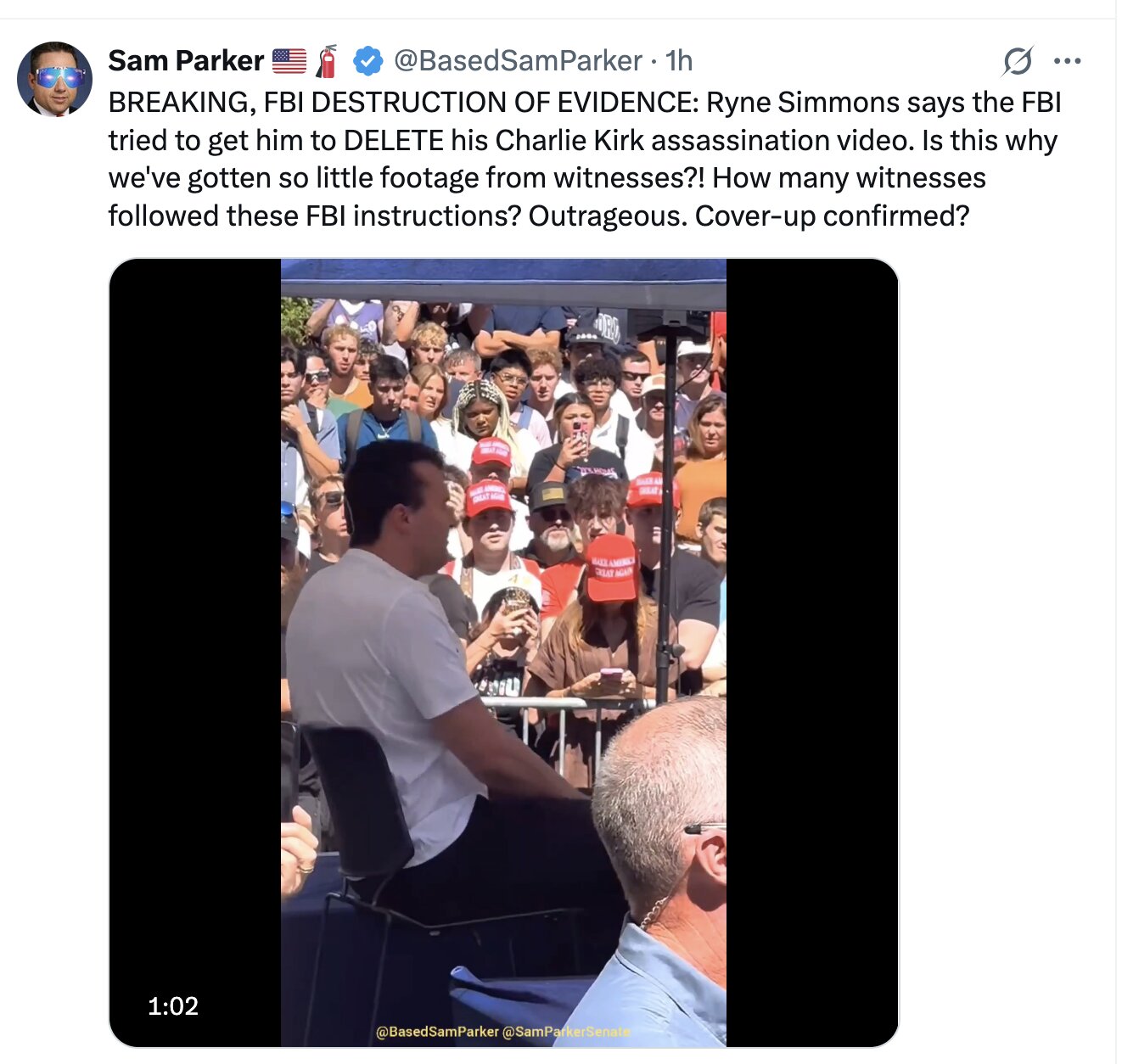
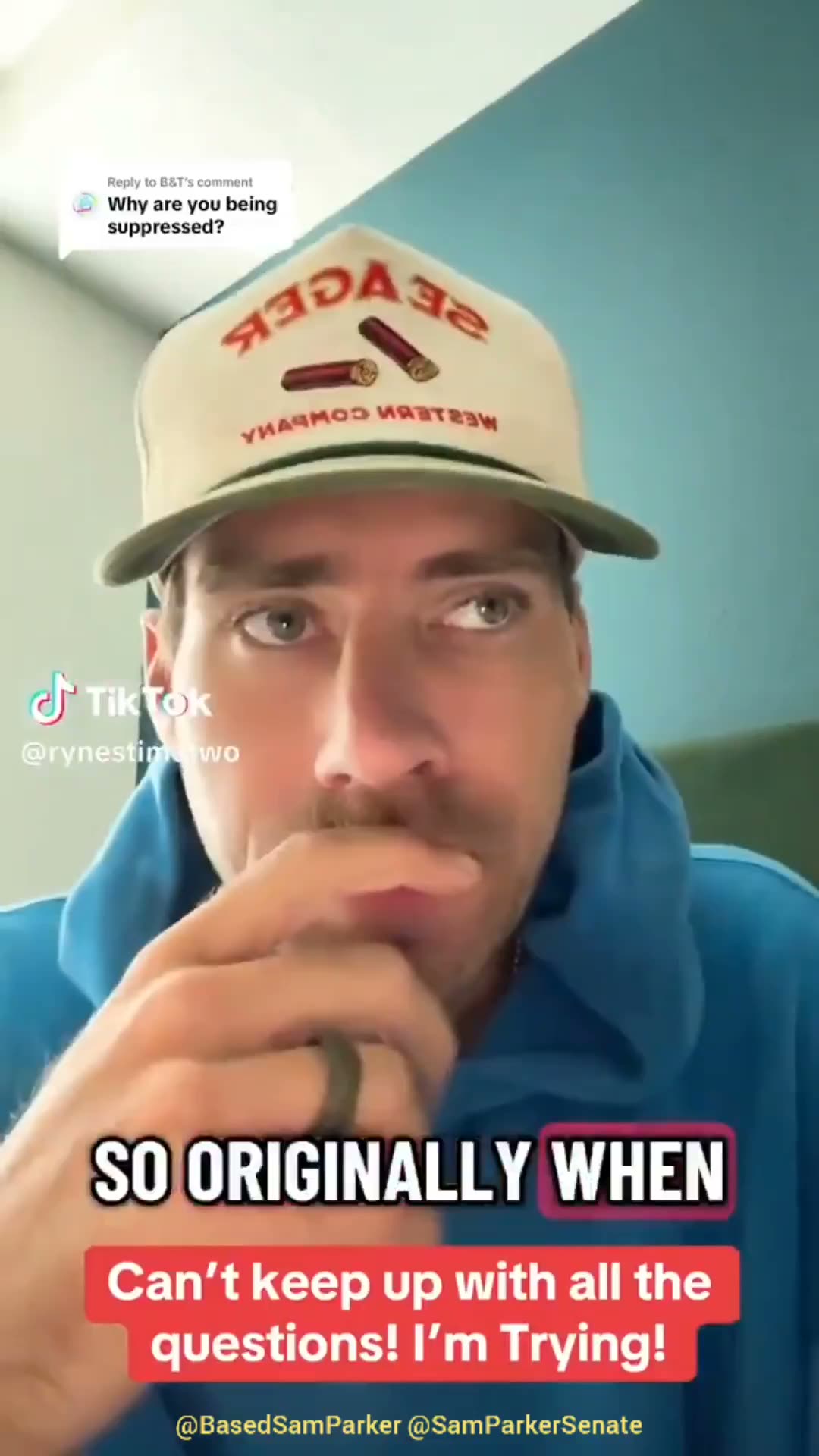
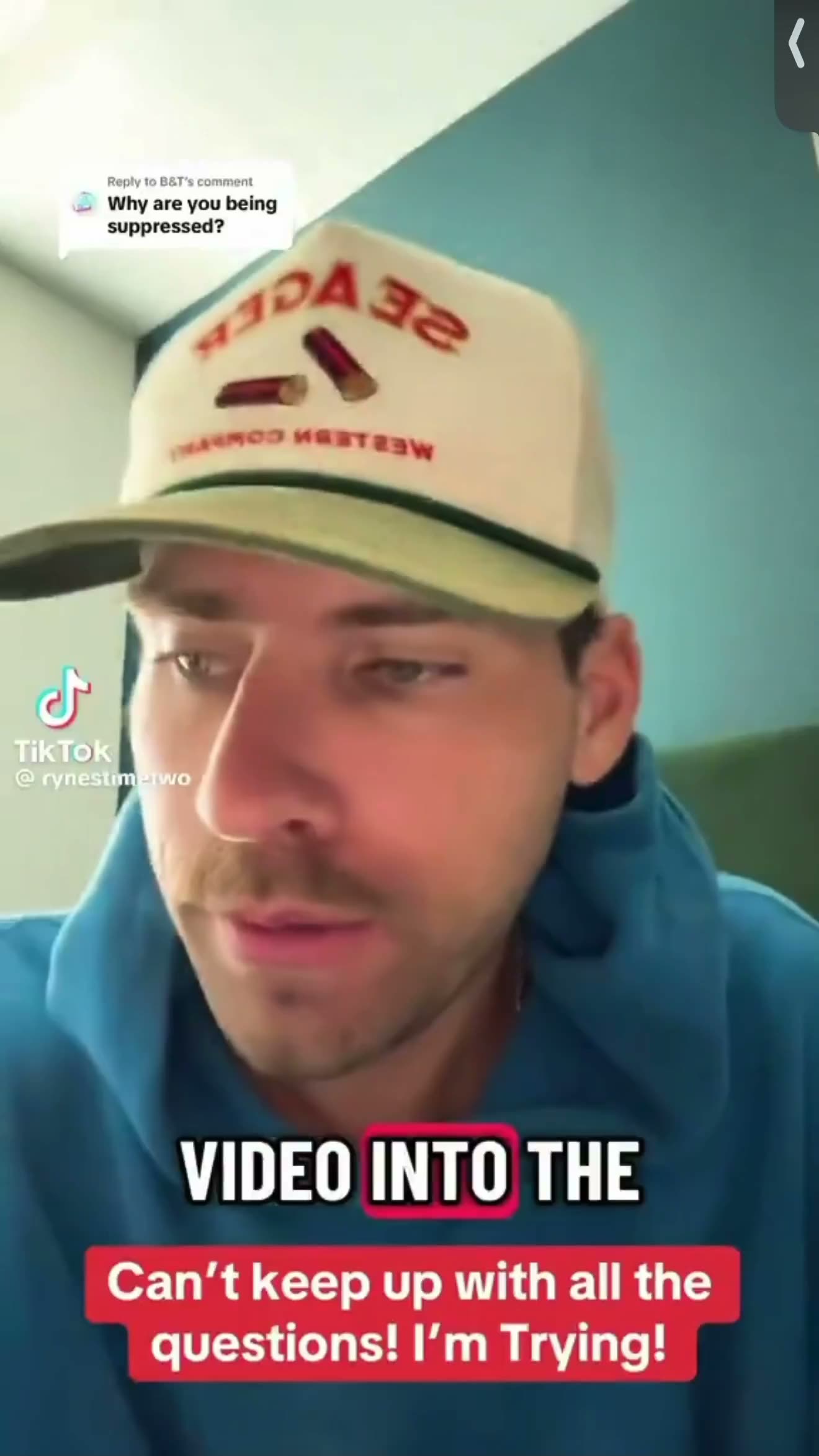
Ryne Simmons says he witnessed Charlie Kirk's assassination and filmed it at 4K, 60 frames per second — by the investigation file's description, a close-up and a critical piece of footage. Per his account, he sent the video to the FBI to help investigators. He says he was then instructed to delete his copy. The investigation file adds that the FBI "at Federal level called a few times to make sure video was deleted."
Simmons reportedly saved the footage anyway. That detail matters in both directions. It undercuts any suggestion he was compelled — nobody seized his phone, and he retained the file — but it is also the reason the account can be examined at all, because a witness who complied would have left nothing behind.
A parallel claim runs alongside it. Per @ProjectConstitu, eyewitness Skyler Baird said federal agents asked him to delete phone footage, and the request was framed as being for his own psychological wellbeing — a "PTSD" rationale. That post is written in a highly rhetorical register and makes a wide sweep of additional claims about archive sites and metadata that are not evidence for this specific item and are not adopted here. The narrow, checkable core is: a second named witness reportedly describing a similar request.
The investigators' argument is that the highest-resolution independent footage of the shooting — the kind of record that could resolve trajectory, timing, and the question of how many shots were fired — is precisely the footage a witness was asked to stop holding. Their inference is that a curated public record is easier to manage than a distributed one. That is the inference; it is not established.
The ordinary explanation
Once the FBI holds the original file, agents routinely ask witnesses not to retain or circulate graphic footage of a homicide, and the reasons are entirely respectable. Publicly circulating video of a killing prejudices the jury pool in a capital case, which the defense would rightly move on. It hands the investigation a chain-of-custody headache when a dozen re-encoded copies begin circulating with the original's metadata stripped. And distributing a video of a man being shot to death is genuinely harmful — to the witness who filmed it, to a grieving family, and to the public. A "PTSD" rationale offered to a traumatized eyewitness is not obviously a wink; it may simply be what an agent actually believed.
A request is not an order. The FBI had no authority to compel deletion, did not seize the device, and the plain fact that Simmons still has the file demonstrates no compulsion occurred. Repeat calls are consistent with ordinary evidence-handling follow-up, particularly where an agency is trying to establish, for the record, whether duplicate copies of a piece of evidence remain in the wild — which is something a prosecutor will be asked about at trial.
The strongest version of this item is therefore not "the FBI suppressed evidence." It is the narrower and still legitimate question of whether asking a witness to destroy his own copy of evidence in an active homicide is the right practice at all, given that it puts the sole surviving record in the hands of one party.
What would settle it
- Obtain Simmons's 4K file with intact metadata and have it independently examined — he reportedly still has it.
- Ask the FBI, on the record, whether any policy or guidance authorizes requesting that witnesses delete original recordings of a crime after submission.
- Pull the contact log for the reported follow-up calls: dates, times, and the field office or unit that placed them.
- Ask Skyler Baird directly, on the record, what he was told and by whom.
Interesting In This Area
- Selective 4K release asks why a tribute reel used the footage instead.
- An executive reportedly removed SD cards from a camera behind the stage.
- The FBI section overview rates a named witness above an anonymous claim.
- Prosecutors were accused of withholding the rooftop video from the defense.
Interesting In Other Areas
- The Simmons account is tracked as a censorship item too.
- A second witness reportedly describes the same request, framed as trauma care.
- Eyewitness and mobile video is most of what the public has seen.
- Witnesses repeat the same wrong detail, which independent footage could settle.
Images
Videos
Footage related to this page. Each card opens that clip's own page, with the video, the full write-up, and its source.
Other Pages In This Section
A Surgeon Reportedly Blocked From Kirk's Room (Claims)
An unsourced list entry says the FBI blocked a surgeon from returning to the room with Charlie Kirk. No name, no hospital record, no source anywhere in the file — kept only so it can be run down.
Read this
The N1098L Low Pass at 12:24 (Claims)
A HADES-program aircraft reportedly made a 335-foot low pass near UVU at 12:24, thirty seconds after the shot. No aircraft can react in thirty seconds, so the pass is either coincidence or pre-positioning — and the file's own numbers conflict.
Read this
The Shot Time: 12:23 or 12:27? (Claims)
The investigation file records two shot times, 12:23 and 12:27, and asks itself which is right. The 12:27 figure is never sourced, and every other reconstruction in the file settles on 12:23:30.
Read this
The Hamptons Intervention and the Death Question (Claims)
Charlie Kirk reportedly described an August 2025 Hamptons gathering as an intervention. Seth Dillon denied any angry confrontation, and Erika Kirk reportedly recalled a donor asking what would happen if he died.
Read thisElsewhere In The Investigation
Ryne Simmons — FBI Video Deletion
A witness says he sent the FBI close-up 4K 60fps footage of the moment Charlie Kirk was killed, then was called repeatedly and asked to delete it. He says he kept a copy. Deletion over preservation is a transparency question, not yet a court finding.
Read this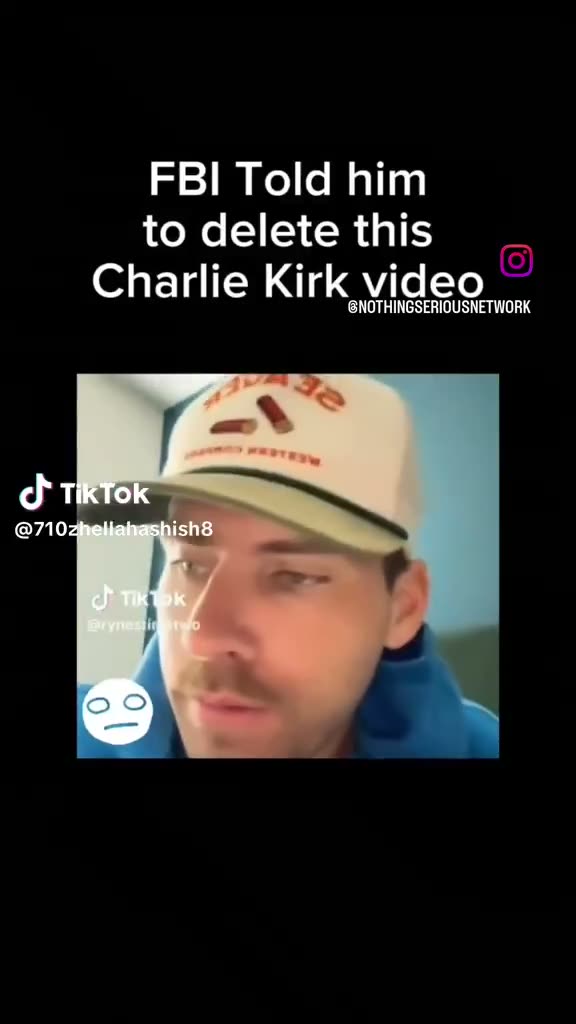
FBI Asked a Witness to Delete Their Video (Claims)
A witness says the FBI asked him to delete his own footage. It is one of the sharpest cover-up claims on the site — and it is a claim, attributed to the witness who made it.
Read this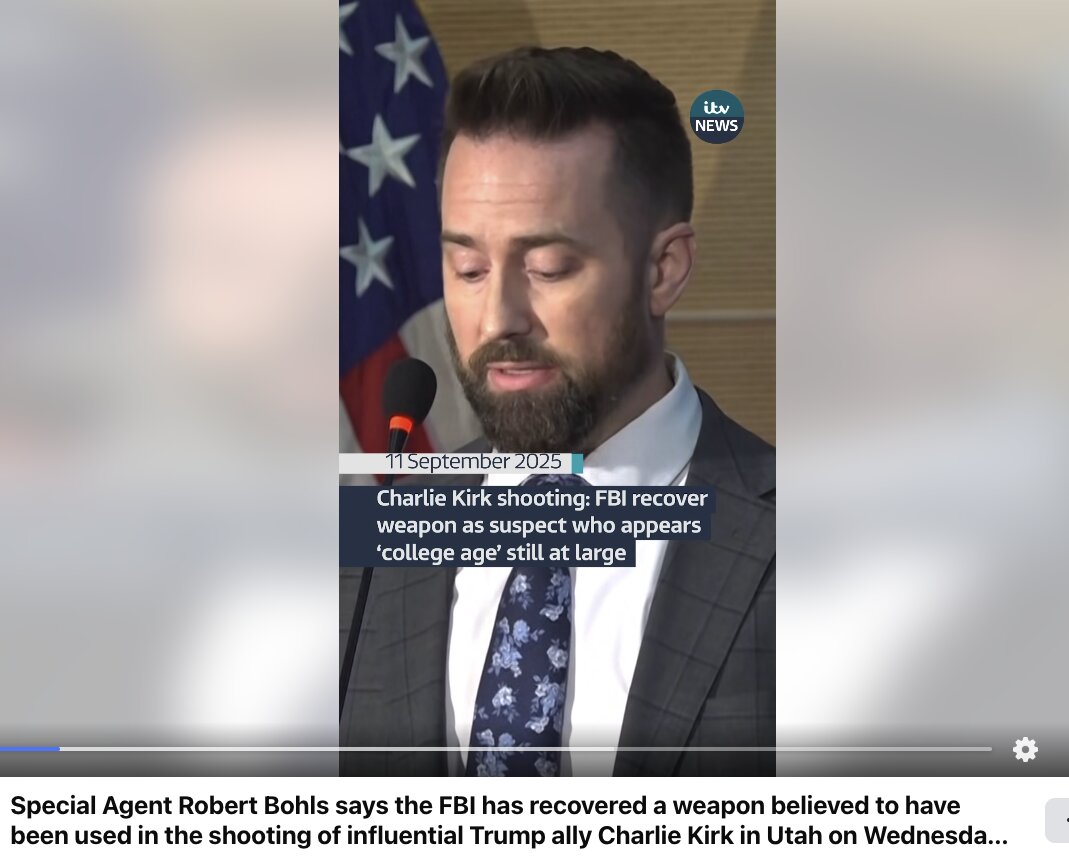
Dozens of phones were recording. Their combined coverage is more complete than the institutional cameras that were never released, which is why the crowd's footage keeps mattering.
Read this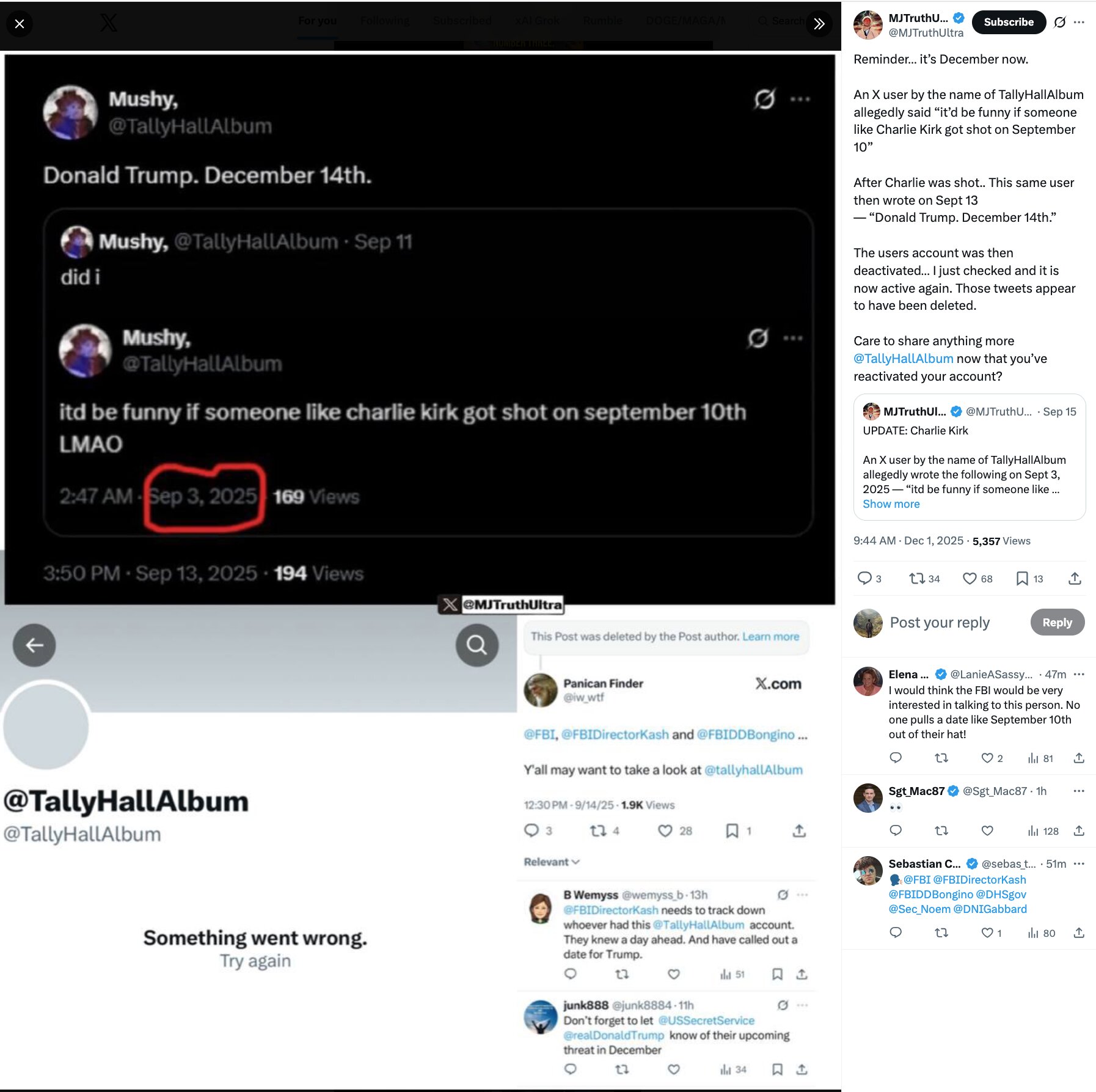
Wrong Witnesses — Why the Same Wrong Detail?
Several on-camera witnesses described a chest or heart wound within minutes of the shot. None has been called to testify in the case built on the state's rifle theory, so the accounts survive only as interviews.
Read thisSources
This website's author is @HolonCitizen on X and YouTube/@HolonCitizen. Follow me there.
Interesting
- Aerial footage from a news helicopter over the roof reportedly shows no screwdriver.
- GRAMA emails reportedly show staff discussing threat levels the day before, plus rapid re-paving after.
- Researchers still cannot answer who owned the house the gun was left at.