The Courtyard Paved Over Days After the Shooting (Claims)
:::caution Attributed claims only Restoring a campus after a scene is released is a normal and expected act by a university, and no one described here has been charged with or found to have committed any wrongdoing. Governor Spencer Cox, Dan Merrell, and the other named individuals are living people; the material below consists of reported first-person and secondhand accounts, presented as claims and questions rather than findings. :::
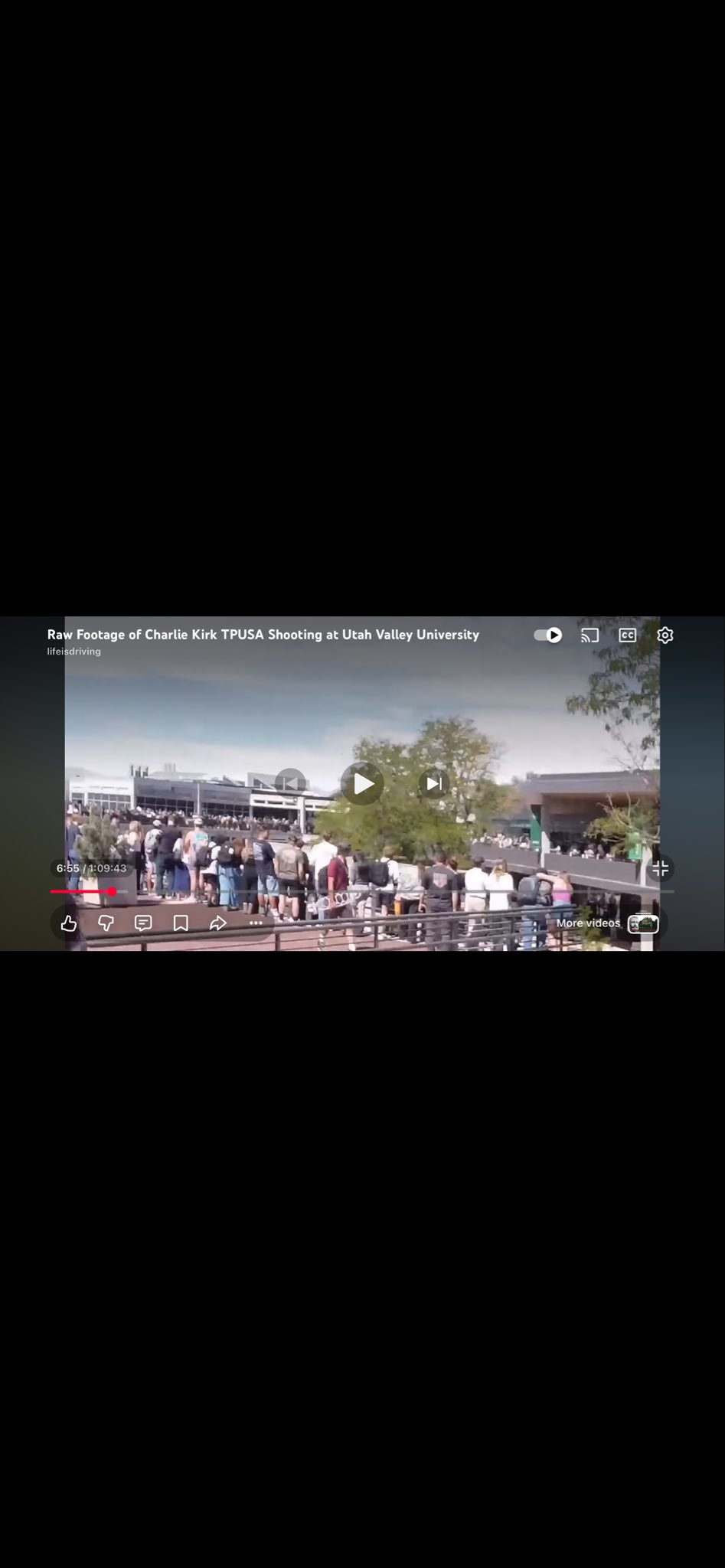
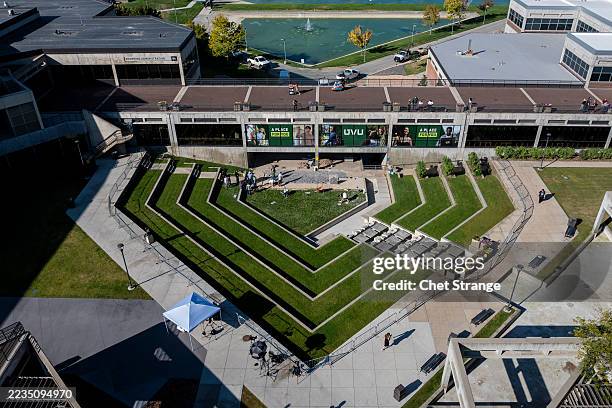
The stakes here come from the location: this is the patch of ground where Charlie Kirk was killed, and it is the same surface that would carry any residue consistent with the explosive-device finding.
Claim snapshot
| Field | Value |
|---|---|
| The claim | The ground where Kirk was shot was excavated and paved four days later, reportedly on a rushed state and federal deadline |
| Raised by | Dan Merrell (on video, under his own name); @ShadowofEzra; Candace Owens |
| First surfaced | Merrell video shared May 21, 2026; install reportedly Sept 14, 2025 |
| Rests on | Named witness account on video, quoting an unnamed third party |
| Evidence rating | MODERATE |
What is alleged
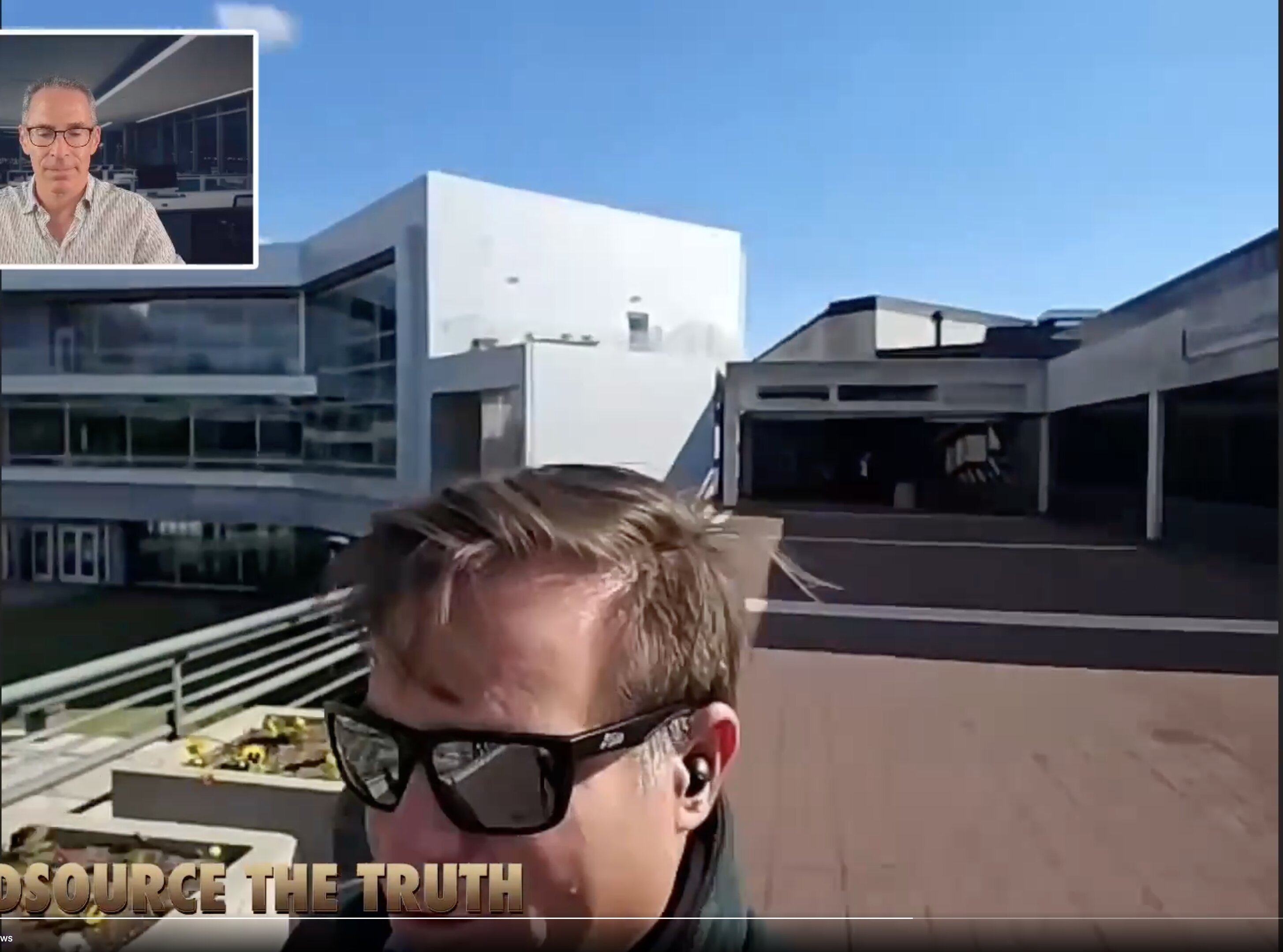
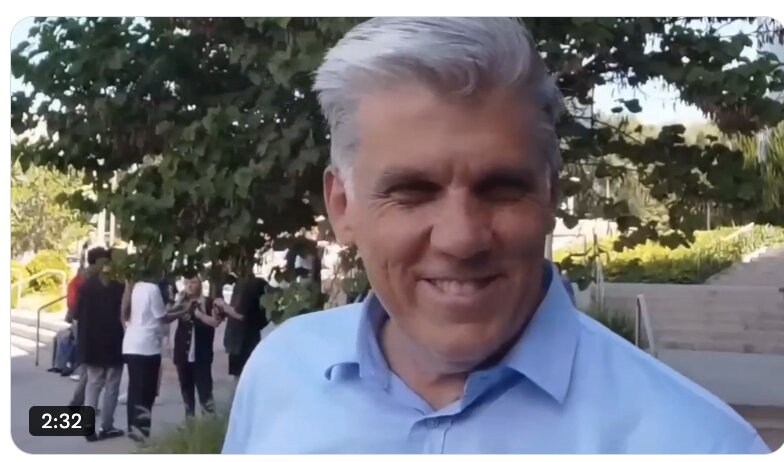
Contractor Daniel "Dan" Merrell of Hardscape Utah says on video that he was called in to install pavers over the UVU courtyard and showed up to help. In his own account, he describes two coordinators on site — one he says was in charge of a state-owned facility in American Fork, the other a maintenance groundskeeper at a Provo facility — and quotes the second man as telling him: "This is above our pay grade. The FBI and the state — the governor and the FBI — that's what they told me. The governor and the FBI said they want this done by Monday. And we need to get it done." Merrell also says the coordinator told the crew they were not talking to anybody or saying anything to the media.
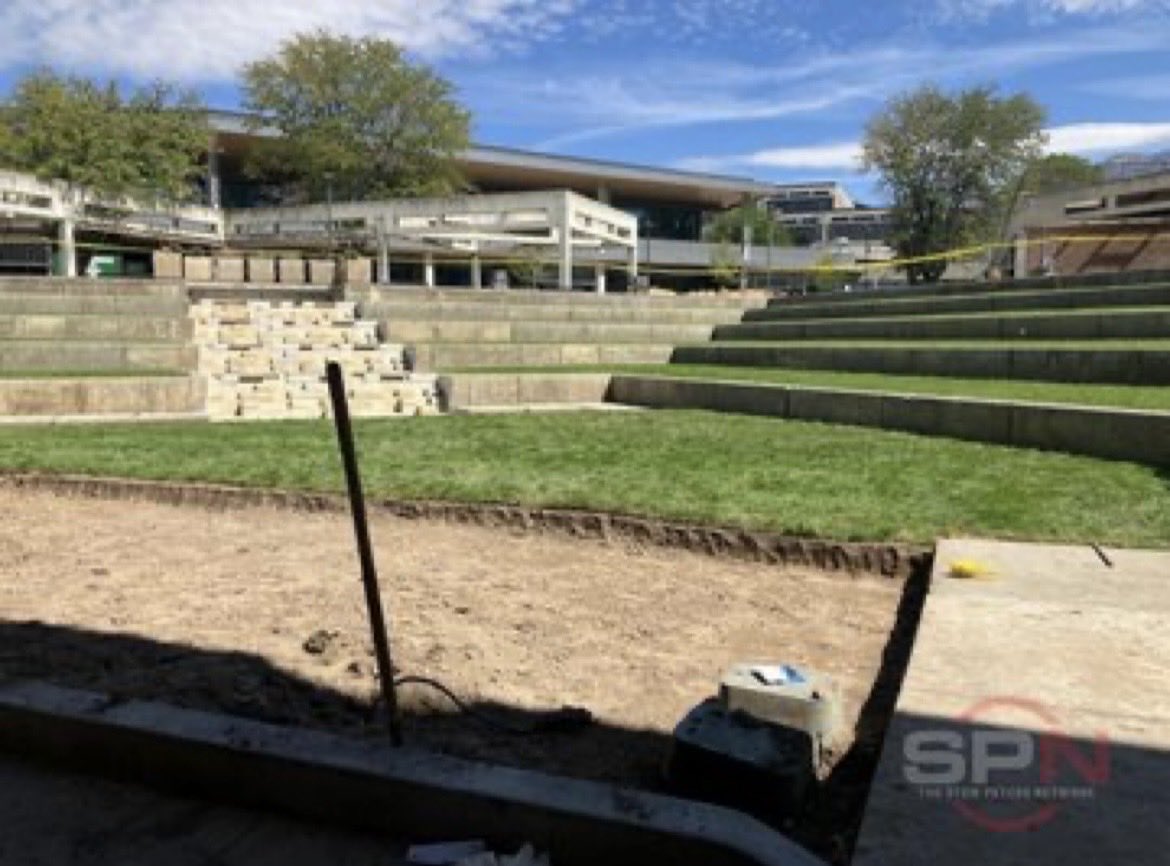
The paver installation is reported as taking place on Sunday, September 14, 2025 — four days after the shooting — with researchers alleging roughly eight to ten inches of soil were excavated. Merrell himself describes the excavation in ordinary trade terms: "to do pavers correctly you over-excavate, you get rid of the top... you want to get a good base."
Separate compiled notes in the investigation file make a set of additional claims about a company recorded as "Hardscape Specialties LLC": that it performed the tent-area paving, that it had been dormant for roughly twenty years before being revived in February 2025, that owner Michael Powell is a Utah Attorney General special agent, that co-owner Burton Romrell is former UVU operations staff, that the work order issued two days after the shooting, and that no public bidding process is mentioned. Those notes remain unverified and are not corroborated by Merrell's account, which names a different firm. The same notes record that UVU said the work was prescheduled, and that reporting which examined a rumor blaming the suspect's father's company found no credible link.
The ordinary explanation
Once investigators formally released the scene, a university had a strong and entirely ordinary interest in getting that ground covered fast. Ten thousand or more students were about to return to a campus with a blood-stained patch of dirt in the middle of it — that is a public-health matter, a grief-management matter, and a question of whether the school wanted a permanent morbid landmark in its main courtyard. A "by Monday" deadline is precisely what you would expect for a campus reopening at the start of a school week, and weekend work is how you hit a Monday date without students underfoot. Merrell's description of over-excavating to build a proper base is standard paver installation practice, not evidence removal.
The attribution is also the weakest link in the chain. Merrell is relaying, secondhand, what an unnamed on-site coordinator told him about who wanted the work done. That is hearsay about attribution — a groundskeeper's paraphrase of an instruction, several removes from anyone who could actually issue one. It is not proof that any governor or bureau gave the order, and a coordinator saying "above my pay grade" is the most common way a mid-level employee describes an instruction from anywhere above him. On procurement, hardscape work of this size can fall under bid thresholds or emergency-procurement rules, which exist for exactly this kind of situation.
What would settle it
- Obtain the UVU work order and purchase records for the courtyard job — the issuing date, the authorizing signature, and the procurement route used.
- Obtain the scene-release documentation showing when investigators relinquished the courtyard and whether soil was collected as evidence first.
- Identify and interview the two on-site coordinators Merrell describes, who are the only people who can say who actually told them "Monday."
- Obtain UVU's records supporting its statement that the work was prescheduled — a prior contract or calendar entry would resolve the timing dispute outright.
Interesting In This Area
- Residue would have sat in that soil, which is the whole stake.
- Bomb dogs were reportedly kept away from specific areas that day.
- The SUV was destroyed, removing the other surface that could carry traces.
- Forensic access was reportedly denied to the defence as well.
Interesting In Other Areas
- Dirt removed before pavers documents the excavation depth investigators cite.
- Dirt removed is the same event read as evidence destruction.
- Crime scene paving covers the federal side of the same job.
- Dirt replaced with cement ties it to the residue argument.
Images
Other Pages In This Section
The Gun Drop Location and the Search Sequence (Claims)
The official account reportedly places the car at UVU at 8:29am and never says when it left. Add the unaccounted buildings beside the rifle drop and a screwdriver that appears in reporting but not in the charges. A probable-cause affidavit is a minimum-threshold document, not a case file.
Read this
SUV Interior Photos With Blurred Windows (Claims)
Four photographs of the transport SUV interior — a fragment on the seat rail, scattered debris, one blurred pane. Blurring is routine redaction applied by whoever prepares an image for release, and this set was not released by law enforcement.
Read thisThe Necklace, Cavitation and Residue (Claims)
Two theories explain the snapped necklace, and they refute each other: one requires a fast projectile, the other requires no projectile at all. Presenting both as converging evidence is how a file talks itself into a conclusion.
Read this
The Wound Trajectory Entrance-Exit Dispute (Claims)
No exit wound, the neck is the exit, or there was no bullet at all: three theories argued from the same footage, which is itself evidence the footage does not decide it. No pathologist has endorsed any of them.
Read thisElsewhere In The Investigation
10 Inches of Dirt Removed Before the Pavers
By the time the paving contractor reached the courtyard on Sunday, September 14, roughly ten inches of soil was already gone — taken by an earlier, still-unidentified crew described only as men working for the state.
Read this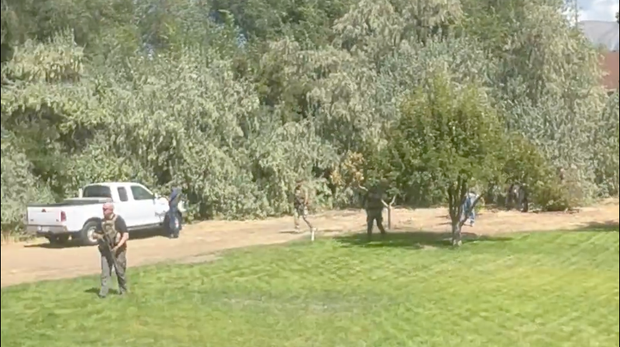
Ten inches of dirt reportedly taken out of the courtyard, and pavers laid over the ground where he fell. Whatever residue that soil held is gone.
Read this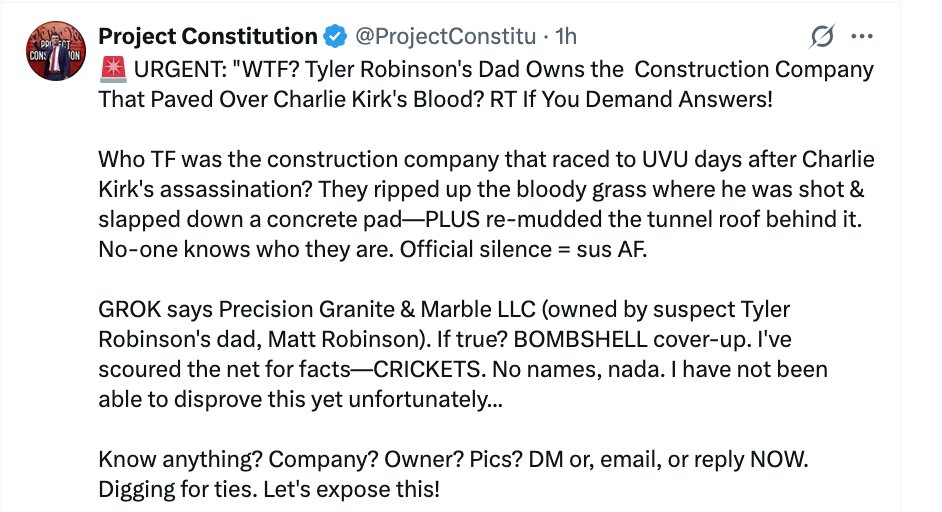
The contractor says he was told "the governor and the FBI said they want this by Monday" and laid pavers four days after the killing. Doing pavers correctly means over-excavating — stripping the exact soil layer residue clings to.
Read thisLandscaping Crew Replaced Dirt With Cement / Pavers
Soil was hauled out of the tent courtyard and pavers went down over the exact spot where Charlie Kirk fell. If that ground would have shown residue, it is gone.
Read thisSources
- @ShadowofEzra, video of Dan Merrell: https://x.com/ShadowofEzra/status/2057560145379708956
- Investigation file transcription of the Merrell video
- Investigation file compiled notes on "Hardscape Specialties LLC" (unverified; no primary source cited)
This website's author is @HolonCitizen on X and YouTube/@HolonCitizen. Follow me there.
Interesting
- Web archives reportedly show a TPUSA officer listed on Sept 1 and gone afterward.
- One index asks whether the 7:57 PM Discord posts are coherent with custody.
- A whistleblower video reportedly describes Israel loyalty questions put to new TPUSA hires.