The Unknown Woman Who Reportedly Signed the Medical Examiner Report (Claims)
:::caution The weakest item in this section This page exists so the claim can be substantiated or retired, not because it currently supports any conclusion. It rests on an anonymous secondhand direct message with no name, no document, and no corroboration. Dr. Deirdre Amaro and any staff of the Utah Office of the Medical Examiner are living professionals who have not been charged with or found to have committed any wrongdoing, and nothing here should be read as suggesting otherwise. :::
Claim snapshot
| Field | Value |
|---|---|
| The claim | Kirk's autopsy was "signed off" by a young woman the medical examiner had reportedly never met |
| Raised by | The investigation file's compiler, relaying an unnamed personal contact via direct message |
| First surfaced | Undated in source |
| Rests on | Secondhand hearsay — an anonymous DM |
| Evidence rating | THIN |
What is alleged
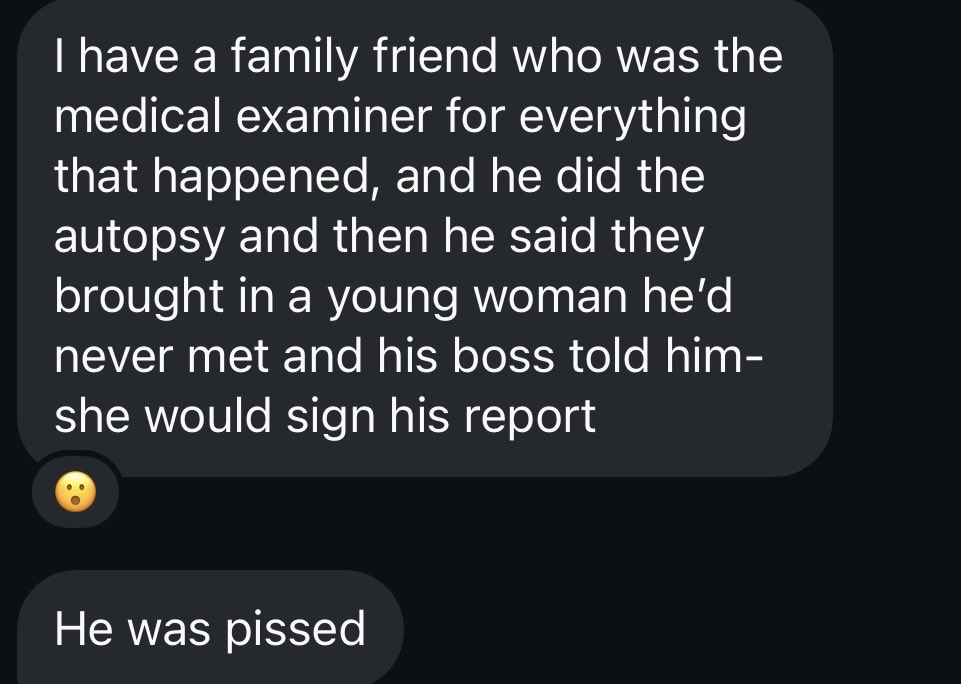
The investigation file records the item in a few lines, and is candid about where it came from. The claim is that Charlie Kirk's autopsy was "signed off" by a "young woman that he (the medical examiner) had never met before." The file's compiler frames it as another instance of "first time trying something new" around the case.
The reasoning attached to it is procedural rather than evidentiary. As the file puts it: when a report is done, it is considered a draft until it is signed, and in that window changes can be made. The person raising it concludes that it "would be interesting to speak to the medical examiner and see if anything was altered." The suggestion, then, is not that any specific alteration is known to have occurred — it is that an unfamiliar signatory creates an opportunity for one.
The file states the provenance explicitly and without embellishment: "This is a personal DM from a friend I knew in my college days." That is the whole of it. There is no name, no office, no document, no date, and no second person who has said the same thing.
The ordinary explanation
The premise of the claim misunderstands how a medical examiner's office works. These offices are staffed by multiple credentialed forensic pathologists, fellows, and associate examiners, and it is completely routine for a report to be signed by an authorized deputy or associate examiner rather than by the office's public-facing chief. Cases are assigned by rotation and workload, not by celebrity — the pathologist who catches a high-profile decedent is very often simply the one who was on rotation that morning. A report bearing a name the public does not recognize is the normal output of a normal office.
Reports also carry a technical reviewer or co-signer by design, as quality control. A second signature is not an irregularity; it is the safeguard working. And the observation that a report is a draft until signed is true of every document in every professional discipline — it describes the existence of a drafting process, not evidence that anything was altered during one.
The core problem is simpler than any of that. A third party would not personally know the examiner assigned to a given case, and his not recognizing a name says nothing whatsoever about the report's validity. The claim's entire structure is: an unnamed person told someone that another unnamed person was unfamiliar to a third unnamed person. There is no document behind it and nothing in it that can be tested as stated. It is listed here only so that it can be either substantiated or dropped, rather than circulating indefinitely unchecked. A claim that cannot be checked is not evidence of anything, and the honest thing to do with one is say so.
What would settle it
- Identify the source. Until the person making the claim is named or the DM is produced with attribution, there is nothing here to investigate.
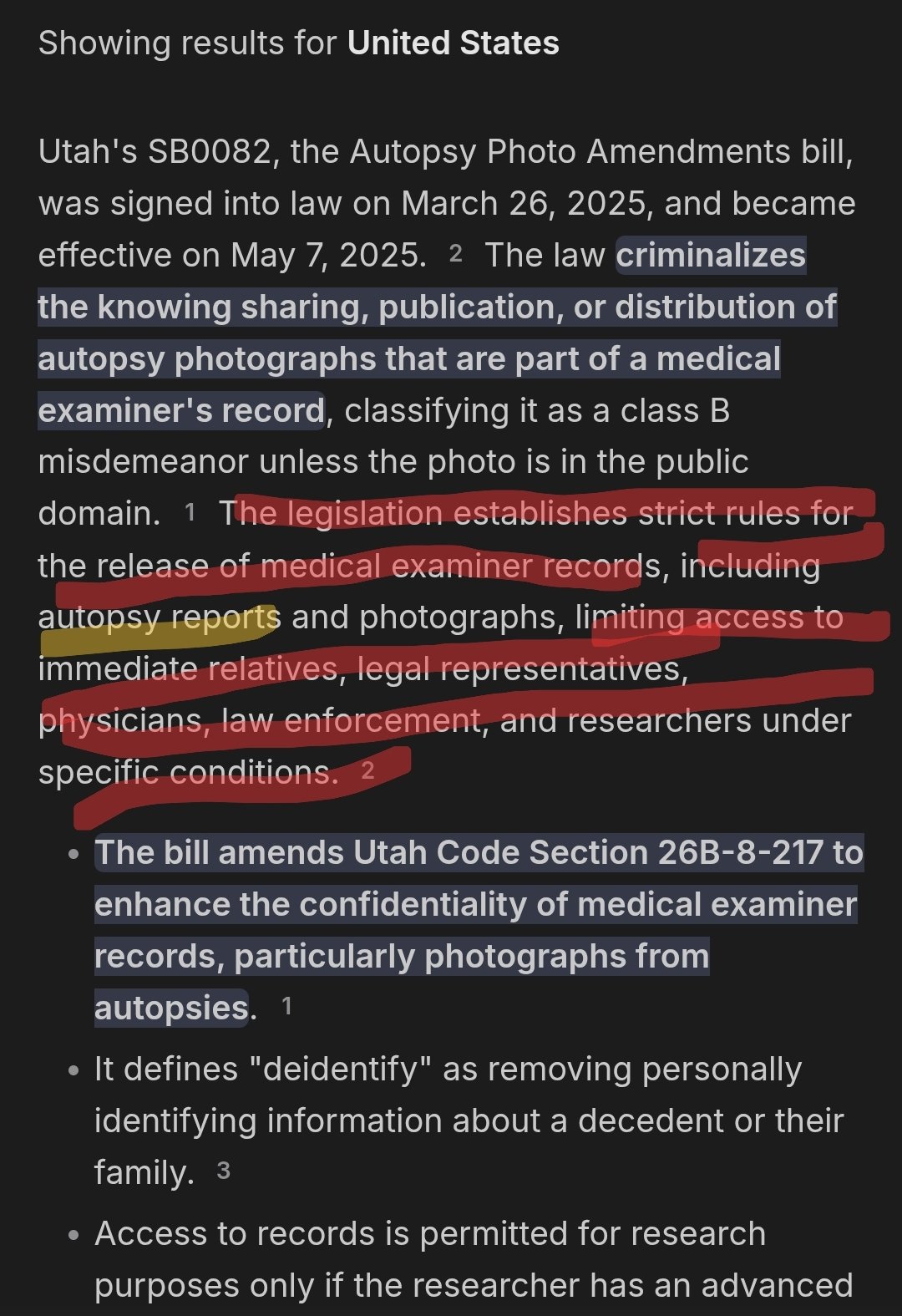
- Obtain the autopsy report's signature block through the criminal proceeding, which would show who signed and in what capacity.
- Request the Utah Office of the Medical Examiner's staff roster and case-assignment policy, which would establish whether an associate examiner signing is ordinary — and it almost certainly would.
- If a specific alteration is being alleged, state what it is. As written, the claim does not allege one.
Interesting In This Area
- The no-autopsy claim is the adjacent item, answered by sealing practice.
- A surgeon was reportedly blocked from the operating room.
- Surgeon search trends is another claim built on a tool that cannot say it.
- The wound dispute is what a signed report would resolve.
Interesting In Other Areas
- Doctors question the examiner report collects the medical objections raised publicly.
- Forensic tests skipped lists what investigators say was never run.
- Wrong witnesses shows how often anonymous accounts have failed here.
- Official statements is where any actual signature would be documented.
Images
Videos
Footage related to this page. Each card opens that clip's own page, with the video, the full write-up, and its source.
Other Pages In This Section
Eleven things citizen investigators flag about state and local agencies — the booking paperwork, the missing surrender footage, the paved-over courtyard, the GRAMA warnings. The list is ordered roughly by strength, and it thins out fast. Start at item one and watch the burden shift back onto the claim.
Read this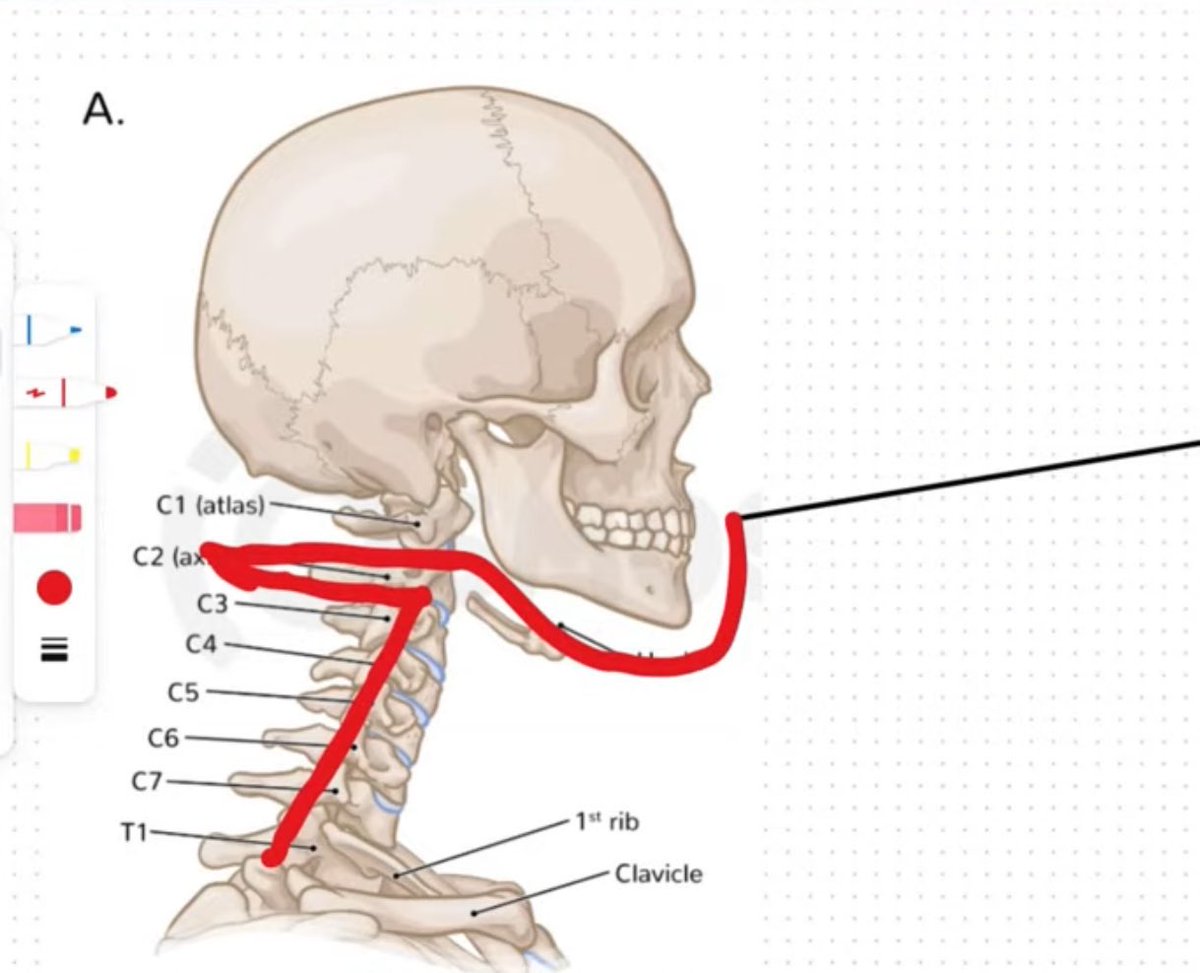
Chest Wound Accounts Versus the Neck Wound (Claims)
The earliest witnesses on camera all described a wound to the heart. The charging document describes blood from the left side of the neck. Eyewitness memory of sudden violence is famously wrong about wound location — which points the opposite way from coordination.
Read thisThe Timpanogos Surgeon Search-Trends Frenzy (Claims)
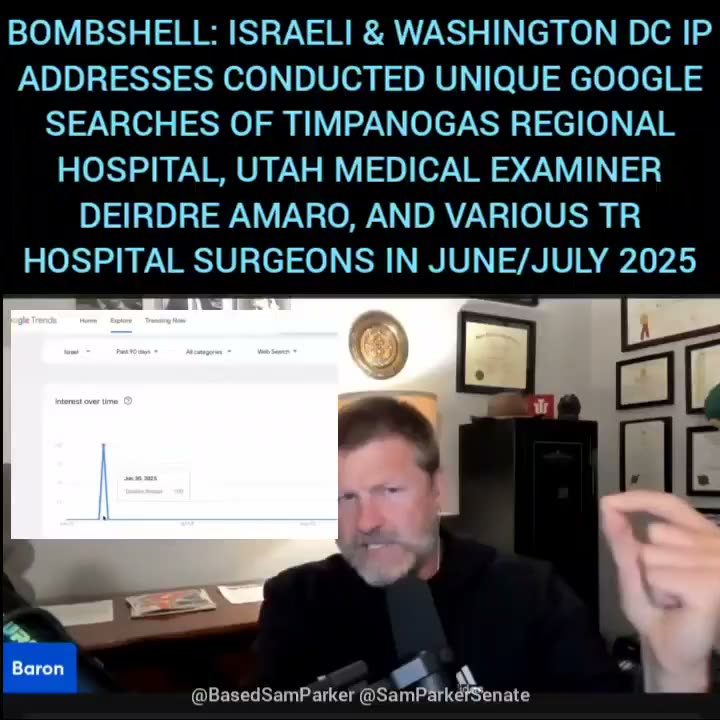
A recirculated thread says Israeli IPs searched seven Timpanogos doctors weeks before the shooting. Google Trends reports normalized regional interest on a 0-to-100 scale and cannot report an IP address at all. Seven living physicians are named by a chart that cannot say this.
Read this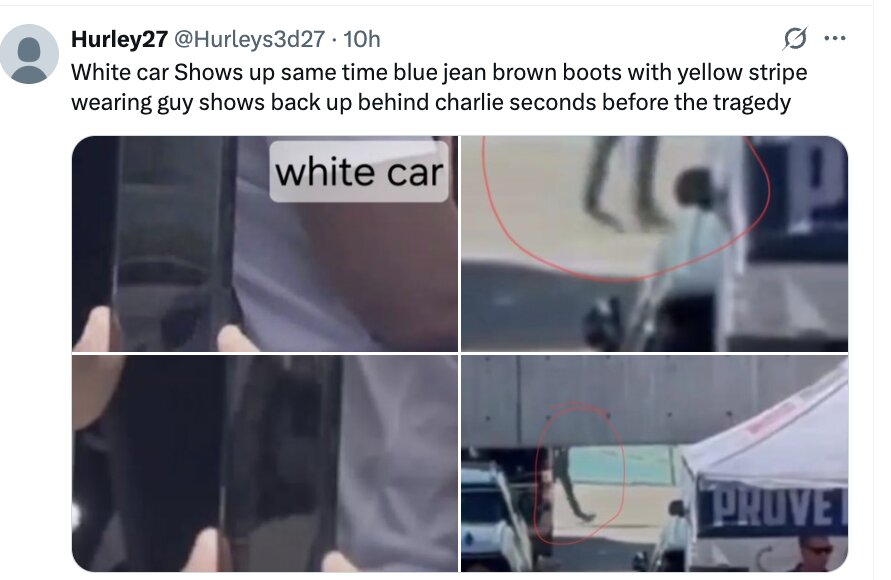
Cooper Brown and the Silenced Witness (Claims)
One name, three incompatible roles: the man who silenced a witness, the witness who was silenced, and a bystander volunteer. The investigation file assigns all three to Cooper Brown in three separate passages. That is noise being mistaken for a signal.
Read thisElsewhere In The Investigation
Doctors Question the Medical Examiner's Report
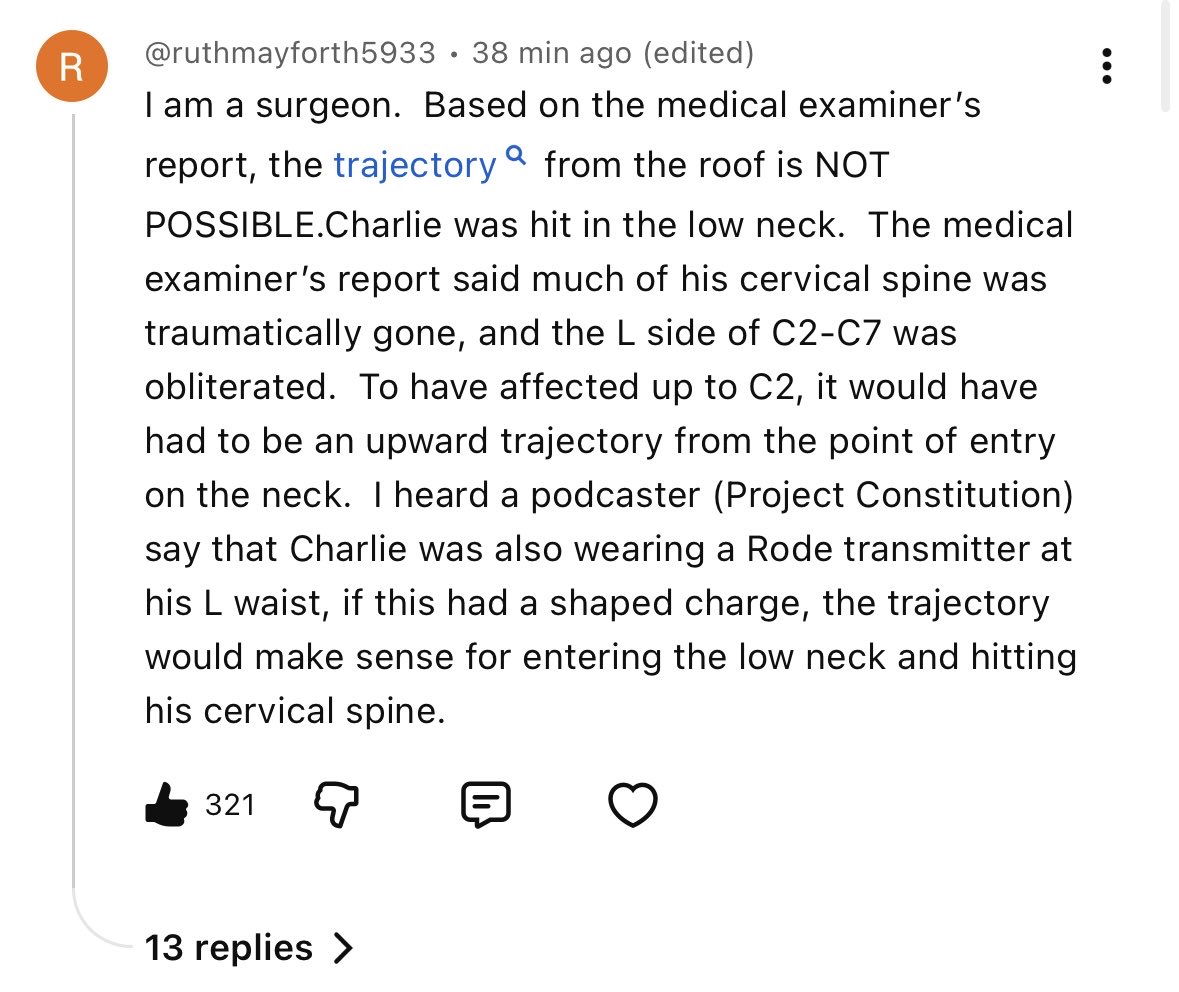
Two commenters identifying themselves as a surgeon and a retired cardiologist read the Medical Examiner findings and said the same thing from different specialties — the injury list does not fit one downward rifle round. Their credentials are unverified.
Read this
Standard Forensic Tests Reportedly Skipped (Claims)
Standard forensic tests that were reportedly never run. In a case where residue and trace evidence would decide the argument, what was skipped shapes the record as much as what was found.
Read this
Wrong Witnesses — Why the Same Wrong Detail?
Several on-camera witnesses described a chest or heart wound within minutes of the shot. None has been called to testify in the case built on the state's rifle theory, so the accounts survive only as interviews.
Read thisA ledger of what officials said and when, including the custody announcement made at 4:21 PM and corrected at 5:59. Reading them side by side is how you separate ordinary first-day error from something else.
Read thisSources
- No source is cited in the investigation file for this claim. It is recorded there as a personal direct message from an unnamed acquaintance of the file's compiler, and no document, name, or corroborating account accompanies it.
This website's author is @HolonCitizen on X and YouTube/@HolonCitizen. Follow me there.
Interesting
- Roughly 600,000 documents were reportedly dumped on the defense as continuance was opposed.
- A viral claim about tent-area construction after the shooting remains unestablished, and the page shows both sides.
- Audio analysis reportedly places a tent-level detonation separate from any rifle report.