Chest Wound Accounts Versus the Neck Wound (Claims)
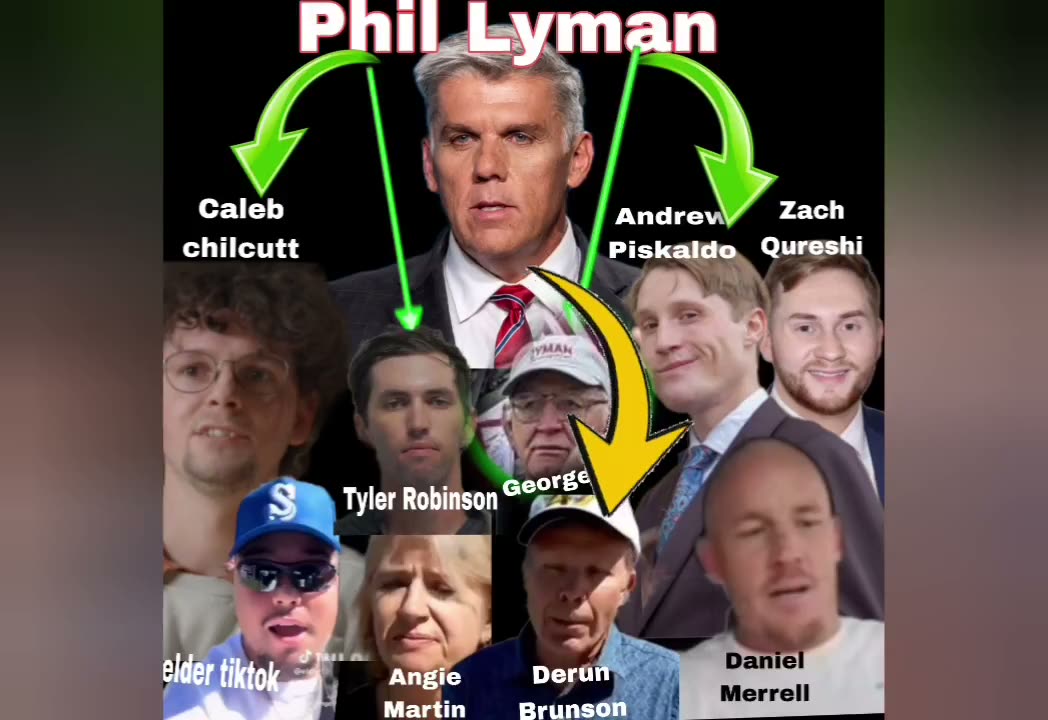
:::danger These witnesses are private people accused of nothing Every on-camera witness discussed below is a living private individual who did nothing but talk to a reporter after watching a man die in front of them. Some commentators characterize them as "crisis actors" "providing false witness intentionally." This page does not adopt that framing and does not repeat those accusations. No evidence is offered for it, and the best-documented explanation for what they said points in the opposite direction. :::
Every account gathered here was given by someone who had just watched Charlie Kirk be killed a few yards in front of them at Utah Valley University on September 10, 2025, and where the fatal wound actually was remains one of the most contested facts in the case.
Claim snapshot
| Field | Value |
|---|---|
| The claim | The earliest on-camera witnesses uniformly described a chest/heart wound that never existed — evidence of a rehearsed narrative for a shaped charge that misfired upward |
| Raised by | Candace Owens; @realhonestash; Jon Bray; the investigation file's compiler |
| First surfaced | The witness interviews date to September 10, 2025; the "crisis actor" framing circulated June 2026 |
| Rests on | On-camera witness accounts (real and verifiable) plus a contested interpretation of why they said what they said |
| Evidence rating | SPECULATIVE — the underlying pattern is real; the coordination inference is not supported |
What is alleged
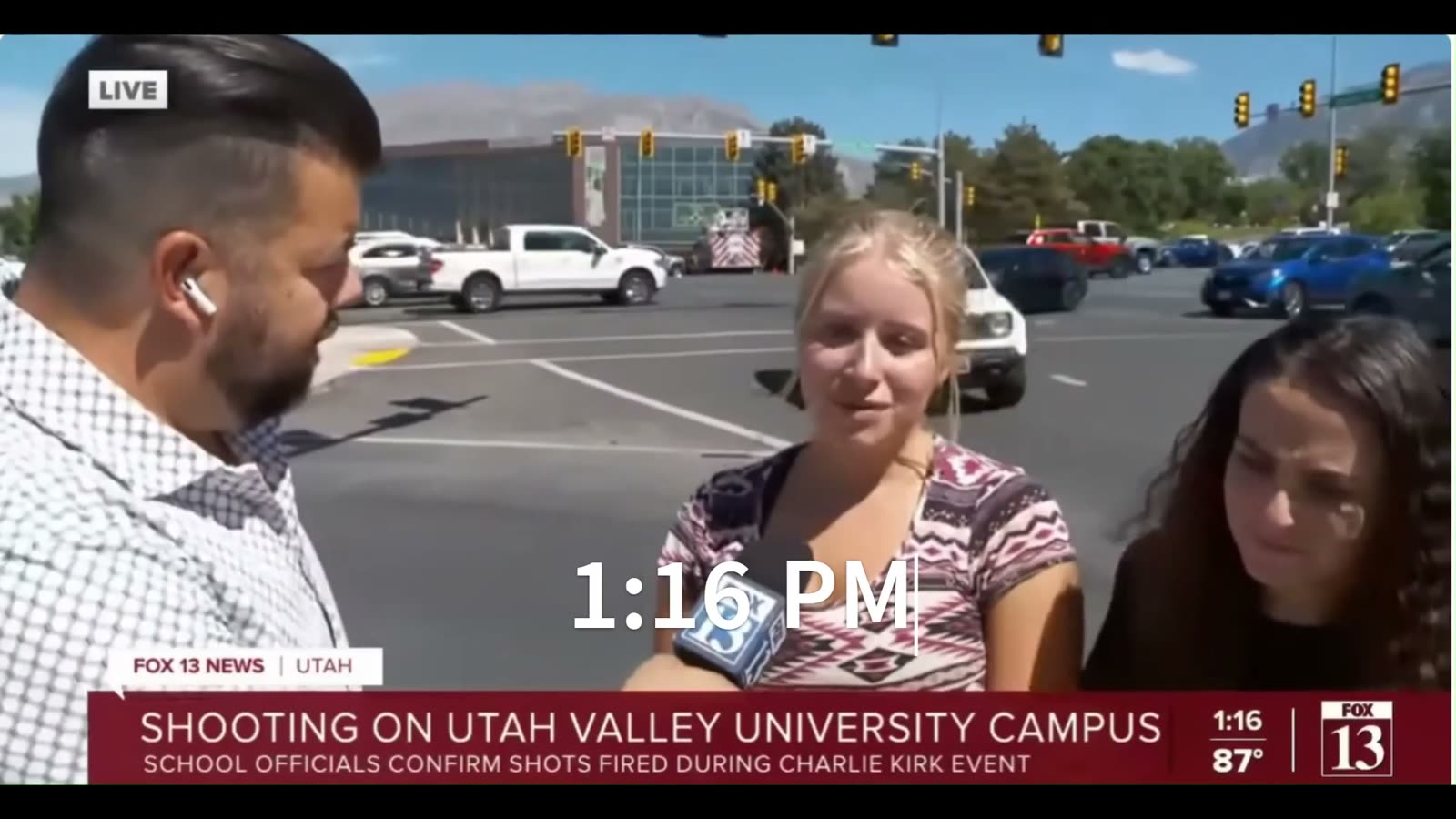
Candace Owens argues that the earliest on-camera witnesses described a wound that never existed. The quoted descriptions are consistent with each other: "tons of blood gushing right out where his heart is"; "It was a direct shot to the heart"; "an eruption of blood come out at Charlie's chest." A separate live TV-news witness, in a different clip, states on air that it was "one shot, right directly to the heart."
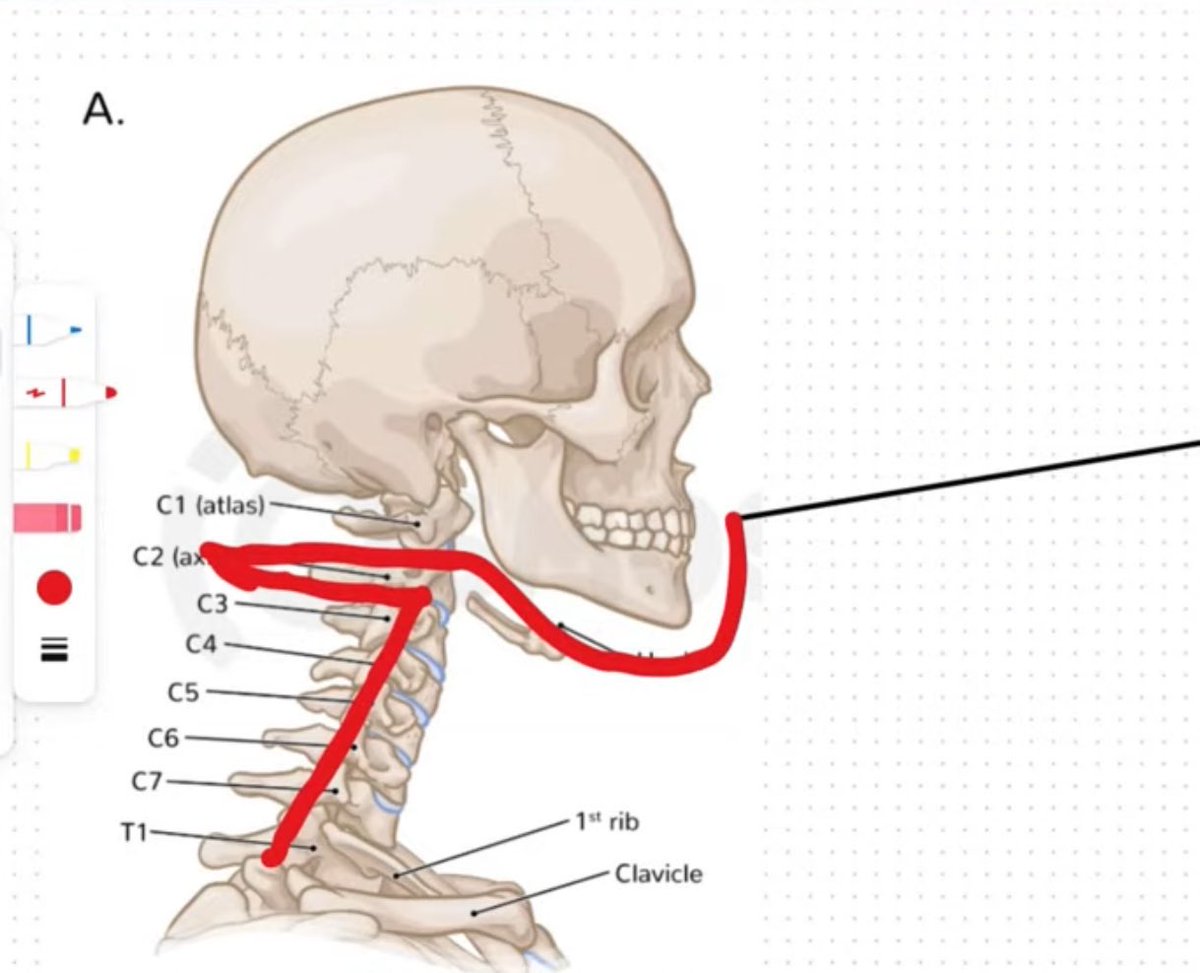
Owens's counter-assertion is that "there was never a pooling of blood near Charlie's heart" and "his shirt was clean" — that the blood "came out sideways." The charging affidavit is consistent with her on location: it describes blood coming from the left side of the neck.
Owens's interpretation is that these were rehearsed descriptions of a planned shaped-charge chest wound that misfired upward, and she states she intends to investigate the witnesses. Jon Bray adds a related claim of "early scrubbed reports of chest caved in trauma that later shifted to a neck-only narrative." A witness referred to as "Sara" is reported to have said chest and then reversed to neck. The file's own thesis note frames these as possibly "crisis actors telling that story."
The ordinary explanation
This is the best-documented phenomenon in eyewitness psychology, and it points the opposite way.
Witnesses to sudden violence are famously unreliable on wound location, weapon type, number of shots, and direction of fire. This is not a slur on them; it is among the most replicated findings in the study of memory, and it is why courts treat confident eyewitness testimony with caution. People experiencing a few seconds of terror do not encode anatomical detail accurately.
The anatomy makes the error close to inevitable here. The neck and the upper chest are adjacent. A left-neck wound bleeding heavily runs blood down onto the chest within seconds. A person watching a man collapse from fifty feet away, in a crowd, in the moment of a gunshot, will describe "blood at his chest" with complete sincerity and no intent to deceive — because that is, quite literally, where they saw blood.
Consistency across witnesses is not evidence of coordination. This is the inference the claim depends on, and it is backwards. Multiple people converging on the same description is evidence that they all saw the same ambiguous thing and reached for the same available phrase. "Shot in the heart" is the default expression a layperson uses for any fatal wound to the chest area — it is idiom before it is anatomy. A dozen witnesses independently producing the same cliché is what you would predict.
Witnesses later revising chest to neck as the footage circulated is normal memory updating, not a "pivot" — memory reconciles itself against new information, which is exactly why investigators try to take statements before witnesses see coverage.
Bray's "scrubbed chest-caved-in reports" are not cited to any archived article anywhere in the file. A claim that reports were scrubbed requires showing the report.
Finally, and most importantly: alleging that named, identifiable private people are "crisis actors" "providing false witness intentionally" is a serious accusation against living people whose only established act was speaking to a reporter after watching a man die. The file's own notes acknowledge this and direct that those names and accusations not be reproduced as fact. This page does not reproduce them.
What would settle it
- Release the autopsy report — it establishes where the blood was and where it was not, which is the factual core Owens and the witnesses disagree about.
- Retrieve and archive the earliest published reports to test whether any "chest caved in" report ever existed and was later altered.
- Compare the witnesses' first-hour statements against their later ones — a documented reconciliation pattern is the signature of ordinary memory, not a script.
- Establish whether any witness had a relationship to the event organizers before the shooting, rather than inferring one from what they said.
Interesting In This Area
- The shirt reportedly moves before blood appears, which proponents pair with this.
- The shot-through-heart narrative traces where that description came from.
- The wound dispute has three theories arguing from one video.
- The mic reportedly sat under the shirt, against the torso.
Interesting In Other Areas
- Shot to the heart collects the on-camera statements verbatim.
- Chest shot witnesses is the mic section's use of the same clips.
- Charlie's injuries sets out what the record actually describes.
- Wound trajectory angle is the geometry the accounts are tested against.
Images
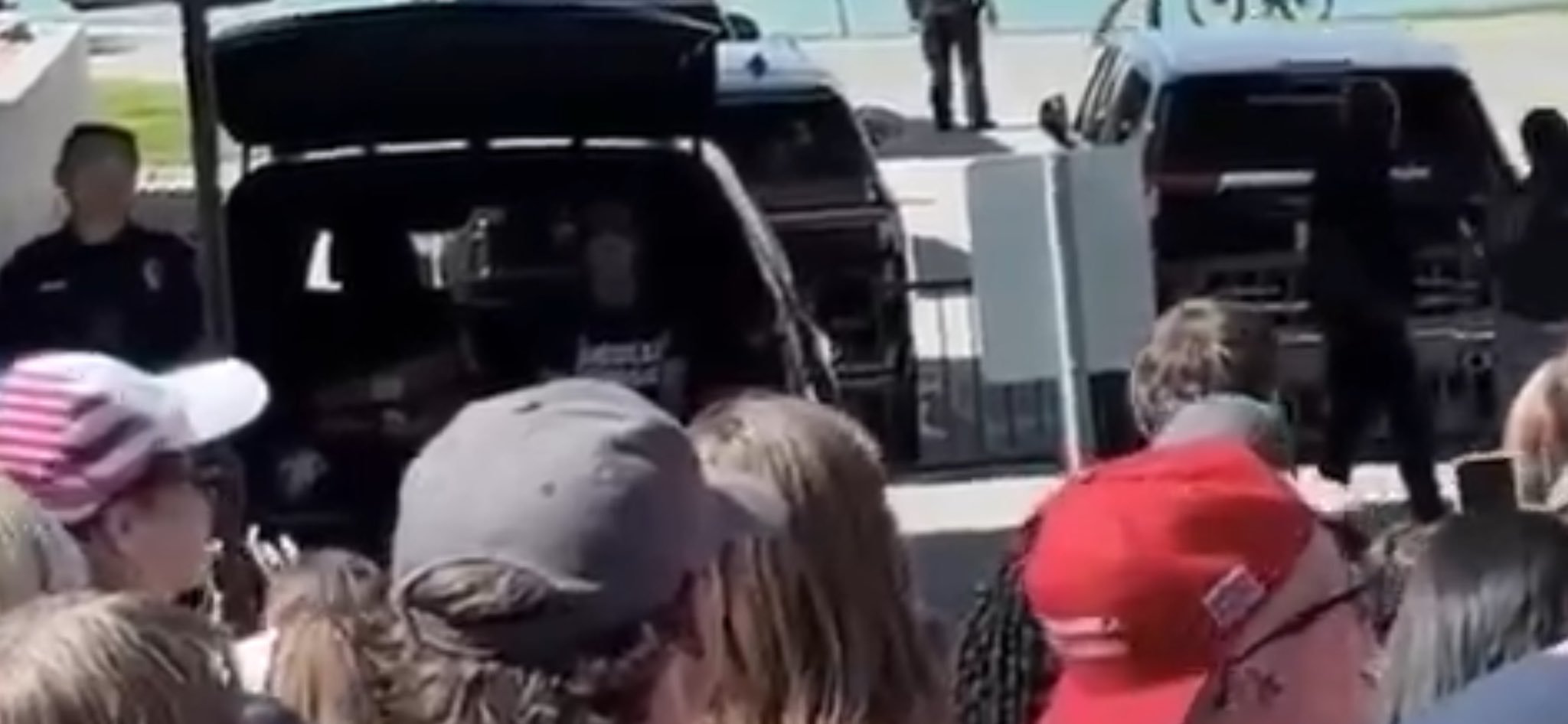
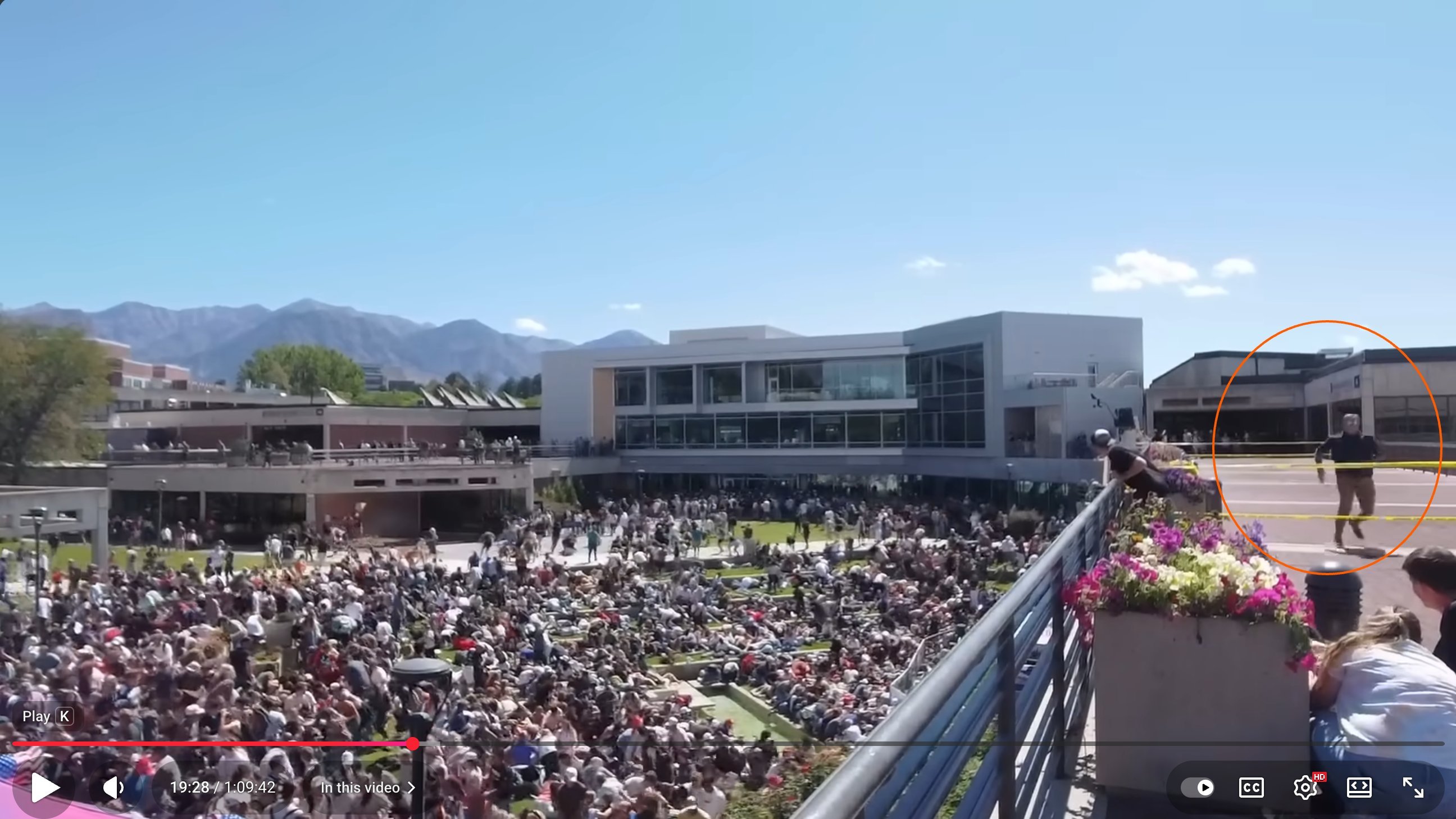
Videos
Footage related to this page. Each card opens that clip's own page, with the video, the full write-up, and its source.
Other Pages In This Section
The Empty ER and Hospital Personnel Changes (Claims)
A rare page that turns on its own source: the investigation file contradicts itself three lines apart and retracts one of its own claims inside the same paragraph. Those failures are stated plainly instead of repeated.
Read this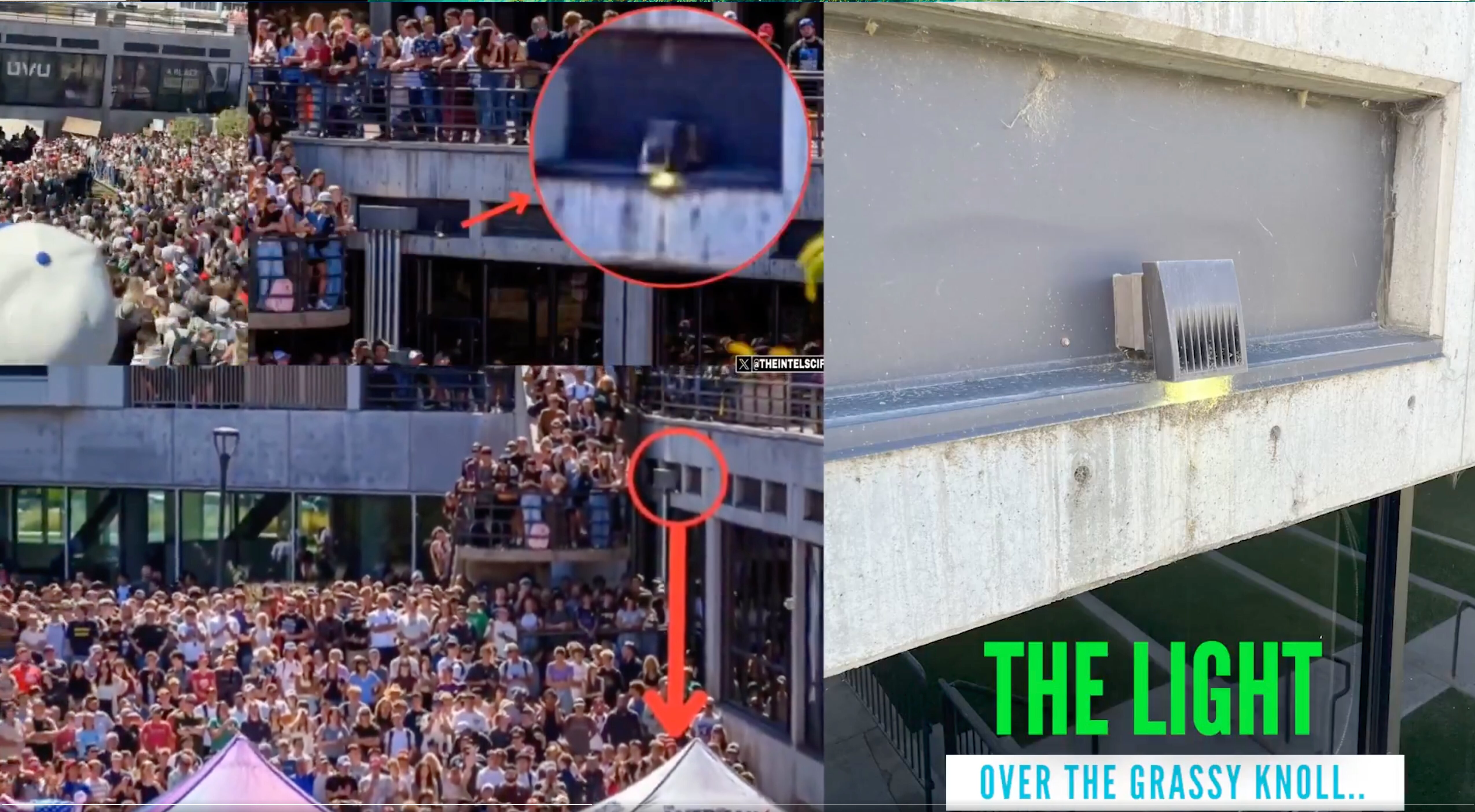
Was a Nearer Level II Trauma Center Bypassed? (Claims)
Kirk was taken to a Level IV hospital when a Level II trauma centre was reportedly closer. The investigation file gives two flatly incompatible sets of distances, neither sourced to any mapping record — and the conspiracy-friendly version is the unsourced one.
Read this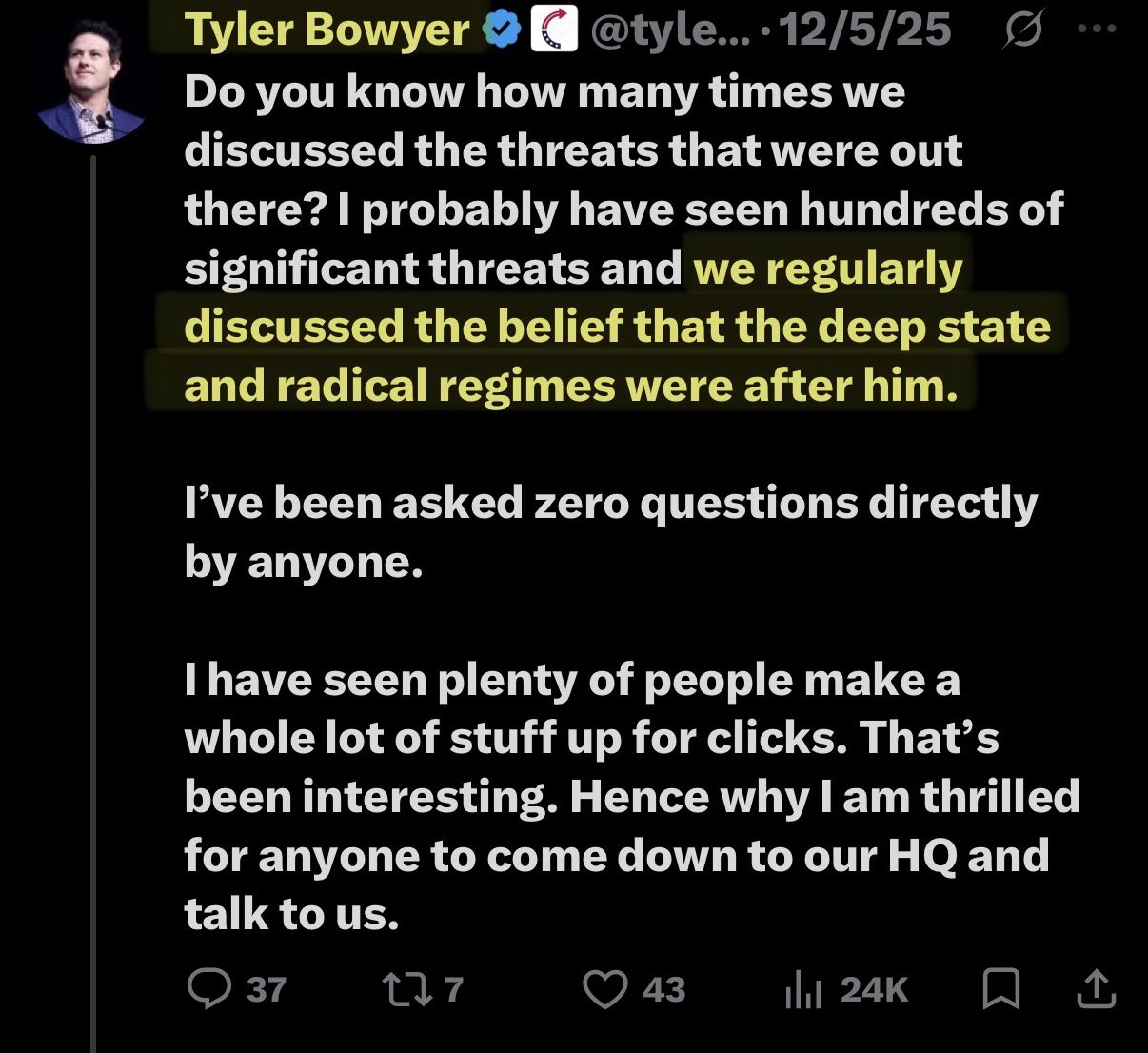
The DOGE Audit and Bowyer's Removal Timing (Claims)
George Webb says Tyler Bowyer was moved aside for refusing an outside audit, eight days before the assassination. A COO change is an ordinary personnel move, and Bowyer reportedly stayed publicly associated with Turning Point Action afterward — the opposite of what "fired" predicts.
Read this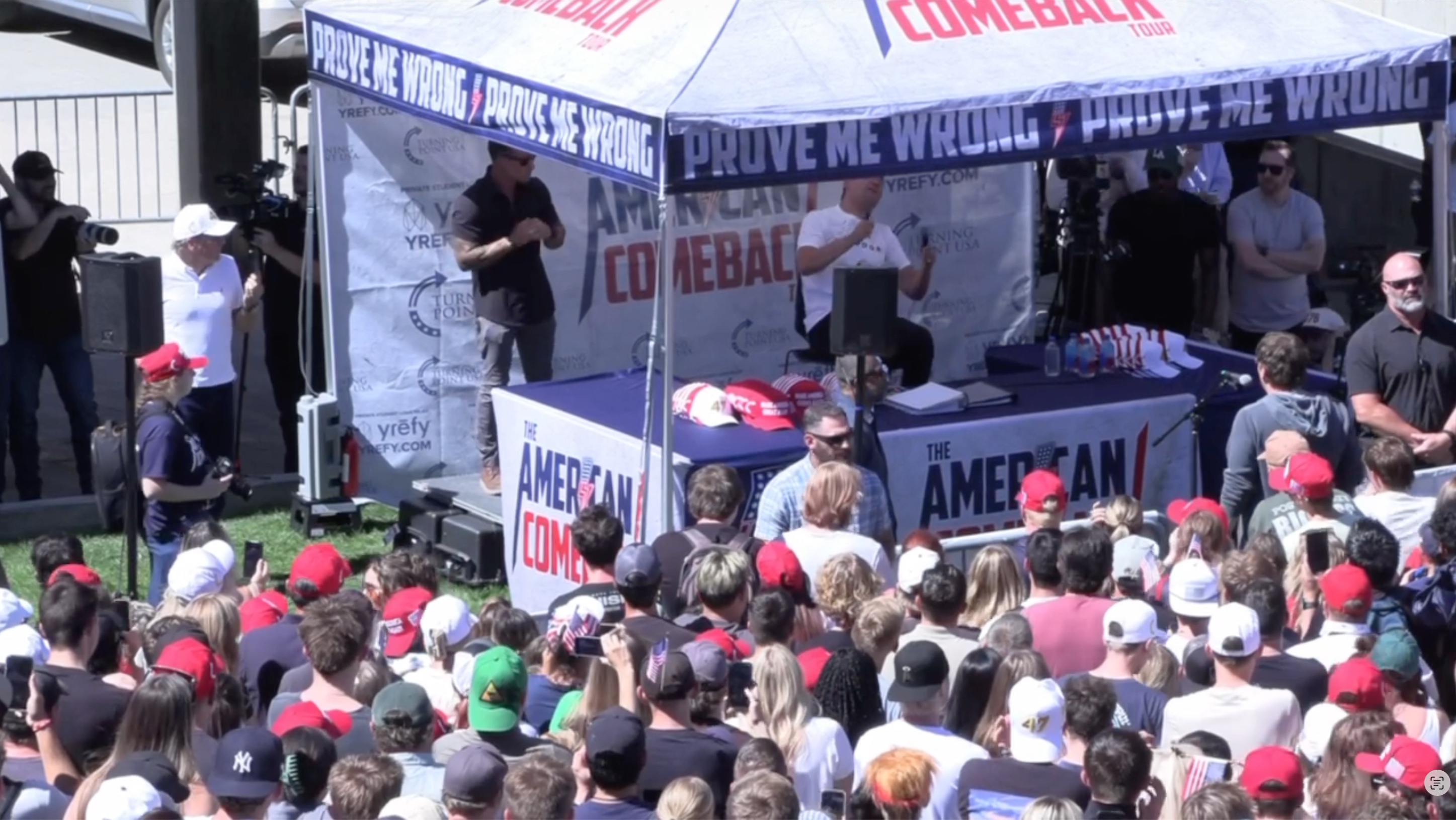
The Yrefy Sponsor Rep at the Table (Claims)
The investigation file records three times that a man in post-shooting imagery "looks a lot like" a sponsor representative. It alleges no conduct by him at all. A sponsor's executive attending the event his company sponsors is the deliverable, not an anomaly.
Read thisElsewhere In The Investigation
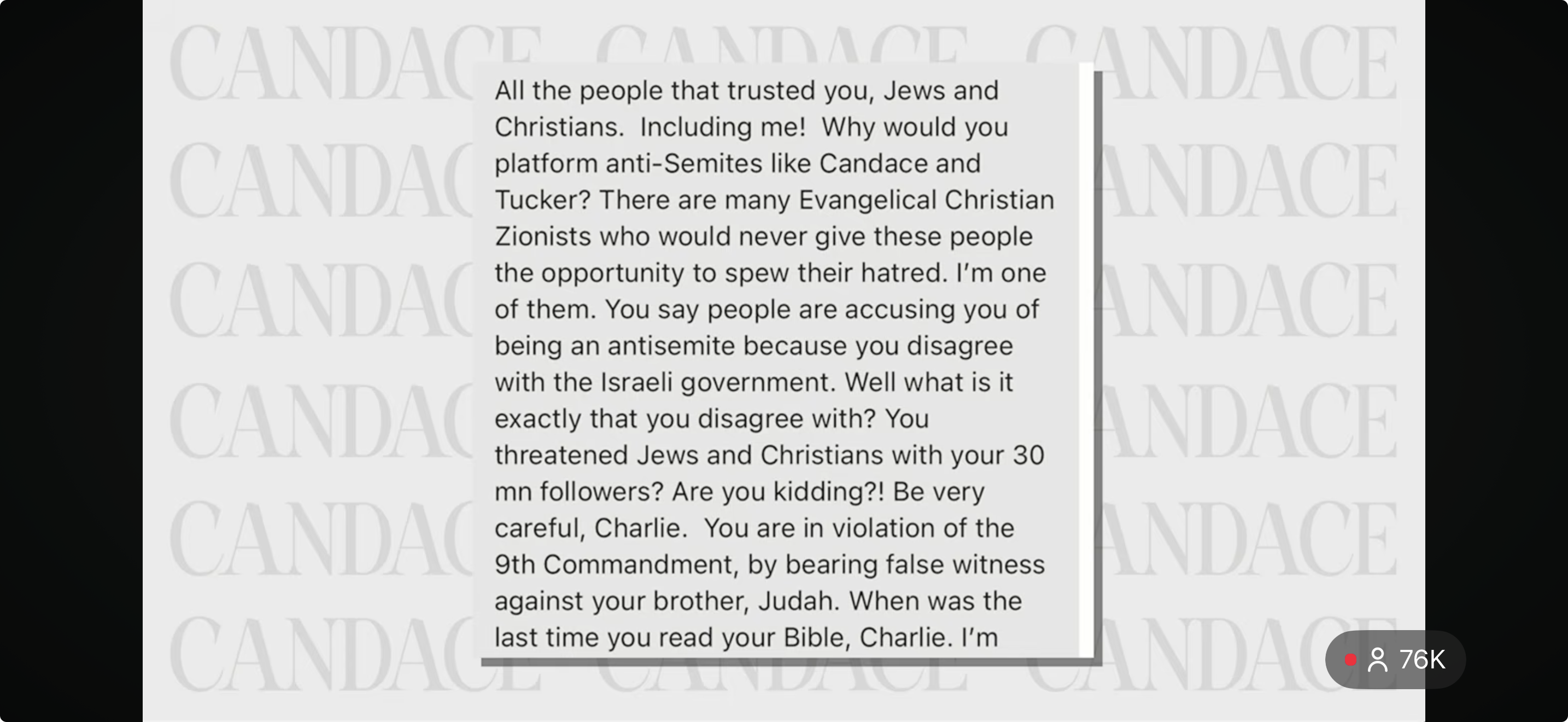
Shot to the Heart — The Repeated Theme and the Shaped-Charge Question
Witness after witness described a chest wound rather than a neck wound — the same wrong detail, from people who did not know each other. That repetition is either mass error or a clue.
Read this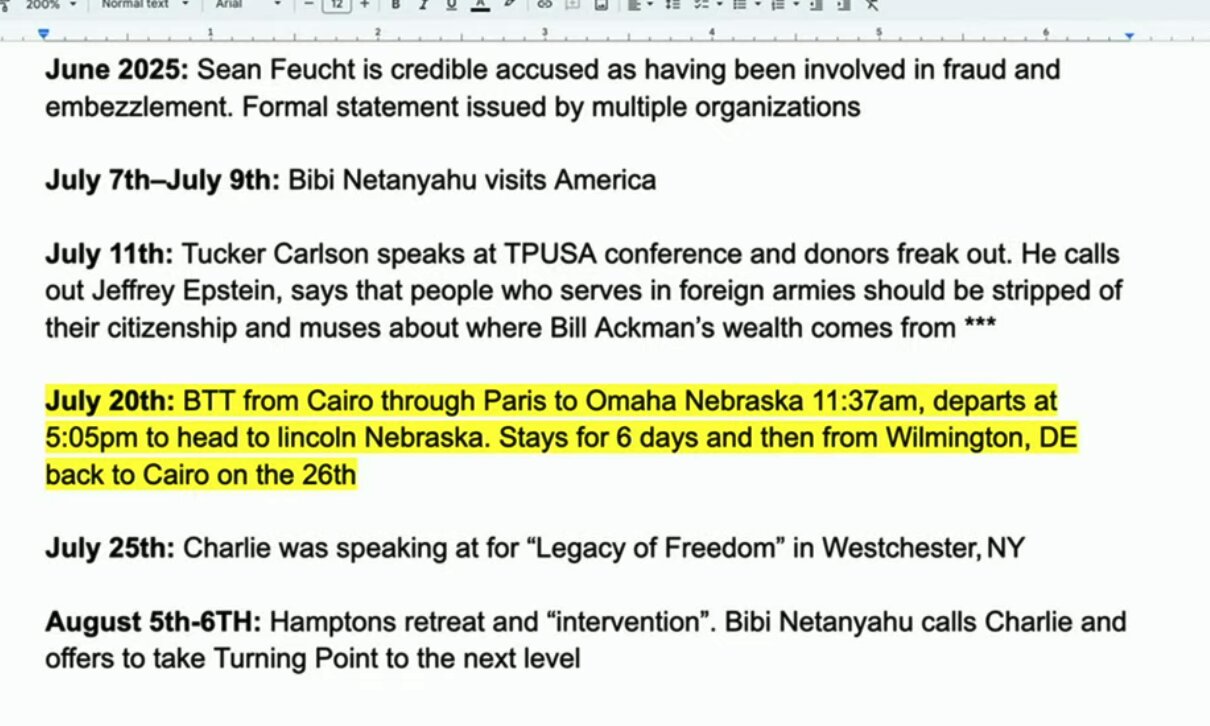
Chest-Shot Witnesses — Planned Narrative?
Several witnesses told reporters within minutes that Charlie Kirk was shot in the chest. Candace Owens argues those descriptions never matched the visible neck wound.
Read this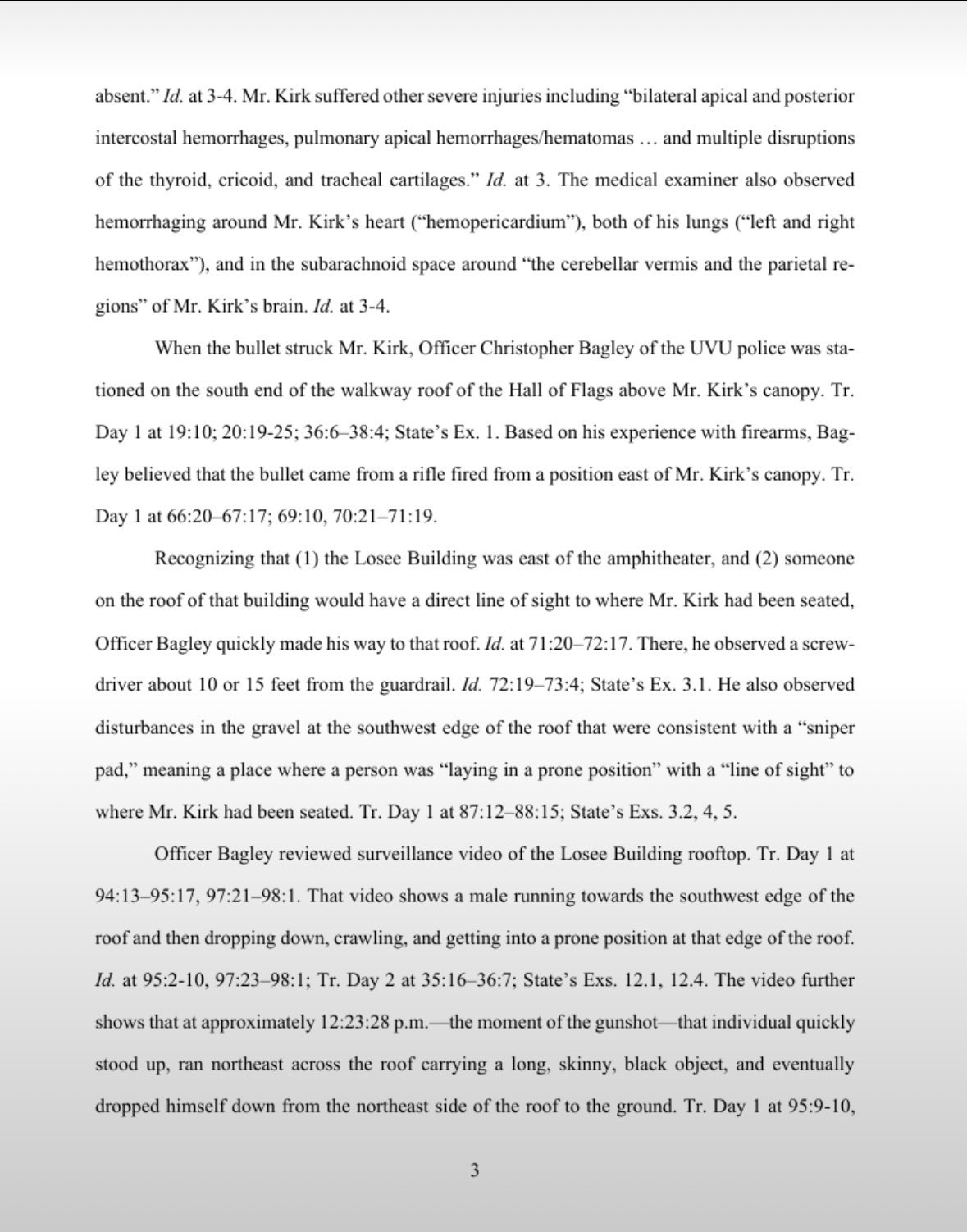
A July 2026 court filing lists injuries far beyond one neck wound — hemopericardium, bilateral hemothorax, brain hemorrhage, lung hematomas, airway cartilage disruptions. The full list is what most arguments here are missing.
Read this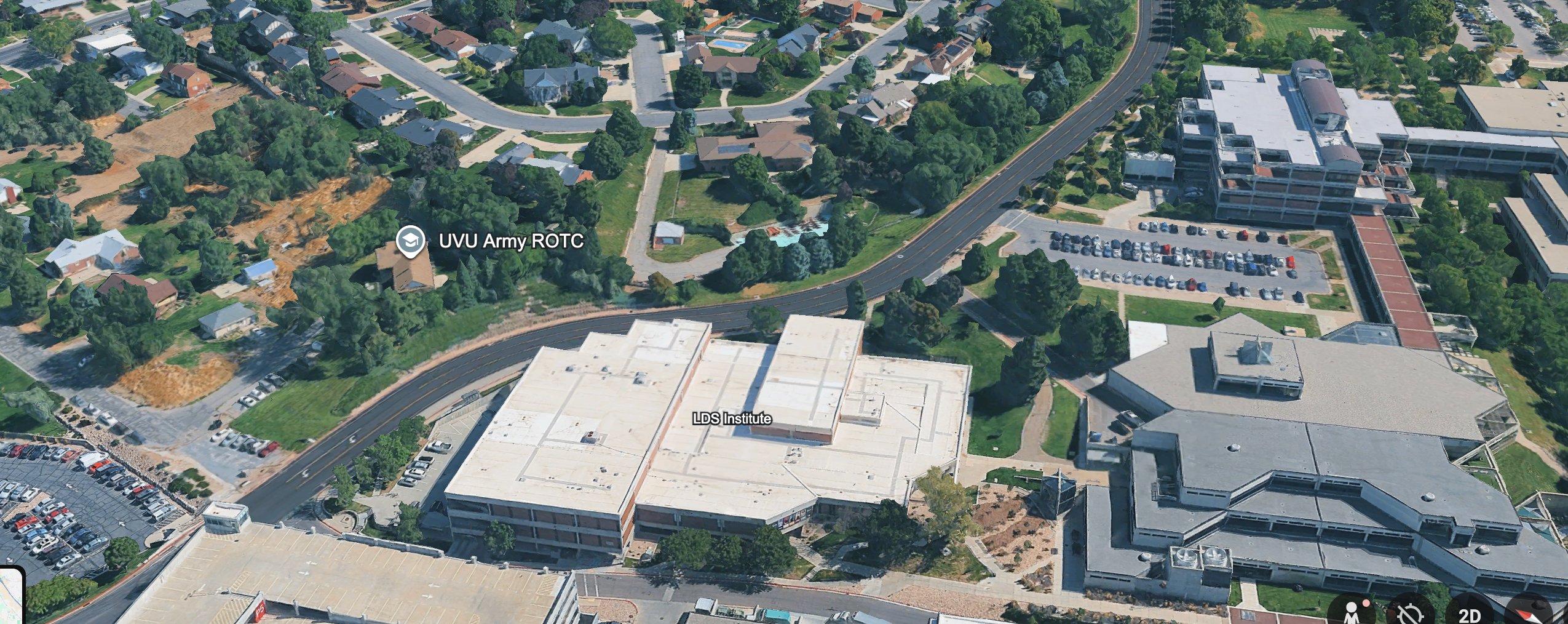
A 5 to 9 degree downward shot from the Losee roof should meet face or jaw first. The reported entry sits between larynx and trachea, left of the spine — a far more straight-on path. The geometry is the argument.
Read thisSources
- @realhonestash, Candace Owens segment on the chest descriptions: https://x.com/realhonestash/status/2069185145555255370
- On-camera "one shot, right directly to the heart" clip: @charlie_ward77, https://x.com/charlie_ward77/status/2076465128329846991
- Witness-interview compilation: @MuppetMasher, https://x.com/MuppetMasher/status/2069350461573046382
- Charging affidavit ("blood… from the left side of his neck"): investigation file, court filing excerpt.
- Jon Bray's "early scrubbed reports of chest caved in trauma": investigation file. No archived article is cited for this claim.
This website's author is @HolonCitizen on X and YouTube/@HolonCitizen. Follow me there.
Interesting
- Records reportedly show six campus officers and no staged ambulance for a 3,000-person event.
- A 5-9 degree downward angle from Losee misses the observed neck path.
- The whole protective layer: six officers and a last-minute private detail.