Suspicious About the Trial and Legally
Everything catalogued here flows from one prosecution: the case built after Charlie Kirk was assassinated at Utah Valley University on September 10, 2025, while the cause of death itself remains publicly contested.
:::caution No judge, prosecutor, or party is accused of anything Judge Tony Graf, Judge Robert Lunnen, Utah County Attorney Jeffrey Gray, Erika Kirk, Jaxson Fox, Russell Kennington and Lance Twiggs are living people against whom nothing improper has been established. Charging a case, closing a hearing, opposing a continuance, and producing discovery are all lawful exercises of ordinary legal authority. Tyler Robinson is charged, not convicted. :::
How the case is being adjudicated — the court, the prosecution, and the process. The defense's own conduct is covered separately at Suspicious by Defense Attorneys; the FBI's lab work at Suspicious by the FBI.
The numbered list
- The prosecution disclaimed the extraction evidence — while the whole confession narrative rests on it
- Defense denied access to destructive ballistics testing — "unfolding" a fragment with no observer
- The death notice filed six days after the shooting — before the ballistics came back inconclusive
- Hearings closed, no transcripts released — the complaint that limits every other claim here
- The prosecution never called the roof eyewitness — and the DNA testing that stopped
- The 600,000-document dump against continuance opposition — or was it 20,000?
- Erika Kirk-linked lawyers opposed the continuance — a statutory right, exercised
- Kennington released with no bail, charges dropped — a long gun inside the crime scene
- Prosecutors accused of withholding the rooftop video — every number in it is uncorroborated
- The jailhouse informant transported before a closed hearing — a ministerial docket entry
- The judges' Google Trends claims — a misread tool, four times over
The line that actually stops you
Item 1 is the most disorienting thing in the case file, and it is a quotation from a State filing: "The state does not intend to offer evidence obtained through forensic extractions of electronics seized in this case." The entire public narrative of guilt — the Discord messages, the note under the keyboard, the text thread — rests on exactly those extractions. Then at the preliminary hearing an agent testified that a Cellebrite extraction of Lance Twiggs' phone was performed and personally reviewed.
The likely answer is narrow lawyering rather than a confession: "electronics seized in this case" most naturally means devices seized from the defendant, and Twiggs' phone is a third party's device that may have come in by consent or a separate warrant — outside the sentence's scope. Prosecutors routinely make limited representations about a preliminary hearing, a low-standard probable-cause proceeding where the State presents the minimum, while reserving everything for trial. A statement about the prelim is not a statement about the case. But it is a real sentence in a real filing, and it deserves a real answer.
Item 4 is the structural complaint that conditions everything else on this page: with hearings closed and no transcripts issuing, no allegation here can be checked — including the ones that would exonerate. Note the remedy is already running, though: a coalition including the Deseret News, Salt Lake Tribune, AP, New York Times, Fox and CBS is litigating access. That is the system working, and its existence undercuts the claim that no one can challenge the court.
Where the suspicion inverts
Several items here mean the opposite of what they are offered to mean, and that is worth sitting with.
Item 3 presents a death notice six days after the shooting as a rush to judgment. It is the reverse: Utah requires early capital notice precisely so the defendant gets death-qualified counsel, capital funding, and the full pretrial timeline from day one. Filing late would prejudice Robinson far more. The notice is also revocable, and prosecutors withdraw them regularly.
Item 6 complains the State dumped 600,000 documents while opposing a continuance. Prosecutors are constitutionally obligated under Brady to produce broadly and are punished for producing narrowly — "they gave us too much" and "they gave us too little" cannot both be misconduct. The file also can't hold the number steady: 20,000 in one place, 600,000 in another.
Item 11 is the same Google Trends error you have now seen four times. Trends reports normalized relative interest and cannot expose IP addresses. Two Utah district judges are low-volume names where a handful of queries rescales to "100." And the underlying sequence is public and boring: Lunnen's retirement was effective August 1, and Graf was appointed May 2, 2025 — four months before the crime — through ordinary nomination and confirmation. A vacancy filled in the normal course cannot be evidence of foresight.
One outside account bears on how early the lone-actor frame hardened: former NCTC director Joe Kent has said on the record that his center's parallel foreign-nexus review was ordered to stop once Robinson was in custody, with officials reportedly concerned that such a probe could hand the defense an argument that more than one person was involved.
Interesting In This Area
- The prosecution disclaimed the extraction evidence the public narrative rests on.
- The defence was denied access to destructive ballistics testing.
- The roof eyewitness was reportedly never called by the State.
- The defence's own conduct is catalogued in a separate section.
Interesting In Other Areas
- Court and trial is the documented record behind every claim here.
- DOJ prosecution and evidence secrecy covers the federal side.
- Tyler Robinson's trial tracks the case from the defendant's side.
- Law 3 would mandate the investigation rather than leave it optional.
Other Pages In This Section
The Prosecution Disclaimed the Extraction Evidence (Claims)
Prosecutors wrote that they did not intend to offer evidence from forensic extractions — and the entire public narrative of guilt is extraction-derived. Then an agent testified about a Cellebrite extraction in open court.
Read this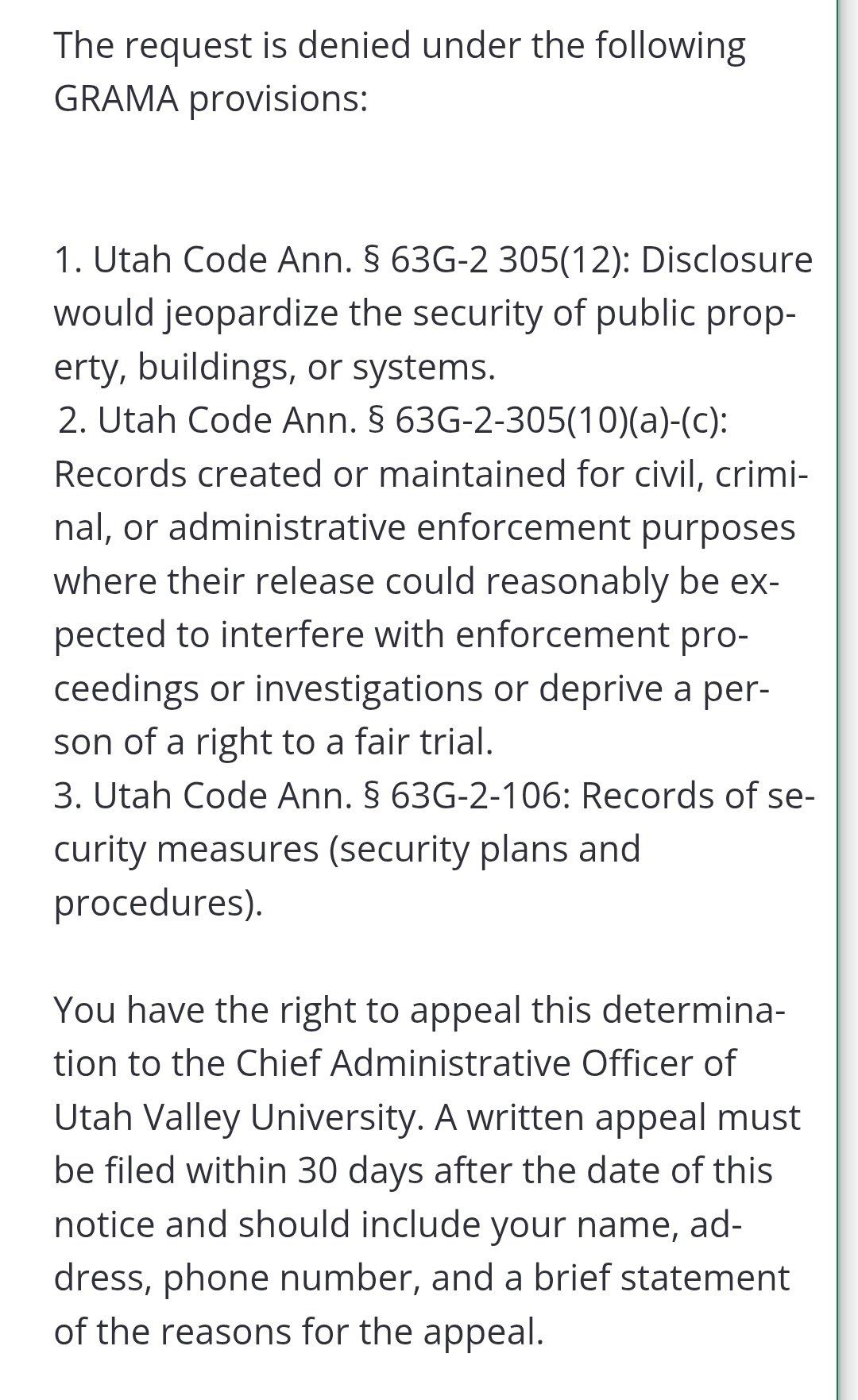
Defense Denied Access to Destructive Ballistics Testing (Claims)
The defense asked to photograph the bullet fragment and attend future testing, and was refused. The page separates the real January motion from the planted-evidence framing that got attached to it online.
Read this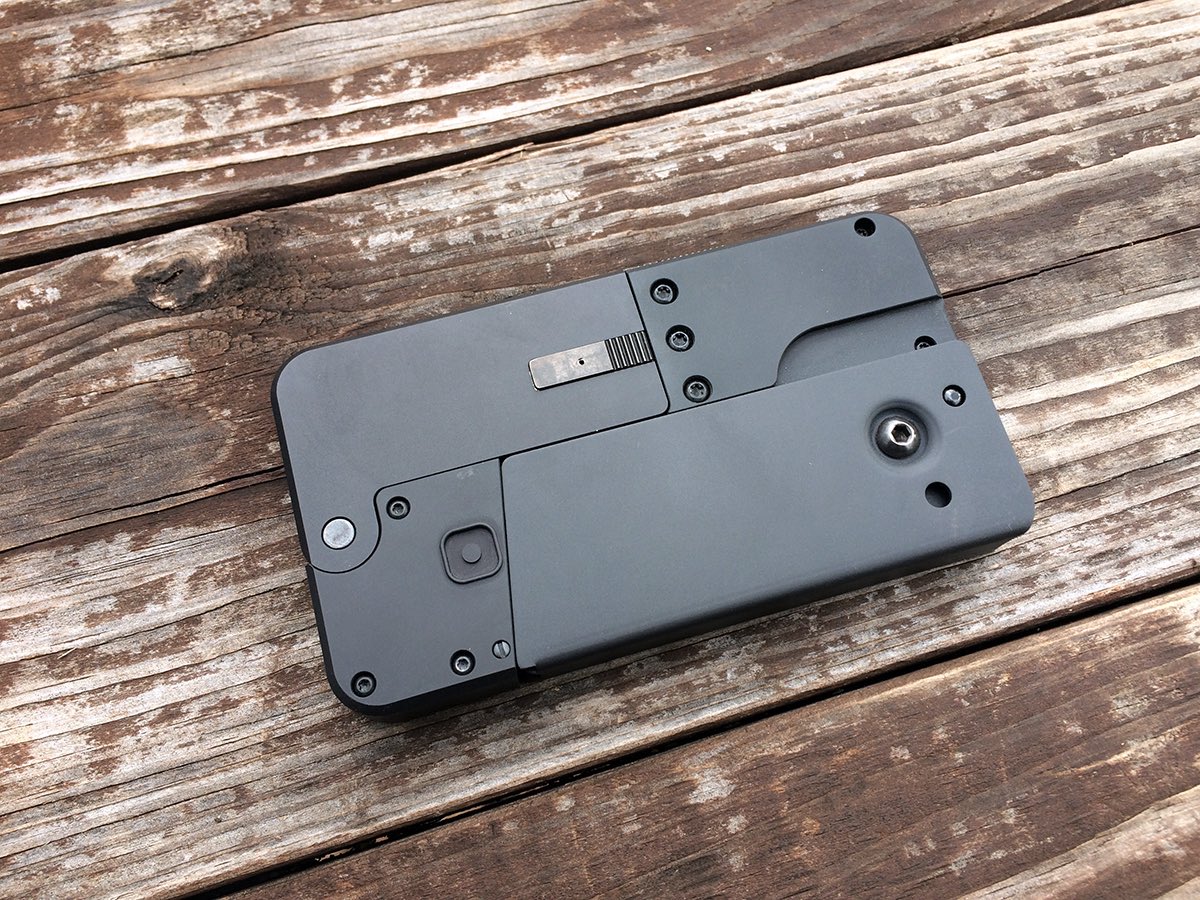
Hearings Closed, No Transcripts Released (Claims)
Media barred, no transcripts issued, later sessions ordered closed as well. The page rates the claim EMERGING and says outright that closing a session is lawful and is not sealing a record forever.
Read thisThe Prosecution Never Called the Roof Eyewitness (Claims)
The one person who says he saw and filmed the roof figure in full black tactical gear was reportedly never called, and told police they had the wrong man. DNA testing on items along the escape route was reportedly stopped.
Read thisElsewhere In The Investigation
State of Utah v. Tyler Robinson, case 251403576, is where the government's narrative meets adversarial testing — every court date, the day-by-day preliminary hearing transcripts, and the inconclusive ATF ballistics.
Read thisDOJ Prosecution and Evidence Secrecy
The public record on the charges and evidence handling, plus the sealing questions commentators raise. Digital-forensics warrants were reportedly sealed well into 2026, limiting outside review.
Read thisThe proceeding rests on a premise this site treats as unsettled — a rifle round from a roof rather than a device at the lectern. The page routes to the sworn record: who testified, what they said, and which bench decides what stays sealed.
Read thisLaw 3: Charlie Kirk Investigation - Mandatory Investigation Act
Full text of the mandatory investigation act — the statute that pairs release of the files with a duty to actually investigate them.
Read thisThis website's author is @HolonCitizen on X and YouTube/@HolonCitizen. Follow me there.
Interesting
- Trackers say a VIP jet carrying the Pentagon's intelligence chief left Fort Huachuca a day early.
- Candace Owens flagged a short out-and-back through Provo hours before the shooting.
- Draft federal legislation names a TPUSA aircraft over a Fort Huachuca movement.