Fort Huachuca Image Results Reportedly Wiped (Claims)
:::caution Attributed claims only Search results change constantly for ordinary reasons, and individuals have a lawful right to request removal of their images. Brian Harpole is a living private citizen who denies related speculation and has reportedly filed a defamation suit over it. This page records a claim about Google search results — not any accusation against him, and none is made or repeated here. :::
Claim snapshot
| Field | Value |
|---|---|
| The claim | Google image results for every person a broadcast named reportedly vanished the following day |
| Raised by | Stew Peters (@realstewpeters) and an unidentified guest researcher |
| First surfaced | 2026-07-16 |
| Rests on | One person's recollection; no archived before-state exists |
| Evidence rating | THIN |
What is alleged
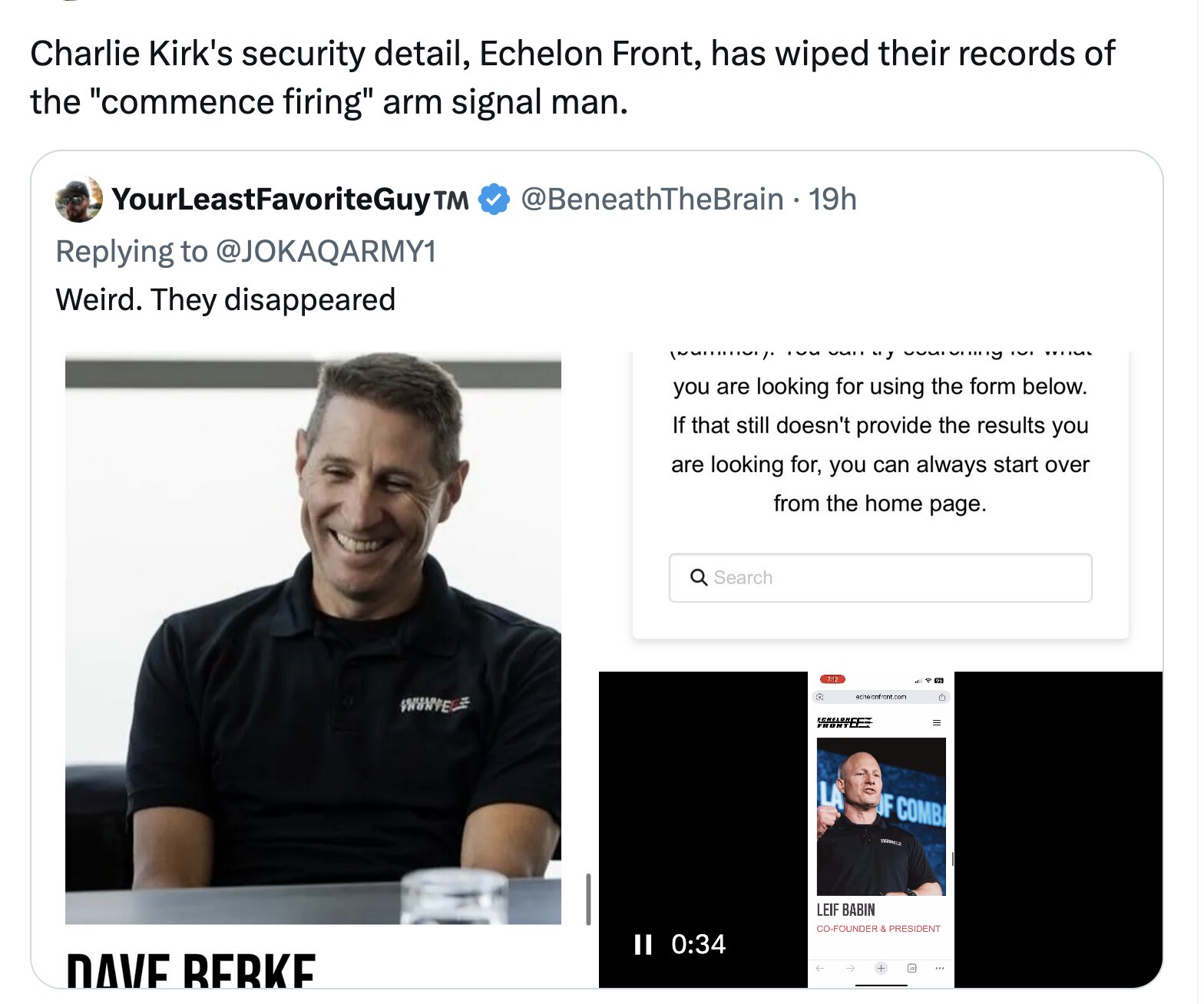
Stew Peters claims that the day after his show aired open-source image-search data tied to Fort Huachuca, search results for every person the broadcast named were completely wiped. In his post: "The day after exposing the Fort Huachuca image search data, every person we mentioned had their results completely wiped. DIA, CENTCOM, Crane & Kirk security figures — all gone. People we didn't name still show up. We're clearly hitting something they don't want seen."
On air he described trying to reproduce his guest researcher's work for a friend and finding the results absent. He offers the named-versus-unnamed contrast as his control: people the show named, reportedly gone; people it did not name, reportedly still returning results. He adds that even a misspelled probe returned nothing, which he treats as evidence of a name-level block rather than a query artifact. He says he retains screenshots, but that the real-time data is gone. The guest researcher's identity is garbled in the available transcription and has not been established.
The suspicion is placed in an intelligence section because of what the names reportedly were — figures associated with DIA, CENTCOM, NSWC Crane, and Kirk's security detail. If a scrub occurred at that specific intersection within twenty-four hours of a broadcast, it would suggest coordinated intervention by someone with reach.
The ordinary explanation
Begin with the structural problem, because it is decisive: there is no archived before-state. Nobody captured the results as they existed prior to the broadcast in any form that can be independently checked. That makes the claim unfalsifiable — there is no test that could show it false, which is also the reason it cannot be shown true. Personalization, session and query history, query drift between two people typing slightly different terms, and Google's constant re-ranking all produce exactly this appearance without anyone touching anything at all.
The mundane explanation fits the observed pattern exactly, which is what makes it stronger than the sinister one. Private individuals who are suddenly named on a large broadcast routinely file image-removal and privacy requests, and Google honors them under its existing policies. That process would scrub precisely the people who were named while leaving the people who were not named entirely untouched — which is the very control Peters offers as proof of a conspiracy. His control does not distinguish between the two hypotheses; it is equally predicted by both, and the innocent one requires no coordination, no agency, and no access.
The misspelling point cuts the other way too. A misspelled, low-volume, exact-match query returning nothing is the expected result of how search works — rare strings have no results because nothing matches them, not because a name has been blocked at the index level. Treating that as evidence of a block mistakes ordinary search behavior for suppression.
What would settle it
- Publication of the screenshots Peters says he retains, with visible timestamps and search terms.
- An independent tester on a clean browser profile, logged out, running the identical queries and publishing the results.
- Wayback Machine or archive captures of the results pages from before the broadcast — the missing before-state.
- Whether any named individual has filed a Google removal request, which several of them could simply confirm.
- Identification of the guest researcher whose methodology is being reproduced, since the transcription garbles the name.
Interesting In This Area
- The Fort Huachuca JTF meeting is what the broadcast was about.
- Judges' Google Trends claims rest on the same kind of search reading.
- Search-trend claims about seven surgeons have the same evidentiary problem.
- Israeli-registered phones at UVU is another dataset nobody has published.
Interesting In Other Areas
- Fort Huachuca image search results is where the underlying data sits.
- Google search and Trends scrubbing collects every deletion claim.
- Archive.today is the tool that would have preserved a before-state.
- Fort Huachuca is the installation these names attach to.
Images
Other Pages In This Section
Joe Kent's NCTC Foreign-Nexus Probe Halted (Claims)
The one intelligence component built by statute to answer whether a foreign hand was present reportedly opened that inquiry and was told to stop. The question was not answered and found empty — it was reportedly not asked.
Read this
Provo Airport Badge Access List Modified 9/11/25 (Claims)
One sentence in a working list: the badge access list at the airfield ten minutes from campus was reportedly modified the day after. No document, no custodian, no before-and-after — an observation someone wrote down to check, and nobody checked.
Read this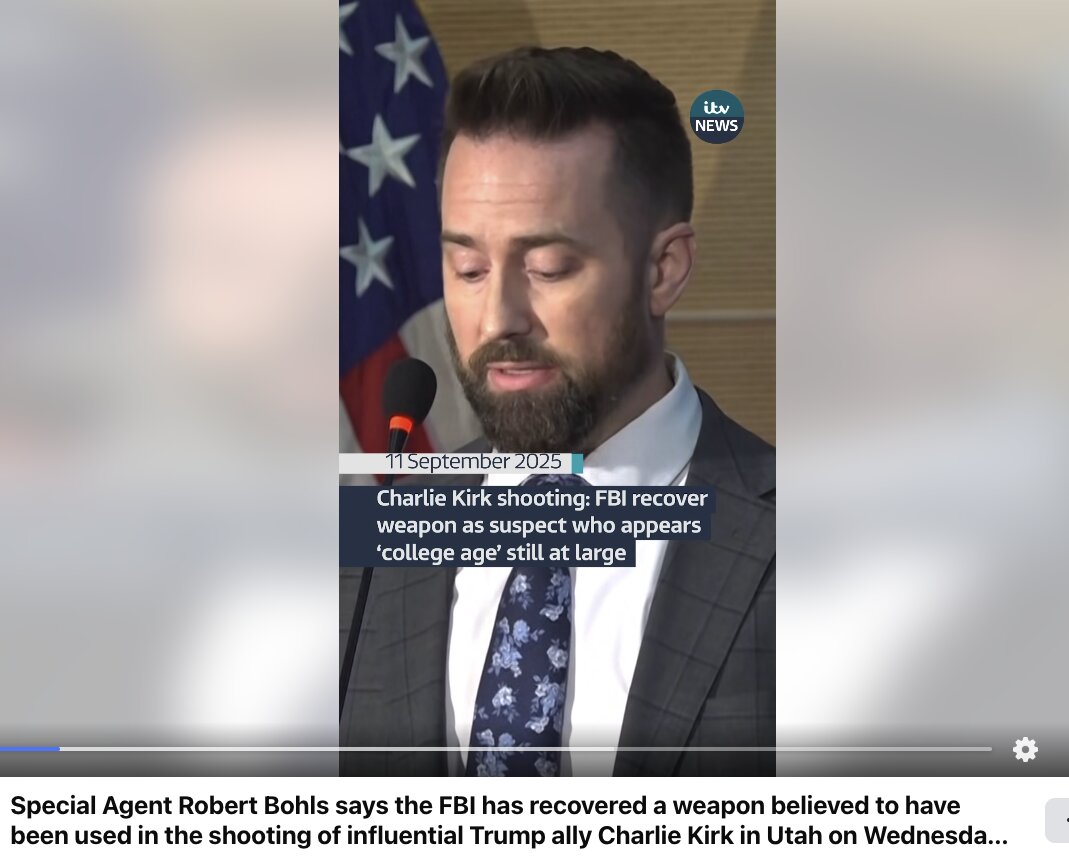
The Canon XA55 Audio and a Third Boom (Claims)
Uncompressed four-channel broadcast audio is argued to separate three events: a Mach cone, a muzzle blast around 120 metres, and a louder low-frequency peak roughly 46 metres away — right at the tent where Charlie was seated.
Read this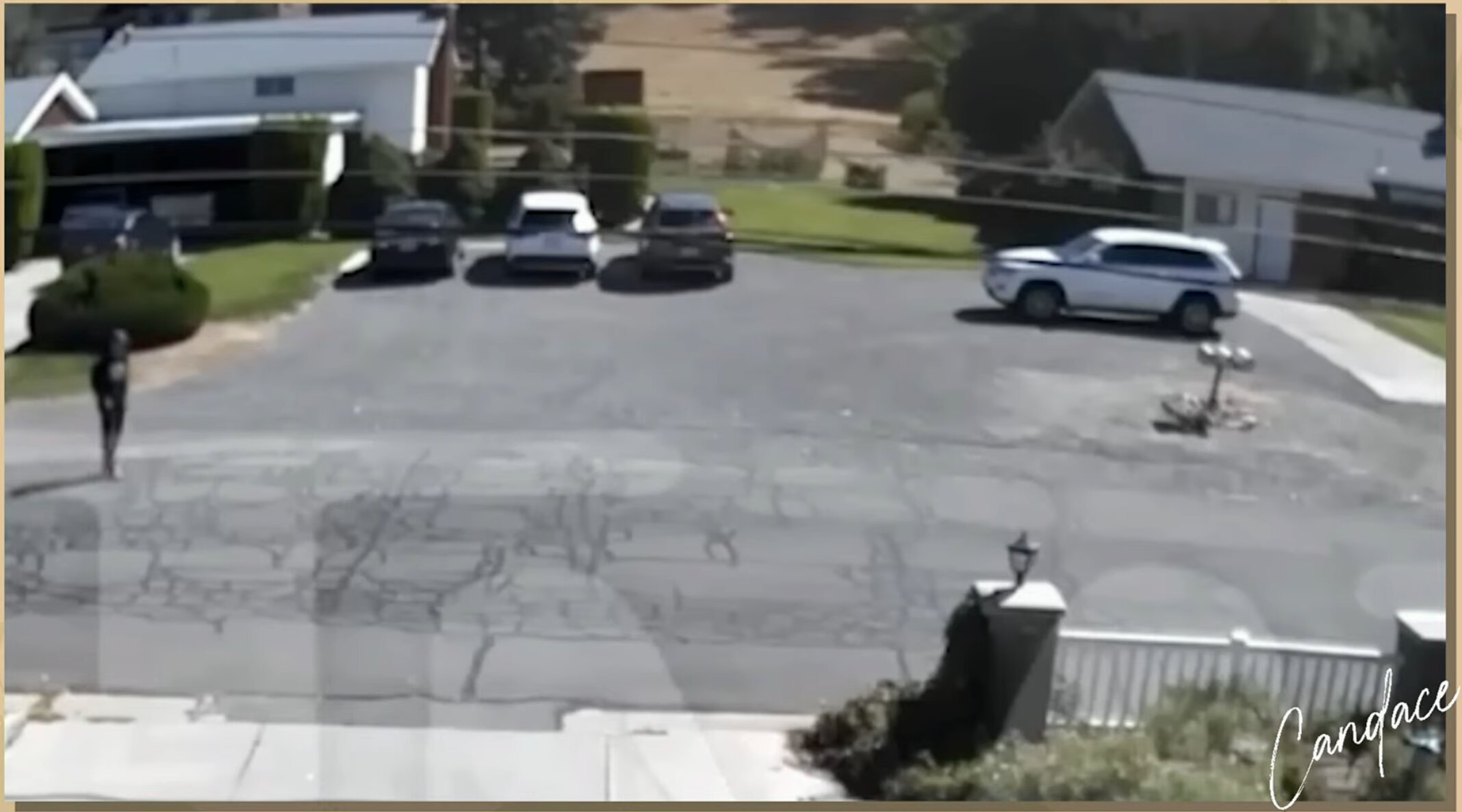
Tyler Robinson's Clothing Changes That Day (Claims)
Maroon shirt and shorts at 8:29 am, black long-sleeve and jeans by 11:49, a pronounced limp at 11:50 that is gone by the 12:22 roof run. He is charged, not convicted, and the file itself lists these as questions.
Read thisElsewhere In The Investigation
Fort Huachuca Image Search Results (Claims)
The claim is that named people vanished from image search overnight while unnamed people stayed — a control test run once, by the interested party, with no archived before-state. The innocent explanation is that a person asked Google to remove their own photographs.
Read thisGoogle Search & Trends Scrubbing
The censorship section's record of vanishing graphs: campus scout terms, case names, and the archives researchers keep because live results shift. This is framed as record loss, not merely ranking.
Read this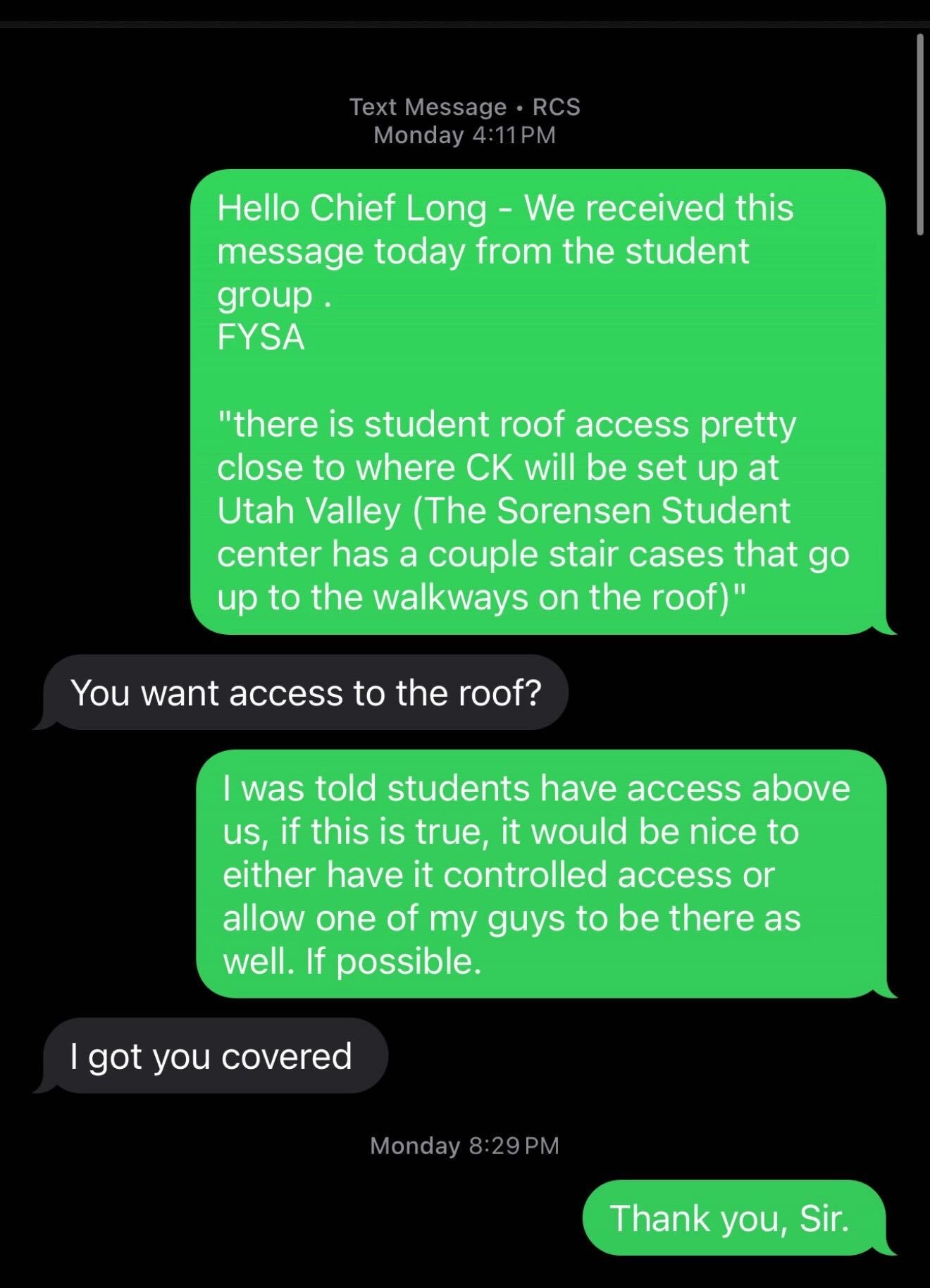
Fifty days after the killing, the FBI subpoenaed the registrar behind Archive.today — the one archive that is genuinely hard to delete from. The operator answered by publishing the document itself with a single word: "canary."
Read thisA reported closed-door meeting of roughly a dozen lieutenant colonels, a VIP jet in and out, and a walk-in witness who says he was detained — all inside thirty-six hours before September 10. None of it appears in the state's case.
Read thisSources
- Stew Peters on X (@realstewpeters), 2026-07-16
- An unidentified guest researcher whose name is garbled by auto-transcription and has not been established.
- No archived before-state of the search results exists.
This website's author is @HolonCitizen on X and YouTube/@HolonCitizen. Follow me there.
Interesting
- An Army signals-intelligence jet, N1098L, reportedly made two low passes near UVU.
- Digital-forensics warrants are reportedly sealed until March 2026.
- The full autopsy stays private and FBI Form 302 reports were never released.