Stairs Guy and the Backpack That Doesn't Fit (Claims)
:::caution Attributed claims only Tyler Robinson is charged, not convicted, and no other person has been identified, named, or accused here. The argument below is a citizen investigator's reading of compressed surveillance stills. As set out in the counterargument, the investigation file's own timeline contradicts a central premise of it, and this page says so. :::
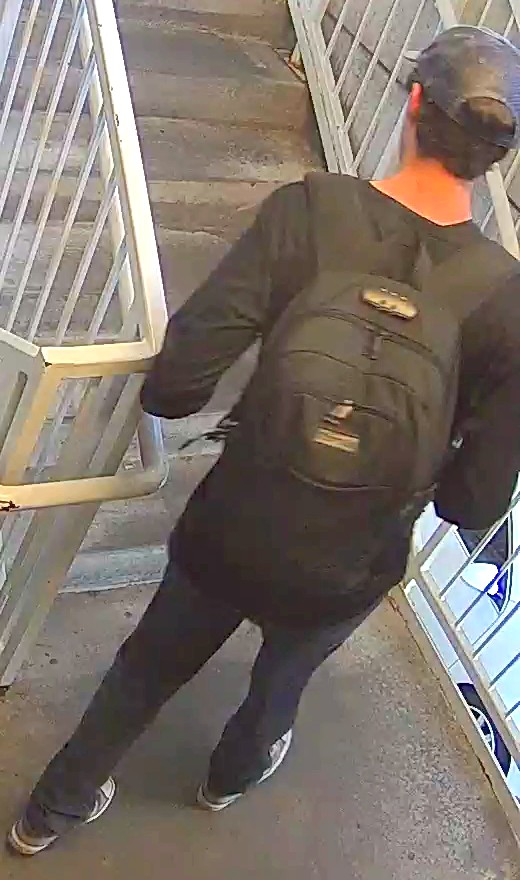
Claim snapshot
| Field | Value |
|---|---|
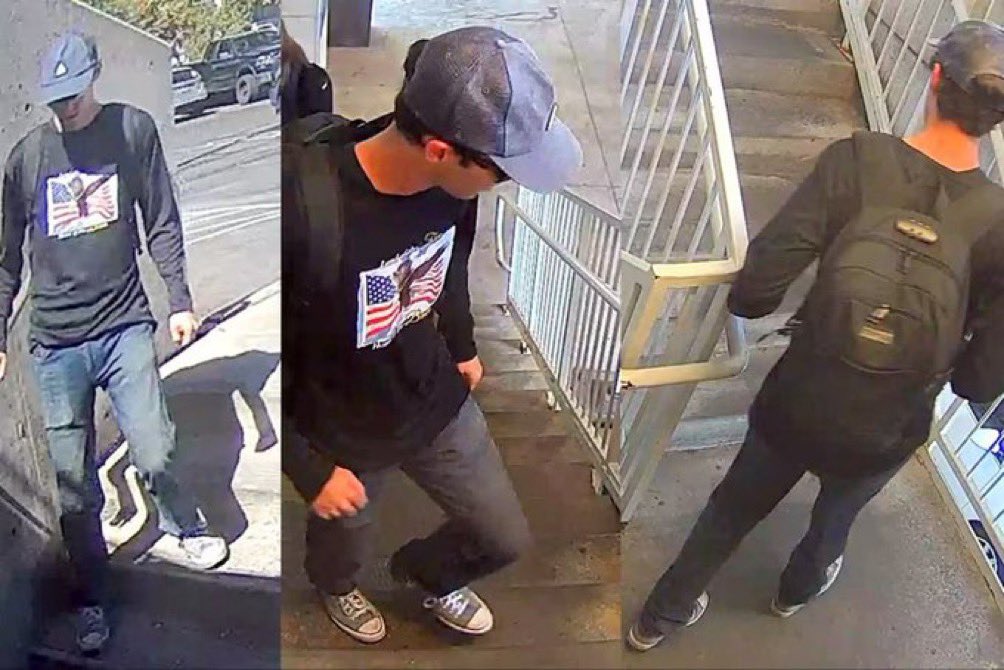
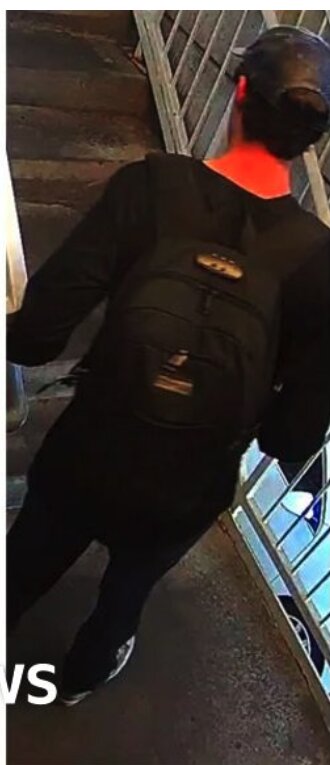
| The claim | The figure in the Losee Center stairwell is reportedly a different person from Robinson — different backpack, different hat, a full bag versus a half-empty one — and a Mauser 98 reportedly could not be concealed in the trouser leg shown or fit inside a backpack whose interior is put at 17 inches maximum |
| Raised by | The investigation file's compiler, in sections titled "Stairs Guy and Backpack prove not him" and "Stairs Guy vs Tyler Robinson"; overlaps with @baroncoleman and Candace Owens |
| First surfaced | Undated in source |
| Rests on | Anonymous post / compiler's own visual estimate — no forensic measurement, no named analyst |
| Evidence rating | EMERGING |
What is alleged
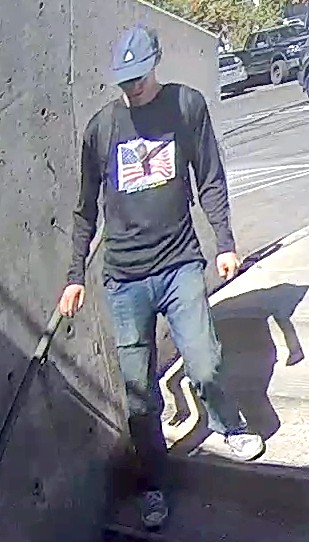
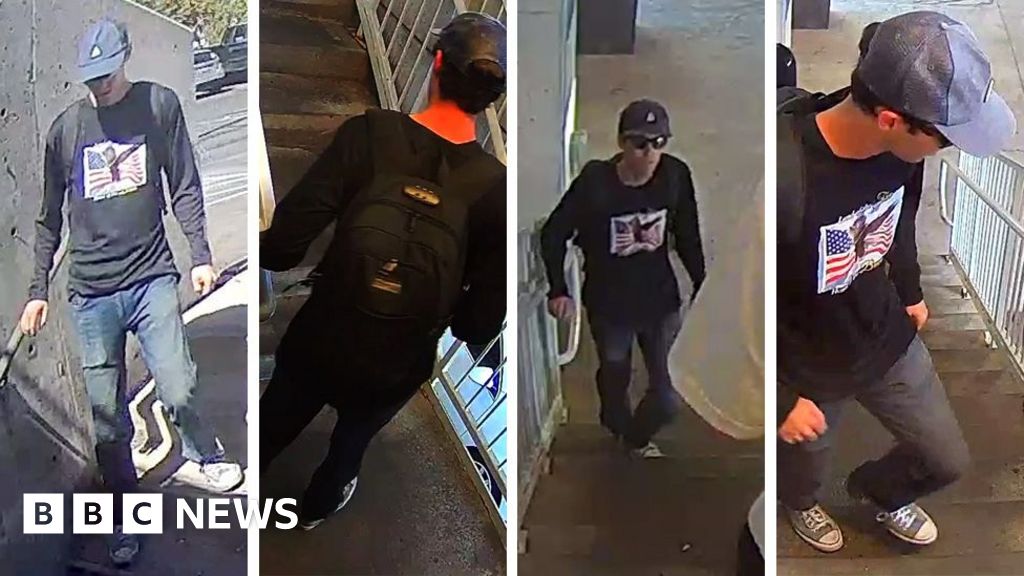
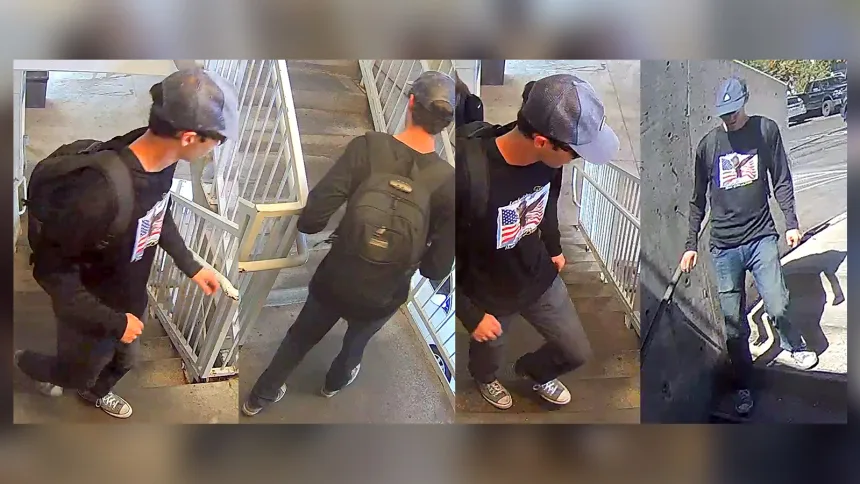
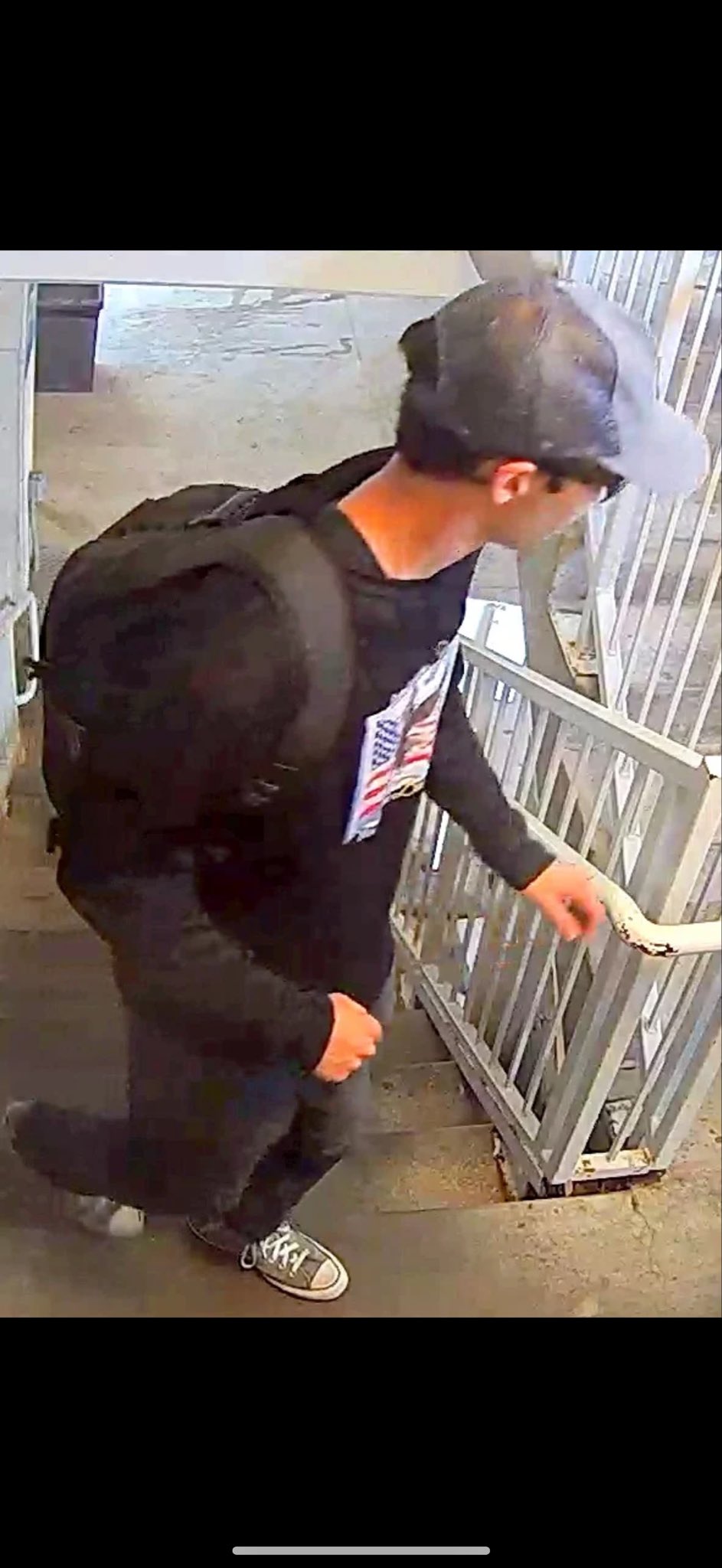
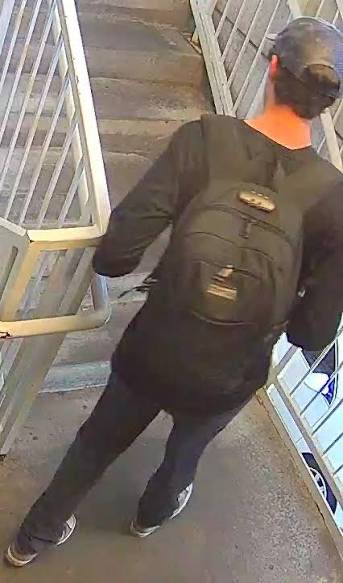
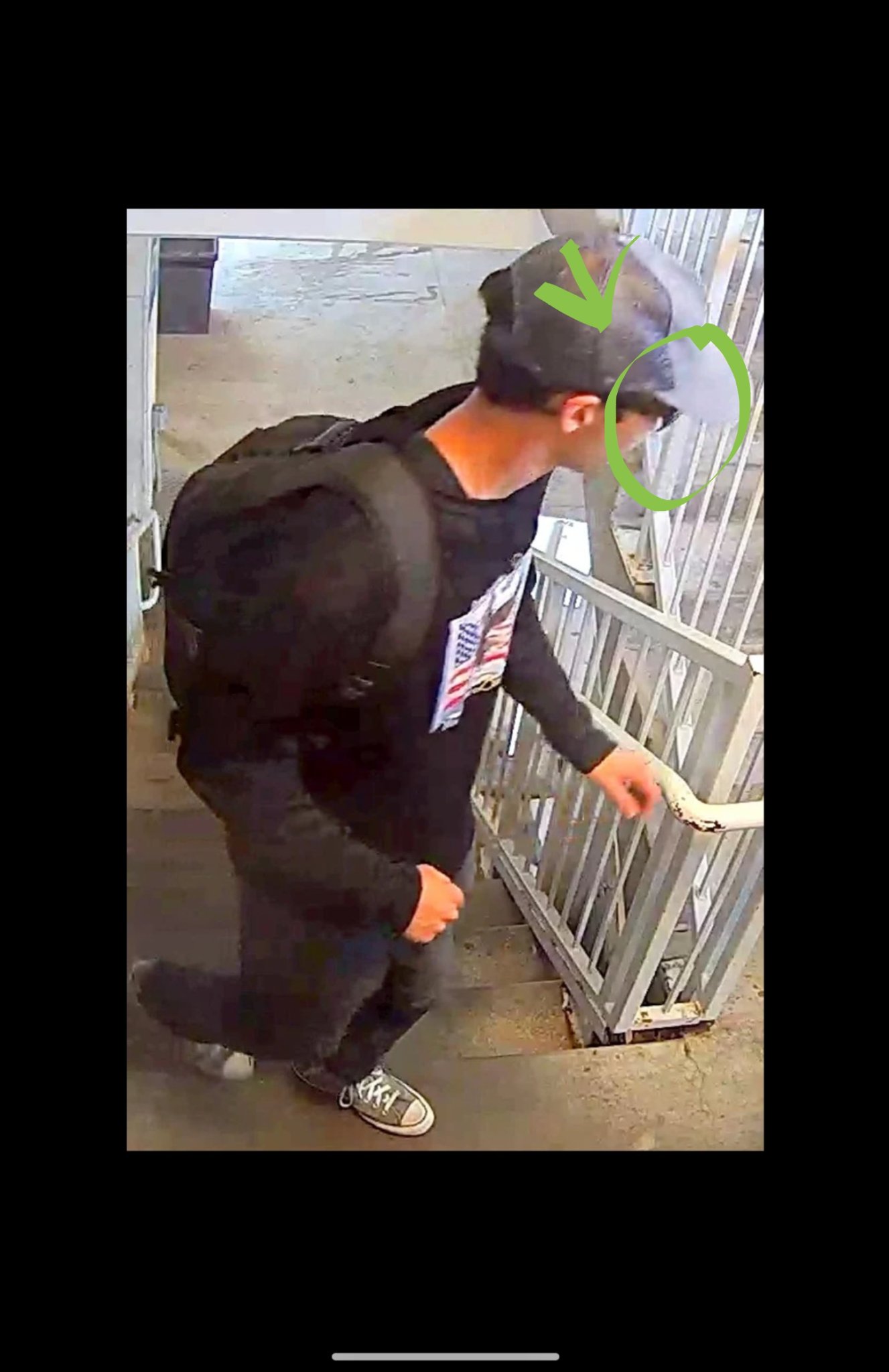
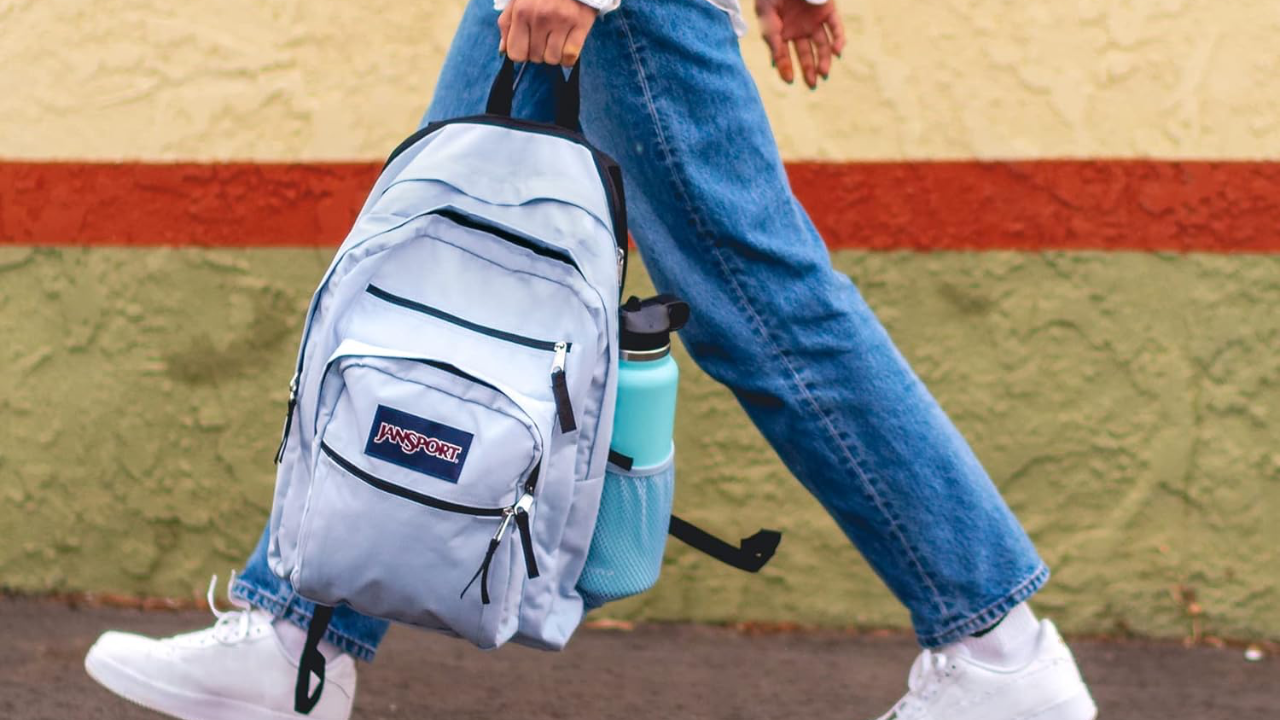
The argument is a chain of four links. First, the file states that Robinson reportedly left his car with a "very light blue backpack" that was roughly 50% empty, while the stairwell figure's backpack is dark and "90%" or "95% full" — different color, different fullness. Second, the file argues a 22-year-old would not swap backpacks and hats mid-morning: "Does he take a BLACK backpack out of the 50% full light blue backpack? 22 year olds would not do that." Third, it argues the rifle could not be in the trouser leg, because "the video shows even 'broken down', the gun is still too big," and notes the phone visible in a tight pocket as a scale reference. Fourth, it puts the backpack's usable interior at 17 inches maximum, against a Mauser 98 the file itself measures at roughly 43–49 inches assembled, with a barreled action of about 28–32 inches and a stock of about 30–34 inches.
The conclusions the file draws from this: the stairs figure is a different person; the FBI's gun-in-then-gun-out narrative fails; and therefore others supplied or removed the rifle, or it was pre-placed days earlier. The file concedes that last option "isn't the FBI narrative" and says it would be disproved once the full campus video is obtained.
The file's own timeline undercuts the precision the argument requires. Its Tyler timeline records "No backpack mentioned" at 8:29 a.m., at 11:50 a.m., and at 11:53 a.m. — but "carrying a dark-colored backpack" at 11:49 a.m. Those are four entries minutes apart that cannot all be right. An argument that turns on which bag was where, and how full, cannot be run off a timeline that loses the bag between consecutive frames.
The ordinary explanation
A disassembled Mauser 98 is exactly what a takedown-in-a-bag scenario looks like. The file's own figure for the barreled action is roughly 28–32 inches, and "inside 17 inches" is one person's unverified estimate of an unidentified backpack model seen in low-resolution video — not a measurement of a bag anyone has held. Bags also carry things diagonally, and pack flaps extend.
Comparing bag volume and fullness across compressed stills from different cameras, at different angles, in different light, is notoriously unreliable. "Full versus half-empty" is an impression, not a measurement, and impressions of fullness swing wildly with strap tension, contents distribution, and lens compression. The same is true of "different hat."
Most importantly, the charging documents describe the rifle being left wrapped in a dark towel on the rooftop — so on the state's own account it did not have to come back out in the bag at all. The "gun in, gun out" narrative the file is attacking is partly the file's own construction. And a person committing a serious crime has obvious motive to change clothing, hats, and bags; the argument that a 22-year-old "wouldn't do that" assumes the behavior of someone who is not planning a shooting.
What would settle it
- Obtain the complete Losee Center stairwell footage at native resolution and frame rate, with the camera model and lens specification, so scale can be established rather than eyeballed.
- Identify the actual backpack model in each clip and measure a physical example, instead of estimating "17 inches" from video.
- Have an independent forensic video analyst compare the stairwell figure to the 8:29 a.m. figure — facial, gait, and anthropometric — and publish the method.
- Obtain the recovered Mauser and physically test whether the barreled action fits the identified bag.
- Obtain the rifle's chain of custody from the wooded area, and the rooftop towel evidence.
Interesting In This Area
- Robinson's clothing reportedly changes three times before the 12:22 roof run.
- A man in all black is what the construction crew reportedly met instead.
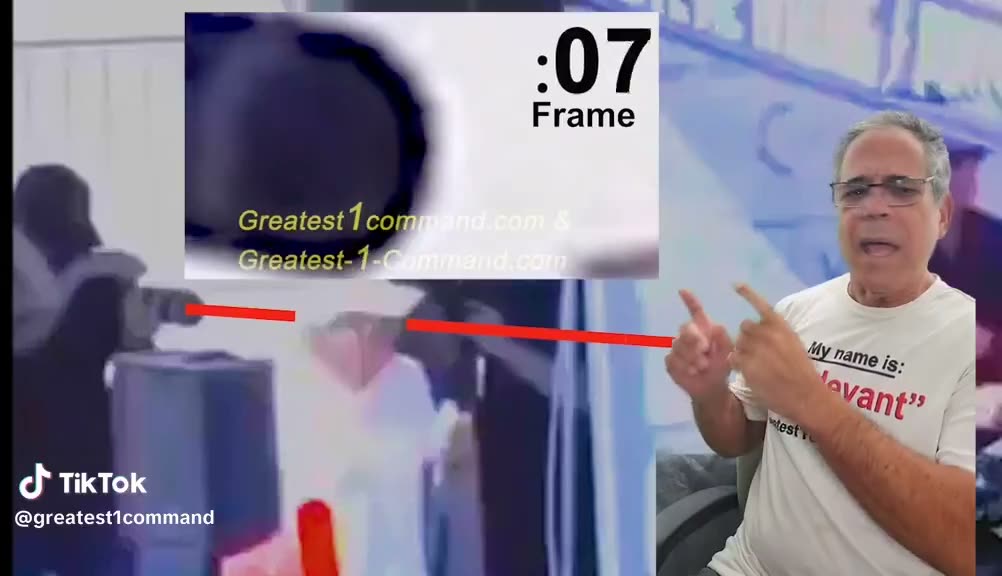
- The helicopter footage argument turns on the same kind of frame reading.
- Enhanced stairwell photos were reportedly released only after custody.
Interesting In Other Areas
- The roof figure's pack looks fuller after the change, not emptier.
- Even if a rifle fits a trouser leg, the scope no longer holds zero.
- Cameras record movement, not names, which is the gap the identity dispute lives in.
- Dispatch and a crew independently described a man in all black with long greasy hair.
Images
Videos
Footage related to this page. Each card opens that clip's own page, with the video, the full write-up, and its source.

Other Pages In This Section
Everything citizen investigators flag as suspicious, sorted by who did it — state and local police, the FBI, an alleged Israeli nexus, US intelligence, and the defense. Sorting by actor rather than by topic is what makes the pattern visible.
Read this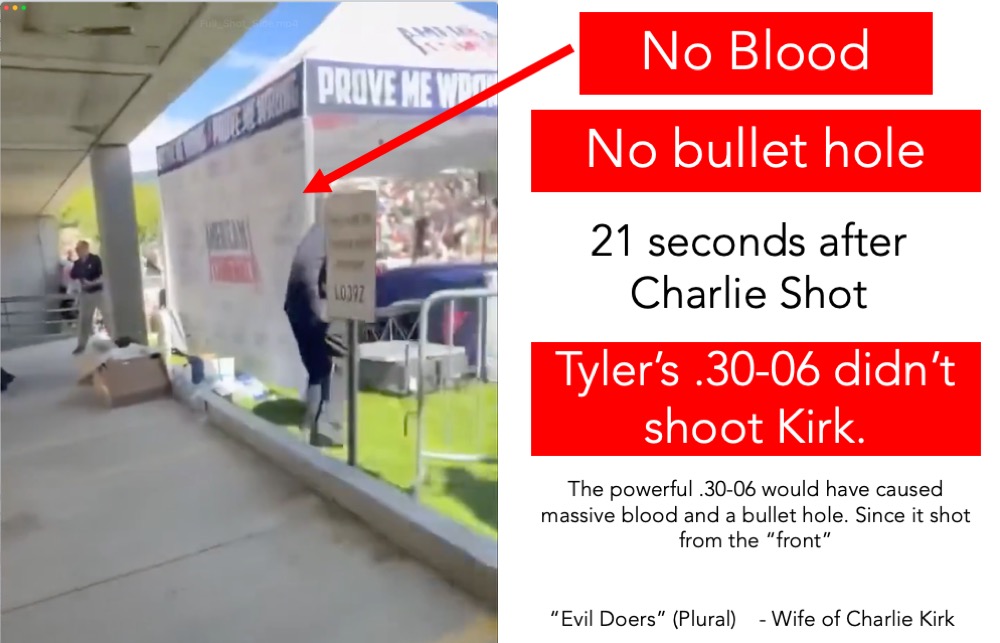
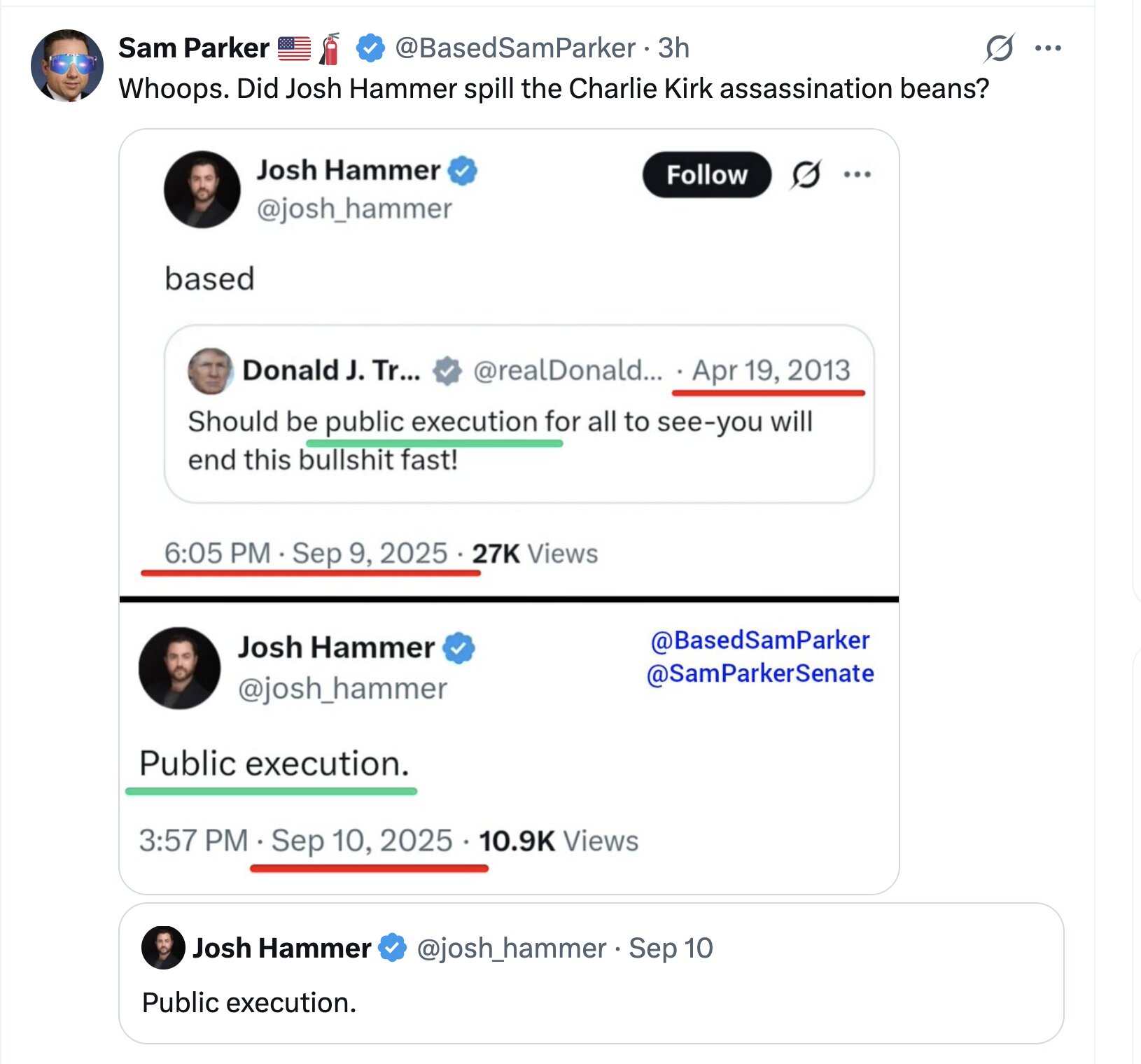
No Blood Spray, No Exit Wound (Claims)
The most-repeated suspicion in the case: a .30-06 carrying roughly 3,950 joules should have blown through the neck and sprayed the tent. The counterargument is strong — and the physics error inside the claim undercuts the analysts making it.
Read this
The Shirt and Necklace Move Before the Blood (Claims)
Optical-flow work says the shirt balloons and the chain snaps several frames before any blood appears. It is the strongest of the alternative observations — and hydrostatic cavitation predicts exactly that sequence at 30fps.
Read this
The Miranda Timing Came From a Defense Filing (Claims)
The 6:25 PM Miranda timestamp everyone quotes came out of a defense motion quoting a Bates-stamped exhibit — evidence the defense is working, not failing. Critics still ask why it has not become a public suppression fight.
Read thisElsewhere In The Investigation
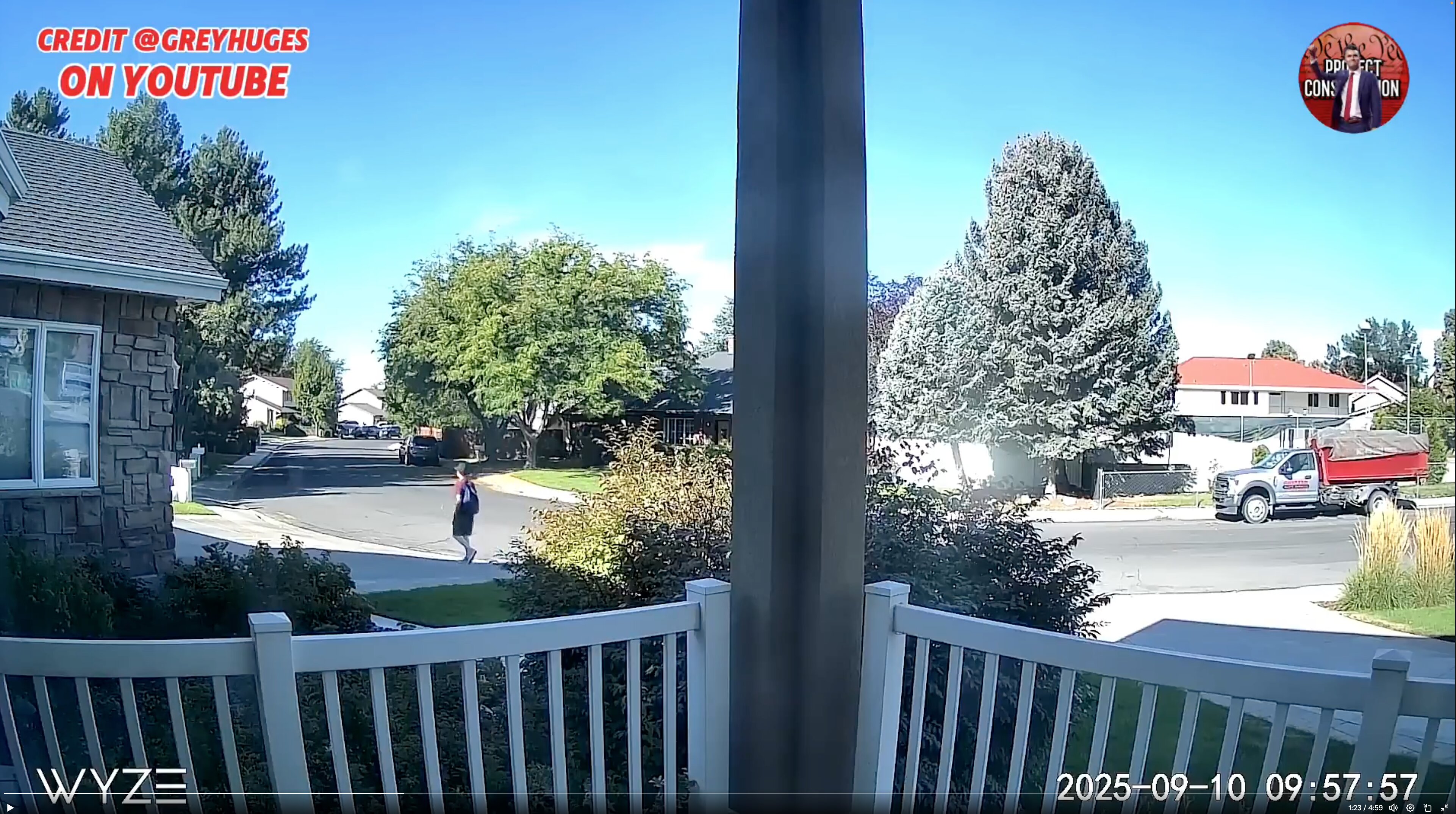
Backpack & Rifle Impossibility
Light shorts in the morning, a half-full student pack, and a long scoped rifle that has to reach a roof somehow. The volume argument is the sharp one: the roof figure's pack looks fuller after the change, not emptier.
Read thisScope Zero & Pants-Leg Concealment
Everyone argues about whether a rifle fits down a trouser leg. A gun owner in a circulated clip makes the sharper point: even if it fits, the scope no longer holds zero, and you do not take a once-in-a-lifetime shot on a rifle you have not sighted in.
Read this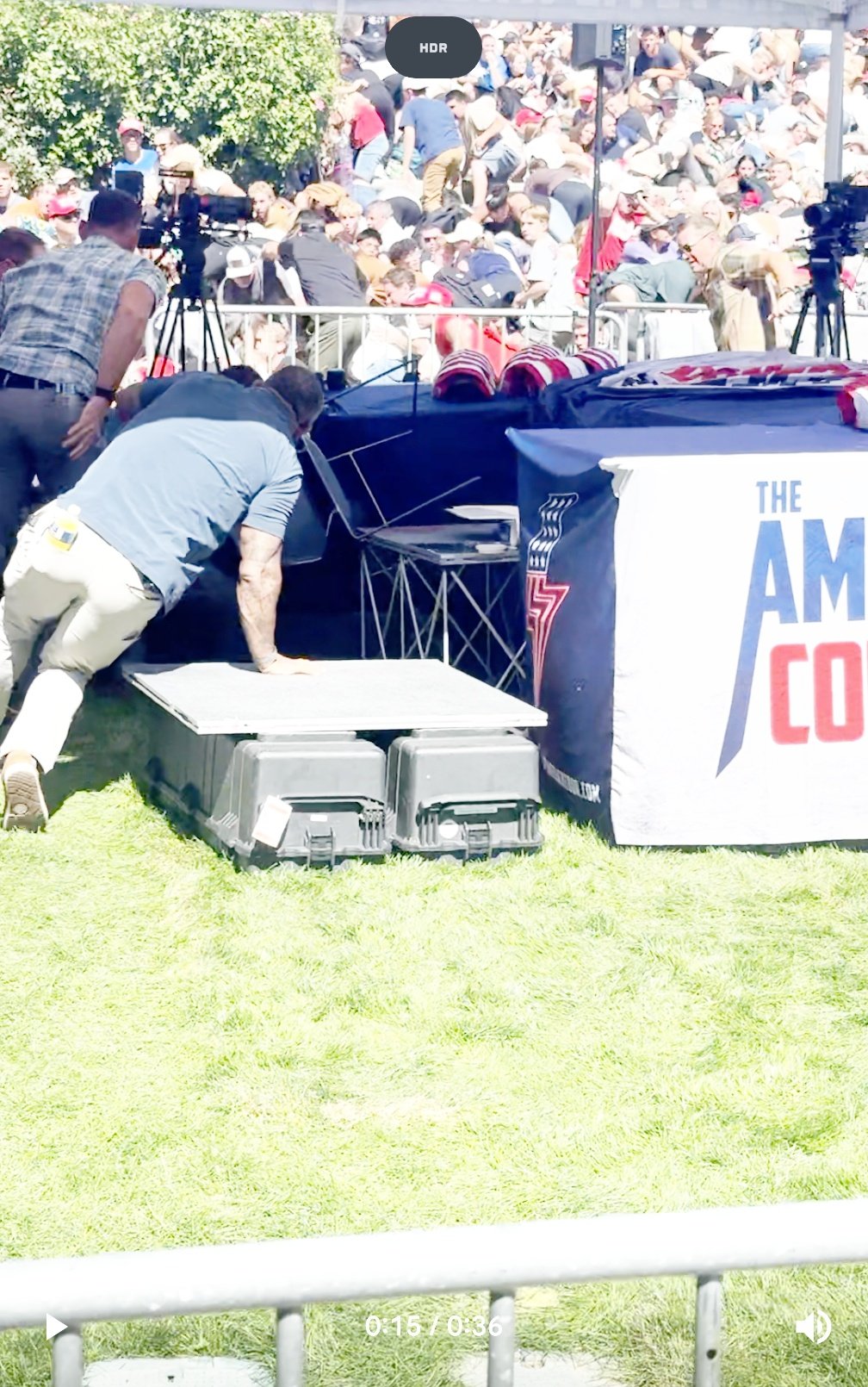
Every camera sighting the released timeline attributes to the charged man on September 10 and 11, hour by hour. Cameras record movement, not names — which is exactly the gap the identity dispute lives in.
Read thisBlack Clothing Figure — Top Rooftop Suspect (Unidentified)
Police dispatch, a construction crew, and the only pre-shooting roof video independently described a man in all black with long greasy hair. That silhouette does not match the T-shirt and jeans of the charged man.
Read thisSources
- Investigation file, section "Stairs Guy and Backpack prove not him": the four-point argument and conclusions (a) through (e).
- Investigation file, section "Stairs Guy vs Tyler Robinson": "Tyler got out of his car with the very light blue backpack (50% empty). The guy in the stairs different backpack, 90% full."
- Investigation file, section "Tylers Backpack": "Inside 17 inches max something can be internally."
- Investigation file, section "Gun Mauser Model 98": assembled ~43–49 in; barreled action ~28–32 in; stock ~30–34 in; "not a 'takedown' rifle designed for tool-free breakdown."
- Investigation file, section "Tylers Timeline that day and clothes" — the internally inconsistent backpack entries at 11:49 versus 11:50 and 11:53.
This website's author is @HolonCitizen on X and YouTube/@HolonCitizen. Follow me there.
Interesting
- Broadcast audio analysis reads one arrival as a detonation at the tent itself, not a distant rifle.
- The suspect list reaches far past one 22-year-old, into foreign and domestic intelligence claims.
- Reported donor pressure and an $81 million succession question sit inside the organization's own story.