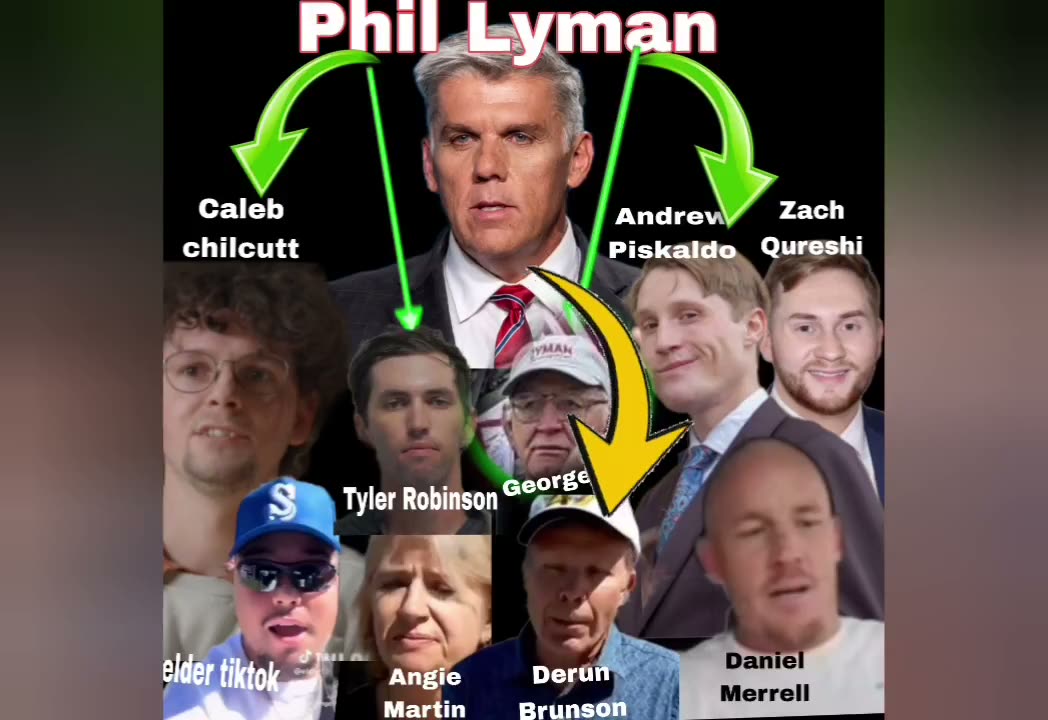
Shot in the Chest, Then the Neck — One Witness, Two Accounts
This page documents a compilation of on-camera witness interviews recorded outside Utah Valley University shortly after the September 10, 2025 shooting of Charlie Kirk. Charlie Kirk was assassinated in that courtyard minutes before these interviews were recorded, which is why the cause-of-death record treats the earliest, least-rehearsed descriptions as the most valuable ones. It is included because it raises an open question about how one witness's description of the wound location appears to change between two interviews, and how a second witness in the same lineup describes a different location. This page does not assert that anyone lied, was coached, or acted in bad faith. Every person referenced is presumed to have spoken in good faith under extreme stress. The accounts are recorded as-given and the apparent discrepancy is left as a question for the reader.
Source: @CharlotteLee_88 on X · 2026-06-23
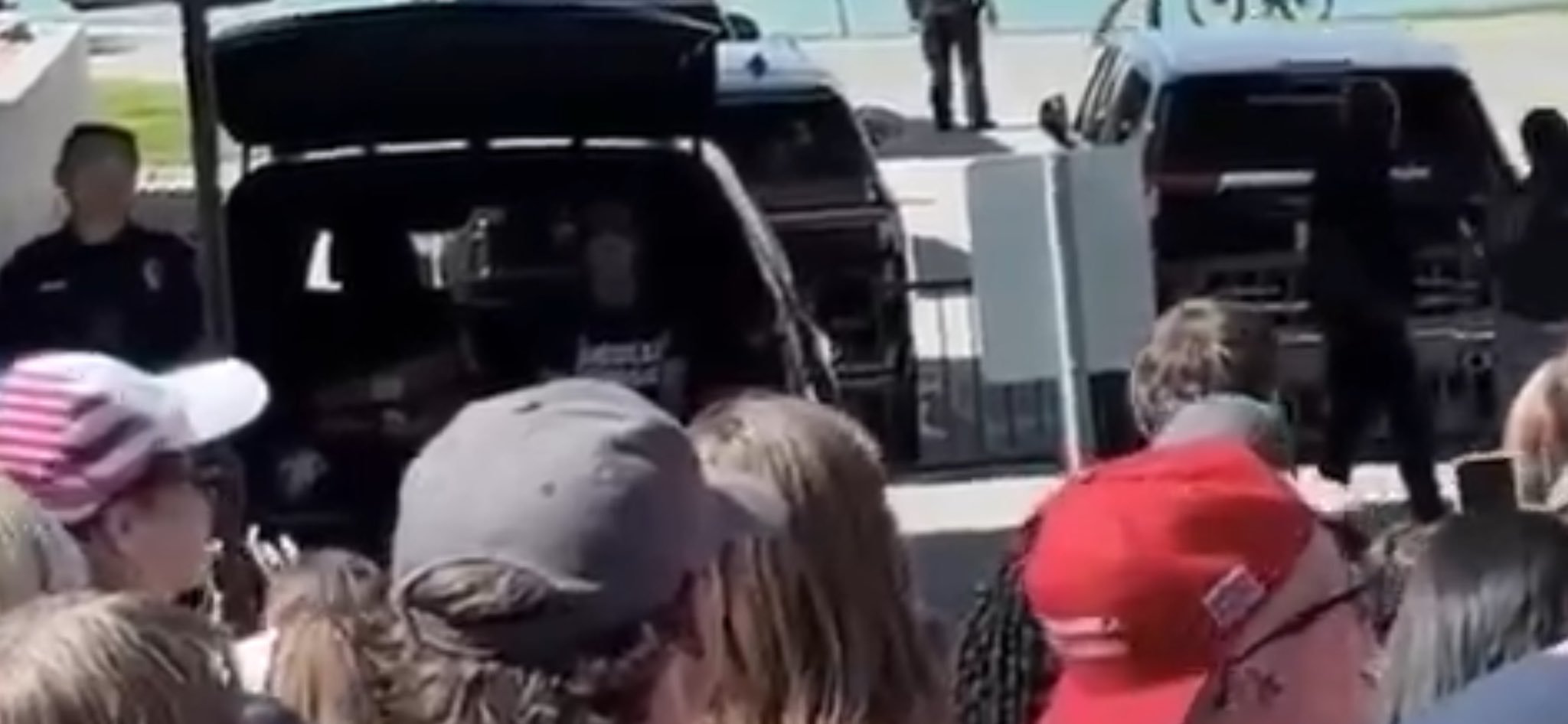
Compilation of on-camera witness interviews recorded near UVU shortly after the shooting. Source: @CharlotteLee_88 on X, 2026-06-23.
What the post claims
According to @CharlotteLee_88, "one of the earliest witnesses first described Charlie Kirk as being shot in the chest, AND SHE DOUBLES DOWN 3 TIMES, then appeared on another station less than an hour later with a different account." The poster also directs viewers to "the fourth woman in this witness lineup," who, the poster says, gives an account that "directly contradicts" the first witness. The poster further notes that in the second interview the witness says "my heart was racing," and characterizes the witness's demeanor — laughter and smiles while describing trauma and a need for therapy — as something viewers should weigh for themselves.
These are the poster's framings and interpretations, reproduced here as reported rather than asserted by this site. The witnesses are not accused of any wrongdoing.
The accounts, as given
The following passages are drawn from a machine-generated transcript of the compiled interviews. First names spoken on camera are used; the descriptions are quoted as recorded.
First interview — a chest / heart description:
I heard a loud bang which I figured a shot would be a little bit louder, but I just saw it hit him in the chest and then all of a sudden just tons of blood gushing right out where his heart is, and then he like fell over and slumped down...
I just knew that it came to the right of me and went just directly into his heart...
...it's when he got shot in the heart.
A second witness in the same lineup — a neck description:
I was watching from pretty close up and I heard a pop, and I thought, no, nobody's shooting firecrackers... and then I watched a fountain of blood come out of the side of his neck like a water fountain... everyone dropped and I was like, where's the gunman? I don't see any gunman.
Second interview, different station, roughly an hour later — a neck description:
It's been a little bit over an hour... since this happened and my heart is still racing... that is when Charlie Kirk was shot — it was in the neck, and I watched the blood just spurt out all over his body as he slumped over and fell down...
I was in the fourth row back... that's when I saw him just get hit right in the neck, lower neck...
The open question
The question raised by the post is why the wound-location description appears to shift — from chest / heart in the first interview to neck in the second — and why a separate witness in the same lineup describes the neck from the outset. There are ordinary explanations that must be weighed alongside any other reading: witnesses under acute stress frequently misremember and revise; a chest-versus-neck distinction is genuinely easy to confuse in a chaotic, split-second event; people at different angles and distances see different things; and an account can change once a witness has heard early news framing or compared notes with others. The witness herself describes ongoing shock, racing heart, and a plan to seek counseling — all consistent with the well-documented unreliability of eyewitness recall under trauma.
This page preserves the clip and the statements side by side so the discrepancy can be examined as a question, not treated as a verdict. It connects to the broader Wrong Witnesses page, which gathers other early on-camera accounts that describe a chest or heart wound, and to the ballistics record on which the official single-rifle narrative rests.
How to weigh this
The responsible reading is to watch the footage, read the statements verbatim, and treat the apparent change in account as something to be explained, not as proof of anything. A witness whose description shifts between interviews has not, by that fact alone, done anything wrong. The value of this page is that it keeps the original footage and the exact words available, so readers can form their own judgment rather than rely on any label.
X.com posts:
Laws (Charlie Kirk)
- The full autopsy and wound-trajectory report and unedited footage of the witness interviews and the ballistics record behind the single-rifle account are things that the Charlie Kirk Investigation Laws may result in powerful truths coming out that aren't out yet.
Sam Parker Synthesis (Jun 2026) — Attributed
@BasedSamParker (Jun 23, 2026) published a long synthesis (crediting @CharlotteLee_88) arguing:
- Early afternoon "shot in the chest" television language (e.g., "Sarah from Draper") flipped to neck within roughly an hour.
- Cooper Brown’s confrontation with Jeb Jacobi may reflect a narrative version conflict, not simple crowd chaos — Parker explicitly disclaims formal accusations.
Treat the synthesis as one investigator’s model. Preserve primary clip citations where available.
This website's author is @HolonCitizen on X and YouTube/@HolonCitizen. Follow me there.
Interesting
- Why was a self-described behavioural expert reportedly seated in the reserved front row?
- Two collapsed custody stories fill the distraction events timeline for September 10-11.
- Erika Kirk reportedly said evil do-ERs, plural, 55 hours after the death.
Related Areas
Related
Images
Videos
Footage related to this page. Each card opens that clip's own page, with the video, the full write-up, and its source.