Witnesses
Firsthand accounts from people who were at Utah Valley University on September 10, 2025, when Charlie Kirk was shot. This section collects on-camera and on-record interviews from named or pseudonymous witnesses and indexes their specific testimony — what they saw, what they heard, and from which direction. Almost none of this testimony appears in the state's prosecution of Tyler Robinson, who is charged rather than convicted, which is precisely why the witness record is gathered and preserved here.
:::note Event witnesses vs. hearing witnesses The accounts in this section are interviews, not sworn testimony. For people who took the stand under oath in State v. Robinson — subject to cross-examination — see Who Testified and Testimony. The two carry very different evidentiary weight, and conflating them is the most common error in public commentary. :::
In This Section
:::tip The most consequential witnesses in this case were never at UVU They were 209 miles south, behind a counter in Panguitch, Utah. Staff at Cowboy's Smokehouse say the solo customer they served from 8:55 to 9:47 PM on September 10, 2025 was Tyler Robinson — and one of them says on camera that he personally took the card, that he is "100%" certain, and that in the months since, neither the FBI, nor the prosecution, nor the defense has ever come back to him. That is what makes it so interesting: unlike almost every other account in this section, this one comes with a printed receipt and a cardholder of record, so it could be confirmed or destroyed in an afternoon by anyone with subpoena power — and no one has. The identification is claimed by restaurant staff and contested; Robinson is charged, not convicted. Panguitch — The Town That Breaks the Timeline → :::
Featured clip — a witness account that appears to change
Compilation of on-camera witness interviews near UVU. Source: @CharlotteLee_88 on X, 2026-06-23.
According to @CharlotteLee_88, one of the earliest on-camera witnesses first described Charlie Kirk being shot in the chest — repeating the chest/heart description several times — then gave a neck-wound account on a different station roughly an hour later. A separate witness in the same lineup describes the neck from the start. The poster frames this as a contradiction; this site records the accounts as-given and treats the apparent shift as an open question, not an accusation. Witnesses under acute stress routinely misremember and revise, and a chest-versus-neck distinction is easy to confuse in a chaotic moment. The full clip, verbatim quotes, and the competing readings are laid out on the dedicated page: Shot in Chest, Then Neck. See also the related Wrong Witnesses page.
What this area covers
Witness testimony is the front line of any shooting investigation. This area gathers interviews with people who were at UVU during the event and who have spoken on the record about what they experienced — the sounds they heard, the direction of fire, the reactions of the crowd, and anything else that might inform whether the official single-shooter, single-rifle account is consistent with what was on the ground. Witnesses are presented one per page so each account stays self-contained and so a reader can compare them side by side.
Key patterns to watch
Across the witness interviews collected here, several recurring observations stand out and bear comparison with the official narrative. According to several reported accounts, the sound profile most witnesses describe is closer to "pops," "fireworks," or smaller-calibre or pistol-like reports rather than the heavy crack of a 30-06 rifle (the calibre the alleged Mauser 98 would have produced). Reported descriptions of crowd reaction at the moment of the shot — including a group reportedly cheering near the top of the venue — are also documented here. Where witnesses describe the trajectory of fire, those descriptions are recorded as-stated and cross-referenced against the Gun & Bullet and Shooting Locations sections.
How to use this section
Start with any single witness page to read that person's account verbatim and watch the embedded interview. Then compare across witness pages for points where multiple people independently report the same detail — those convergences carry more evidentiary weight than any single account. Where a witness account conflicts with the official report or with other witnesses, the page notes the discrepancy rather than reconciling it; reconciliation is left to the Proof Not Tyler and Shooting Locations pages where multi-source synthesis happens.
A witness who says he was advised to erase what he filmed
The pattern above concerns accounts that change. This one concerns an account that has stayed identical across every retelling — and what the witness says he was asked to do with his footage.
He filmed the event on his phone and sent it to the FBI as a tip, believing he was helping. He describes the contact escalating from a local field office to someone at the national level, and says that contact advised him to erase the video from his phone because the victim had been his friend and keeping it would only give him PTSD. A second call, he says, asked him to confirm he had erased it.
For readers working through witness material, this one is unusually easy to assess on its own terms. It is a single first-person account of two phone calls, told the same way each time it has surfaced, with no corroborating record produced by anyone. He says he did not delete the file, and that the confirmation call is what made him publish and back it up widely. The FBI has not publicly addressed it; ordinary welfare and evidence-handling explanations fit the same facts, and no wrongdoing by any individual is asserted here.
- Watch it: Erase It, You'll Get PTSD — The Clearest Copy Of That Account — the highest-resolution copy held, with full transcript.
- Full write-up: FBI Asked a Witness to Delete Their Video
X.com posts:
- Witness describes chest shot, then neck on second station
- Witness interview compilation; "shot to the heart" theme
- Man who stopped a TPUSA witness on camera identified as Cooper Brown
- Second-row witnesses: impact hit the chest, shot in heart
Laws (Charlie Kirk)
- FBI Form 302 interview reports for every witness and removed UVU and traffic camera footage and ballistics showing the true caliber and gunpowder residue are things that the Charlie Kirk Investigation Laws may result in powerful truths coming out that aren't out yet.
Pattern Map Citizen Investigators Use
- Sound — pop / fireworks language vs .30-06 crack expectations.
- Wound language — early heart/chest vs later neck.
- Crowd control — who silenced or redirected on-camera witnesses.
- Trajectory — left/right disagreements vs Losee geometry.
Use child pages for named witnesses; keep this overview as the pattern index.
Interesting In This Area
- Second-row viewers say the impact landed on the chest, not the neck.
- One witness reversed chest to neck between two stations about an hour apart.
- Nick heard pops rather than a heavy rifle; EksAyn Anderson is a seating question.
- A retired officer repeats shot to the heart; none of them testified.
Interesting In Other Areas
- Who testified under oath is a different and much shorter record.
- Doctors question the medical examiner's report, and the autopsy stays unpublished.
- Panguitch staff say they served the accused 209 miles away that evening.
- The cause-of-death record treats these first-minute descriptions as unusually valuable.
Other Pages In This Section
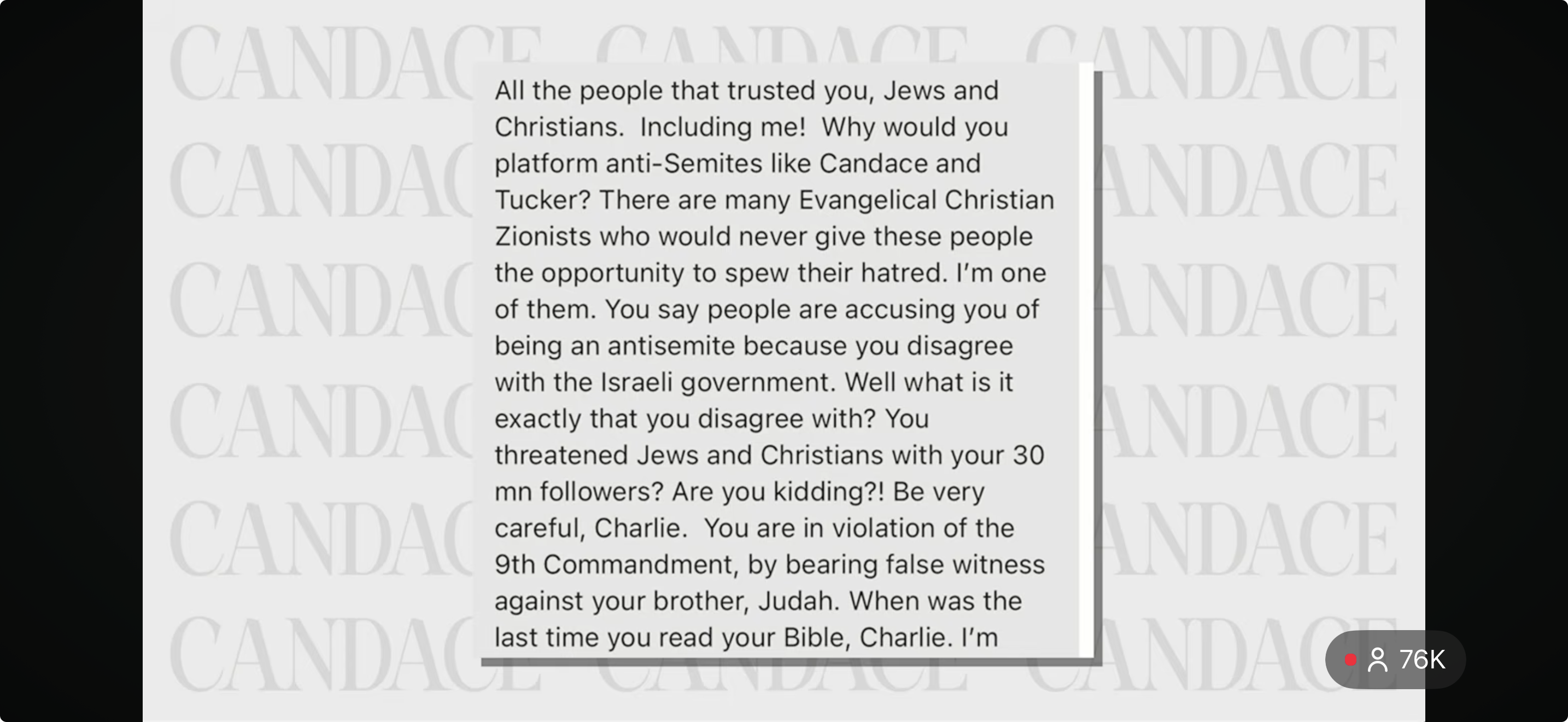
Shot to the Heart — The Repeated Theme and the Shaped-Charge Question
Witness after witness described a chest wound rather than a neck wound — the same wrong detail, from people who did not know each other. That repetition is either mass error or a clue.
Read this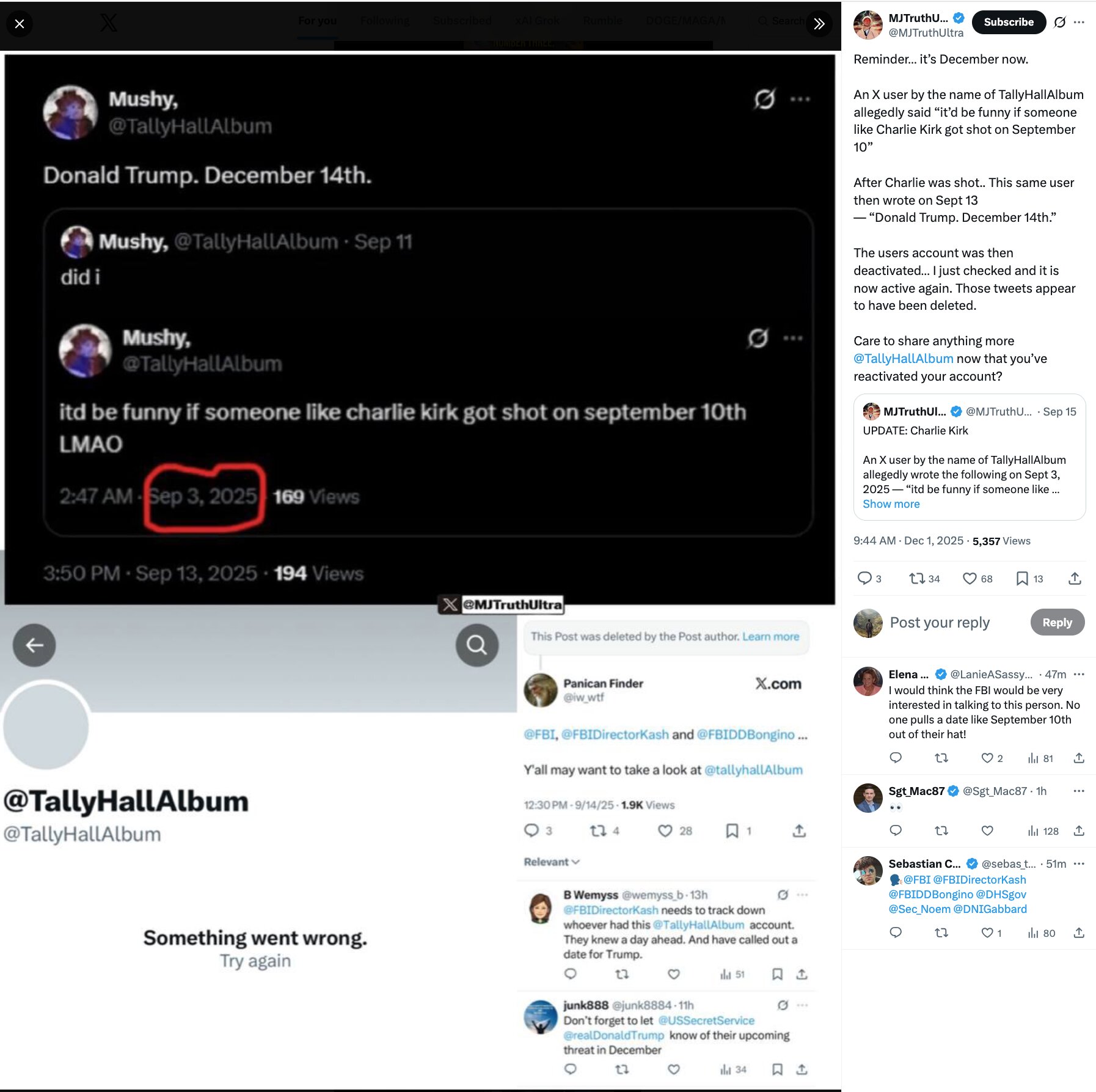
Wrong Witnesses — Why the Same Wrong Detail?
Several on-camera witnesses described a chest or heart wound within minutes of the shot. None has been called to testify in the case built on the state's rifle theory, so the accounts survive only as interviews.
Read this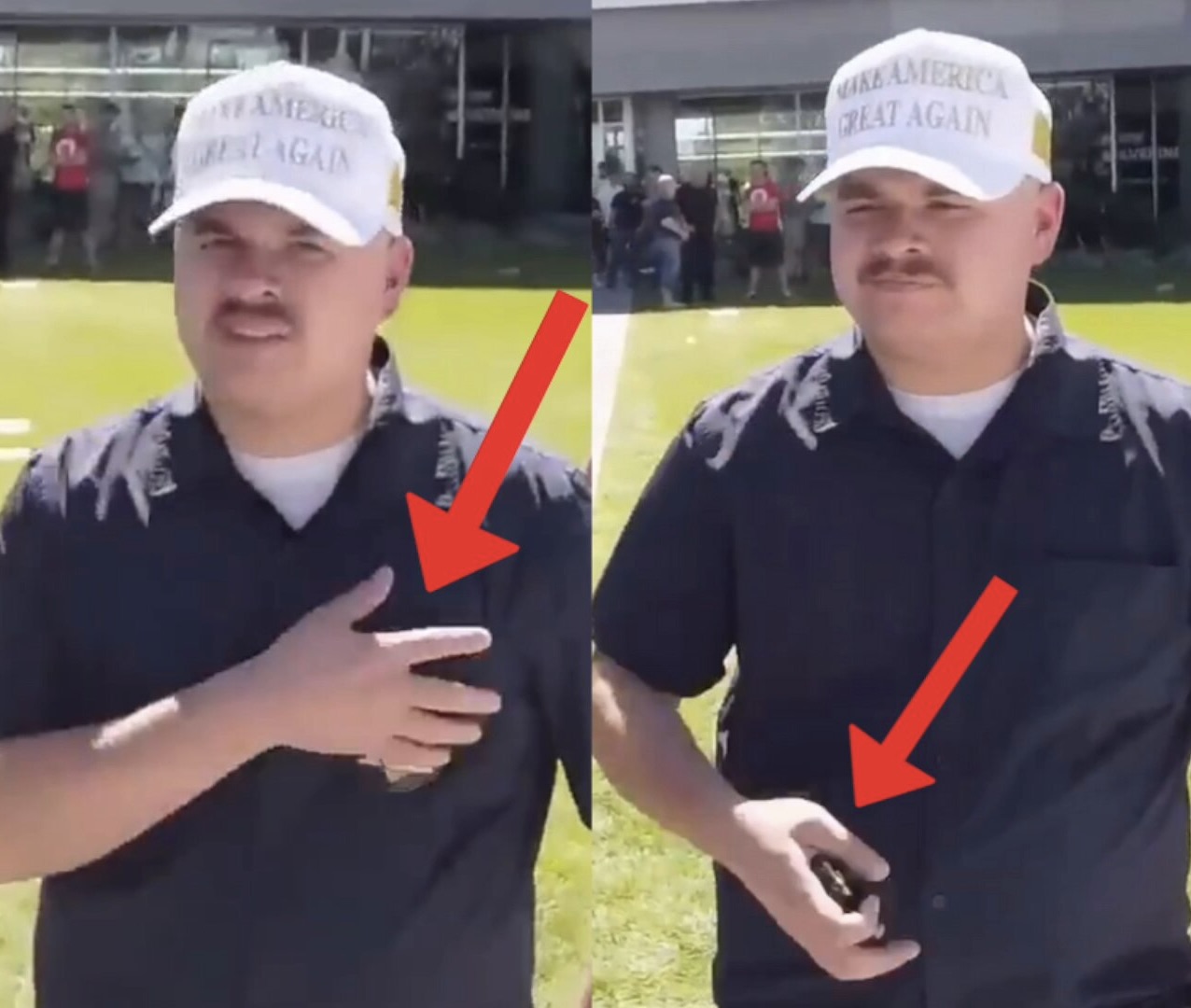
Shot in the Chest, Then the Neck — One Witness, Two Accounts
One witness, two accounts: chest first, then neck. The page tracks when the account changed, and what else changed around it.
Read this"You Just See It Hit His Chest" — Second-Row Witnesses Describe a Heart Shot
Second-row witnesses describe the impact landing on Kirk's chest and blood coming from the middle of it — one says outright he was shot in the heart. The white shirt shows no chest wound, which is what makes the pattern worth explaining.
Read thisElsewhere In The Investigation
Who Testified — Hearing Witnesses
Sworn hearing testimony and an on-camera interview are not the same thing, and treating them as one is the most common error in commentary about this case. This roster covers only the people who took the stand under oath, what their testimony addressed, and on which day. Appearing on it is not an accusation.
Read this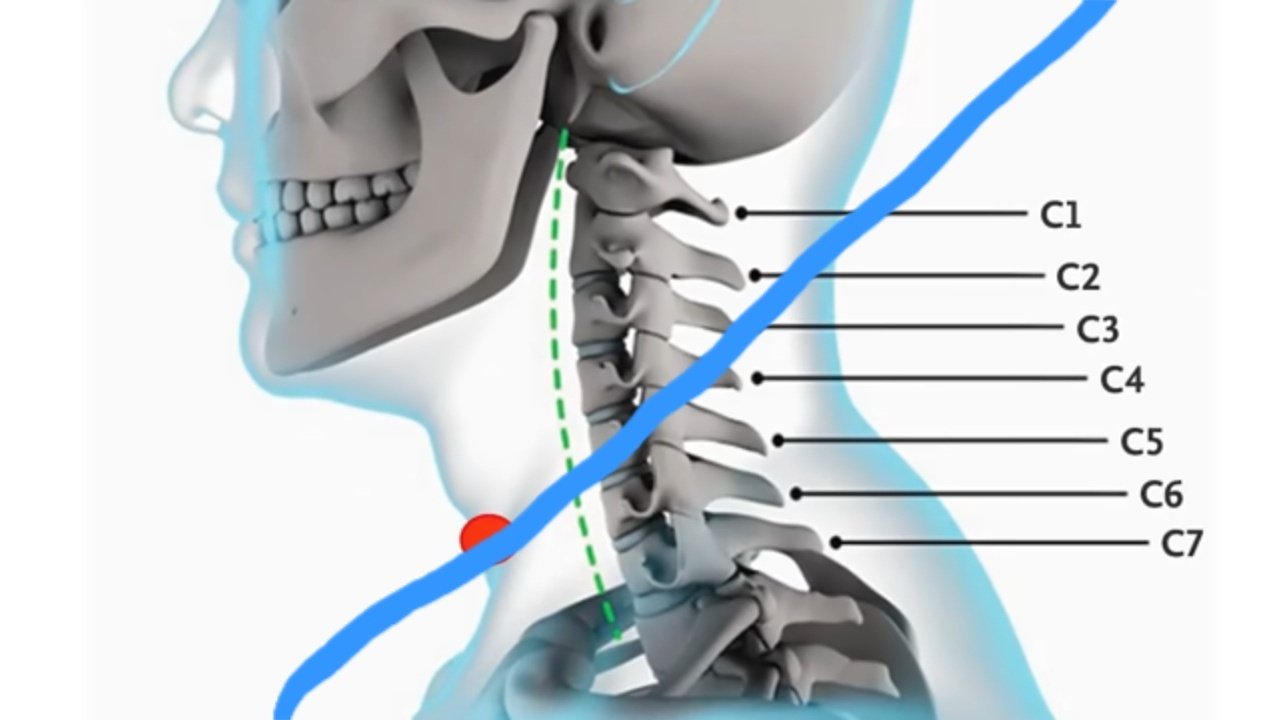
Witness Account Conflicts — Chest vs Neck
Chest and heart on camera in the first hour, neck in the record afterwards. This page lays the conflicting witness descriptions next to each other rather than choosing between them.
Read this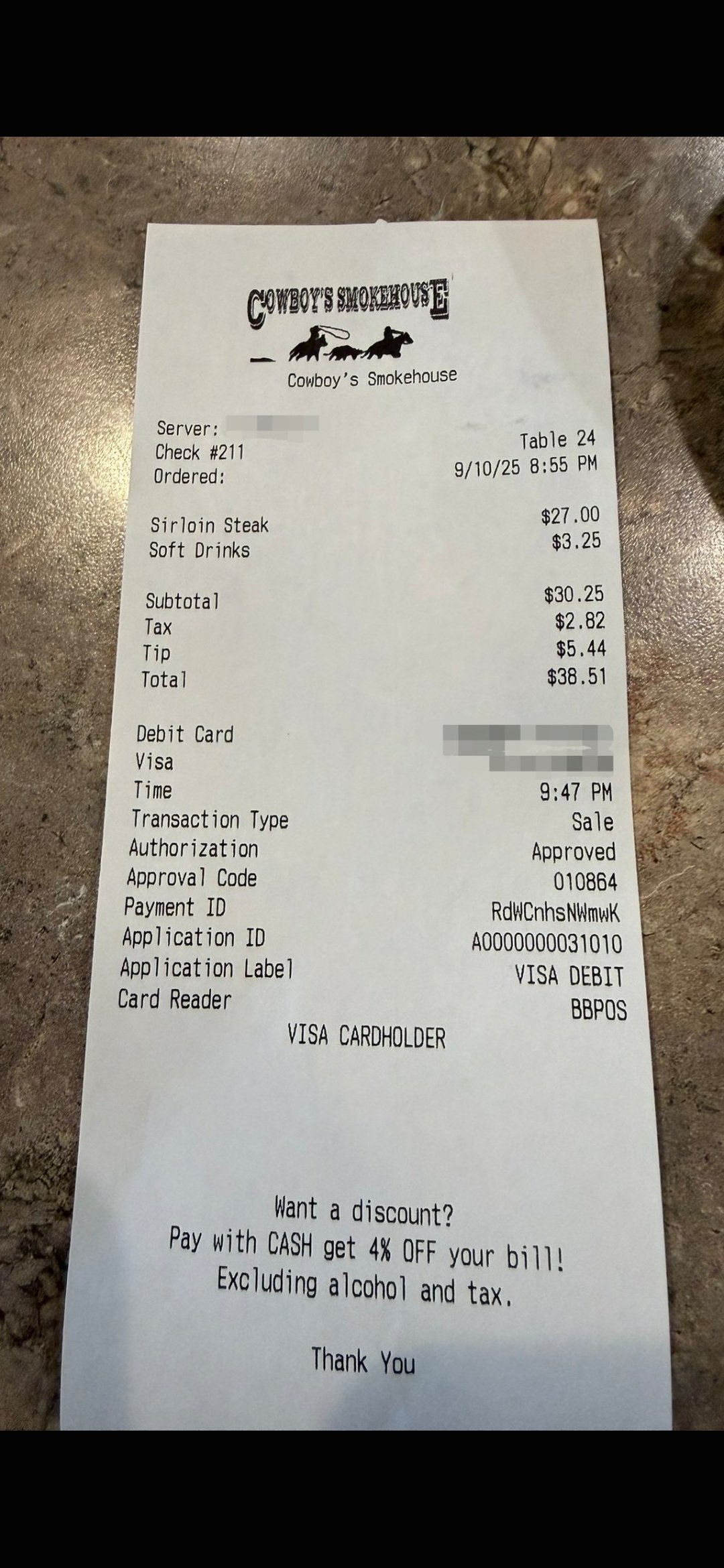
Panguitch — The Town That Breaks the Timeline
Restaurant staff 209 miles south of Orem say they served the accused dinner from 8:55 to 9:47 PM that night, and gave the FBI the last four digits of the card. The server says nobody ever came back.
Read this
Chest-Shot Witnesses — Planned Narrative?
Several witnesses told reporters within minutes that Charlie Kirk was shot in the chest. Candace Owens argues those descriptions never matched the visible neck wound.
Read thisThis website's author is @HolonCitizen on X and YouTube/@HolonCitizen. Follow me there.
Interesting
- Second-row witnesses describe a shot to the chest, conflicting with the state's neck account.
- If ATF material is exculpatory, why seal it? A media coalition asked.
- An OCR'd Sept 11 screenshot analysis puts custody hours before the official surrender.