Notes: Law 3 - Require Investigation
Legal Research
Precedent: Special Counsel Regulations (28 CFR 600)
- The Special Counsel framework provides a model for mandating independent investigations
- Key feature: investigative independence from DOJ leadership
- Key lesson: Independence must be structural, not just promised
Precedent: Church Committee (1975)
- Senate committee investigated abuses by CIA, NSA, FBI, and IRS
- Revealed massive intelligence agency overreach
- Key lesson: Congressional oversight is essential but insufficient alone
Precedent: Warren Commission / HSCA
- Warren Commission criticized as predetermined in conclusions
- HSCA later contradicted Warren Commission findings
- Key lesson: The "good-faith" investigation definition must explicitly prevent predetermined conclusions
Key Improvement: 175 Items as Mandatory Investigation Targets
The major improvement is that the investigation must specifically pursue each lead from Schedule A:
- The "good-faith investigation" definition now explicitly includes pursuing all leads from the 175 items
- Section 2(d) enumerates specific mandatory investigation targets in 8 categories
- The external monitor (Section 6) verifies leads are being pursued
- Reports must address each Schedule A category (Section 8(d))
- The conflict of interest trigger (Section 4(c)) addresses the self-investigation problem
Analysis
Pros
- Addresses the gap where agencies may have files but never actually investigated
- 175 items as mandatory investigation targets ensures nothing is ignored
- Dedicated team and budget prevent resource starvation
- External independent monitor (not internal inspector) provides real oversight
- Conflict of interest trigger automatically transfers authority if agencies are implicated
- 90-day interim reports create accountability checkpoints
- Parallel law enforcement and intelligence tracks cover both domains
Cons
- Mandating specific agents (20) and budget ($10M) may face appropriations challenges
- 18-month timeline may be insufficient
- "Good-faith investigation" is inherently subjective
- FBI investigating potential FBI involvement creates conflict (partially addressed by Section 4(c))
Key Improvement: Conflict of Interest Trigger
Previous version had no mechanism for what happens when the investigating agency is itself implicated. Section 4(c) now creates an automatic transfer to an independent commission. This addresses the single biggest weakness of the previous version.
Interesting In This Area
- Law 3 borrows independence from the Special Counsel model, and its audit checks whether it held.
- The Epstein Files Act passed 427-1 and still produced a fraction of its pages.
- The charter is what the compliance audit checks each draft against.
- The threat model assumes every evasion route will be tried, including an Israel exception.
Other Pages In This Section
Output Analysis: Law 3 - Require Investigation
The audit of Law 3 against the citizen requirements: a mandated investigation with its own team, budget and timeline, and a parallel intelligence assessment directed by the DNI. Every requirement is checked against the section that carries it.
Read this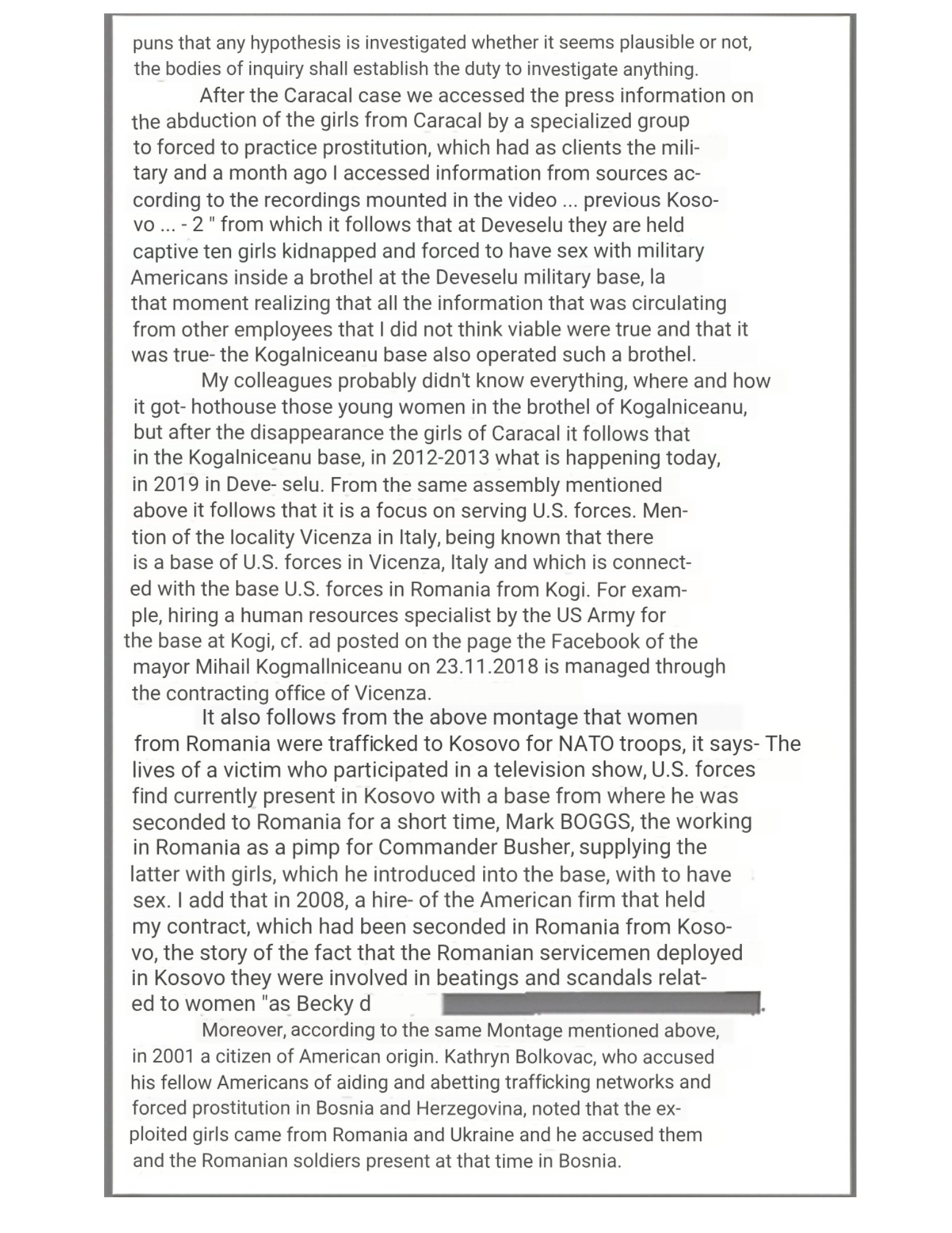
Human Requirements: Law 2 - US Intelligence Services Forced Disclosure
The plain-English demand behind Law 2: every part of the intelligence community — CIA, NSA, DIA, NRO — releases what it holds, and blocking an employee from coming forward becomes a crime.
Read thisSVG Slide Requirements — Law #4
The slide specification for Law 4, built to the same template as the other three. The frame has to make one idea legible at a glance — investigators the public actually trusts, working inside the agencies.
Read this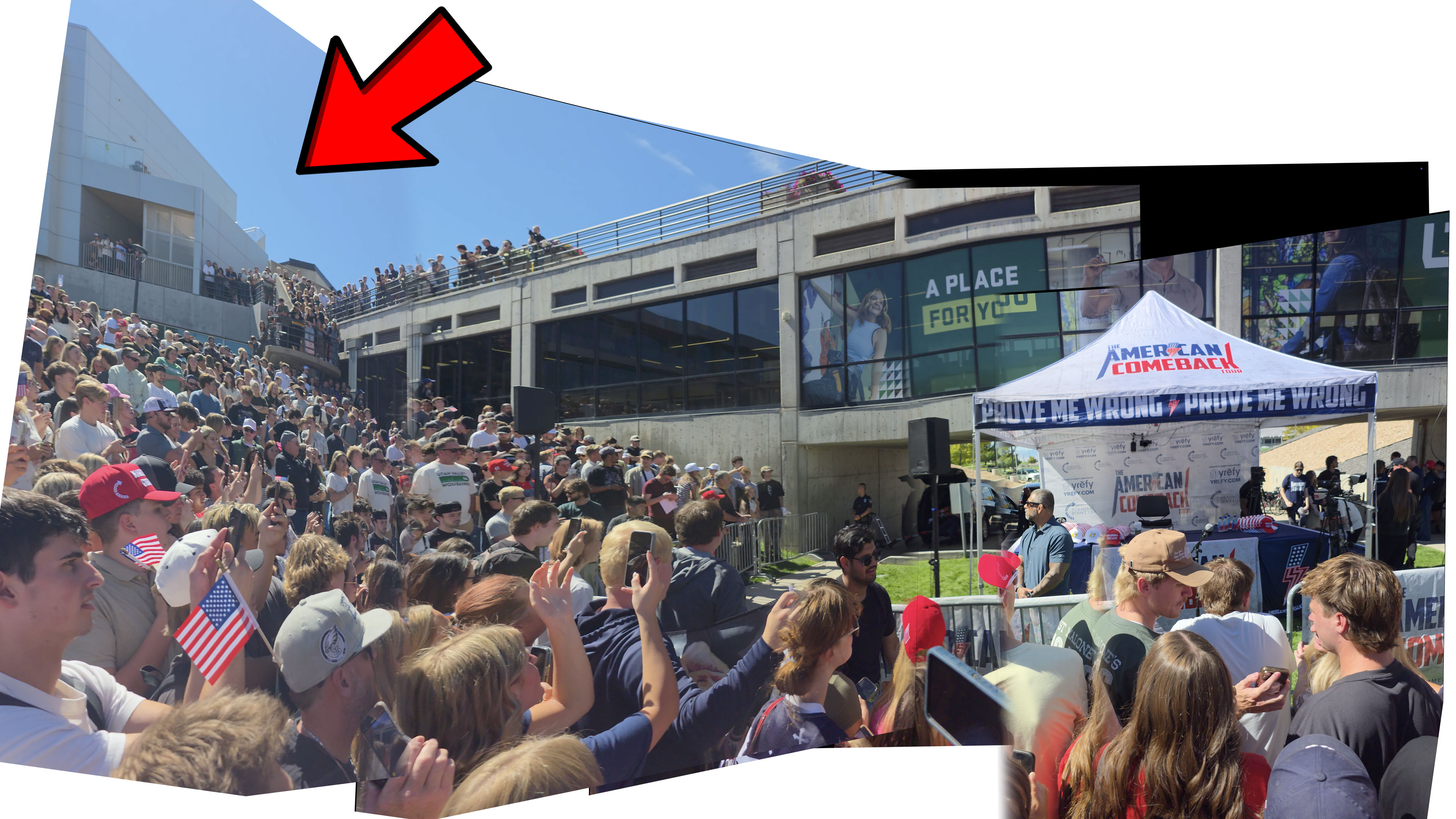
Additional Disclosure Items to Consider (Beyond the 175) — ALL ADDED
Twenty-six disclosure items proposed beyond the original list, all since folded into Schedule A of every bill. This is where family statements, witness-intimidation records and other late additions entered the text.
Read thisElsewhere In The Investigation
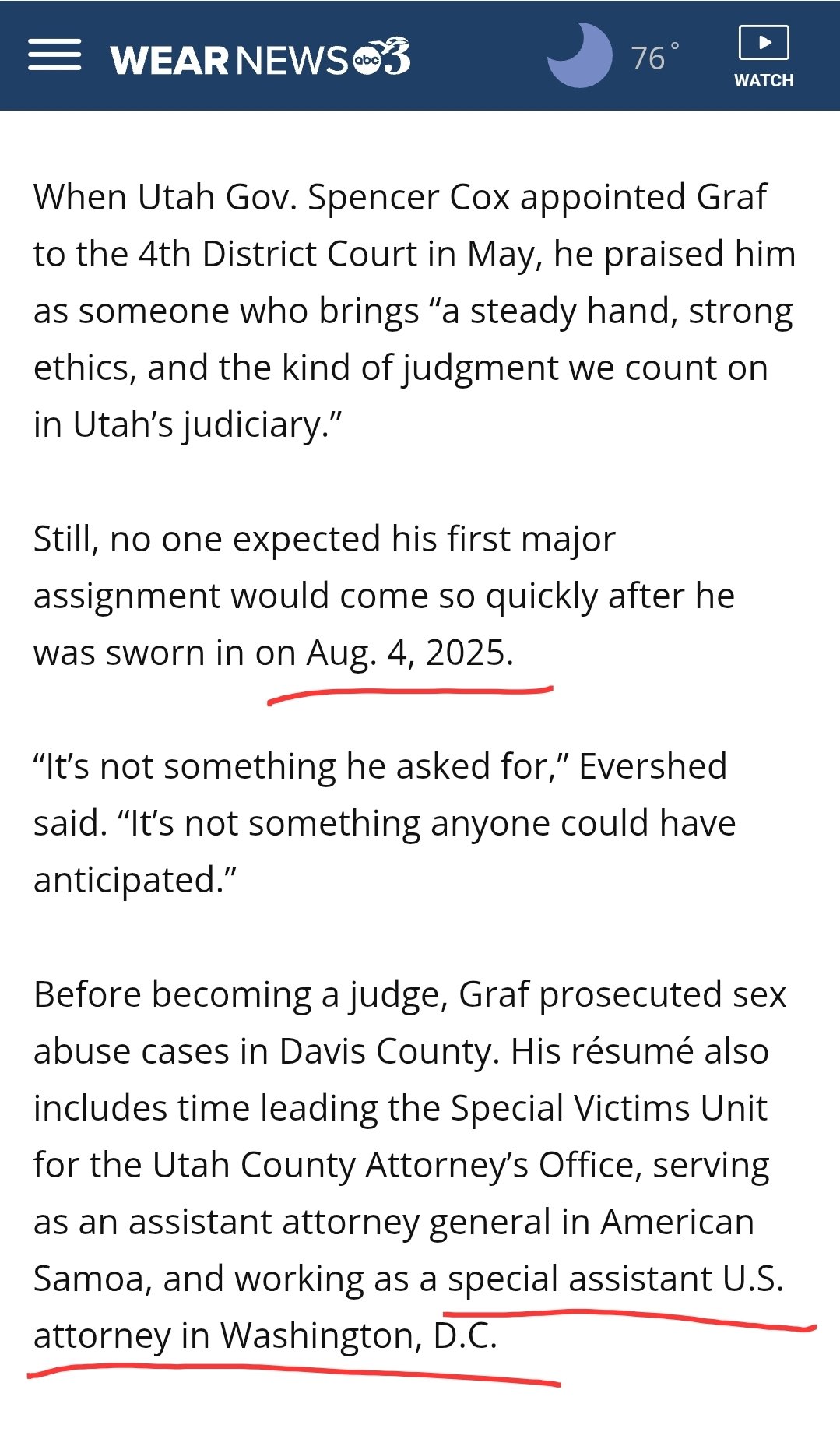
State of Utah v. Tyler Robinson, case 251403576, is where the government's narrative meets adversarial testing — every court date, the day-by-day preliminary hearing transcripts, and the inconclusive ATF ballistics.
Read thisSources
- Special Counsel regulations: https://www.law.cornell.edu/cfr/text/28/part-600
- Church Committee: https://www.senate.gov/about/powers-procedures/investigations/church-committee.htm
- Charlie Kirk 175 Critical Items: https://github.com/BryanStarbuck/Charlie_Kirk_175_Critical_To_Expose
This website's author is @HolonCitizen on X and YouTube/@HolonCitizen. Follow me there.
Interesting
- Law 1's output analysis cuts the disclosure deadline from 90 days to 30.
- Ballistics posts reportedly lose impressions instantly while official posts stay visible.
- A poll about the Kirk narrative reportedly refused to send at all.
Related Areas
- Fix the Charlie Kirk Situation
- Legal Investigation
- (Possible) Cover‑up
- Government Evidence
- Your Actions Fix It
- Government Organizations