Output Analysis: Law 2 - US Intelligence Services Forced Disclosure
Does the Law Meet the Human Requirements?
Requirement: All US intelligence services must release information pointing to the real killer
MET. Section 1(b) defines "covered information" with 8 broad categories. Section 2(a) mandates catch-all disclosure within 30 days.
Requirement: Broadly require any and all information about the investigation
MET. Section 2(a) uses explicit catch-all language not limited to any enumerated list. Section 1(b)(8) adds a catch-all covering "any aspect" of the investigation.
Requirement: Include the 175 specific items for full disclosure
MET. Section 3 enumerates intelligence-related items from the 175 list in 8 categories. Section 3(b) incorporates the repository by reference. Section 9(e) requires individual response to each item.
Requirement: Not limited to the 175 items
MET. Section 3(c): "The specific enumeration does not limit the broad catch-all requirement. Both apply concurrently."
Requirement: Applies to all parts of intelligence services
MET. Section 1(a) lists all IC elements by name plus catch-all clause.
Requirement: Crime to stop any government employee from releasing information
MET. Section 5(a) makes obstruction a 10-year federal crime regardless of rank (Section 5(b)). Includes attempted violations (Section 5(c)).
Requirement: Cannot disclose sources, but must provide final output
MET. Section 4(a) allows only active source identity and active method redactions. Section 4(c) requires conclusions even when sources are protected.
Requirement: Any government employee can send information
MET. Section 7(a) allows submission to disclosure body, Trusted Investigators, or congressional committees.
Requirement: Illegal to persecute employees for disclosure
MET. Section 7(b-d) provides criminal penalties, rebuttable presumption, reinstatement, and treble damages.
Key Improvements Over Previous Version
| Feature | Previous | Current |
|---|---|---|
| Timeline | 60 days | 30 days |
| Scope | General | Broad catch-all + 175 items |
| Presidential override | Not addressed | Prohibited (Section 8) |
| Records preservation | Not addressed | At bill introduction (Section 6) |
| Private right of action | None | Any citizen (Section 10) |
| Review board | Unspecified | Permanent, congressional |
| Anti-embarrassment | Not addressed | Explicit (Section 4(d)) |
| Contempt authority | None | DNI = contempt (Section 9(d)) |
Potential Problems
Problem 1: "Sources and Methods" Exploitation
Mitigation: Section 4(c) requires substance disclosure. Section 5(a) criminalizes using the exception to withhold conclusions.
Problem 2: Records Destruction
Mitigation: Preservation at bill introduction (Section 6(a)). 15-year penalty (Section 6(b)). Forensic audit (Section 6(c)).
Problem 3: Constitutional Challenge
Mitigation: Congress has Article I oversight authority. IC is a creature of statute. Congressional findings section should establish basis.
Problem 4: Diplomatic Consequences
Mitigation: Section 4(d) prohibits withholding for diplomatic reasons. JFK experience showed these arguments are used to withhold records about defunct governments for decades.
Recommendations
- Include congressional findings to support constitutionality
- Add Special Master provision as backup enforcement
- Coordinate with Law 4 for Trusted Investigator access to classified intelligence
- Ensure coordination with Law 1 so both law enforcement and intelligence disclosures are cross-referenced
Interesting In This Area
- Eight categories of covered information and a thirty-day catch-all, per the requirements.
- The slide specifications exist because the argument has to survive being screenshotted.
- The threat model assumes every evasion route will be tried, including an Israel exception.
- The archived March 2026 charter shows where the project started before Schedule A grew.
Interesting In Other Areas
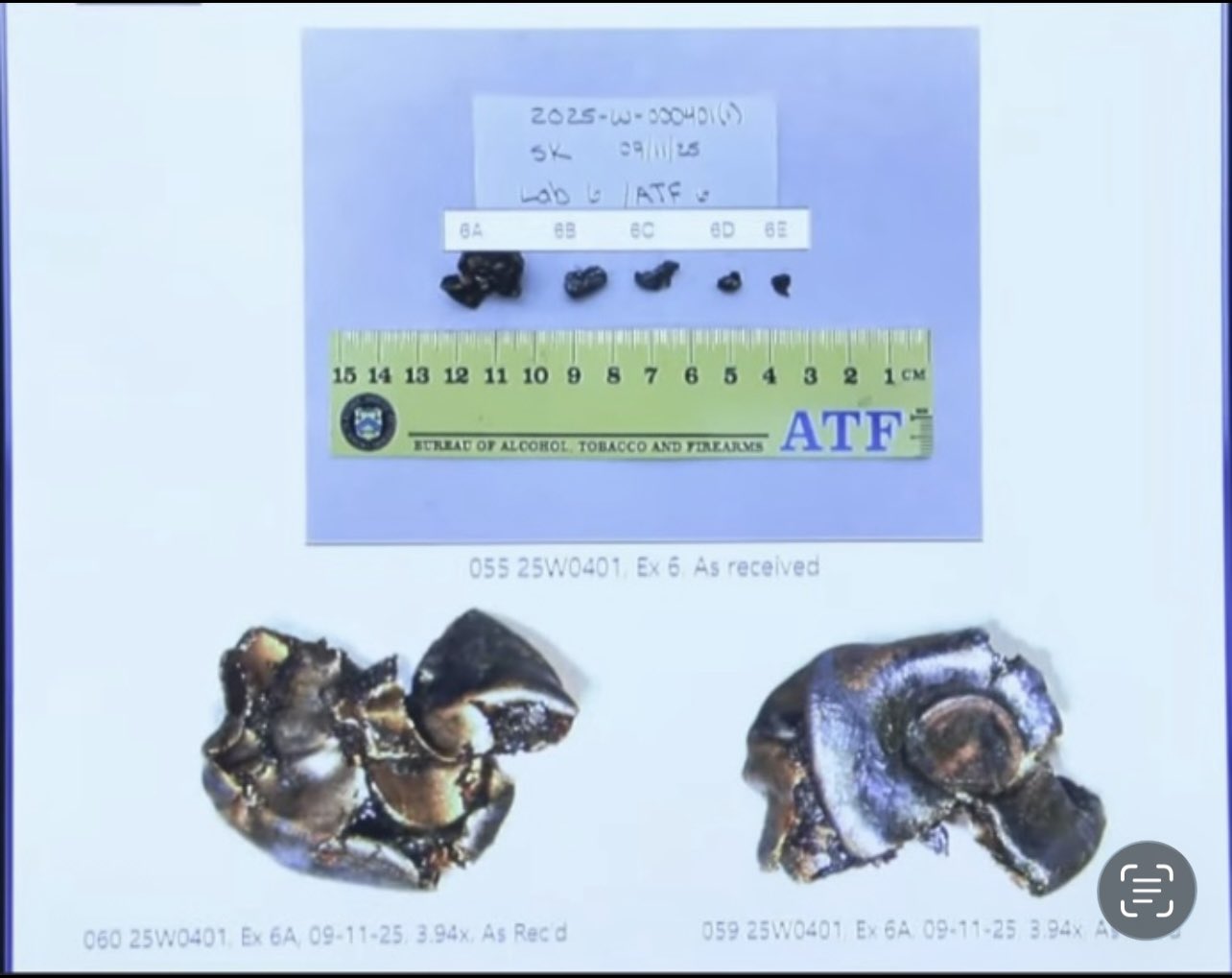
- Cause of death is the question the released record still cannot settle.
Other Pages In This Section
The build specification for the single slide that has to explain all four laws in one frame: 16:9, solid colours, no gradients, no imagery. It exists because the argument has to survive being screenshotted.
Read thisCharlie Kirk Files Forced Disclosure -- Threat Analysis & Recommended Fixes for All Four Laws
An adversarial threat model of the laws' own weaknesses: every route by which the drafts could be slow-walked, narrowed or quietly ignored. Written so whoever has to close those holes can find them first.
Read thisLaws Not Complying with Charter — FIXED / RESOLVED ITEMS
The compliance audit of all four drafts against the charter, with the resolved items kept on the record. Charter compliance is not academic: a bill has to survive contact with the agencies holding the files.
Read this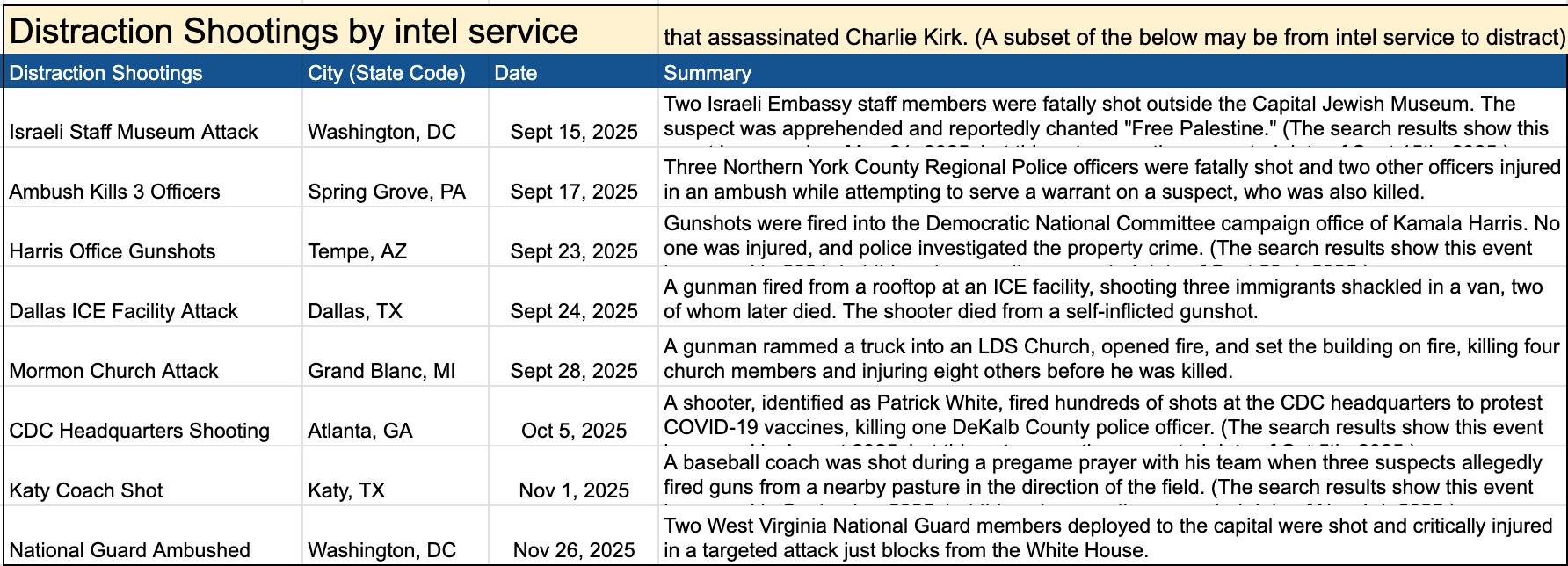
Charlie Kirk Files Forced Disclosure -- Summary of Four Proposed Federal Laws
The original March 10, 2026 charter for the four bills, kept unchanged. The current summary supersedes it; this page is the record of where the project started.
Read thisElsewhere In The Investigation
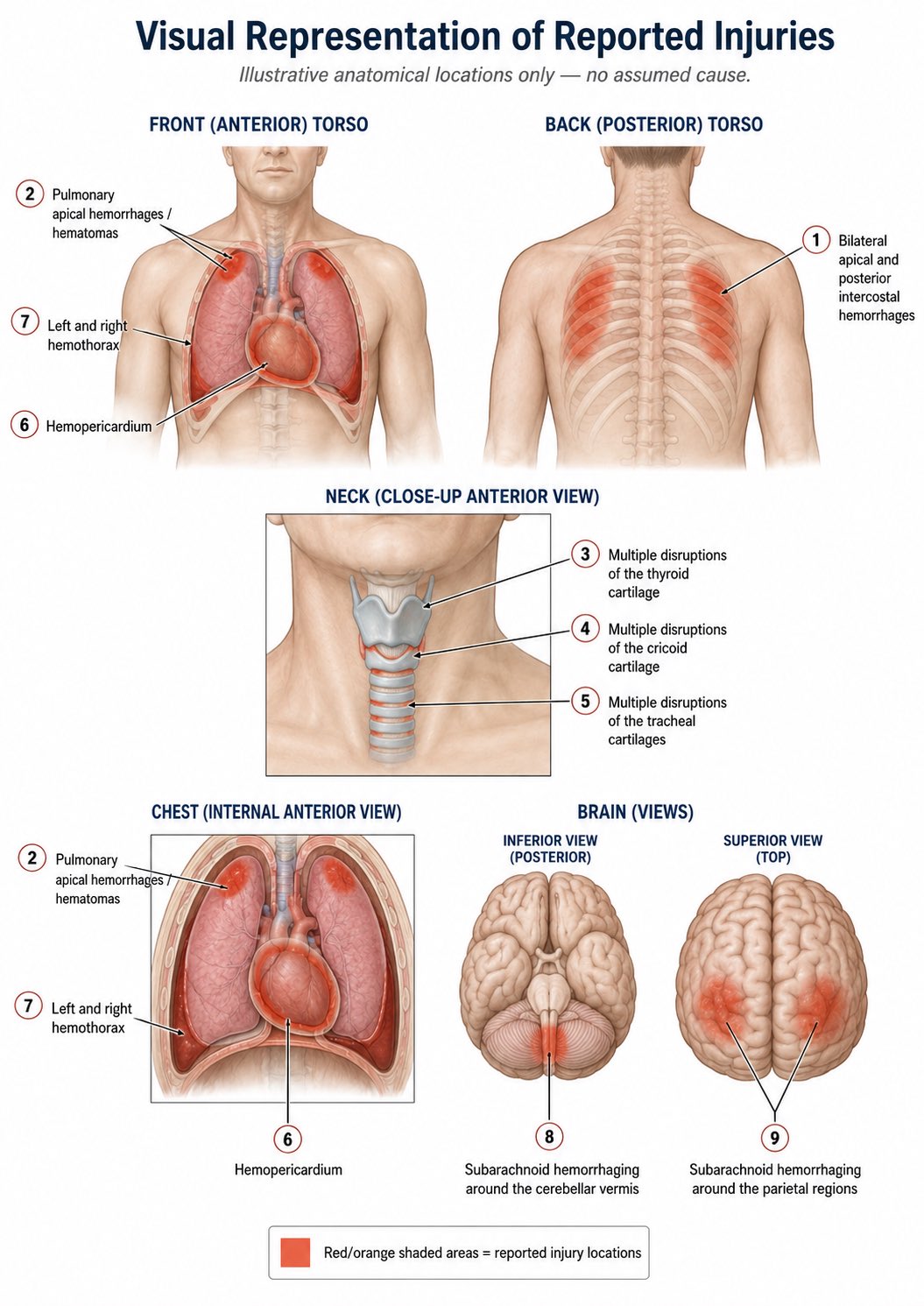
One page stating what most independent investigators had concluded by July 2026 about what killed Charlie Kirk and what did not. The official account is a single .30-06 round; this is where the reasons for rejecting it are gathered.
Read thisThis website's author is @HolonCitizen on X and YouTube/@HolonCitizen. Follow me there.
Interesting
- Law 1's congressional findings cite a HADES aircraft circling 35 minutes early.
- Two men reportedly warned UVU about a plan fourteen hours beforehand.
- Records show six officers for 3,000 attendees and no ambulance on site.
Related Areas
- Fix the Charlie Kirk Situation
- U.S. Intelligence
- Intelligence Services
- Proof Intel Services
- (Possible) Cover‑up
- Government Evidence