Human Requirements: Law 1 - DoJ/FBI Forced Disclosure
Core Requirement
Force the Department of Justice (DOJ), Federal Bureau of Investigation (FBI), and any other law enforcement agency -- national or local -- to disclose all files and information they have related to their investigation of Charlie Kirk's death.
Key Points
- All investigative files must be released
- Applies to DOJ, FBI, and ALL other law enforcement (federal, state, local)
- No agency may withhold files related to the investigation
- Any government employee may send information to the disclosure group
- It is illegal to persecute any government employee for disclosing information under this law
Improvements to Make
Make sure the following agencies are also covered:
- Treasury
- IRS
As far as Section 1, recovered records. Make sure it includes:
- Investigation files
- FBI/FD 302 reports
- All investigation information.
- All forensic information or analysis
- Anything about domestic or foreign intelligence involvement?
- Anything about any people more involved than Tyler Robinson.
- All information about the autopsy, including photos and video
- All information about any evidence destroyed or any destroyed information or files from any covered organization.
- Any and all information about TPUSA. Anybody and any information from anyone there or anything there that may be related.
Don't scope anything to the state of Utah. Make sure anything is scoped across the US and even internationally.
Any current or former government employee or contractor is allowed to disclose any information about anything involved with the death of Charlie Kirk. No NDA or government secrecy agreement applies.
For any citizen, they have no NDA or any kind of other agreement that is allowed to hold them back from disclosing any and all information.
Reference
This law is modeled after Thomas Massie's legislation to force DOJ disclosure of Jeffrey Epstein files. The parallel is that in both cases, federal law enforcement appears to be withholding critical investigative information from the public.
Back to README | Law Text | Legal Notes | Output Analysis
Interesting In This Area
- The archived demand behind Law 1: every file, every agency, federal to local.
- The current requirements page supersedes this archived one.
- Law 2's archived twin draws the line at methods, not conclusions.
- The charter here still counts 175 items.
Interesting In Other Areas
- Fort Huachuca searches reportedly spiked before September 9.
Other Pages In This Section
Notes: Law 1 - DoJ/FBI Forced Disclosure
The archived legal-research notes for Law 1, preserved from the earlier draft. The precedents are the same; what changed is how much enforcement the drafters concluded was necessary.
Read this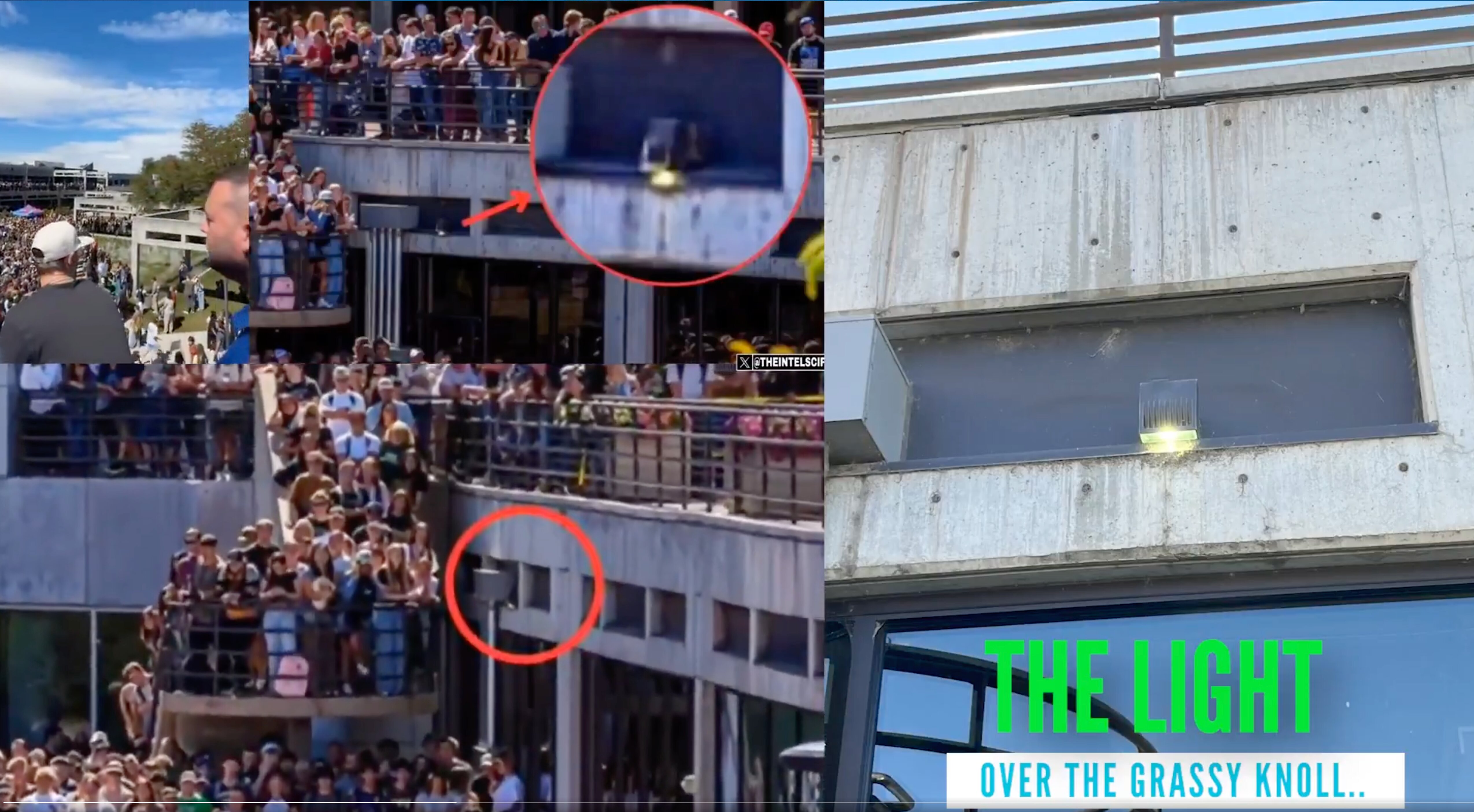
Output Analysis: Law 3 - Require Investigation
The original audit of Law 3 against its own requirements, clause by clause. This is where the DNI-directed parallel intelligence assessment and the eight mandatory lead categories first appear in writing.
Read this
Human Requirements: Law 2 - US Intelligence Services Forced Disclosure
The plain-English demand behind Law 2 as first written: methods stay protected, conclusions do not. It also makes blocking a government employee from releasing that material a crime rather than a personnel matter.
Read thisNotes: Law 1 - DoJ/FBI Forced Disclosure
The research behind Law 1. The Epstein Files Act passed 427 to 1 and still produced a fraction of its pages; the JFK Records Act left documents withheld thirty years past its deadline. Both failures are why this draft carries hard deadlines and criminal penalties.
Read thisElsewhere In The Investigation
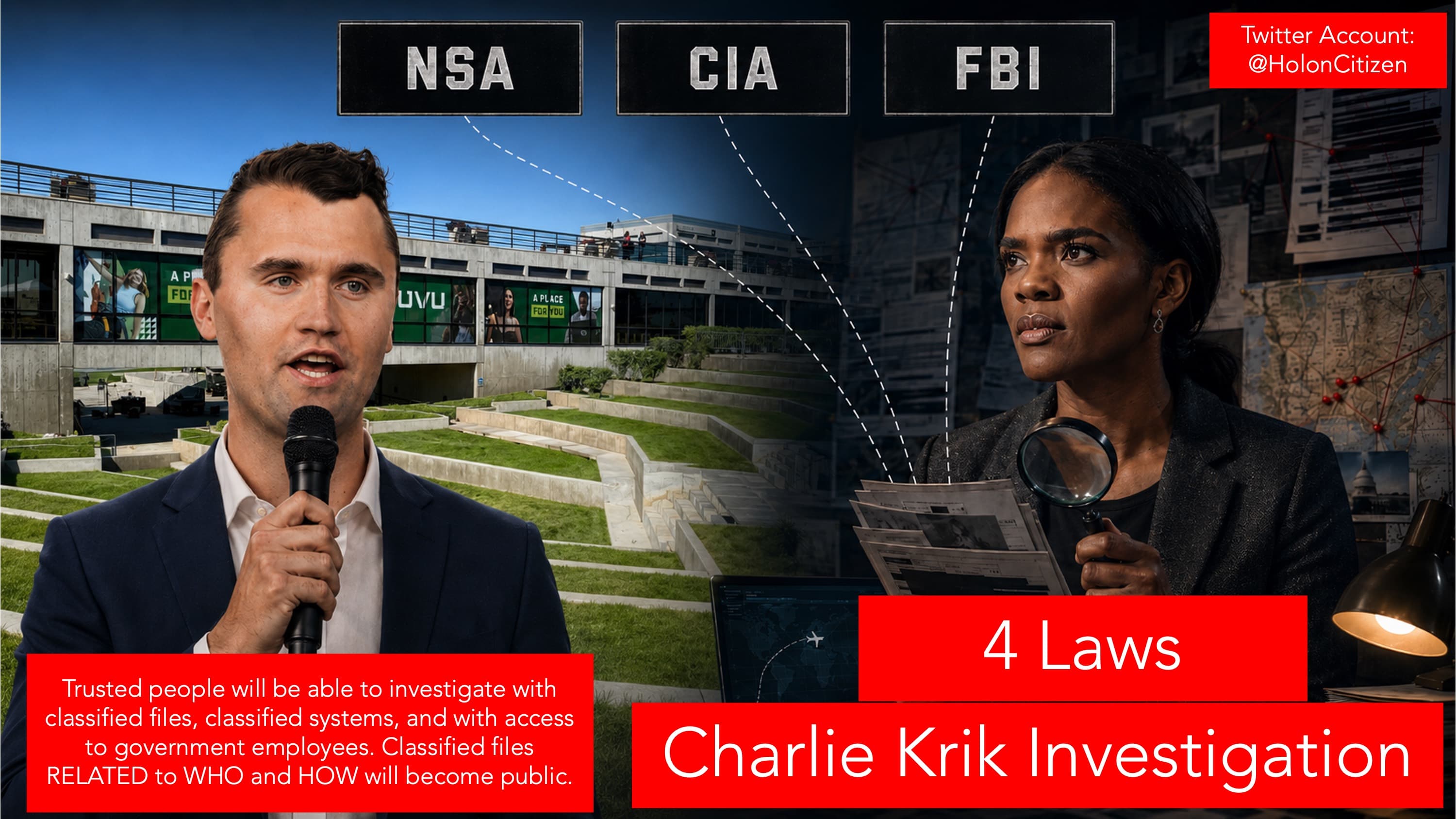
Four federal laws modelled on the Epstein Files Transparency Act, plus reform plans for evidence handling and event security. This is where subscriber identities behind a geography bucket would actually be compelled into view.
Read this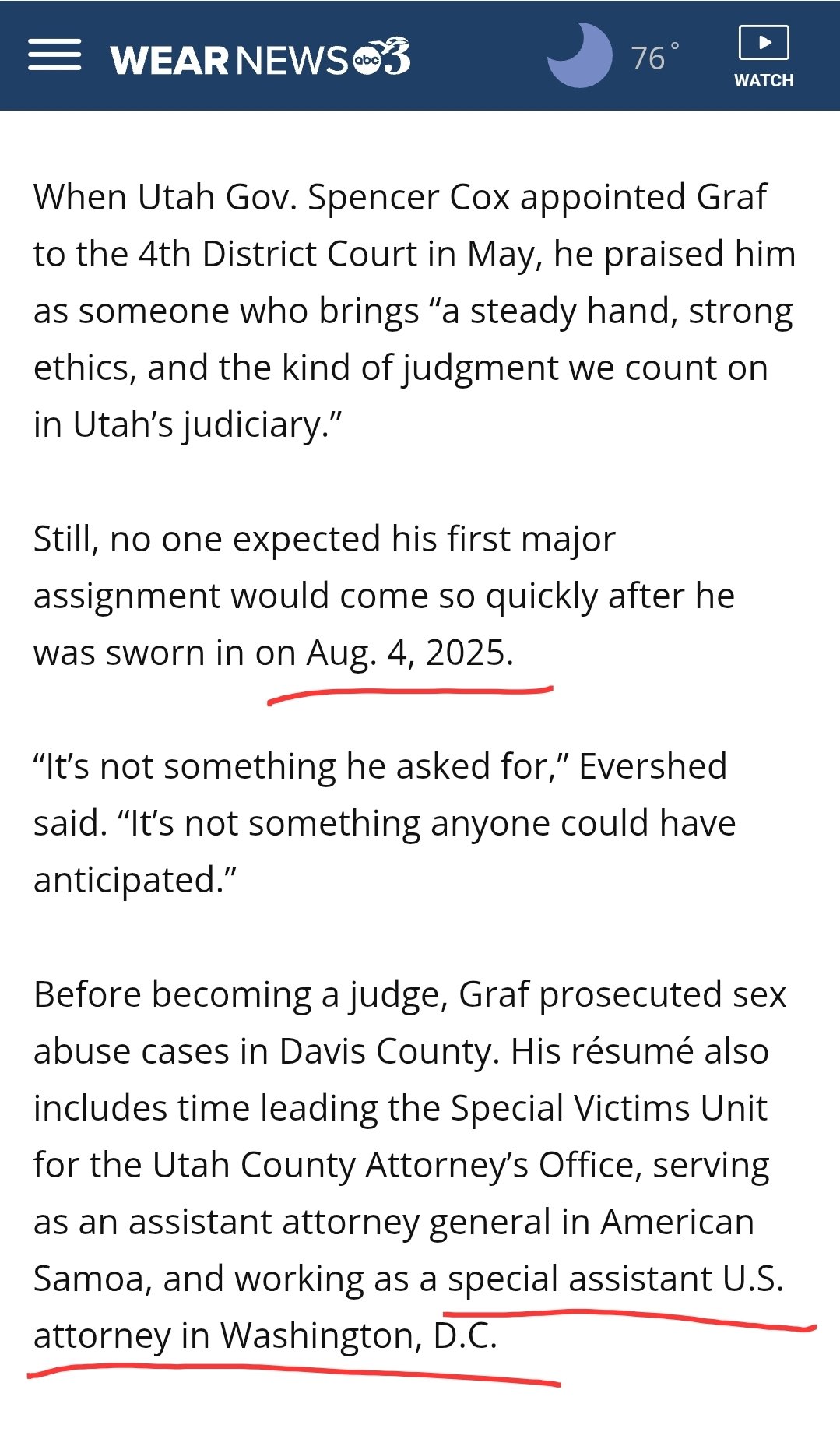
State of Utah v. Tyler Robinson, case 251403576, is where the government's narrative meets adversarial testing — every court date, the day-by-day preliminary hearing transcripts, and the inconclusive ATF ballistics.
Read this
Concrete things one person can do: records requests, contacting representatives, preserving and sharing evidence. It is the shortest route from reading this site to changing anything on it.
Read thisThis website's author is @HolonCitizen on X and YouTube/@HolonCitizen. Follow me there.
Interesting
- The Epstein Files Act passed 427-1 yet produced almost nothing, which is why four laws were drafted.
- The evidence is ranked, not just listed, with foreign aircraft and drones at the top.
- Investigators at the January 2026 hearing say the family told them he did not do this.
Related Areas
- Fix the Charlie Kirk Situation
- FBI
- (Possible) Cover‑up
- Government Evidence
- Proof Intel Services
- Your Actions Fix It