Vote out Cover-Up Politicians
Overview
This page discusses arguments made by some commentators for holding officials politically accountable when they believe investigations are mishandled or important questions remain unanswered. It does not name specific politicians as guilty of a cover‑up, nor does it tell readers how to vote. Instead, it offers criteria citizens might consider when evaluating officeholders and candidates in light of concerns raised by the Charlie Kirk case.
Evaluating officials on transparency and oversight
When people talk about “voting out cover‑up politicians,” the underlying concern is usually that some officials:
- Have not been sufficiently transparent about what they knew, when they knew it, and how they responded.
- Seem reluctant to support independent reviews or robust oversight over law enforcement, intelligence, or prosecutorial decisions.
- Appear to minimize or dismiss legitimate questions from the public, journalists, or families affected by the case.
Citizens can assess these concerns by looking at public records—such as votes, statements, and actions—rather than relying solely on slogans or unverified accusations.
Questions voters can ask
To translate concerns into informed voting decisions, voters might ask of current and prospective officials:
- Do they support fair, thorough investigations into serious incidents, even when it is politically inconvenient?
- How do they respond to credible allegations of evidence mishandling, censorship, or institutional failure?
- Have they proposed or supported constructive reforms (for example, around transparency, oversight, or victims’ rights) instead of simply defending the status quo?
These questions can be applied across parties and levels of government, focusing on behavior and policy rather than on labels alone.
Avoiding unfair assumptions
Because the term “cover‑up” is serious, this page emphasizes that:
- Not every mistake, communication gap, or policy disagreement is evidence of a deliberate cover‑up.
- Officials may be constrained by laws, ongoing investigations, or confidentiality requirements, which can limit what they can say publicly.
- Assigning blame based solely on association with an office, party, or institution risks unfairly stigmatizing individuals without solid evidence.
Voters are encouraged to consider patterns of conduct over time rather than isolated incidents or rumors.
Connecting political accountability to broader reforms
This page ties into broader “fix” themes discussed elsewhere:
- See Fix Overview and Law 1 / Law 2 for ideas related to law and policy changes.
- See Vote for a wider discussion of voting and civic engagement in response to the case.
By combining thoughtful voting with constructive policy advocacy, citizens can work toward institutions that are more transparent, accountable, and trusted—regardless of how any single case is ultimately resolved.
Why Citizen Investigators Say This Reform Matters (X Context)
X and independent coverage of the Kirk case repeatedly surface gaps this page's policy concept would address:
- Voters asking whether elected officials ordered or blessed weekend crime-scene alteration (Cox named in X threads—allegation, not finding).
- Oversight hearings not yet producing Kent lead lists or paving authorizations.
- Caution: 'cover-up politician' labels must track specific votes/orders, not vibes.
These are policy responses to documented transparency gaps, not findings that any living person committed a crime.
Interesting In This Area
- Conclusion Logic gives a voter a proof ladder; Law 1 gives them documents.
- Whistleblower and media reform decide whether anything reaches a voter at all.
- Churches and TSUSA reform are the non-electoral routes this section names.
- Law 3 and Law 4 both require appropriations, which is a political act.
Interesting In Other Areas
- Voting and direct action are the two civic routes this site actually names.
Images
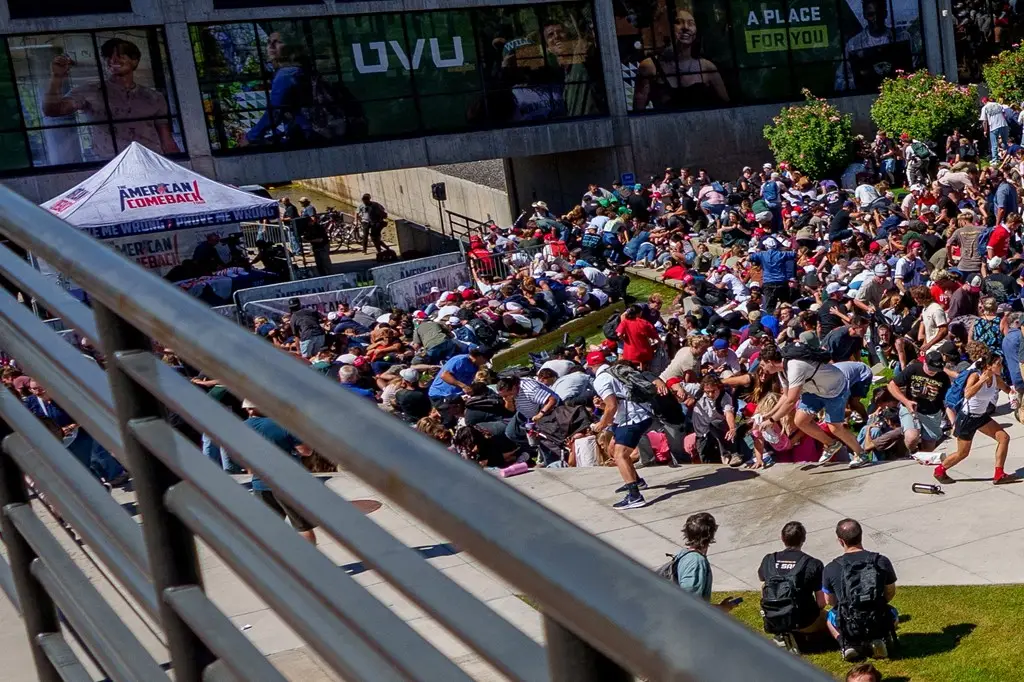
Other Pages In This Section
TSUSA: Ethically Aligned with Charlie Kirk
If an organisation wanted to honour Charlie Kirk's stated values, what would it change? Governance and financial transparency, a real after-action review, and whistleblower protection that works inside the building.
Read thisCivilians embedded inside the agencies with full access to files and personnel, a confidential volunteer channel, and their own authority to publish. The point is that nobody inside gets to decide what the public sees.
Read thisA nationally known speaker was killed on an open campus plaza in daylight. This framework would publish baseline standards, force transparent contracting and vetting, and require an after-action review someone outside the contractor can read.
Read this
Kirk's relatives have followed the state's case largely through the same filings any reporter can read. This proposal gives families a named liaison, timely forensic briefings, and a voice in charging decisions.
Read thisElsewhere In The Investigation
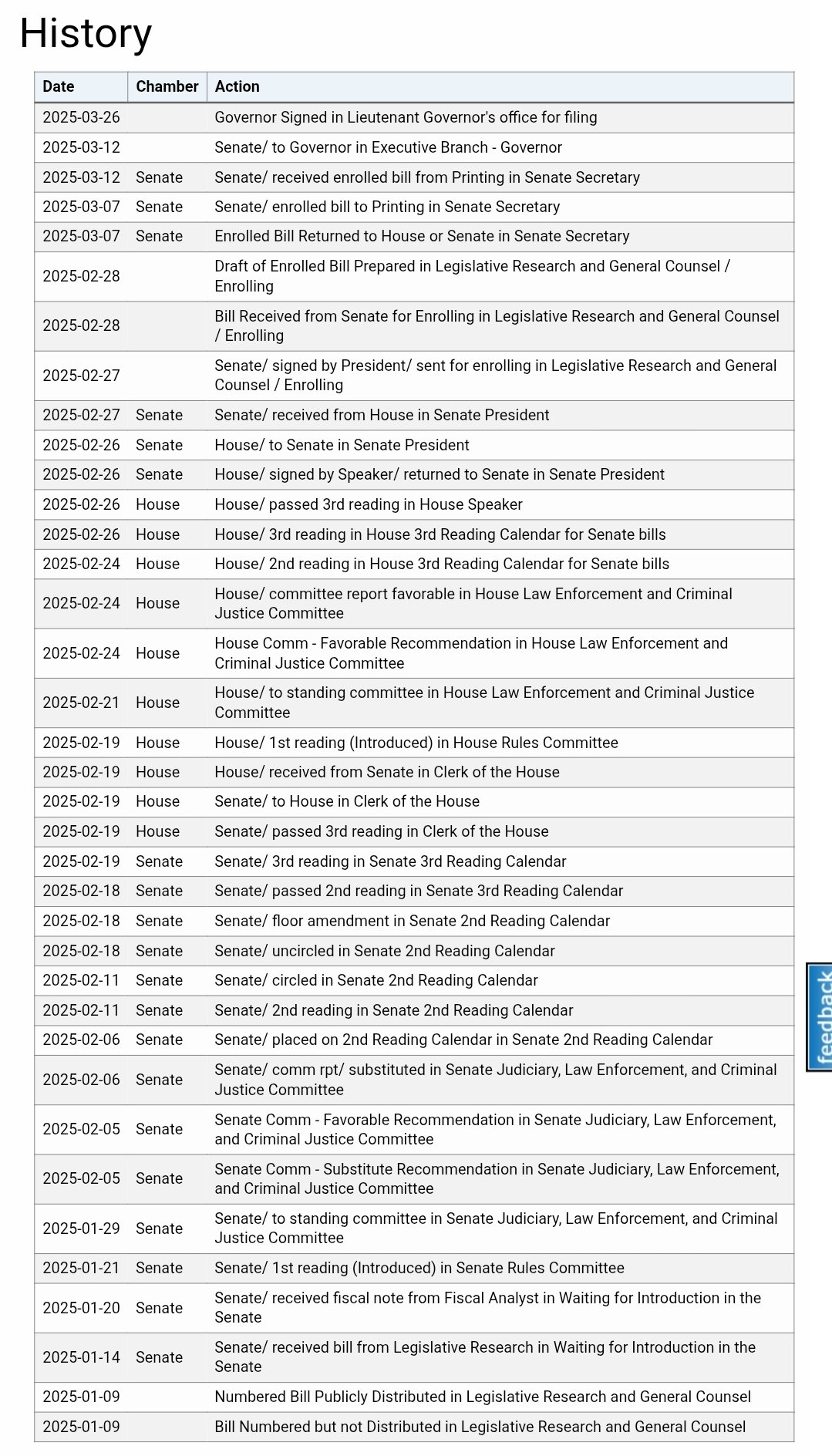
Concrete things one person can do: records requests, contacting representatives, preserving and sharing evidence. It is the shortest route from reading this site to changing anything on it.
Read thisThis website's author is @HolonCitizen on X and YouTube/@HolonCitizen. Follow me there.
Interesting
- Faith communities say gag orders block the ballistics record they are asked to trust.
- Kent reportedly said the FBI shut down his investigation into pre-knowledge.
- An Egyptian jet reportedly left Provo hours before the shooting, passengers unaccounted for.
Related Areas
- (Possible) Cover‑up
- Media
- Political Context