Proof Intel Services
Intelligence services leave fingerprints — halted foreign inquiries, ISR aircraft, foreign phones, VIP flights, and scene control. This section maps indicators that U.S. or foreign intel may connect to UVU on September 10, 2025, Charlie Kirk's death, or the Tyler Robinson frame. Start with the Investigation Index. Nothing here is adjudicated fact.
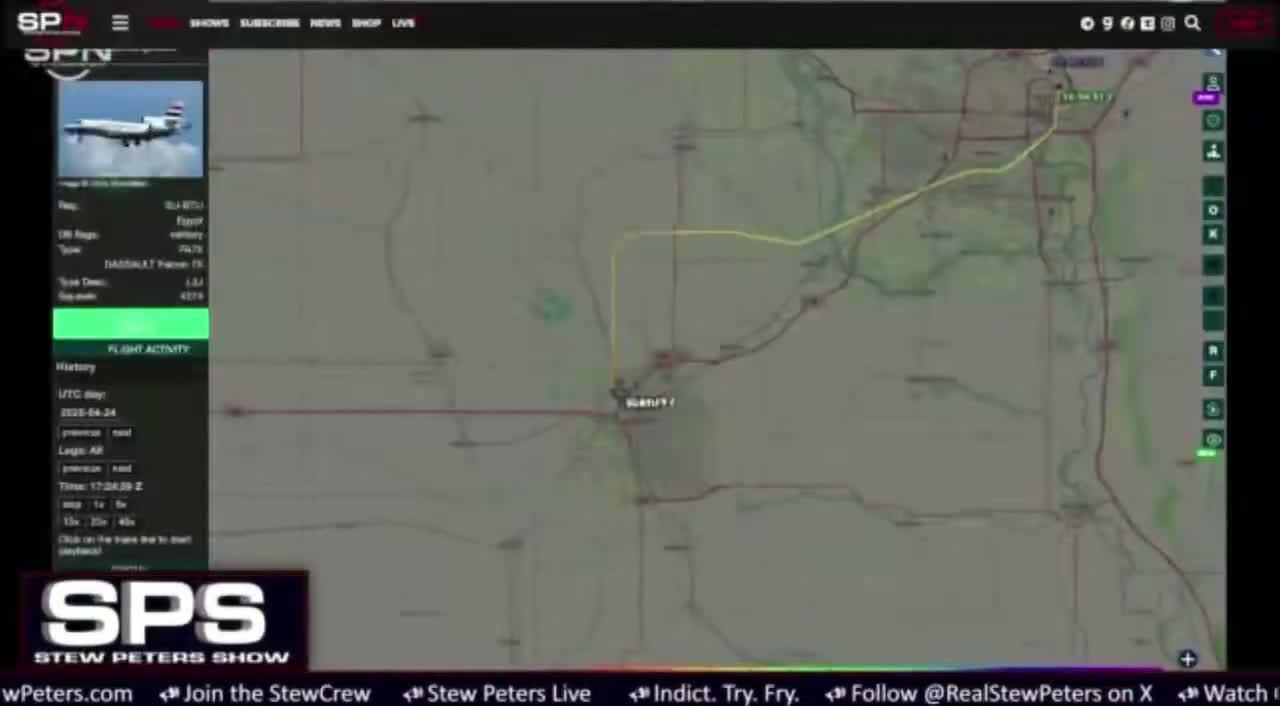
The strongest attributable U.S. thread is Joe Kent (agency profile: Joe Kent): NCTC opened a foreign-nexus inquiry and the FBI halted it while the administration reportedly feared defense ammunition for Robinson. Parallel signals threads cite Israeli and foreign handsets at the courtyard (Bumblehive) and Army HADES jet N1098L at 204–600 ft over Orem before and after the shot (N1098L). Foreign government aircraft (SU-BTT) sat in Provo Sept 4–10 with Counter-UAS contractors (Egyptian jets, Counter-UAS).
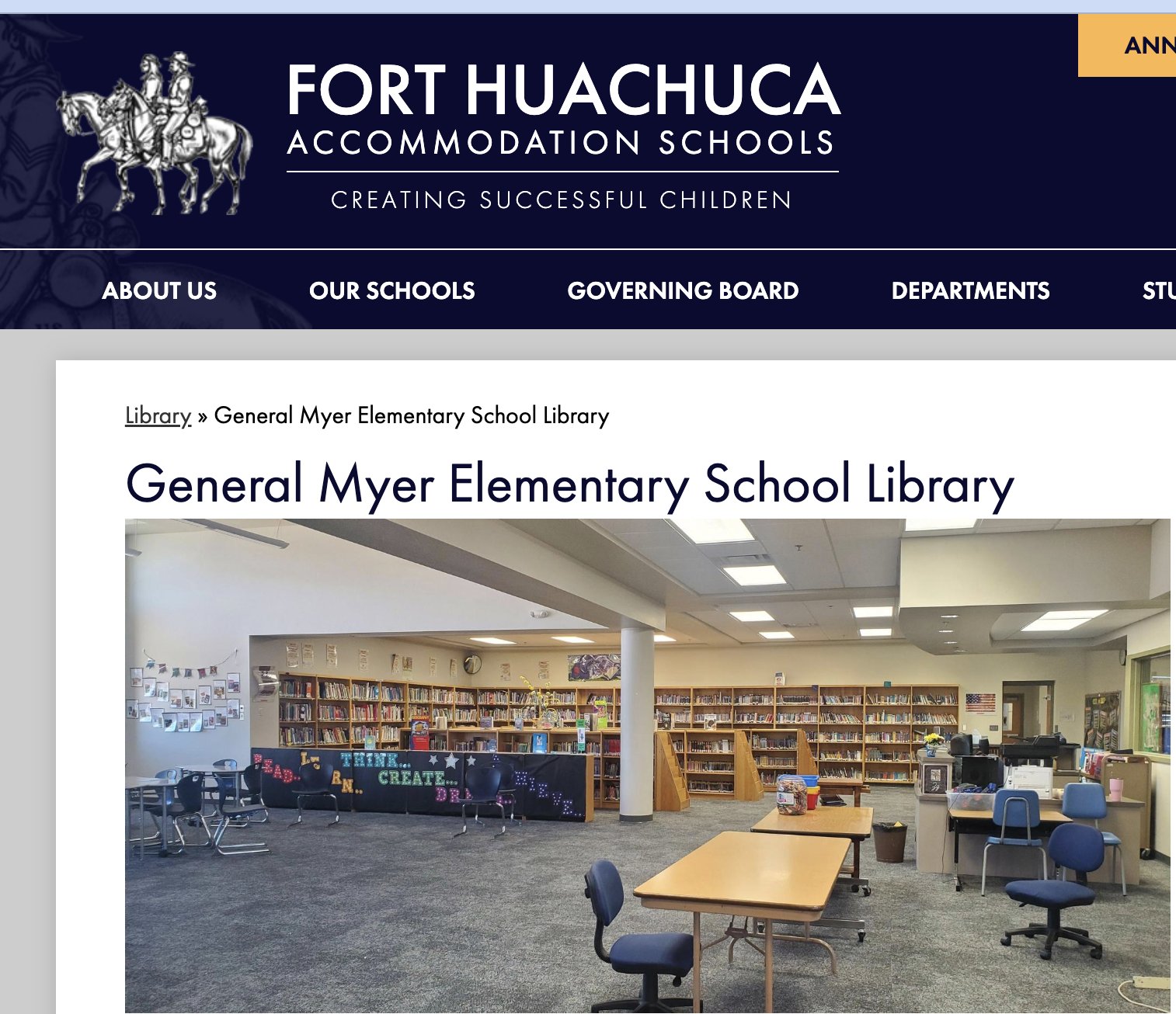
Cover signatures cluster in the FBI bucket — witness gag, bomb-dog routing, gun-discovery sequence, paving, video issues — while UVU Sept 9 warnings suggest institutional foreknowledge. Benny Johnson publicly cites "state actors" without naming them; Israel motive and foreign hardware threads supply why and how intel services might operate. Fort Huachuca ties cabinet DOD intel to the day before the killing.
Prioritize Investigation Index → Joe Kent + Israeli Phones for attributable claims, then N1098L and Egyptian Jets for foreign presence, then FBI Signatures and Proof Not Tyler for the Tyler frame. Agency detail: U.S. Intelligence, Israel, Planes.
Laws (Charlie Kirk)
Complete flight manifests for area aircraft, inter-agency communication and briefing logs, and subscriber names behind foreign UVU phones are things the Charlie Kirk Investigation Laws may result in powerful truths coming out that aren't out yet.
Citizen Investigator Claims on X
(Intelligence-connection indicators discussed in public commentary — not a court finding that any service ordered the killing.)
- Investigators cluster NCTC foreign-nexus shutdown claims (Joe Kent), Bumblehive/Israeli phone posts (Tony Seruga / phones), HADES low passes (N1098L), Egyptian VIP jets at Provo, Fort Huachuca VIP traffic, and FBI procedural signatures (paving, bomb dogs, gag patterns) as a multi-indicator map — each item disputed in isolation.
- Benny Johnson–style “state actors / professional hit” checklists recirculate as framing devices; prosecutors instead put on a lone-actor Robinson case in preliminary hearings.
- Demand FOIA/GRAMA/manifest transparency and the Fix Laws rather than treating social media as a verdict. Start deep-dives from the Investigation Index.
The Mirandize Timeline — Why It's Pivotal
Investigators argue that if Robinson was already in custody by 6:25 PM while BOLO photos, the rooftop video, and the Discord confession were still being released to the public, the sequence points to a coordinated, multi-agency effort to build a narrative around an already-detained suspect. Attorney Baron Coleman frames the refused and allegedly deleted surrender video as the piece that would make such a timeline "definitive." See the Mirandize evidence hub and Baron Coleman's analysis.
Interesting In This Area
- The only on-record thread is a director saying his inquiry was stopped.
- An ISR jet crossed Orem low twice, before and after the shot.
- Foreign government aircraft sat in Provo with counter-drone contractors.
- Two university warnings the day before were logged and never followed up.
Interesting In Other Areas
- The agency profiles sit outside this section and carry the org charts.
- The aircraft section holds every tail number argued about here.
- Israel foreign leads is the parallel evidence trail.
- The Bureau section records the scene-control disputes.
Videos
Footage related to this page. Each card opens that clip's own page, with the video, the full write-up, and its source.
Other Pages In This Section
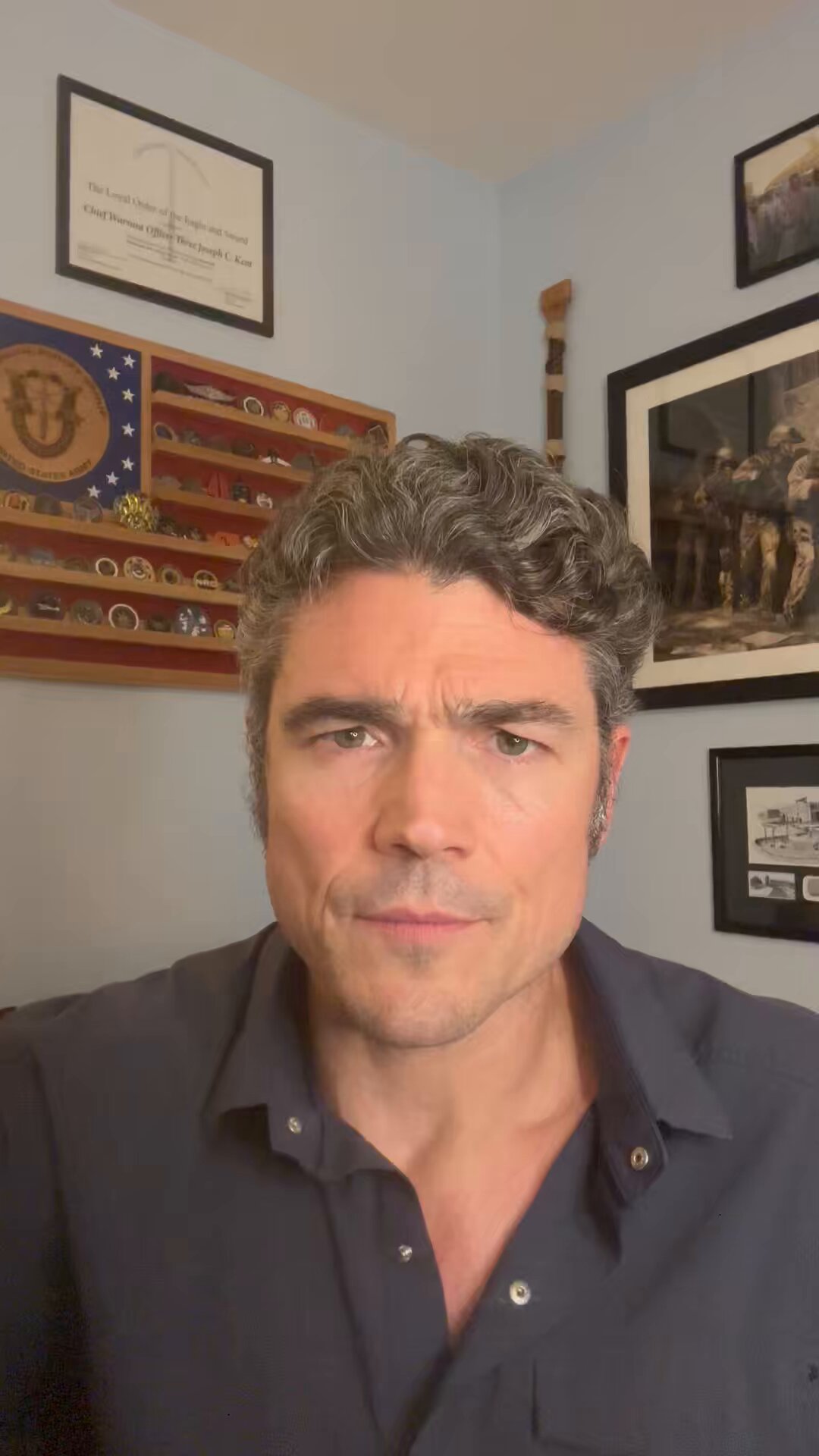
Joe Kent — Foreign Inquiry Shutdown
Joe Kent says the FBI halted his NCTC foreign-nexus inquiry. It is the most directly attributable U.S. intelligence thread on the site — a named official, on the record.
Read thisClaims about the NSA Utah Data Center holding the phone record that would settle who was on campus. If Bumblehive has it, deanonymisation is a query, not an investigation.
Read this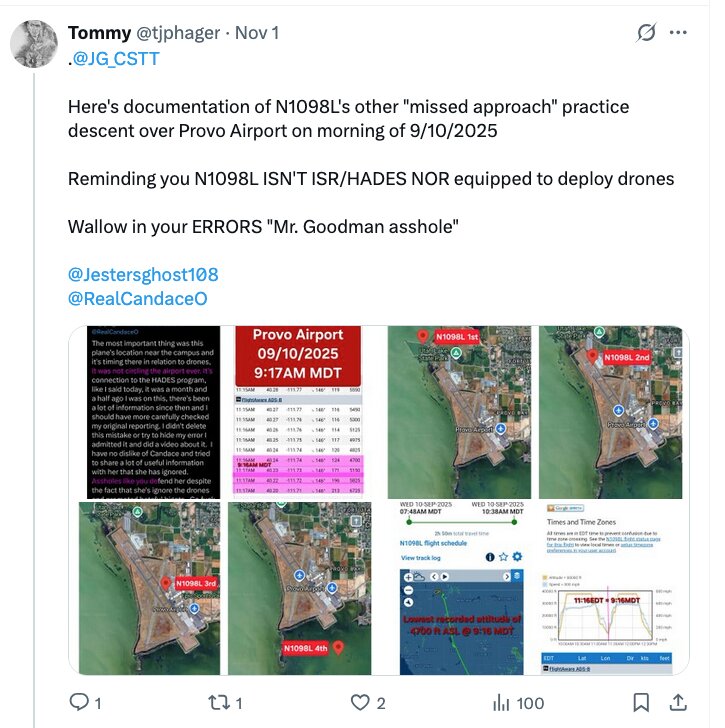
Public ADS-B puts an Army HADES jet in extremely low, slow passes near UVU before and after 12:23 PM. The master file's summary of it runs to four words: it was ours.
Read thisEgyptian Jets — Provo Sept 4–10
Egyptian Air Force aircraft sat at Provo Municipal from September 4 and left the morning of September 10. The flight record is public; the reason is not.
Read thisElsewhere In The Investigation
The domestic agencies — CIA, NSA, ODNI and NCTC, and defense intelligence — examined for what they collected and what they declined to pursue. The counterpart hub for non-U.S. services sits elsewhere on the site.
Read this
The leads pointing outside the United States — phones, travel, SIGINT, search patterns — and the prior question of whether the government ran any of them down at all.
Read this
This website's author is @HolonCitizen on X and YouTube/@HolonCitizen. Follow me there.
Interesting
- Unnamed aviation sources allege Egyptian passports and 'DoD Liaison' badges cleared Provo without scanning.
- Carlson called AIPAC money America-last from Kirk's own stage.
- Five sources describe a Bridgehampton donor weekend going off the rails, leaving Kirk worried about blackmail.