Government Organizations
Overview
This page provides a map of the major government organizations that appear in discussions of the Charlie Kirk case. It does not attempt to adjudicate which agencies acted properly or improperly. Instead, it outlines the roles typically associated with each organization and points to sections where their involvement and actions are examined in more detail. Each of these bodies entered the story after Charlie Kirk was assassinated on September 10, 2025, and most of their public activity since has flowed through the prosecution of Tyler Robinson, who is charged but not convicted.
Federal agencies
Several U.S. federal agencies are mentioned in reporting and commentary, including:
- FBI – Referenced as a lead investigative body for the criminal case, with responsibilities for evidence collection, coordination with local law enforcement, and public briefings. See: FBI.
- CIA and other intelligence entities – Discussed in the context of national‑security implications, foreign‑involvement theories, and oversight questions. See: CIA and Intelligence.
- Department of Justice (DOJ) – Sometimes referenced as the overarching department responsible for federal prosecutions and certain policy decisions.
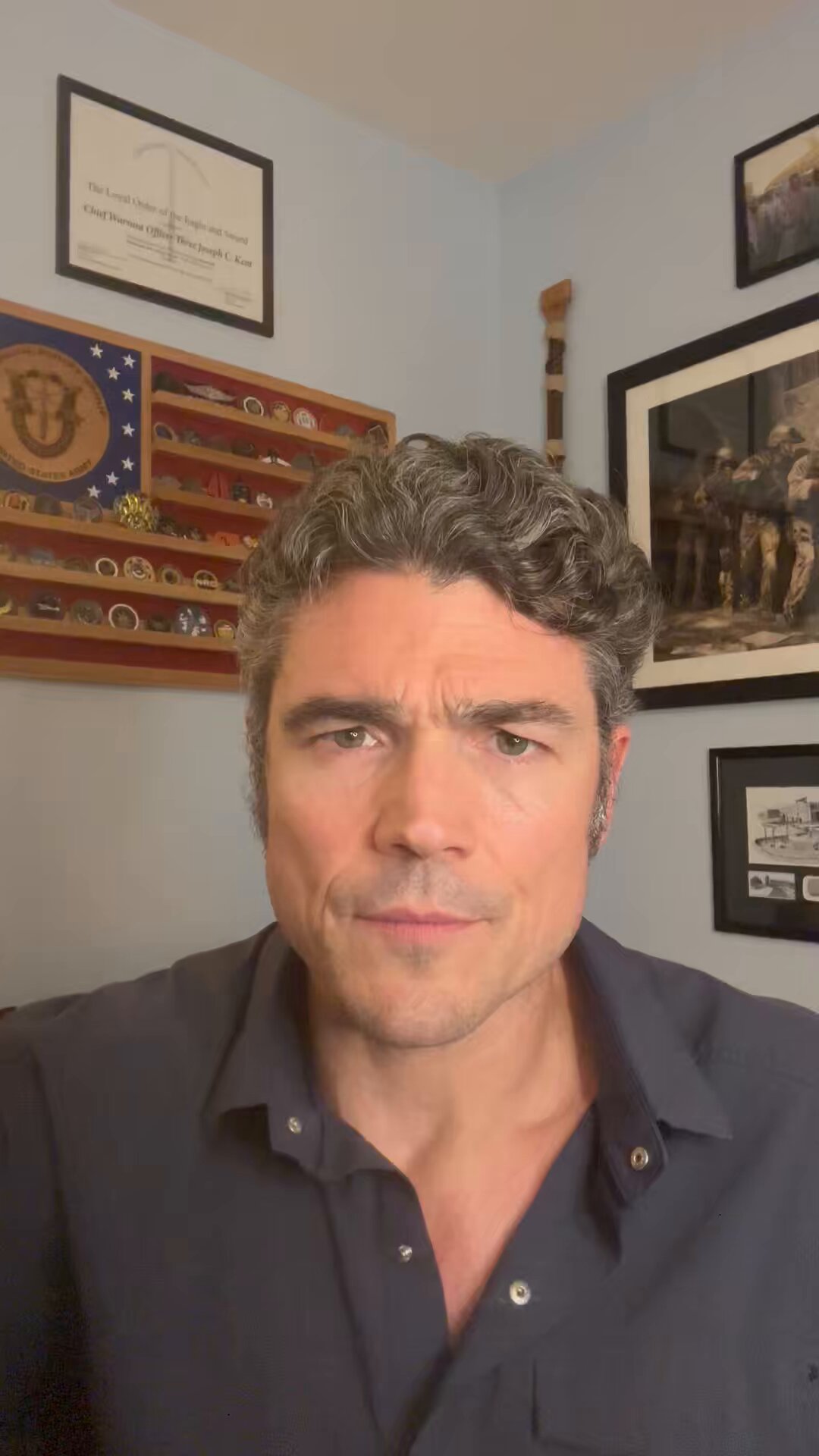
These agencies appear in both official statements and speculative theories; their actual roles should be assessed using primary documents and formal communications wherever possible. One on-record example of inter-agency friction: former National Counterterrorism Center director Joe Kent says the NCTC's charter-mandated review of potential foreign ties to the assassination was halted once a suspect was in custody, before those leads were exhausted.
State and local agencies
State and local entities also play crucial roles:
- State investigative and prosecutorial offices – Such as state attorneys general or county prosecutors handling charges, evidence presentation, and court filings.
- Local law enforcement – Police departments and campus security units responsible for first response, perimeter control, and ongoing cooperation with federal partners.
- Medical examiner and health authorities – Offices involved in autopsy, trauma care, and public‑health communication.
These organizations are covered across sections like Security & Law Enforcement, Medical, Autopsy, and Legal Investigation.
International and foreign‑policy context
Some theories reference foreign governments or intelligence services, especially in relation to motive and capability. While these are discussed in topic pages such as Israel, Motive, and Killer, this section emphasizes that:
- Allegations about foreign involvement must be handled with particular care, separating geopolitical context from evidence of specific actions.
- Public claims should be consistently checked against reliable sources, such as verified documents, reputable reporting, or formal investigations.
This helps prevent general geopolitical grievances from being misinterpreted as proof of concrete operational involvement.
How to use this section
Use Government Organizations as a starting point when:
- You want to identify which agencies are being discussed in relation to a particular question.
- You need to locate the topic‑specific page (FBI, CIA, legal, medical, etc.) where that agency's role is analyzed.
By keeping agency overviews organized and cross‑linked, this section helps readers navigate complex institutional landscapes without jumping to unsupported conclusions about any organization's conduct.
Laws (Charlie Kirk)
- FBI and DOJ case files and CIA and NSA records tied to the event and which agencies had agents at UVU are things that the Charlie Kirk Investigation Laws may result in powerful truths coming out that aren't out yet.
What investigators track across agencies (2026)
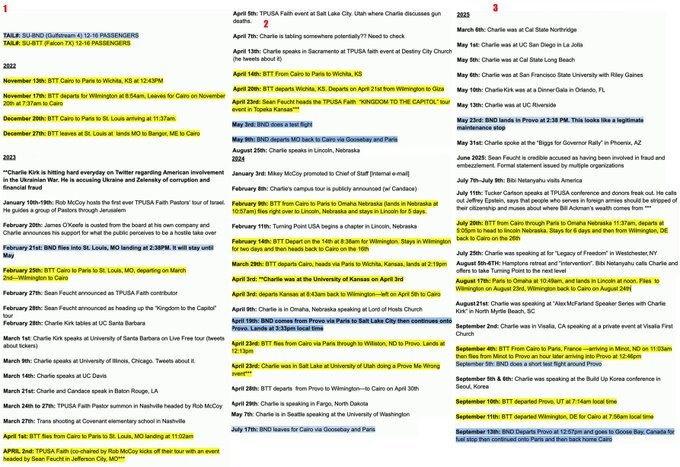
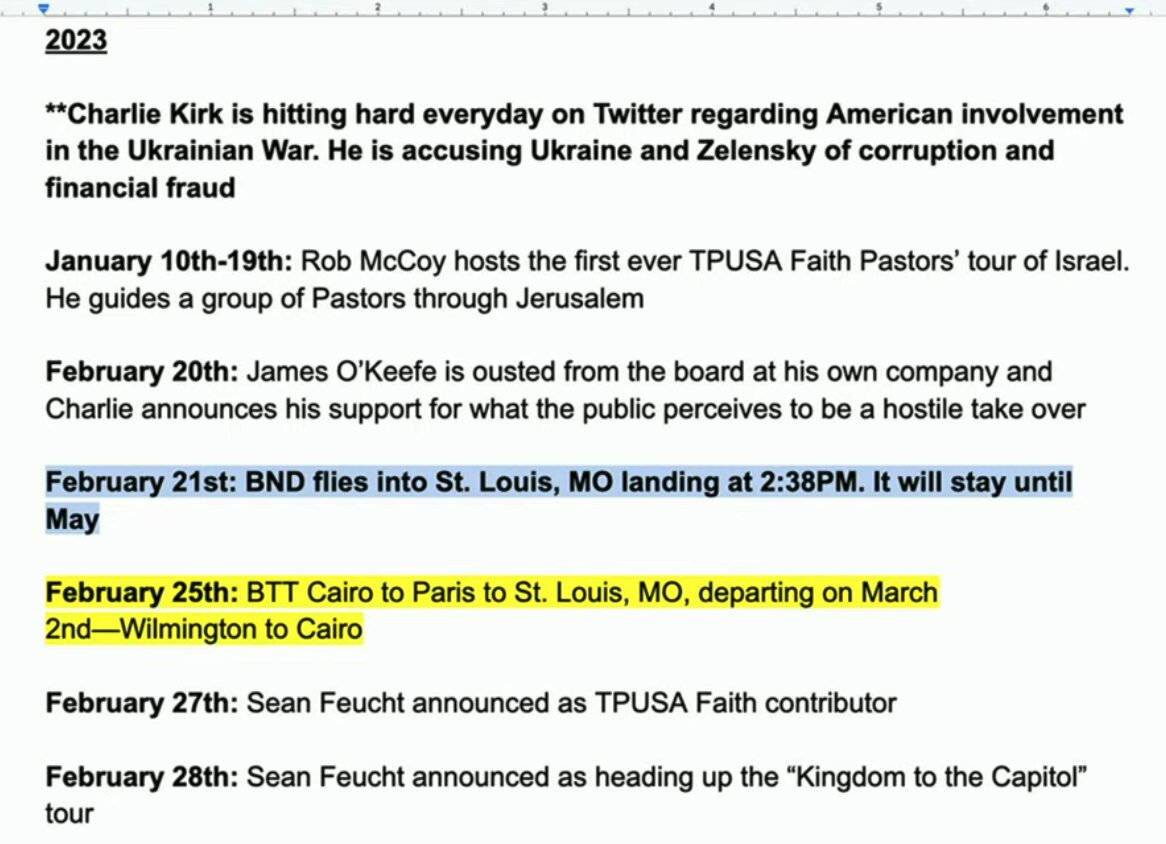
Citizen investigators on X sort the Kirk aftermath by agency lane: FBI/ATF lab and discovery disputes; Utah DPS / county press and custody; UVU PD campus CCTV; State Department / foreign-jet questions for Egyptian and other tails; and Congress/oversight as the only path to forced disclosure. Use child pages and FBI, court, intelligence rather than treating viral agency-blame posts as findings.
This website's author is @HolonCitizen on X and YouTube/@HolonCitizen. Follow me there.
Interesting
- Rights monitors documented armed quadcopters firing 5.56mm rounds from low hover.
- Blake Bednarz reportedly counted 16 drones over UVU, each pass lasting under a second.
- A US Army HADES jet returned at 12:48 PM, 25 minutes after Kirk died.
Related Areas
Related
Images

Videos
Footage related to this page. Each card opens that clip's own page, with the video, the full write-up, and its source.