Motive
Why would anyone want Charlie Kirk dead? Start with the investigation index.
The sharpest non-official motive thread is Charlie Kirk's reported break with pro-Israel donors in September 2025. According to @RealCandaceO and circulated screenshots, he wrote that "Jewish donors play into all the stereotypes" and that he had "no choice but to leave the pro Israel cause" — roughly 48 hours before the UVU shooting. Parallel timeline notes place a combative Sept 9 meeting and texts saying "THEY ARE GOING TO KILL ME," plus a night-before message to security chief Dan Flood that "they" would kill him tomorrow (KM-10) after a donor phone call. Donor & Israel Foreign Policy holds that lane.
Geopolitical and institutional theories widen the lens. Commentators tie Charlie's Iran-war opposition (June 18 White House visit), AIPAC criticism, and campus reach to interests that might prefer a controlled narrative after his death — including blocked NCTC foreign-interference probes (per Daily Mail reporting), Egyptian-plane contractor activity at Provo, and rapid TPUSA succession messaging on FOX within hours. Geopolitical & Intel Theories and Institutional & Organizational catalog those claims separately from proof. Former NCTC director Joe Kent has lent that lane on-record weight, saying his center's parallel review of potential foreign ties was ordered to stop once Tyler Robinson was in custody.
The official motive remains Tyler Robinson's alleged ideological hostility. Prosecutors emphasize trans-policy grievance and online radicalization. Citizen researchers argue that frame may coexist with — or mask — strategic motives. Tyler Robinson Alleged Motive summarizes the charging narrative and patsy reinterpretations. Motive is not proof for any living person or institution.
The Big Motivation to Kill Charlie Kirk:
"Chain of Evil" — tracing the network of donors, influence operations, and foreign intelligence interests behind the case for the Israel/Mossad theory. Hosted on IPFS at CID QmS64aK5A7BfPP3C645FLBSQRdXcMCyCtCxddAQixoQ22K and served via public gateways.
Laws (Charlie Kirk)
Donor communications, security texts from Sept 9–10, NCTC foreign-nexus files, the reported DOGE-audit dispute involving Tyler Bowyer, and TPUSA succession records are among disclosures the Charlie Kirk Investigation Laws may bring into public view.
Public commentary
Motive is the most sensitive part of this case: the aim here is to document reported pressure campaigns and political conflicts, not to declare who ordered anything.
Among the most widely shared public discussions is Candace Owens' commentary on donor threats and figures such as Bill Ackman (September 2025 clips). A common counterpoint holds that this reflects ordinary donor politics and rejects any collective blame. Related intel-service theories appear in the Planes and Proof Intel Services sections.
This website does not assert as fact that any living person named here committed a crime, did anything wrong or illegal, or had any knowledge of or involvement in the assassination. Names appear only in the context of public discussion. Nothing here is a finding by this website.
Interesting In This Area
- Geopolitical theories run on aircraft movements, a halted probe and shaped-charge sophistication.
- Institutional incentives cover succession, insurance and a lone-actor default that needs no conspiracy.
- The state's personal motive is ideological opposition and partner grievance, as reported.
- The index lists what disclosure would settle each lane in an afternoon.
Interesting In Other Areas
- A private message two days earlier reportedly said he was leaving the pro-Israel cause.
- Kirk reportedly declined an invitation to Israel and a funding offer before September 10.
- The AmFest booking fight is load-bearing: pressure to rescind a Carlson invitation.
- Kirk reportedly opposed regime change in Iran at the White House in June 2025.
Other Pages In This Section
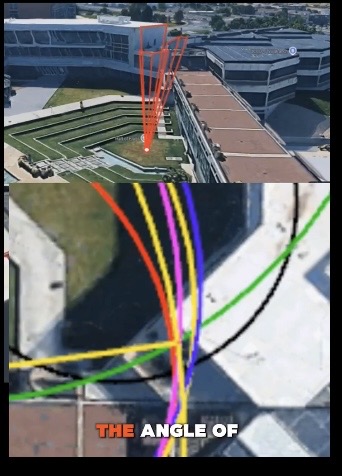
Geopolitical and Intelligence‑Service Motive Theories (Claims)
Motive frameworks arguing the killing required capabilities beyond a lone gunman — foreign-policy stakes, aircraft movements, and a blocked counterterrorism probe. No court has attributed the killing to any intelligence service.
Read this
Tyler Robinson's Alleged Personal and Ideological Motives (As Reported)
The personal and ideological motive the state and the press assembled. Read it as the account to be tested, because testing it is what the rest of this site does.
Read thisFour motive lanes kept deliberately apart — donor and Israel-policy friction, the reported death warnings, geopolitical context, and institutional incentives. Each is routed to the page that carries it, and to the disclosure that would settle it.
Read this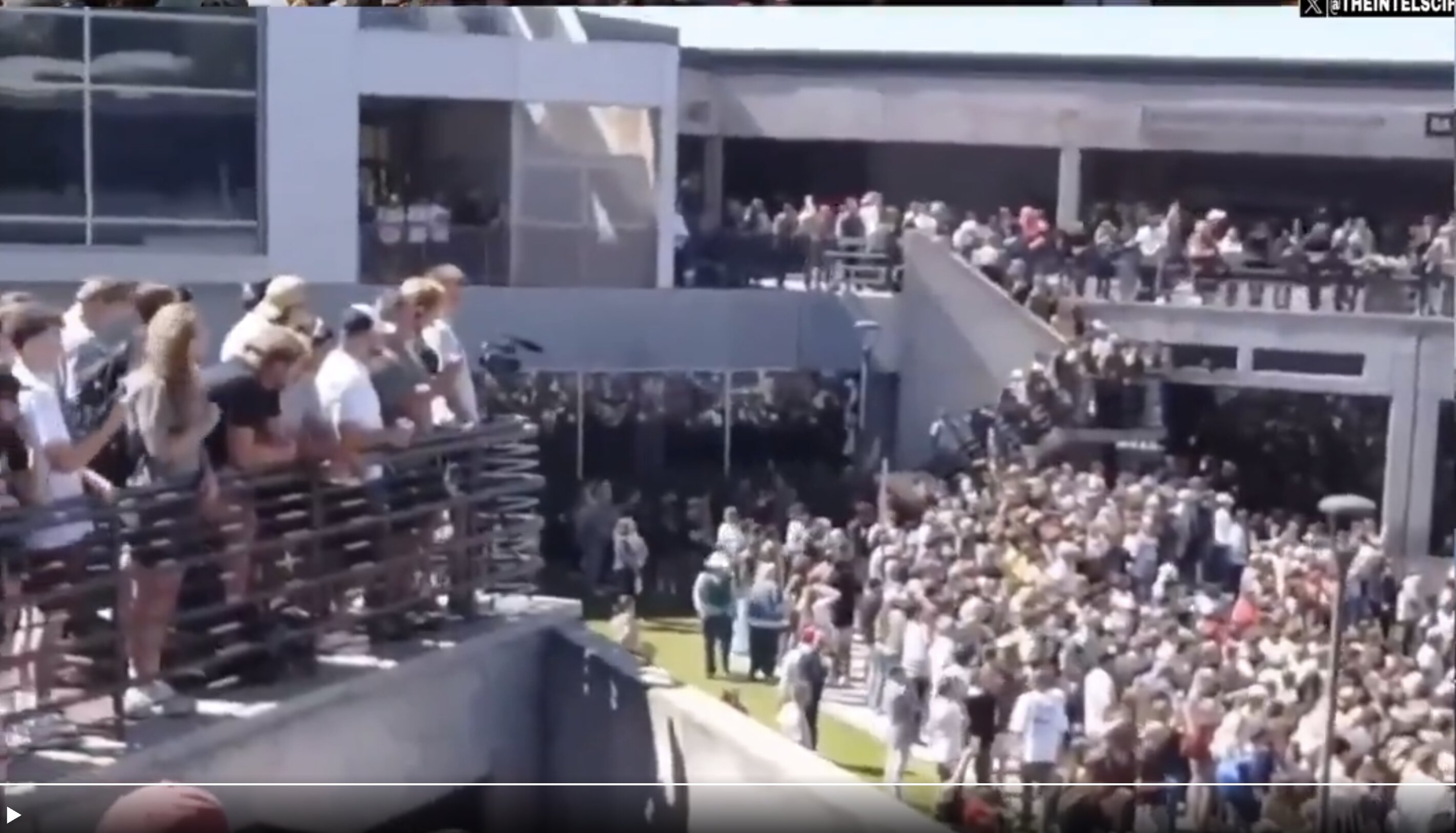
Institutional, Media, and Organizational Motive Dynamics (Claims)
Motive that needs no foreign service: lone-actor narrative incentives, a succession announced within hours, insurance and audit pressure, and gag orders shaping which theories could be argued at all. Attributed claims throughout, and not one of them a court finding.
Read thisElsewhere In The Investigation
Every dated incident in which Charlie allegedly said he would be killed for breaking with pro-Israel politics — August 13, August 16, the 48-hour donor texts, and the other channels. Sorted by date, so the escalation is visible.
Read this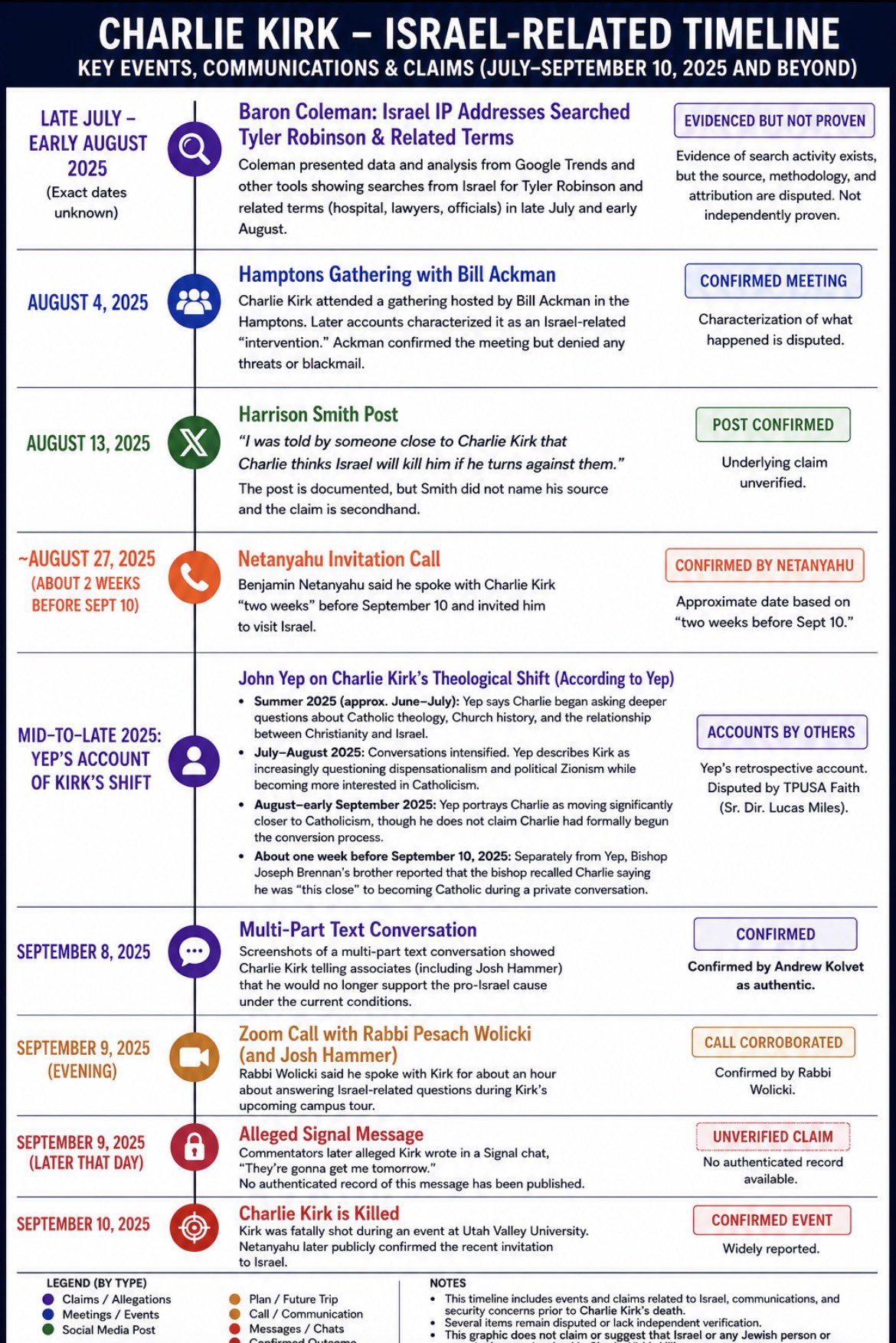
The Fight Over Tucker's Invitation
The load-bearing AmFest claim: that Kirk was pressed at an August 2025 donor weekend to rescind Tucker Carlson's invitation, refused, and lost a major donor. Every principal denies the confrontation on the record. The flyer three weeks later still shows Carlson.
Read thisHow the Iran War Raised His Risk
The motive logic stated plainly: not that Iran acted, but that Kirk's opposition to a U.S.–Iran war placed him against that war's most powerful advocates. Reasoning about incentive, not proof of a crime.
Read thisThis website's author is @HolonCitizen on X and YouTube/@HolonCitizen. Follow me there.
Interesting
- A FARA filing eight days later reportedly links Israeli messaging work to TPUSA's media partner.
- Law 3 would legally force agencies to investigate the exploding microphone theory.
- Eight investigation categories the FBI would be compelled to pursue start with the explosive.