Institutional, Media, and Organizational Motive Dynamics (Claims)
Institutions may not need a violent motive to shape how the public understands a killing. This page documents non-violent and speculative organizational incentives — narrative control, succession, liability, and platform risk — reported in the master file and on X. We do not assert TPUSA, FBI, FOX, or any organization ordered the assassination.
Law-enforcement narrative incentives (claims)
- Lone-actor clarity: High-profile cases often default to a single prosecutable suspect (Tyler Robinson). Analysts argue agencies may prefer that frame for communication and trial simplicity — not because they planned the crime.
- Witness silencing (reported): Master-file strange event #1 — FBI told local law enforcement not to talk to witnesses.
- Foreign plot suppression: Daily Mail–summarized reporting that stopping Kent's foreign-interference probe avoided ammunition for multi-suspect defenses — an institutional post-incident incentive.
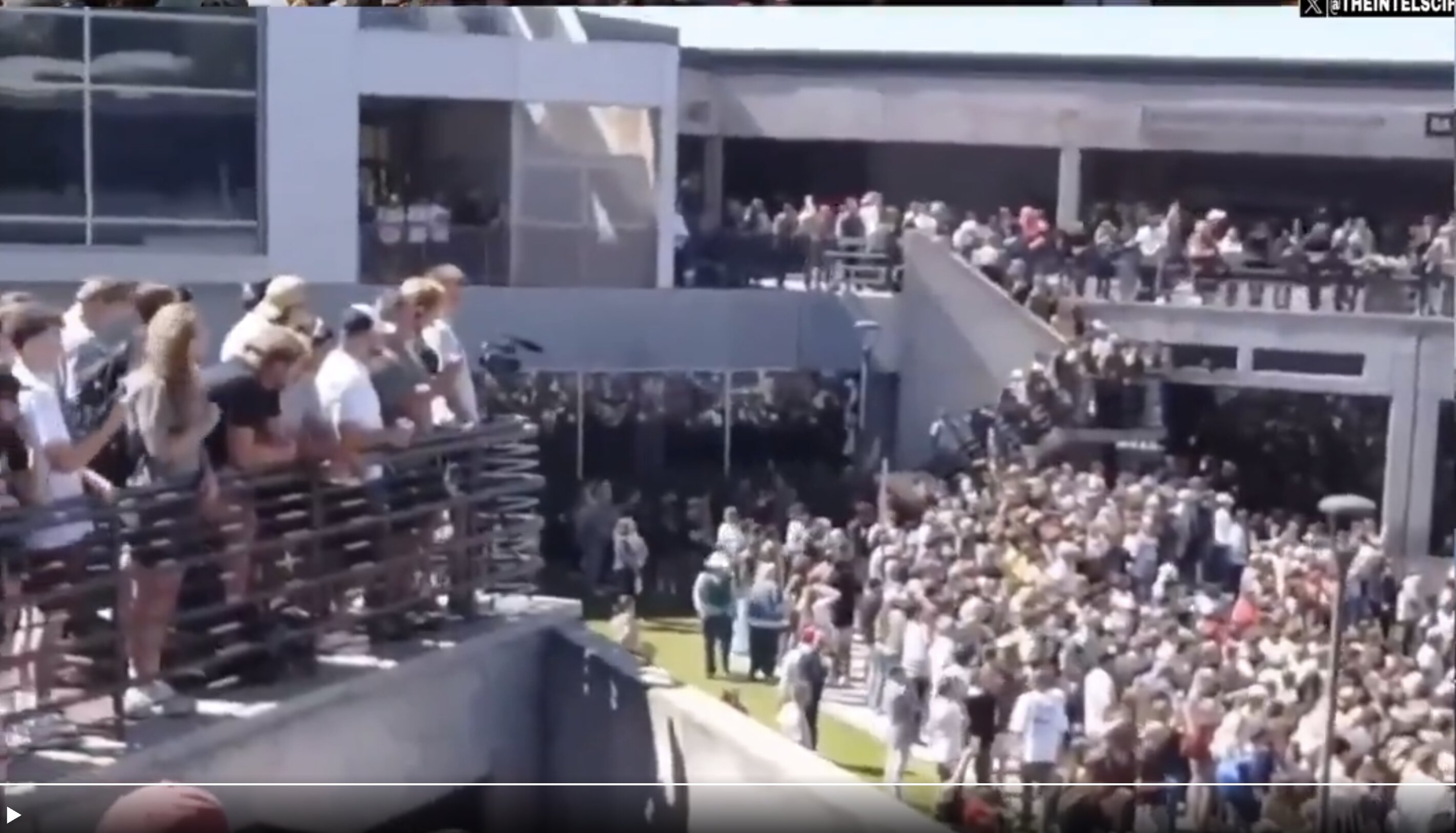
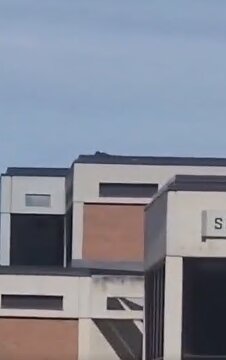
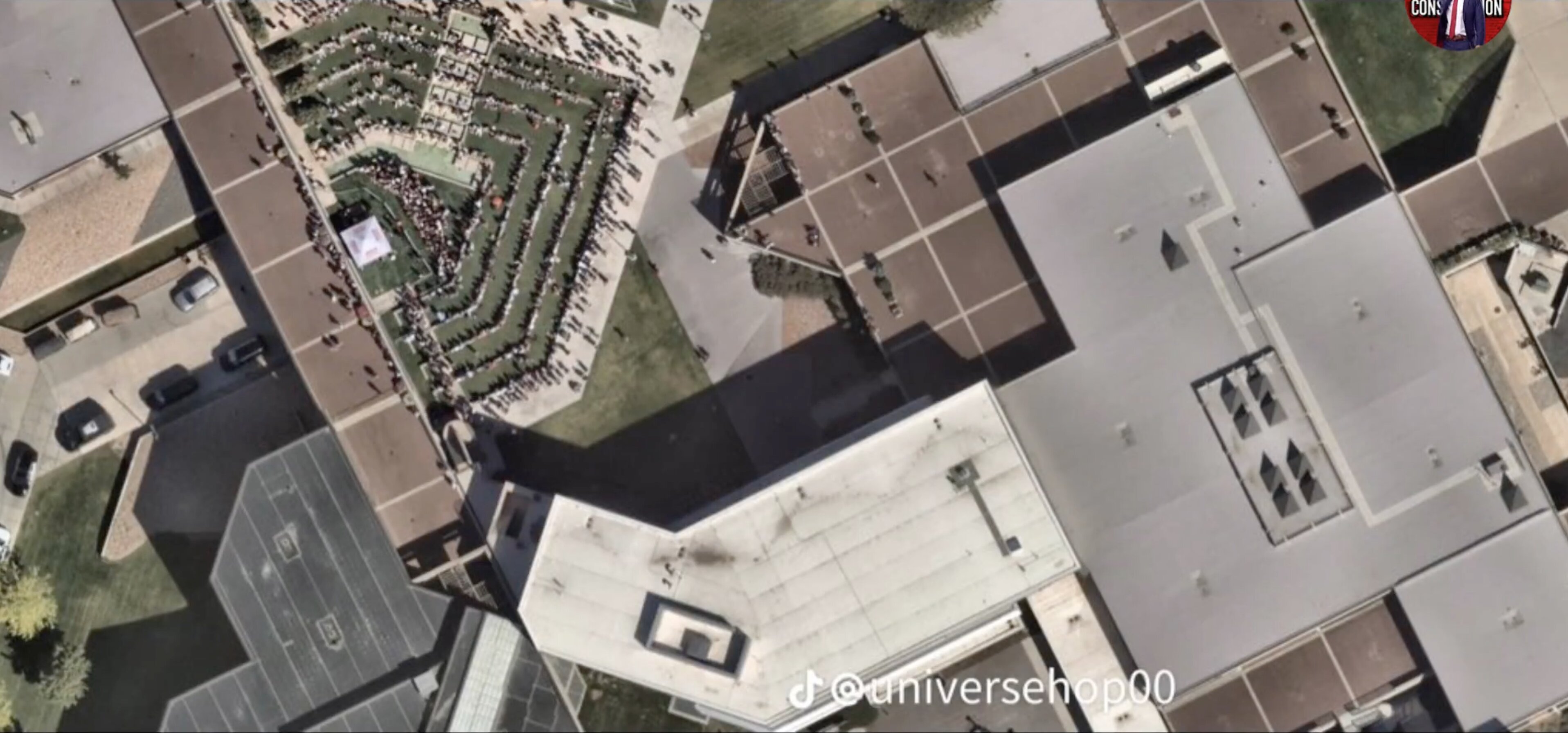
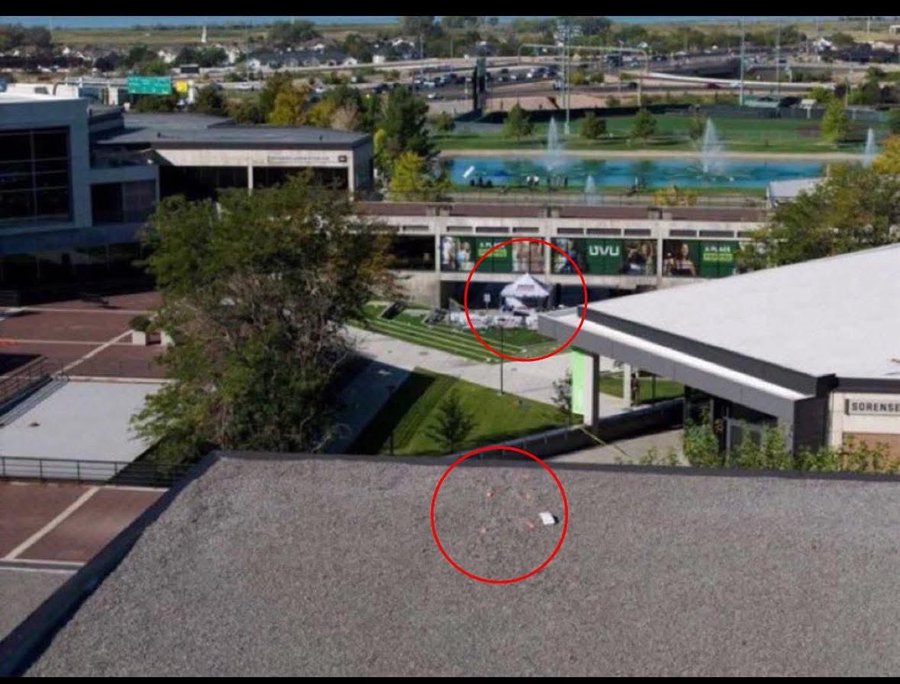
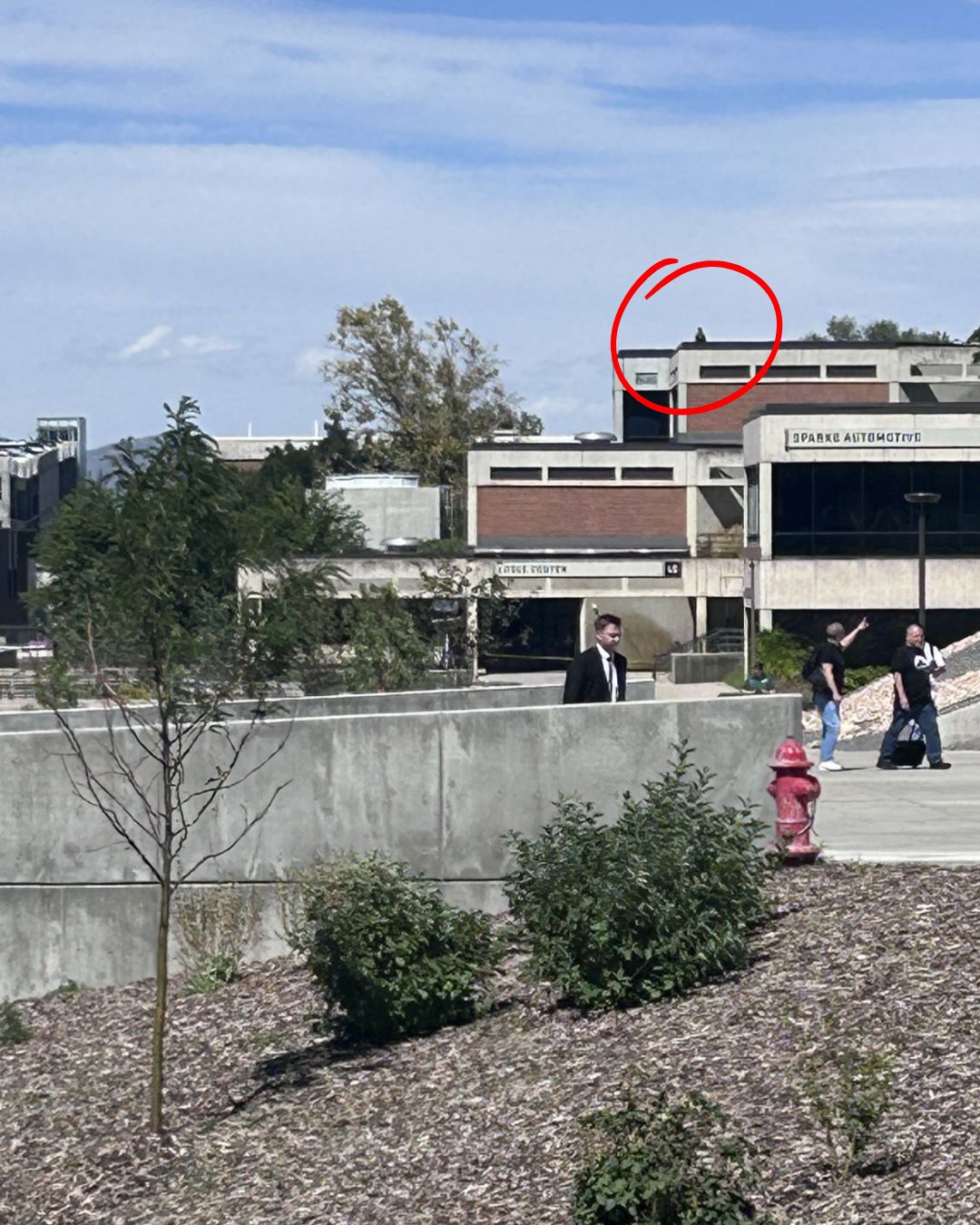
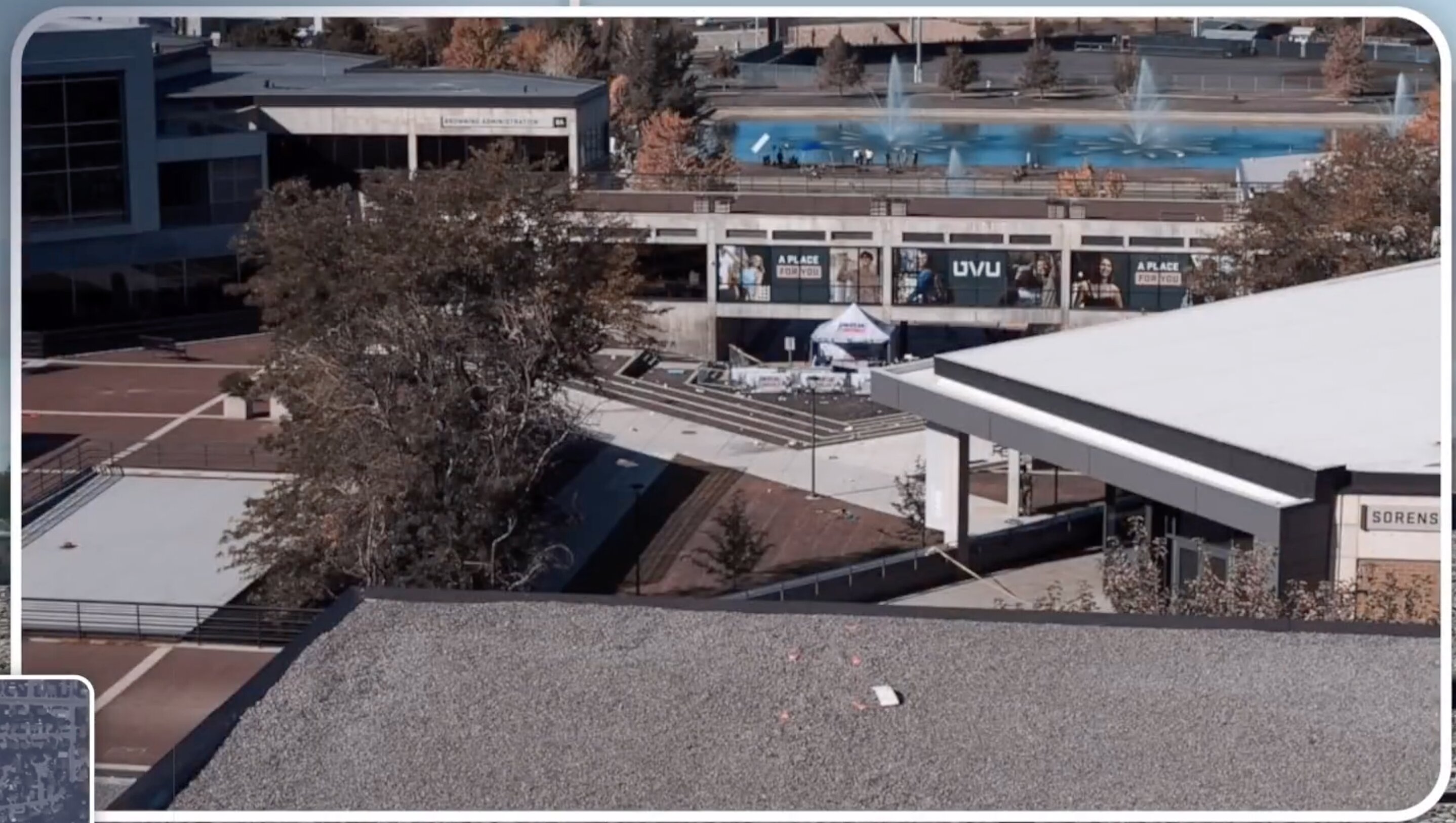
- Security-failure minimization: Rooftop access, drone policy, and tent security gaps create reputational liability motives to limit disclosure — see Security Team.
Political and advocacy messaging (claims)
- Early narratives linked the case to Antifa, leftist radicalization, and trans-policy extremism — aligning with existing campaign frames without proving those groups participated.
- Netanyahu tweeted within minutes; Israeli media among first to confirm death (checklist item) — cited as rapid narrative advantage, not proof of planning.
- Utah Gov. Spencer Cox and family oddities appear in strange-events lists — interpretive only.
Media, platforms, and gag orders (claims)
- Google search-evidence deletion alleged (master file #6).
- Broad gag orders limit what defense and some media can say — shaping which motive theories dominate; see Cover-Up.
- Charlie Kirk Show reportedly operates without the same gag — creating asymmetric messaging capacity inside TPUSA.
TPUSA succession and financial dynamics (claims)
Rapid replacement on FOX
Strange event #7: Charlie's replacement gave a FOX News interview within 1–4 hours of death — commentators ask whether succession planning was unusually mature. Organizational motive (continuity, donor reassurance) differs from homicidal intent.
Disputed Erika CEO video and VFX LA
Candace Owens raised VFX Los Angeles — Hollywood deepfake / voice-clone vendor:
- Marcus Wada (TPUSA) reportedly met VFX LA around the assassination window.
- Aspen Summit donors allegedly deny Charlie made a formal "I appoint Erika Kirk CEO" statement on video.
- Andrew Kolvet reportedly said deepfake vendors had offered Charlie videos, and stated TPUSA declined.
Commentators ask whether a synthetic succession video exists. Erika Kirk is a living person — we attribute allegations to named sources; we do not state foreknowledge or planning as fact. Stew Peters' "foreknowledge" language is opinion only.
Erika final-text dispute (organizational credibility)
X threads compiled in the master file contrast Erika's national TV claims about Charlie's final texts with Andrew Kolvet, Harrison Smith, Frank Turek, and Candace — framed as organizational narrative control, not violent motive proof.
Life insurance and DOGE audit pressure
- GGLF 2023 LLC policy — estimated $20M–$50M payout; TPUSA $350k loan (see donor page).
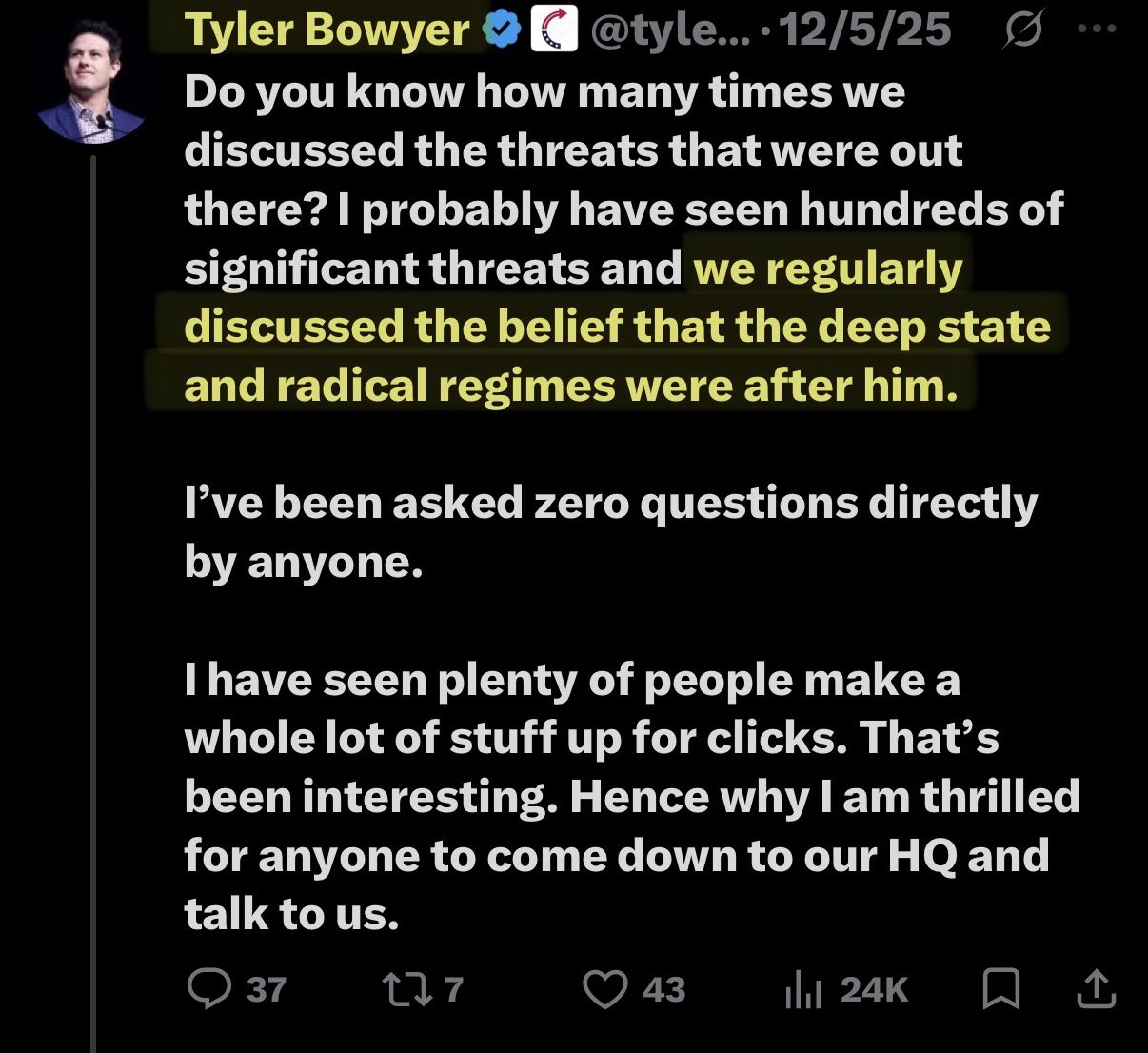
- Bowyer reportedly would have been moved aside 8 days before assassination over DOGE audit — internal governance friction motive (non-violent).
Egyptian plane overlap with Erika
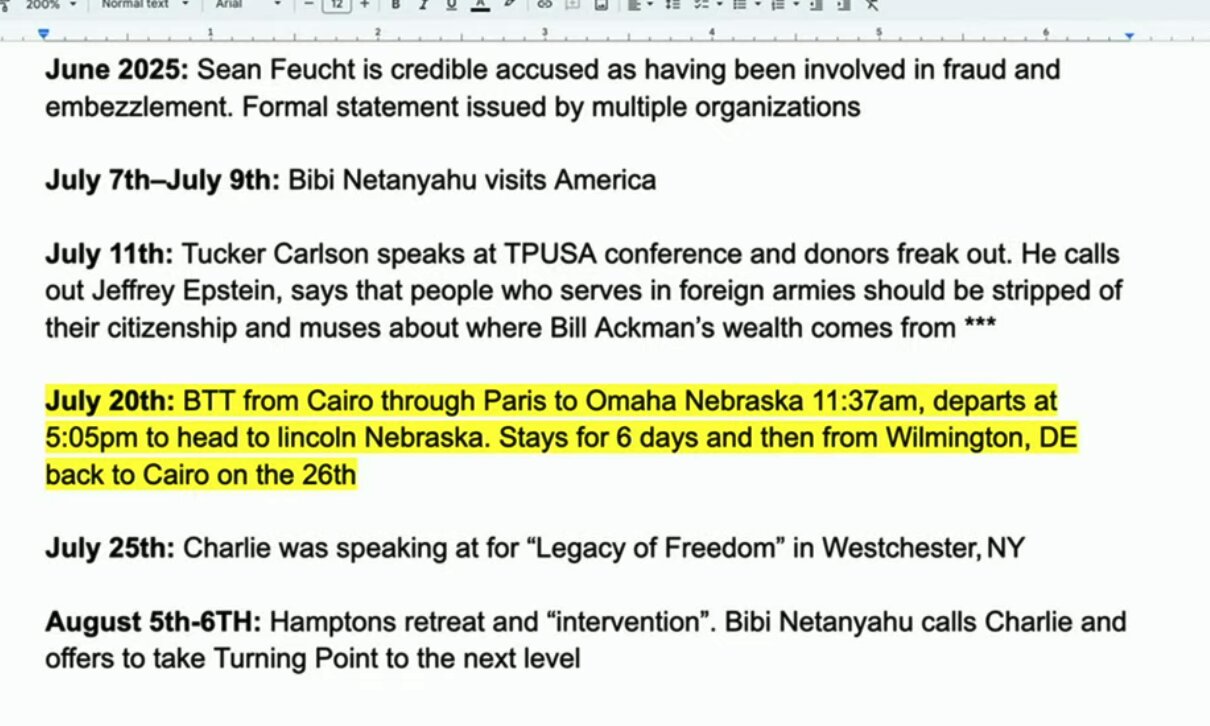
Candace flight analysis: 73 Egyptian-plane overlap windows with Erika vs ~23 with Charlie — used as organizational proximity speculation; no flight log published here as proof of plot.
Brad Parscale FARA and Salem messaging (claims)
Clock Tower X LLC (Brad Parscale) filed FARA Sept 18, 2025 — eight days post-shooting — covering Israeli government work including messaging integration into Salem Media properties. Salem already partnered with TPUSA/Kirk show.
Commentators infer infrastructure motive to steer post-assassination media alignment. FARA filing proves lobbying disclosure obligation, not assassination participation.
Hamptons "what if you died" question (organizational)
Erika Kirk reportedly discussed a donor asking "What would happen to TPUSA if you DIED?" at an August donor meeting (~40 days pre-shooting, Megyn Kelly interview). That raises succession-awareness questions separate from who fired a weapon.
How to interpret institutional motives
| Type | Example | Proves killing? |
|---|---|---|
| Non-violent | Liability, succession, PR | No |
| Post-incident | Narrative control, gag orders | No |
| Speculative violent | Internal rival benefits | Requires evidence |
Laws (Charlie Kirk)
TPUSA board minutes, VFX vendor contracts, gag-order transcripts, and N582MM flight records are among disclosures the Charlie Kirk Investigation Laws may surface.
Citizen Investigator Claims on X (Media / Org Dynamics)
(Attributed public discussion — not findings that any organization committed a crime.)
- Post-assassination X fights often cast TPUSA communications discipline, Daily Wire ecosystem positioning, and Candace Owens vs institutional conservative media as motive-adjacent only when tied to alleged pre-death pressure (Hamptons donor-meeting claims amplified Sept 15, 2025 by accounts such as @5149jamesli and @Uncommonsince76).
- Organizational self-protection after a leader’s murder is also ordinary crisis PR. Message discipline, donor management, and influencer distancing do not equal guilt.
- Investigators watching org dynamics track: (1) who controlled early wound descriptions, (2) how donor-text confirmations were framed (Andrew Kolvet-class communications roles), (3) whether platforming bans (Tucker/Candace pressure claims) appear in contemporaneous messages. All remain questions for documents, not completed proofs.
- Counter-narrative on X: media fights are politics-as-usual, and treating them as a homicide motive risks unfairly maligning living organizations and persons without proof.
Interesting In This Area
- Geopolitical frames argue capability beyond a lone gunman; this page needs no foreign service.
- The state's personal motive is the account the rest of the site tests.
- Donor pressure and warnings to three people anchor the non-institutional half of motive.
- The index routes each lane to its disclosure targets rather than merging them.
Interesting In Other Areas
- A replacement figure reportedly appeared on Fox within hours of the killing.
- A gag order was entered on the court's own motion, requested by neither party.
- Charlie reportedly ordered an internal financial audit days before his death.
- Coverage settled on one story of how he died within hours and has barely revisited it.
Images
Other Pages In This Section
Four motive lanes kept deliberately apart — donor and Israel-policy friction, the reported death warnings, geopolitical context, and institutional incentives. Each is routed to the page that carries it, and to the disclosure that would settle it.
Read this
Tyler Robinson's Alleged Personal and Ideological Motives (As Reported)
The personal and ideological motive the state and the press assembled. Read it as the account to be tested, because testing it is what the rest of this site does.
Read this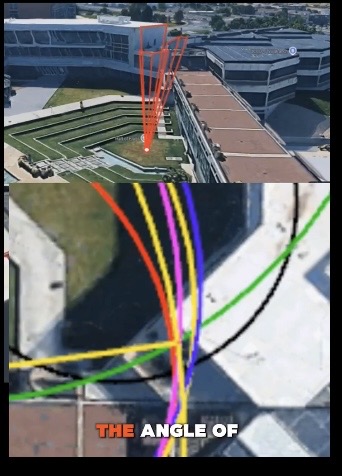
Geopolitical and Intelligence‑Service Motive Theories (Claims)
Motive frameworks arguing the killing required capabilities beyond a lone gunman — foreign-policy stakes, aircraft movements, and a blocked counterterrorism probe. No court has attributed the killing to any intelligence service.
Read thisElsewhere In The Investigation
TPUSA Leadership Succession After Kirk's Death
How fast continuity leadership was announced — a replacement figure reportedly on Fox News within one to four hours, during an active manhunt. Defenders cite the need to reassure staff, donors and chapters.
Read this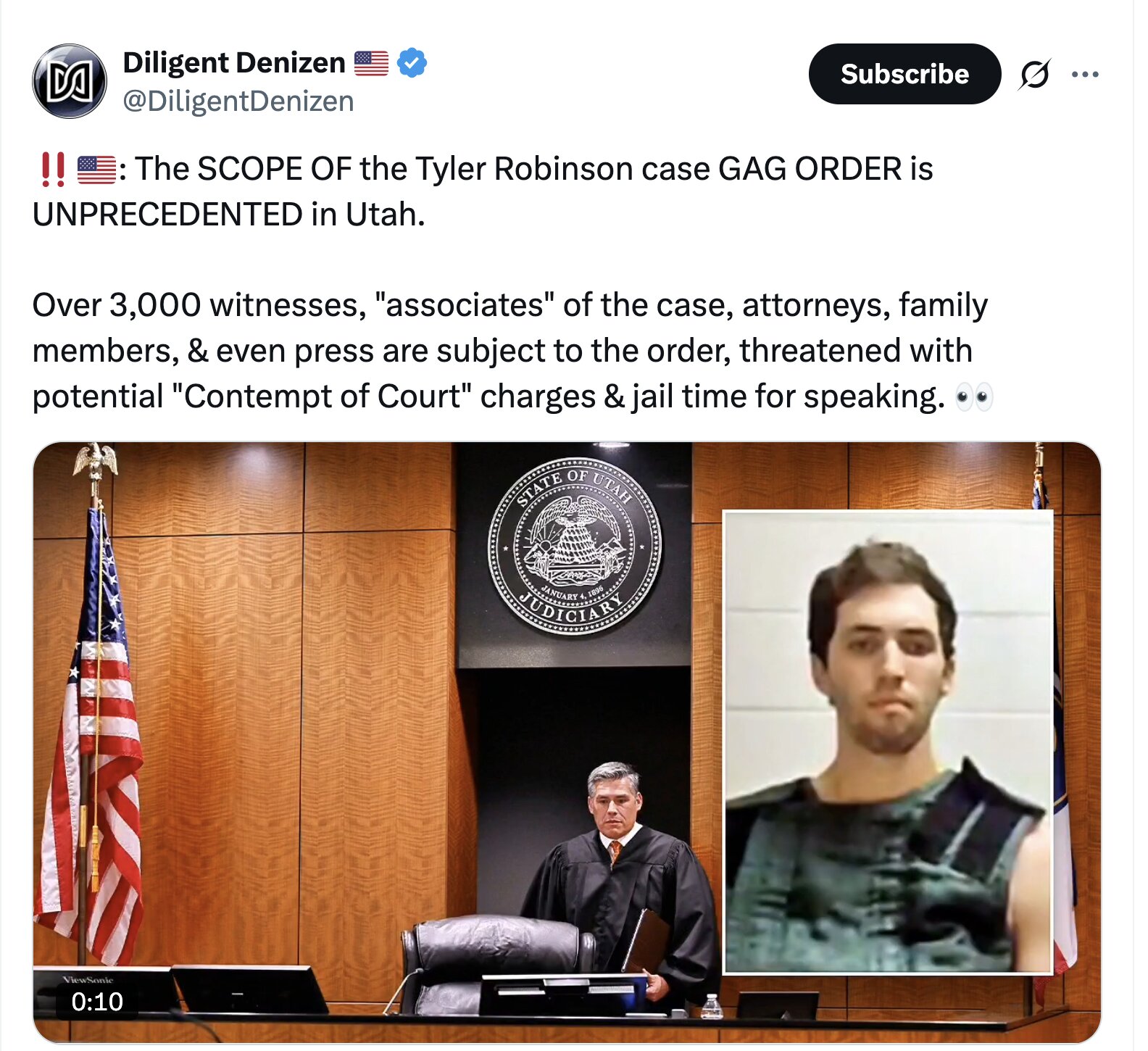
A December 2025 gag order, closed hearings, and a March 2026 motion to seal the inconclusive ATF report — opposed by a media coalition. The public record narrows in stages.
Read this
Reported cease-and-desist letters and legal pressure aimed at citizen investigators over drone footage and insider material. Legal risk is its own form of reach suppression.
Read thisThis website's author is @HolonCitizen on X and YouTube/@HolonCitizen. Follow me there.
Interesting
- A foreign-interference probe reportedly "snuffed out" six days after the killing.
- Thirteen public challenges to the rooftop story include an officer whose body cam died up there.
- Readings claim a bright object flashed just before shot time — a signal.