Alleged Cover‑Up Indicators Relevant to the “Real Killer” Question (Claims)
Overview
This Level_3 page summarizes alleged cover‑up actions and anomalies that citizen investigators believe may obscure who really killed Charlie Kirk. These include rapid physical changes to the crime scene, contested handling of video evidence, and unusual legal or institutional steps. All points are drawn from public posts, videos, articles, and court‑document commentary and should be read as claims and concerns, not as proven misconduct.
Satirical LEGO-animated music video referencing Charlie Kirk's RØDE mic, via @RickyTheGuido, July 24, 2026. IPFS CID Qmd6zPTaBkhDSqCA9nEVrx1e7JsgAEUV7qSDu1pGELiPZJ.
For a broader treatment of information control and institutions, see Cover‑Up, Media Censorship, and Legal Investigation.
Rapid paving and construction at the tent site (claims)
One of the most frequently cited alleged cover‑up indicators is the quick removal and paving over of the tent area where Charlie was shot:
- Construction timing and Sunday work:
X threads and interviews (including videos featuring a contractor identified as Daniel Merrell of “Hardscape Utah”) describe how, four days after the assassination, workers were called in—reportedly on a Sunday, unusual in heavily observant LDS areas—to rip up the grass and install pavers or concrete at the exact spot of the shooting, and to re‑mud the tunnel ceiling behind it. - Company and ownership questions (claims):
Posts reference firms like Hardscape Utah, Precision Granite & Marble LLC, and Crew General Contractors (CrewGC), and suggest that some may be linked to Tyler Robinson’s family (for example, via entities like RobinsonSTG, LLC). These linkages are based on corporate‑registry lookups and screenshots, not formal investigative findings. - Google Trends angle:
Google Trends screenshots circulated on X show Israeli IP spikes searching for “Daniel Merrell” and related Utah construction terms in July 2025, which commentators interpret as possible pre‑planning interest; others caution that such correlations are speculative.
From a “real killer” standpoint, the key concern is that evidence such as bullet paths, residue, or blood patterns might have been destroyed or made harder to examine by this rapid, post‑incident construction.
Witness video deletion and FBI contact (claims)
Another major theme in cover‑up discussions is the handling of eyewitness video:
- Alleged remote deletion of footage:
Some witnesses, according to posts summarized in the research, claim that videos on their phones were edited or missing by the time they got home, despite their belief that they had recorded the shooting. These accounts generally appear in X spaces, podcasts, or long‑form threads, but are hard to independently verify without device‑level forensics. - Ryne Simmons and FBI deletion request (claims):
A widely shared X thread by @ninoboxer (https://x.com/ninoboxer/status/1982164944914162103) features Ryne Simmons, who says he recorded a close‑up 4K/60fps video of the assassination and then sent it to the FBI to help investigators. According to his account, FBI personnel asked him to delete the video; he states he secretly retained a copy instead. Commentators argue that, if true, this would be a strong indicator of evidence suppression rather than preservation.
These claims are central to theories that critical angles and high‑quality footage exist but are being withheld or discouraged from circulation, which would directly affect efforts to identify the real shooter.
Selective release of TPUSA and campus footage (claims)
Investigators also raise questions about the selective use of official event footage:
- TPUSA birthday tribute video:
Posts by accounts such as @ProjectConstitu note that a TPUSA video released for Charlie’s October 14 birthday reportedly includes drone shots and stage‑area angles from September 10—footage previously said to be unavailable or restricted at the FBI’s request. Critics argue that releasing celebratory clips while withholding uninterrupted, unedited camera feeds from key angles (especially near the tent, tunnel, and grey van) suggests narrative management rather than full transparency. - Campus and city surveillance:
Commentary across X, YouTube, and Substack points out that only limited segments of UVU surveillance, doorbell, and traffic‑camera footage have been made public, making it hard to reconstruct Tyler Robinson’s full path, clothing changes, or alternative shooter positions. For the device-by-device picture — Ring, WYZE, and UVU surveillance — see Surveillance Cameras; the clothing-change concern is detailed on Tyler as a Placeholder Figure.
If these claims are accurate, they would mean that potentially decisive primary evidence remains outside public view, complicating independent assessment of who actually fired the fatal shot.
Legal constraints, gag orders, and closed hearings (claims)
Finally, some cover‑up allegations focus on the legal environment around the case:
- Broad gag order in Tyler Robinson’s case:
Legal‑commentary Substacks (for example, analysis by Andrea Burkhart and others) describe a gag order issued by Judge Tony Graf on the court’s own motion, not at the request of either prosecution or defense. According to these summaries, the order restricts what parties and counsel can publicly say, and has been accompanied by closed hearings that block press and public access. - Autopsy‑photo law and medical‑record secrecy:
Commentators connect Utah’s SB0082 Autopsy Photo Amendments (effective May 7, 2025) with the lack of publicly released autopsy materials in this case, arguing that the law’s timing and strictness make it easier to keep key forensic details out of public scrutiny. - Trial access and jailhouse‑snitch dynamics:
As noted on the Patsies and Distraction Actors page, the use of a jailhouse witness like Jaxson Thomas Fox and the closing of related hearings are cited as additional reasons to suspect managed narratives rather than fully open adjudication.
While some level of secrecy is normal in high‑profile active prosecutions, skeptics argue that the combination of broad gag orders, closed proceedings, and tightly controlled medical and video evidence raises reasonable questions about whether the full truth about the killer is being inappropriately shielded.
How these cover‑up claims connect back to “real killer” questions
Within the “real killer” framework, alleged cover‑up indicators do not by themselves prove who fired the fatal shot. Instead, they are used by some investigators and commentators to argue that:
- Key physical and digital evidence has been altered, destroyed, or withheld, making it harder to test rooftop vs. close‑range shooter theories.
- Institutional actions—by law enforcement, courts, and organizations connected to the event—may be unintentionally or deliberately protecting certain narratives at the expense of others.
- On this view, any serious effort to determine who really killed Charlie would prioritize full access to raw footage, forensic records, and transparent legal proceedings, subject to lawful privacy and due‑process protections.
Readers should keep these points in mind when weighing competing theories in Killer, Shooting Locations, Charlie, and Motive, always distinguishing between documented facts, procedural choices, and interpretive leaps.
Laws (Charlie Kirk)
- Who authorized paving over the crime scene, FBI records bearing on the alleged requests that witnesses delete video, and the unreleased unedited UVU camera feeds are things that the Charlie Kirk Investigation Laws may result in powerful truths coming out that aren't out yet.
Competing Claims After July 2026 Prelim Coverage (Attributed)
Paving testimony (investigator learned from news), witness deletion reports, gag orders, and selective footage remain the core 'process' red flags investigators cite.
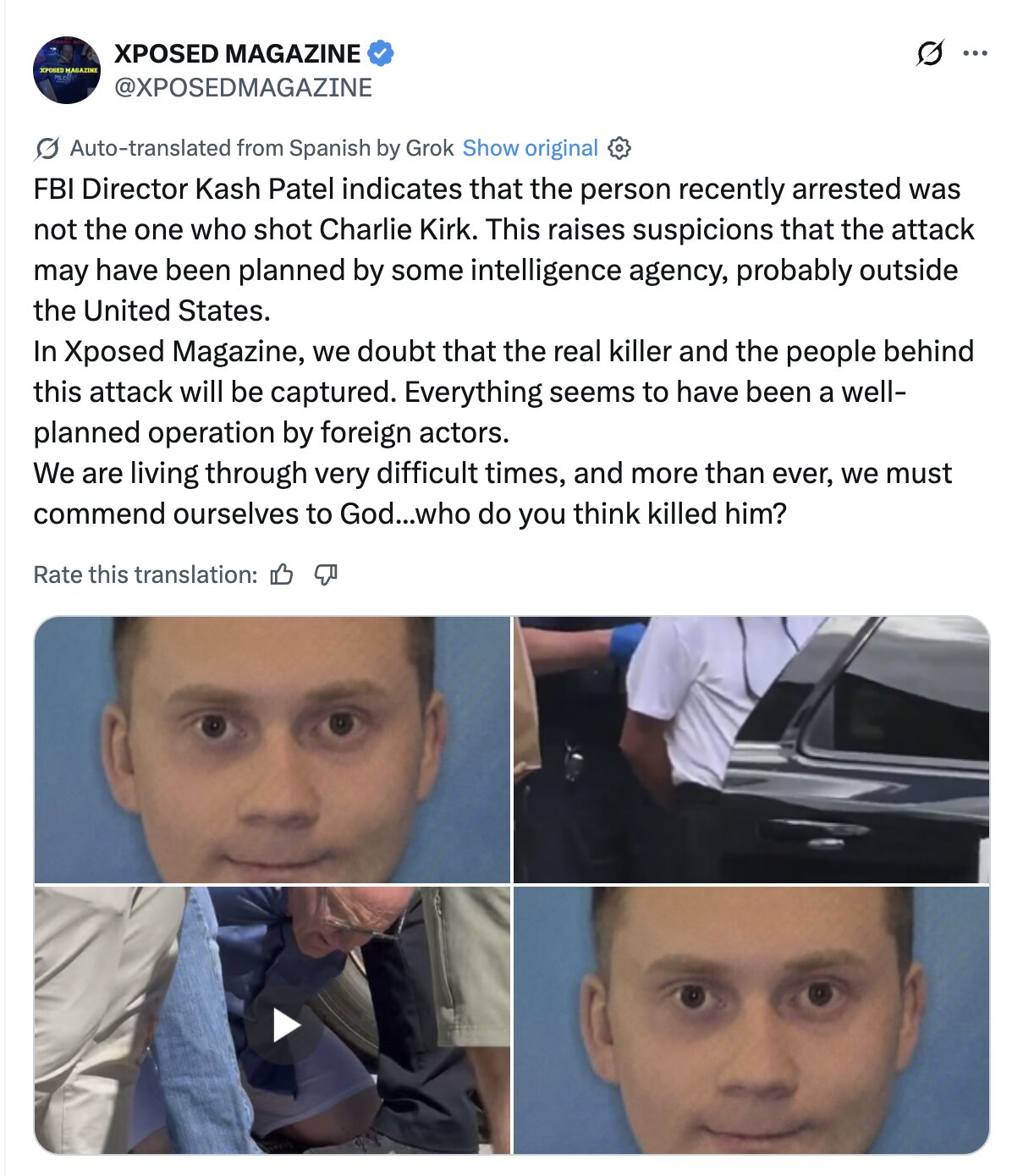
Official track: Prosecutors argue Robinson's DNA, rifle recovery, surveillance, and confessions. Defense/OSINT track: fragment ballistics language, timeline gaps, clothing/limp anomalies (including Trump Jr. public commentary clips), roof second-person videos, courtyard paving. Foreign/intel track: Kent NCTC claims, phone SIGINT stories, donor-motive narratives. On the first of those, former NCTC director Joe Kent has stated on the record that his center's foreign-nexus review was halted once Tyler Robinson was in custody — before those leads were exhausted.
This page maps theories; it does not declare the "real killer" as a site finding beyond what courts eventually adjudicate.
Interesting In This Area
- Aircraft N1098L reportedly flew nearby; Israeli cellphone signals were alleged near campus.
- A TMZ clip reportedly places the accused a quarter-mile away thirty-one minutes before the shot.
- George Zinn shouted for police to shoot him as they moved him from the scene.
- Erika Kirk became TPUSA chief executive within days, a question raised in commentary.
Interesting In Other Areas
- Ryne Simmons says the FBI asked him to delete his 4K video.
- Ten inches of dirt left the courtyard, then pavers went down on a Sunday.
- Judge Tony Graf issued the gag order on the court's own motion.
- Joe Kent says his foreign-nexus review stopped once a suspect was in custody.
Images
Videos
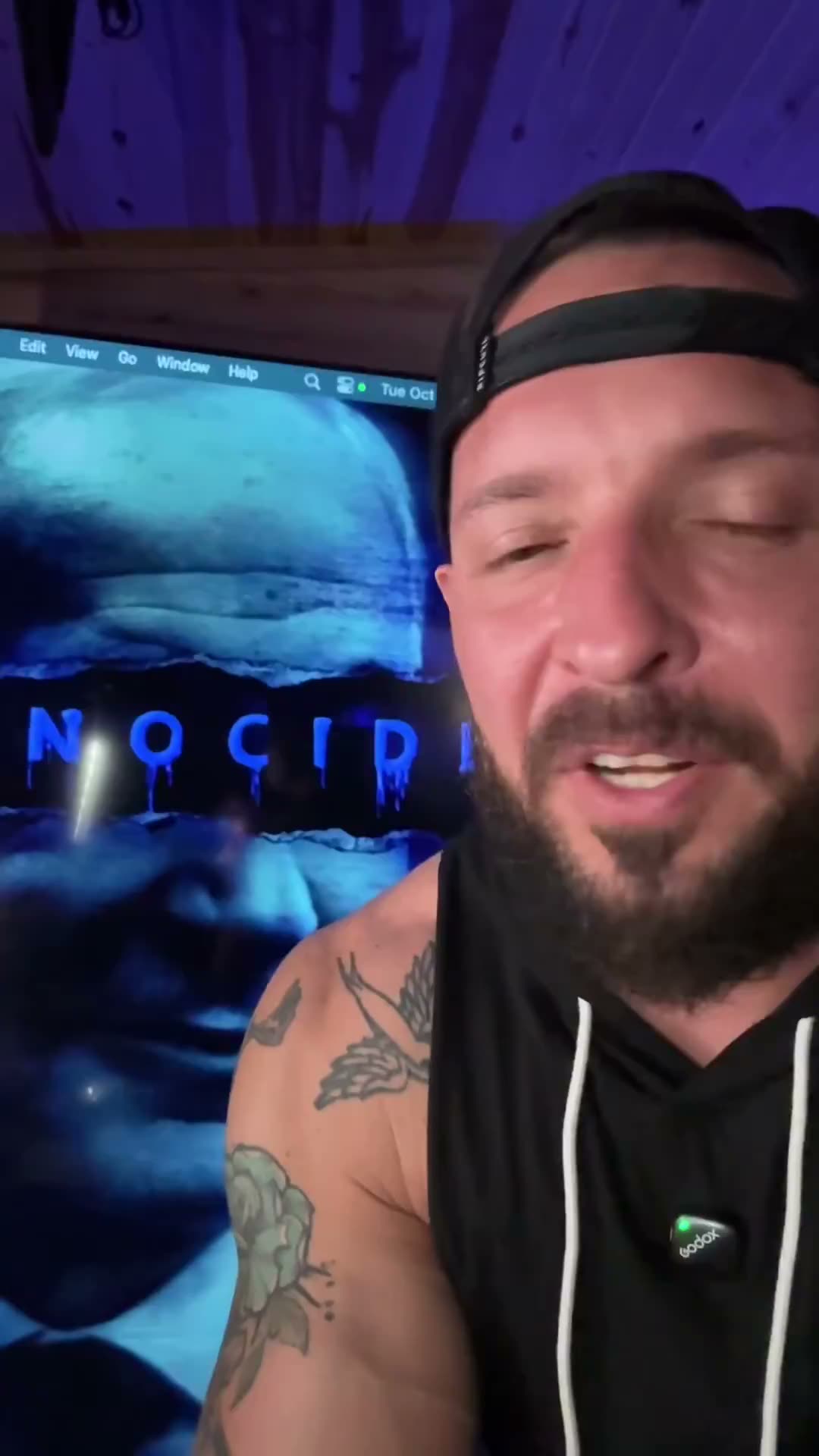
Footage related to this page. Each card opens that clip's own page, with the video, the full write-up, and its source.
Other Pages In This Section
Alleged Patsies and Distraction Actors (Claims)
If a sophisticated operation killed Charlie Kirk, some of the people who drew the cameras were not the killer. This page compiles those distraction claims — every one an unproven allegation, none a finding of guilt.
Read this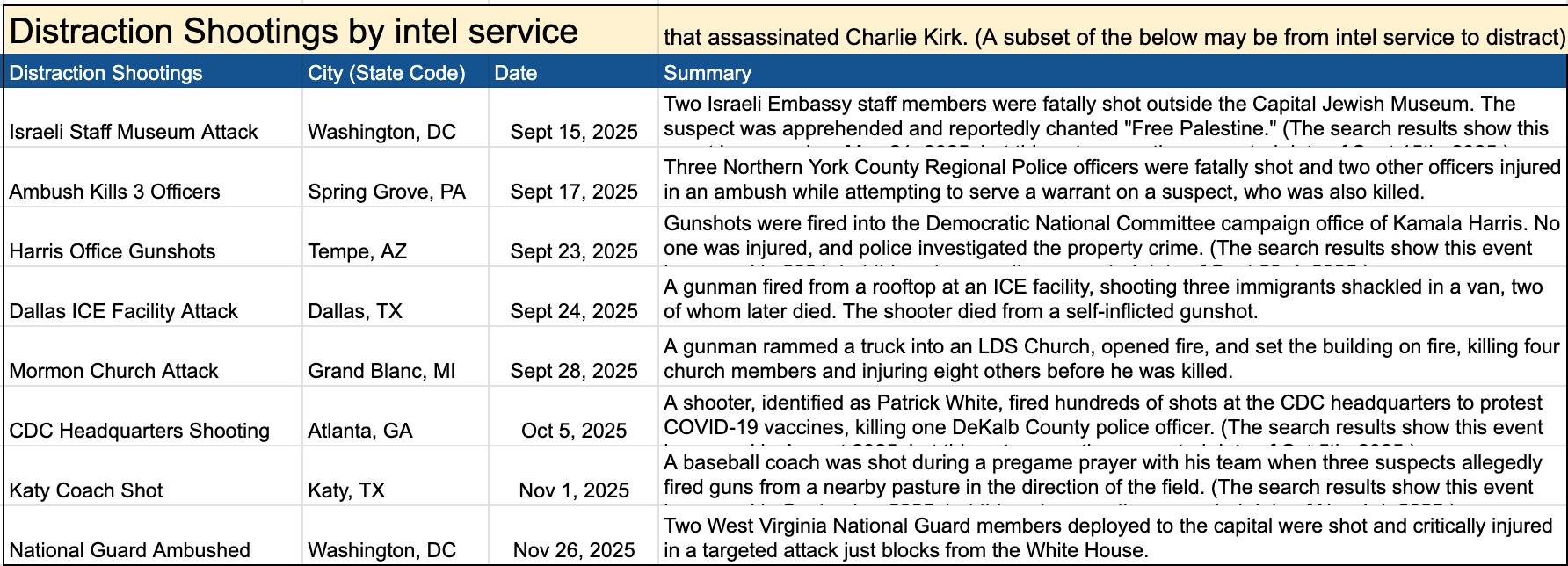
Charlie Kirk had begun breaking publicly with the pro-Israel consensus on the right, and this page follows the motive and capability argument built on that. Every operational claim in it — the alleged signals, the paving, the halted foreign leads — is recorded as contested. No court has found that any foreign service ordered his death.
Read thisThe argument that domestic agencies had the motive, the capability and a documented history — COINTELPRO, Operation CHAOS — plus what investigators say happened after September 10. Its most specific on-record item is a former counterterrorism director saying his foreign-nexus review was ordered stopped.
Read thisTheory: Tyler Robinson — Official Suspect
The government's case against the charged man, set beside the documented challenges to it: the rifle-to-wound mismatch, the acoustic timing, the gaps in his day. He is charged, not convicted, and the page is written so you can weigh both sides.
Read thisElsewhere In The Investigation
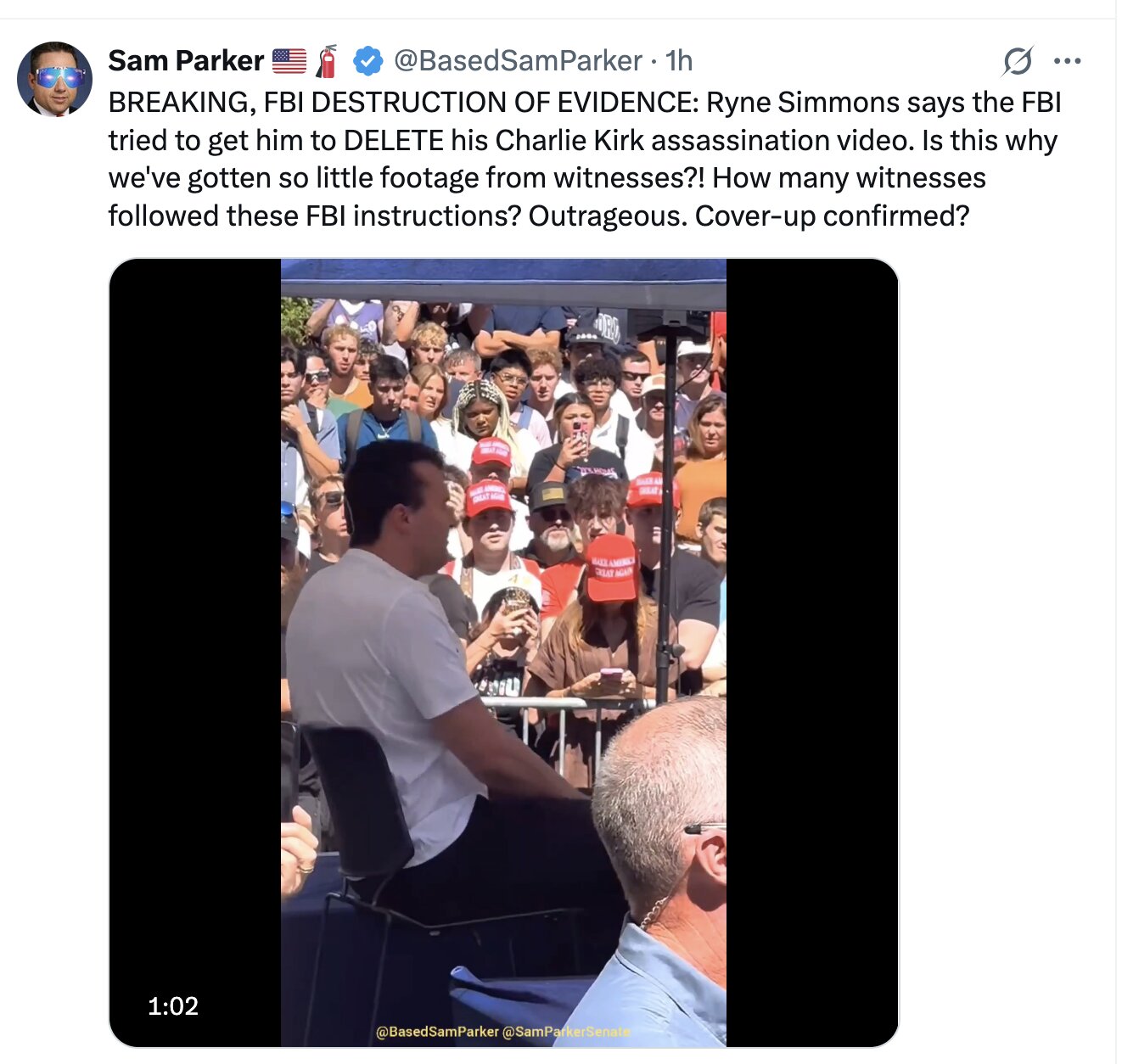
Ryne Simmons Reportedly Told to Delete His 4K Video (Claims)
A named witness describing his own experience, which the page rates above an anonymous claim. It also states the ordinary reading: asking a witness not to keep graphic footage is common and lawful once the original is secured.
Read this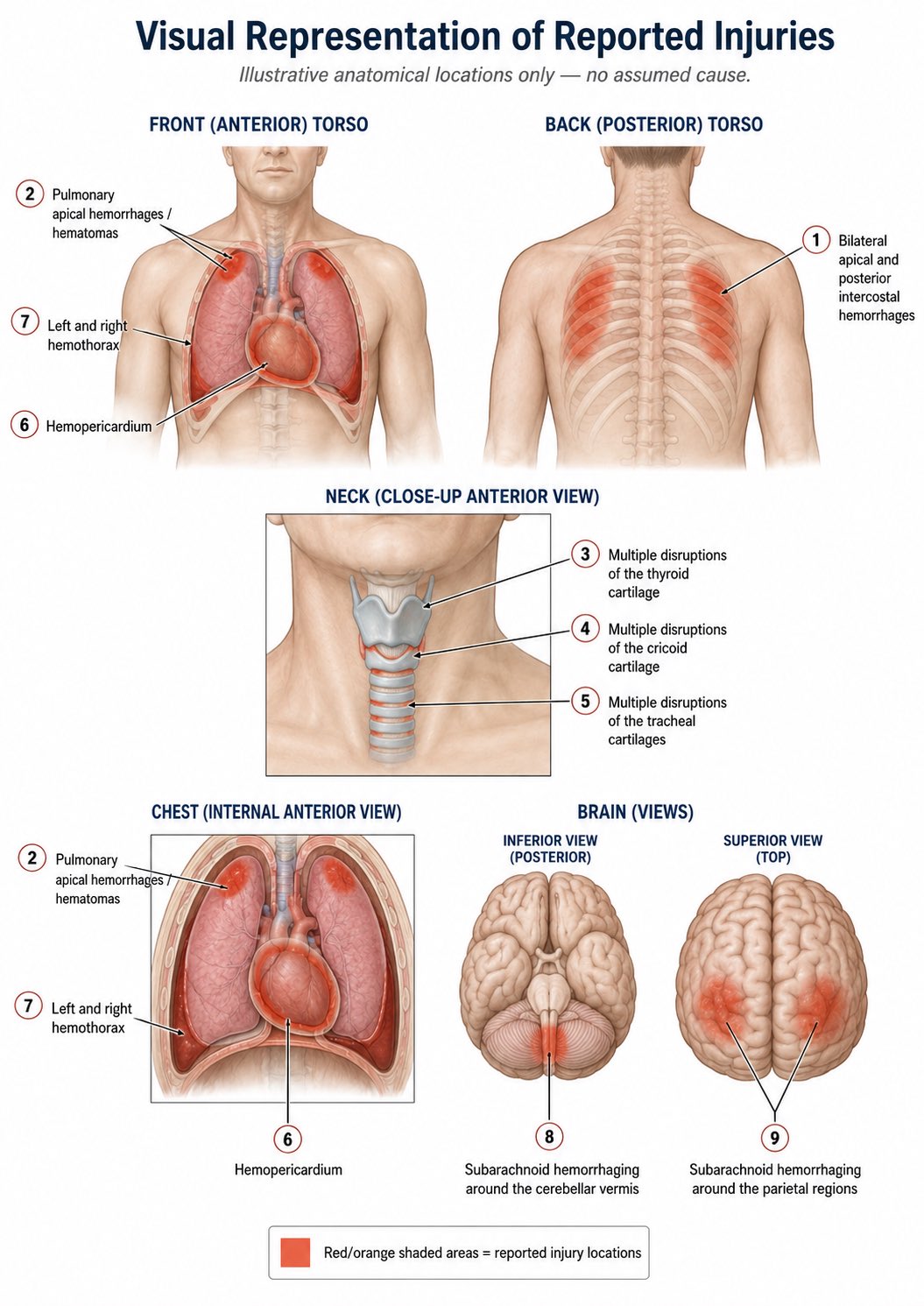
Dirt removed, a transport SUV released, cameras and SD cards gone, a body camera that stopped on the roof, a foreign inquiry halted. Each is a reported allegation, and the page groups them by the kind of cover-up alleged.
Read this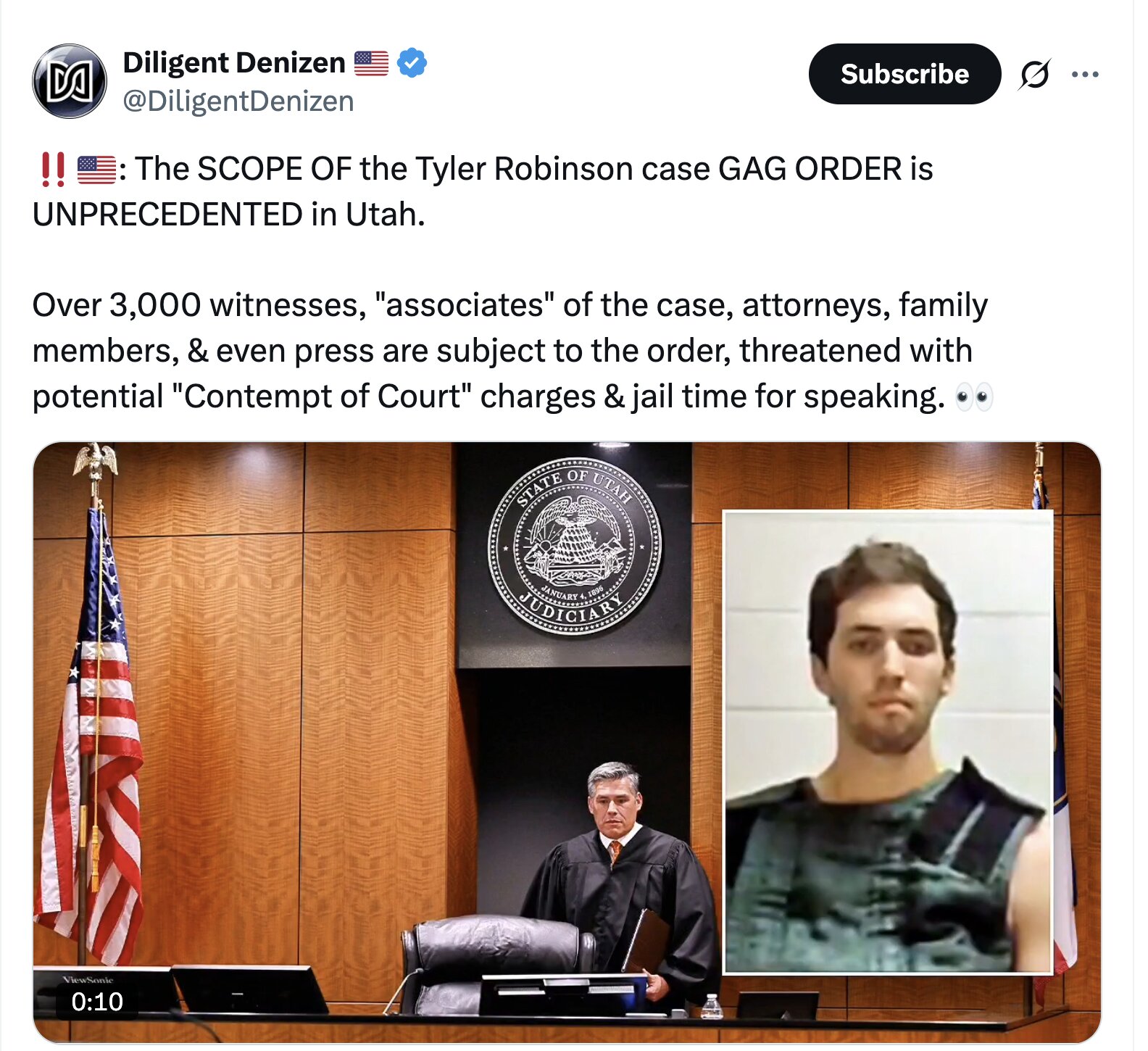
A December 2025 gag order, closed hearings, and a March 2026 motion to seal the inconclusive ATF report — opposed by a media coalition. The public record narrows in stages.
Read this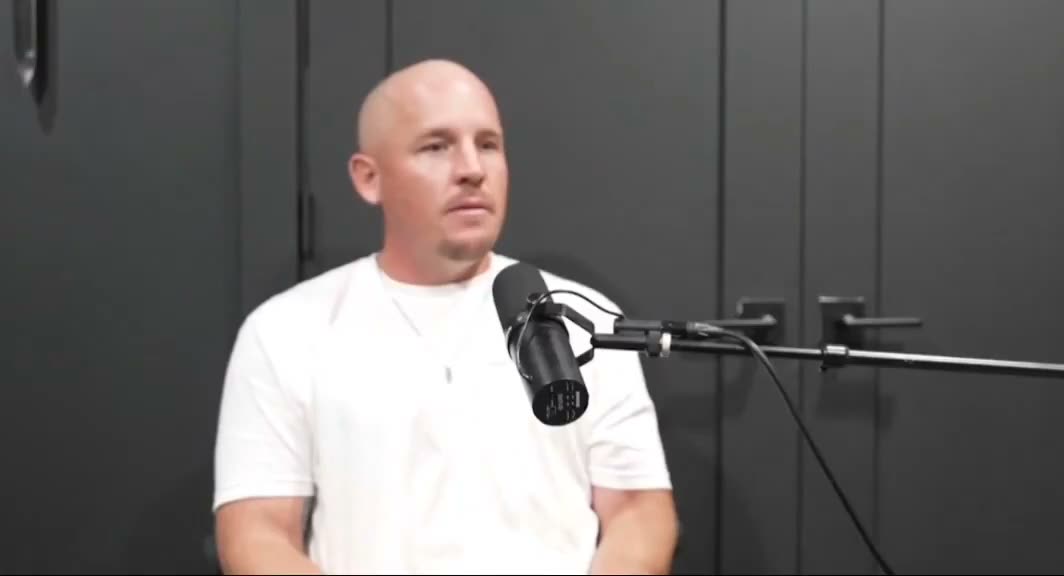
Pavers — Dan Merrell's Account
The contractor describes on camera being called on a Sunday to pave the courtyard where Charlie Kirk was killed, and says the coordinators told him the order came from the top. His interview is the origin of the whole paving story.
Read thisThis website's author is @HolonCitizen on X and YouTube/@HolonCitizen. Follow me there.
Interesting
- Candace Owens reportedly pointed to Israeli signal activity near UVU that day.
- Little-reported vendors and contractors sit at the center of the AV and re-paving timing.
- Loose threads gathered in other topics include an alleged halt to a foreign-nexus inquiry.