Alleged Patsies and Distraction Actors (Claims)
Satirical LEGO-animated music video referencing Charlie Kirk's RØDE mic, via @RickyTheGuido, July 24, 2026. IPFS CID Qmd6zPTaBkhDSqCA9nEVrx1e7JsgAEUV7qSDu1pGELiPZJ.
:::caution Legal Disclaimer Nothing on this page is a finding of wrongdoing, criminal conduct, or participation in any crime by any living person. This site documents claims and questions raised in public commentary — not findings of fact. All persons and organizations named are presumed innocent, and the allegations referenced here are unproven and have not been established in any court. :::
Overview
This Level_3 page compiles claims about “patsies,” distraction figures, and questionable witness roles that appear in citizen‑research threads around the Charlie Kirk case. The idea in these narratives is that, if a more sophisticated operation killed Charlie, some individuals may have been used to draw attention, shape the storyline, or absorb blame, without necessarily being the true killer. All references here are to public posts and media segments and should be treated as unproven allegations and hypotheses, not findings of guilt.
For broader framing, see Real Killer, Tyler Robinson, and Cover‑Up.
“Mr. Shoot Me” George Zinn (claims)
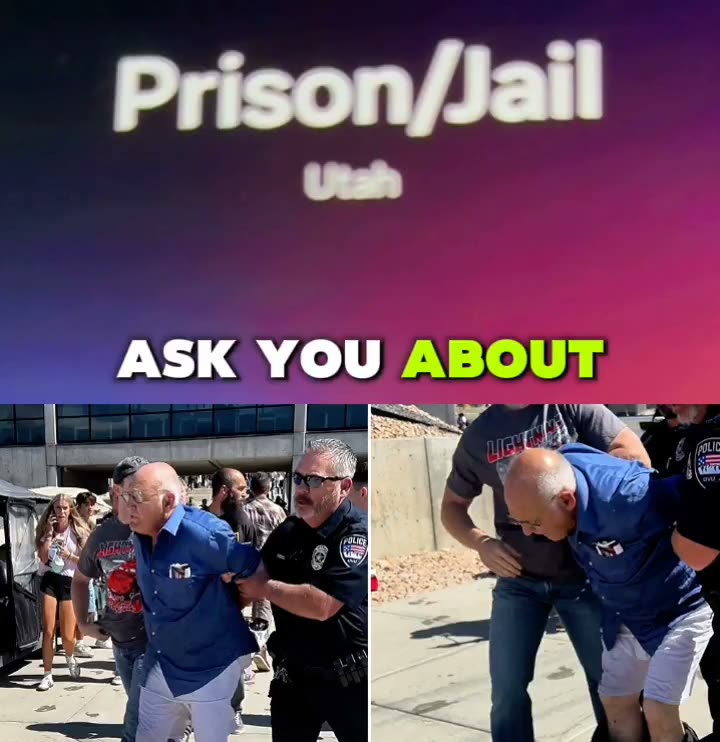
Several X threads and video commentaries refer to an older man at the scene nicknamed “Mr. Shoot Me” or George Zinn:
- Behavior at the scene (claims):
Clips shared on social media show a man shouting “shoot me!” or similar phrases as police move him away from the area after the assassination. Commentators argue this drew significant attention from cameras and law enforcement. - Presence at other events (claims):
Posts summarizing open‑source digging claim that the same individual has appeared in proximity to other major incidents (such as 9/11 and the Boston Marathon bombing), usually citing side‑by‑side photo comparisons and long‑form videos on X or YouTube. - Cleared by authorities (as reported):
The research notes state that George Zinn has been cleared in official terms, but conspiracy‑oriented commentators still frame him as a possible distraction or staged character, not the actual shooter.
These narratives rely on facial comparison, crowd footage, and anecdotal reporting; they have not been validated by court findings.
Russell Kennington and other on‑scene suspects (claims)
Another cluster of posts discusses Russell Kim Kennington and other individuals detained or mentioned around the crime scene:
- Kennington’s arrest (as described in posts):
X threads and screenshots cite local booking records indicating that Russell Kennington, a 38‑year‑old former U.S. Army combat medic, was arrested for criminal trespass and felony obstruction of justice for allegedly tampering with the crime scene in the hours after the shooting. Images circulated online show an officer carrying what appears to be a long rifle near him, which commentators debate as to whether it was real, a pellet gun, or unrelated. - “Pellet gun guy” and other unnamed figures (claims):
Some posts mention a separate “pellet gun guy” and question whether multiple different on‑scene weapons or props were involved, though these claims are generally based on low‑context photos and scanner audio rather than formal reports. - Questions about charging and records:
At least one GRAMA‑request‑style document (shared via screenshots) is cited to argue that official records around certain arrests are incomplete or ambiguous, feeding the idea that some suspects may have been used briefly as narrative decoys.
These stories are highly speculative and should not be read as proof that any of these individuals fired a shot.
Zachariah Qureshi and alternative shooter speculation (claims)
Another widely discussed figure in citizen investigations is Zachariah Ahmed Qureshi:
- Reported background (as summarized in commentary):
Posts and articles quote biographical details drawn from LinkedIn and media reports: Qureshi is said to be a 25‑year‑old Arabic speaker, a former Heritage Foundation intelligence trainee, a VC analyst at EPIC Ventures, and an Arabic linguist for the LDS Church, living in Salt Lake City. - Detention and release (as reported):
Commentary referencing journalist Karol Markowicz and local press describes Qureshi as having been detained at the event, then released, later held briefly on an obstruction of justice charge before being released again. - “Original patsy” idea (claims):
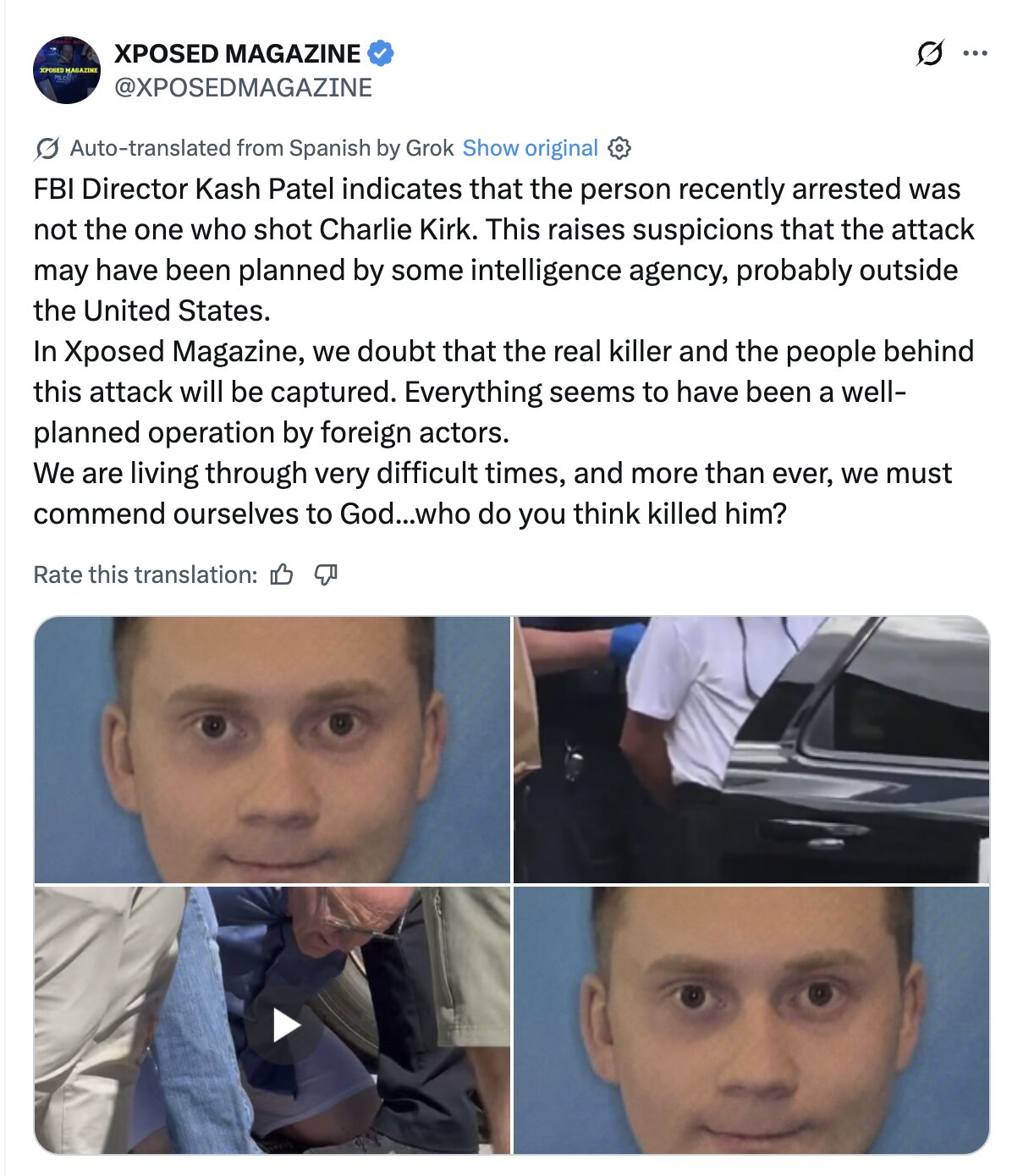
Some X threads suggest he may have been an intended or initial patsy—for example, citing early statements or rumors amplified by commentators like Kash Patel that linked an Arabic‑speaking suspect to the shooting—before the narrative settled on Tyler Robinson. These claims hinge on unverified scanner audio, unofficial emails, and social‑media rumor chains.
No public evidence has been produced showing Qureshi firing a weapon, and official accounts do not list him as the shooter; he appears here only because he features prominently in “alternative patsy” discussions.
Skyler Baird and staged‑witness claims
Another recurring topic is Skyler Baird, the eyewitness whose televised interviews were questioned in social‑media threads:
- Position at the scene (claims):
Footage shared on X (for example, posts by@1_ofWeThePeople) and in YouTube compilations shows Baird near Charlie’s head at the moment of the shot, after having reportedly moved forward from deeper in the crowd. - Memorial appearance:
Later images show him with a media badge and VIP‑like access on the main floor at Charlie’s memorial, which critics argue is inconsistent with his self‑description as an ordinary attendee who might not even get into the event. - Social‑media footprint comparisons:
Some posts compare his appearance and demeanor to bereaved parents from earlier tragedies. This site does not adopt those comparisons. Such claims rest on nothing but visual resemblance, and the courts have repeatedly found that this specific genre of accusation causes serious, compensable harm to the grieving families subjected to it.
There is no evidence that Baird was employed to perform or that he participated in staging anything; the claims rest on pattern‑matching and suspicious timing.
How these “patsy” narratives fit into the real‑killer debate
Taken together, these stories about patsies and distraction actors are used by some investigators to support a model in which:
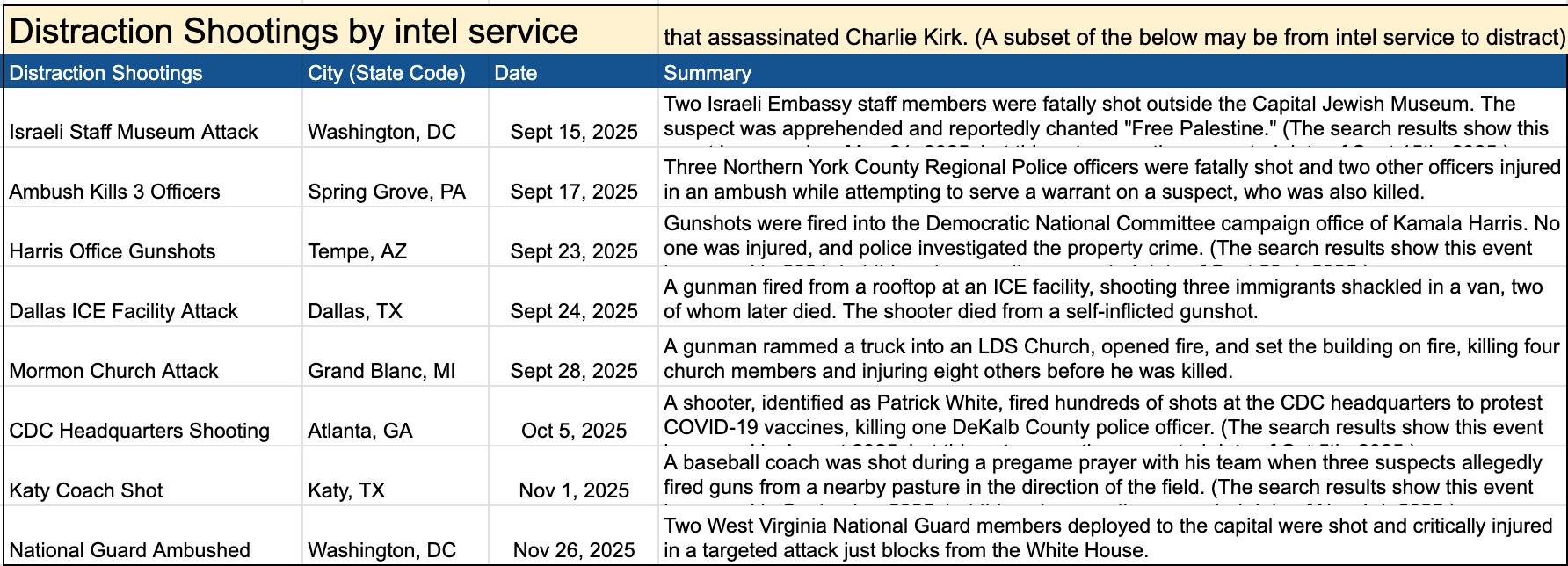
- On‑scene figures (like George Zinn, Kennington, or unnamed “pellet gun” suspects) draw visual and media attention away from the true shooter.
- Detained and released individuals (such as Qureshi) and later jailhouse witnesses (like Fox) help anchor official or semi‑official narratives that may differ from what actually happened.
- Certain high‑visibility eyewitnesses (like Baird) are viewed with suspicion when they appear both close to the event and prominently positioned in later memorials.
These interpretations remain speculative. Readers should cross‑reference this page with Timeline, Videos, Tyler Robinson, and Cover‑Up, and rely wherever possible on primary‑source documents, footage, and court records rather than social‑media commentary alone.
Laws (Charlie Kirk)
- Sealed arrest and release records for detained suspects and FBI 302 reports on Qureshi's detention and the subscriber data behind Israeli-IP searches for Fox are things that the Charlie Kirk Investigation Laws may result in powerful truths coming out that aren't out yet.
Competing Claims After July 2026 Prelim Coverage (Attributed)
Named distraction figures stay in hypothesis status; do not upgrade to site findings.
Official track: Prosecutors argue Robinson's DNA, rifle recovery, surveillance, and confessions. Defense/OSINT track: fragment ballistics language, timeline gaps, clothing/limp anomalies (including Trump Jr. public commentary clips), roof second-person videos, courtyard paving. Foreign/intel track: Kent NCTC claims, phone SIGINT stories, donor-motive narratives.
This page maps theories; it does not declare the "real killer" as a site finding beyond what courts eventually adjudicate.
Interesting In This Area
- Israeli cellphone signals near campus remain unverified, as do the paving claims.
- N1098L reportedly flew nearby; several investigators prefer a multi-actor model.
- The rifle-to-wound mismatch is the challenge investigators press hardest against the official account.
- The Real Killer hub sorts physical, logistical and motive evidence before the theory pages.
Interesting In Other Areas
- George Zinn was cleared the same day he shouted for police to shoot him.
- Booking screenshots and a records response about Russell Kennington reportedly contradict each other.
- Zachariah Qureshi was detained, named and released within hours by federal agents.
- A jailhouse informant transport order moved a witness toward the accused.
Images
Other Pages In This Section
Charlie Kirk had begun breaking publicly with the pro-Israel consensus on the right, and this page follows the motive and capability argument built on that. Every operational claim in it — the alleged signals, the paving, the halted foreign leads — is recorded as contested. No court has found that any foreign service ordered his death.
Read thisTPUSA internal conflict, a foreign state other than Israel, a multi-actor coordination, and the staged-event claim — each set out with the little evidence it actually rests on. Several experienced investigators land here rather than on any single-actor account.
Read thisAlleged Cover‑Up Indicators Relevant to the "Real Killer" Question (Claims)
The anomalies citizen investigators argue obscure who actually killed Charlie Kirk, gathered in one place and each marked as claim rather than finding.
Read thisThe argument that domestic agencies had the motive, the capability and a documented history — COINTELPRO, Operation CHAOS — plus what investigators say happened after September 10. Its most specific on-record item is a former counterterrorism director saying his foreign-nexus review was ordered stopped.
Read thisElsewhere In The Investigation
George Zinn — the "Shoot Me" Man
The first person taken into custody shouted words to the effect of "I shot him, now shoot me," and later told police he said it to draw attention from the real shooter. He was cleared as the shooter the same day.
Read thisJaxson Fox — Informant Transport Order
The transport order itself, with the process facts separated from the jailhouse-snitch theories built on top of it. Read the document before deciding what it means.
Read this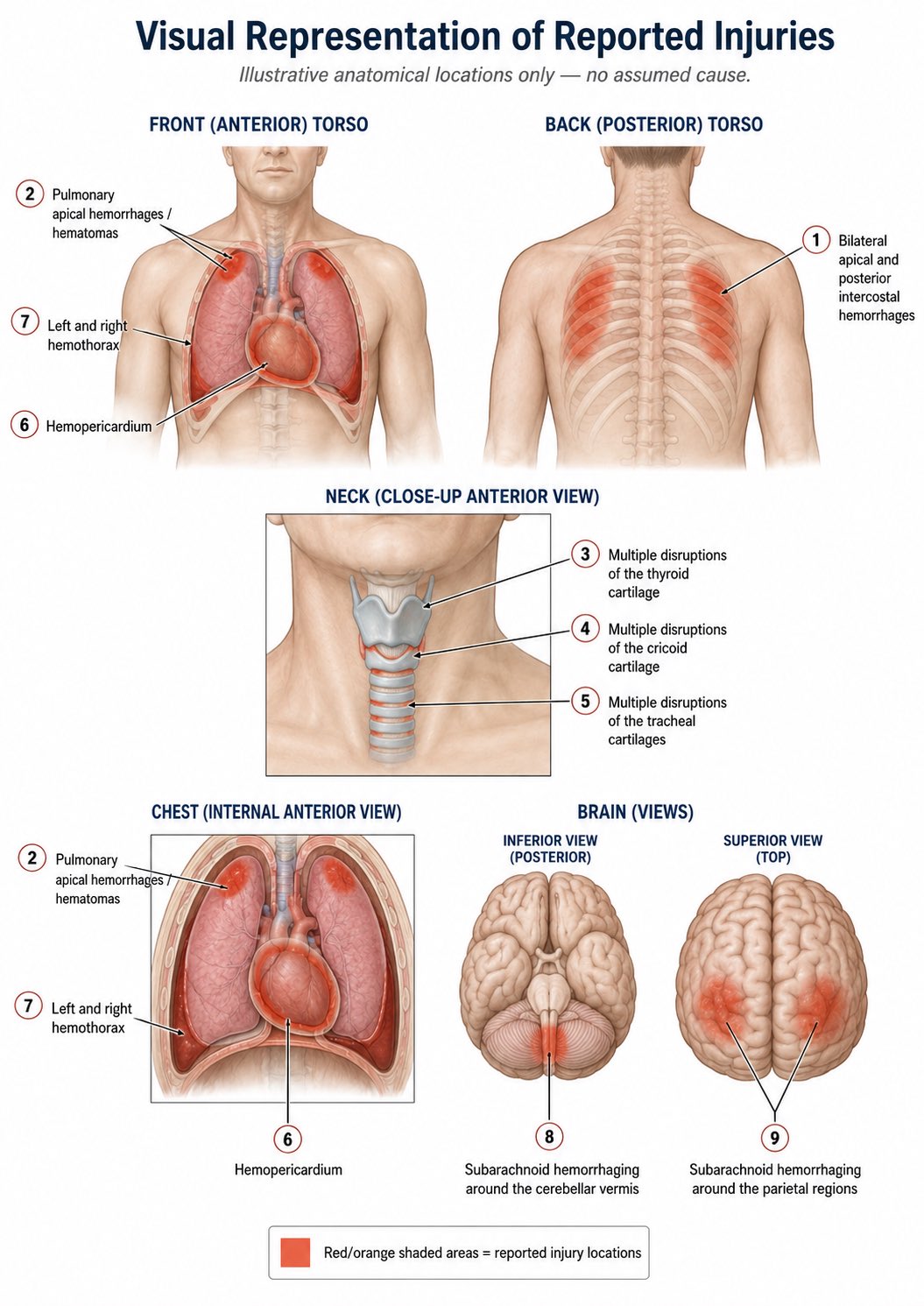
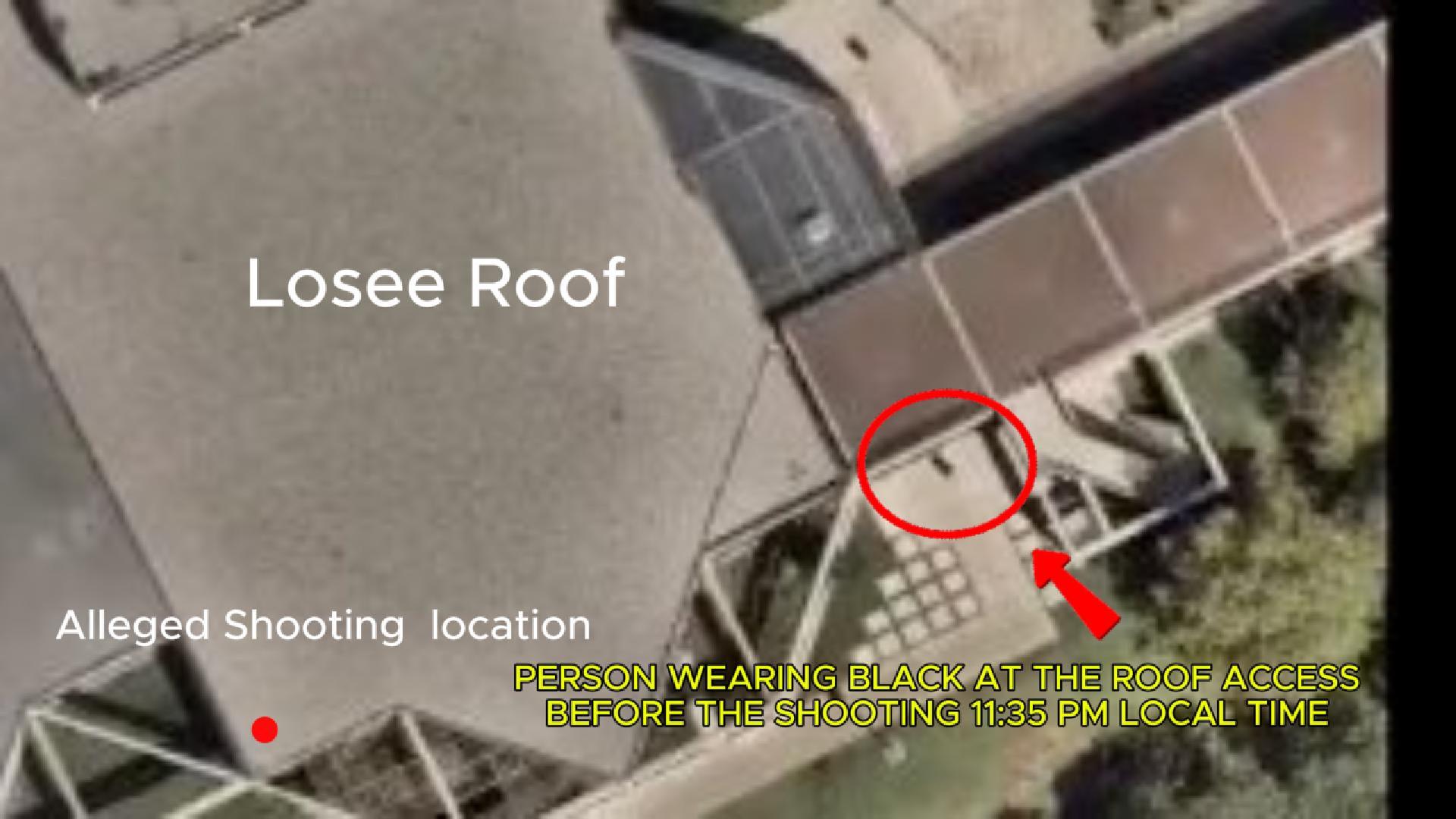
Rooftop, tent line, van, tunnel — every proposed origin for the shot, tested against sight lines, acoustics, and the affidavit clock. If the mechanism was a device at the podium, no shooter position explains the wound.
Read thisThis website's author is @HolonCitizen on X and YouTube/@HolonCitizen. Follow me there.
Interesting
- Records suggest the tent area was paved over within days of the shooting.
- Attorney Baron Coleman calls the custody clock a multi-agency cover-up.
- A surveillance plane reportedly made two low passes over UVU, one minutes after the event.