Intelligence Services
Citizen investigators ask whether foreign intelligence had any plausible linkage to the Charlie Kirk killing — not as a courtroom finding, but as a pattern of presence, motive, and blocked follow-up. This Level 2 section focuses on non-U.S. services; domestic agencies live under U.S. Intelligence. Start with the investigation index.
Satirical LEGO-animated music video referencing Charlie Kirk's RØDE mic, via @RickyTheGuido, July 24, 2026. IPFS CID Qmd6zPTaBkhDSqCA9nEVrx1e7JsgAEUV7qSDu1pGELiPZJ.
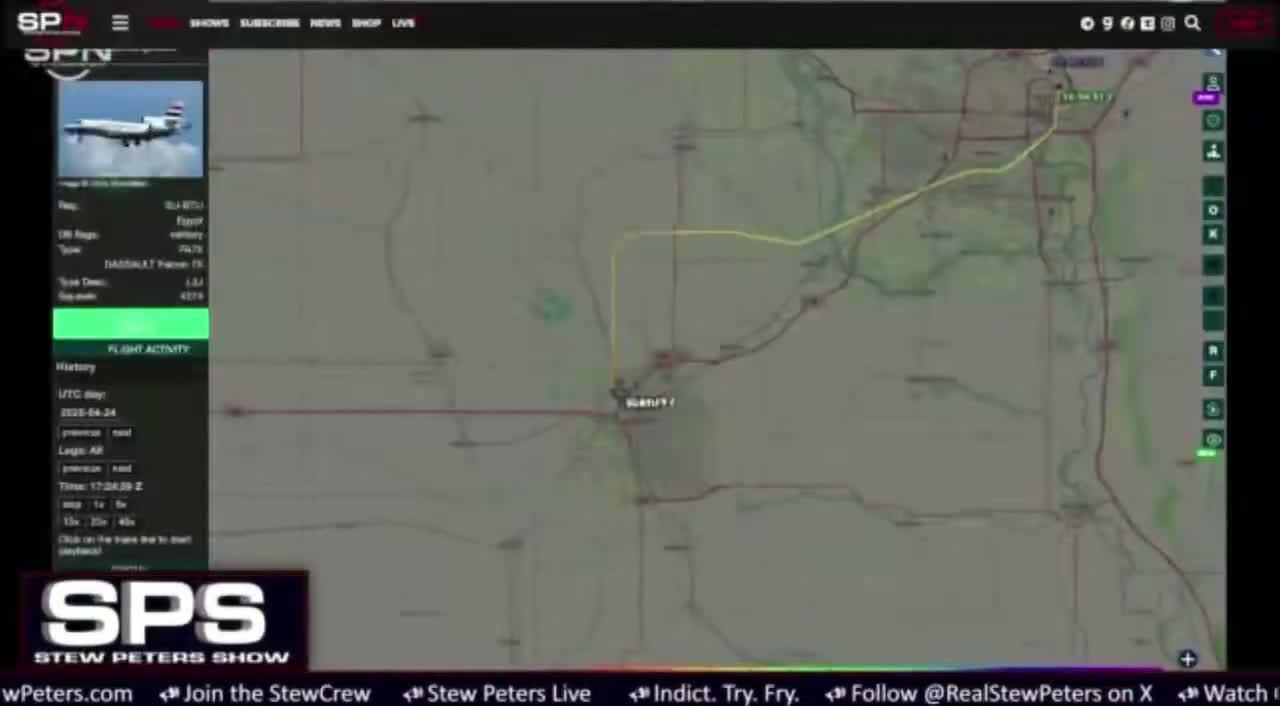
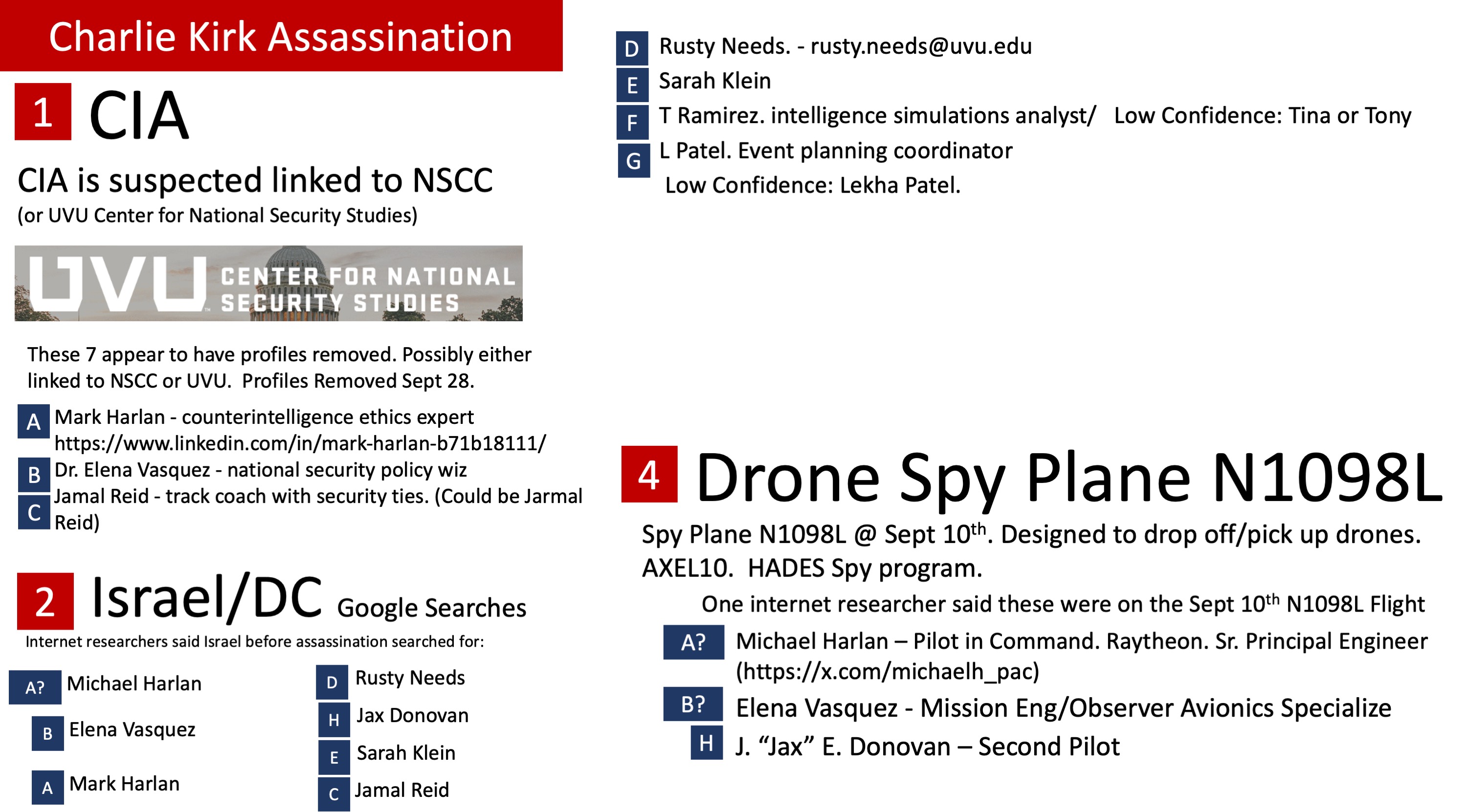
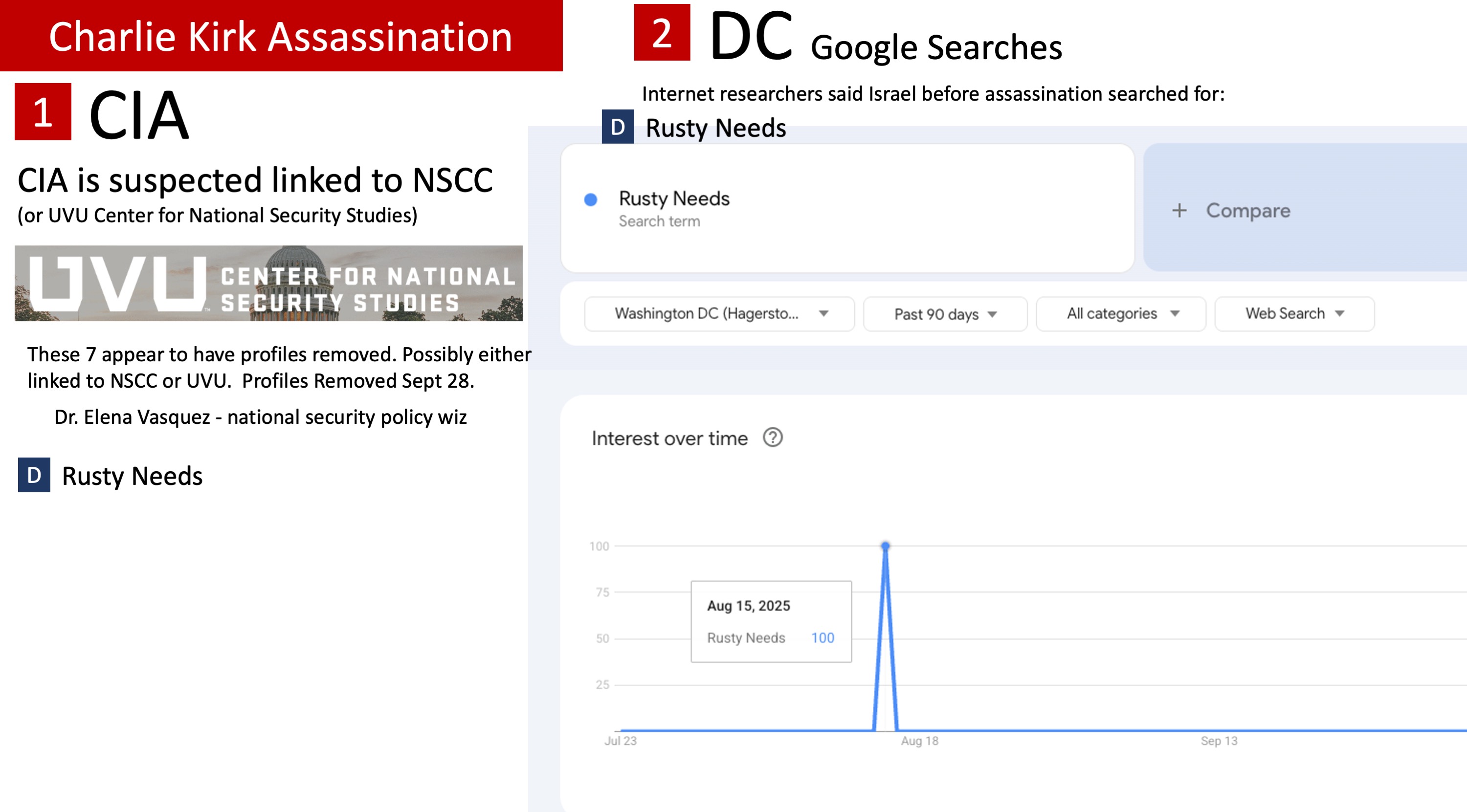
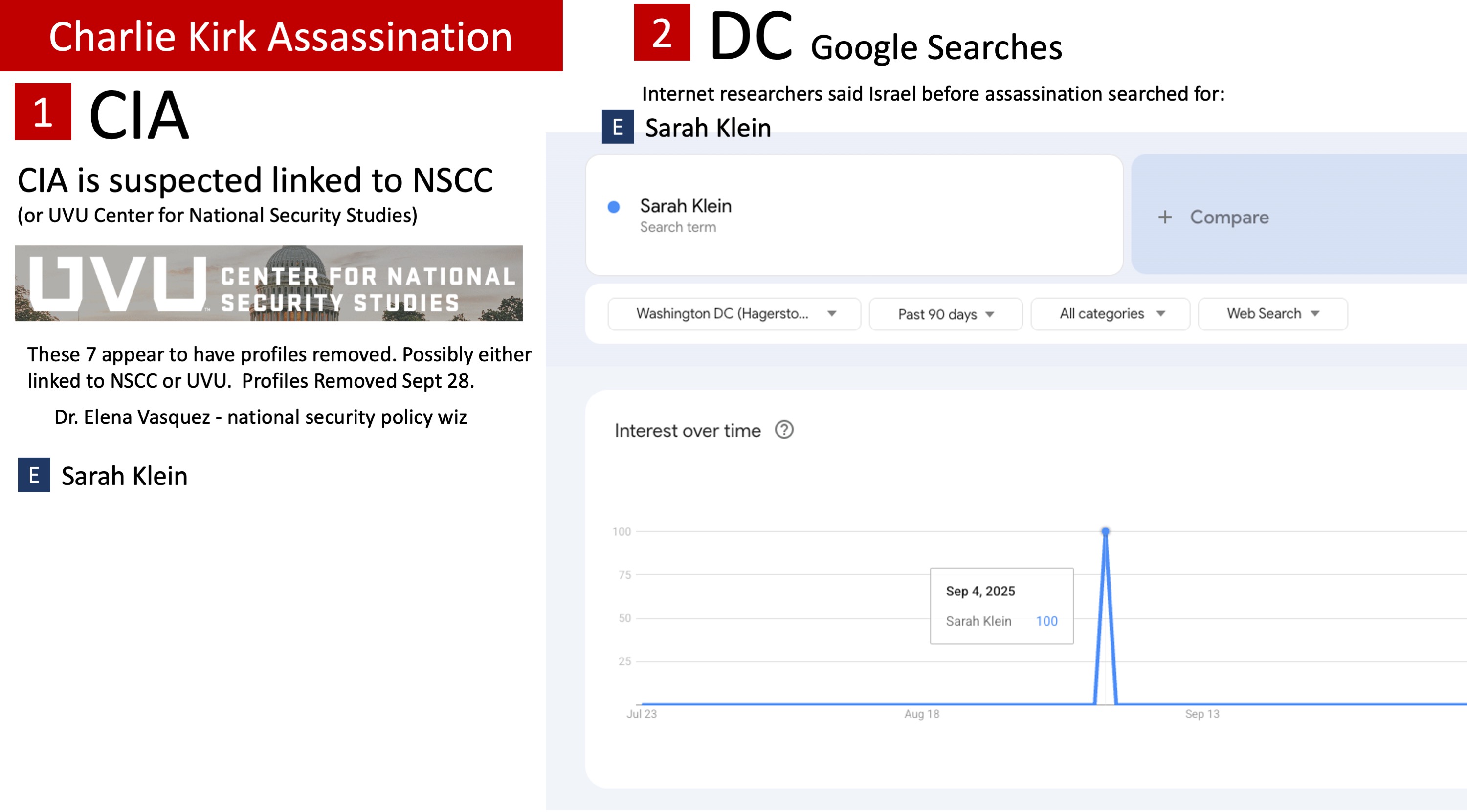
The strongest foreign-presence indicators in open sources are quantitative: analyst Tony Seruga's claimed 44 foreign phones at UVU (Foreign Phones), plus Egyptian Air Force tails at Provo the week of the shooting (Egyptian Foreign Ops). The strongest foreign-motive layer is Israel-related: Kirk's late criticism of unconditional aid, alleged Israeli IP search spikes before July 20, 2025 (Foreign Search IP Patterns), and Mossad recruitment allegations at TPUSA.
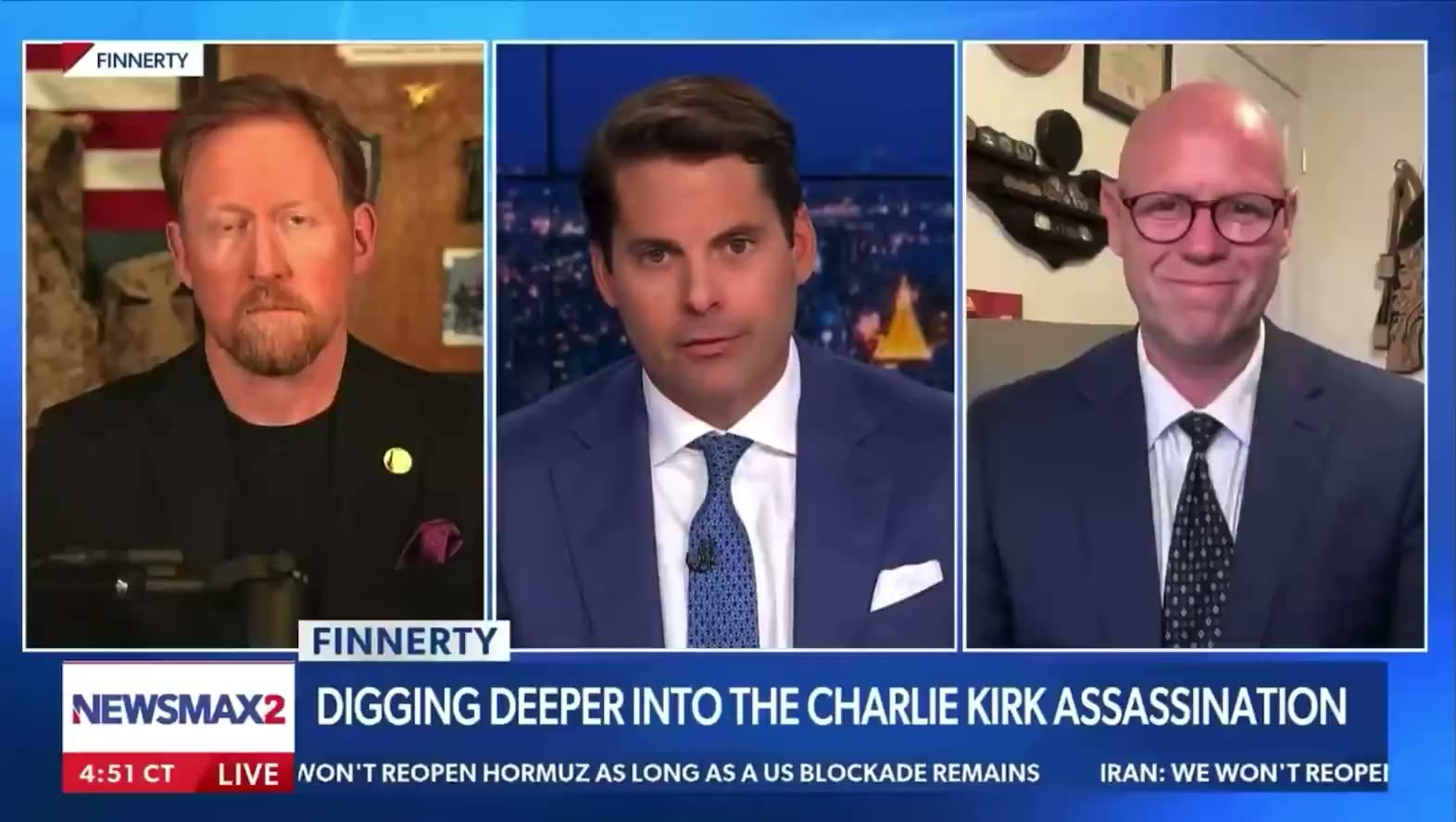
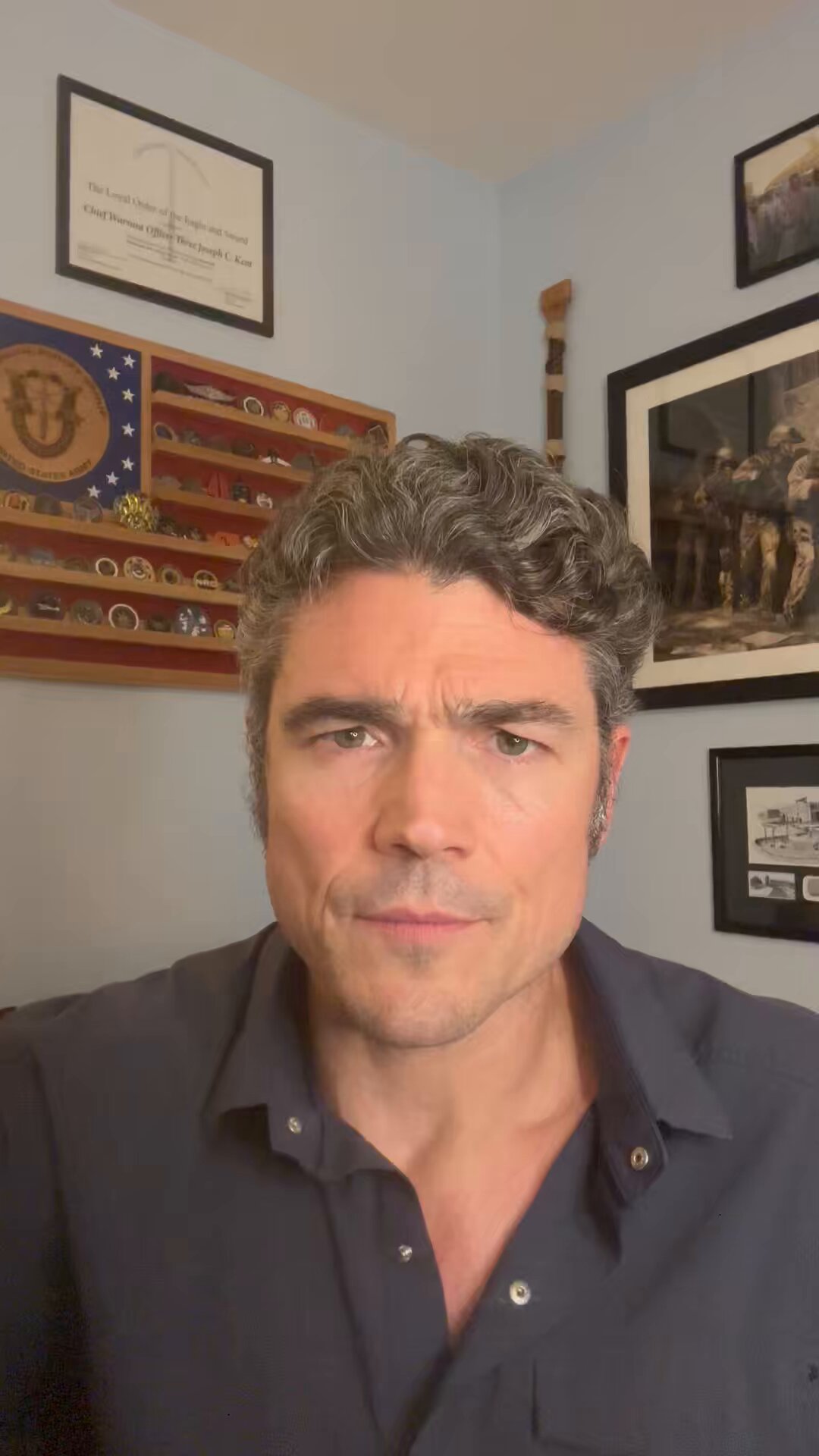
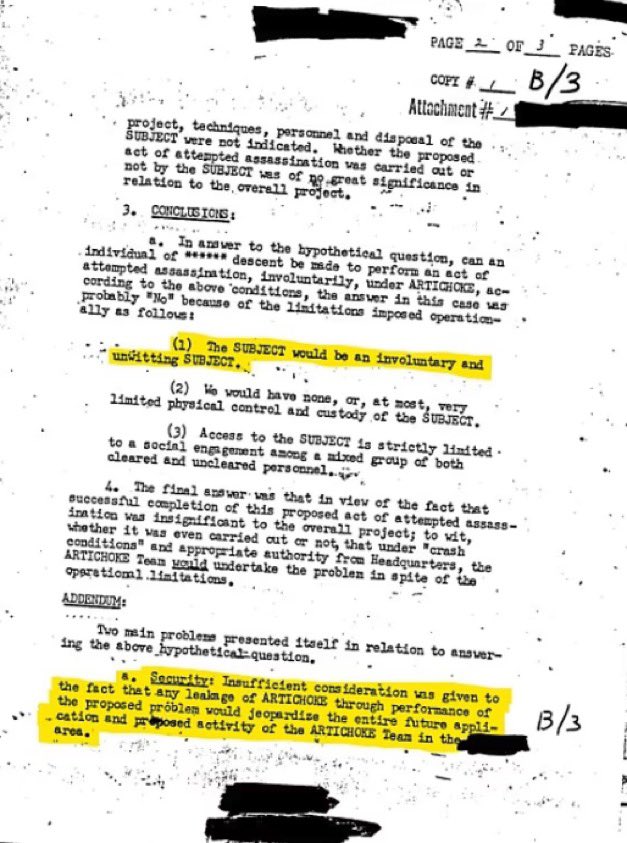
Linkage is not guilt. Foreign registration on a phone or a government jet on ADS-B does not identify a shooter. Investigators still treat these threads as pointers to records — especially after reporting that Joe Kent's NCTC foreign-nexus review was halted at the White House. April 2026 Islamabad Serena tracking claims added a diplomatic tail on four Israeli devices (Islamabad link). Candace Owens introduced a separate French Foreign Legion training claim — unverified, but part of the foreign-service map.
Read Investigation Index first, then whichever foreign thread matches your question (phones vs jets vs Mossad vs France). Cross-check Israel for motive depth and Proof Intel Services for execution-adjacent proof threads. Demand documents under Fix Law 2 before upgrading any claim to a conclusion.
Laws (Charlie Kirk)
Foreign subscriber IDs, Egyptian flight manifests, IC liaison cables, and halted NCTC work products are among records Fix Law 2 — Intelligence Disclosure may force public.
What investigators are watching (foreign intelligence)
Foreign-intel discourse on X is dominated by Owens-led claims (French Legion/DGSE, Israeli phones, Egyptian jets) and counter-claims that the story keeps expanding without manifests or court findings. Prioritize pages that demand primary records: Foreign Phones, Egyptian Foreign Ops, Mossad, French Legion Claims. U.S. IC threads live under US Intelligence.
Vehicles, rental cars, and license plates
The rental vehicles are the most checkable artifact in the entire foreign-presence thread. A phone ping is a claim about data nobody outside a carrier can see. A license plate is different: it maps to a rental agreement, a credit card, a driver's licence scan, a Flock/LPR hit, and a hotel parking-lot camera. Citizen investigators — led by Candace Owens — have therefore built the foreign-intel case around a small fleet of cars said to have been picked up at Provo Municipal Airport by passengers off the Egyptian government jets.
Per Owens's reporting, roughly 12 to 14 people came off those aircraft at the Duncan Aviation FBO at Provo, took delivery of rental vehicles on site, and drove away. Four plates are named consistently across her broadcasts; a fifth appears in later notes and is weaker:
| Vehicle | Plate | State | Status in the reporting |
|---|---|---|---|
| Silver 2025 Toyota RAV4 | T092ZS | Utah | Named in the core four |
| White 2025 Toyota Camry | CWN9872 | Arizona | The one allegedly captured near UVU |
| 2023 Toyota RAV4 | T912KM | Utah | Named in the core four |
| 2025 Toyota 4Runner | Z923DA | Utah | Named in the core four |
| Grey/silver 2025 Toyota 4Runner | Z349AA | Unstated | Later, single-mention — treat as unconfirmed |
None of this identifies anybody. No public record names the renters, and no agency has said any of these vehicles is connected to the killing. Rental fleets in Utah County run heavily to exactly these models, and out-of-state plates on rental cars are ordinary. What the plates give investigators is a records request that either lands or does not.
The CWN9872 sighting
The strongest single claim in this thread is that Arizona plate CWN9872 was caught by a Utah DOT traffic camera on University Parkway, about 1.2 miles from the UVU campus, roughly 25 minutes before the shot — driver obscured, windows blacked out. Owens has said this tag was rented to a business entity she identified as "A. Khalil Consulting" and assigned to the unidentified jet passengers. Neither the entity nor the assignment has been verified in a public record on this site.
The sighting carries its own caveat, and it matters: the witness describing the frame says the tag was on a black Tahoe, not the white Camry the plate is supposed to belong to. That is either a false hit — a misread plate, a common failure mode for traffic-camera OCR — or a swapped plate, which would be a far more serious fact. The site does not currently hold the image, and the claim should be treated as open until it does.
The La Quinta stay (Owens, Episode 267)
Owens reported that a source directly involved in the booking process placed the jet occupants at the La Quinta Inn & Suites, 521 W. University Parkway, Orem — the University Parkway property, not the second La Quinta at 1100 W 780 N — from September 4 through September 13, 2025. That window opens six days before the assassination and closes three days after it. She discussed the plate numbers and the question of where these individuals were on September 10 on her podcast:
Candace Owens, Candace, Episode 267 — "The Great Exodus From Utah? Where Did The 'Egyptians' Go On 9/10?" — released November 19, 2025.
The hotel thread is developed at Egyptian Crew Hotel. It rests on a single booking-process tip and remains unverified here. A hotel is not evidence of anything on its own — but a hotel that logs a licence plate at check-in, runs lobby cameras, and holds nine nights of folio records is a place where the plate question can actually be answered.
A separate, unresolved plate thread
Two other vehicle claims circulate and should not be merged into the Egyptian-rental set, because they come from police scanner audio rather than from Owens's flight-and-rental work:
- A plate rendered as Y055RY was reportedly run twice and came back with no DMV return at all — "no historical, nothing" — as though the registration did not exist. Read as a UK plate it profiles to a black 2005 Volkswagen Golf GTI listed as off-road/exported, which may be coincidence in a six-character string.
- A green Nissan Armada was hunted on the scanner via Flock/LPR without a plate ever being read out, alongside a black truck with tinted windows in a driveway that left before an officer could get its tag.
These are loose ends in the radio traffic, not attributions. They are recorded here so the vehicle picture is complete.
What the disclosure laws would force
Every question above dies at the same wall: the records are held by private companies and federal agencies, and no one has been compelled to produce them. That is precisely the gap the Charlie Kirk disclosure laws are written to close.
- Rental agreements and driver's licence scans from the Provo FBO counter — who signed, on what passport or licence, on whose card.
- Utah DOT and Flock/LPR reads for all five plates across September 4–13, which would settle the CWN9872 sighting in an afternoon.
- Hotel registration and folio records for the La Quinta stay, including the vehicle field most properties collect at check-in.
- CBP entry records and any IC liaison traffic on the individuals who flew in on foreign government aircraft — the material Fix Law 2 — Intelligence Disclosure targets, with FBI-held investigative files falling under Fix Law 1.
If the renters were maintenance contractors, these records clear them in a week and the thread closes. If they were not, the same records are the reason it has stayed open. Demand the documents before upgrading any plate on this page to a conclusion.
Interesting In This Area
- The strongest presence claim is quantitative: 44 foreign phones, sixteen Israeli, thirteen Chinese.
- Egyptian Air Force tails sat at Provo from September 4 and departed the morning of the killing.
- Former NCTC director Joe Kent says the foreign review stopped once a suspect was in custody.
- Mossad framing, CornerShot hardware and French Legion training are the unverified agency claims.
Interesting In Other Areas
- Domestic agency threads live under U.S. Intelligence, including the NCTC halt itself.
- Israel carries the motive depth: donor disputes, search-pattern claims, and capability context.
- Proof Intel Services collects the execution-adjacent threads, including Egyptian jets at Provo.
- Follow-up reportedly ended after a White House escalation, and the FBI's foreign leads went with it.
Other Pages In This Section
Foreign Phones at UVU (Sept 10, 2025)
The claim that 44 foreign-registered phones sat near Charlie Kirk when he was shot, 16 of them Israeli. No subscriber list has ever been released, and the page keeps the benign explanations on the same screen as the allegation.
Read thisEgyptian Foreign Operations — Provo (2025)
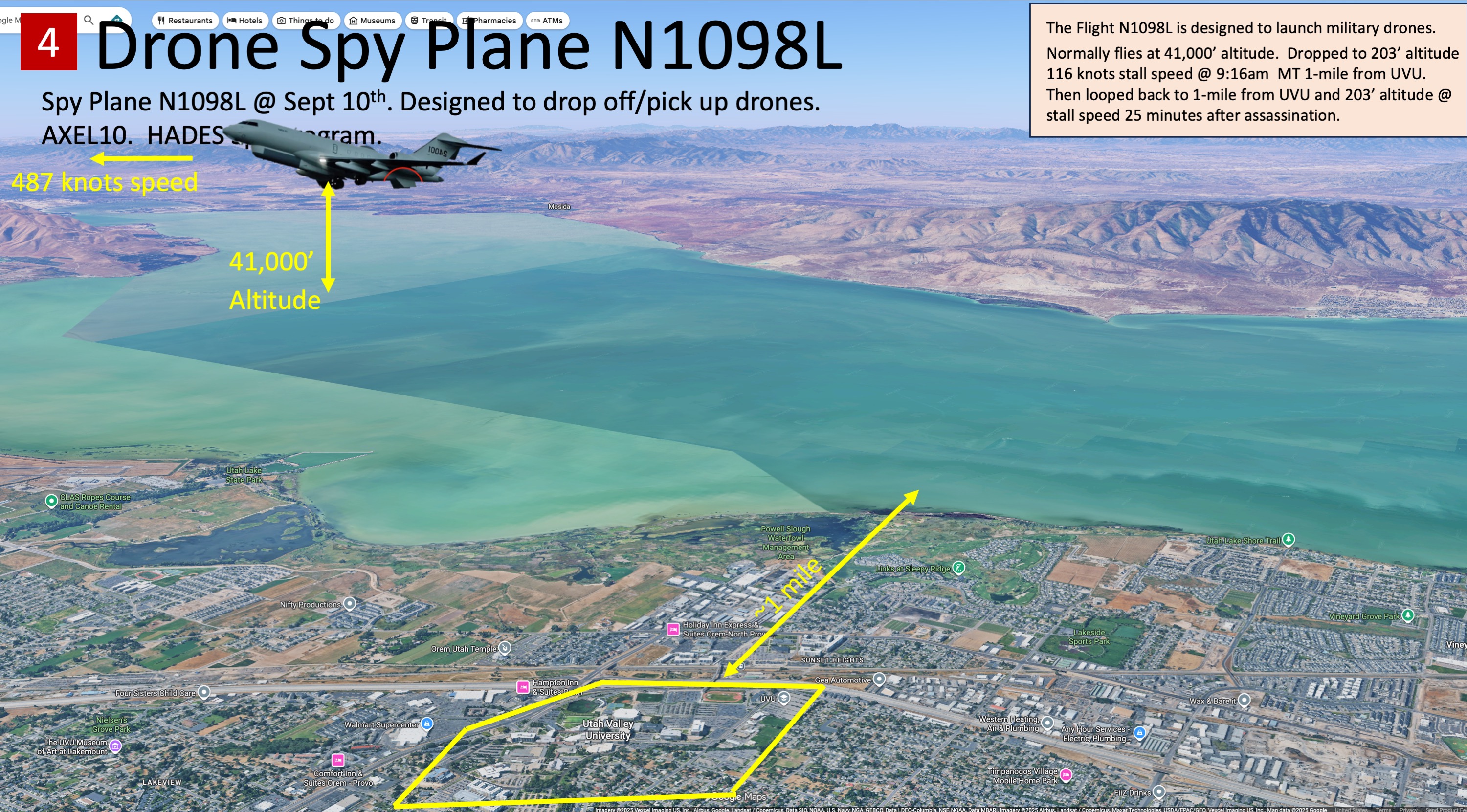
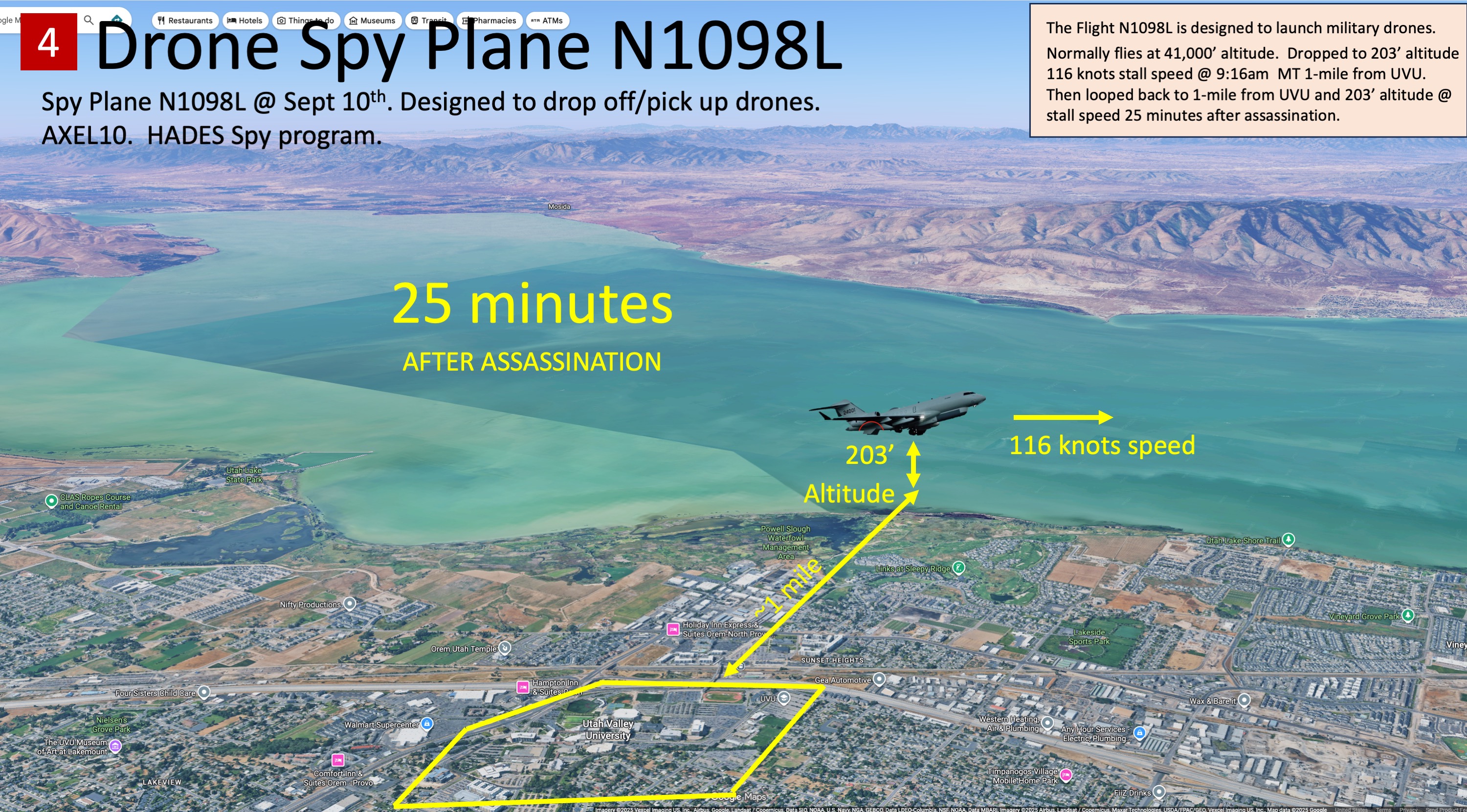
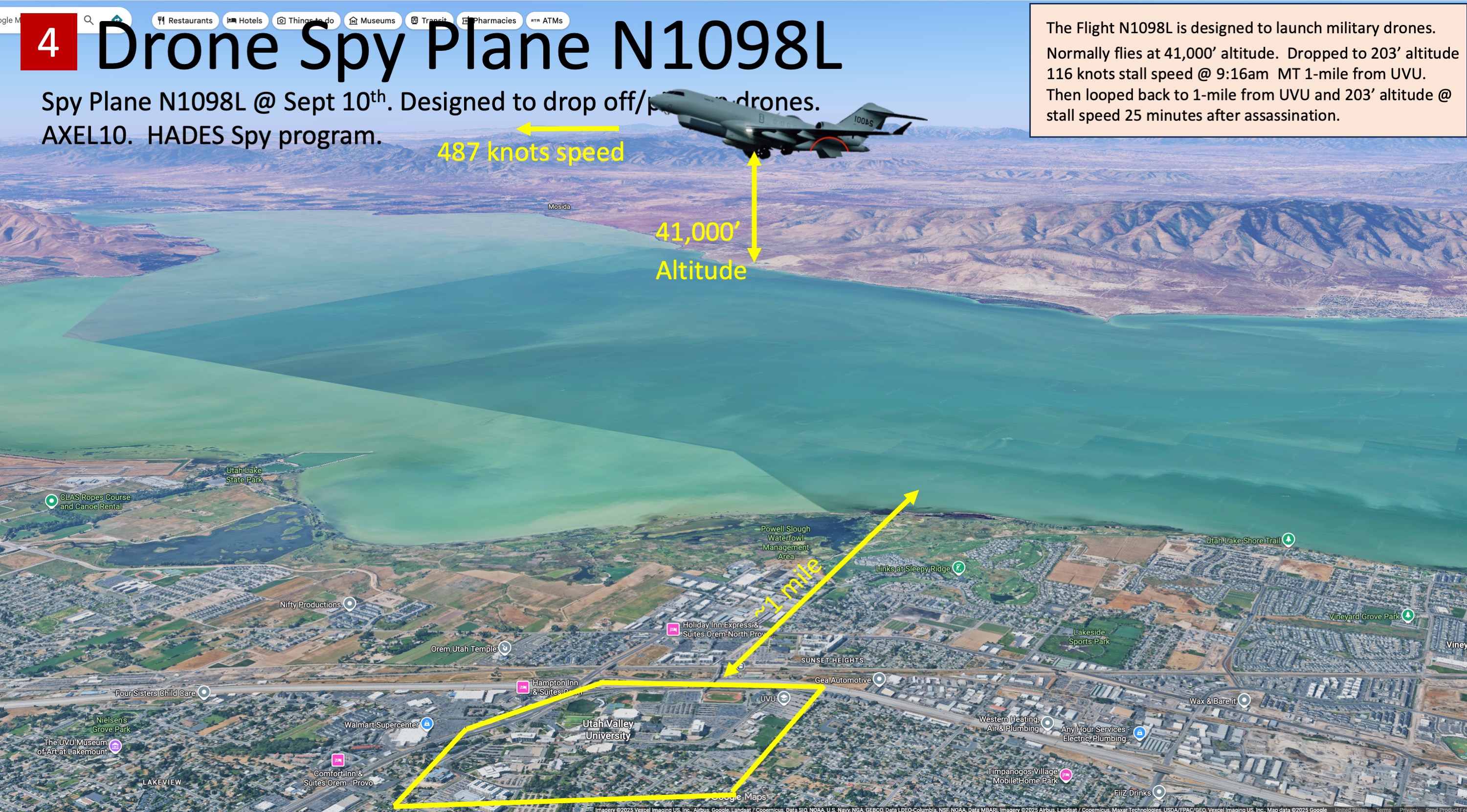
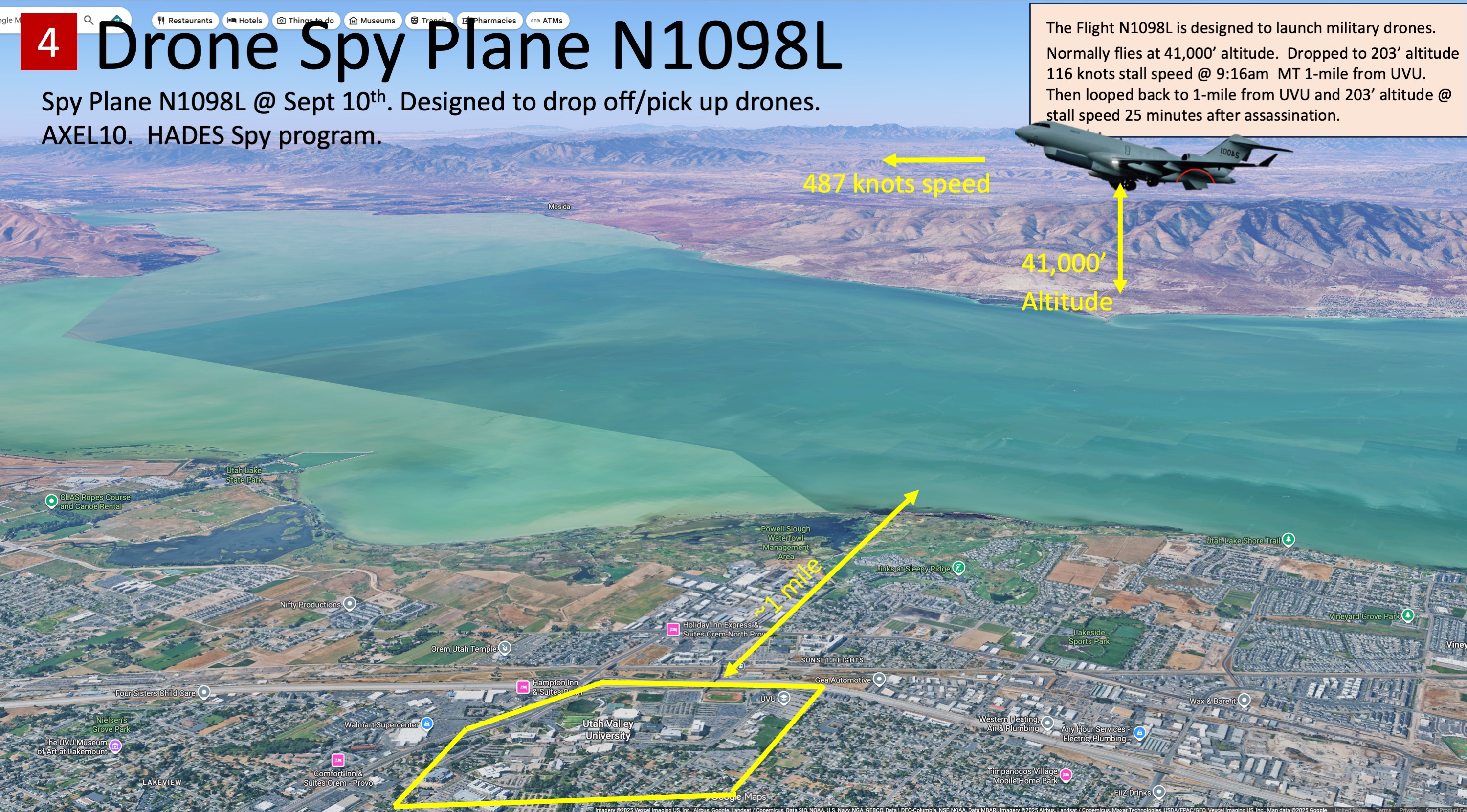
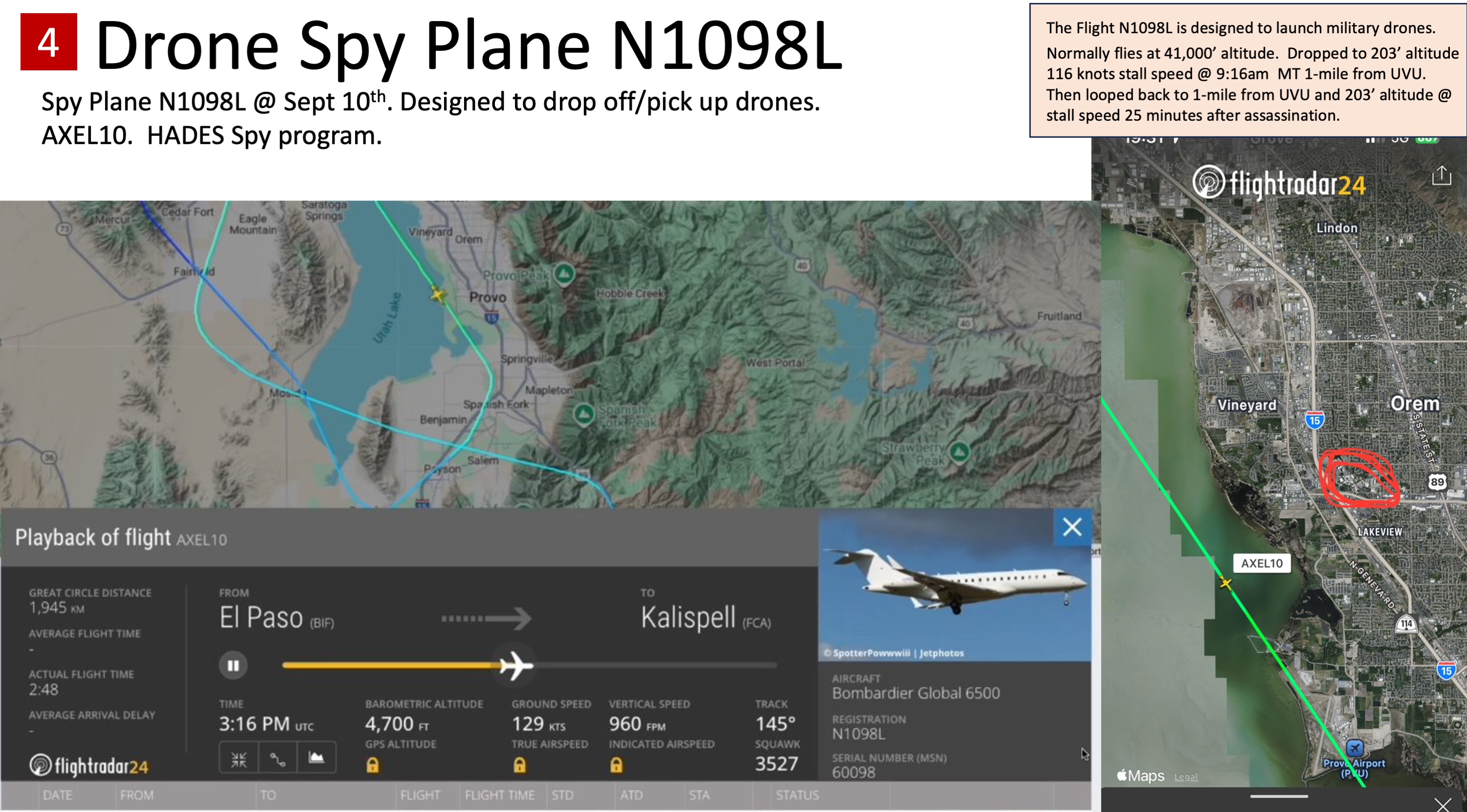
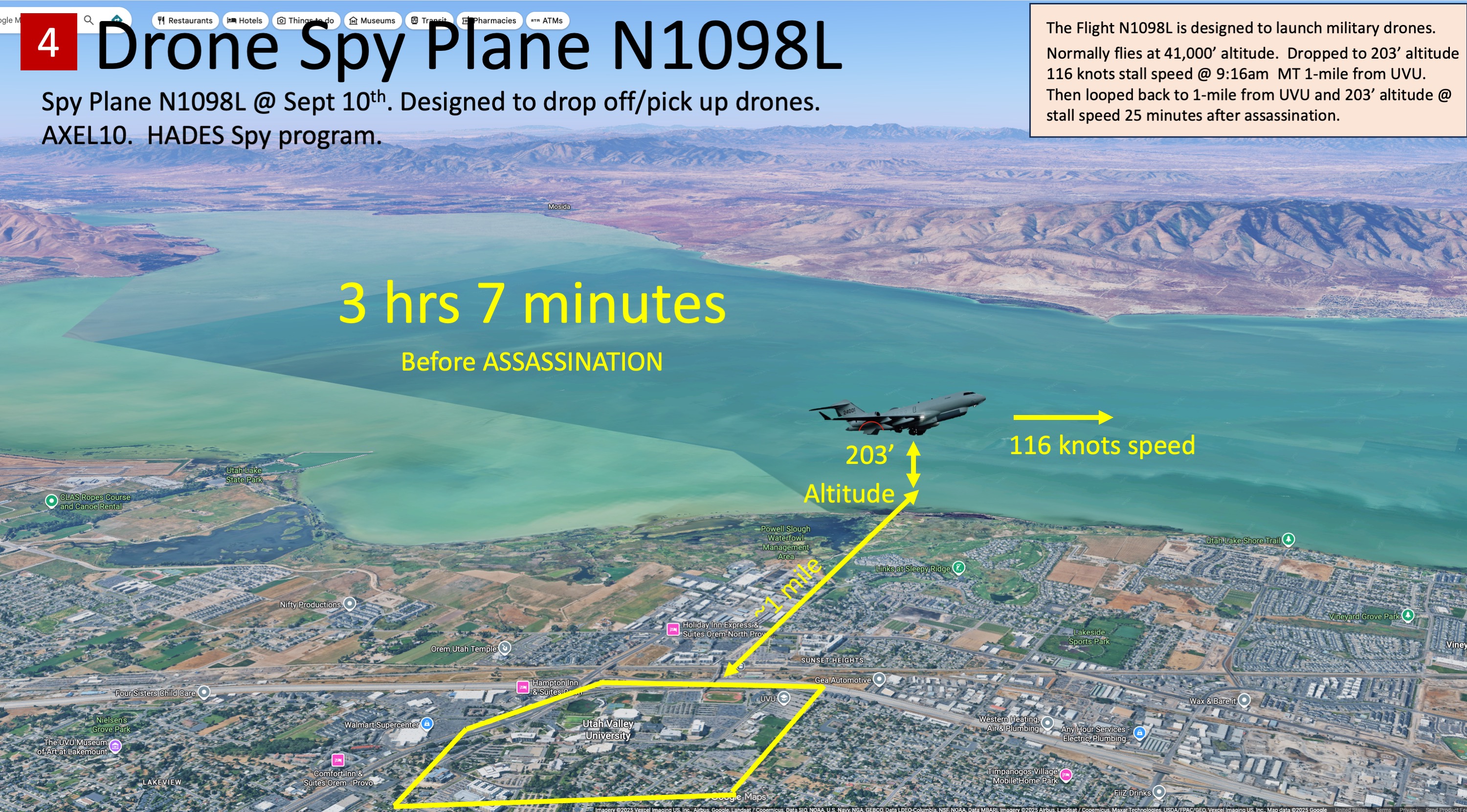
Egyptian Air Force jets logged at Provo Municipal Airport the week of the killing, with SU-BTT reportedly departing around 7:08 AM on September 10. Flight-record territory — presence and timing, not proof of who fired anything.
Read thisJoe Kent: NCTC Pulled Off Foreign Ties
Joe Kent, in his own words on a July 2026 podcast, describing how the NCTC's parallel review of foreign ties was halted early. Attributable and on the record — which is why investigators weight it above anonymous posts.
Read thisElsewhere In The Investigation
The domestic agencies — CIA, NSA, ODNI and NCTC, and defense intelligence — examined for what they collected and what they declined to pursue. The counterpart hub for non-U.S. services sits elsewhere on the site.
Read this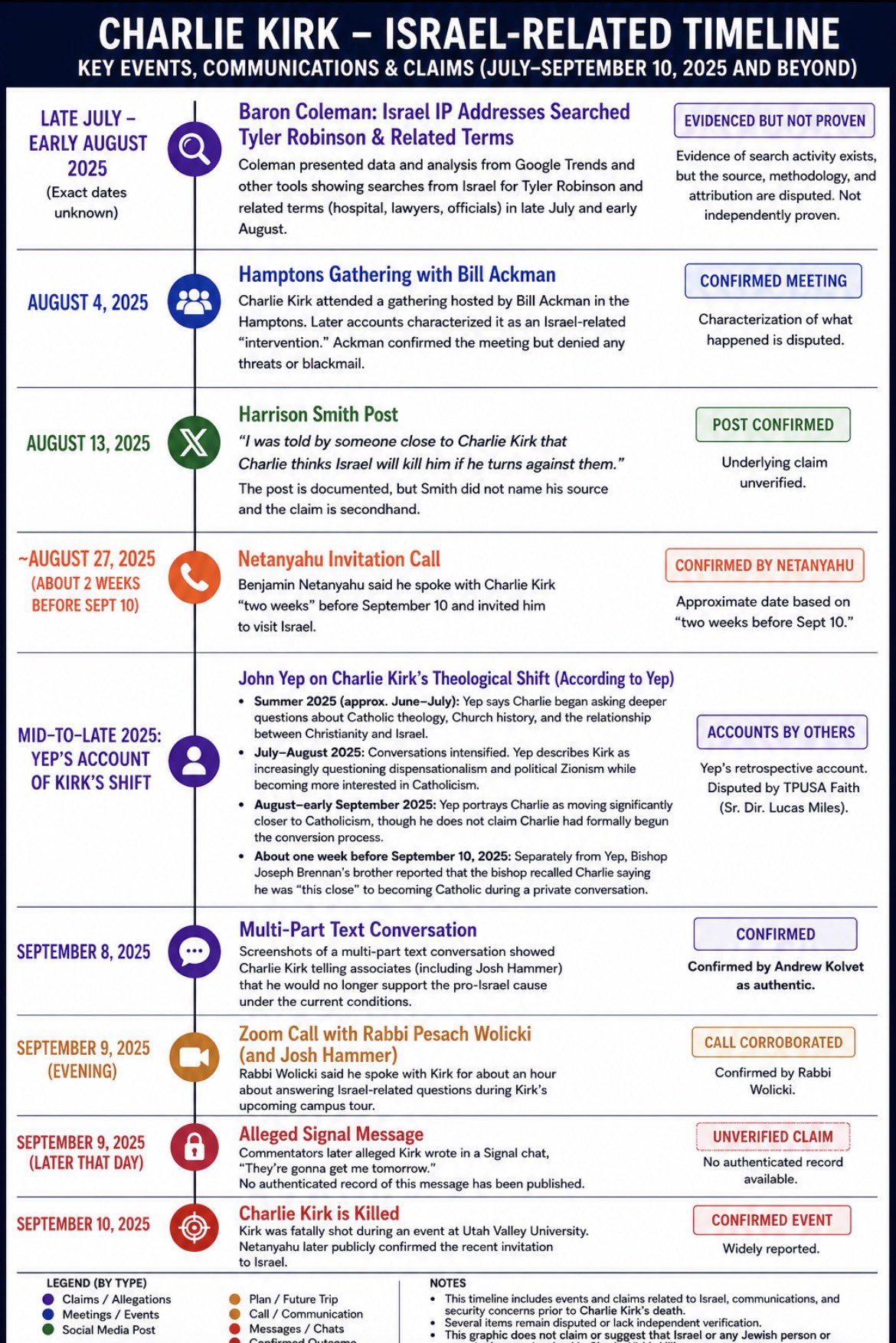
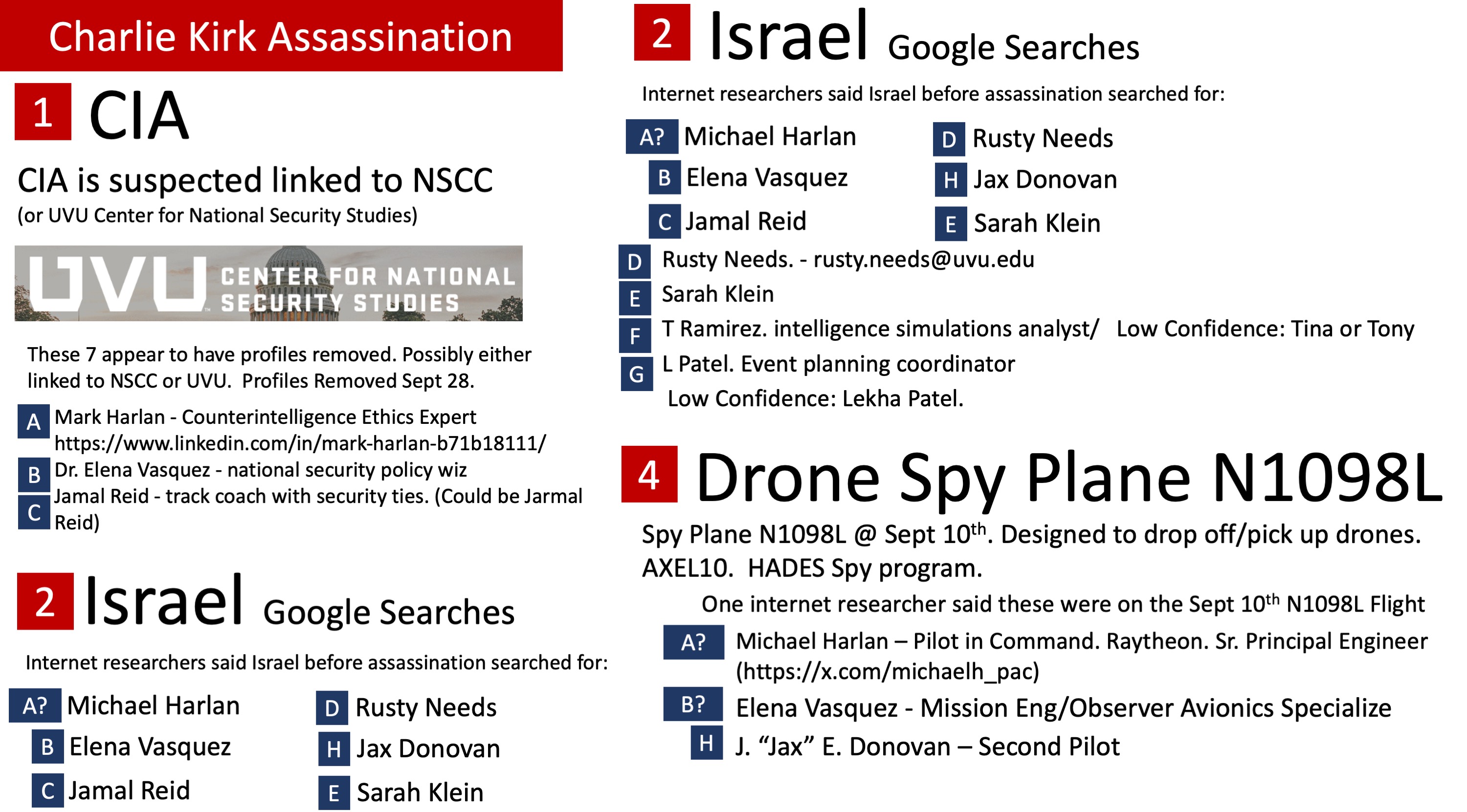
Halted foreign inquiries, an ISR jet overhead, foreign phones, VIP flights and scene control. Indicators rather than proof — but they are the indicators an intelligence service leaves behind.
Read this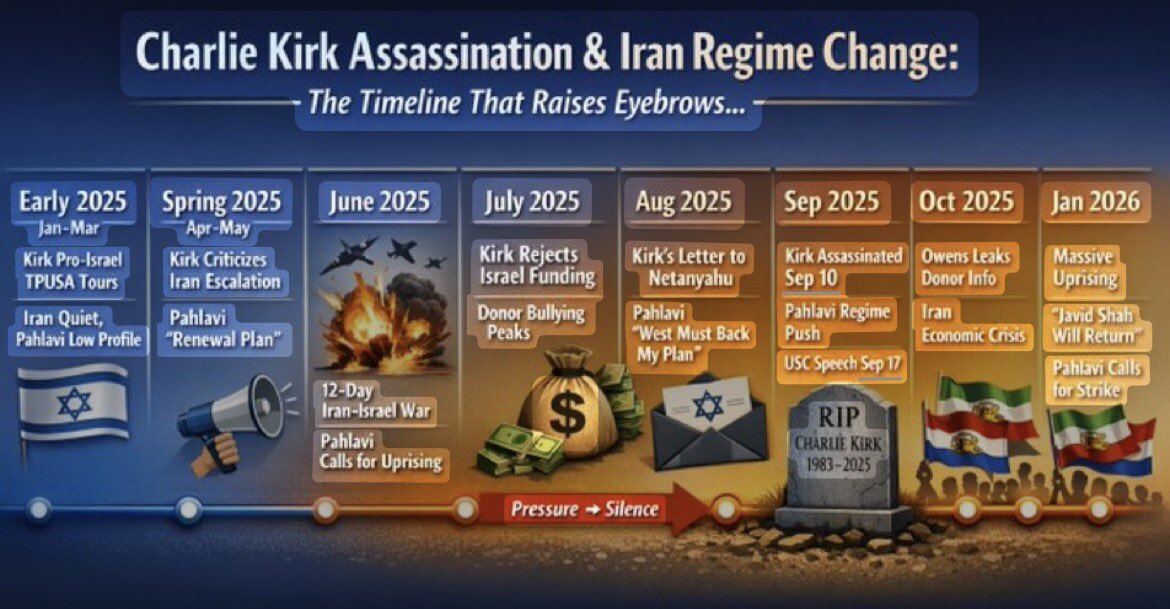
White House Escalation Halts Intelligence Leads (Claims)
Claims that follow-up on foreign leads was blocked, escalated to a tense White House meeting, and then stopped. If accurate, the investigation narrowed for reasons never made public.
Read thisThis website's author is @HolonCitizen on X and YouTube/@HolonCitizen. Follow me there.
Interesting
- An infrared laser seen before impact reportedly fits Israeli CornerShot hardware over any rifle.
- A prosecutor was reportedly held in contempt while the jacket-versus-rifle comparison stayed inconclusive.
- Harvard's polling director credited Kirk with reshaping young-voter strategy for the GOP.
Related Areas
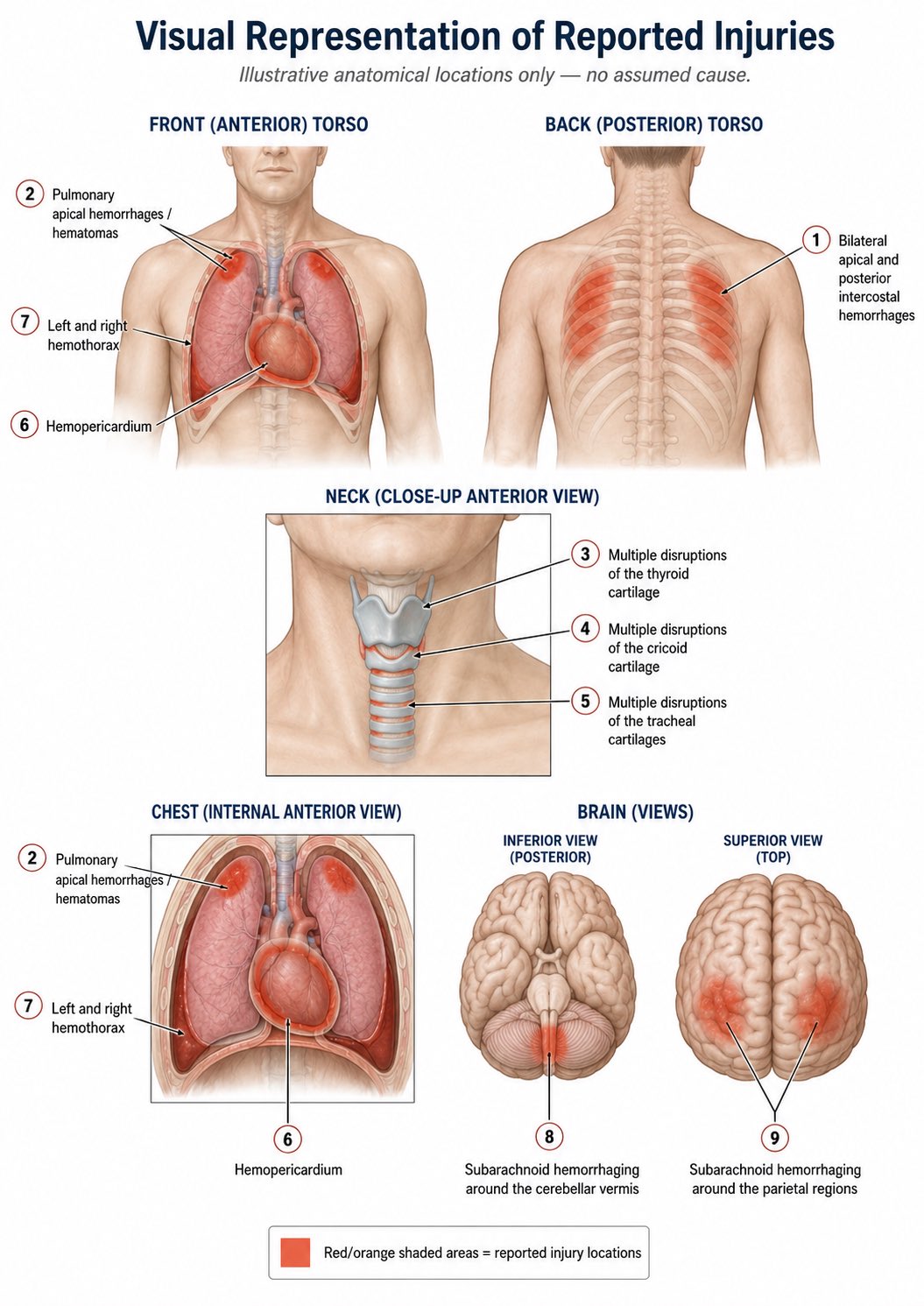
The shape charge is what killed Charlie Kirk.
Images
Videos
Footage related to this page. Each card opens that clip's own page, with the video, the full write-up, and its source.