Drones
Start with the Investigation Index. Drone claims here range from documented ADS-B flight paths to unverified weaponized-UAS theories. We do not claim any operator used a drone to kill Charlie Kirk unless citing a court record or attributed allegation. Drone activity is tracked here because aerial platforms bear on where any device came from on the day Charlie Kirk was killed — the wider question handled in Cause of Death.
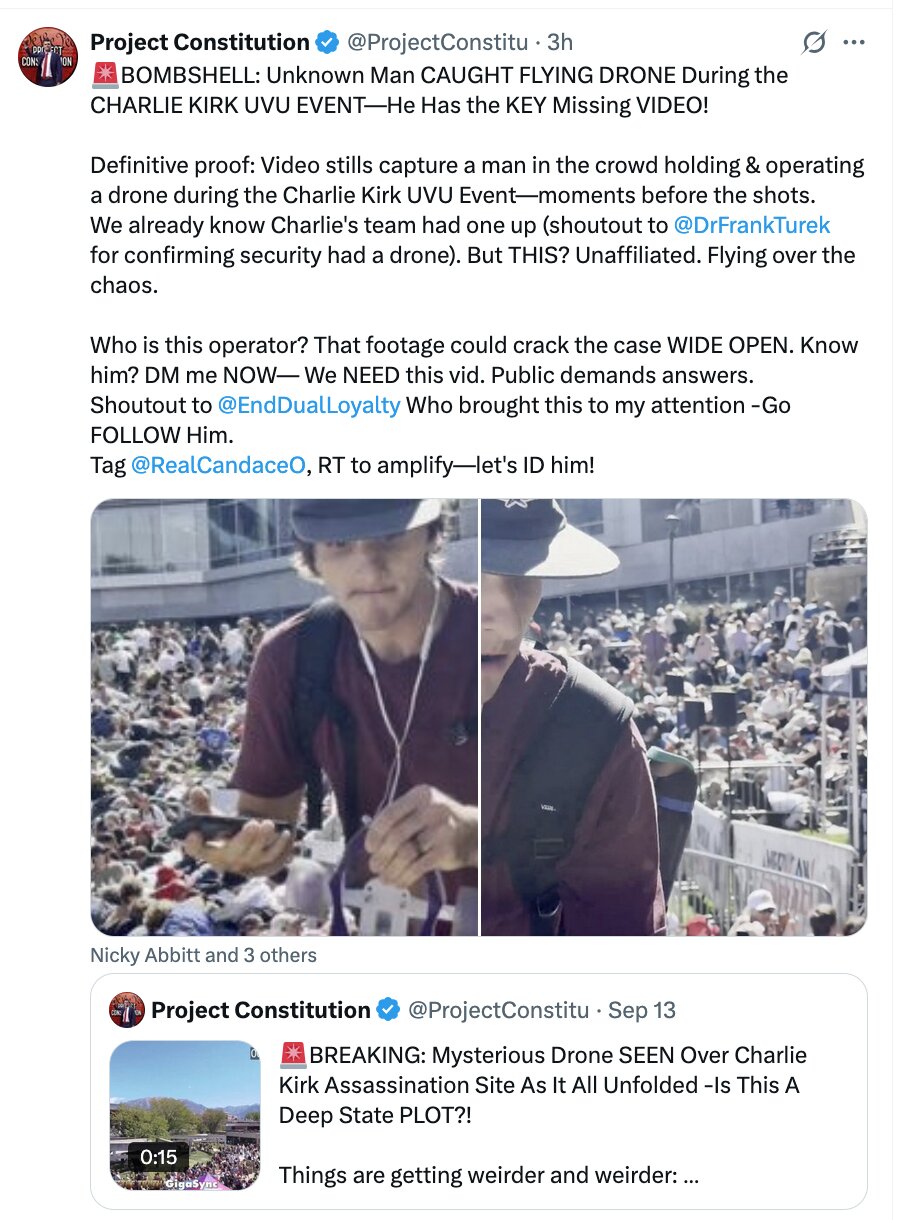
The drone angle matters because independent researchers treat airspace as evidence — not a sideshow. N1098L HADES passes, Counter-UAS tests at Provo airport the same week, and fast objects on phone video all sit in the same Sept 10 window as the shooting. If any small UAS provided overwatch, strike capability, or acoustic cover, the rooftop .30-06 story may be incomplete (see Proof Not Tyler).
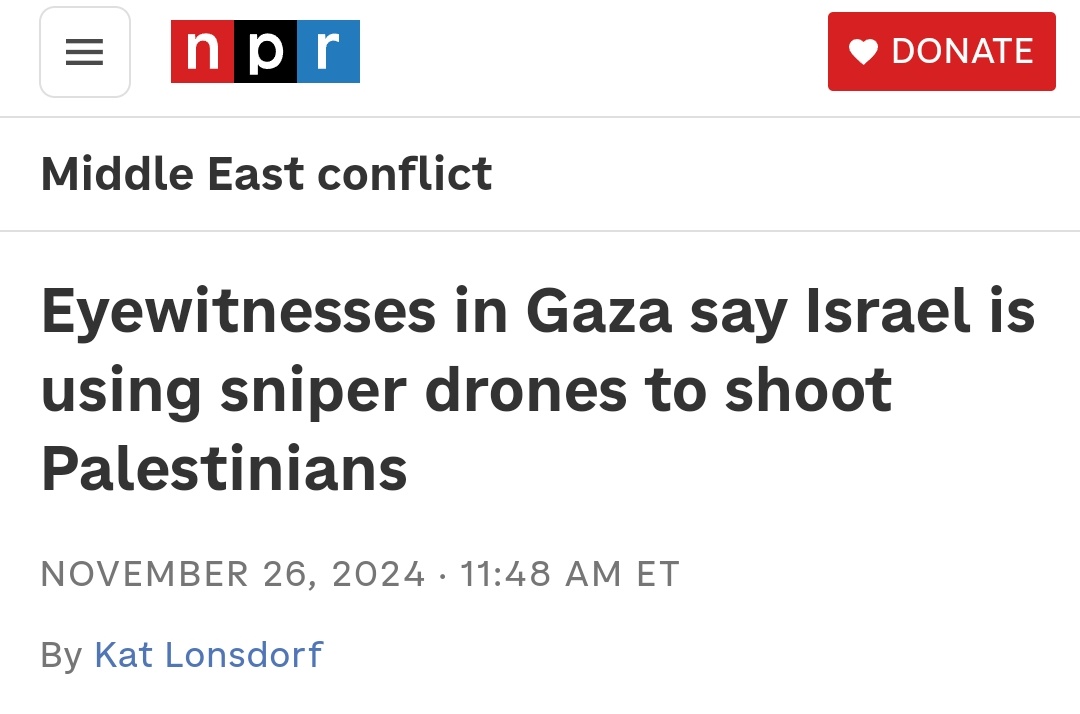
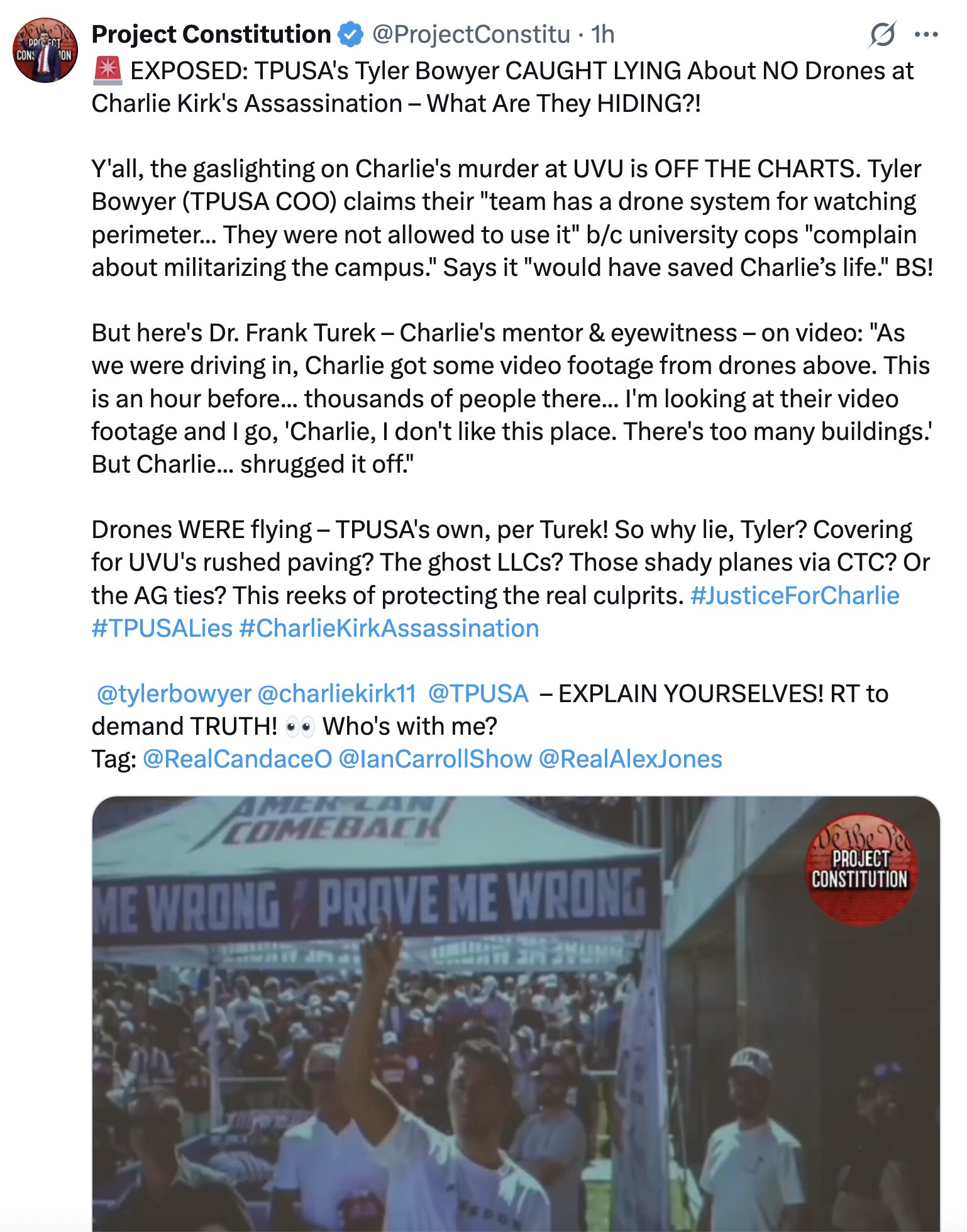
Documented vs. disputed: UVU campus police did not fly security drones per AP-aligned reporting, while TPUSA later acknowledged that a media production drone flew before the event — contradicting earlier "no drones" statements attributed to Turning Point figures such as Tyler Bowyer. Frank Turek reportedly warned Charlie about building exposure after reviewing that feed. Military threads (the N1098L low passes and the Switchblade/DARPA platforms) rest on public ADS-B and program documents — the flight profile is in the record, no released mission order explains it, and nothing places a drone under that jet. Israeli quadcopter and Butler PA parallel theories are citizen hypotheses — real Gaza-documented tech, unproven Utah application.
Read Investigation Index first, then N1098L over UVU + TPUSA Production Drone for the strongest mix of data and admissions, then Military Drones on Video for citizen sightings. Weaponized theories last. Disclosure targets — feed recipients, FAA authorizations, N1098L manifests — are in Charlie Kirk Investigation Laws.
Public commentary
Public X/Twitter and hearing-adjacent commentary continues to discuss the drone angle. The recurring themes for Drones are attributed claims and reported allegations, not findings by this website.
Related public coverage includes the July 2026 preliminary-hearing reporting (defense DNA/ballistics challenges and media exhibit rules under Judge Graf) and Candace Owens / TPUSA succession-donor threads where they intersect this area. Tyler Robinson remains charged, not convicted. This website does not assert as fact that any living person named here committed a crime or knew of the assassination in advance.
Interesting In This Area
- N1098L flew low and slow twice that day; TPUSA admitted one B-roll flight.
- Campus police engaged no drones, despite running a university drone program.
- Eyewitness counts run zero to sixteen; fast passes last under a second.
- Gaza quadcopter and Butler threads are hypotheses, and the index says so.
Interesting In Other Areas
- Counter-drone gear was reportedly tested at Provo the same week.
- N1098L never enters the prosecution file, despite overlapping the shooting window.
- The rooftop account fails, many argue, on ballistics, acoustics and identity.
- The microphone is where most citizen investigators now put the kill mechanism.
Images
Other Pages In This Section
The routing memo for every drone thread — military ISR, event B-roll, and weaponized hypotheses, sorted by what is documented and what is only claimed. Read it before judging any single sighting.
Read this
N1098L and the Drone Question Over UVU
An Army HADES jet made low passes over Orem at 9:16 AM and again at 12:48 PM — about twenty-five minutes after the shooting. That profile is in the public ADS-B record; no mission order or sensor product has ever been released.
Read this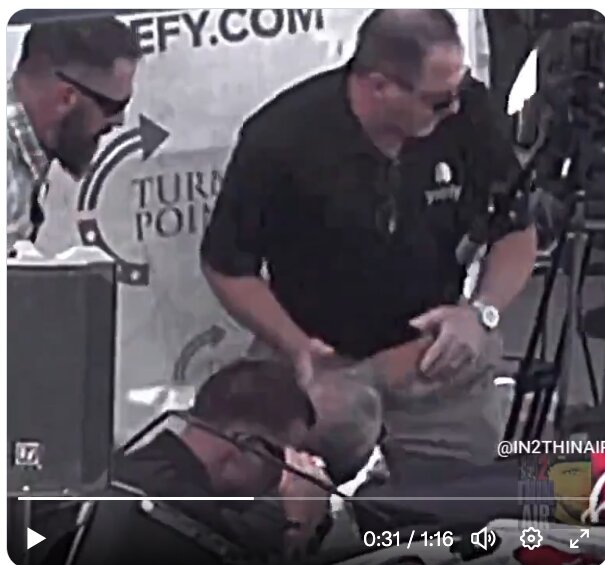
A cease-and-desist letter reportedly conceded what the public statements denied: a media drone flew for B-roll before the event while the protective detail had none. Media got the aerial view; security did not.
Read this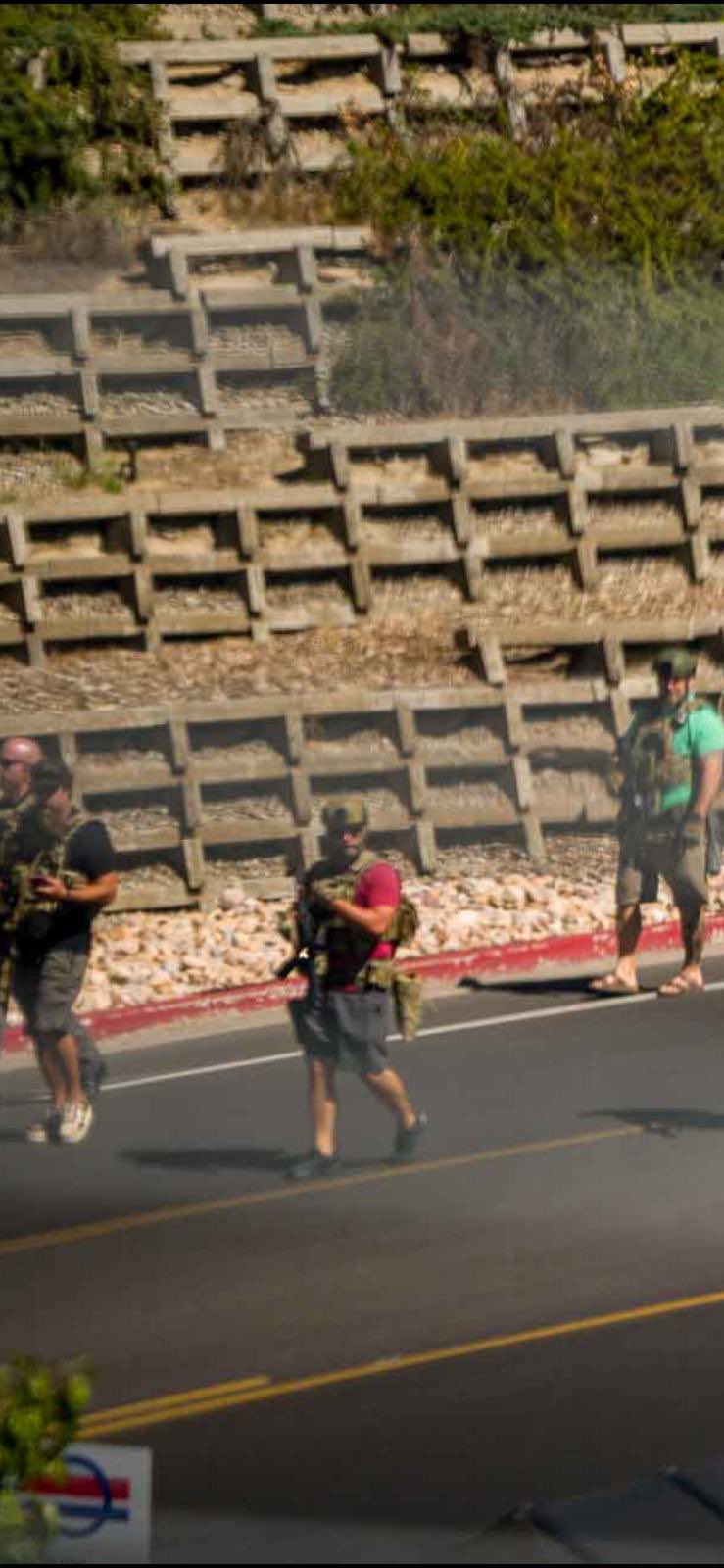
A 150 mph pass at fifty meters lasts under a second, which is why eyewitness drone counts run from zero to sixteen. The page separates streak claims on phone video from the one drone anybody admits flew.
Read thisElsewhere In The Investigation
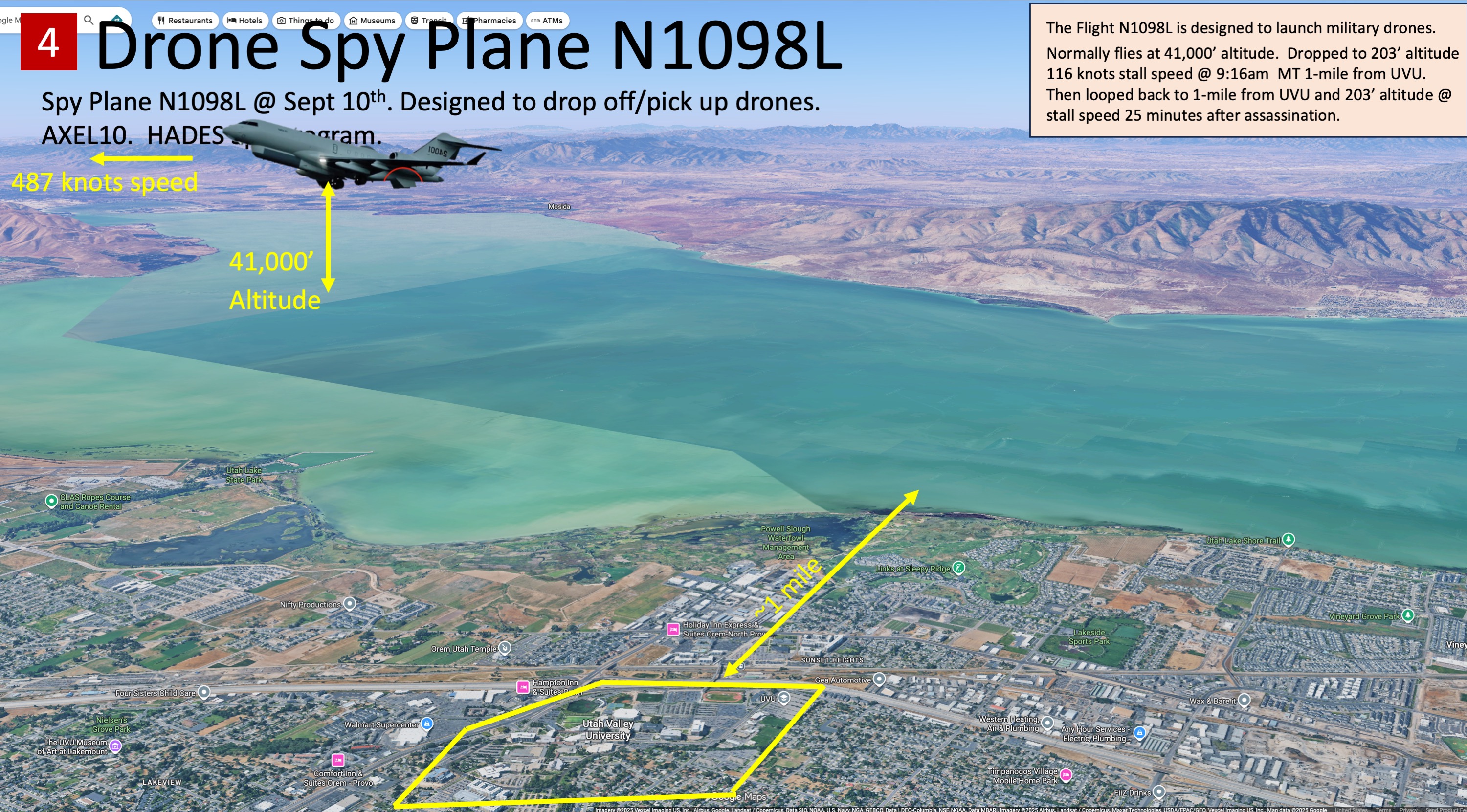
A Bombardier Global 6500 flown by an Army ISR contractor, callsign AXLE10, ran an unusual low and slow profile near Orem on September 10. No track, tasking order, or sensor product from it has appeared in the prosecution.
Read this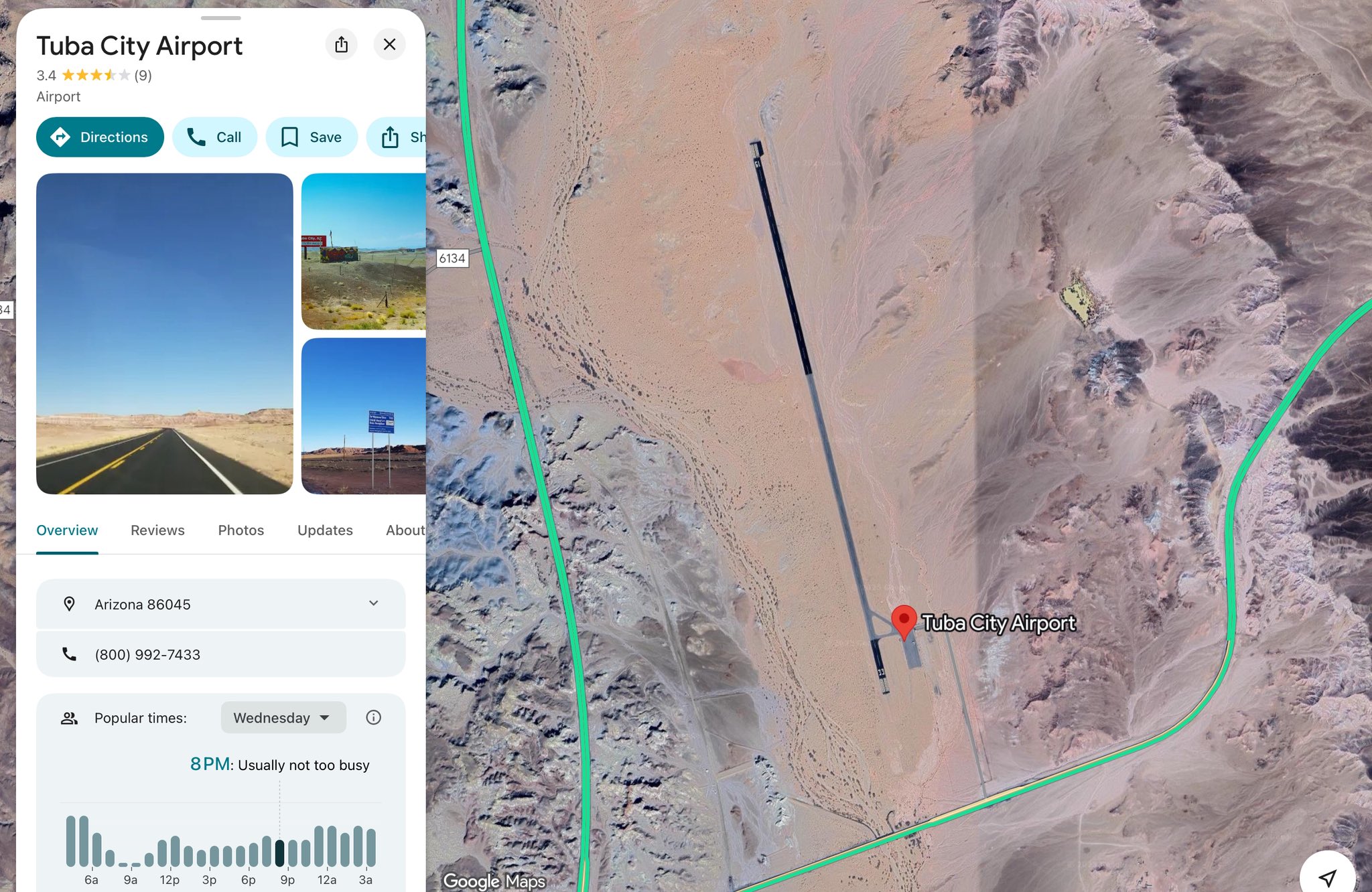
Egyptian-linked contractors reportedly tested counter-drone gear at Provo the week of the killing, on U.S. DoD Liaison badges and a clearance to skip screening. Ten minutes from campus, and unverified.
Read this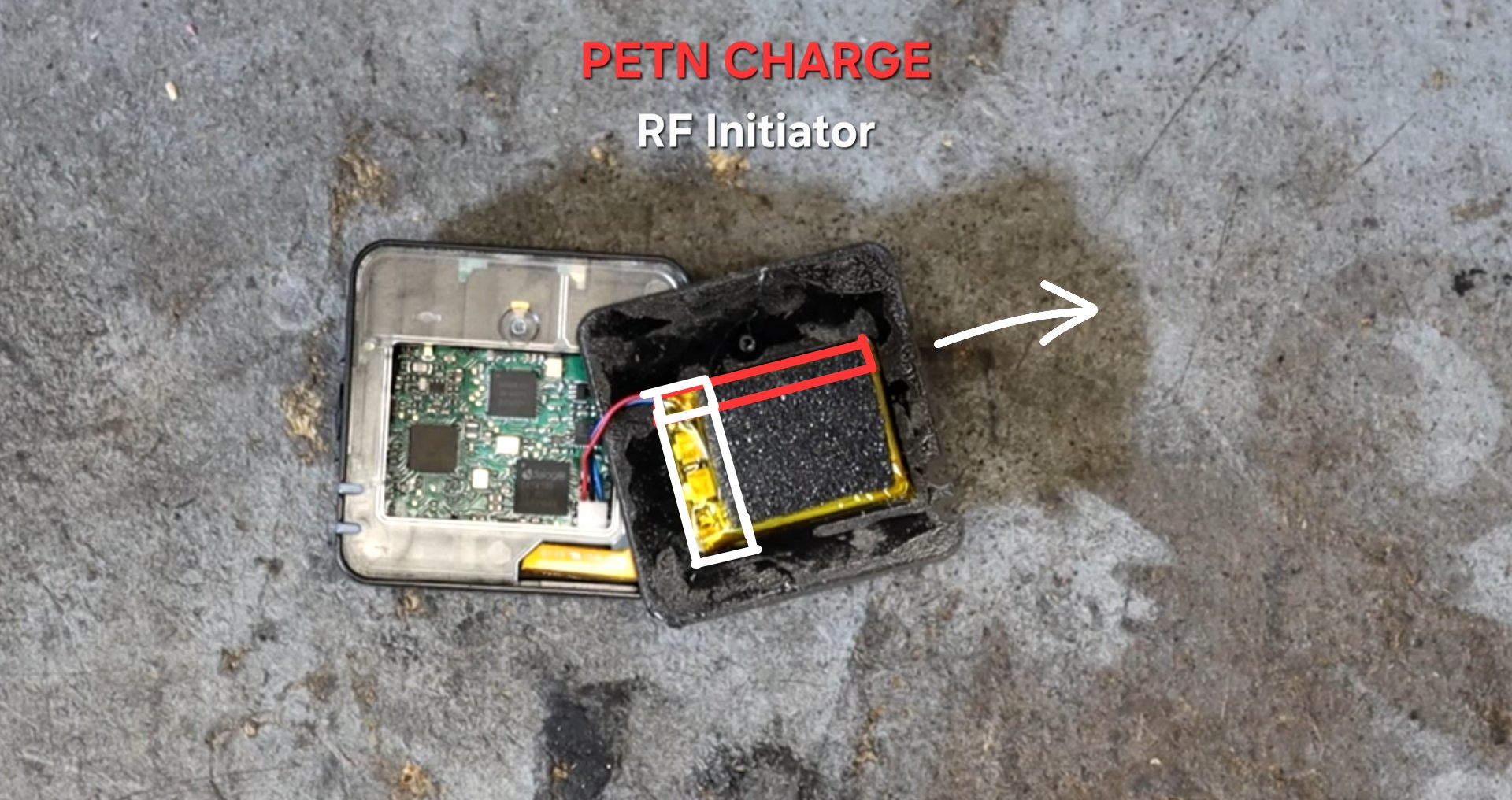
Microphone — The Exploding Mic Theory
The lavalier clipped to his shirt may have concealed a small explosive — the leading conclusion among citizen investigators, and the thread that runs through video, audio, procurement, and post-event debris.
Read this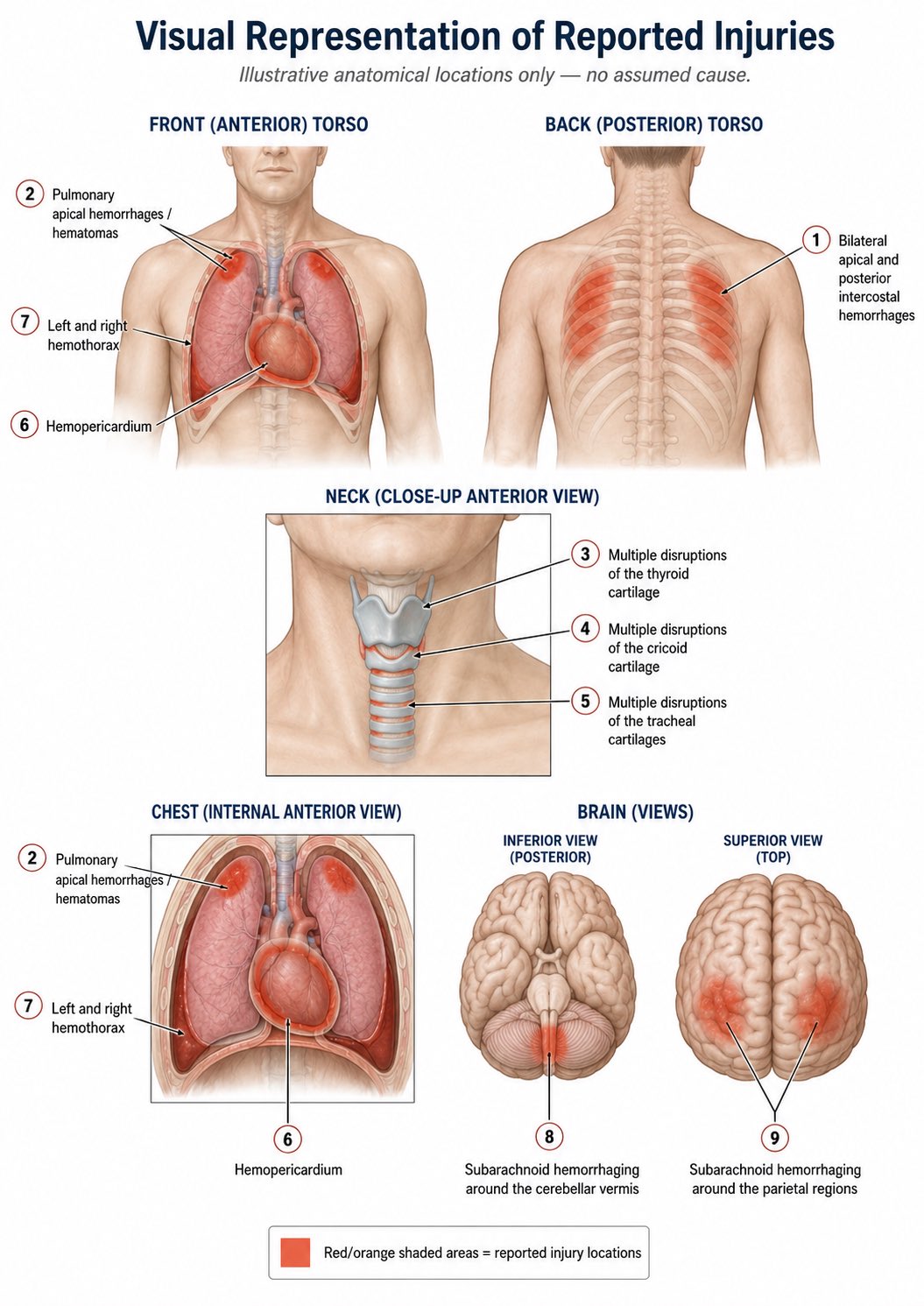
The hub for every reported reason the rooftop account may fail — ballistics, wounds, acoustics, cameras, custody timing. Robinson is charged, not convicted, and this is the case the state has not had to answer.
Read thisThis website's author is @HolonCitizen on X and YouTube/@HolonCitizen. Follow me there.
Interesting
- Notes from one call reportedly link Butler and UVU to the same drones.
- The affidavit concedes UVU cameras never captured the shot, yet the HD originals stay withheld.
- Four months before September 10, Utah criminalized sharing autopsy photos and video.