Theories
This page maps the main theories about the Charlie Kirk case and links to focused claim pages migrated from legacy conspiracy_theories documentation.
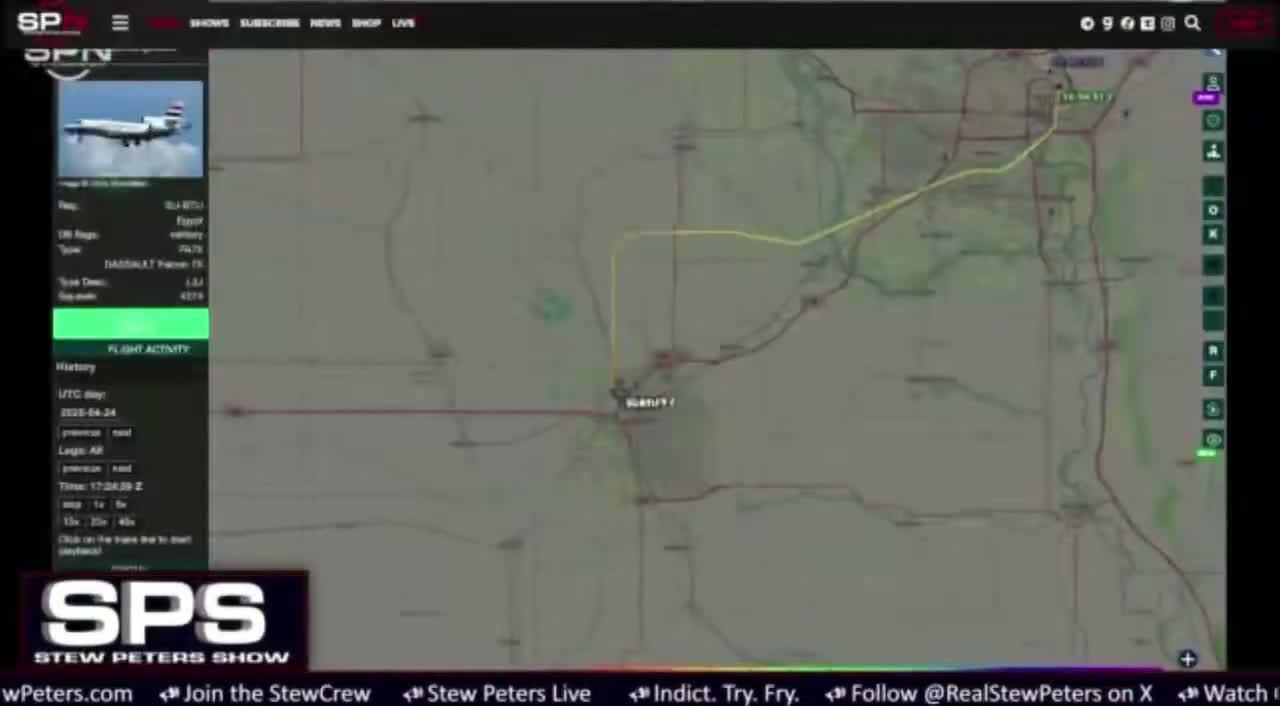
- Foreign Intelligence Claims — Egyptian jets, HADES passes, Israeli IP searches
- Government Agency Claims — FBI scope, CIA/HADES, evidence sealing
- Mossad Involvement Claims — Motive and indicator summary (see also Killer/israel-mossad)
- More Theories — Additional shooter and device hypotheses
- Eyewitness vs. the Text Confession ↗
- Close-Range Theories — Tent and proximity-shot claims
:::tip The one theory on this page that a receipt could settle Most theories below need expert interpretation. Panguitch does not. Staff at Cowboy's Smokehouse in Panguitch, Utah — 209 road miles south of Orem — say they served Tyler Robinson dinner from 8:55 to 9:47 PM on September 10, 2025. If that identification holds, the state's night-of text-message timeline breaks in both directions at once: he could not have been in the Orem area after 11 PM, and he could not have reached Panguitch from the claimed 6:38 PM Orem Dairy Queen sighting without averaging 98–99 mph for 209 miles. That is what makes it the most interesting entry in this map — it is the rare claim here that is falsifiable by a document, and by every account given on camera nobody with subpoena power has publicly tried. The identification is claimed by restaurant staff and contested; Robinson is charged, not convicted. Panguitch — The Town That Breaks the Timeline → :::
Overview
This page provides a high‑level map of the main theories that have emerged about what happened in the Charlie Kirk case. It does not declare any one theory to be true. Instead, it groups ideas into categories—official narrative, alternative shooter locations, intelligence/foreign‑involvement theories, and device‑based hypotheses—and points to other sections where the relevant evidence and arguments are discussed in more detail.
Official narrative and lone‑suspect theory
The official narrative, as reflected in charges and mainstream reporting, holds that:
- Tyler Robinson acted as a lone shooter, firing from a rooftop position with a high‑powered bolt‑action rifle.
- The investigation and prosecution focus on his personal and ideological motives, his movements on the day of the event, and physical evidence tying him to the weapon and scene.
This theory is elaborated in sections such as Tyler Robinson, Timeline, and Medical.
Alternative shooter‑location theories (claims)
Several alternative theories question the rooftop origin of the fatal shot and propose different locations instead:
- Tent‑based shooter – The idea that a shooter, or a remotely operated weapon, was positioned inside or immediately behind the tent, with audio, casing behavior, and reflections cited as clues. See: Tent, Killer, and Videos.
- Vehicle‑based shooter – Theories involving a nearby van or vehicle, sometimes tied to laser reflections or hatch movements seen in footage. See: Killer and Shooting Locations.
- Other elevated positions – Hypotheses about balconies, stairwells, or other building vantage points offering a different angle of fire than the official rooftop narrative.
These theories rely on technical analyses and must be weighed against ballistic, medical, and timing evidence.
Intelligence and foreign‑involvement theories (claims)
Another cluster of theories suggests that intelligence services or foreign actors may have played a role:
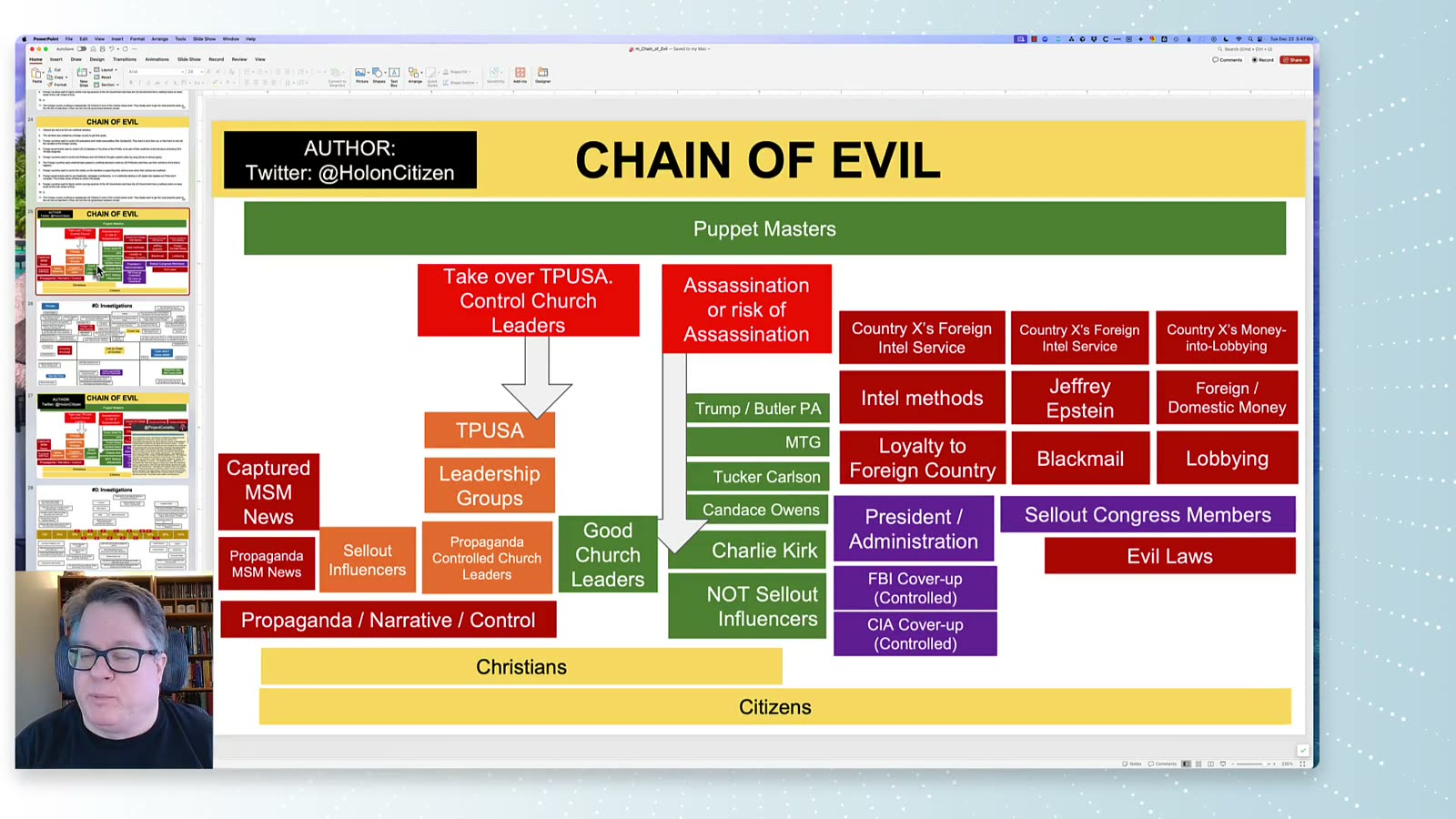
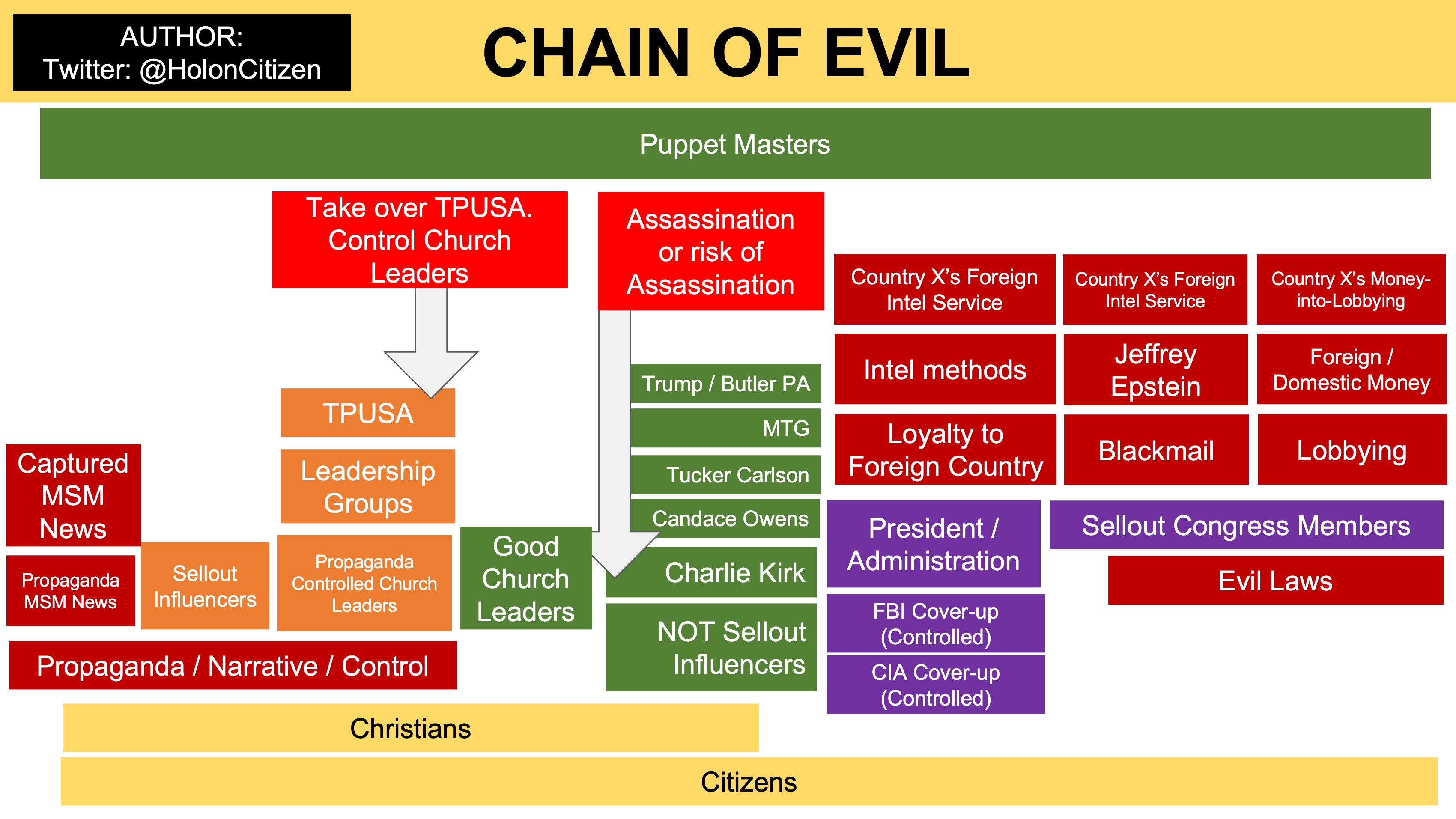
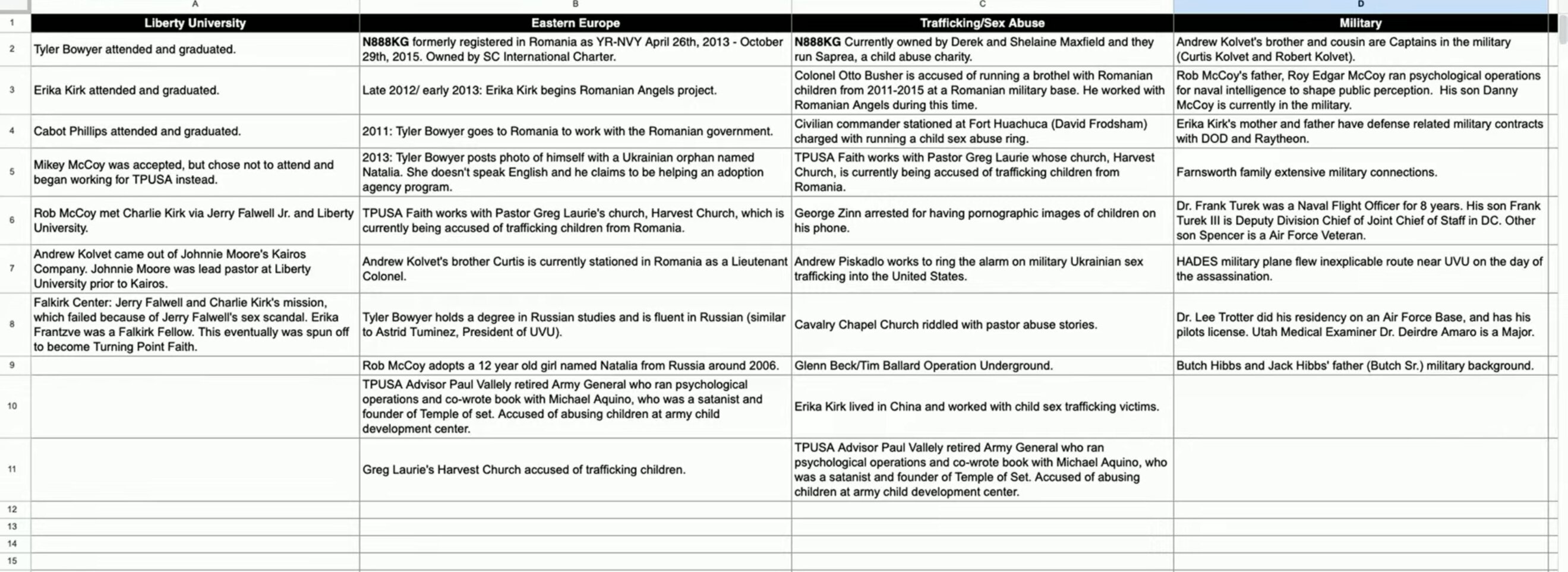
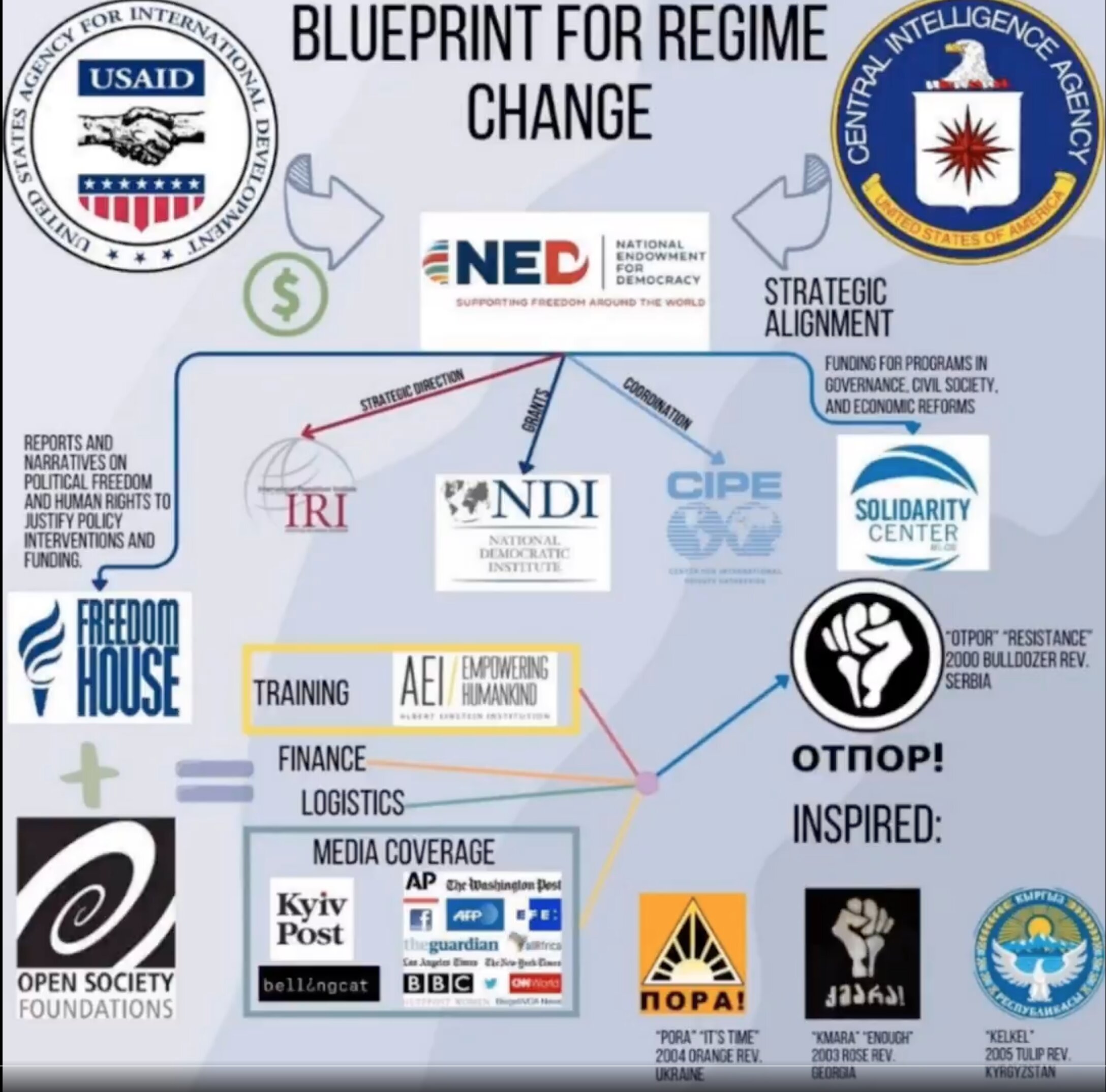
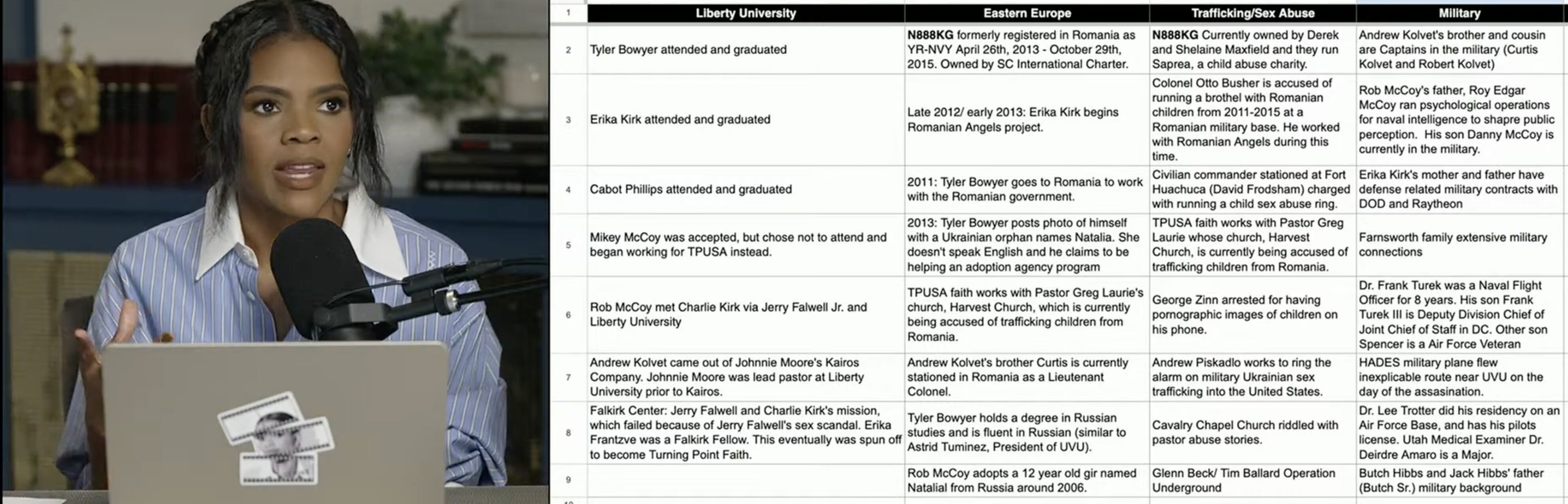
- Some argue that the sophistication of the operation, the timing of certain flights, and the handling of evidence point to state‑level or contractor involvement rather than a lone actor.
- Specific references are made to foreign policy disputes, donor dynamics, and flight patterns involving specialized aircraft, with questions about who would have the capability and motivation to plan such an operation.
- These theories often mention intelligence‑linked programs, training centers, or alliances as part of a larger context.
For more detail, see CIA, Planes, Israel, Motive, and Killer. All such ideas should be approached with caution and a demand for verifiable evidence.
Device and unconventional‑weapon theories (claims)
Some theories focus less on who fired and more on what kind of weapon or device may have been used:
- Hypotheses involving remote‑fired weapons, laser designators, or specialized small‑form firearms, sometimes linked to specific devices mentioned in open‑source materials.
- Ideas about explosive or modified equipment (for example, audio or microphone‑related devices) that could have contributed to injury patterns or masked the sound of the shot.
- Speculation about drones or other platforms being used to deliver or guide a shot, tied to analyses of aerial activity and audio signatures.
These theories intersect with sections on Drones, Planes, Medical, and Killer and are highly speculative without direct physical or documentary proof.
How to read and compare theories
When reviewing these theories, readers are encouraged to:
- Distinguish between claims, supporting evidence, and unanswered questions within each theory.
- Compare timelines, ballistics, and spatial analyses across theories to see which are internally coherent and which conflict with established facts.
- Avoid assuming that criticism of the official narrative automatically validates any particular alternative; each theory must stand or fall on its own evidence.
This Theories page is intended as a navigation aid: start here to see the landscape of ideas, then follow links to topic‑specific sections to evaluate the details.
Laws (Charlie Kirk)
- NSA SIGINT on the foreign-involvement theories, any leads alleged to have been set aside in favor of the lone-shooter narrative, and forensic testing of the device hypotheses are things that the Charlie Kirk Investigation Laws may result in powerful truths coming out that aren't out yet.
Citizen theory traffic still splits between foreign-intelligence narratives (viral unverified “Mossad plot” packages such as @tpvsean’s September 2025 video; fear-of-Israel commentary) and domestic-agency critiques (FBI process, CIA/MKULTRA sensational clips). This overview’s job is navigation: send readers to Foreign Intelligence, Government Agencies, and Mossad claims pages for attributed detail, and to Planes/FBI/CIA sections for higher-signal process and OSINT. No court has established foreign-service or U.S. agency criminal responsibility for the assassination; official charging remains the domestic Robinson case path.
The Mirandize Timeline — Why It's Pivotal
The government narrative many investigators consider false holds that Tyler Robinson was not in custody until 10 PM or later on September 11, yet defense filings place a Miranda reading at 6:25 PM that same evening. If the earlier time is correct, the ~7:57 PM Discord "confession" was posted while he was already detained without his phone — the hinge on which most alternative theories turn. Compare the accounts at the Mirandize evidence hub and the 24-hour investigative-hold counterpoint.
This website's author is @HolonCitizen on X and YouTube/@HolonCitizen. Follow me there.
Marjorie Taylor Greene Questions the Narrative
Former U.S. Rep. Marjorie Taylor Greene said on camera (August 3, 2026) that she is "very much compelled by the lapel-mic stories," that having shot a .30-06 herself "it's hard for me to go along with the traditional narrative," and that the SD-card collection and the paving of the scene two days later are "very questionable."
Source: @SenseReceptor on X. Full quotes and transcript: her profile · archived video page: MTG Questions the Charlie Kirk Narrative.
Interesting
- An Egyptian Air Force jet's transponder reportedly lit up 21 minutes before the shooting.
- A 600,000-file dump reportedly arrived without the contested raw DNA and ballistics data.
- Enhanced suspect photos went public as a BOLO after Robinson was already in custody.
Related Areas
Related
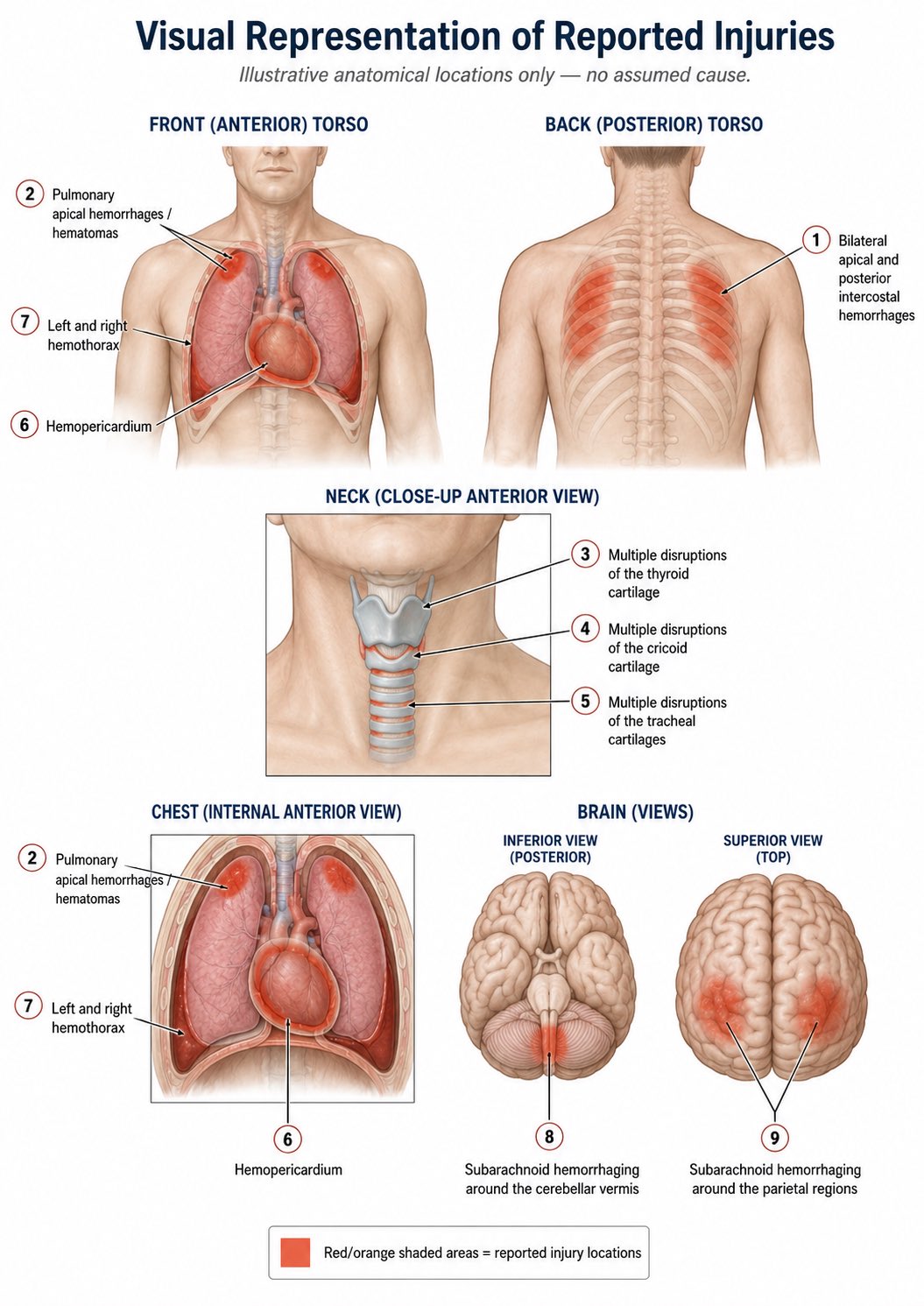
The shape charge is what killed Charlie Kirk.
Images
Videos
Footage related to this page. Each card opens that clip's own page, with the video, the full write-up, and its source.