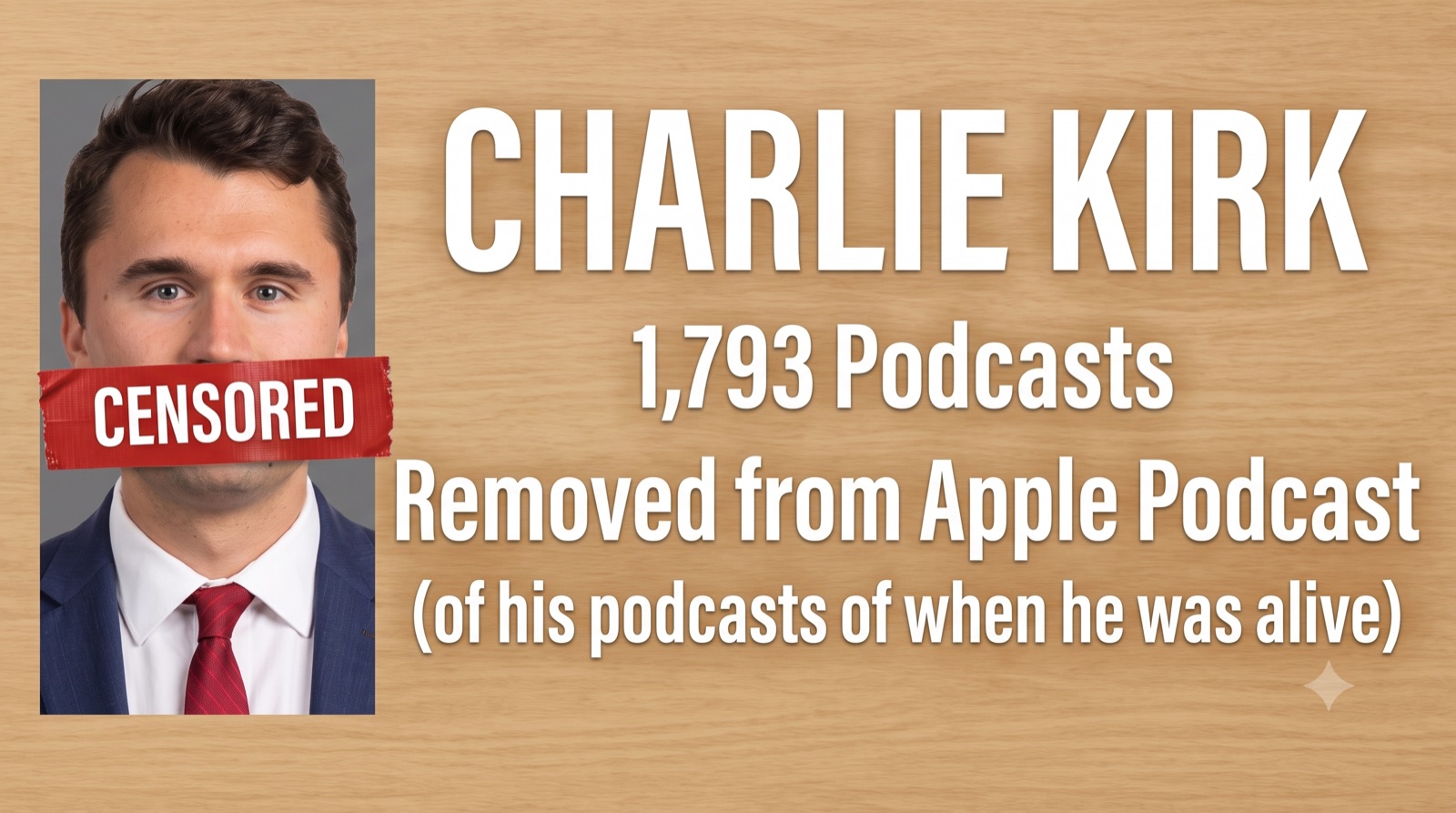
Censorship
Citizen investigators say speech about the Charlie Kirk assassination is being suppressed on platforms, in court, and by witness-pressure — not just through ordinary moderation. Start with the investigation index.
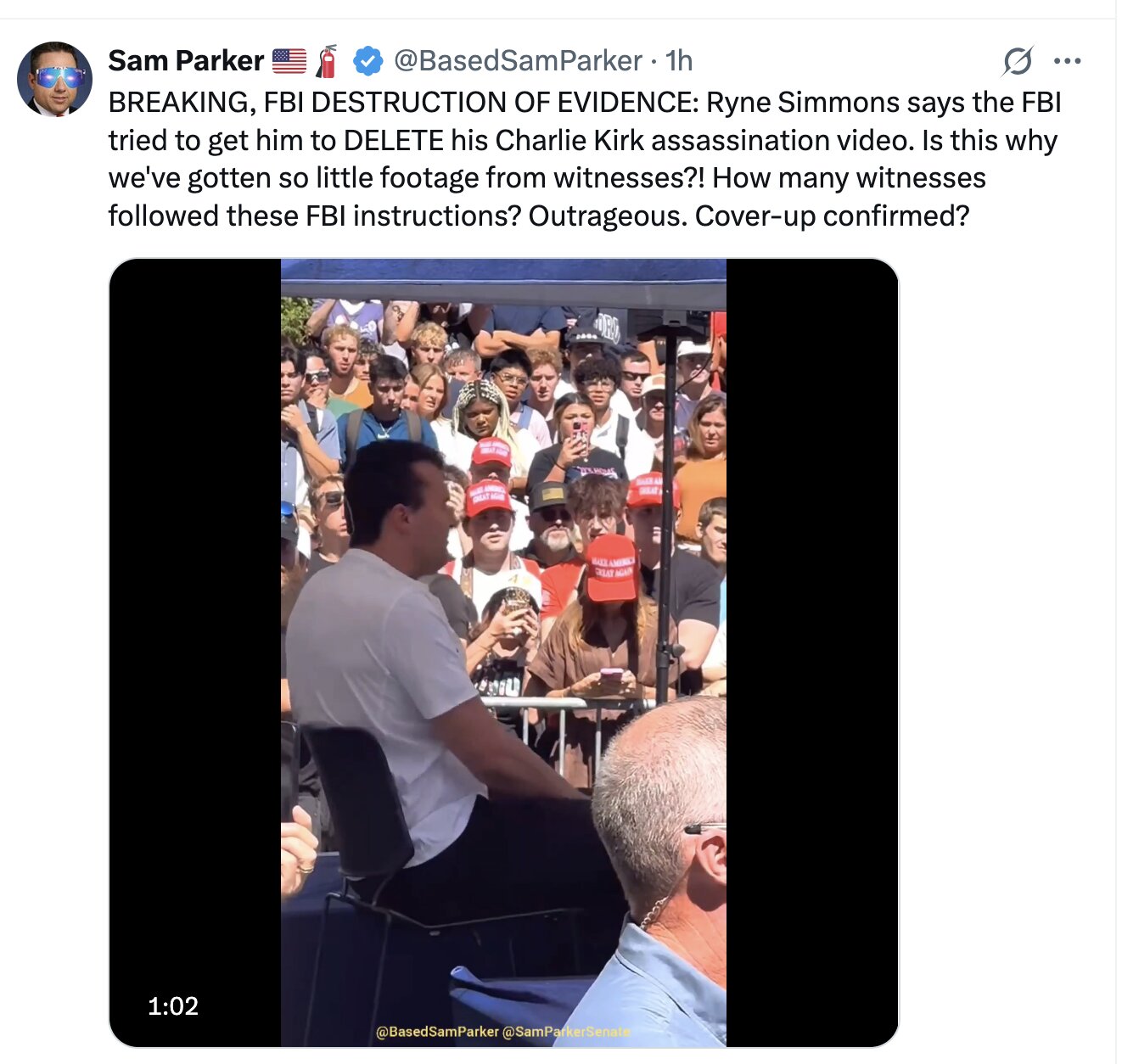
The most documented government-adjacent episode is witness Ryne Simmons: he reportedly sent 4K 60fps close-up footage to the FBI and was instructed to delete it (@ninoboxer amplification) — see Ryne Simmons — FBI Video. Parallel judicial suppression includes Judge Tony Graf's December 16, 2025 gag order issued on his own motion, reportedly silencing thousands of potential witnesses and binding lawyers to police their clients' speech (Court Gag Orders). Investigators note the clampdown was not limited to speech: former NCTC director Joe Kent has said on the record that his center's parallel review of possible foreign ties was itself ordered to stop before its leads were exhausted.
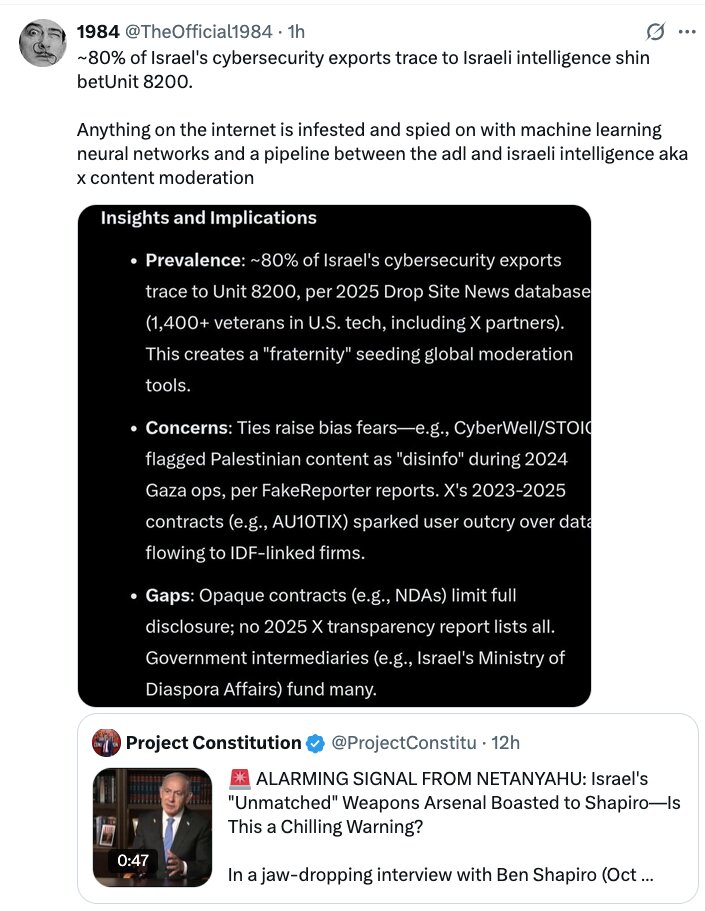
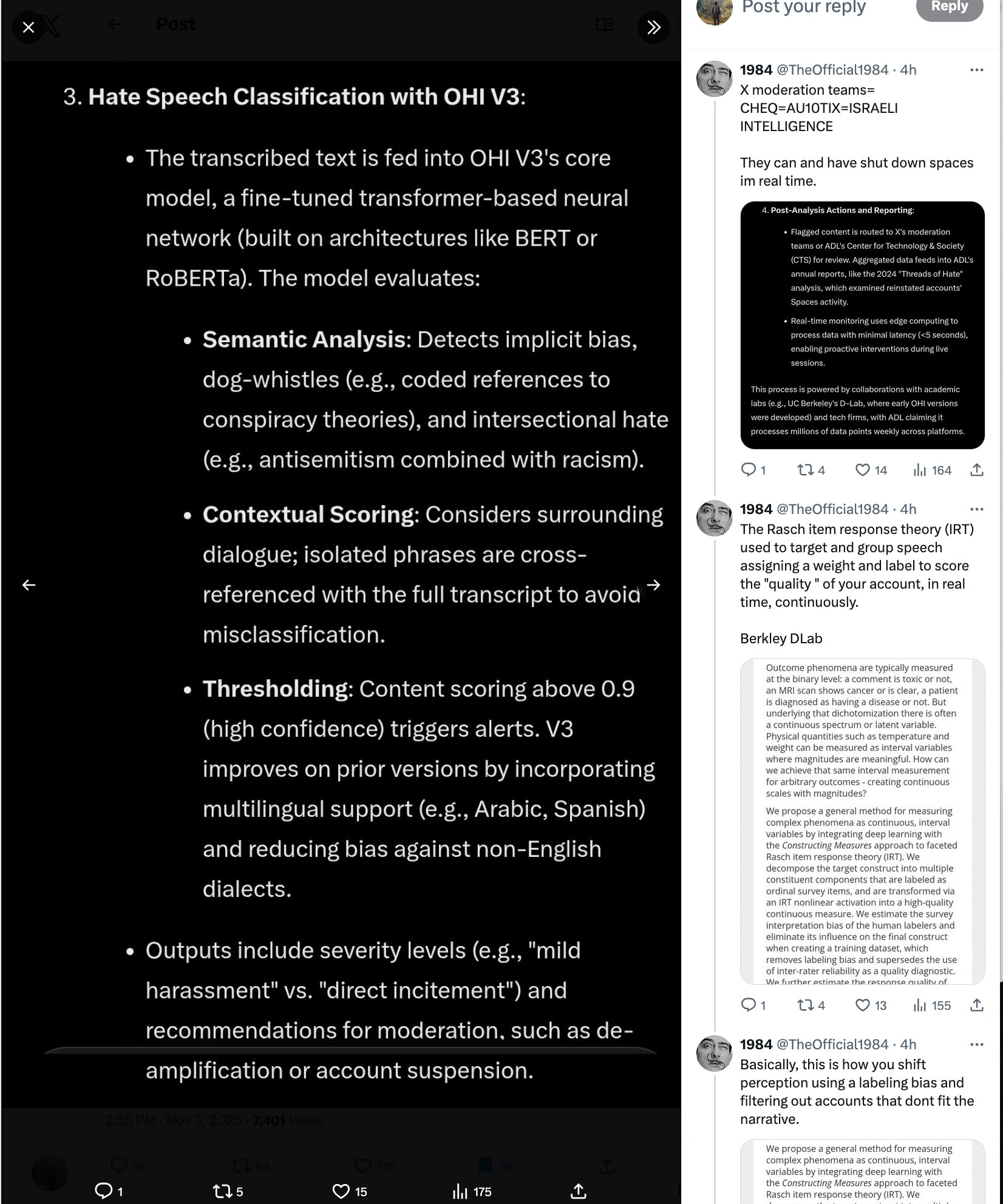
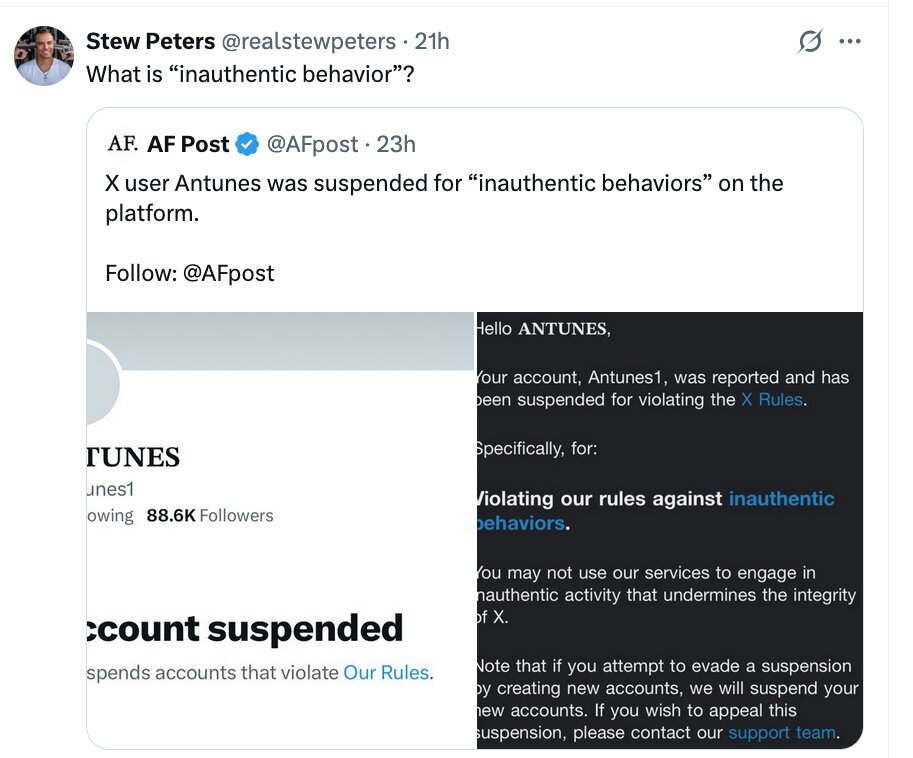
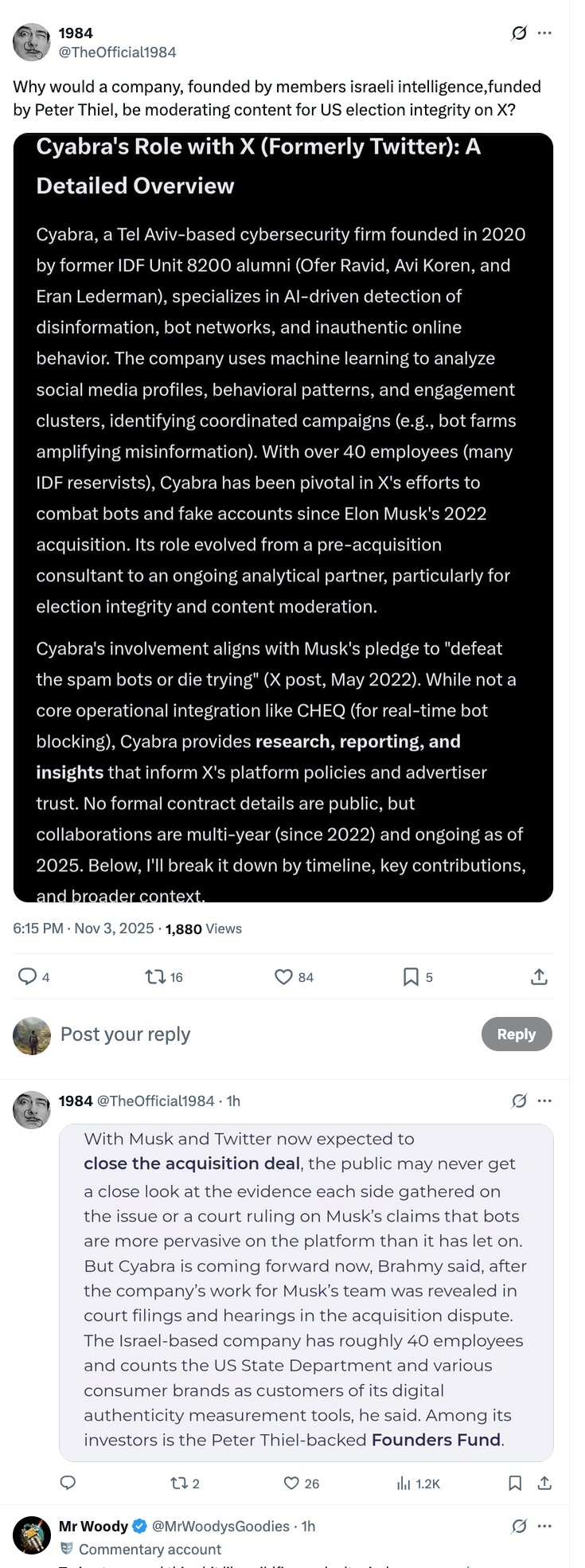
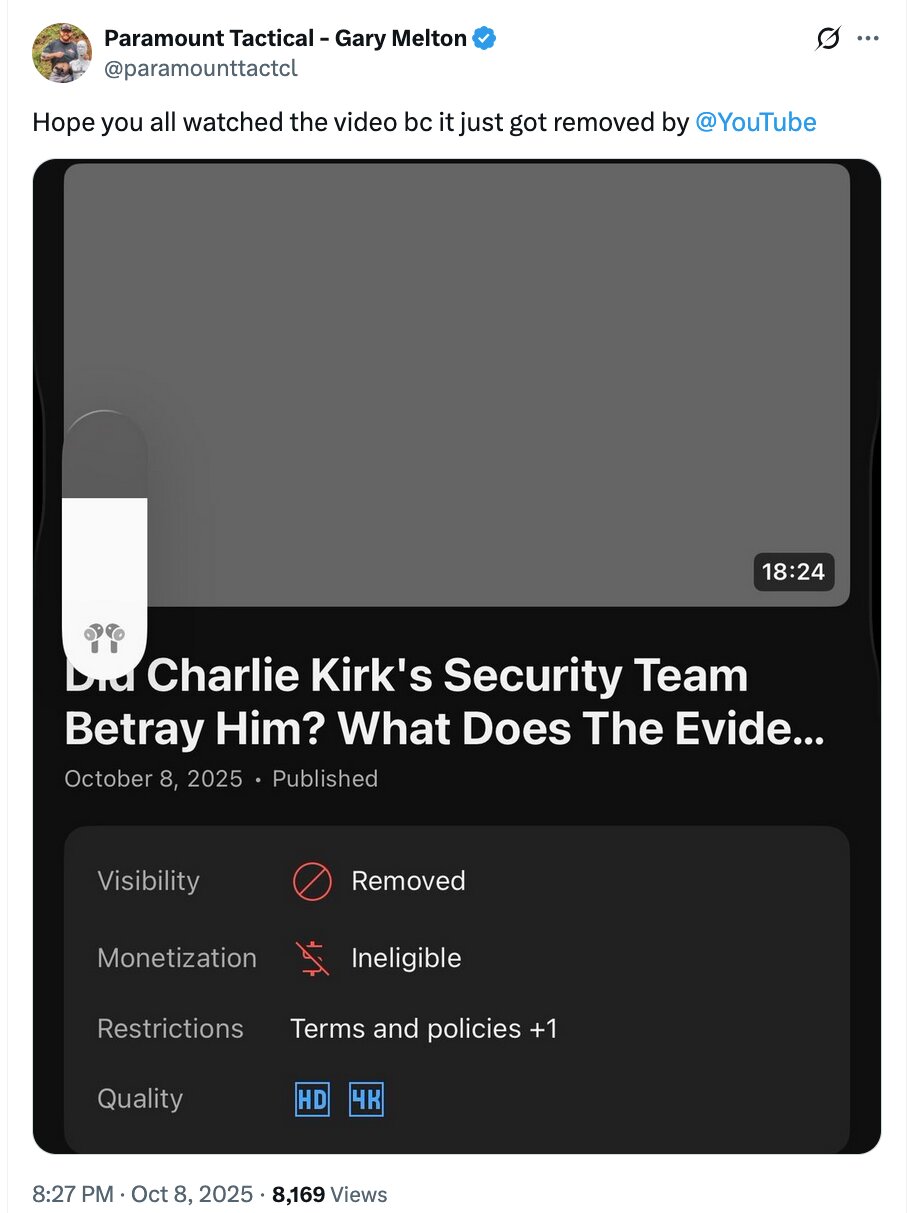
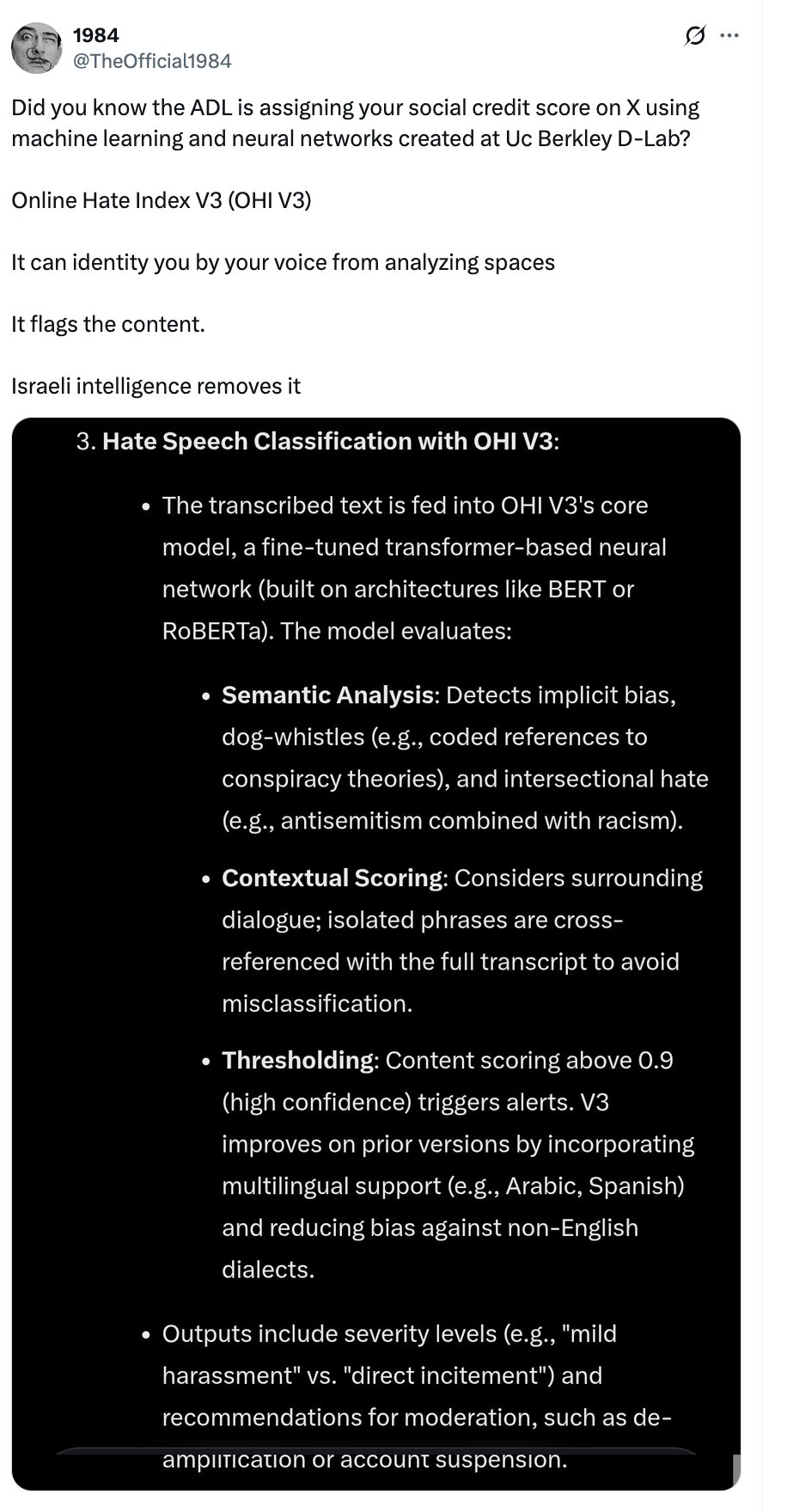
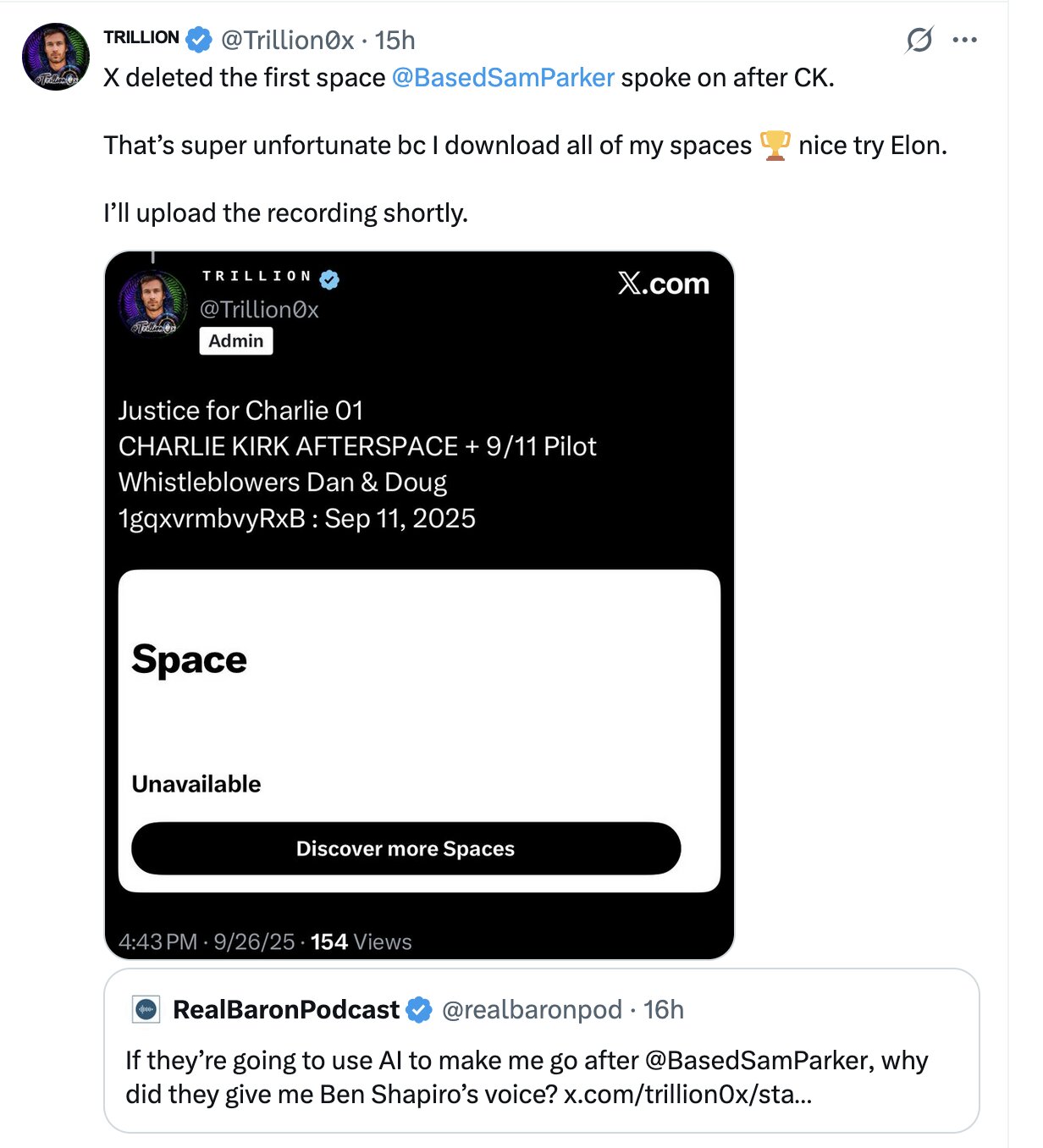
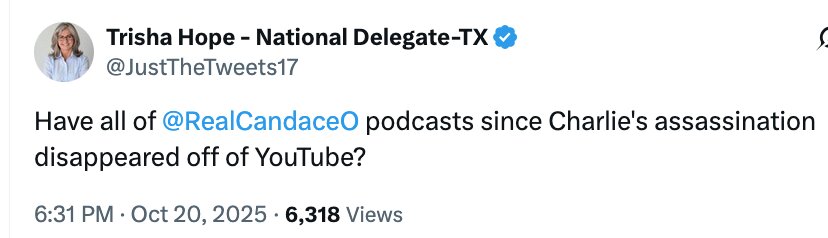
On X, @ProjectConstitu alleges thousands of accounts received suspensions, shadowbans, and "limited visibility" warnings for engaging with @RealCandaceO Kirk posts — plus softer deboosting of ballistics and intel threads (X pages). Regulatory pressure on the same platform is a separate layer: on December 5, 2025 the European Commission issued its first Digital Services Act fine — €120 million against X, on transparency grounds the Commission says are unrelated to speech and critics say are not (EU DSA fine). TPUSA legal threats (cease-and-desist reporting), YouTube demonetization, and alleged Google Trends scrubbing (Google page) add private and algorithmic layers. A smaller August 2, 2026 episode sits at the weak-evidence end of the same spectrum: two accounts reported that a poll asking whether people still believe the initial shooting narrative would not publish as a poll (X — Poll Blocked). Not every takedown proves a cover-up; this section tracks sourced examples so readers can judge.
Investigators respond with IPFS pinning, screenshot archives, and this site's static pages. Deeper cross-platform analysis: CoverUp — Censorship of Investigators and Influencers — Censorship. Investigation Index → Ryne Simmons FBI Video → Court Gag Orders → Fix Laws.
The Quietest Form Of It: Asking The Holder To Delete
Most of this section deals with material being removed after publication — takedowns, throttling, suspended accounts. There is a quieter version, where the footage never reaches the public at all because the person holding it is asked to get rid of it.
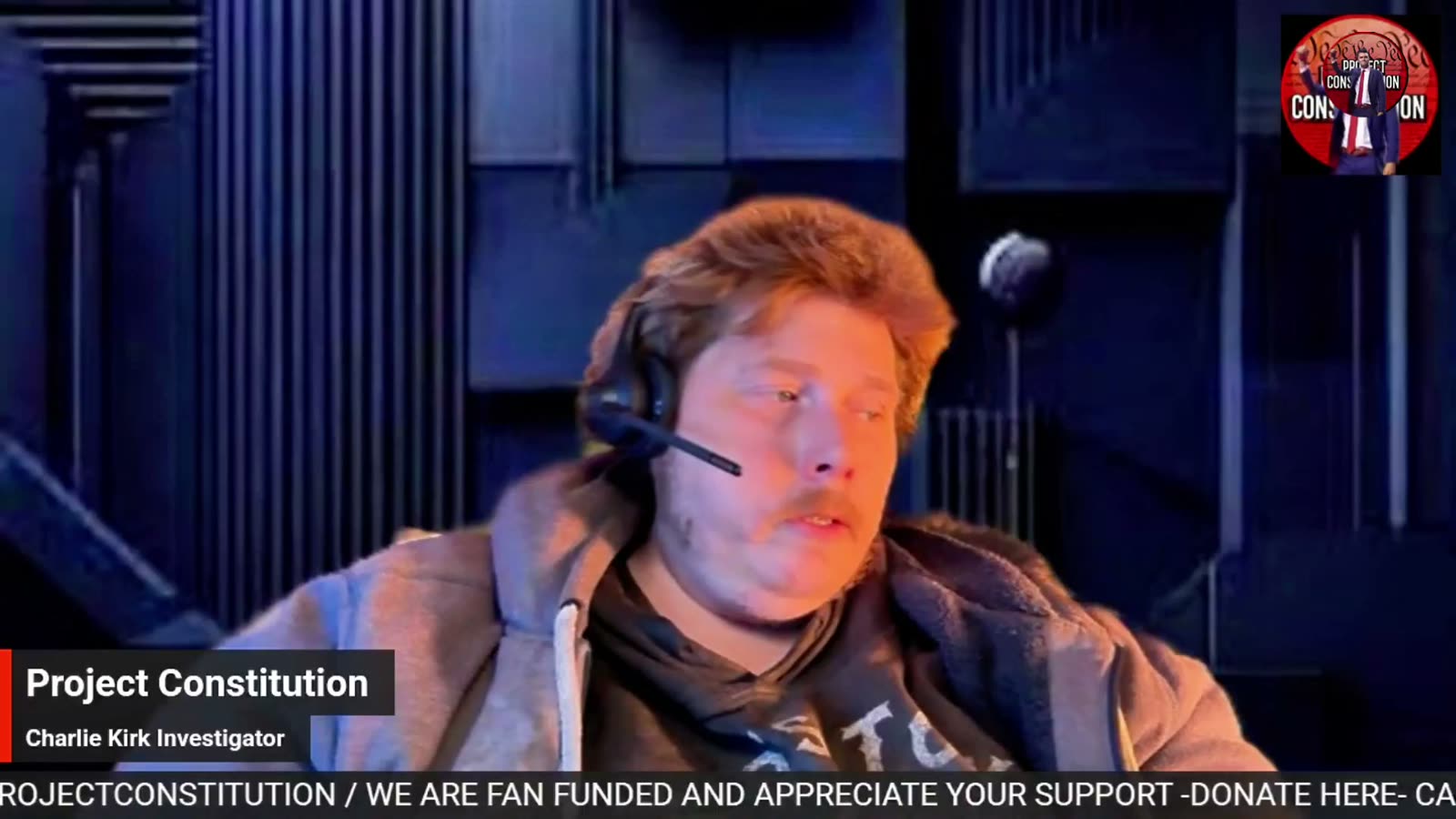
A witness who filmed the event says he sent his footage to the FBI as a tip and was escalated to a contact he describes as being at the national level. That contact, he says, advised him to erase the video from his phone because it would only give him PTSD, and a second call later asked him to confirm he had. He says he refused in effect — that the confirmation call is what convinced him to start posting the footage and saving it "on many different hard drives, in many different places." He also refers on camera to an earlier account of his that is no longer up, though the audio is indistinct and does not establish what was removed or by whom.
Whatever the intent behind the calls — and ordinary welfare and evidence-handling explanations fit the described facts, with no finding of wrongdoing by anyone — the effect he describes is the one this section tracks: a first-hand recording that came close to not existing. His response, distributing copies faster than any single request could catch them, is the same instinct behind mirroring evidence to IPFS across this site.
- Watch it: Erase It, You'll Get PTSD — The Clearest Copy Of That Account
- Full write-up: FBI Asked a Witness to Delete Their Video
Laws (Charlie Kirk)
FBI records of witnesses told to delete videos, government takedown requests for UVU eyewitness footage, gag-order text, and platform takedown logs are among disclosures the Charlie Kirk Investigation Laws may force into public view.
Public commentary
Public commentary on X/Twitter and in hearing coverage continues to discuss censorship in this case. The themes that recur for Censorship are presented here as attributed claims, not findings by this website.
Related coverage includes July 2026 preliminary-hearing reporting (defense DNA and ballistics challenges, and media exhibit rules under Judge Graf) and Candace Owens / TPUSA succession-donor discussion where it intersects this topic. Tyler Robinson remains charged, not convicted. Related pages in this section provide further detail.
This website does not assert as fact that any living person named here committed a crime or knew of the assassination in advance.
Interesting In This Area
- Engaging an Owens post reportedly cost thousands of readers their accounts or reach.
- A gag order came on the court's own motion, requested by neither side.
- Brussels fined the platform 120 million euro on transparency grounds, not moderation.
- Google Trends graphs for case terms reportedly shift between screenshots.
Interesting In Other Areas
- A witness says the FBI asked him to delete his video, and he kept a copy.
- Reuters reportedly counted six hundred Americans punished for commenting on the killing.
- Media censorship and social platform behaviour are documented as evidence here.
- The FBI subpoenaed a hard-to-delete archive fifty days after the killing.
Images
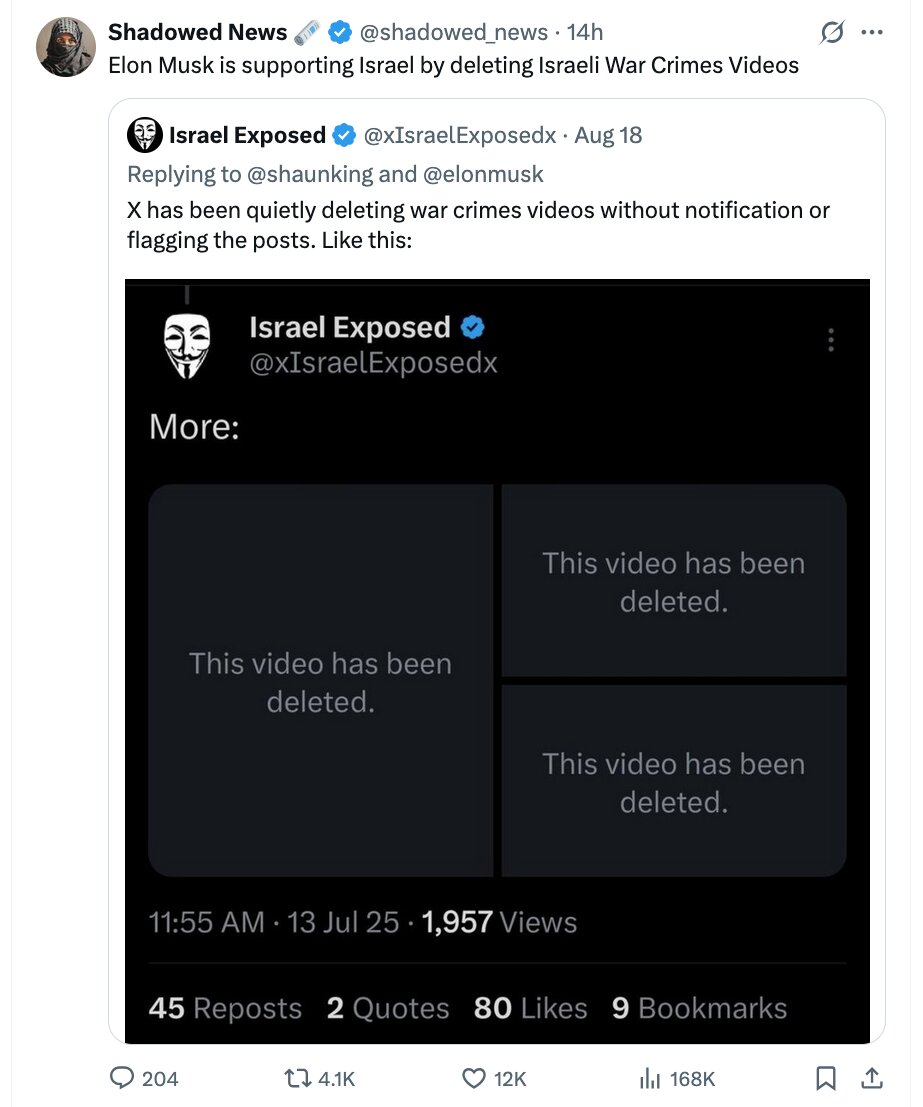
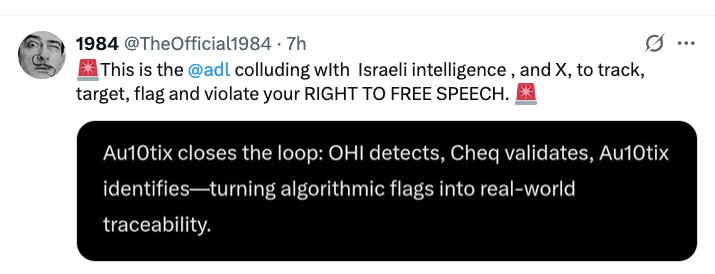
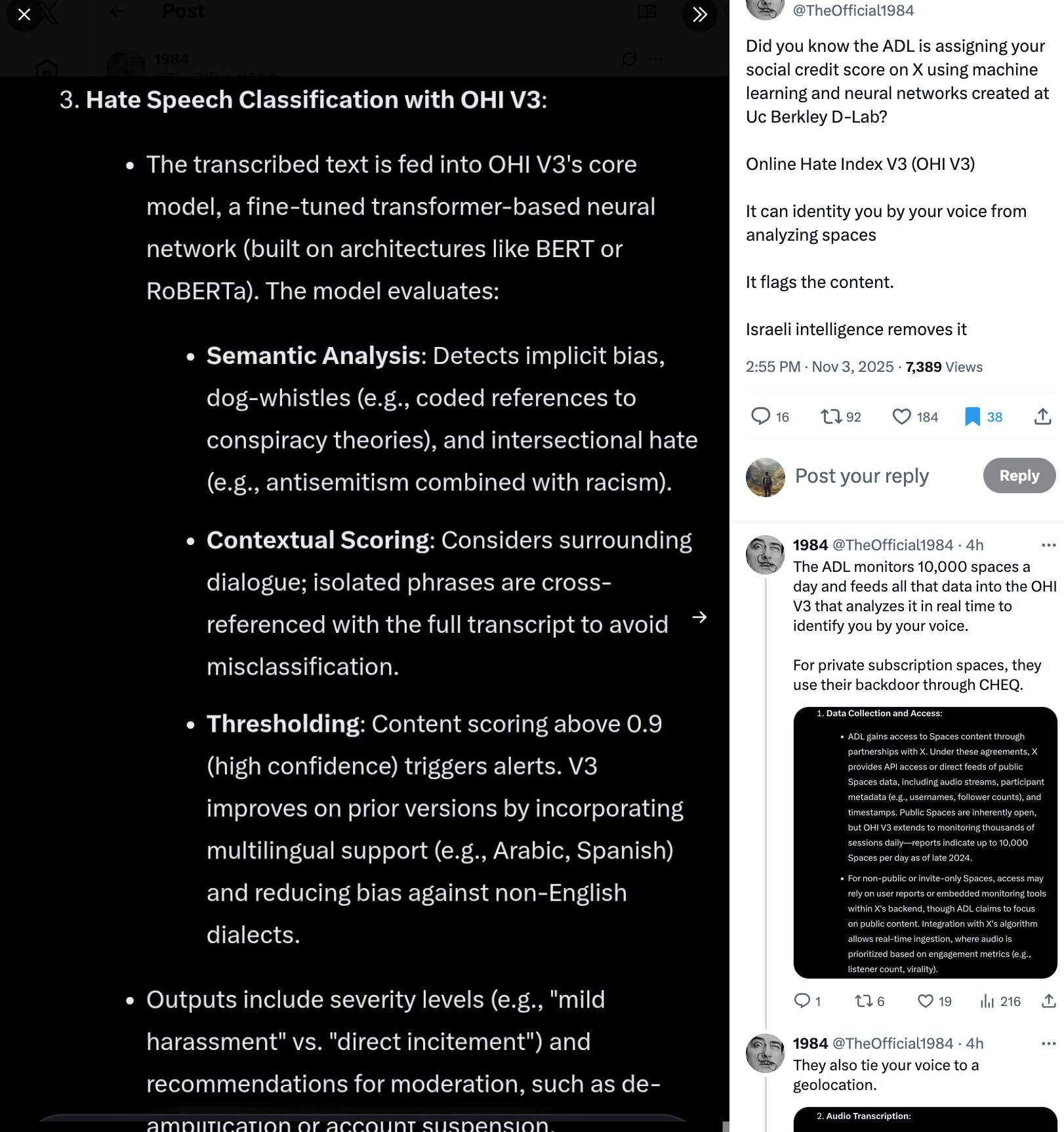
Videos
Footage related to this page. Each card opens that clip's own page, with the video, the full write-up, and its source.
Other Pages In This Section
Ryne Simmons — FBI Video Deletion
A witness says he sent the FBI close-up 4K 60fps footage of the moment Charlie Kirk was killed, then was called repeatedly and asked to delete it. He says he kept a copy. Deletion over preservation is a transparency question, not yet a court finding.
Read this
X — Candace Owens Engagement Bans
Reported mass suspensions and shadowbans hitting accounts that merely engaged with Owens' posts about the assassination. If the pattern is real, the cost of amplifying fell on readers rather than publishers.
Read thisA gag order issued on the court's own motion, requested by neither side, restricting what parties and counsel may say. Lawful censorship, and a shaping force on everything published since.
Read thisCensorship Investigation Index
The routing memo for every suppression thread in this case — platform, court, witness and search — each one attributed rather than asserted. Censorship does not prove a cover-up by itself; it explains the gaps in what survived.
Read thisElsewhere In The Investigation
FBI Asked a Witness to Delete Their Video (Claims)
A witness says the FBI asked him to delete his own footage. It is one of the sharpest cover-up claims on the site — and it is a claim, attributed to the witness who made it.
Read thisClaims of suppression and information control drawn from public reporting — what was removed, who asked for it, and what the platforms will not say about individual actions.
Read thisLocks, shadowbans and limited-visibility warnings reported for engaging the wrong posts — and a witness who says the FBI told him to delete his own 4K footage. Whether or not any of it was coordinated, it decides which open-source evidence is still readable.
Read this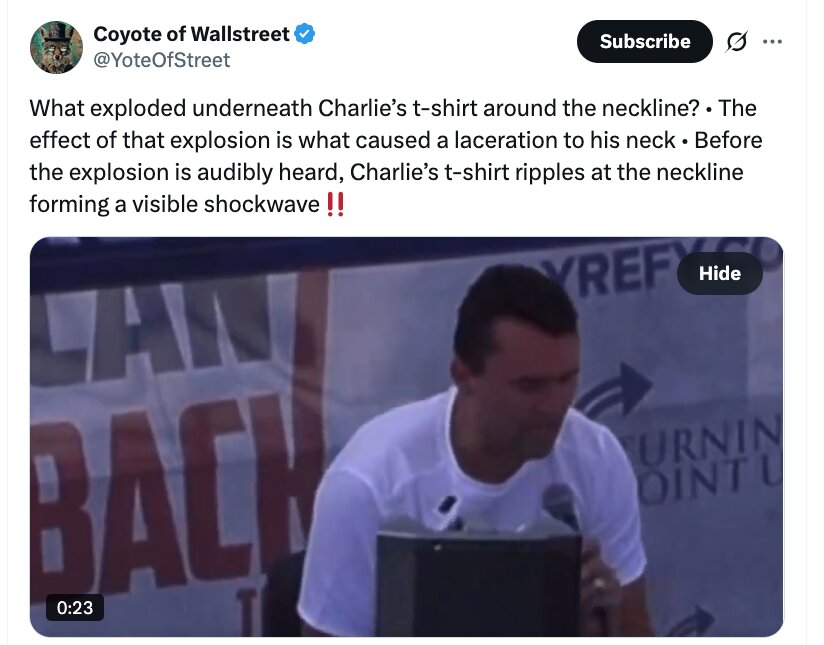
The case is argued almost entirely on platforms, so platform behaviour becomes evidence: what spread, what stalled, whose accounts were curtailed, and how the event-camera footage was handled.
Read thisThis website's author is @HolonCitizen on X and YouTube/@HolonCitizen. Follow me there.
X.com posts:
Interesting
- Liking the wrong thread reportedly cost thousands of users their accounts or their reach.
- A counterterrorism director says on camera his team was told to stop mid-investigation.
- A commentator cited "considerable evidence that there were state actors involved", then said no more.
Related Areas