Legal Process, Gag Orders, and Hearing Secrecy (As Reported and Claims)
:::caution Legal Disclaimer Tyler Robinson is charged, not convicted and is presumed innocent until proven guilty. Judges, prosecutors, defense counsel, and witnesses named here are discussed through court filings and attributed commentary — not as proof anyone acted unlawfully. Nothing on this page is legal advice. :::
Post-event legal developments in State v. Tyler Robinson (Case 251403576, Utah Fourth District, Utah County) have drawn intense public scrutiny: broad gag orders, closed hearings, a jailhouse informant transport order, and discovery disputes over FBI/ATF materials. The investigative question is whether procedural secrecy is standard capital-case practice or whether it limits public verification of ballistics, DNA chain-of-custody, and video evidence while the case is pending.
This page summarizes what has been reported and what critics have claimed. For case-specific detail, see Tyler Robinson, Tyler Robinson Trial, court/overview, and Legal Investigation.
Case trajectory (as reported)
Mainstream coverage and official court communications describe:
- Charges: Aggravated murder and related offenses; prosecutors allege a rooftop shot during the UVU event. Death penalty on table per case-status reporting.
- Preliminary proceedings: Scheduling conferences, discovery motions, and preliminary hearing dates — rescheduled into July 2026 per @based_sam_parker commentary on capital-case pacing.
- Defense team: Court-appointed counsel led by Kathryn N. Nester, with Michael Burt and Richard Novak as co-counsel; online threads cite ~$750k+ defense cost estimates — not verified billings.
- Prosecution: Jeffrey Gray, Chad Grunander, and Christopher Ballard named in commentary; see court/prosecution-team and court/defense-team.
Gag orders and closed hearings (as reported and claims)
A major focus of post-event legal commentary is Judge Tony Graf's use of gag orders and hearing closures:
| Development | Reported detail |
|---|---|
| Gag order date | Dec 16, 2025 — issued sua sponte (no party request) per @kimmagagal2 and CK_FILE |
| Scope (claims) | Restricts lawyers, witnesses, and indirectly some media from public case discussion |
| Stated purpose | Protect defendant rights and jury-pool integrity |
| Closed hearings | Certain preliminary proceedings closed to press per local journalist accounts |
Critics argue this degree of closure is unusual for a high-profile homicide and raises transparency concerns; supporters counter courts have discretion when fair-trial risks are real. Deeper filing context: court/gag-orders-sealing, court/judge-tony-graf.
CK_FILE characterizes the order as an "unprecedented gag order—on his own motion" binding lawyers to police witnesses — a First Amendment critique, not a judicial ruling.
Judicial and institutional timing (attributed commentary)
- @george_webb: Graf appointed May/Aug 2025; Robert Lunnen retired Aug 1, 2025 — timing threads paired with FBI SAC swap commentary (unverified OSINT). See court/judge-robert-lunnen.
- High-priced volunteer attorneys: X threads claim prosecution reportedly declined offers from experienced counsel — unconfirmed; appointment disputes are common in capital litigation.
Jailhouse witness and transparency concerns (claims)
Commentators have focused on Jaxson Thomas Fox and related transparency issues:
- Transport order (as reported/claims): Legal-commentary Substacks and X threads reference a court order to transport Fox — an inmate on unrelated charges — for possible testimony about an alleged jailhouse confession.
- Reliability debates: Advocacy posts question informant testimony weight and whether the public has adequate information about its basis.
- Distraction framing: Some commentators argue informant publicity diverts attention from ballistics — see court/jaxson-fox-informant-order and distraction_people/Jaxson_Thomas_Fox.
These critiques reflect civil-liberties and best-practice opinions, not determinations that any court order is invalid.
Discovery and ballistics developments (2025–2026)
Attributed X commentary and press coalition reporting describe escalating discovery fights:
| Date / source | Claim |
|---|---|
| Jan 21, 2026 — @aldamu_jo | FedEx discovery list to attorneys; citizen discovery submissions tracked |
| March 2026 — @Candice60896290 | Defense motion to seal ATF report; ballistics INCONCLUSIVE comparing autopsy bullet jacket to Mauser 98 |
| Press coalition | Deseret News, SL Tribune, AP, NYT, Fox, CBS oppose sealing |
| April 2026 — @Sina1MAGA | Discovery stall — FBI/ATF allegedly withholding DNA chain-of-custody since September; defense continuance; prosecution objects; Kash Patel cited in threads |
| June 2026 — @kimmagagal2 | Christopher Ballard civil contempt motion over TMZ/Fox/USA Today "ample evidence" statements despite inconclusive ballistics framing |
| @ian_carroll | 600k document discovery dump analysis; CBLA resurrection claims |
Defense counsel Trombetta/Youngblood exculpatory framing and prosecution pushback appear in press summaries — see court/ballistics-atf-cbla, court/discovery-brady-disputes, Media/tyler-robinson-trial-press.
Commentary also notes Erika Kirk's lawyers opposing continuance — seeking preliminary progress without full FBI/ATF DNA releases per CK_FILE (attributed, not a court order text).
July 2026 preliminary hearing — transparency fights (as reported)
Citizen investigators and press accounts describe a multi-day preliminary hearing in early July 2026 that sharpened the secrecy-vs-sunlight debate around Judge Tony Graf:
| Claim / report | Attribution |
|---|---|
| Graf denied a defense bid to close the prelim and block cameras | @GigaBeers (Jun 1, 2026) — praised public access |
| Earlier: redacted transcript of a closed-door hearing released to media; Graf cited a presumptive public right to court records | @OutnumberedFNC (Dec 29, 2025; ~1.2M views) |
| Day 5: "Effective immediately" media sanction — stop capturing/broadcasting exhibits after a prior-order violation | @FoxUSNews (Jul 10, 2026) |
| After a note leak, court moves to shield exhibits; some commentators call it "damage control" | @chirurgus84 (Jul 10, 2026) — opinion, not a judicial finding of bad faith |
| Defense challenged FBI DNA techniques and ATF inconclusive ballistics (missing casings/holster themes) across the hearing | Circulating hearing summaries Jul 10, 2026; see court/ballistics-atf-cbla |
| Kirk family filing reportedly pushes for speedy probable-cause ruling by Sept 1 | Hearing-adjacent commentary Jul 2026 |
Both sides appear in the discourse: some X accounts credit Graf for keeping cameras in the room; others criticize exhibit lockdowns. Neither reading is a site finding about judicial motive.
How legal-process secrecy fits the "After" narrative
Within After Events, Cover‑Up, and Censorship:
- Gag orders and protective orders help explain why video, forensics, and digital data remain sealed while the case is pending.
- Some cite secrecy as evidence of institutional opacity; others as routine capital-case management.
- Ultimate fairness assessments likely depend on appellate review, trial outcomes, and redacted record releases — not commentary alone.
Adjacent custody questions: Sept 11 Surrender, People/nate-brooksby, court/mirandize/overview.
X.com / legal commentary summary
- @kimmagagal2: Graf gag order timeline; Ballard contempt threads.
- @Candice60896290 / @Sina1MAGA: ATF inconclusive reporting; DNA chain-of-custody withholding claims.
- @ian_carroll: Large discovery dump burying contested items — overlaps After/Media_Narratives_And_Censorship_After.
- CK_FILE: First Amendment and witness-silencing critiques — advocacy framing.
Laws (Charlie Kirk)
- Sealed transcripts of the closed Robinson hearings, unredacted gag-order rulings, and the full sealed evidentiary record cited by Judge Graf are things that the Charlie Kirk Investigation Laws may result in powerful truths coming out that aren't out yet.
Interesting In This Area
- Press coverage of the sealing fights shifted away from the manhunt story.
- Miranda at 6:25 PM still has no reconciliation in any public filing.
- The paving removed ground before any independent forensic review could occur.
- UVU ownership makes the Orem house lease and key records publicly requestable.
Interesting In Other Areas
- The judge kept cameras in the room, then sanctioned media over exhibits.
- A reported 600,000-file production arrived while DNA chain-of-custody material apparently did not.
- A jailhouse informant appears in the legal record as a distraction thread.
- Press coverage tracked the sealing fights more closely than the ballistics.
Other Pages In This Section
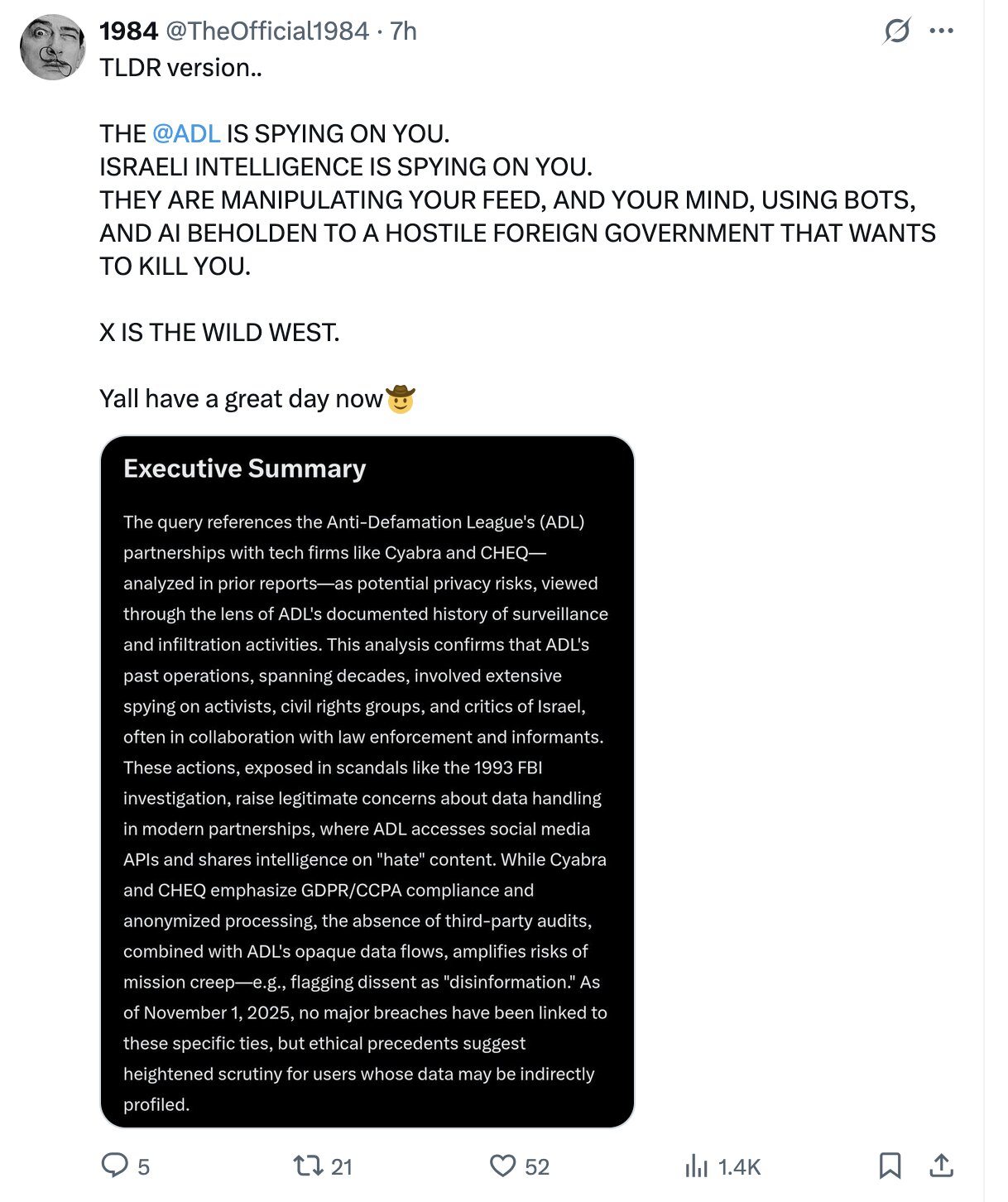
Media Narratives and Censorship After the UVU Event
Two information environments formed after September 10: the wire-copy manhunt story, and a citizen ecosystem chasing the paving and the ballistics. The page maps where they split — including a witness who says the FBI asked him to delete his 4K footage.
Read thisEvery instrument that moved title, entry number by entry number: Broderick to Markides to Theobald to Utah Valley University in May 2019. Ownership records only — nobody on this list is accused of anything.
Read this691 W 925 S — Prior Owners and Connected People
Broderick, Markides, Theobald — the people behind the deed chain, with status and public records for each. Every name appears because it sits on a deed or a tax roll, and none is connected to the case.
Read thisThe open notebook: every query run on this address, what each one returned, and what came back empty. One search pairing the address with an old owner surname is what surfaced the university purchase and reshaped the whole section.
Read thisElsewhere In The Investigation
The judge who gagged the case on his own motion, released a redacted transcript of a closed hearing, kept cameras in the courtroom, then sanctioned media over exhibits. His record cuts both ways.
Read this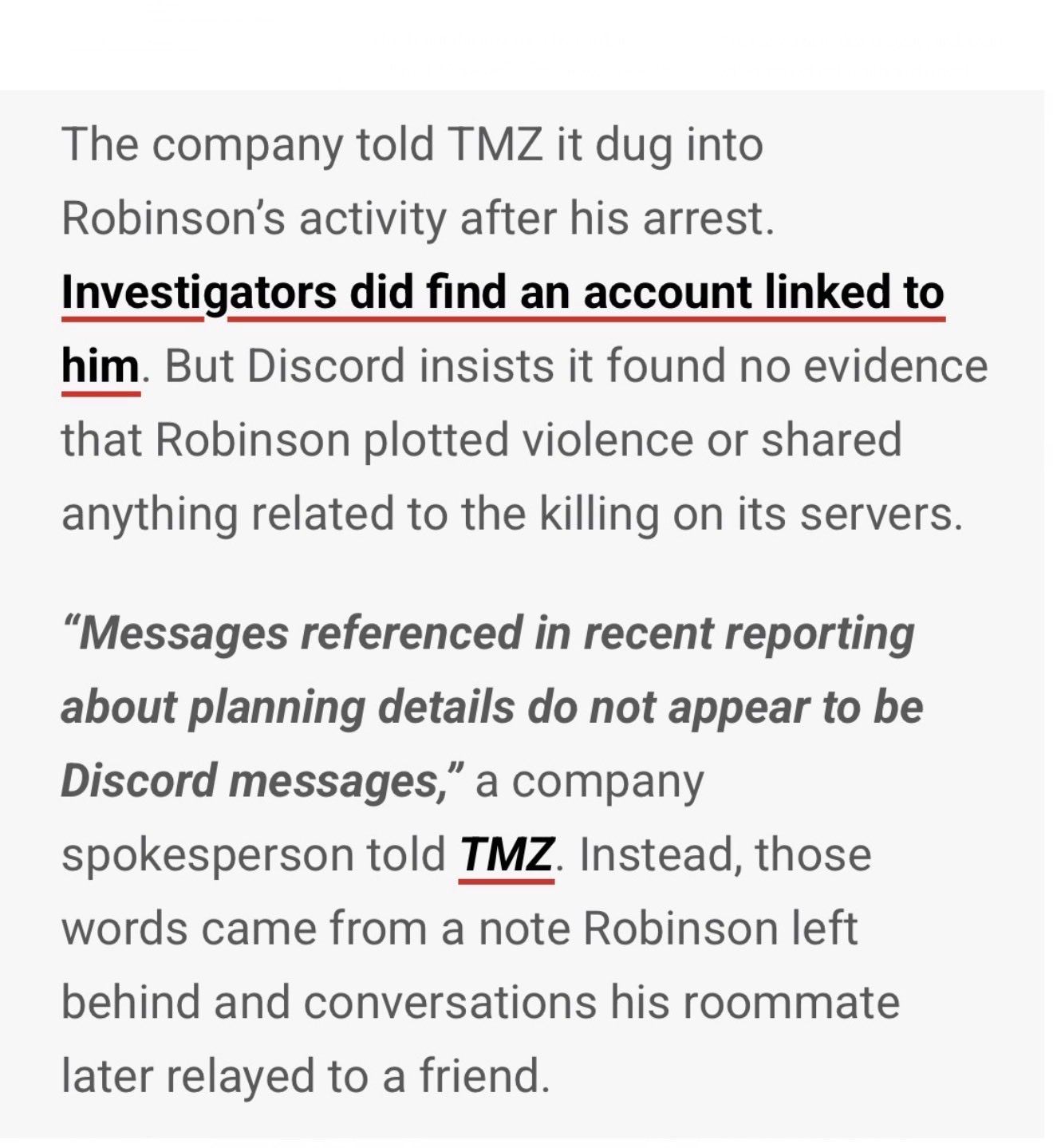
How the press covered the case from first appearance forward: the gag order, the seal motion, the media coalition that fought it, and the contempt motion over an "ample evidence" remark.
Read thisJaxson Thomas Fox — Jailhouse Informant
A jailhouse informant on unrelated charges, transported for possible testimony about an alleged confession. Some commentators read the publicity as a way to keep attention off the ballistics.
Read this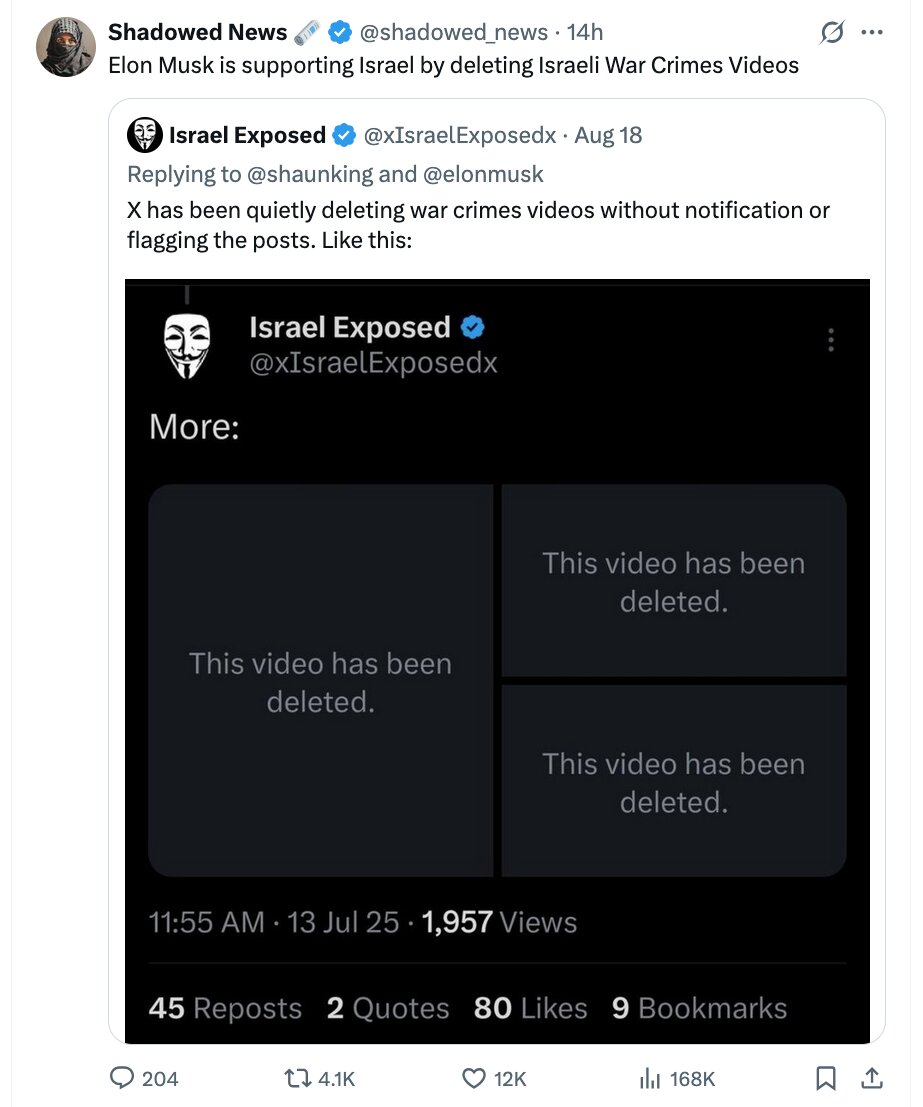
Account bans, a deletion request made to a witness, sealed court records and platform scrubbing — the suppression layer that sits on top of every other thread in this case.
Read thisThis website's author is @HolonCitizen on X and YouTube/@HolonCitizen. Follow me there.
Interesting
- UVU ownership makes the Orem house lease and key records public.
- Brand says cabinet sources described an order barring foreign leads — ODNI.
- A sitting intelligence director says the FBI halted his agency's foreign-nexus inquiry — see U.S. Intelligence.