Ask Churches to Ensure Justice Happens
Overview
This page explores how churches and other faith communities might respond constructively when a public tragedy,
such as the killing of Charlie Kirk, raises hard questions about justice, transparency, and truth.
It reflects themes drawn from compiled research notes that rely on public sources—such as interviews, podcasts,
and posts by commentators including Candace Owens and other independent investigators—but does not claim that any
particular church, denomination, or religious leader is responsible for wrongdoing.
The aim is to suggest ways that faith communities can:
- Support those who are grieving.
- Encourage honest inquiry and non‑violent civic engagement.
- Resist both cynicism and irresponsible speculation.
Roles faith communities can play
Commentary in the project often emphasizes that, in moments of crisis, churches and similar communities can:
- Care for families and community members – Providing pastoral care, counseling, and practical support to those directly affected, including both victims’ families and others impacted by the event.
- Create space for truthful, charitable conversation – Hosting forums, small‑group discussions, or teaching series that help people process grief, fear, and anger without dehumanizing those with different views.
- Model principled concern for justice – Teaching and preaching that affirm the importance of truth‑seeking, fair legal processes, and the protection of the innocent.
These roles are not about endorsing any single theory; they are about embodying the community’s values when public trust is strained.
Encouraging justice without incitement
Materials in the corpus warn against letting intense suspicion turn into harassment, threats, or collective blame.
Faith communities can help by emphasizing that:
- Pursuing justice and truth is compatible with loving one’s neighbor – It is possible to demand transparency and accountability while refusing to target individuals or groups with hatred or violence.
- Allegations must be weighed carefully – Churches can encourage members to distinguish between documented facts, plausible hypotheses, and unverified rumors, and to avoid spreading accusations that are not supported by evidence.
- Prayer and action can go together – Communities can pray for wisdom for investigators, judges, journalists, and citizen‑researchers, while also supporting lawful efforts to improve transparency and oversight.
This approach seeks to channel concern into constructive, rights‑respecting engagement.
Practical steps suggested by commentators
Drawing from themes in the research notes, churches and faith‑based groups might consider:
- Education and media literacy – Helping congregants understand how investigations work, what public‑records laws do, and how to critically evaluate online claims.
- Civic engagement rooted in conscience – Encouraging members, as individuals, to contact representatives respectfully about transparency, due process, and reform proposals like those outlined in Law 1 and Law 2.
- Support for ethical whistleblowing and reform – Affirming that those who, in good faith and within the law, raise concerns about institutional failures should be heard and protected from retaliation.
- Bridge‑building across differences – Creating spaces where people with different political or theological views can grieve together and seek common ground on basic principles of justice.
None of these steps depends on a particular conclusion about who is responsible for any given crime; they reflect a commitment to truth and neighbor‑love regardless of the outcome.
How this connects to other “Fix” topics
This page complements other reform‑oriented discussions:
- Fix Overview – high‑level summary of legal, institutional, and cultural proposals.
- Politicians – ideas about evaluating public officials' records on transparency and oversight.
- TPUSA / TSUSA – suggestions for how organizations can align policies and governance with ethical commitments.
Together, these pages invite readers to think about how law, institutions, and communities of faith might all contribute to more just and trustworthy responses when tragedies occur.
Why Citizen Investigators Say This Reform Matters (X Context)
X and independent coverage of the Kirk case repeatedly surface gaps this page's policy concept would address:
- Faith communities hosting memorials and forums while gag orders and sealed filings limit what congregants can verify from primary sources.
- Demands that churches model truth-seeking without incitement—amplifying documented process questions (paving, ballistics disclosure) without declaring living persons guilty.
- Pastoral care for families and for young people radicalized by unverified social-media claims.
These are policy responses to documented transparency gaps, not findings that any living person committed a crime.
Interesting In This Area
- Discovery reform sets 30-day answers; digital evidence sets a 180-day preservation floor.
- Whistleblower drafts add treble damages; victim families get a named liaison and briefings.
- Conclusion Logic ranks forty proof standards, so congregations can weigh claims before voting.
- Medical transparency and event security both start from records nobody outside has read.
Interesting In Other Areas
- Your actions and voting are the two civic routes this site names.
Images
Other Pages In This Section
Conclusion Logic: Evidence Thresholds
Roughly forty named standards of proof, ranked from beyond a reasonable doubt down to a hunch. Use it to weigh any claim on this site — including the sealed forensic record — against the confidence the evidence actually supports.
Read thisThe forensic record that would settle how Charlie Kirk died has never been opened to independent review. This reform would require a thorough examination, a structured public summary, and a named route for outside experts to see the work.
Read thisLaw 2: Intelligence Disclosure
Which agencies are covered, which products they must surrender, and how narrow the redaction categories get. Redaction is limited by list, and the agency must describe the search it actually ran.
Read thisMost of what the public knows about September 10 exists only as phone video and venue-camera footage. This proposal would freeze that material the moment a covered incident happens, with a minimum 180-day hold and criminal penalties for deletion.
Read thisElsewhere In The Investigation
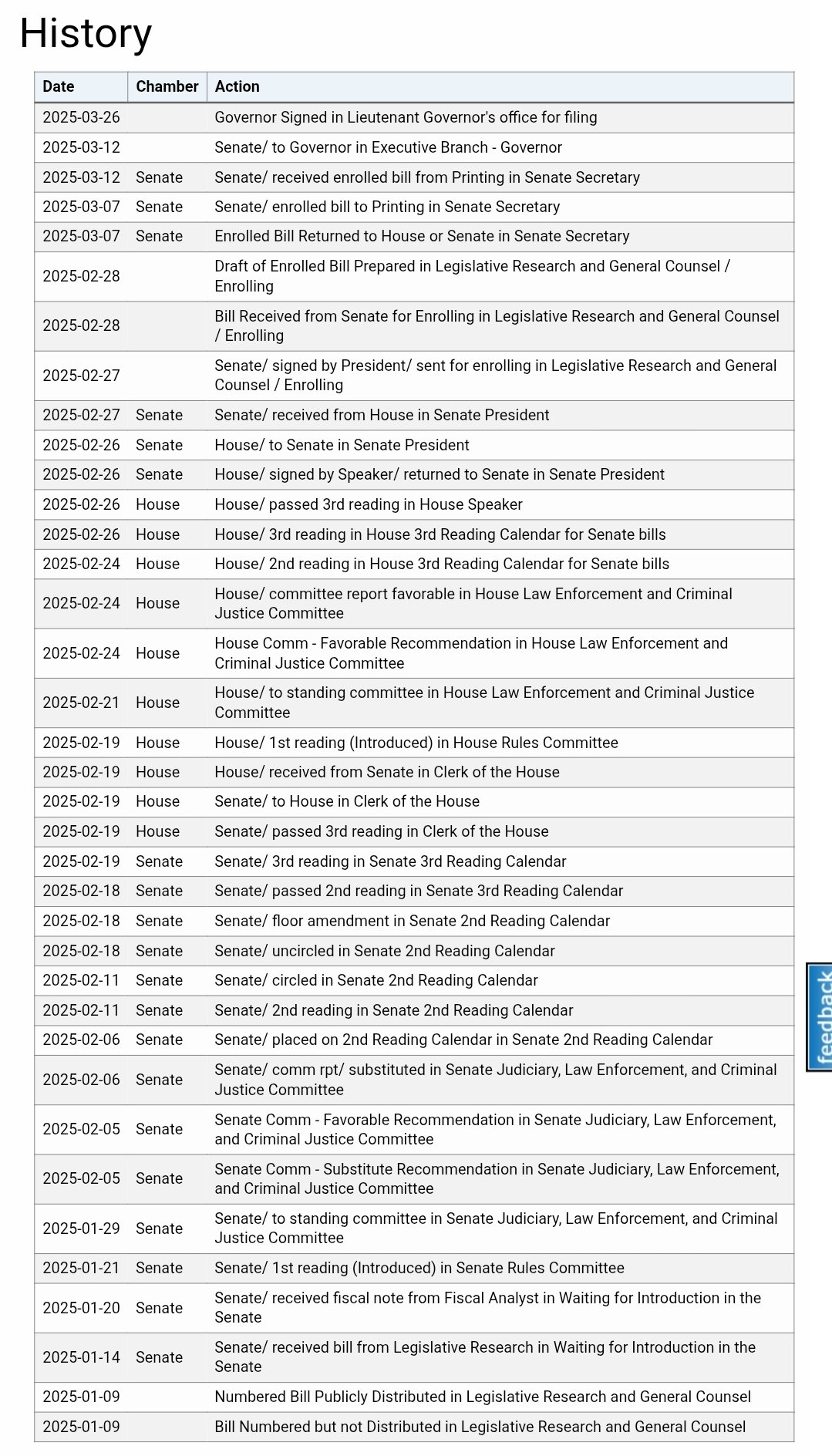
Concrete things one person can do: records requests, contacting representatives, preserving and sharing evidence. It is the shortest route from reading this site to changing anything on it.
Read thisThis website's author is @HolonCitizen on X and YouTube/@HolonCitizen. Follow me there.
Interesting
- Gag orders and sealed filings are why the paving and ballistics record stays unverifiable.
- N1098L very likely did not launch drones — it may have been a training plane, not built out for that. If whoever planned for it to be there knew the crime would happen, that is a path to foreknowledge. We do not claim that is true; we claim it should be investigated.
- One calculation of a small PETN charge fits the reported no-exit wound.
Related Areas
- Media
- People
- Charlie Kirk