Reported Pre‑Event Searches and Reconnaissance (Claims)
Google Trends and OSINT compilations on X argue that UVU layouts, legal actors, medical staff, and people in Charlie's orbit drew unusual search interest months before September 10, 2025. Aggregate data cannot show who searched or why — treat every item as circumstantial.
Overview
This Level_3 page expands on claims about online searches, reconnaissance, and information‑gathering that allegedly occurred in the months before the UVU event. These stories rely heavily on:
- Google Trends screenshots and similar tools,
- OSINT‑style write‑ups on Substack and X/Twitter, and
- Retrospective pattern‑matching that links search topics to people and places later tied to the case.
Because these tools show only aggregate, anonymized interest and not who searched or why, all entries here should be treated as speculative claims, not as proof that any specific individual or organization conducted reconnaissance for a plot.
For deeper timeline context, see Timeline 2024, Timeline 2025, and Reported Israeli Search‑Pattern and IP Activity (Claims).
Early location and building‑related searches (claims)
Citizen‑research timelines often start with location‑focused searches:
- UVU buildings and layout (claims):
- Google Trends charts shared in X threads and Substack posts suggest that in August 2024 and into 2025, there were spikes in searches for terms like “Utah Valley University buildings,” “UVU Rooftop/Gun/Parking/CCTV/Layout/Losee Center,” and similar phrases.
- Some analysts interpret this as evidence of advance scouting or reconnaissance of possible shooter vantage points and surveillance coverage.
- Others note that such searches could also reflect academic or general interest, and that Trends data alone cannot show intent.
- St. George addresses and “assassin’s pad” narratives (claims):
- Threads also highlight repeated search interest in specific St. George, Utah addresses associated with individuals later linked to Tyler Robinson’s social circle, sometimes labeled as an “assassin’s pad.”
- These claims are based on correlations between address names and later reporting, rather than on direct logs.
These patterns are part of a broader argument that key locations were being examined online well before 2025, but they remain circumstantial.
Searches for medical, legal, and security actors (claims)
Another major pre‑event theme involves spikes in interest for medical and legal figures who would later appear in the case:
- Attorneys and judges (claims):
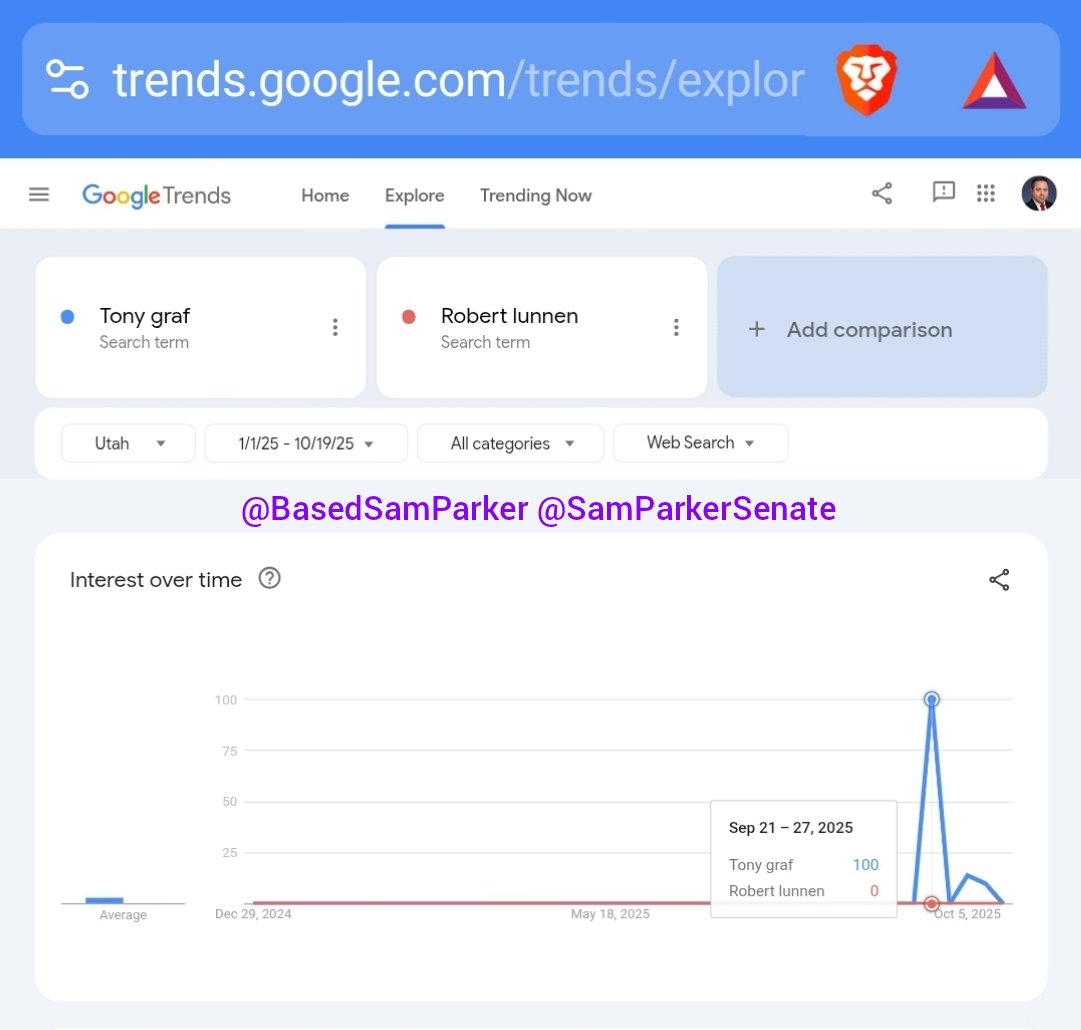
- Google Trends analyses—often highlighted by commentators like Baron Coleman—report a one‑week surge in searches for “Kathryn Nester” (later Tyler Robinson’s defense counsel) between December 8–14, 2024, largely from IP addresses in Israel.
- Other charts reportedly show attention to Utah judges and prosecutors who would later appear in legal proceedings.
- Medical and hospital personnel (claims):
- Aggregated search‑pattern data is also said to show increased interest in:
- Timpanogos Regional Hospital and other Utah medical facilities,
- Specific surgeons and the Utah state medical examiner,
- Related institutions like Intermountain Health and Dixie Technical College.
- Commentators argue this could signal pre‑planning of how a potential shooting and its aftermath would be medically and administratively handled.
- Aggregated search‑pattern data is also said to show increased interest in:
Again, these claims rely on publicly shared Trend graphs, not on any direct evidence of who performed searches or how many individuals were involved.
Targeted searches for people in Charlie’s orbit (claims)
Some timelines emphasize searches for individuals connected to Charlie, TPUSA, or event security:
- TPUSA insiders and allies (claims):
- Threads list names such as Cooper Brown, Dr. Frank Turek, Eric Bolling, Professor Mark Harlin, Jamal Reed, and Jeff Gray, with claims that search interest in these figures rose in mid‑2025 from particular regions, including Israel and Washington, D.C.
- These data points are used to argue that people close to Charlie were being systematically profiled.
- Potential patsies and security personnel (claims):
- Similar analyses mention searches around figures like Hunter Kozak, Phil Lyman, and certain security‑related names, suggesting that both potential scapegoats and key witnesses may have been examined in advance.
- These interpretations are highly inferential and draw heavily on how post‑event narratives have developed.
These person‑focused searches form part of more complex theories about who might have been “on the radar” of unknown researchers before the event.
July 2025 — Timpanogos surgeon search frenzy (claims)
@BaronColeman and related X threads compiled in the master file allege a two-week July 2025 spike (centered ~July 20) in searches for seven emergency surgeons associated with Timpanogos Regional Hospital — the facility that received Charlie after the shooting:
| Name (as cited) | Approx. spike window |
|---|---|
| Steven Neilman | July 18 |
| Robert Patterson MD | July 23–24 |
| Lee Trotter / Lee Patterson | July 19 |
| Brian Gill | July 22 |
| Richard Rasmussen | July 14 |
| William Pugh | July 30 |
Commentary asks why Israel-IP-weighted Trends charts allegedly clustered on pre-hospital personnel weeks before UVU. See Google Searches — Timpanogos and Medical Timpanogos. Correlation is not causation.
Political-figure search spikes (July 2025)
Master-file Political Hits notes cite July 2025 Google-interest bumps for Phil Lyman, Phil Lyman + Tiffany Barker + LDS, Derek Maxfield, Mike Mitchell Utah, and Rick Cutler — names that later appear in witness and distraction threads. Documented as OSINT claims only.
July 18 — Utah decision note (commentary)
Timeline commentary in Charlie_Kirk.txt states it "looks like a decision to murder Charlie Kirk in Utah was made around July 18th" — an interpretive milestone, not a court finding. It is grouped here with reconnaissance theories because some analysts tie it to May–July UVU search spikes; see Before Investigation Index.
Pre-event visitor claims (checklist)
Strange-events checklist items (unverified) allege unusual visitors with out-of-state plates contacted the official suspect before 9/10 and "did not give off a good vibe." No mainstream confirmation; cross-link Tyler Robinson Recruited.
How to interpret pre‑event search and recon claims
When evaluating these pre‑event search and reconnaissance ideas:
- Recognize data limitations: Aggregate search tools cannot reveal who searched or their motives, only that interest in a term fluctuated over time and geography.
- Beware hindsight bias: Once an event occurs, there is a strong temptation to see any earlier interest in related terms as predictive or conspiratorial, even when it might not be.
- Distinguish correlation from causation: Elevated search interest around people and places later tied to a case can be coincidental, driven by unrelated factors, or reflective of broader political/media attention.
Within the Before section, these claims serve to illustrate why some investigators believe the UVU event was preceded by sustained research and planning. They do not, on their own, demonstrate that any specific person, group, or country conducted or directed reconnaissance with criminal intent. Former NCTC director Joe Kent has said on the record that online pre-knowledge of the assassination — people posting that Charlie Kirk would die that day — suggests "more than likely there's something else at play," and that his center's review of such leads was halted before they were run to ground.
Laws (Charlie Kirk)
- The deleted Google search records behind the recon claims and the subscriber identities behind the Israel‑IP searches for Kathryn Nester and NSA SIGINT logs on who profiled TPUSA insiders are things that the Charlie Kirk Investigation Laws may result in powerful truths coming out that aren't out yet.
Citizen Investigator Claims on X (2026 research)
:::note Attribution The claims below come from public X/Twitter posts, hearing notes, and citizen-investigator commentary captured in mid-2026 research. They are not court findings. Living persons are presumed innocent. The site does not assert that any living person planned or carried out Charlie Kirk's death. :::
Focus of this page
Google Trends recon claims — UVU layout spikes, Kathryn Nester Dec 2024, Timpanogos surgeon July frenzy, political-figure hits, July 18 Utah note, Tyler visitor checklist — circumstantial OSINT.
Claims and discussions circulating (do not treat as proven)
Google Trends UVU layout spikes; Kathryn Nester Dec 2024; Timpano recon claims.
Cross-cutting X signals that touch this topic
- Pre-event donor pressure (as reported): Candace Owens publicized private messages (authenticity discussed with TPUSA spokesman Andrew Kolvet in mainstream commentary) in which Charlie reportedly wrote ~48 hours before Sept 10 that donor pressure was "leaving me no choice but to leave the pro-Israel cause," and that he had lost a major donor after refusing to cancel Tucker Carlson. These are private-text claims, not a formal public policy renunciation, and they do not establish who fired any shot.
- July 2026 preliminary hearing: Citizen live-notes and press describe defense challenges to FBI DNA methods and ATF ballistics (including inconclusive comparisons widely discussed online), plus multi-agency testimony on the Sept 11 surrender chain.
- Information control: Threads continue on gag orders, Ryne Simmons video, platform deboosting, and rapid crime-scene paving (Lead Investigator Hull reportedly learned of paving via news, per circulating hearing notes).
- Counter-claims: Other accounts insist surveillance, DNA, texts, and admissions support a lone-actor charging narrative and treat foreign-intel theories as unsubstantiated. Present both sides; Tyler Robinson is charged, not convicted.
Open questions raised by investigators
- What primary documents (GRAMA, work orders, unredacted orders, bodycam) would resolve disputes on this page's core claims?
- Which circulating posts have independent corroboration vs single-source amplification?
- How do July 2026 hearing exhibits (when unsealed or accurately transcribed) change the weight of earlier X threads?
Deeper related reading: After overview · CoverUp overview · FBI overview · Fix Laws.
Interesting In This Area
- GRAMA records show Orem sent UVU the ticket link a week early.
- The pressure chronology puts the Hamptons weekend three weeks after these July spikes.
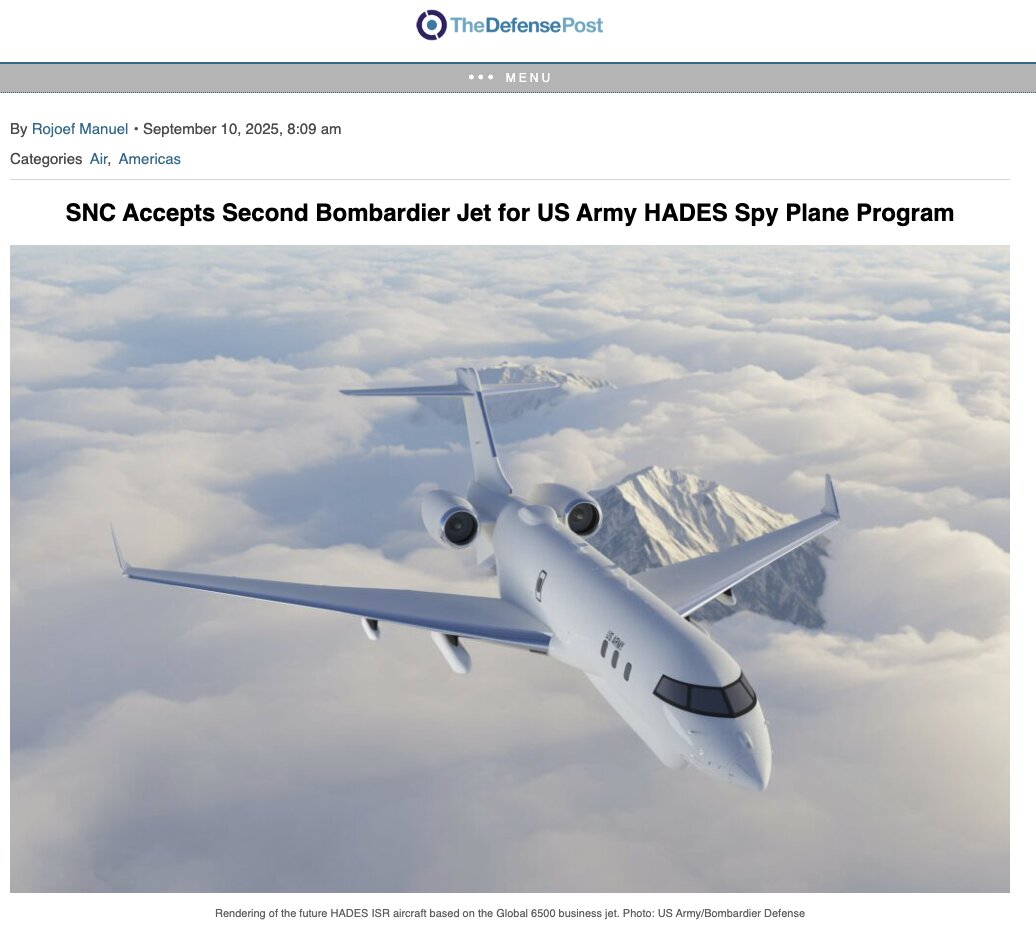
- Aircraft threads and diplomatic threads both ask who was in Utah early.
- The investigation index routes each research query slot to the page holding it.
Interesting In Other Areas
- Kathryn Nester reportedly spiked from Israeli IPs nine months before the shooting.
- The same Trends screenshots cover Utah judges, attorneys and hospital staff.
- Charlie was taken to a Level IV hospital rather than the nearby Level II center.
- Claims that Robinson was watched for months rest on the same aggregate method.
Other Pages In This Section
State Department and Diplomatic Response (Claims)
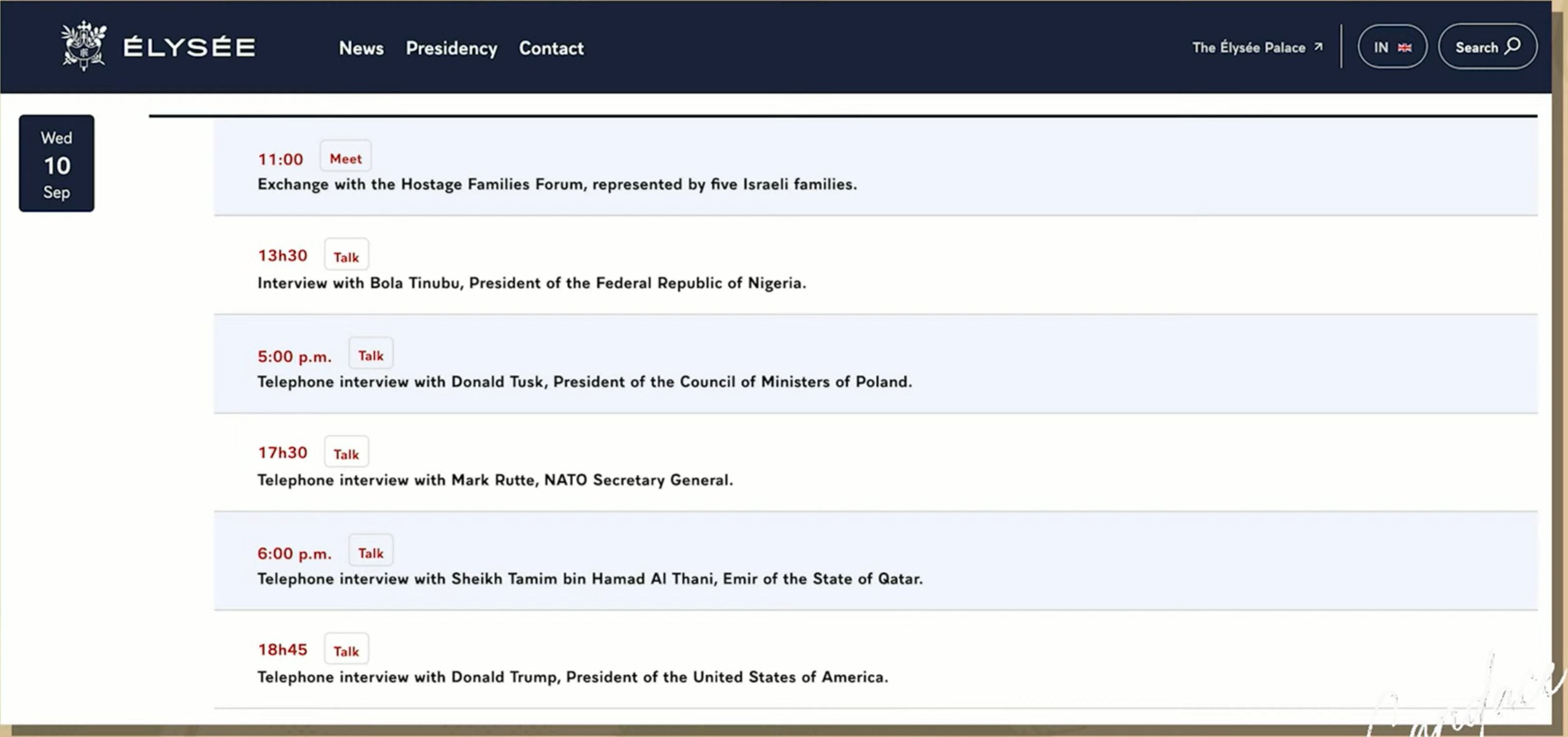
Visa revocations, CBP entry-and-exit requests and diplomatic-immunity questions, set beside the Egyptian jet reported near Provo from September 4. These are transparency questions about who was on Utah soil, not allegations that any agency scheduled anything.
Read thisMAGA Movement and Antisemitism Debate (2025)
Two frames collide over one July 2025 argument: organizers describing antisemitism inside MAGA, and Kirk-skeptic voices describing a "woke-right" label used to shut down foreign-policy debate. The reported attendee lists come from reconstructions, not a released transcript.
Read this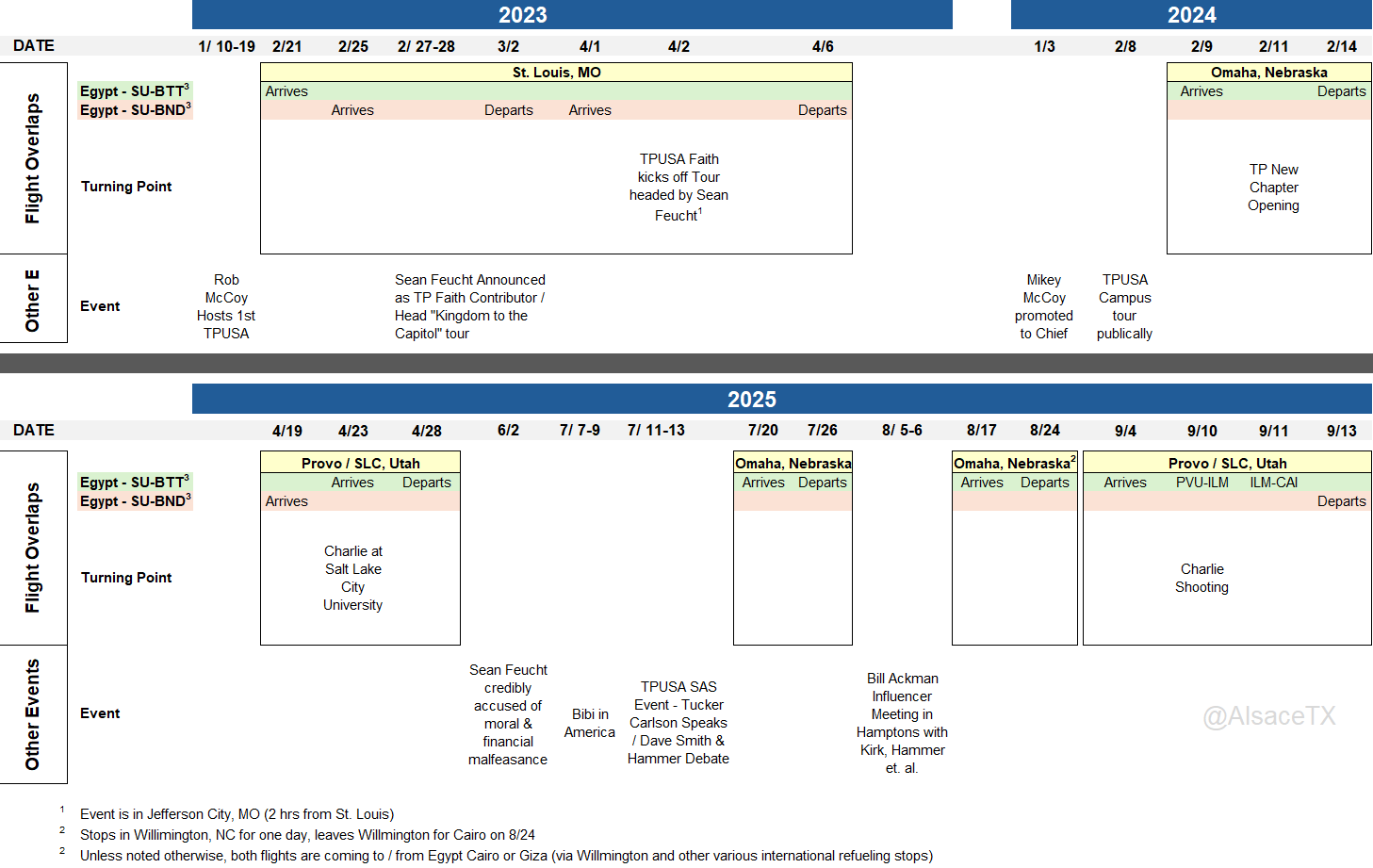
The whole pre-September 10 map in one place: GRAMA warnings, the July 31 session, the Hamptons weekend, search spikes and aircraft. It is explicit that none of it proves any attendee ordered violence — it shows what was already in motion.
Read this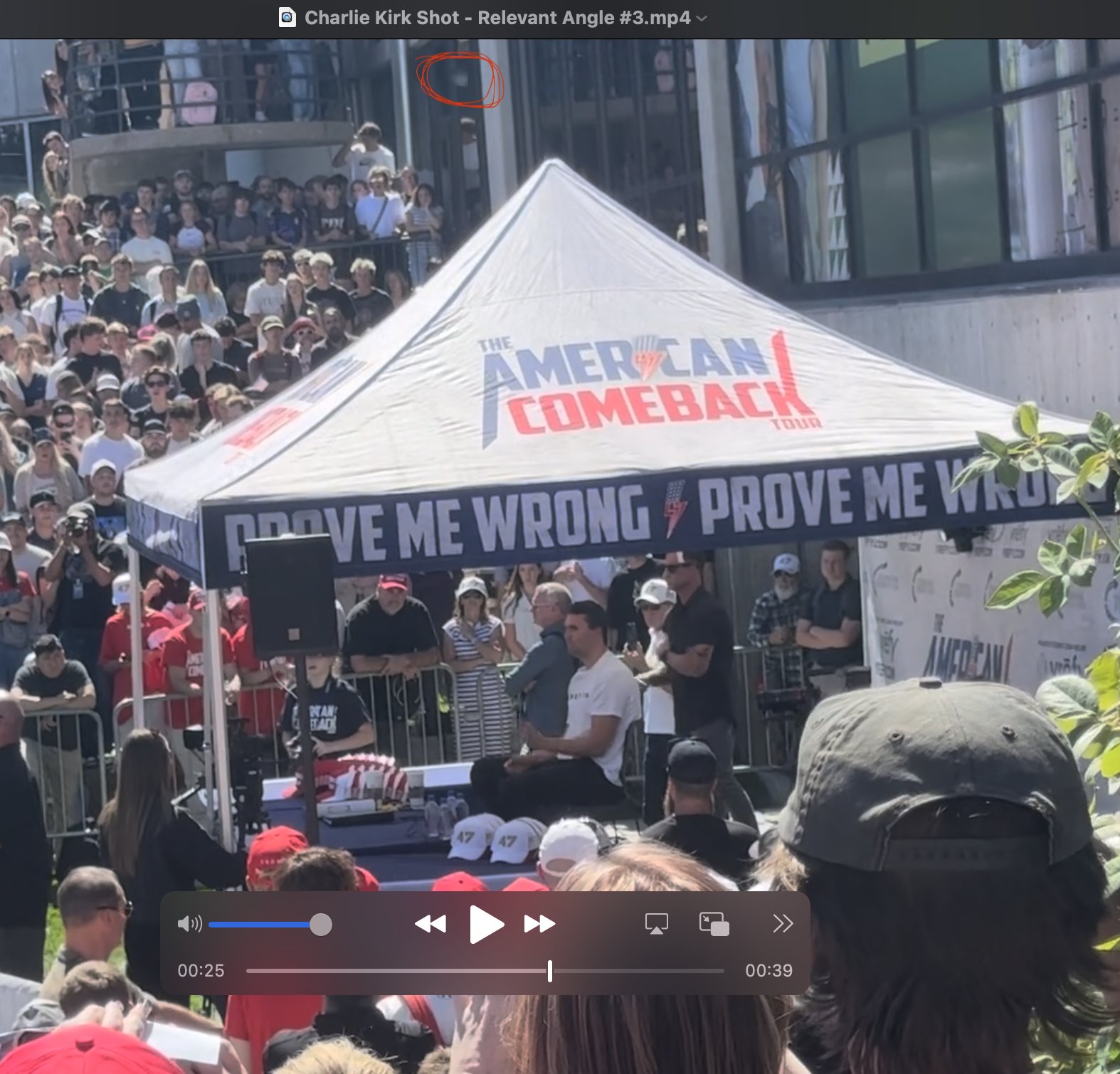
2025 Political Pressure and Key Meetings Before UVU (Claims)
The densest reported chronology on the site: June's Iran advice, the July 31 session, the Hamptons weekend, the early-September break, and the September 9 texts. Every meeting is reconstructed from commentary rather than transcripts, and no attendee is accused here of any crime.
Read thisElsewhere In The Investigation
Kathryn Nester — Dec 2024 Israel Spike
Citizen researchers report a one-week Trends surge for the suspect's future capital defense counsel in December 2024, nine months before the shooting, attributed in posts to Israel. Trends cannot identify a searcher, which is precisely why the timing is the whole argument.
Read this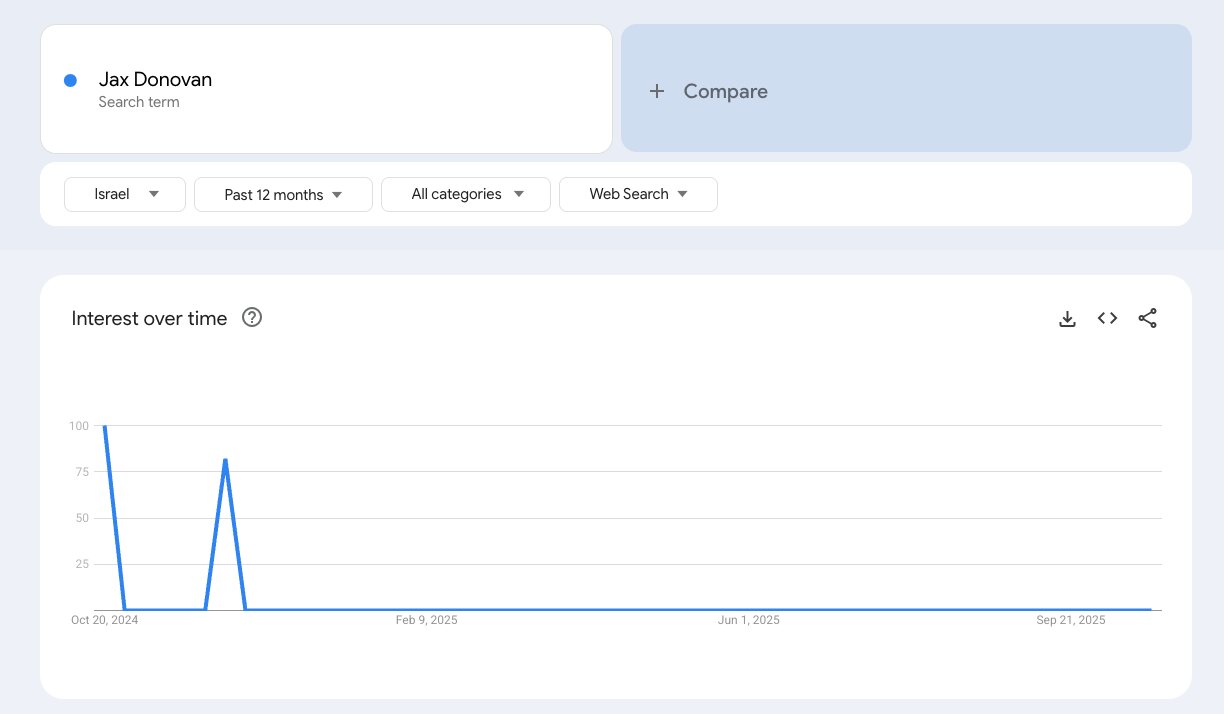
Reported Israeli Search-Pattern and IP Activity (Claims)
The collected Trends screenshots claiming Israel-weighted interest in Utah judges, attorneys, surgeons and locations across 2024 and 2025. Aggregate interest data is suggestive and highly speculative, and the page says so before the first chart.
Read this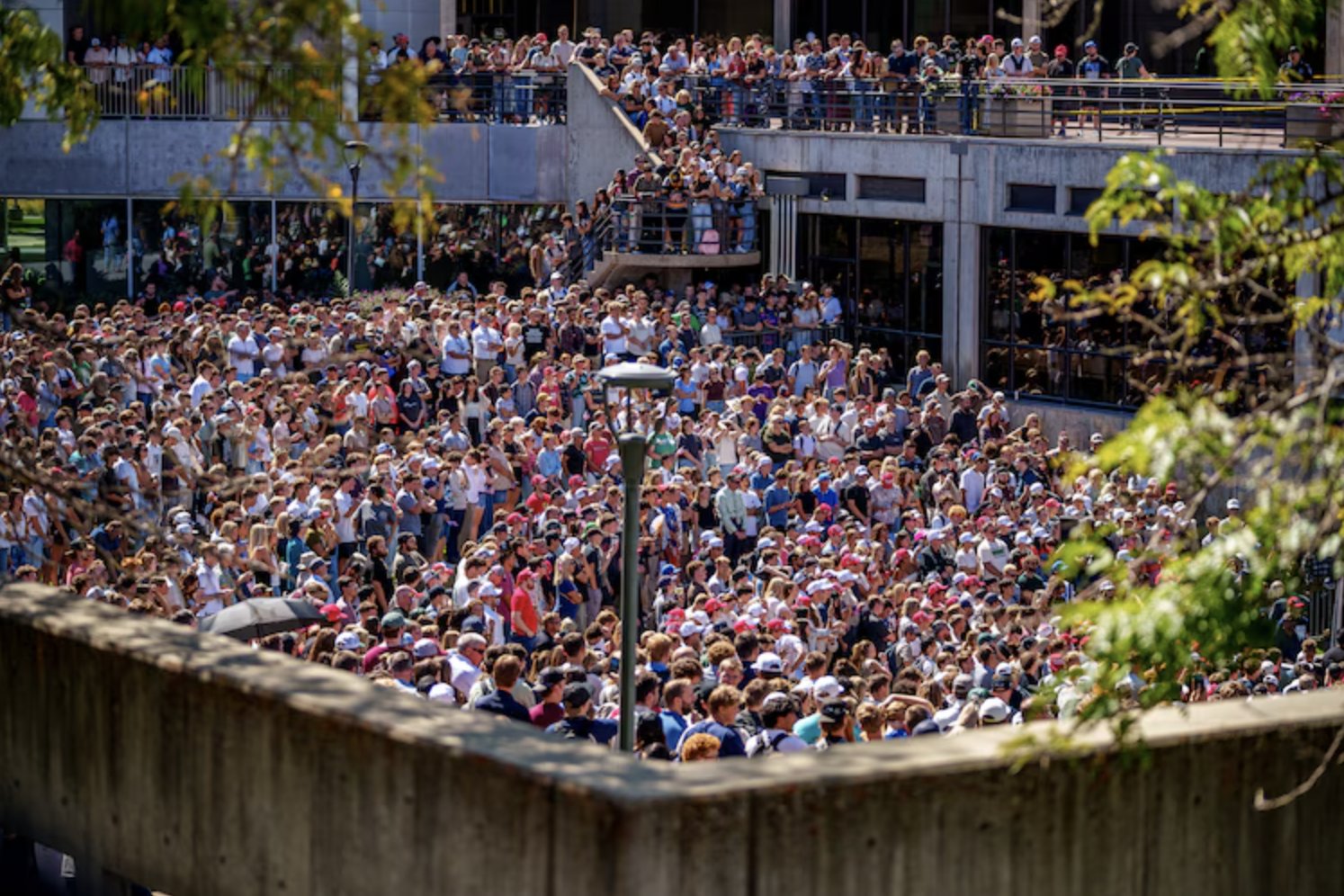
Charlie Kirk was taken to a Level IV trauma hospital about 2.6 miles away rather than the Level II center in Provo. That routing choice is a central medical-process question, and no claim is made that any hospital employee did anything wrong.
Read thisClaims that the charged suspect's online footprint was being watched for months before September 10, gathered alongside the arguments against them. He is charged, not convicted, and everything here is unverified commentary.
Read thisThis website's author is @HolonCitizen on X and YouTube/@HolonCitizen. Follow me there.
Interesting
- Two men reportedly warned a UVU office about "a plan" at 10:35 PM on Sept 9.
- A former TPUSA representative alleges on camera he was probed about Israel.
- A surveillance cut burned-in at 12:23:35 PM pins the roof-figure sequence to seconds.
Related Areas
Related
Images