Reported Israeli Search‑Pattern and IP Activity (Claims)
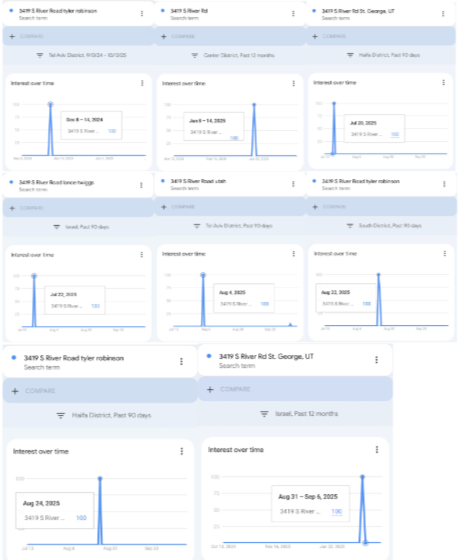
Overview
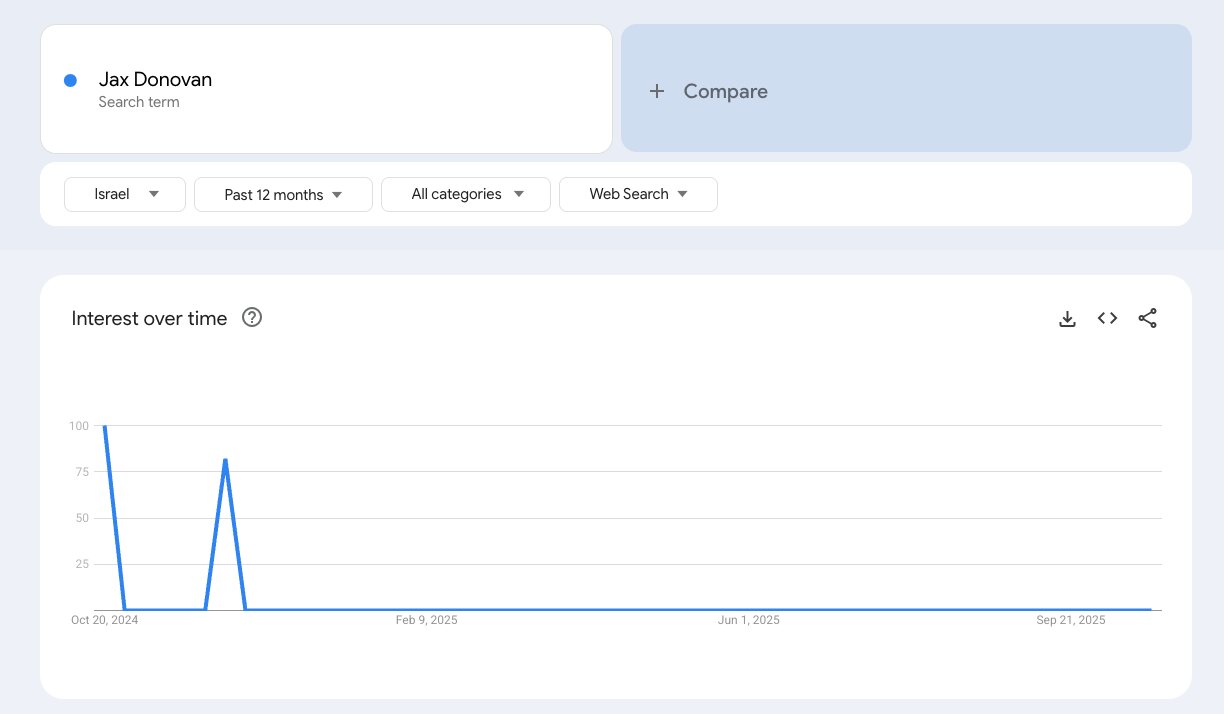
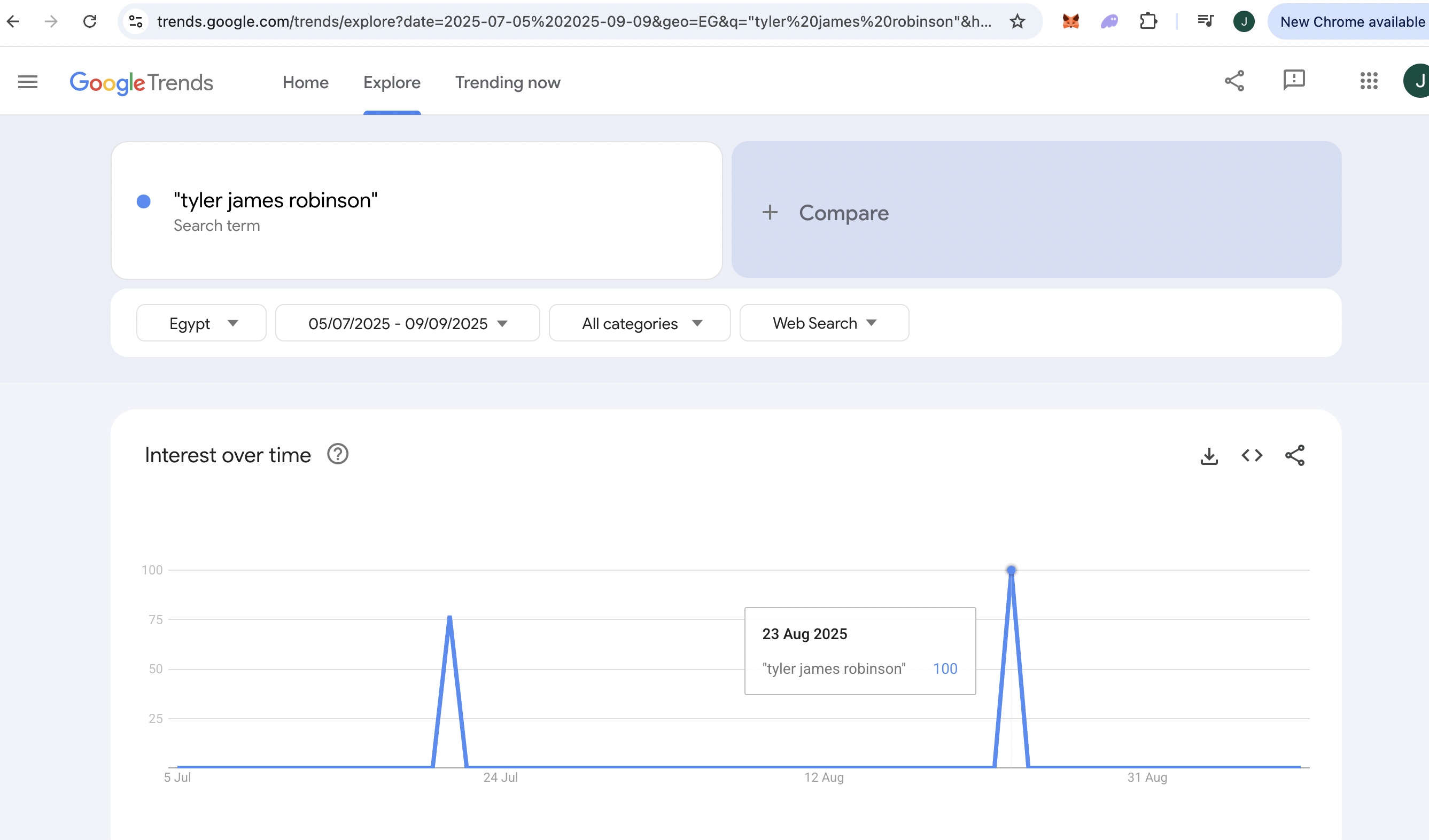
This Level_3 page summarizes claims about Google Trends spikes and other search‑pattern data involving IP addresses in Israel that have been circulated by citizen‑researchers. These claims appear in X/Twitter threads, YouTube explainers, and Substack essays that share screenshots of aggregate interest over time for various names and locations.
Because tools like Google Trends show only aggregate, anonymized interest levels, and do not identify individual users or intent, the patterns described here should be treated as suggestive but highly speculative, not as proof that specific Israeli individuals or institutions planned or directed any crime.
For broader context, see Timeline, Motive, and Israel.
Reported spikes for case‑related figures and locations (claims)
Commentators who have examined Google Trends and similar tools report a series of spikes or elevated interest from Israeli IPs around 2024–2025, illustrated via screenshots:
- Legal and medical actors (claims):
- Threads and Substack posts claim that searches from Israel rose for figures such as:
- Kathryn N. Nester (Tyler Robinson’s later defense counsel),
- Utah DPS Commissioner Beau Mason,
- The Utah state medical examiner and specific surgeons at Timpanogos Regional Hospital.
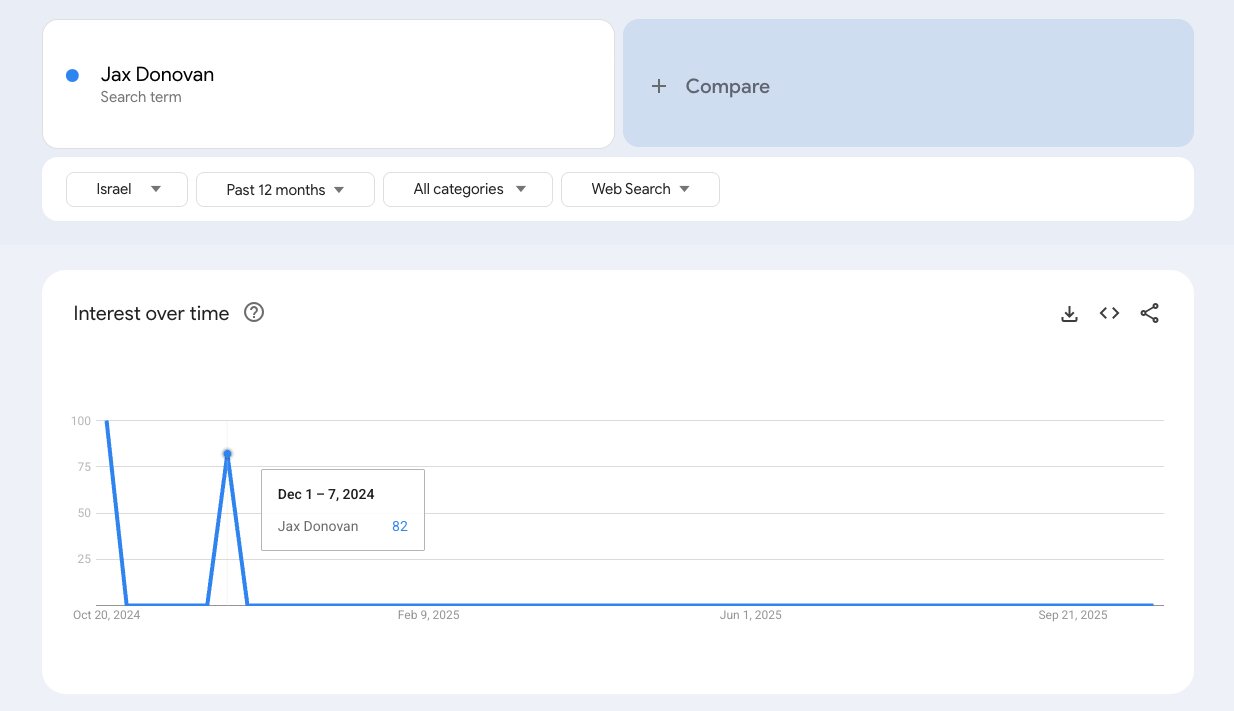
- One widely circulated narrative notes a spike in searches for Kathryn Nester during the week of December 8–14, 2024, and frames this as unusual advance interest in a future defense attorney.
- Threads and Substack posts claim that searches from Israel rose for figures such as:
- Key locations and institutions (claims):
- Google Trends screenshots are also used to argue that searches from Israel increased around:
- Utah Valley University buildings and layouts (e.g., “UVU Rooftop/Gun/Parking/CCTV/Layout/Losee Center”),
- Timpanogos Regional Hospital, Intermountain Health, and Dixie Technical College,
- Addresses associated with individuals later connected to the case.
- These are interpreted by some as reconnaissance‑style interest in potential sites and actors.
- Google Trends screenshots are also used to argue that searches from Israel increased around:
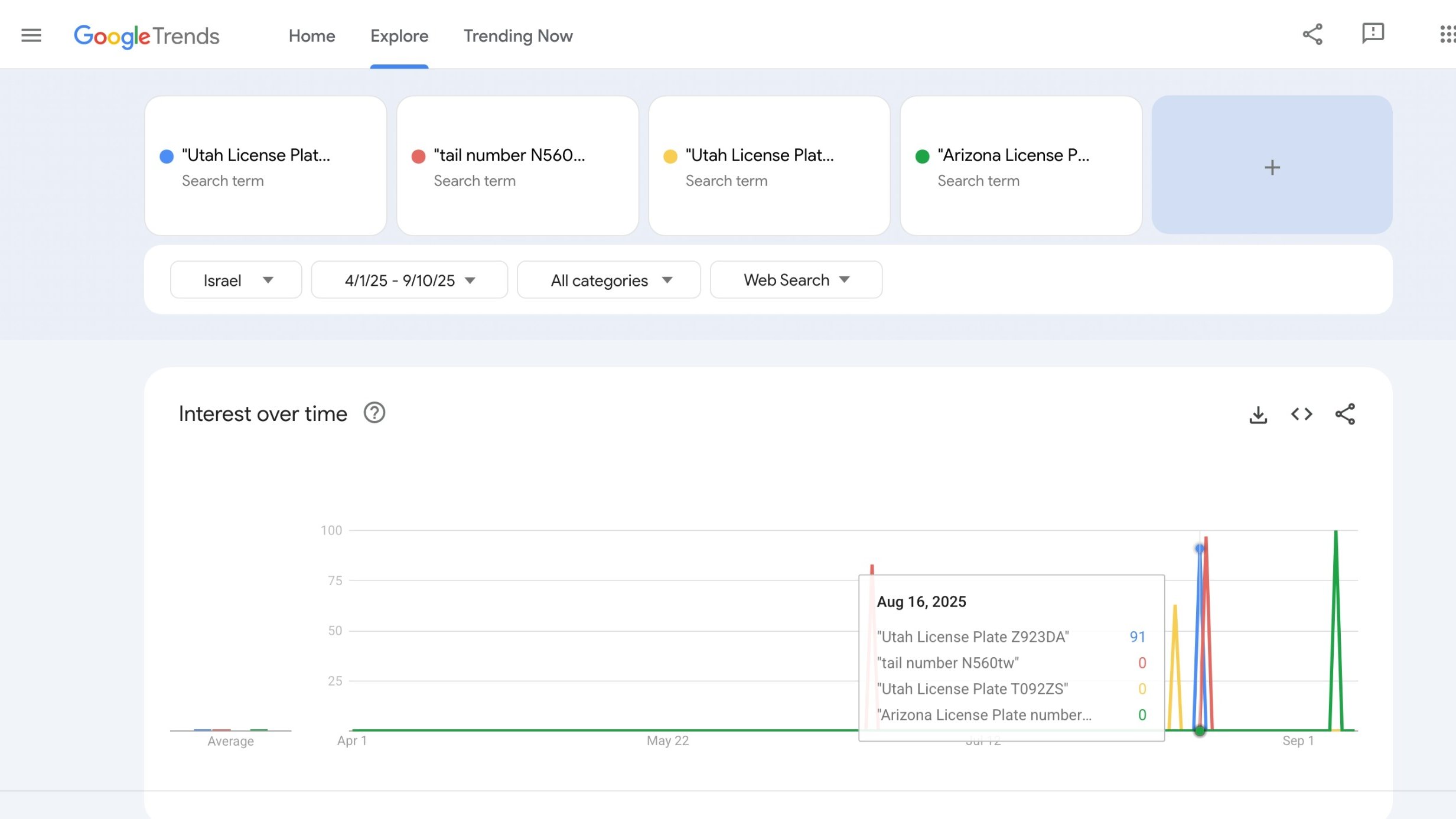
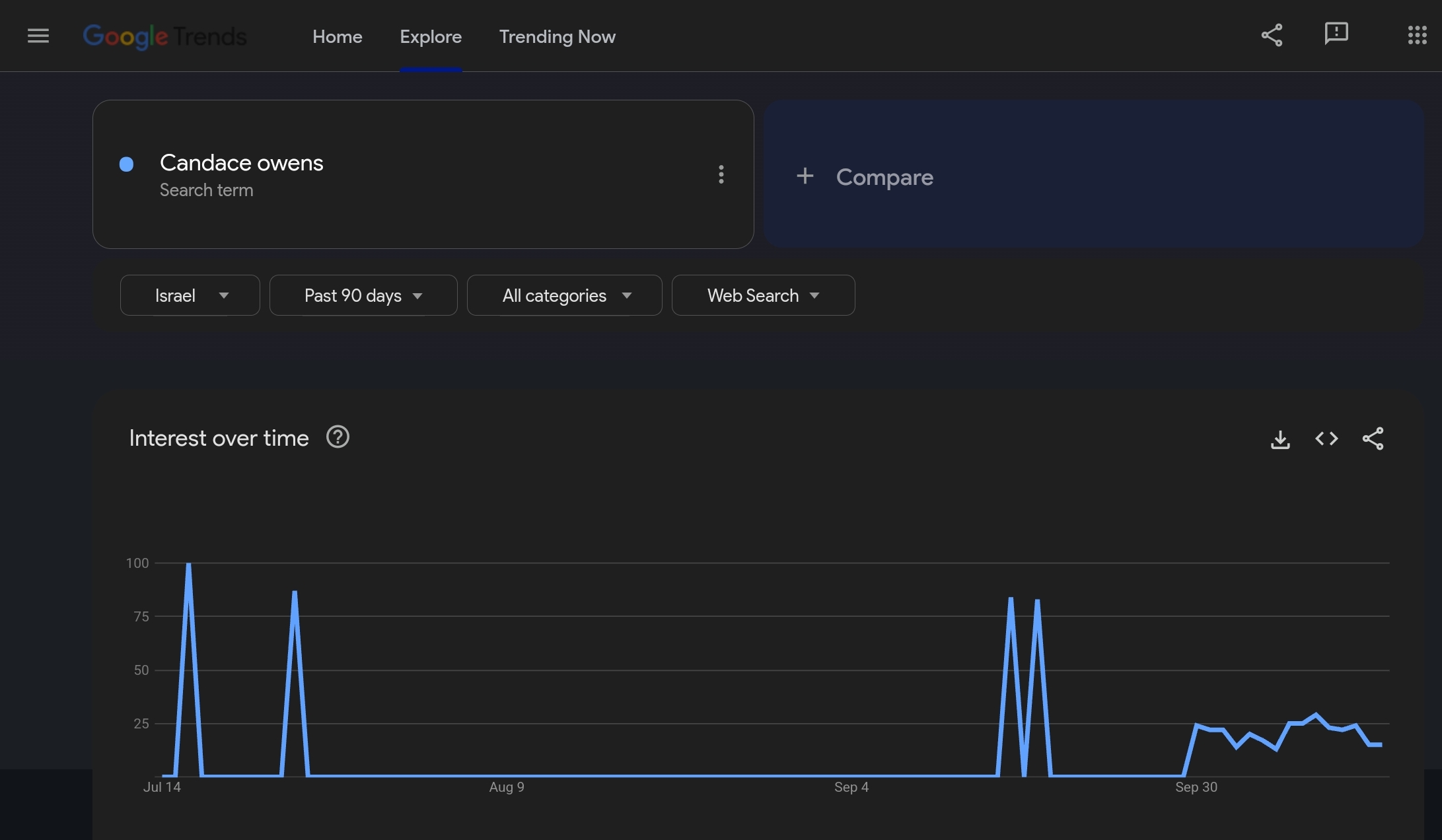
These observations are based entirely on aggregate search‑interest charts and cannot, on their own, identify who conducted the searches or why.
N1098L, aircraft, and Israeli‑IP interest (claims)
Some research threads tie aircraft‑related search patterns to Israeli IPs:
- N1098L / HADES jet (claims):
- As discussed in Planes and N1098L Spy Plane, N1098L is a Bombardier Global 6500 linked to the U.S. Army’s HADES ISR program.
- Google Trends screenshots shared by investigators claim that searches from Israel for “N1098L” spiked around August 8, 2025, several weeks before the UVU event, and that this may indicate pre‑event interest in the jet.
- Israel/Egyptian aircraft and related terms (claims):
- Similar analyses suggest Israeli‑origin search spikes around Israel/Egyptian tail numbers (such as SU‑BTT), certain Utah political figures, and contractors mentioned in flight or construction narratives.
These connections are interpretive: they show that people in specific regions searched for certain strings, but they do not reveal who those people are or whether those searches were related to any violent plan.
How commentators interpret these patterns (claims)
Citizen‑researchers use these search‑pattern claims to support broader narratives, for example:
- That a single user or small group in Israel may have been systematically researching key people, places, and logistics connected to the case months before the event.
- That the clustering of search spikes around mid‑July 2025 (for hospitals, law‑enforcement officials, TPUSA insiders, and UVU facilities) suggests advance planning for both the incident and its aftermath.
- That the same patterns echo previous alleged “playbooks” in other high‑profile events, reinforcing suspicions of foreign intelligence involvement.
These are interpretations, not empirically proven conclusions. They rely heavily on correlation and timing rather than on direct evidence of coordination or intent.
Cautions and limitations of search‑pattern evidence
When evaluating claims about Israeli search‑pattern data:
- Aggregate data cannot identify individuals: Google Trends and similar tools show relative interest over time, not who searched or why. A spike at “100” could represent a small number of highly engaged users.
- Correlation is not causation: The fact that interest in a person or term rises before an event does not, by itself, show planning or involvement; it could reflect general news interest, research, or unrelated reasons.
- Risk of unfair inferences: Emphasizing that searches originated from “Israeli IP addresses” can inadvertently conflate individuals, VPN users, and entire communities or states, which raises fairness and defamation concerns if treated as proof of guilt.
For these reasons, this page presents Israeli-origin search-pattern claims as one type of circumstantial context cited by some investigators, not as hard evidence that any Israeli person or institution was responsible for killing Charlie. Readers should cross-reference Timeline, Motive, and Planes to see how these claims fit into, and are challenged within, the broader discussion.
Laws (Charlie Kirk)
- Google's actual search-log records behind those Israeli-IP spikes and NSA SIGINT queries on the same names and tail numbers and CBP entry records for Israeli nationals are things that the Charlie Kirk Investigation Laws may result in powerful truths coming out that aren't out yet.
X Discourse and Hearing-Era Claims (Attributed)
For Reported Israeli Search‑Pattern and IP Activity (Claims), citizen investigators on X continue to circulate: (1) Carlson's characterization that friends believe Israel-views shifts explain the murder; (2) SIGINT-style 12–16 Israeli-registered phone claims at UVU and Bumblehive deanonymization stories; (3) Grim Beeper / PETN capability analogies; (4) Kent foreign-lead blockage; (5) donor-text and Hamptons-pressure narratives; (6) aggressive counter-posts branding foreign-blame theories as antisemitic blood libel.
None of the above is a court finding that Israel, Mossad, or any named Israeli or Jewish person killed Charlie Kirk. Proximity of phones, donor disputes, and capability demonstrations are investigative questions. Officially, prosecutors present a domestic lone-suspect case against Tyler Robinson (charged, not convicted).
Primary cross-links: foreign leads, NSA cellphones, motivation, Killer Israel/Mossad theory.
Interesting In This Area
- A separate chart covers one Orem address, flat except April 2022.
- Searches for the tail number N1098L reportedly spiked from Israel on August 8, 2025.
- Trends shows relative interest only; the presence page warns against conflating VPN users with states.
- The same dataset feeds the Islamabad thread and the investigation index.
Interesting In Other Areas
- The December 2024 Nester surge came nine months before she had a client.
- Robinson's lead capital attorney is court-appointed, a routine process the page refuses to treat as sinister.
- Campus strings — rooftop, parking, CCTV, Losee Center — are claimed from August 2024.
- N1098L is a Bombardier Global 6500 flown by an Army ISR contractor.
Images
Other Pages In This Section
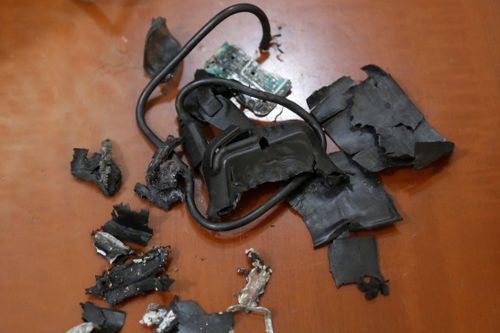
Capability context and nothing more: what the service is, why commentators name it, and why being able to do something is not evidence of having done it.
Read thisTucker Carlson on Evolving Israel Views
Carlson appeared on Kirk's show less than 24 hours before UVU, and later said on camera that he believes the killing was about Kirk's evolving Israel views rather than the culture-war fights. His reported belief, not a court finding.
Read this
Threat to Western Politicians Over Iran War
An archival clip in which Western politicians who block an Iran war are told they "will fall." Asked directly what he meant, the speaker answered elections — the part most reposts leave out.
Read thisElsewhere In The Investigation
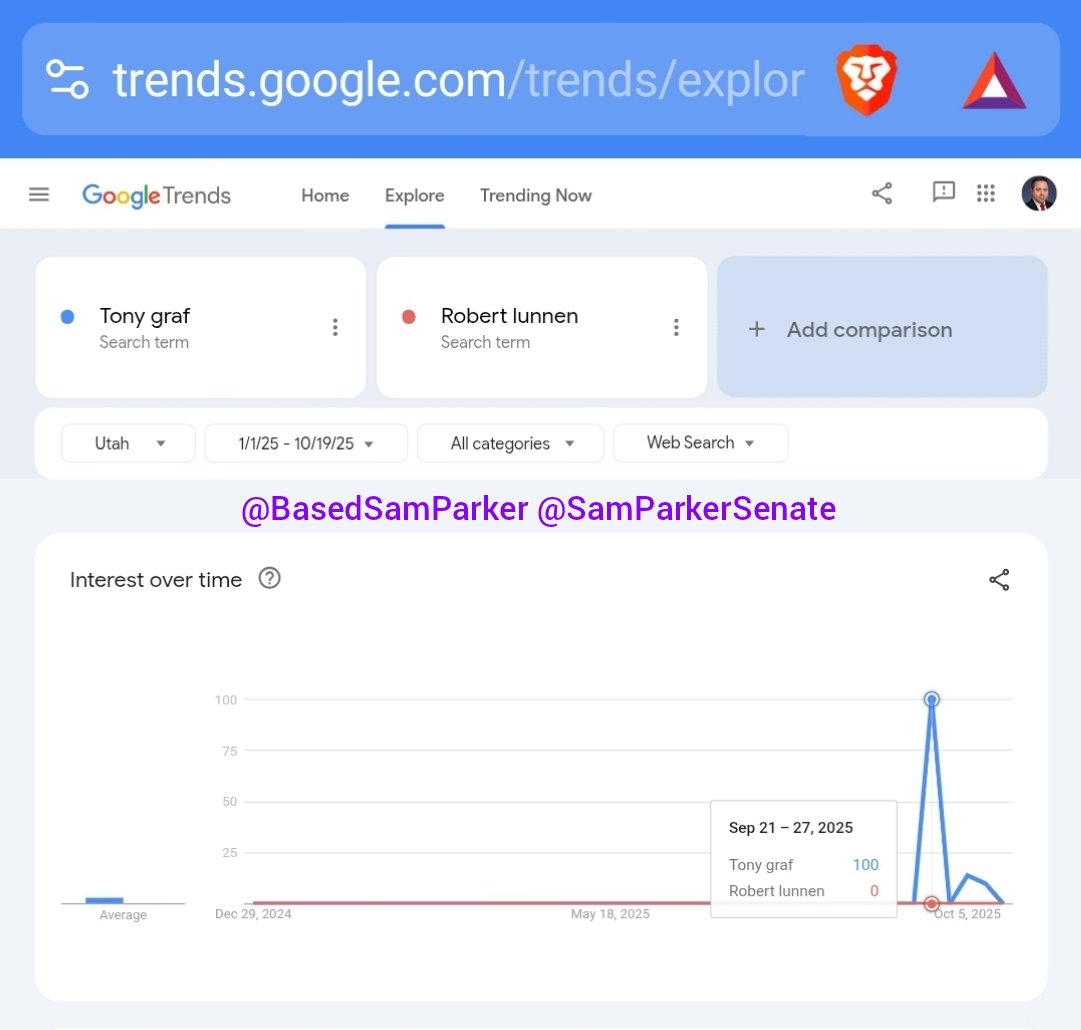
Kathryn Nester — Dec 2024 Israel Spike
A one-week surge in December 2024 for a Utah defense attorney — nine months before there was a case for her to defend. The page keeps the timing question and refuses the accusation: court-appointed capital counsel is a routine process.
Read this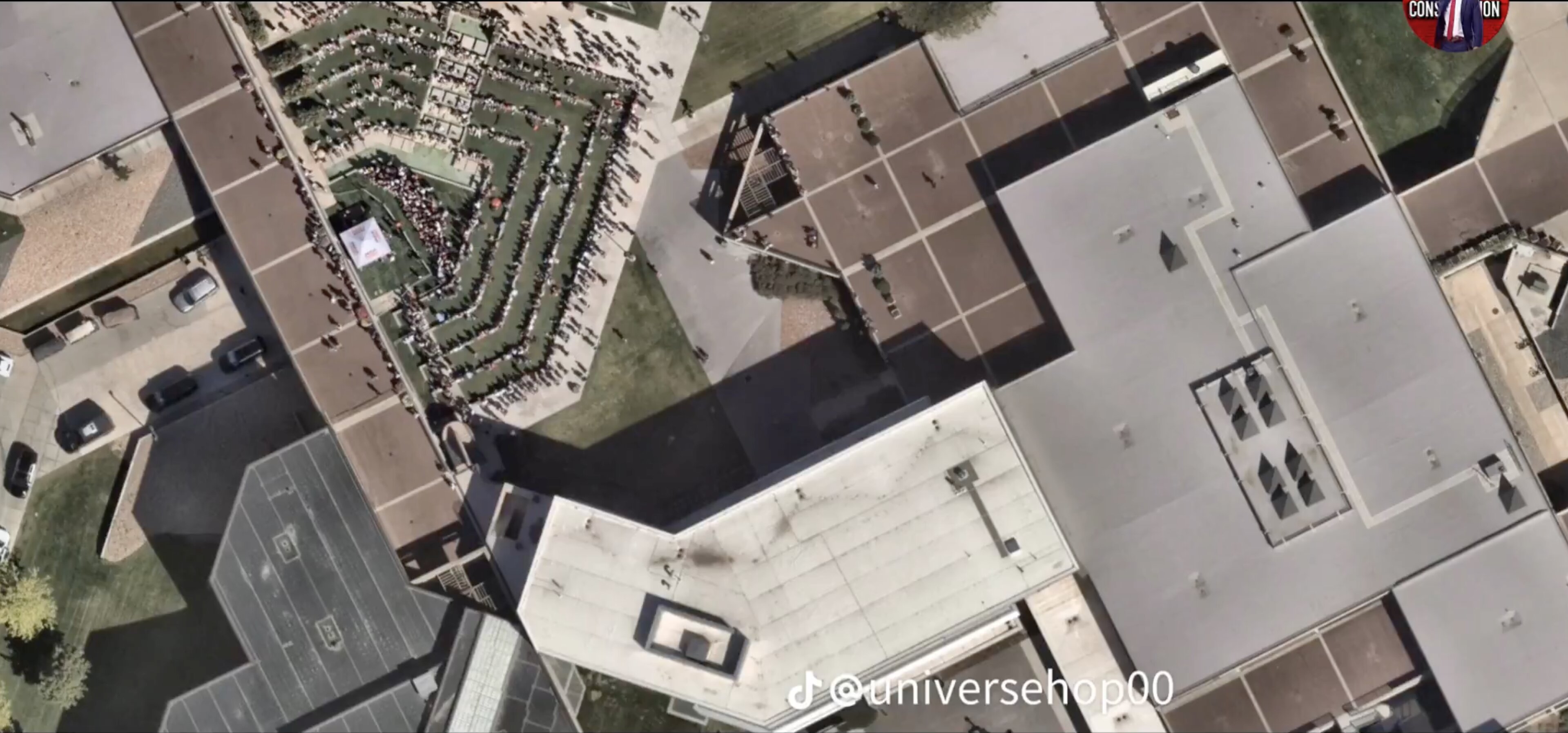
Foreign Search IP Patterns (Claims)
Alleged Israeli and Washington IP search spikes on the campus layout, the hospital, the judges and defense counsel — weeks or months before September 10. Unverified; log-level records would settle it in one line.
Read this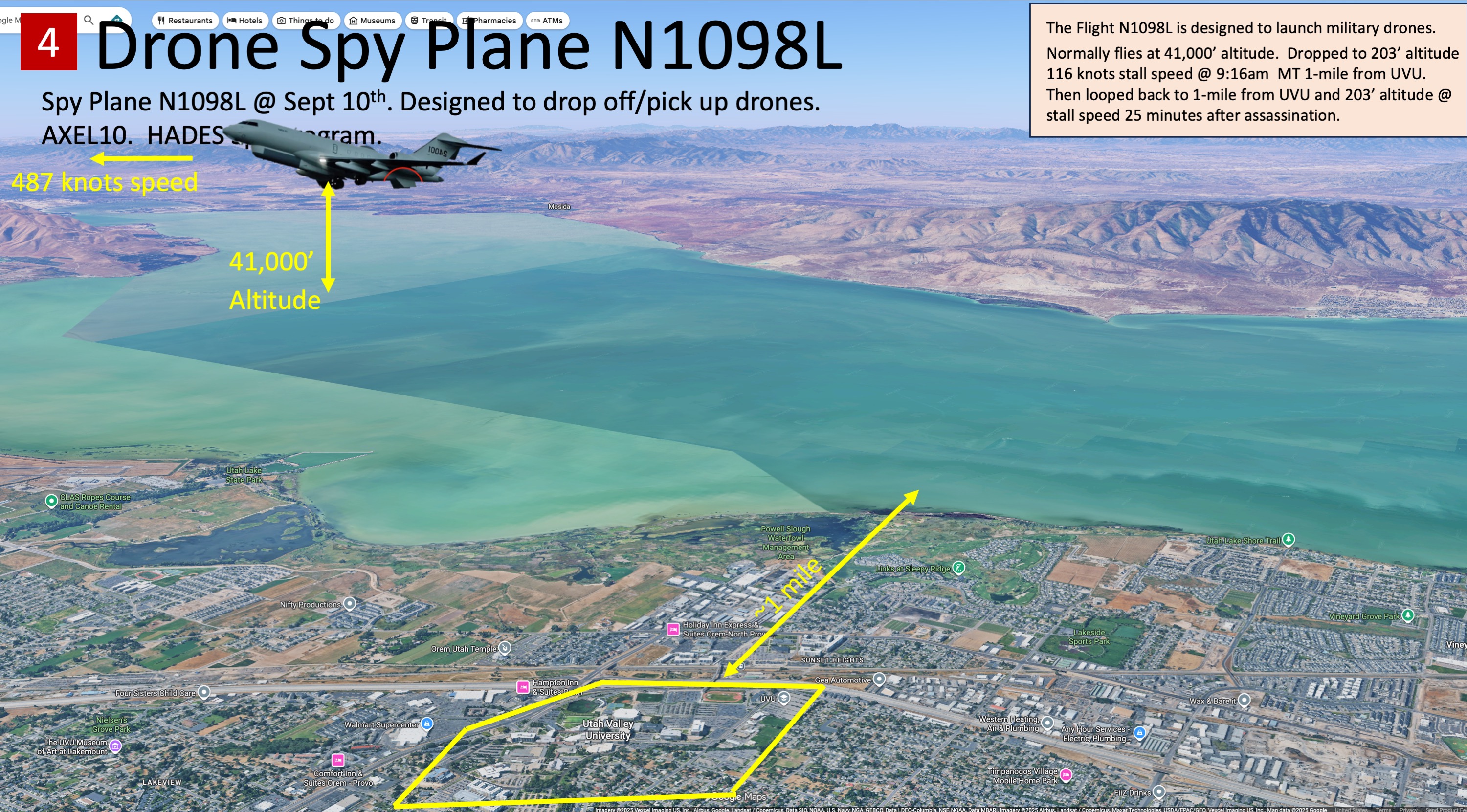
A Bombardier Global 6500 flown by an Army ISR contractor, callsign AXLE10, ran an unusual low and slow profile near Orem on September 10. No track, tasking order, or sensor product from it has appeared in the prosecution.
Read thisRobinson's lead capital defense attorney, thirty years into a criminal-defense career, and the name at the centre of the December 2024 spike claim. The page states plainly that Trends cannot show who searched.
Read thisThis website's author is @HolonCitizen on X and YouTube/@HolonCitizen. Follow me there.
Interesting
- Kirk reportedly told associates that naming Netanyahu would cost him TPUSA.
- Coleman says on camera that Robinson was framed and never meant to survive.
- The Tyler Robinson hub notes most citizen investigators now point to an explosive, not a rifle.