Media Narratives and Censorship Concerns After the UVU Event (Claims)
:::caution Legal Disclaimer Tyler Robinson is charged, not convicted and is presumed innocent until proven guilty. Media figures, platforms, and institutions discussed here are cited through public reporting and attributed commentary — not as proof of malicious intent or coordinated suppression. :::
The weeks after September 10, 2025 produced two parallel information environments: a mainstream consensus narrative (political assassination, rooftop shooter, 33-hour manhunt, Tyler Robinson charged) and an alternative investigative ecosystem questioning FBI versions, site changes, ballistics, and platform moderation. This page maps how those narratives diverged and what censorship claims citizen investigators attribute to institutions and platforms.
Material here comes from mainstream articles, TV and podcast segments, and X/Twitter, YouTube, and Substack commentary. It should be read as a map of public discourse, not verified investigative findings.
Mainstream media framing after the event (as reported)
In the immediate aftermath, major outlets generally followed a familiar template:
- Sept 10–11 live coverage: Political assassination framing; alleged rooftop shooter; 33-hour manhunt; Robinson charged, not convicted.
- Wire and broadcast chain: Fox/AP/ABC/Wikipedia summary loops for surrender narrative — see Media/september-10-breaking-news.
- Premature custody correction: False "suspect in custody" alerts rebroadcast before correction — timing disputes in After/Sept_11_Surrender_And_Custody.
- Human-interest and legal updates: Profiles of Charlie's life, TPUSA work, court appearances, and official statements.
This framing supplies the widely known factual backbone of the "after" period while leaving speculative questions to independent media.
Press arc shift into 2026 (as reported)
By Sept 2026 press cycles, coverage increasingly tracked court secrecy and evidence disputes rather than only the initial manhunt story:
| Topic | Coverage direction |
|---|---|
| Gag order | Judge Graf restrictions — After/Legal_Process_Gag_Orders_And_Secrecy |
| ATF seal motion | Defense seeks to seal inconclusive ballistics report — court/ballistics-atf-cbla |
| Prosecutor speech | Contempt disputes over "ample evidence" media statements — court/discovery-brady-disputes |
| Forensic literacy | PBS segments on inconclusive ballistics vs. citizen alternate-shooter threads |
Alternative and investigative media narratives (claims)
Independent outlets and online investigators offered alternative readings of the aftermath:
- Multi-actor and foreign-involvement theories (claims): Podcasts, Substacks, and YouTube channels proposed intelligence-linked or foreign-involvement scenarios from aircraft activity, security posture, and video analysis — often criticizing mainstream coverage as too narrow. See Media/Mainstream-vs-Alternative-Media. These theories gained mainstream-adjacent weight when former NCTC director Joe Kent said on the record that his center's own foreign-nexus review was halted before its leads were exhausted.
- Site and evidence access (claims): Alternative media highlighted rapid site changes (After/Site_Changes_And_Crime_Scene_Handling), limited autopsy release, and tight discovery control as drivers of public skepticism.
- Intra-conservative friction: Ben Shapiro via Megyn Kelly reportedly called Candace Owens' FBI questioning "evil" — commentary fault line, not a legal finding.
Memorial politics and institutional backlash
Memorial and movement politics intersected with media narrative:
- Medal of Freedom, National Day remembrance, Trump/Vance legacy speeches — Media/Presidential-Medal-of-Freedom, Media/National-Day-Remembrance.
- TPUSA replacement Fox interview timing questions — Media/tpusa-replacement-fox-interview threads.
- Reuters-reported 600+ workplace actions over Kirk-related posts — institutional backlash documented in After/Visa-Revocation-Celebrations and Other/Public_Response.
Censorship and information-control allegations (claims)
Post-event discussions center on claims that footage, commentary, or records were deleted, sealed, or buried:
Eyewitness video and FBI contact (claims)
- Some attendees claim event videos were missing, altered, or deleted when reviewed at home.
- In a widely cited thread, @ninoboxer / witness Ryne Simmons states he recorded 4K/60fps UVU footage, sent it to the FBI, and was asked to delete it — a request he says he did not honor. See Censorship/Ryne_Simmons_FBI_Video.
- Official public statements have not fully confirmed or denied these allegations.
Platform moderation and account suspensions (claims)
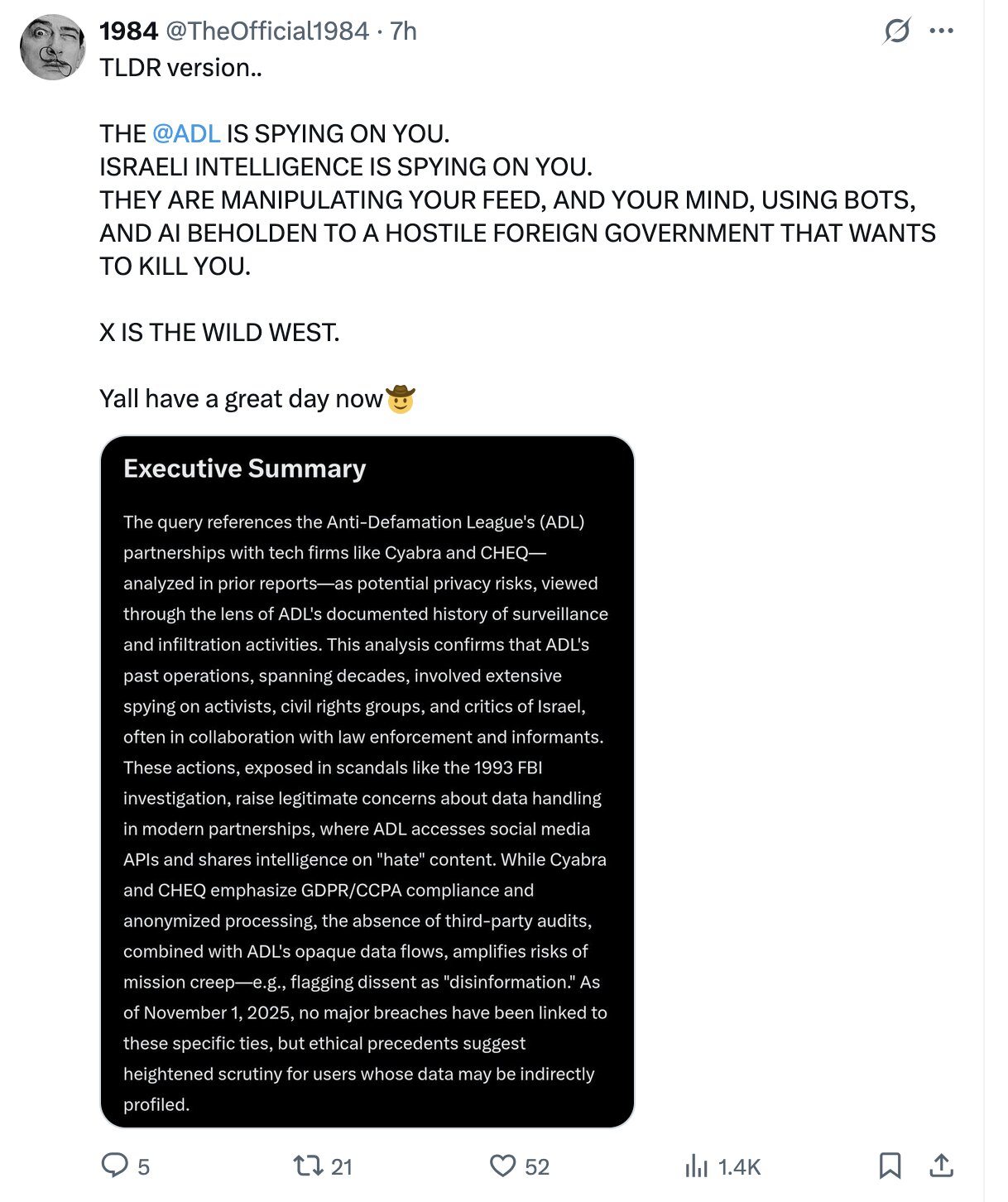
- Thousands suspended on X for engaging @RealCandaceO posts per UVU Social Media Response commentary.
- Platform takedowns of citizen-investigator threads; Candace Owens docuseries distribution battles.
- @ian_carroll: 600k document discovery dump characterized as burying contested items — overlaps legal secrecy in court/discovery-brady-disputes.
Campus, hospital, and surveillance threads (claims)
- UVU student trauma counseling allegation: 2-hour locked door; "you're the next target" messaging — UVU/UVU-Student-Reactions.
- Hospital security cameras removed threads — Medical/hospital_security_cameras_removed.
- Removed UVU rooftop surveillance per Harpole criticism threads — ties to UVU security posture questions.
Gag orders and protective orders (overlap)
Broad gag orders limit what lawyers and witnesses may say publicly — detailed in After/Legal_Process_Gag_Orders_And_Secrecy and court/gag-orders-sealing. Discovery protective orders further restrict document sharing outside counsel.
Platforms typically limit public detail on individual moderation actions, making case-by-case verification difficult. Deeper treatment: Media Censorship, Censorship/overview.
X.com / citizen commentary
- @ninoboxer / Ryne Simmons: 4K witness video retention; FBI deletion request allegation.
- @ian_carroll: Discovery dump scale and contested-item burial framing.
- CK_FILE / Candace Owens ecosystem: Docuseries distribution fights; UVU social suspension counts.
- PBS vs. citizen investigator threads: Inconclusive ballistics literacy vs. alternate-shooter OSINT.
July 2026: hearing coverage vs ballistics culture war
By the July 2026 preliminary hearing, mainstream live blogs and citizen OSINT again diverged — but now on forensic literacy rather than only the manhunt story:
- Press: Fox and wire live updates tracked defense attacks on ballistics and DNA chain as the five-day prelim wrapped (@DetonicsMKV pointing to Fox live coverage).
- Court media control: @FoxUSNews reported Judge Graf sanctioned media on Day 5 — ban on capturing/broadcasting exhibits after an order violation — a process story that citizen accounts read as narrative control and mainstream accounts often frame as courtroom order.
- Counter-narrative pushback: @IMAO_ (Jul 10, 2026) mocked the idea that a "sophisticated conspiracy" would botch 30-06 ballistics while online analysts "got it right" — an official-narrative defense of the charging story, not a forensic paper.
- Viral mockery of certainty: A @NihiloX video ridiculing "shot with a 30-06" certainty language circulated with hundreds of thousands of views — illustrating how platform culture, not only wire copy, sets what audiences believe about the wound and rifle.
Official narrative vs competing claims (media layer)
| Frame | Typical media home | Competing claim (attributed) |
|---|---|---|
| Lone actor, rooftop, 30-06 / Mauser | Wire/broadcast manhunt packages | Wound geometry / no-exit / alternate device theories on X and YouTube |
| 33-hour manhunt then peaceful surrender | Sheriff/press conferences | Miranda 6:25 PM vs Brooksby 8:02 PM — Sept 11 |
| Court protecting fair trial | Gag + exhibit orders | "Narrative management" via sealed exhibits — Legal Process |
| Platforms removing glorification | Safety / violence policies | Investigators report deboosting of OSINT accounts — Censorship |
How media and censorship debates shape the "After" landscape
Within After Events, Media, and Cover‑Up:
- Media narratives influence which explanations the public encounters first (official lone-actor vs. alternative multi-actor theories).
- Censorship and sealing claims fuel ongoing distrust and motivate independent archiving.
- The combination of mainstream coverage, alternative analysis, and platform policies creates an environment where certainty is difficult and speculation spreads quickly.
Researchers should consider what is claimed, where it is reported, and what records remain sealed in Tyler Robinson Trial and court/overview. Adjacent figures: People/nate-brooksby (custody narrative), Influencers/overview (podcast coverage).
Laws (Charlie Kirk)
- Records of FBI agents asking witnesses to delete videos, remotely wiped 4K eyewitness footage of the shot, and platform takedown orders targeting intel-service theories are things that the Charlie Kirk Investigation Laws may result in powerful truths coming out that aren't out yet.
Interesting In This Area
- The courtyard was repaved on a finish-by-Monday order, reportedly without public bidding.
- A December gag order silenced lawyers and witnesses, issued without any party asking.
- Four officials left their posts inside a year, including a sheriff and a president.
- Reuters counted 600-plus workplace actions over posts about the killing.
Interesting In Other Areas
- A witness says the FBI told him to delete his 4K footage.
- Platform suppression claims are hard to verify because moderation logs stay private.
- Candace Owens turned the autopsy and paving questions into mainstream news cycles.
- The citizen finding is an explosive device, not the rifle round officials describe.
Images
Other Pages In This Section
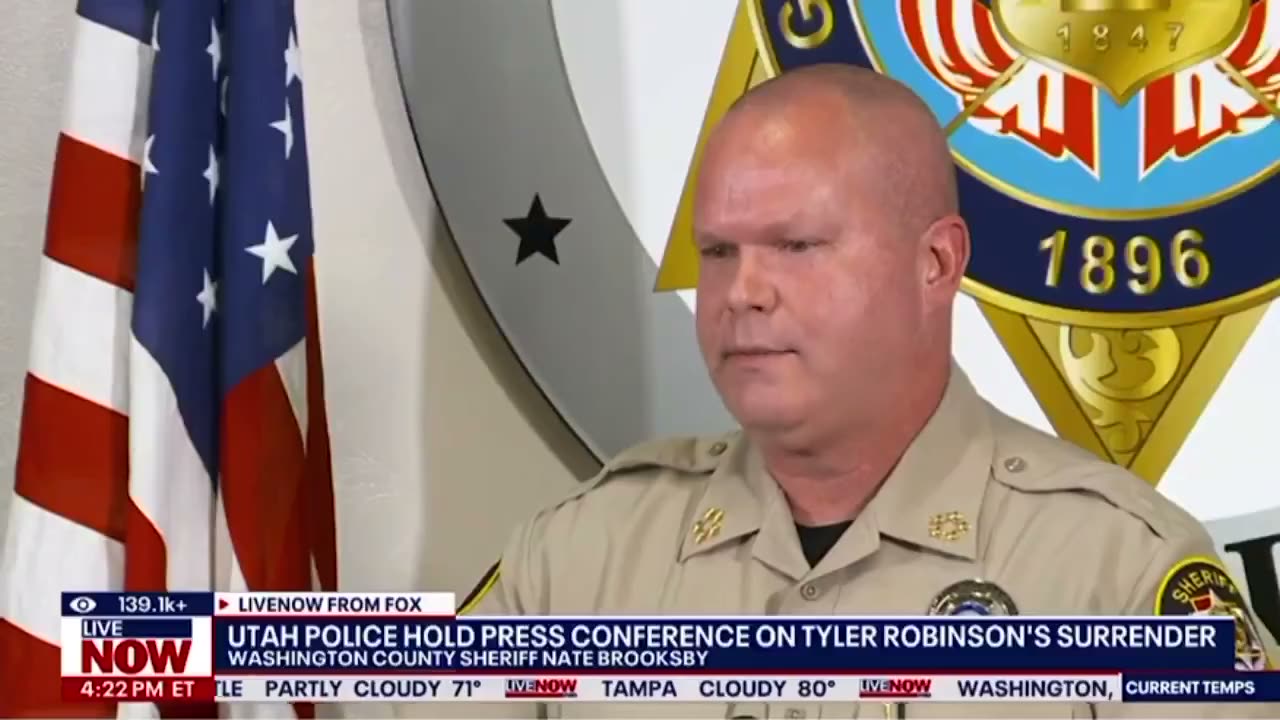
Sept 11 Surrender and Custody Timeline
Miranda at 6:25 PM, a sheriff's first identification call at 8:02 PM, Discord messages at 7:57 PM. The order of those three timestamps is the entire dispute, and no public record has reconciled them.
Read this691 W 925 S — Location and the Property
A 7,486-square-foot, six-bedroom house built in 1980 — and, contrary to the real-estate aggregators, about a quarter-mile from the campus edge. UVU's own board called it "contiguous to campus."
Read this691 W 925 S — Records You Can Request (GRAMA)
Four ready-to-send GRAMA requests: the Orem police canvass file, UVU's own use and key-issuance records for the house, city license and permit files, and UVU Police reports. Filing one accuses nobody and costs nothing.
Read this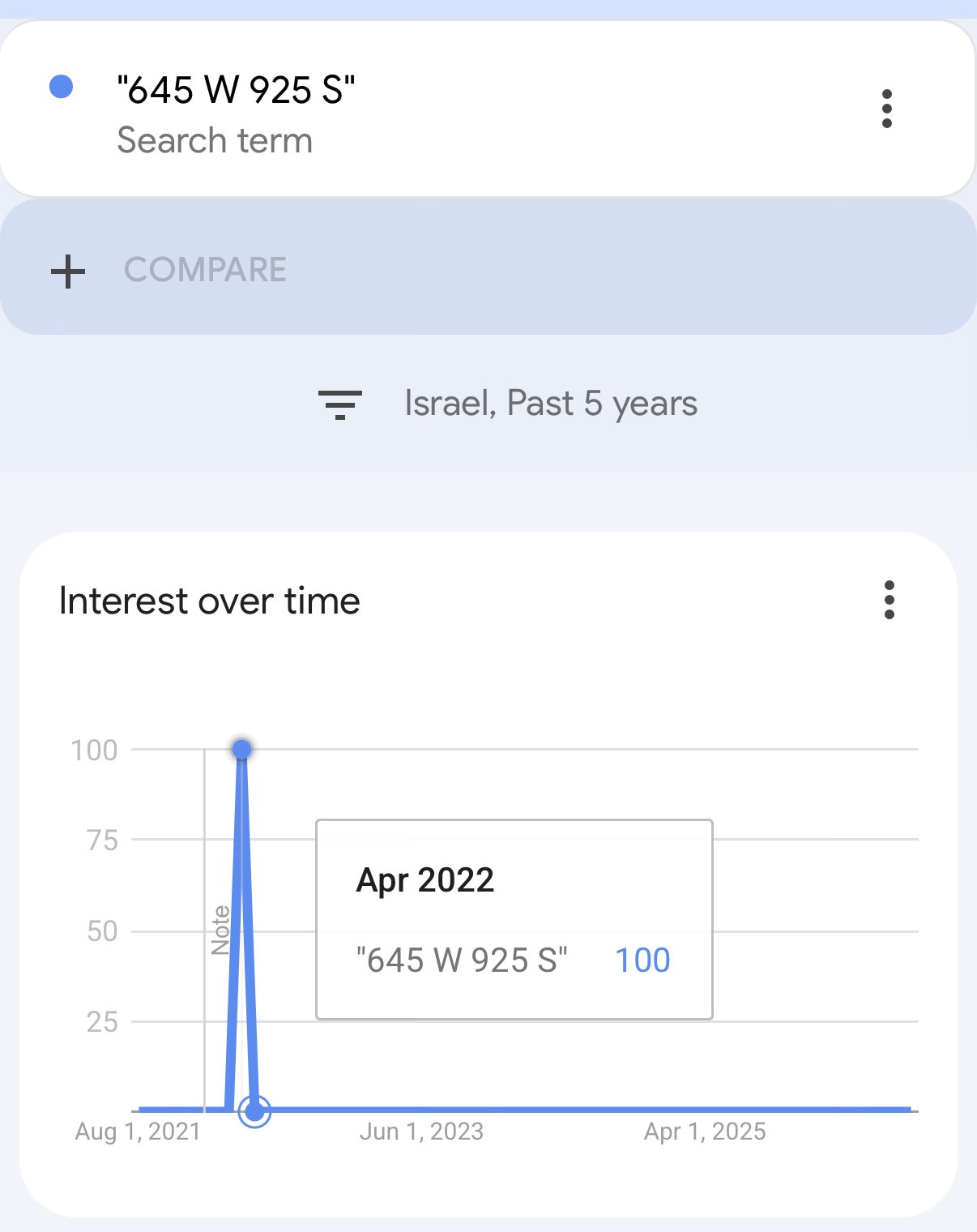
Everything downstream of 12:23 PM on September 10 — surrender, paving, gag orders, resignations, visa enforcement, and the residential block north of campus. Start here to read the aftermath as one connected thread rather than seven separate fights.
Read thisElsewhere In The Investigation
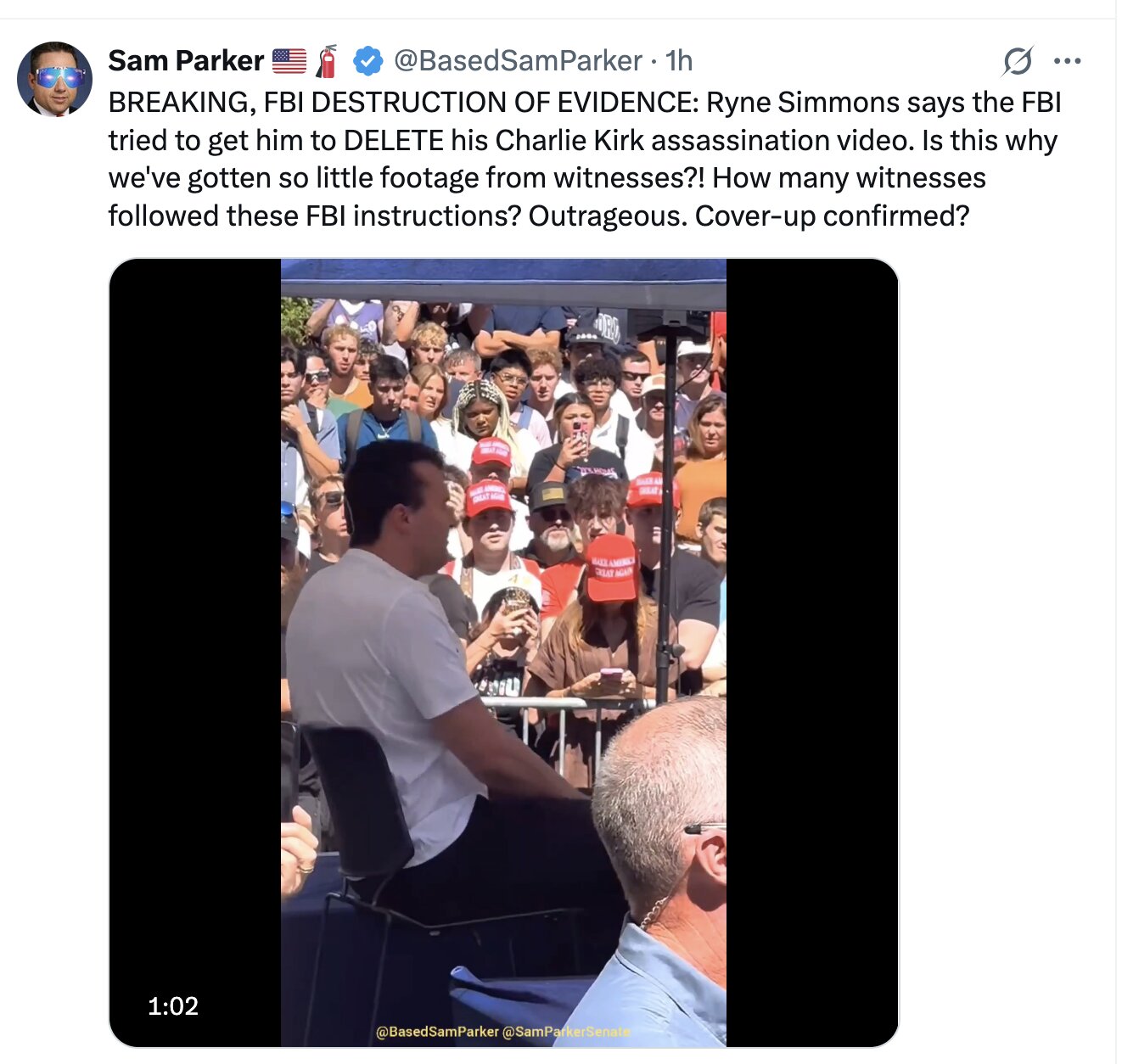
Ryne Simmons — FBI Video Deletion
A witness says he recorded 4K 60fps footage at close range, sent it to the FBI, and was told to delete it. He says he refused, which is the only reason the clip is discussed at all.
Read thisClaims of suppression and information control drawn from public reporting — what was removed, who asked for it, and what the platforms will not say about individual actions.
Read this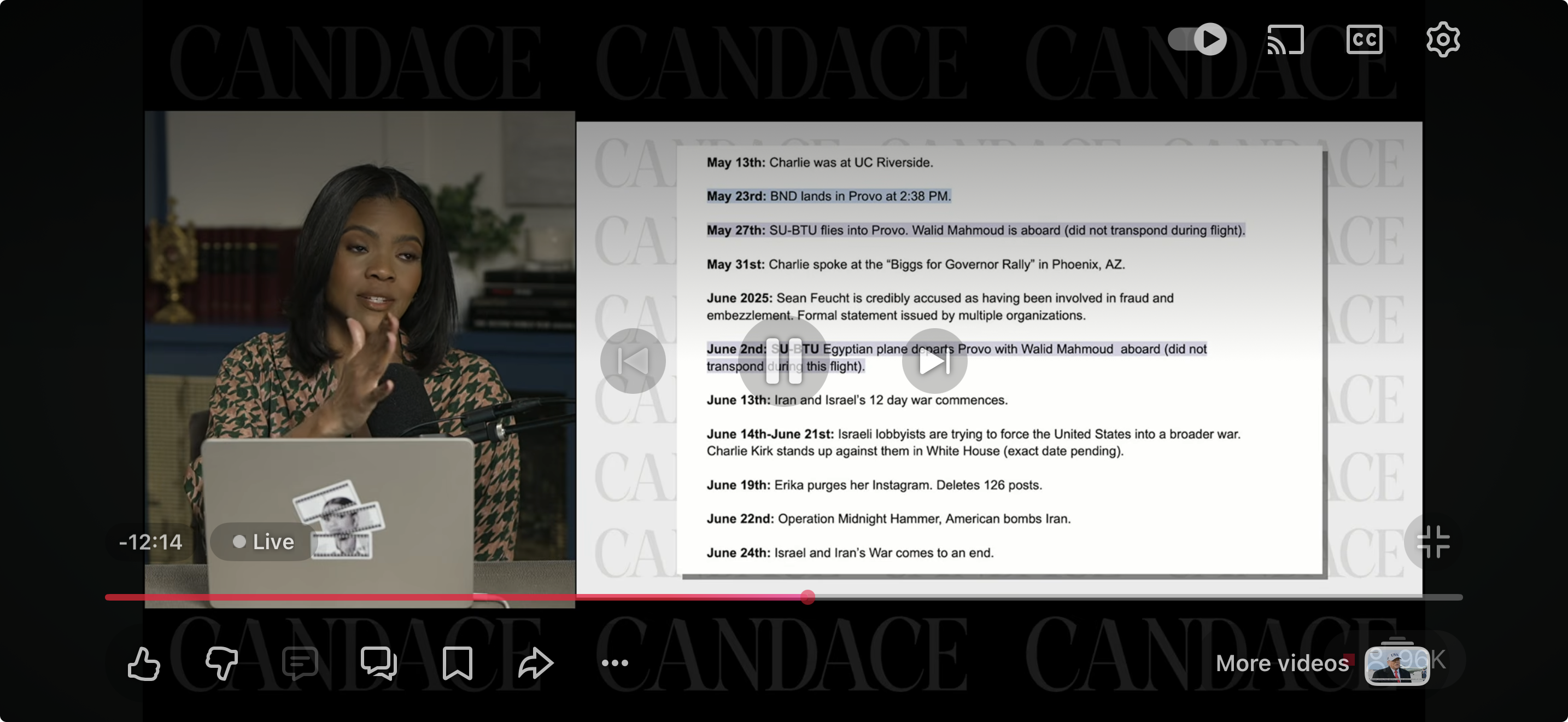
The podcaster who pushed hardest on the autopsy, the paving and the missing footage, and whose audience turned each of them into a mainstream news cycle.
Read this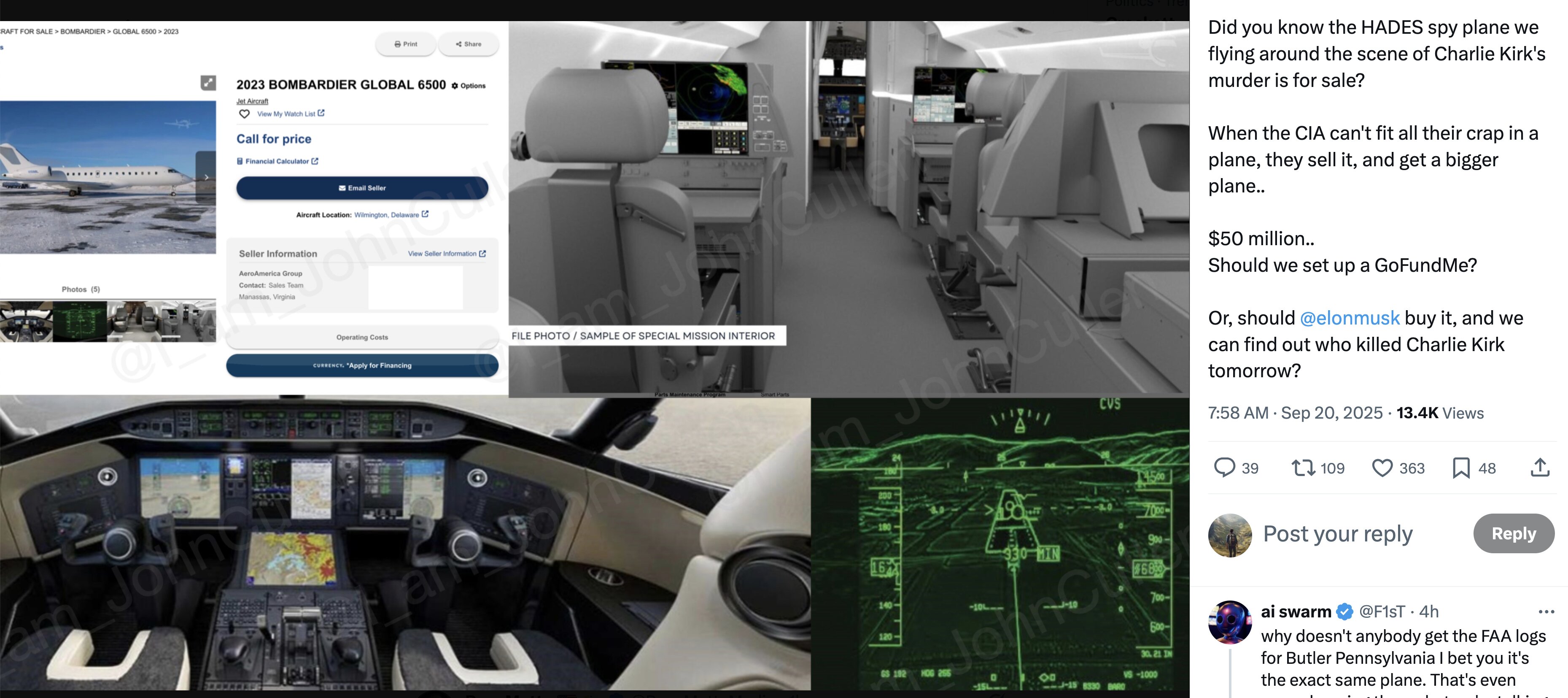
Explosive in Mic Likely Killed Charlie
The citizen-investigation finding that a concealed charge in the microphone, not a rooftop rifle round, is the mechanism that fits the footage and the wound. It is why the paving of that exact ground matters so much.
Read thisThis website's author is @HolonCitizen on X and YouTube/@HolonCitizen. Follow me there.
Interesting
- The crime-scene courtyard was repaved on a finish-by-Monday work order, reportedly with no public bidding.
- On December 16, 2025 the court reportedly gagged everyone on its own motion, silencing lawyers and witnesses.
- Defense moved to seal a 4-page ATF report — gag orders and sealing.